

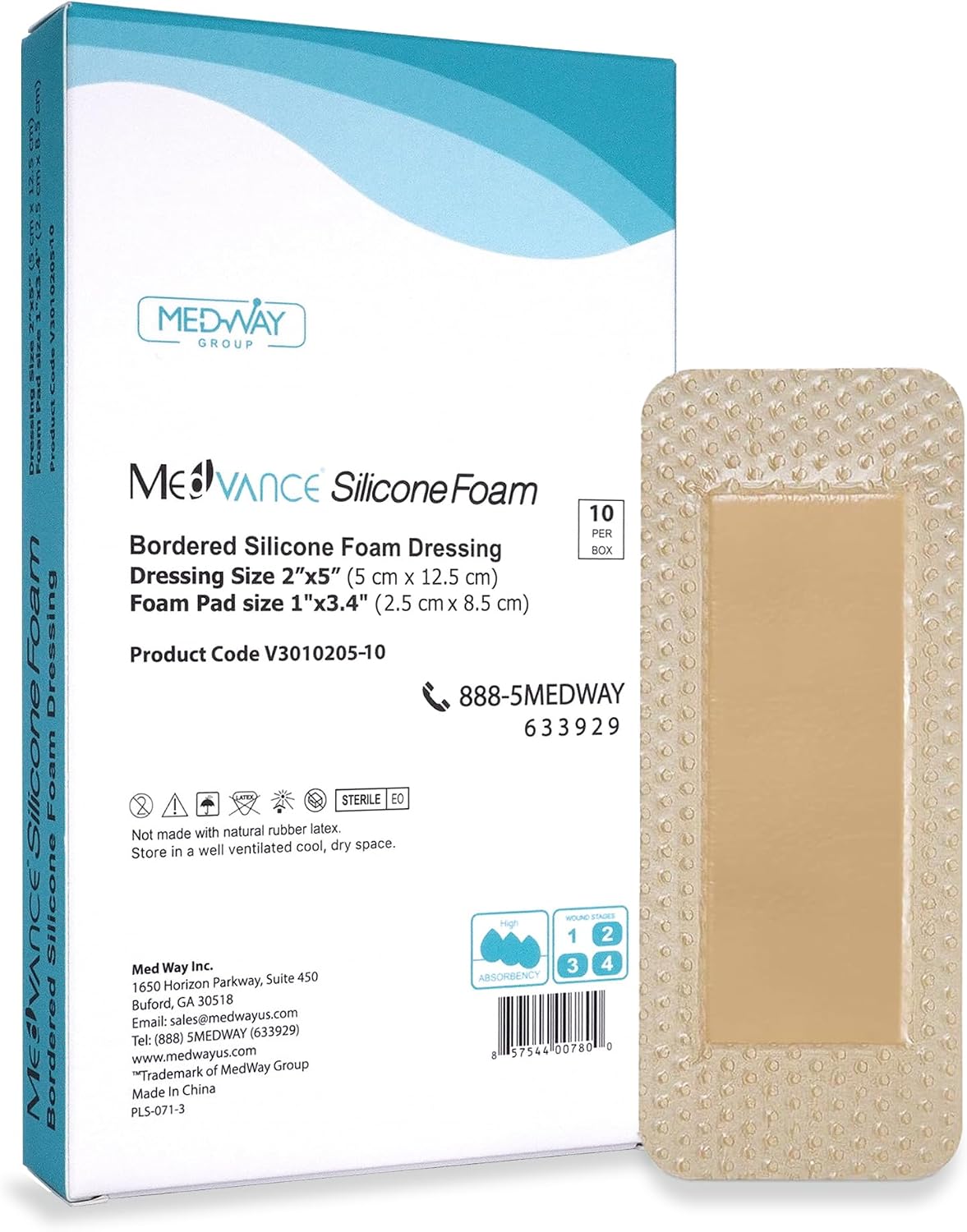
MedVanceTM Silicone Bordered Adhesive Foam Dressing, Size 3"x3" (1.8"x1.8" pad), Box of 5
Product description
What this dressing is for
MedVanceTM Silicone bordered adhesive foam dressings are designed to support wound healing while keeping the dressing comfortable for day-to-day use. On paper, the idea is pretty straightforward: a soft silicone adhesive layer helps protect the wound bed (so it won’t grab onto it), while the foam and multilayer structure aim to manage moisture and reduce the risk of contamination.
This is the kind of dressing you typically look for when you want a balanced approach—absorbent enough to handle drainage, yet semi-permeable so the wound environment can stay moist without feeling sealed off. It’s also described as breathable thanks to a semi-permeable PU film, which may help with vapor/oxygen exchange.
Key takeaways
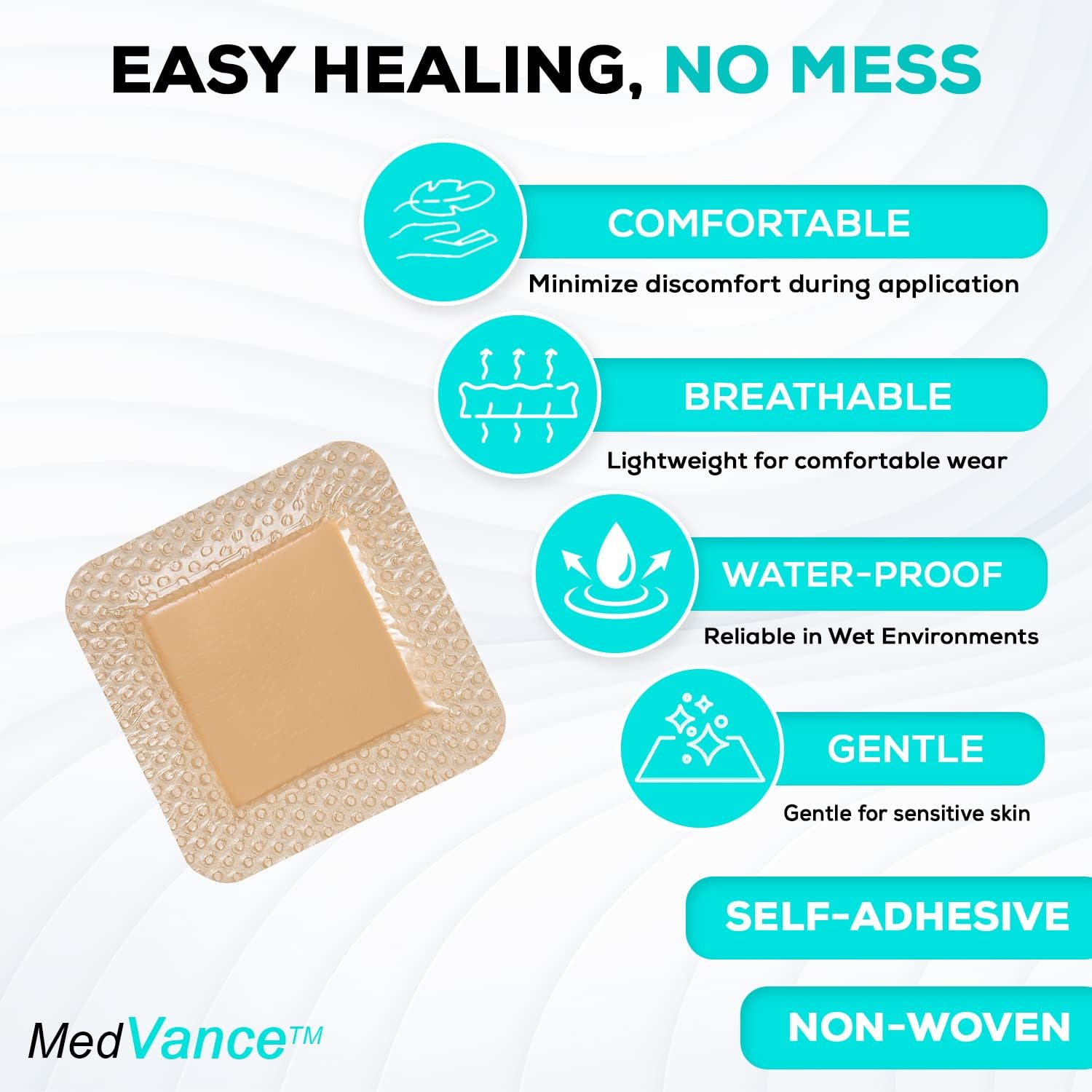
The strongest reasons people consider a bordered silicone foam dressing like this one are comfort, moisture balance, and ease of changing. The self-adhesive multilayer construction is meant to create an “optimal healing environment” by keeping the wound moist and limiting contamination.
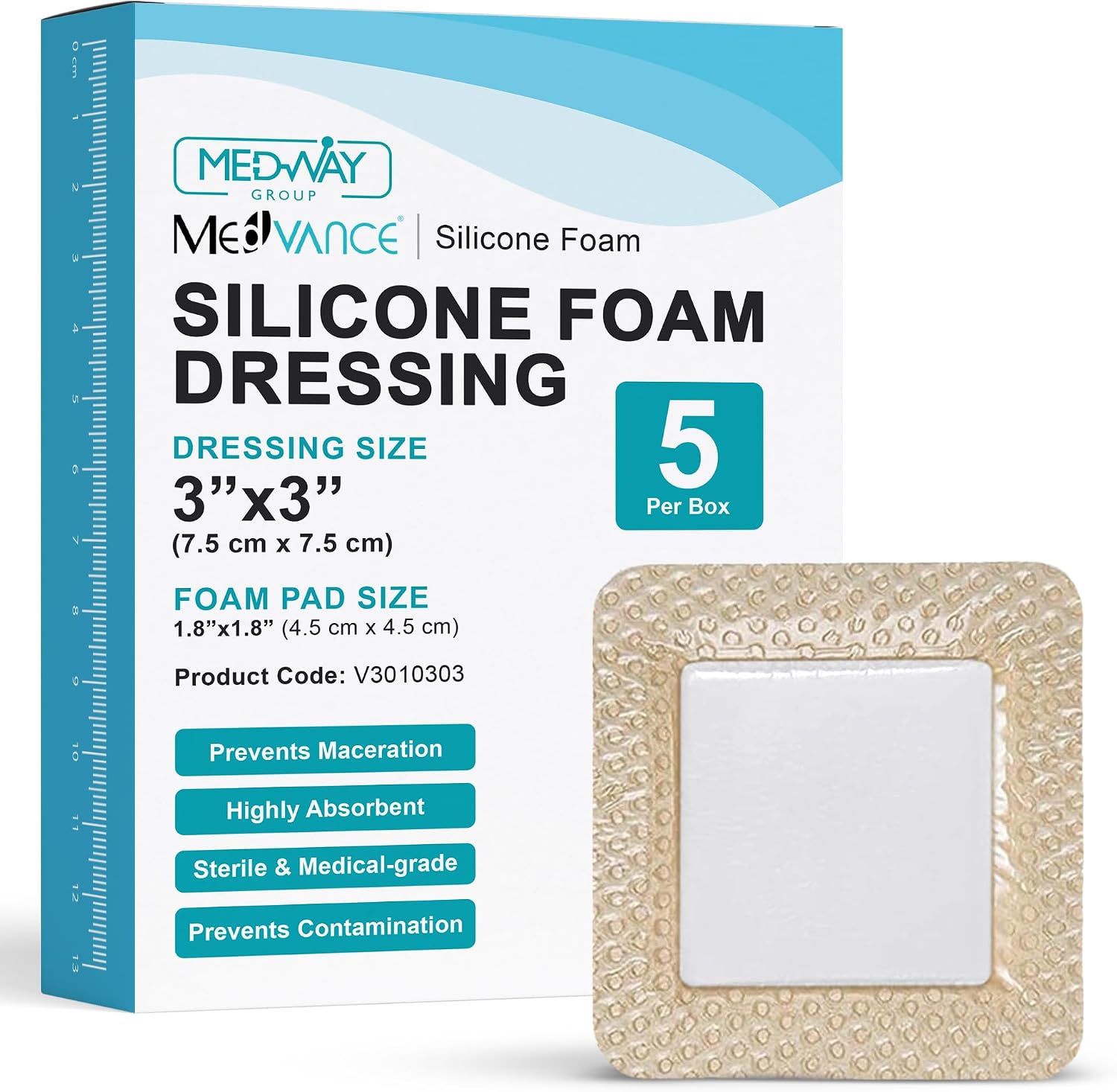
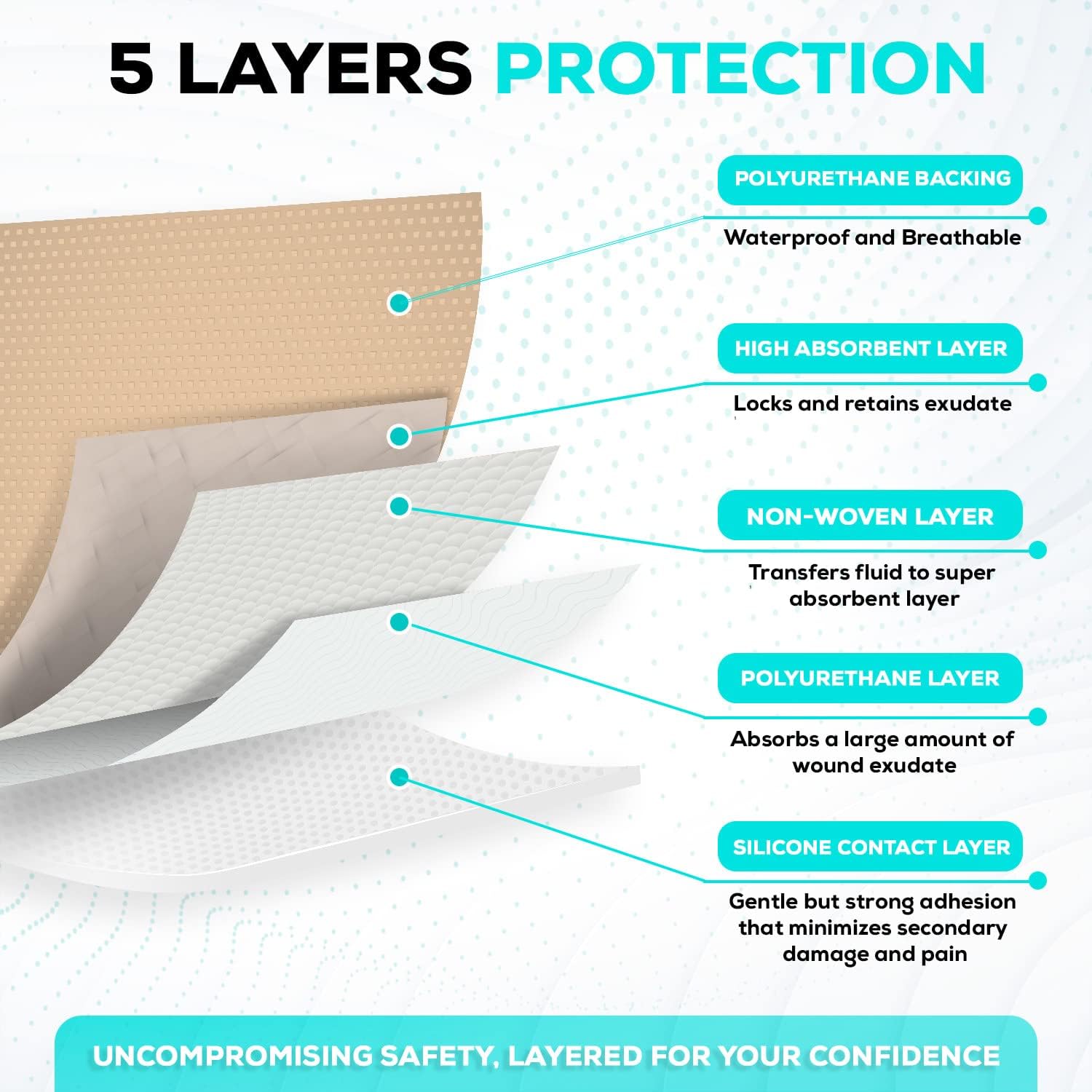
You also get a practical benefit from the silicone contact layer: it is described as not sticking to the wound bed, while the border stays on the skin. That’s the difference that often matters when you’re doing dressing changes regularly—less trauma on removal, and usually less pain than with adhesives that grab.
The semi-permeable design is another point worth noting. A liquid-barrier approach can help protect against external moisture, while still allowing oxygen and water vapor to pass. Depending on the wound, that can be a good target because you generally don’t want a wound to dry out.
What you’ll notice in use
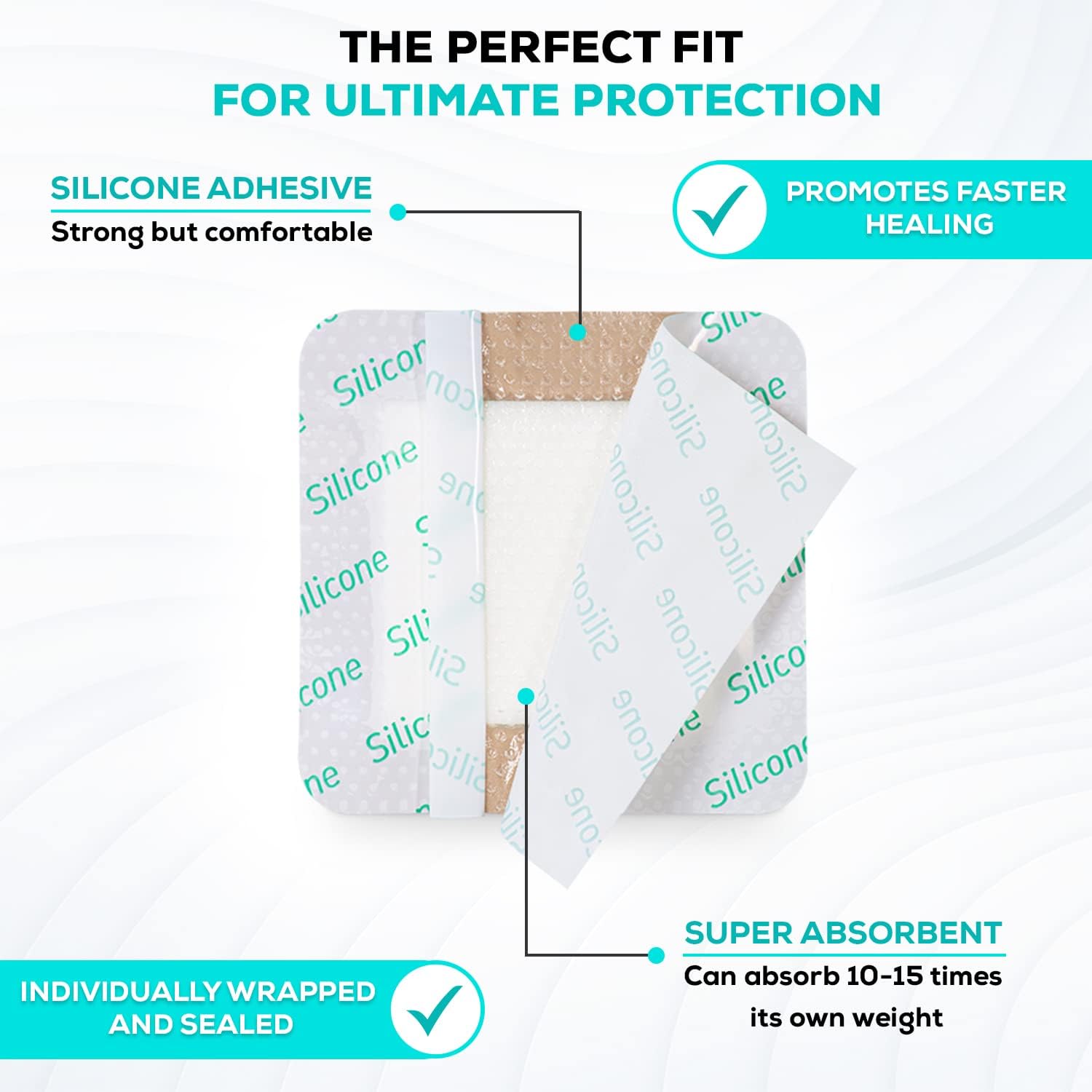
If you’ve ever removed a wound dressing only to feel like it tore something that shouldn’t be torn, you’ll understand why silicone is such a focus in this product line. The dressing is described as soft silicone adhesive that acts as a wound contact layer. In practical terms, the border is meant to stay intact to the skin, while the wound-facing layer is intended not to adhere to the wound bed.
A simple micro-scenario: after surgery or during ongoing care, you apply the dressing to the affected area, then leave it in place until the next change. When it’s time to remove, the silicone contact layer is intended to reduce secondary damage and minimize pain during removal—so the process doesn’t have to feel like a repeat injury.
Coverage, breathability, and moisture control
This dressing includes multiple layers, including a foam layer and a semi-permeable PU film. The film is described as a liquid barrier that allows the passage of oxygen and water vapor. The goal is a high absorbent, breathable surface that keeps the wound moist and sterile.
It’s not perfect for every wound type or every drainage level, and it can be easy to pick the “wrong” dressing size or foam thickness if you’re not matching the product to the wound’s needs. Also, moisture control is a balancing act—if a wound situation changes (more drainage, different exudate, or signs of infection), you may need to revisit the dressing choice.
Best use cases—and where it may fall short
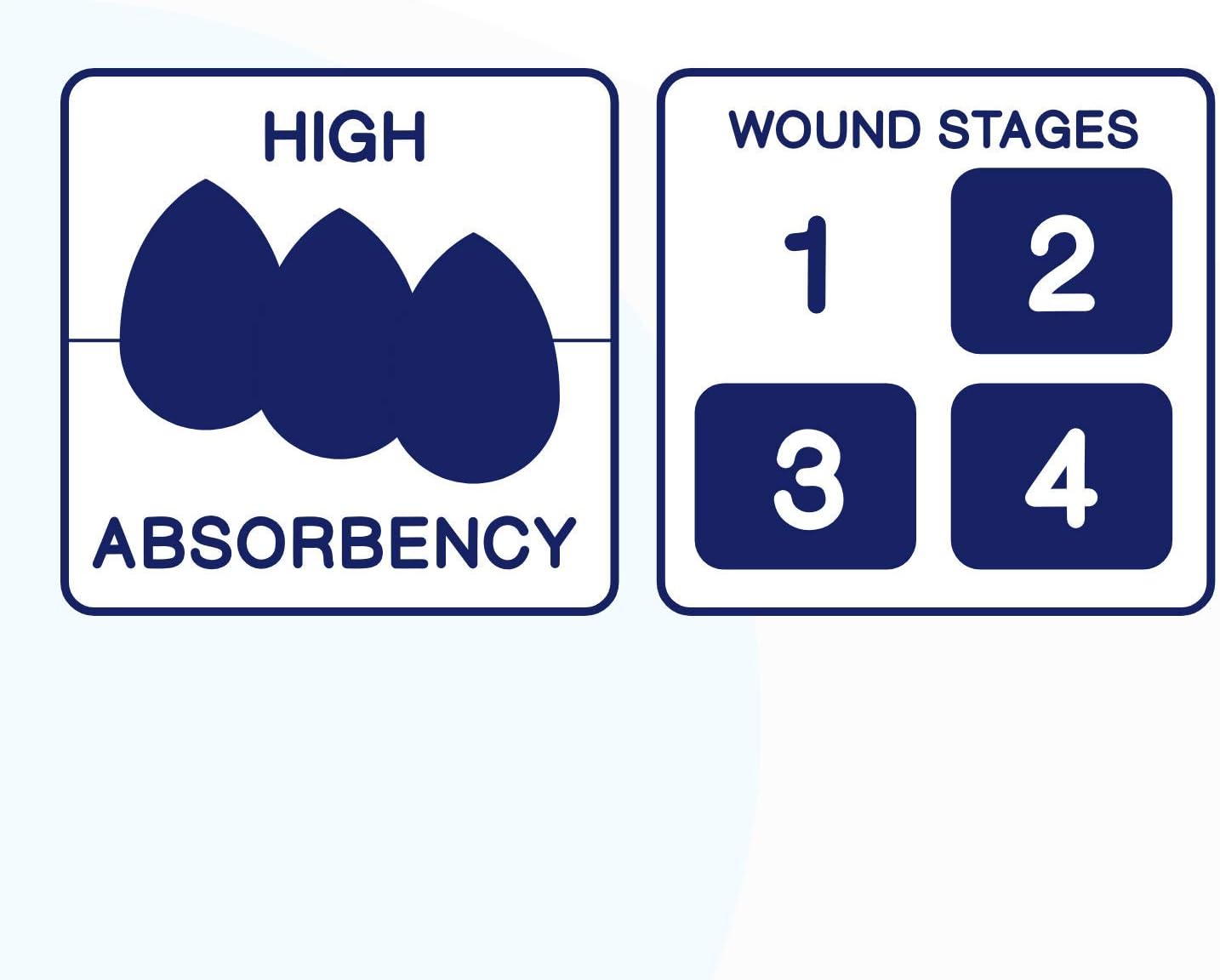
MedVanceTM bordered silicone foam dressings are described as effective for a range of applications, including post-operative wounds, bed sores, cysts, pressure ulcers, burns, and other minor traumas.
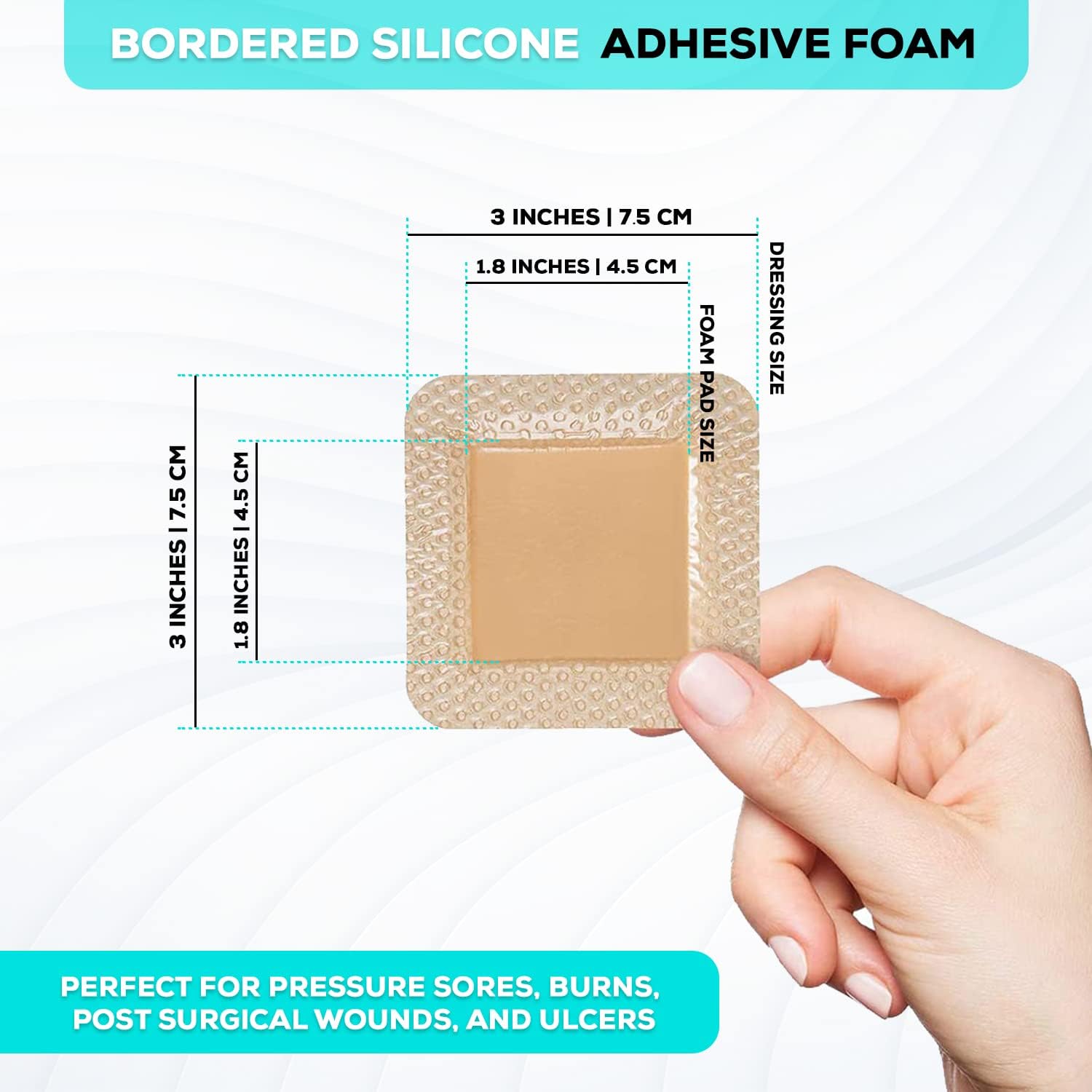
They’re also described as suitable for hospitals and other care settings such as senior care homes and hospice. If you’re managing wounds in a clinical or supervised environment, the sterile, individually wrapped format is a plus for contamination control.
Where it may not be the best fit: if you need a dressing with specifications that aren’t covered in the description you have here—like a very particular size/coverage requirement beyond the stated 3"x3" product size and the 1.8"x1.8" pad—or if your care plan calls for a different adhesive approach or barrier system, you might find this one doesn’t match as well.
Tech details
- Type: Bordered silicone adhesive foam dressing
- Size: 3"x3" (1.8"x1.8" pad)
- Format: Box of 5 dressings
- Sterility: Sterile and individually wrapped
- Adhesive approach: Self-adhesive multilayer structure with soft silicone acting as wound contact layer
- Barrier layer: Semi-permeable PU film (liquid barrier, allows oxygen and water vapor passage)
The listing also notes approval for Level II of the Healthcare Common Procedure Coding System (HCPCS). It states you can use code A6212 for billing/claims.
Should you buy it?
A solid pick if you want a bordered silicone foam dressing that’s aimed at keeping the wound moist, limiting contamination risk, and making dressing changes less painful thanks to a silicone contact layer that does not stick to the wound bed.
You may want to skip it if the wound care plan you’re following requires a different size beyond what’s offered here, or if your priority is something not supported by the available details (for example, a different type of wound contact layer or a barrier strategy).
It’s particularly sensible for people working in clinical settings or caregivers who handle dressing changes and want a product designed for comfort and an environment that supports healing.
Mini FAQ
Is it meant to stick to the wound bed?
No—the description says the soft silicone acts as a wound contact layer that does not stick to the wound bed, while the border stays with the skin.
Is it breathable?
It’s described as having a semi-permeable PU film that allows oxygen and water vapor to pass while acting as a liquid barrier.
Is it sterile and individually wrapped?
Yes. Each dressing is manufactured in a sterile facility and individually wrapped to help prevent contamination.
What size is this dressing?
The product is listed as size 3"x3" with a 1.8"x1.8" pad.
Where is it commonly used?
The listing mentions hospitals, senior care homes, hospice, and other medical facilities, and lists wound types such as post-operative wounds and pressure ulcers.