

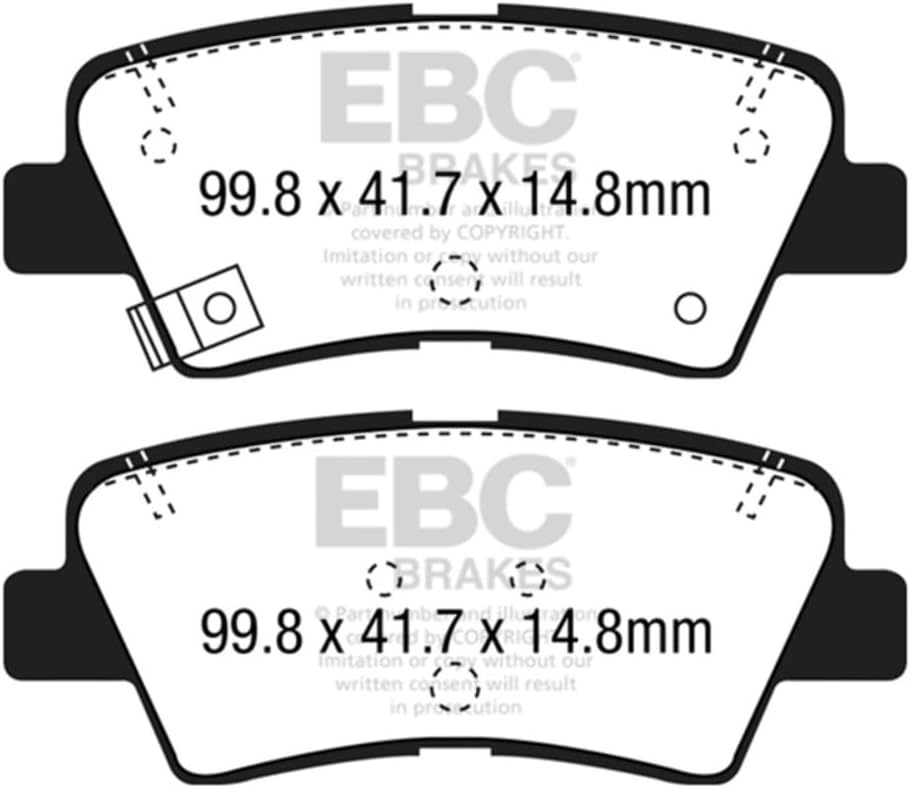


EBC Brakes Redstuff 3000 Sport Brake Pads
Product description
This full-ceramic sport brake pad set targets drivers looking for stronger stopping power on everyday roads and spirited drives. These low dust ceramic brake pads for Hyundai and KIA offer firmer pedal feel and improved cold bite, helping you stop more confidently in city traffic and on winding secondary roads. 😊
Key Points
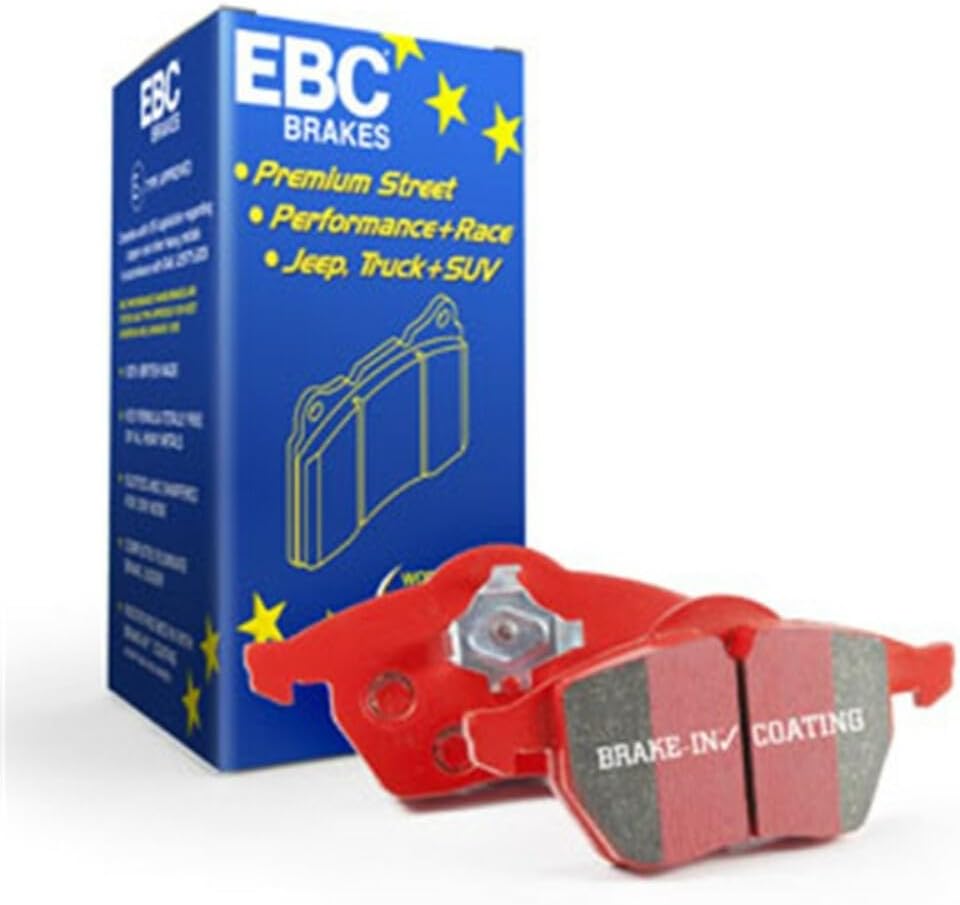
The Redstuff 3000 Series focuses on reducing wheel contamination while raising braking performance over standard pads. According to the manufacturer, braking improvement ranges between 20 and 30 percent compared to original equipment, which can translate into shorter stopping distances in many conditions. The compound contains no metal fibers, so it generates less dust and is quieter under normal use. These pads work well on premium sedans and for fast street driving where consistent response across a range of temperatures is important. 🚗
Technical Specifications
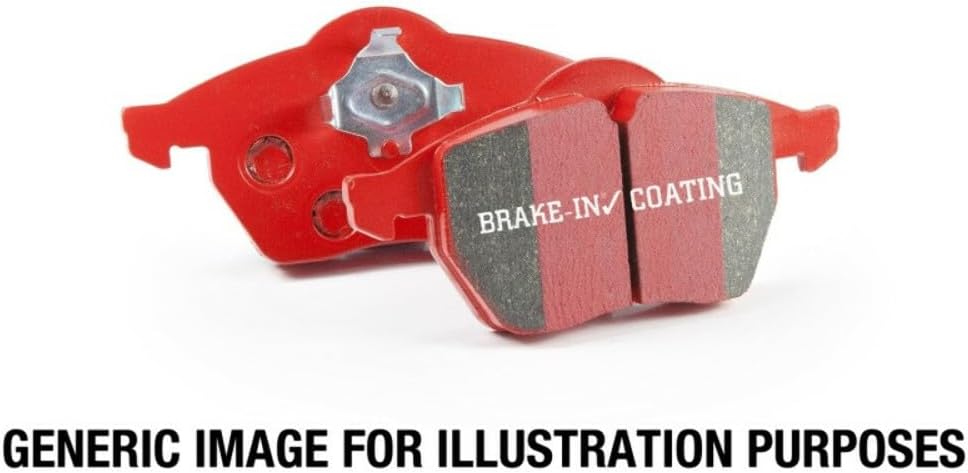
- Name: EBC Brakes Redstuff 3000 Series DP32188C
- Compound: Full ceramic formula, no metal fibers.
- Dust level: Lowest dusting in EBC’s range, according to the manufacturer.
- Performance gain: Improves braking 20-30% over OE, according to the manufacturer.
- Application: Fast street and premium sedan use, fits HYUNDAI and KIA models.
The Essentials
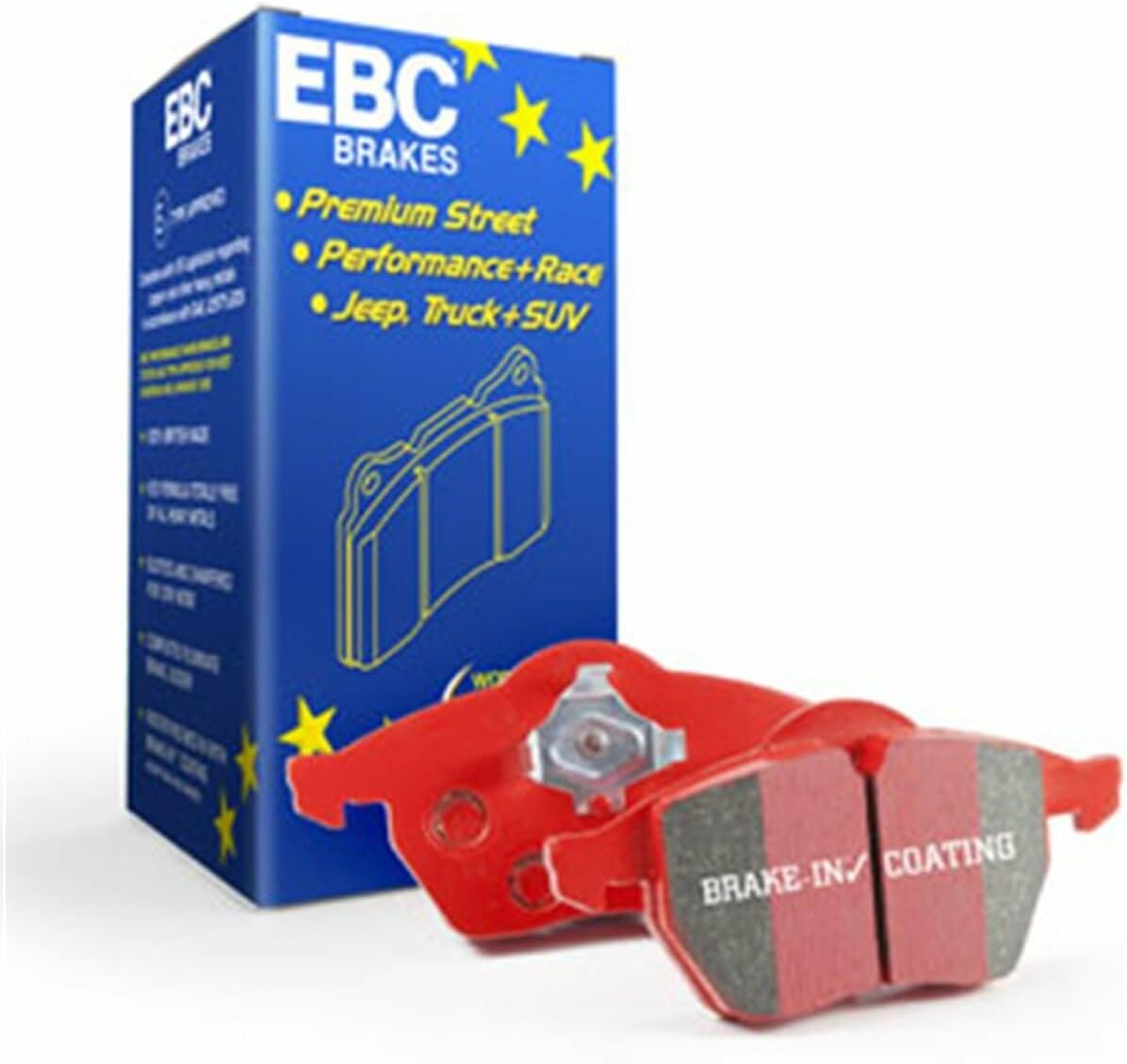
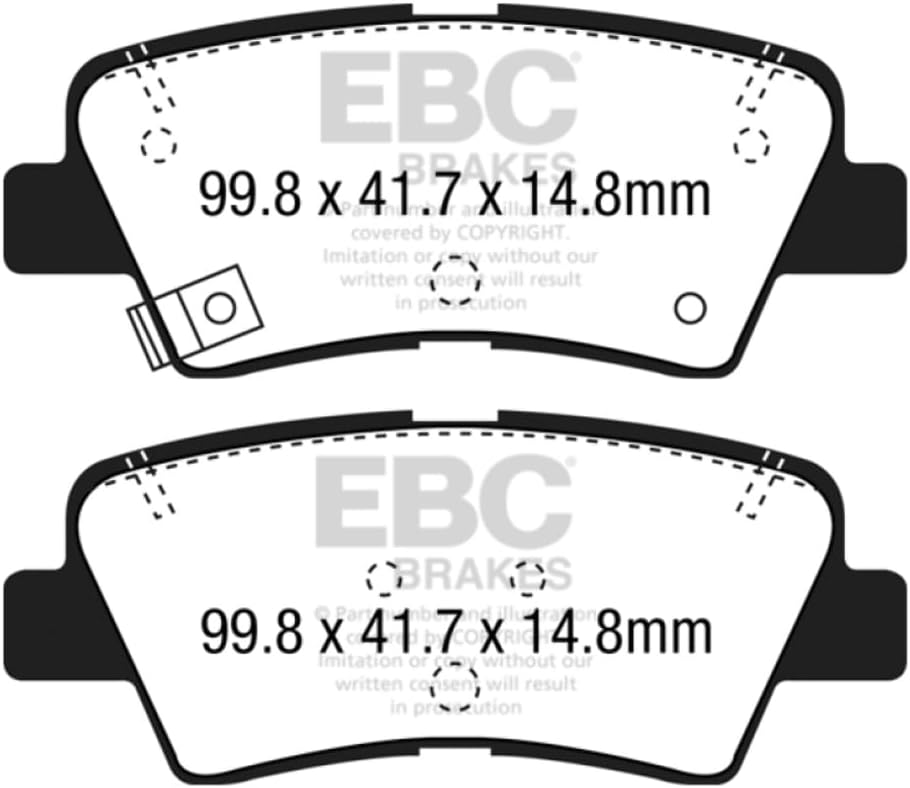
The design emphasizes a strong initial bite when cold and a steady, firm pedal feel as temperatures rise. This makes the pads practical for daily commuting as well as occasional spirited driving. They are not advertised as track-only components, so they suit drivers who want enhanced stopping without a lot of additional noise or rotor wear typical of some metallic compounds. Note that ceramic compounds can feel different compared to organic or metallic pads; some drivers prefer the firmer sensation and reduced dust, while others may miss the modulation of other materials. 🔧
Usage Recommendations
Install these pads with compatible rotors and follow proper bedding-in procedures to achieve optimal contact and performance. For best results, monitor pad thickness and rotor condition during the first few hundred miles and again after more aggressive use. Consider that heavy track use may push temperatures beyond the range where street-oriented ceramic compounds perform best, in which case a track-specific pad could be more appropriate.