

BOSS Audio Systems CH6530 Chaos Series 6.5-Inch Car Door Speakers (Pair) – 3-Way Coaxial
Product description
If you’re trying to wake up your factory sound without turning the whole car audio project into a science fair, the BOSS Audio Systems CH6530 Chaos Series coaxial door speakers are built for that kind of upgrade. On paper, they’re positioned as a straightforward 6.5-inch pair with a 3-way layout, designed to deliver fuller sound from the spots where door speakers normally go.
That “on paper” bit matters, though. If your current setup already sounds great or you’re chasing high-end clarity, you may feel the upgrade is more about adding punch and coverage than about audiophile perfection.
The essentials
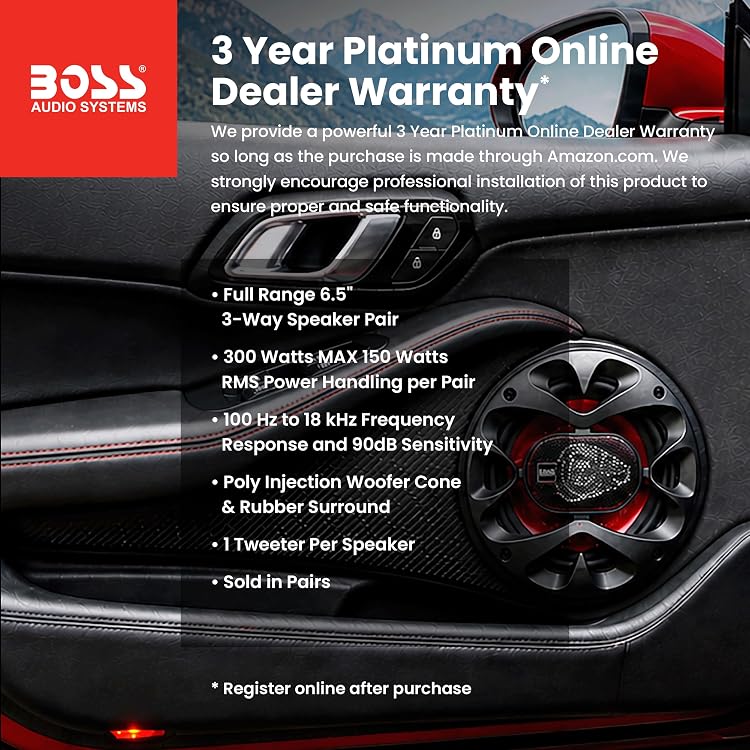
These CH6530 door speakers are 6.5-inch coaxial (3-way) speakers sold as a pair. They use a Poly Injection Cone paired with a rubber surround, and they sit in a stamped basket design. The spec sheet also calls out a frequency response of 100 Hz to 18 kHz and a sensitivity rating of 90 dB (at 1 watt/1 meter), which is the kind of numbers that can help you judge whether they’ll be efficient enough with your existing head unit or amplifier.
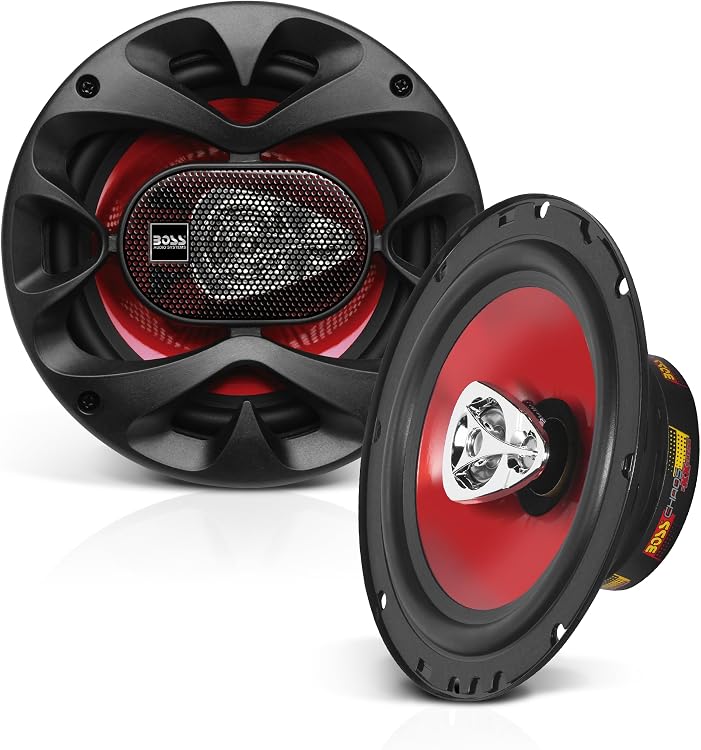
A practical way to think about it: in everyday driving, the speaker’s job is to make vocals intelligible and keep mid/high details from sounding dull. With a listed top end up to 18 kHz, the tweeter support is intended to keep cymbals, sibilance, and higher harmonics present rather than buried.
What you’ll notice day to day
A 90 dB sensitivity spec at 1 watt/1 meter suggests these speakers don’t demand excessive power just to get going. That can help if you’re not planning a big amplification step right away. The sensitivity number isn’t the whole story, but it’s often part of why some speakers feel “louder” or more present without fighting the signal.
Quick overview of the install fit
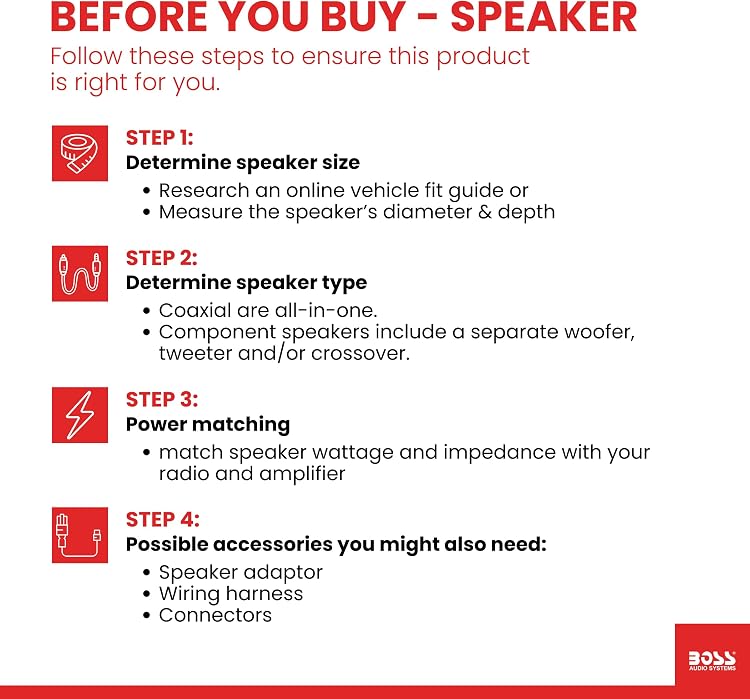
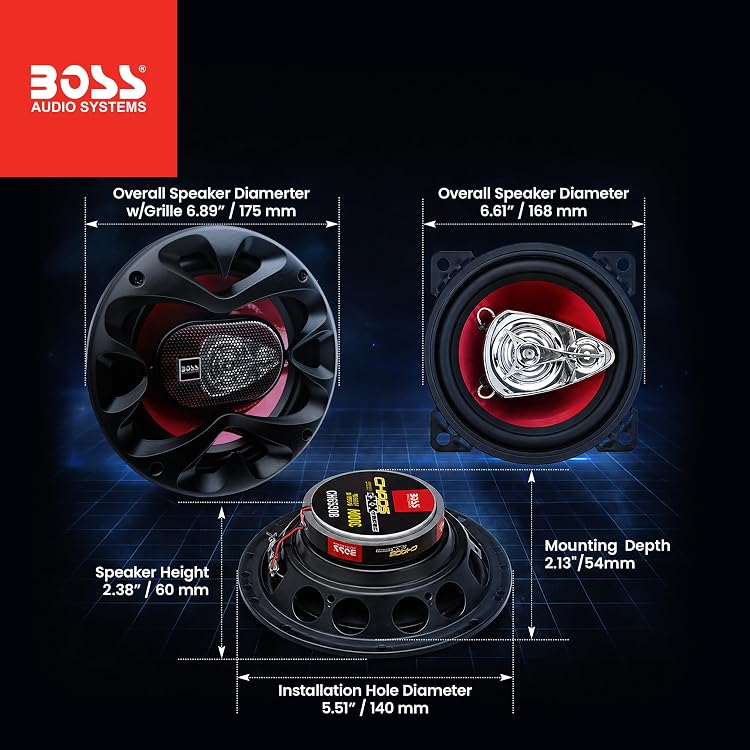
Before you get excited, check the physical match to your doors. The mounting hole is listed at 5.5 inches, the mounting depth is 2.1 inches, and the overall dimensions are 6.6 x 6.6 x 2.4 inches.
It may sound boring, but in car audio installs, that’s where projects either move fast or get stuck. If your factory speaker location can’t support the listed depth or hole size, you’ll be looking at extra work like adapter rings or trimming—something to keep in mind before buying.
Tech specs that matter for buying
- Impedance: 4 ohms
- Frequency response: 100 Hz to 18 KHz
- Sensitivity: 90 dB @ 1 watt/1 meter
- Voice coil: 1-1nch voice coil
These are the core “will it behave with my setup?” stats. The 4-ohm impedance is a common figure, but you still want to confirm your amp compatibility if you’re using external amplification.
Where it shines (and where it can feel limited)
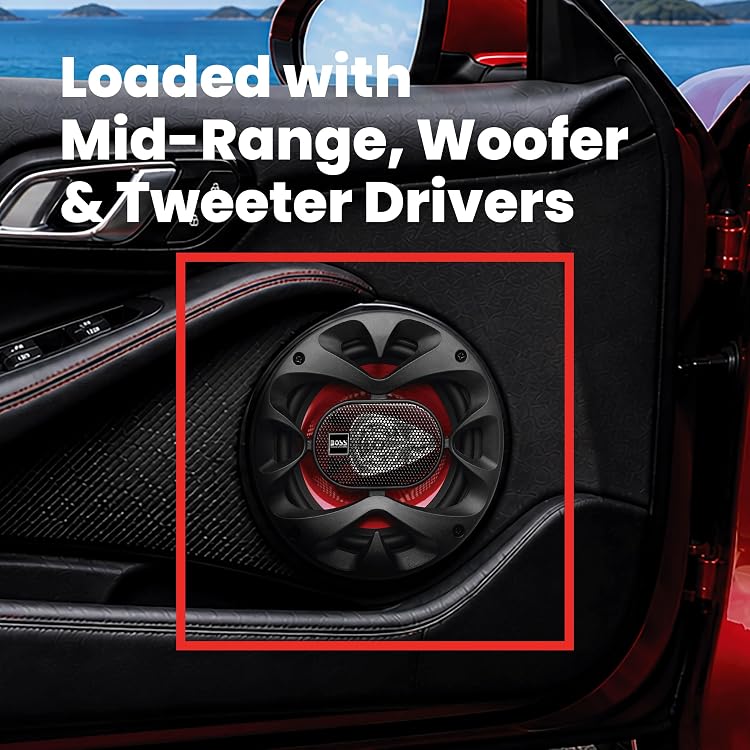
It’s a solid match if you want a typical door-speaker upgrade: 6.5-inch coaxials with a rubber surround and poly cone, intended to handle daily listening and general music styles. The listed tweeter/3-way coaxial approach is also aimed at reducing the “one-note” sound that can happen when a system only emphasizes the midrange.
But take a moment to set expectations. A response starting at 100 Hz means you’re not relying on these speakers to cover deep bass the way a subwoofer or a dedicated low-frequency setup can. If you expect thunderous low end directly from the doors, you may end up disappointed.
Also, the power figure is listed as 300 Watts (pair) in the product name. Still, without more detail on RMS vs peak or recommended power range, it’s smart to treat that as a broad capacity reference rather than something to chase.
Who it’s for
Worth considering if you’re building a practical door upgrade and you want a coaxial 6.5-inch pair that includes tweeter coverage as part of the design. It’s also the kind of upgrade people choose when they’re aiming for better clarity and more consistent treble without switching to separate components.
It may not suit you if your doors won’t accommodate a 2.1-inch mounting depth, or if your priority is deep bass performance from the speaker location. And if you already have a higher-end soundstage setup with serious component speakers and external DSP/amps, these may feel like they stay in a more mid-range lane.
Practical tips for getting good results
A quick example: imagine you’re replacing the factory 6.5-inch speakers and you set your head unit crossover so the midrange isn’t forced to do sub-bass work. Even without changing the whole system, that kind of tuning can make the vocals sound more natural and reduce the “strained” feeling you sometimes get when doors try to reach too low.
Also, double-check wiring polarity and ensure the speaker grills or door panels aren’t rubbing after installation. With rubber surrounds, you want smooth movement—anything touching the cone will turn a clean upgrade into a noisy headache.
In the box
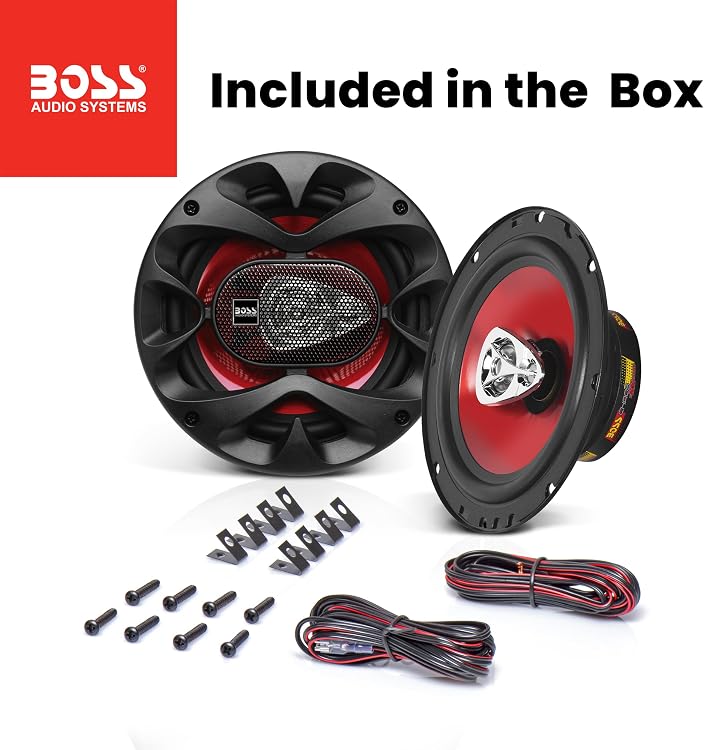
Sold in pairs. (No other included parts are specified in the provided details.)
Is it worth it?
Buy the BOSS Audio Systems CH6530 Chaos Series 6.5-inch coaxial door speakers if you’re looking for a straightforward 6.5-inch pair upgrade with a 3-way coaxial layout, 4-ohm impedance, and a frequency response listed from 100 Hz up to 18 KHz. It makes sense when you want improved clarity and treble presence from your door locations without depending on the speakers to act like a subwoofer.
Skip it if your mounting depth or hole size won’t line up with your door’s speaker openings, or if deep bass directly from the doors is your main goal. And if you’re already chasing high-end sound quality with more advanced setups, this may feel more like a practical refresh than a major leap.
FAQ
FAQ
How do I confirm these fit my car doors? Check the listed mounting depth (2.1 inches) and mounting hole size (5.5 inches) against your factory speaker location. If there’s a mismatch, plan for potential install work.
Are these good for vocals and higher frequencies? The listed 3-way coaxial design and frequency response up to 18 KHz suggest they’re meant to keep higher detail present. The 100 Hz to 18 KHz range means they’re not built to replace sub-bass.
What impedance are they? They’re listed as 4 ohms.
Do I need an amplifier? The 90 dB sensitivity rating suggests they can be efficient. That said, whether you need an amp depends on your current head unit power and how loud/clean you want your system.