


BASENOR 2026 Tesla Model Y/3 HEPA Air Filter — OEM-Style Replacement with Activated Carbon (2017-2026 Model 3, 2020-2026 Model Y)
Product description
What this is and what it solves
The BASENOR 2026 HEPA air filter is a cabin air filter designed as a direct replacement for Tesla Model 3 (2017–2026) and Model Y (2020–2026), including newer variants like the Model 3 Highland and Model Y 2025–2026 Juniper. It uses a proprietary design aimed at a snug fit and easy installation, with activated carbon to help reduce odors in addition to standard particle filtration. If you’re trying to keep dust, pollen, and general urban pollutants out of the cabin, this filter is positioned as a practical update to maintain cleaner air on daily drives.
How it’s positioned on paper
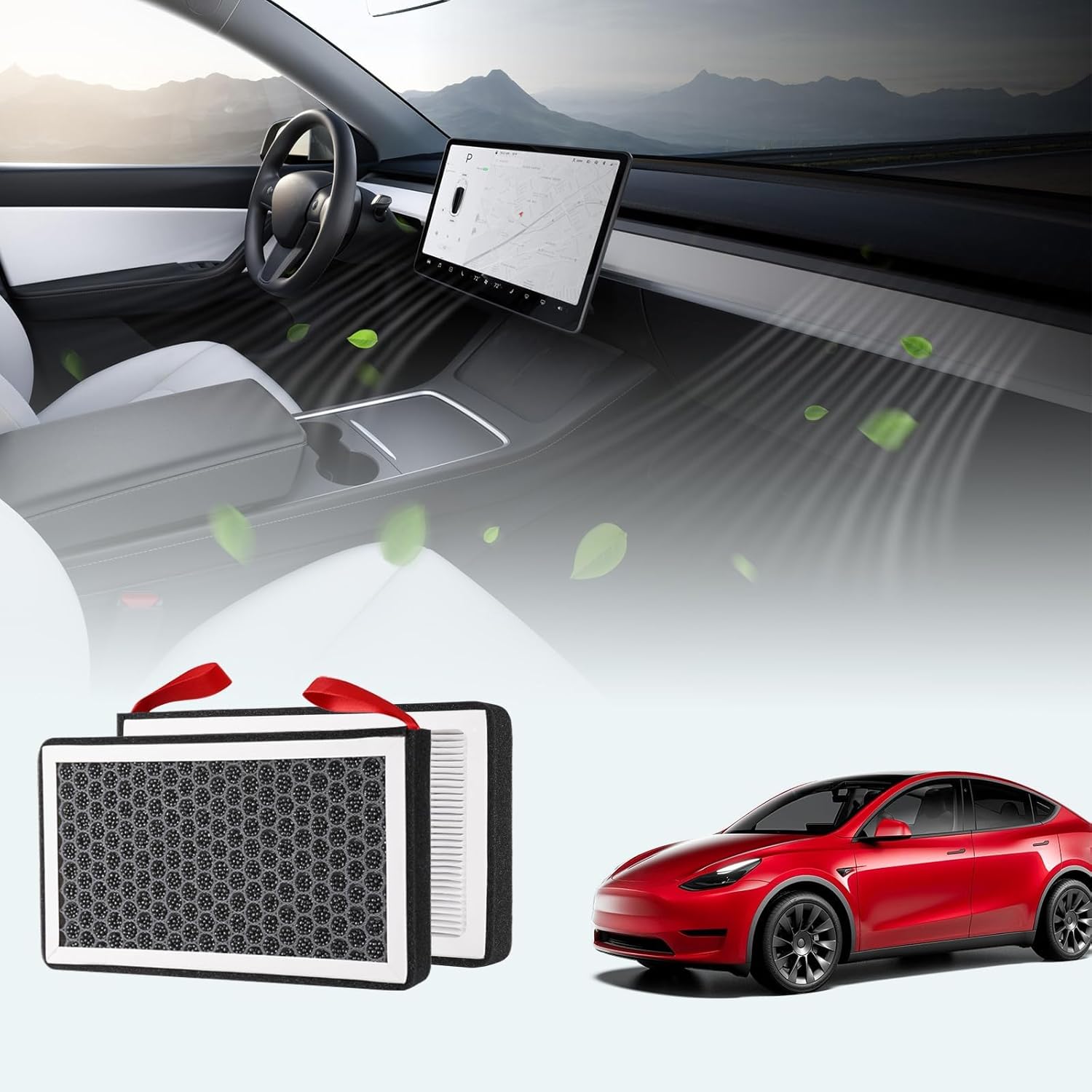
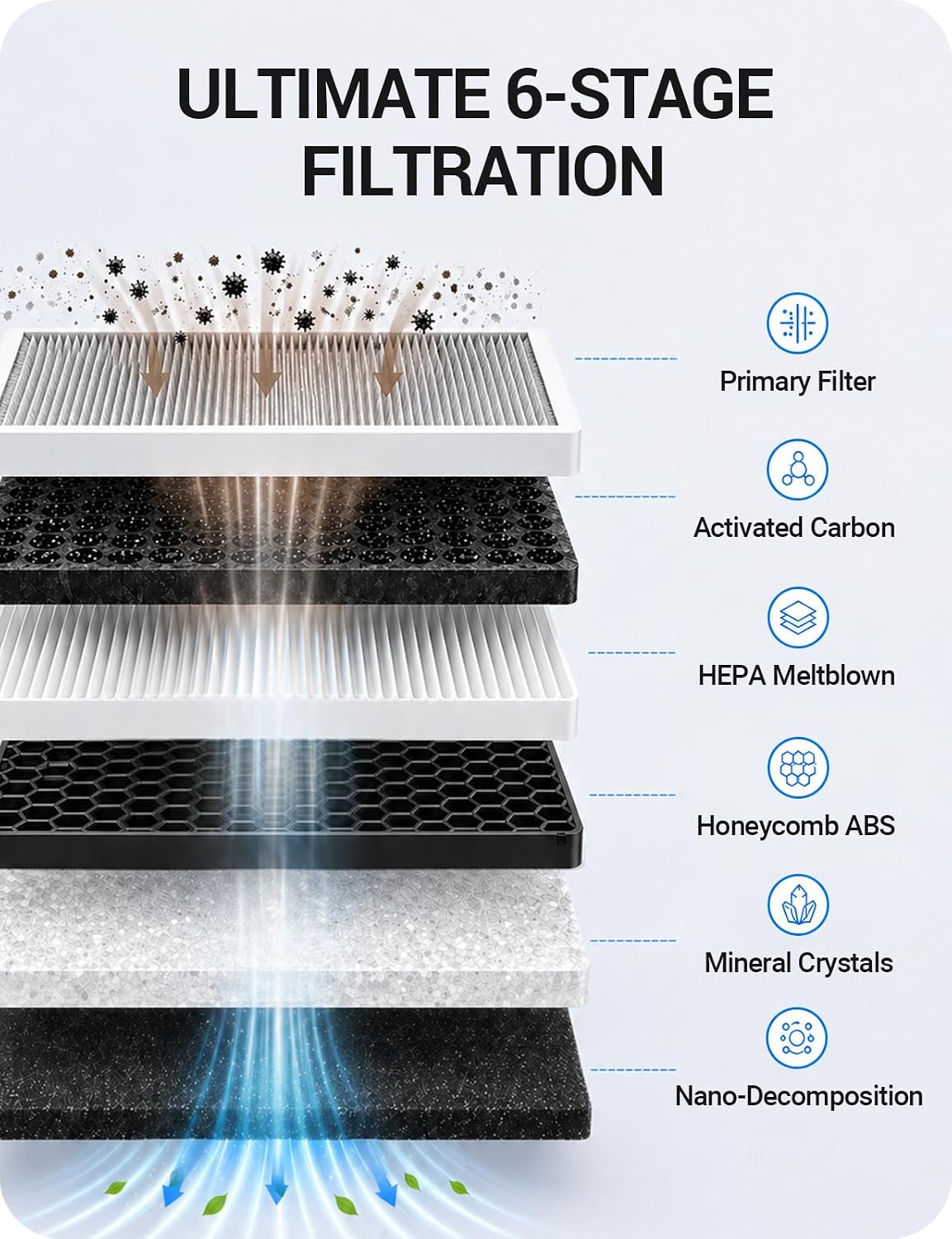
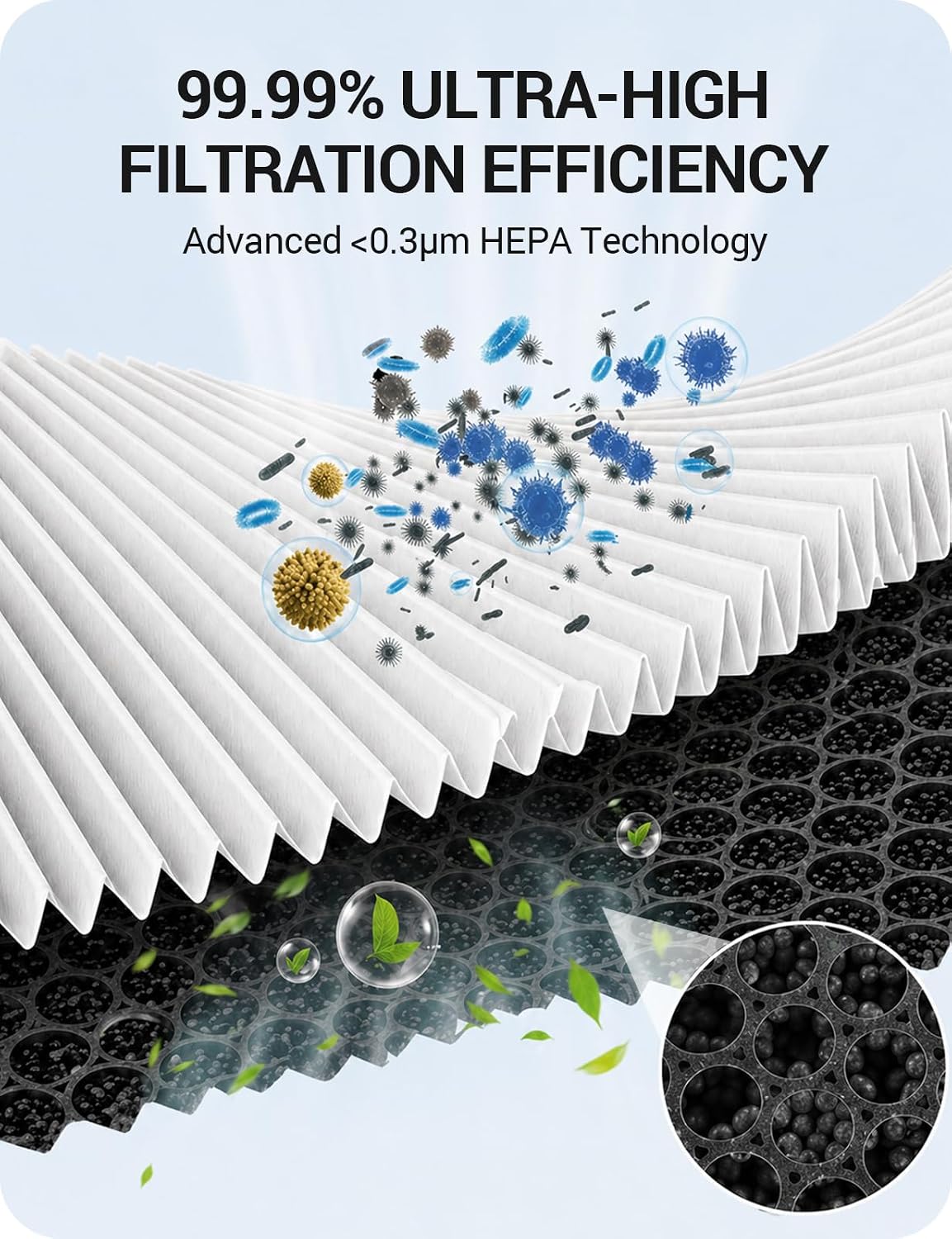
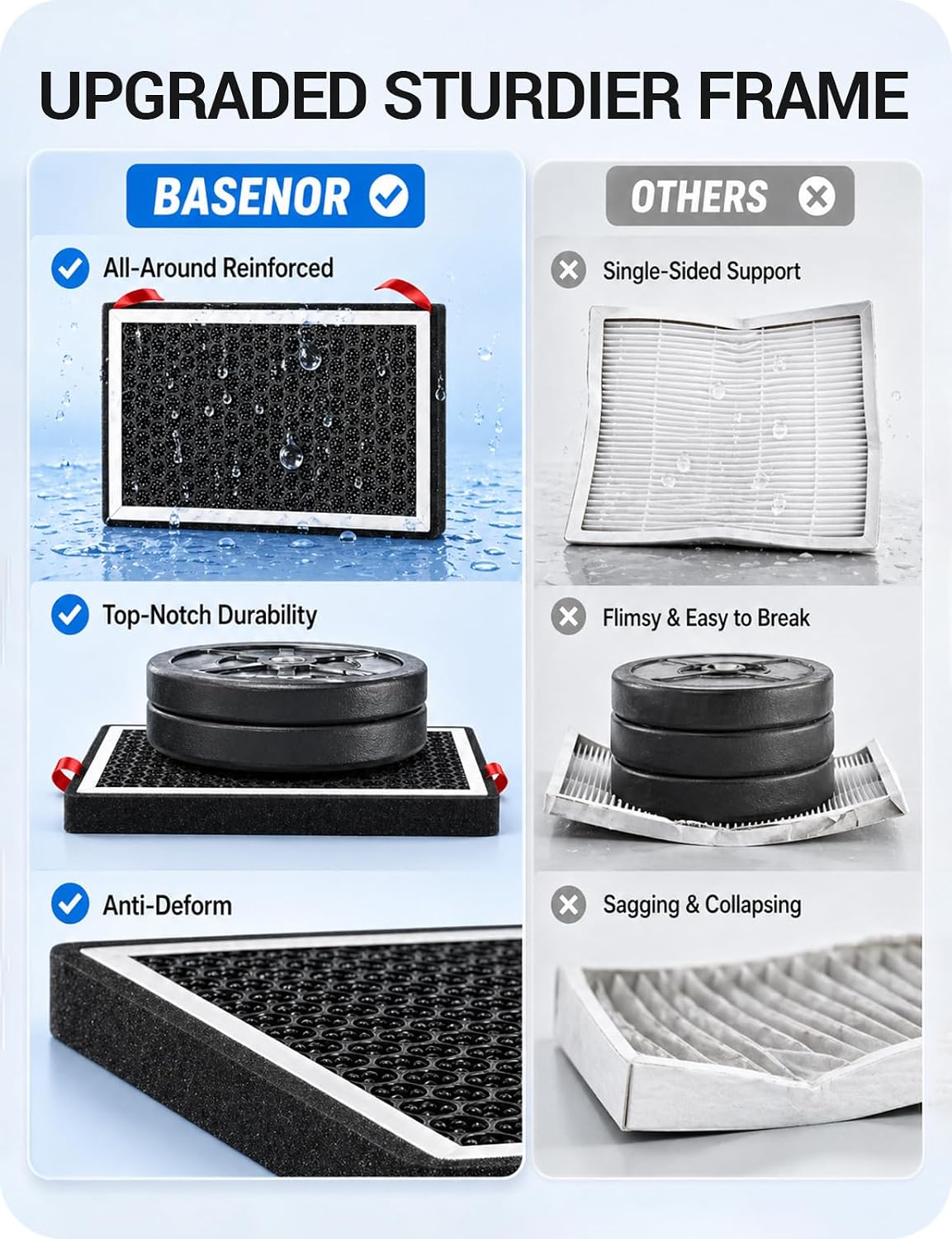
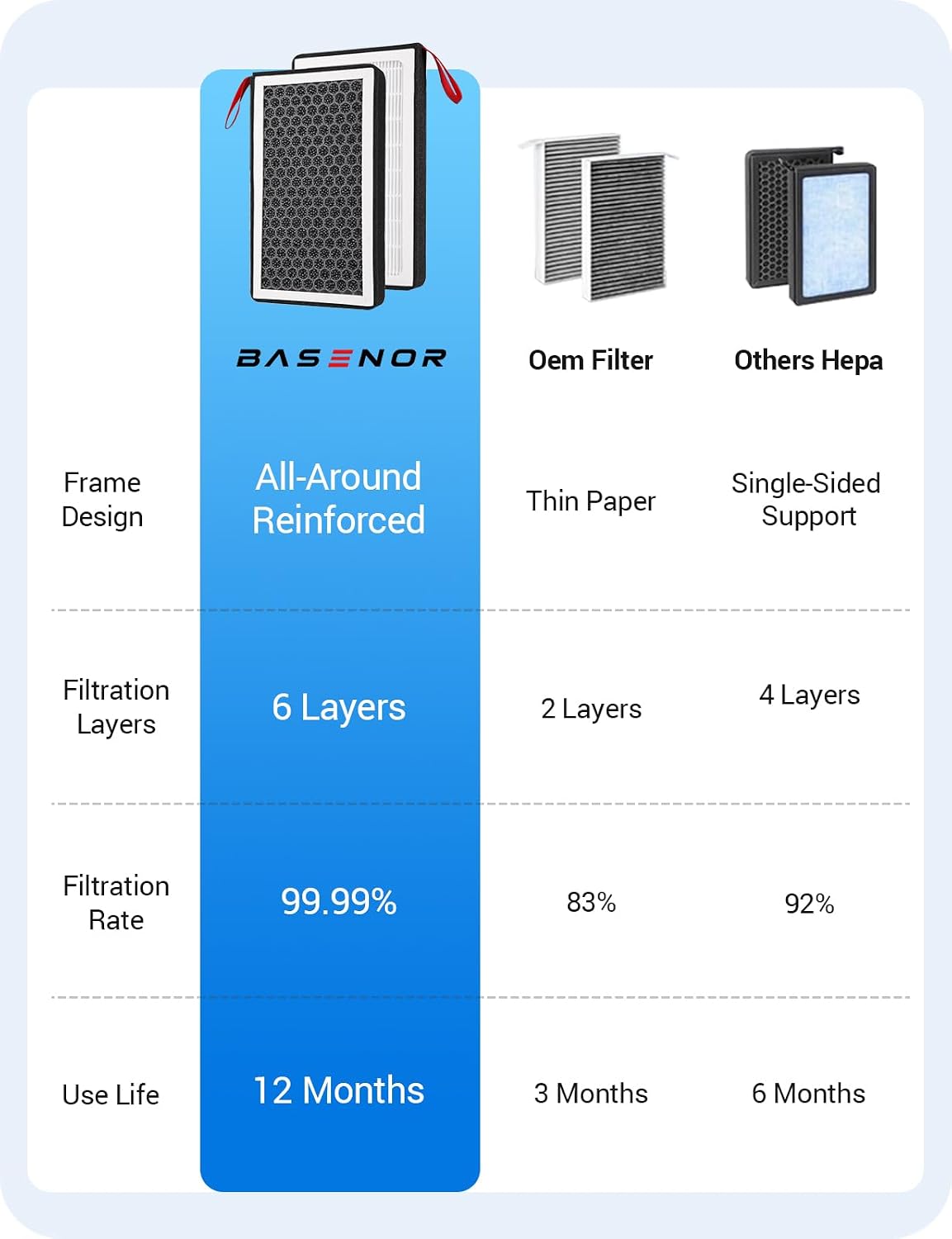
On the surface, BASENOR emphasizes a 6-stage filtration concept and a claimed >99.99% efficiency for particles larger than 0.3 microns. The design is described as durable enough to perform under varied conditions—dust, humidity, wind, or light moisture—without deforming. The manufacturer touts a long replacement interval of roughly every 8–12 months or 12,000–15,000 miles, depending on driving environment. It’s marketed as an “essential Tesla accessory” that’s also easy to install, with a ribbon handle and included tools to facilitate the process.
What stands out in everyday use
If you prioritize quick, do-it-yourself maintenance, the claimed 5-minute replacement time could be appealing. The activated carbon layer suggests an edge against odors, not just particles. For drivers who live in heavy traffic, areas with wildfire smoke, or regions with notable seasonal allergens, this can be meaningful in keeping the cabin environment more comfortable.
The good parts
- Custom patent design for a wide range of Tesla model years and variants, aiming for a seamless fit.
- High filtration claims with activated carbon to address odors in addition to particles.
- Durable construction that reportedly resists deformation in challenging conditions.
- Simple installation with a handle and optional tools to assist the swap.
- Clear guidance on replacement intervals to help you plan maintenance.
Potential limitations and what to watch for
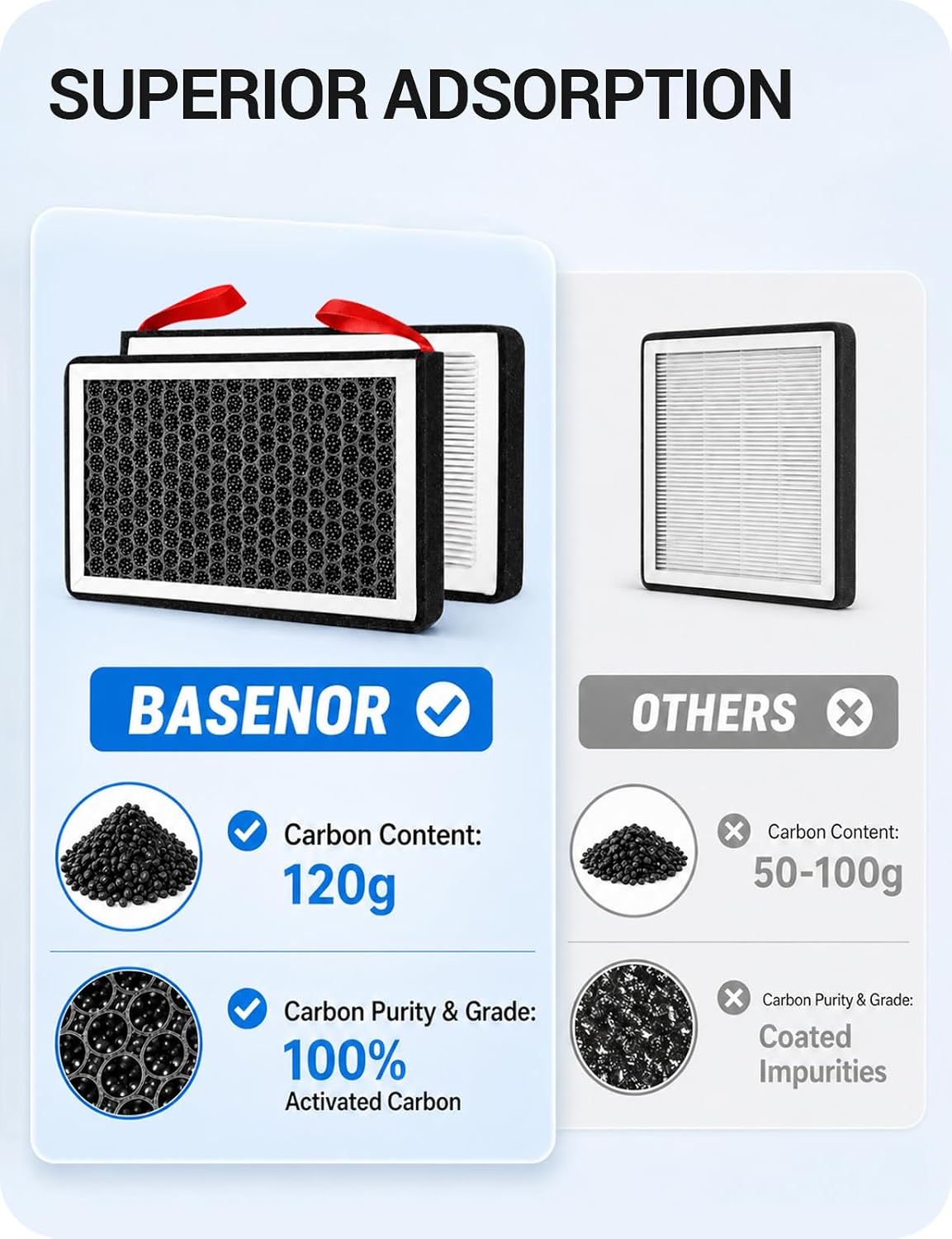
- The stated efficiency and performance are claims from the supplier, real-world results can vary by environment and driving conditions.
- The “8–12 months / 12,000–15,000 miles” interval may be optimistic in regions with heavy dust, construction, or wildfire smoke, check your own exposure and odor sensitivity to gauge how soon you should change it.
- It’s positioned as a replacement for multiple Model 3/Y variants. If your vehicle has unique configurations or aftermarket HVAC modifications, you might want to verify fit before purchase.
- The description highlights “proprietary design” and 6-stage filtration but doesn’t provide independent third-party test data in this listing. If you rely on quantified lab results, you may want to look for corroborating reviews or tests.
Who this is best for
- Tesla owners seeking an OEM-like fit with enhanced odor control via activated carbon.
- Drivers who want a straightforward, DIY replacement that doesn’t require specialized tools or professional installation.
- Those who drive in environments with particulate matter or odors that they’d rather minimize inside the cabin.
Who it may not be ideal for
- If you need published, third-party filtration performance data, this listing doesn’t provide it directly.
- If your priority is a low-cost, generic filter and you’re not concerned with odor control, there may be cheaper alternatives.
- If your vehicle is outside the supported model years or uses a unique HVAC setup beyond the listed range, fitment could be uncertain.
When it makes sense to buy
- You want a replacement that aligns with the car’s original form factor and aims to preserve airflow while improving air quality.
- You value a relatively quick, at-home maintenance task with provided tools and a quick swap.
- Odor reduction is a factor in your cabin comfort, especially in urban or congested driving scenarios.
When you might want to skip it
- If you demand extensive third-party verification of filtration performance before purchase.
- If your driving environment is consistently pristine with little odor concern and you’re comfortable prioritizing cost over refined odor control.
- If your vehicle configuration is borderline outside the specified model years or you’re unsure about fitment due to aftermarket components.
What to check before buying
- Confirm your Tesla model year and variant to ensure compatibility with the 2017–2026 Model 3 and 2020–2026 Model Y range.
- Consider your typical driving environment: urban dust, pollen, and odors may influence how soon you replace the filter.
- Review the replacement frequency guidance in light of your local air quality and driving miles.
Practical usage example
Imagine a week of morning commutes through dusty city streets. After installing the BASENOR filter in under 5 minutes, you might notice a slightly fresher cabin feel and a subtle reduction in outside smells when windows are down in traffic, especially during peak pollen season. The ribbon handle can help you slide the old filter out and the new one in without fiddling with edges, which is convenient if you’re juggling a busy schedule.
The decision you’ll make
Final verdict
Is it worth it? If you value an OEM-aligned fit with activated carbon for odor management and want a quick, DIY installation, this BASENOR filter presents a reasonable option for 2017–2026 Model 3 and 2020–2026 Model Y owners. It isn’t a guaranteed performance claim backed by independent tests in this listing, but it targets common cabin air concerns with a practical replacement cycle. If your top priority is verifiable third-party filtration data or you drive in exceptionally harsh environments, you may want to compare alternatives before buying.
Frequent questions (FAQ)
- How long does installation take? Approximately under 5 minutes with the provided tools.
- Does it reduce odors beyond dust? Yes, activated carbon is included for odor control alongside particle filtration.
- Will it fit my Tesla Model 3/Model Y exactly? The design is intended for 2017–2026 Model 3 and 2020–2026 Model Y with variants like Highland and Juniper, verify your exact trim and year if in doubt.
- How often should I replace it? The guidance is every 8–12 months or 12,000–15,000 miles, depending on usage and environment.