


78x41in Plant Covers 4-Pack Frost Cloth for Plants
Product description
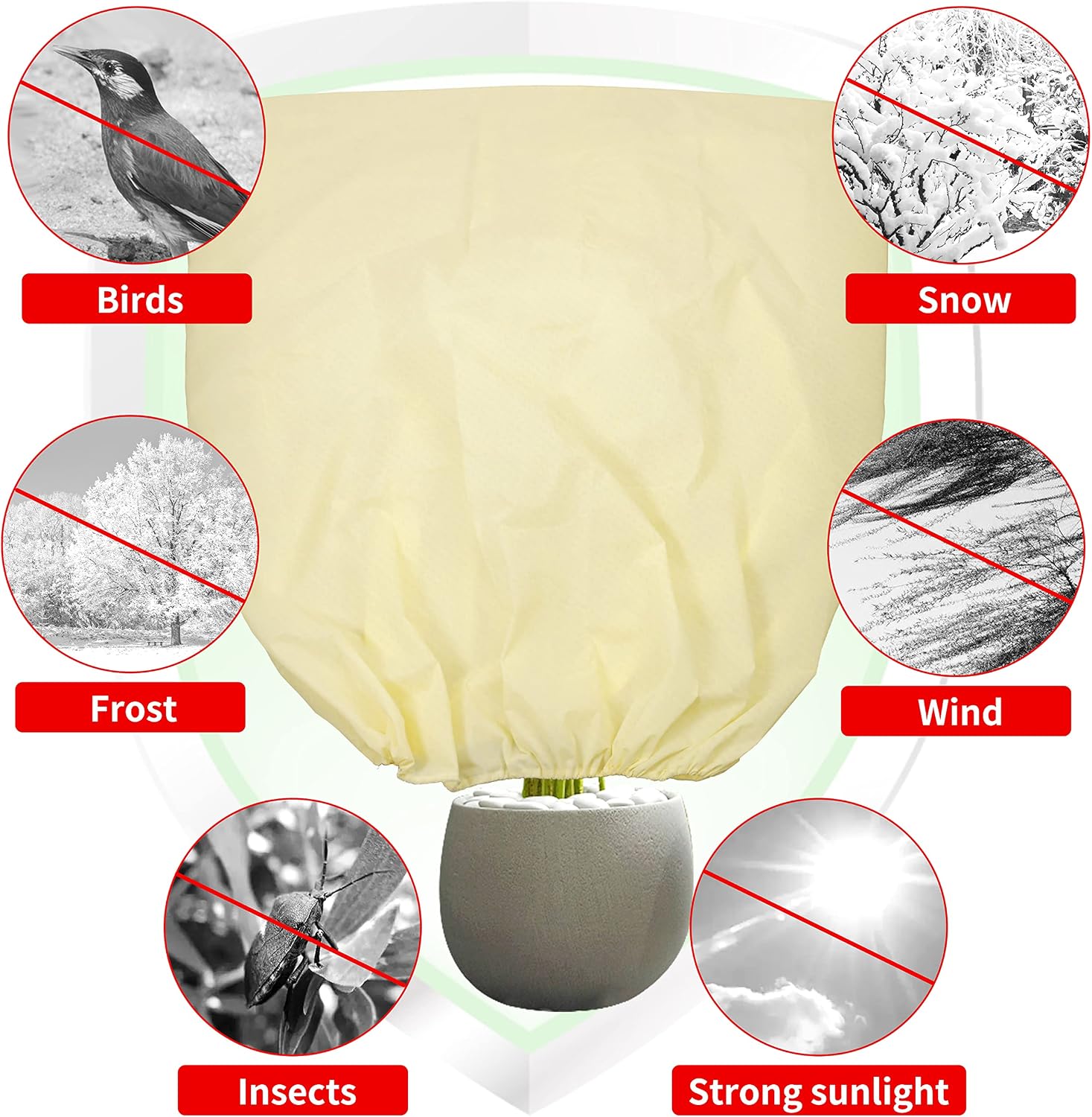
These heavy winter plant covers are built to protect outdoor shrubs, small trees and potted plants from frost, snow and cold winds while allowing light and air to reach foliage. If you need reliable winter plant covers freeze protection for delicate ornamentals or vegetable transplants, these breathable nonwoven blankets offer thicker insulation and easy installation for seasonal use.
Key Points
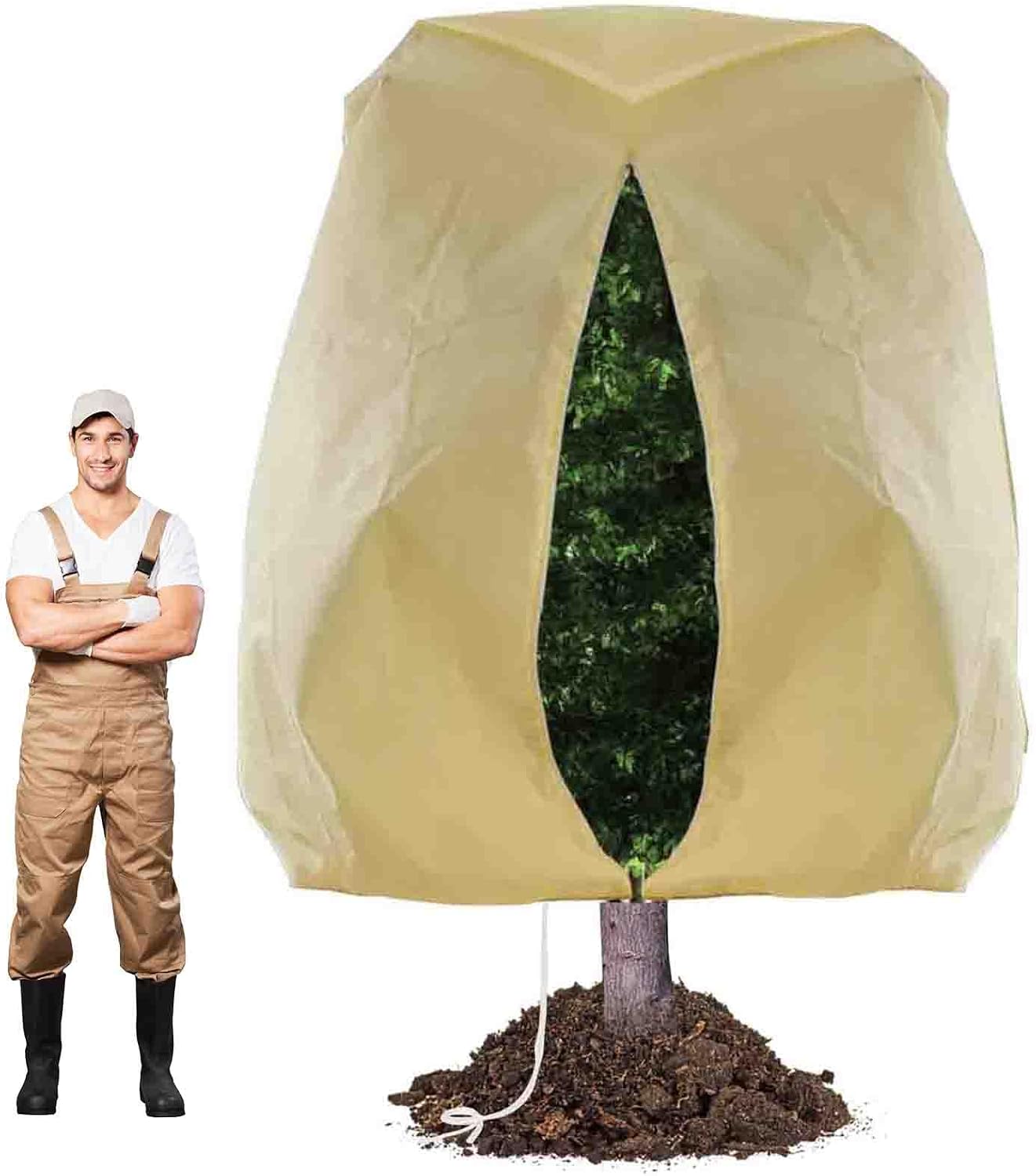
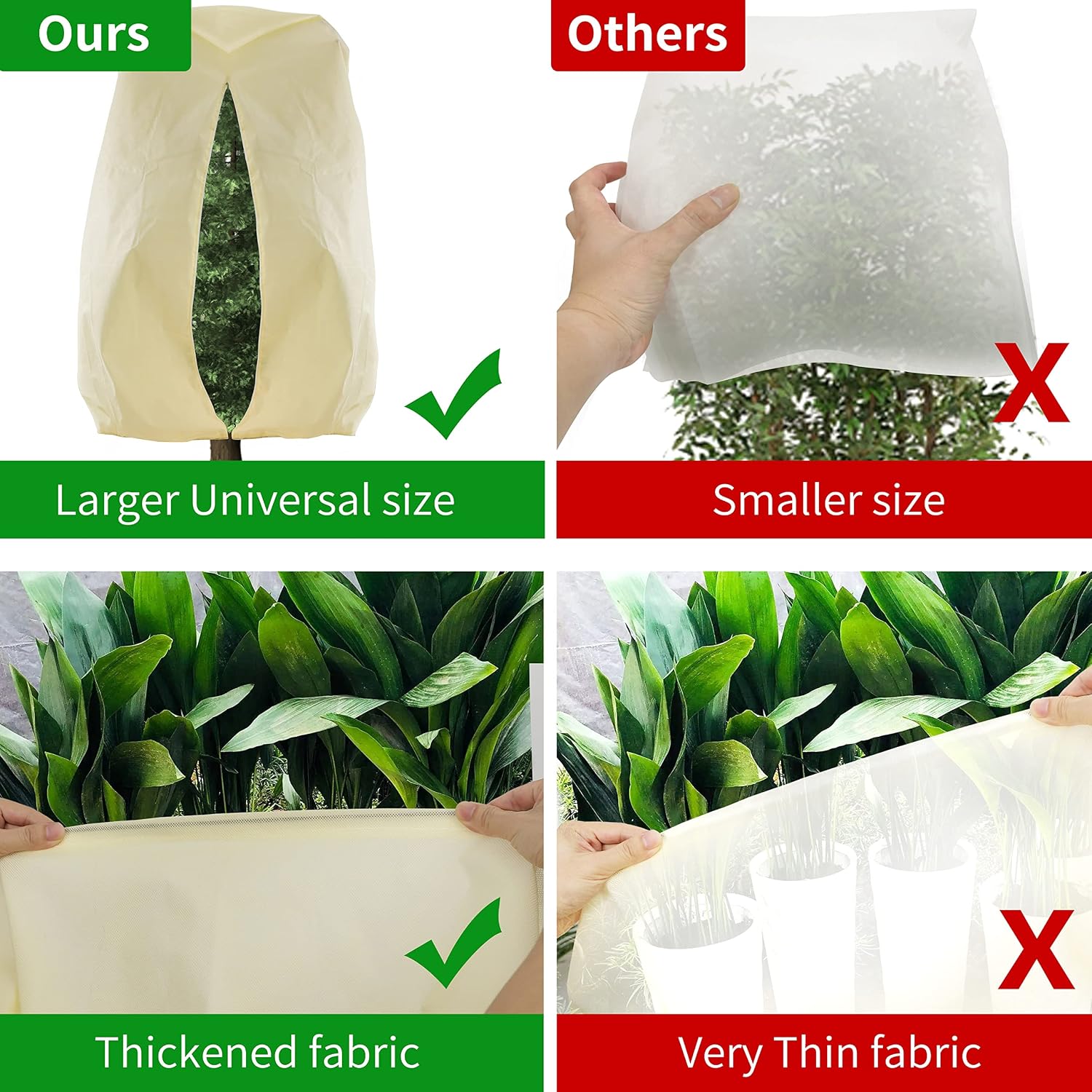
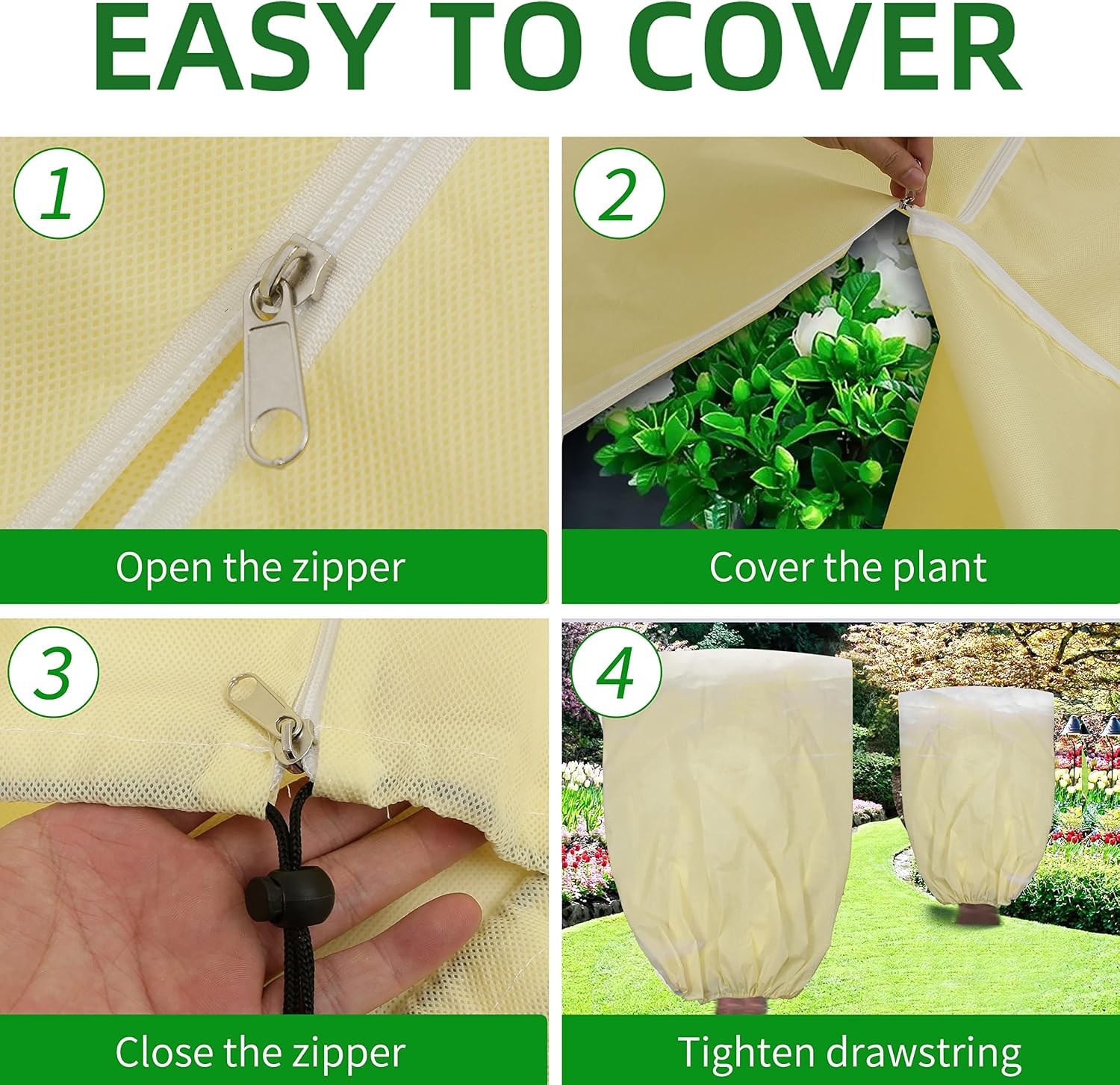
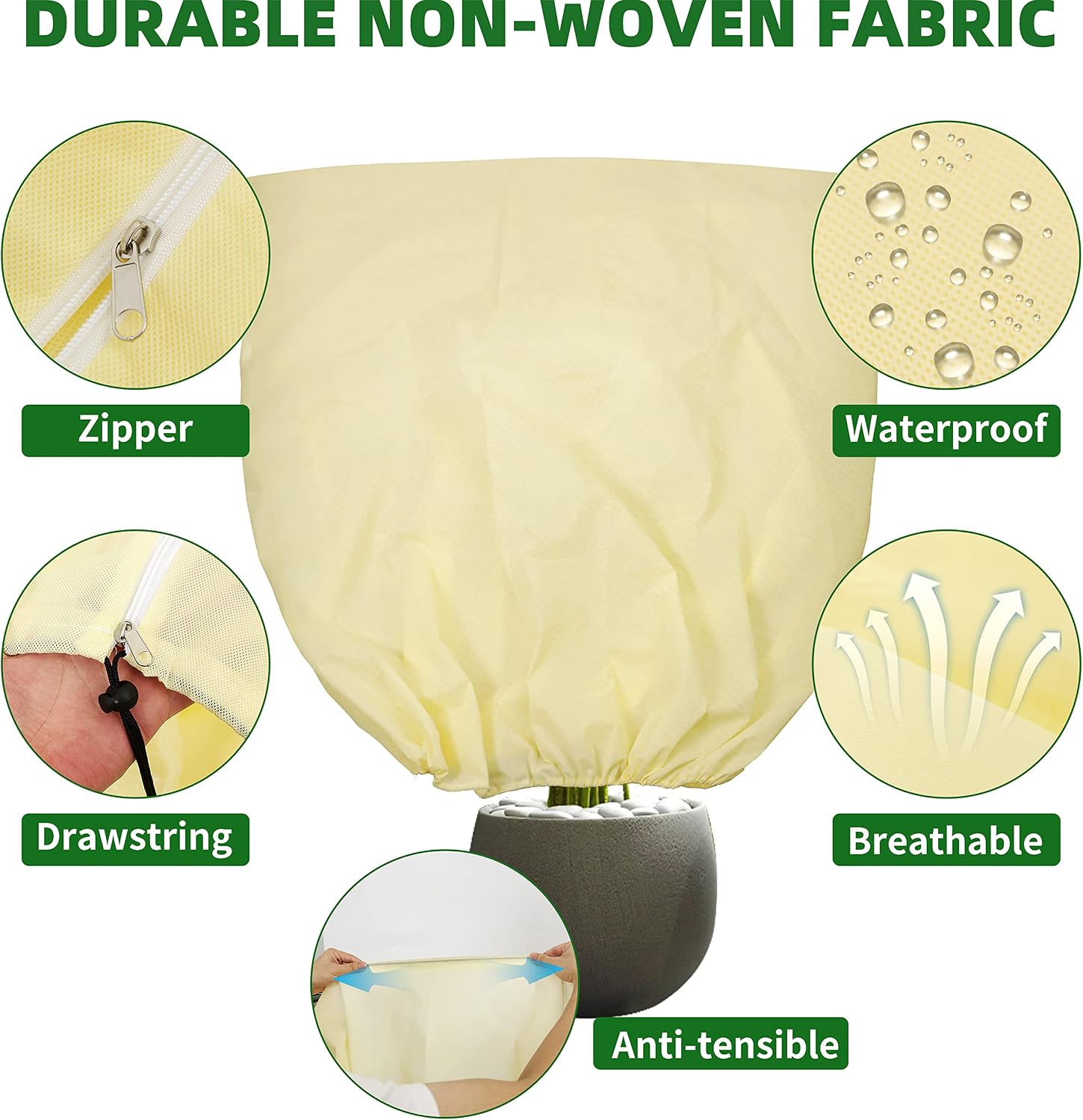
The fabric used is thicker than many lightweight frost cloths, offering insulation against cold nights while remaining permeable to sunlight and moisture. This helps reduce the risk of overheating during sunny winter days and prevents trapped humidity that can encourage rot. The full-length zipper simplifies placing the cover over taller plants and makes inspection straightforward without stressing stems. 🌿
A drawstring at the base secures the blanket against gusts and keeps pests from lifting the fabric. These covers are reusable and made from tear-resistant, weather-tolerant material, so they can be deployed across multiple winters. They work for citrus, roses, garden beds and specimen potted plants according to common usage scenarios. ❄️
Technical Specifications
- Name: TCBWFY 78x41inches Plant Covers Freeze Protection (4 Pack)
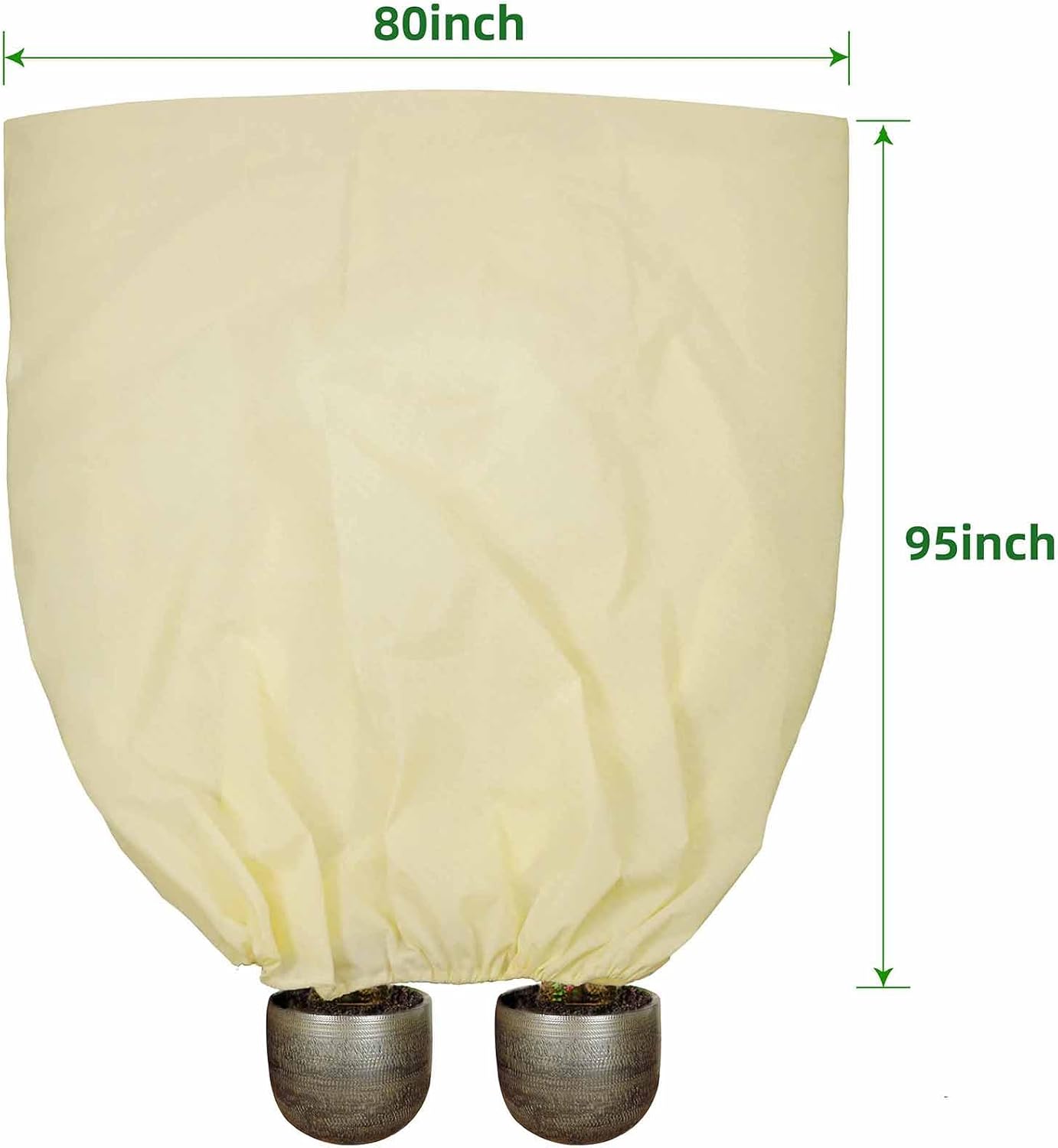
- Size: 78 x 41 inches
- Material weight: 2.82 oz/yd² nonwoven fabric
- Quantity: 4 covers per pack
- Features: full-length zipper, adjustable drawstring, breathable and light-permeable fabric
Usage Recommendations
Place the cover over the plant in late afternoon or before the temperature drops, and secure the drawstring at ground level to limit wind lift. For taller specimens, gently support the fabric so it does not rest tightly on branches or buds, allowing some internal air space. During daytime when temperatures rise, unzip partially for ventilation to avoid heat buildup and condensation on warmer days. 🌱
Consider that very heavy ice or prolonged deep freezes may exceed the protection provided by a lightweight garden blanket, according to the manufacturer. Also note these covers are best suited for individual plants or small groupings rather than large trees or hedges because of the size limits.