

The Smart Stack: Cash Back + Coupons + Card Offers (Without the Mess)
Learn how to stack cash back portals, coupons, store rewards, and card-linked offers in the right order—plus how to avoid common stacking traps.
Online deals aren’t just about finding a lower sticker price. The real wins usually come from stacking—using a few compatible discounts and rewards together—without turning checkout into a stressful guessing game.
This guide focuses on one specific skill: how to combine cash back, promo codes, store rewards, and card offers in a clean, repeatable way (for US online shoppers dealing with sales tax, shipping thresholds, and return windows).
What does “stacking” actually mean (and what can’t be stacked)?
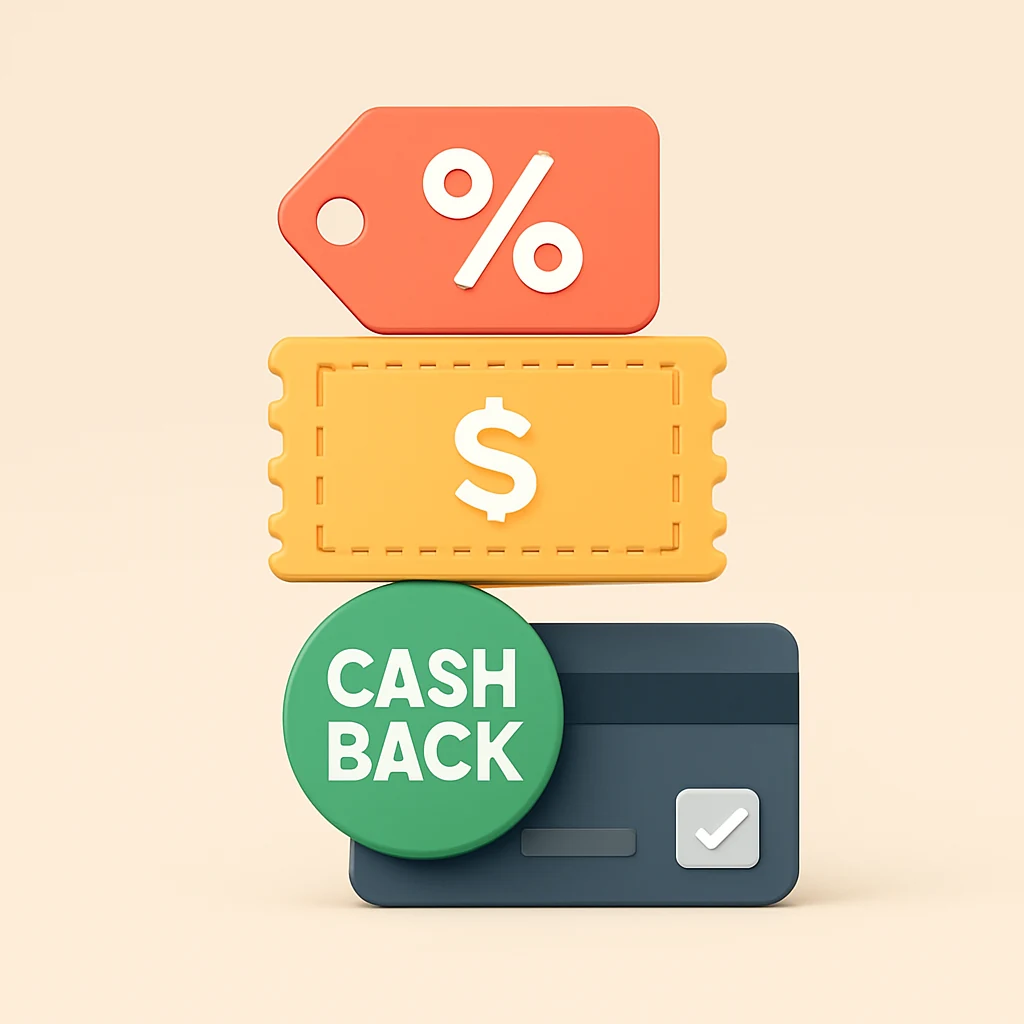
Stacking means getting value from multiple places on the same purchase. Think: a sale price + a coupon code + cash back from a portal + extra rewards from your credit card.
The catch is that many offers compete with each other. A coupon might cancel portal tracking. A “new customer” promo might be invalid if you log into an old account. And a buy-now-pay-later checkout can override certain card benefits.
So what’s the goal? Not “use every offer.” It’s “use the best compatible combo with the least friction.”
Which stacking combo works most often for US shoppers?
If you want a default approach that usually plays nicely with major retailers, start with:
- retailer sale price (automatic)
- one promo code (if it applies)
- one cash back path (portal or browser extension, not five at once)
- one payment reward path (card-linked offer, points category, or store card perk)
That sounds simple, but most people lose money by doing steps out of order.

What’s the correct order at checkout?
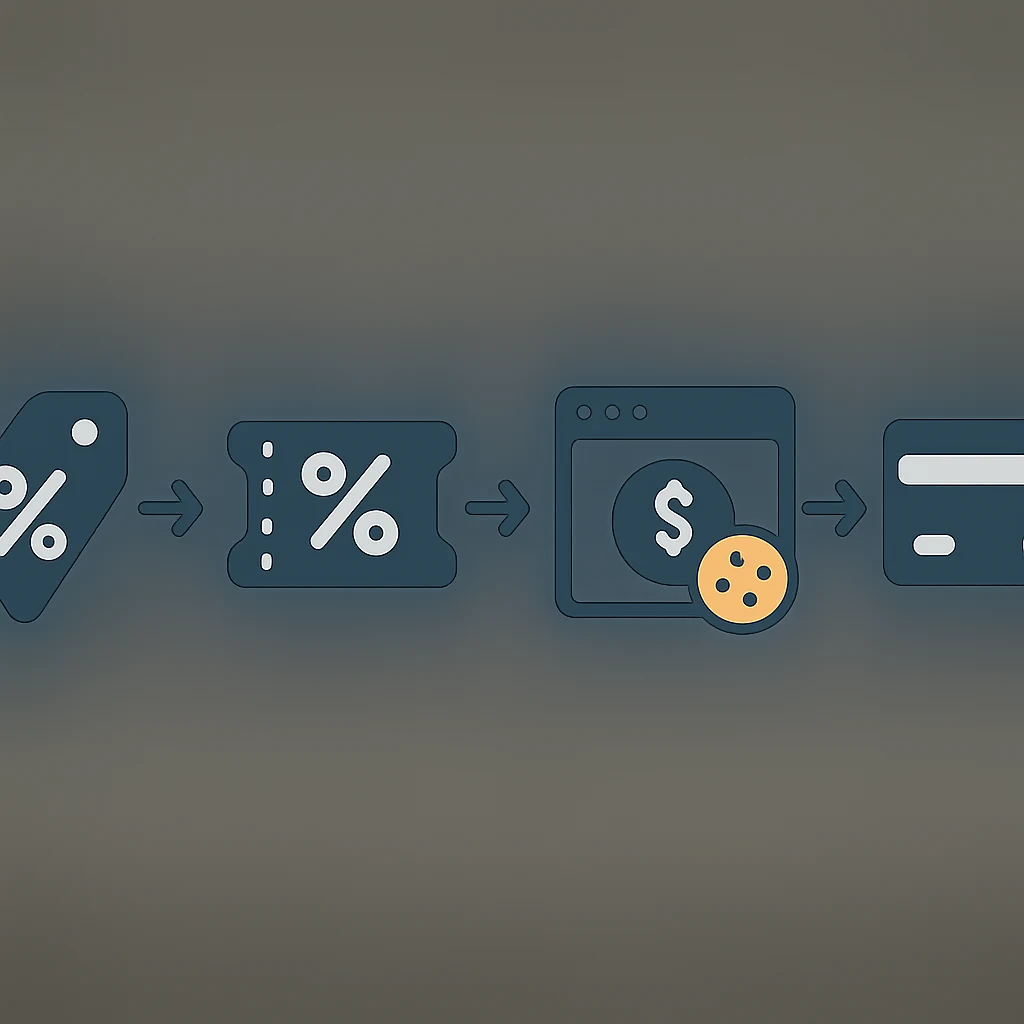
Here’s the clean stacking order that tends to protect tracking and reduce “why didn’t my discount apply?” moments:
- Pick your cash back path first (portal or extension), then click through to the retailer.
- Build your cart next and confirm you’re logged into the right account (or intentionally checked out as a guest if needed).
- Apply a single promo code and re-check the totals.
- Pay with the card that matches the offer (card-linked deal, bonus category, or points).
That’s it. Four moves.
Why start with cash back?
Because cash back often depends on tracking cookies. If you hop between tabs, test lots of codes, or let multiple extensions “compete,” you can accidentally break that tracking.
Should I use a cash back portal or a browser coupon extension?
Use whichever gives you the best expected value with the least risk.
A cash back portal is usually straightforward: click through, shop normally, and wait for confirmation.
A browser extension can be great for convenience (especially if it checks multiple codes quickly), but it can also:
- switch your referral/tracking behind the scenes
- apply a code that lowers your immediate price but kills your cash back
- distract you into trying 12 codes that don’t work
Practical rule: If the item is expensive or you’re shopping during a big event (Prime Day-style promos, Black Friday/Cyber Monday week, back-to-school), pick one method and stick with it for that purchase.
Do coupons and cash back work together?
Sometimes, yes. Sometimes, no.
Retailers vary. Some allow cash back only if you use no promo code or only codes listed on the portal. Others allow most public codes. The safest approach is to check the cash back offer’s terms before you shop.
What if the coupon saves more than the cash back?
Then take the coupon. Immediate savings are guaranteed; cash back is usually “pending” and can be denied if terms aren’t met.
But don’t forget two practical details US shoppers run into:
- Sales tax is calculated after discounts in many states, so a coupon can reduce the taxable amount.
- Shipping can change dramatically if a coupon drops you below a free-shipping threshold.
That’s why the “best” deal is the best final total, not the biggest-looking percent.

How do I stack card-linked offers with online deals?
Card-linked offers (the ones you activate in your bank app or card account) are underrated because they’re usually automatic once activated.
Question: Do card-linked offers stack with promo codes? Usually, yes—because they trigger from the purchase amount and merchant coding, not from the promo code itself.
Question: Will a digital wallet payment still count? It depends on the offer and how the merchant processes the payment. If the fine print says you must pay directly with the card number, don’t risk it—pay with the card directly.
Question: What about buy-now-pay-later? If you check out with a pay-later provider, you may not receive card rewards the same way (since the provider may be the actual charge). If your savings plan depends on your card offer, pay normally.
Are discounted gift cards worth folding into the stack?
They can be, but only when you keep it boring.
Discounted gift cards can lower your effective cost, especially for retailers you already use. The common downside is flexibility: once you convert cash into store credit, returns can become store credit too, and you’re locked in.
When do gift cards make sense? When you’re buying something you would purchase anyway (household staples, a known replacement, a subscription renewal) and the retailer has a solid return policy.
When should you skip them? When you’re buying a “maybe” item (size-sensitive clothing, a gadget you’re unsure about) or when you might need a refund back to your original payment method.
How do I avoid stacking traps that waste time (or money)?
A few common traps show up again and again:
Question: Why did my cash back not track? The usual culprits are switching devices mid-cart, using a different coupon than allowed, running multiple extensions, or checking out in an app when the cash back was started on a browser.
Question: Why did my promo code stop working at the last step? Often it’s exclusions: certain brands, marketplace sellers, bundles, subscriptions, or “already discounted” items.
Question: Why does the “deal” look worse once I add shipping and tax? Because many online discounts are designed to pull you in before the real total is clear. Always check the final checkout page—especially if the item is bulky, ships from a third party, or needs expedited shipping.
What seasonal moments in the US are best for stacking?
You don’t need a full “calendar” to use seasonality well. You just need to know when stacking is most powerful.
Big national sale windows (like Black Friday/Cyber Monday) often come with aggressive promo codes and storewide markdowns. That’s great, but cash back terms can get stricter, and exclusions can multiply.
Category-driven seasons are where stacking can feel easiest:
- Back-to-school: laptops, backpacks, dorm essentials—often lots of retailer promos and card offers.
- Pre-holiday gifting: bundles and gift sets (watch exclusions and return deadlines).
- Post-holiday Ofertas end-of-season: clearance prices are strong; coupons may not apply, but cash back sometimes still does.
Practical move: If you’re shopping in a peak window, prioritize reliability: one strong discount + one reliable reward path, instead of five fragile ones.
How do returns affect stacked savings?
Returns are where “too clever” stacks can backfire.
Question: If I return something, do I lose the cash back? Usually, yes. Cash back is typically reversed when the purchase is refunded.
Question: What happens if I return only part of an order? Often the cash back recalculates based on the kept items. If a promo required a minimum spend, returning items can also void the discount or change the effective price.
Question: What if I used a coupon and got free shipping—then returned most of the items? Some retailers may adjust shipping charges if your kept items fall under the free-shipping threshold. It varies, so glance at the return policy before you place a big “just to qualify” order.
If you want more ways to keep totals down at the payment stage, bookmark the home page and browse the latest guides at /.

FAQs (quick answers you’ll actually use)
Should I make multiple accounts to get new-customer offers? Retailers often restrict new-customer promos by email, phone number, shipping address, payment method, or a mix of these. Even when it “works,” it can complicate returns and warranties. If you do it, do it intentionally—don’t be surprised later.
Is it worth contacting support if cash back didn’t track? If you followed the terms and have the order confirmation, yes. Keep screenshots of the offer and your click-through when possible.
Do subscription “subscribe & save” deals stack with everything else? Sometimes they stack with sale prices, but they can block promo codes or change return rules. Treat subscriptions as their own deal type and compare the first-delivery total carefully.
Can I stack free-shipping offers with a coupon? Often yes, but coupons can drop your subtotal below the free-shipping threshold. Always check whether shipping is still free after discounts.
The one action to take next
Pick one retailer you use a lot, then run a “practice stack” on a small order this week: start with one cash back path, apply one code, and pay with one activated card offer. Once you’ve done it once without friction, stacking stops feeling like chaos—and starts feeling like a system.
You may also be interested

Cash Back or Coupon? Keep Your Online Savings From Disappearing
Learn when to use coupons, cash-back portals, or card offers—and how to avoid tracking mistakes before Black Friday and Cyber Monday.

Open-Box and Refurbished Deals: A Smarter Way to Shop Holiday Sales
Learn how to vet open-box and refurbished deals before Black Friday, from condition and warranties to battery health, seller quality, and gift readiness.

Discounted Gift Cards: 6 Mistakes That Can Erase Your Savings
Buying discounted gift cards for holiday shopping? Avoid balance problems, refund traps, and bonus-card restrictions before locking up your money.