

The Shipping-First Deal Strategy: Save More Than a Coupon
A practical way to save online in the US by optimizing shipping, pickup, and returns—plus real-world scenarios and trade-offs.
Most online “deals” are decided after the price tag—at the shipping step, when sales tax shows up, and again if you need to return something. If you’ve ever watched a great cart total turn into “meh” at checkout, this shipping-first approach is for you.
Why shipping (and returns) quietly beats coupons
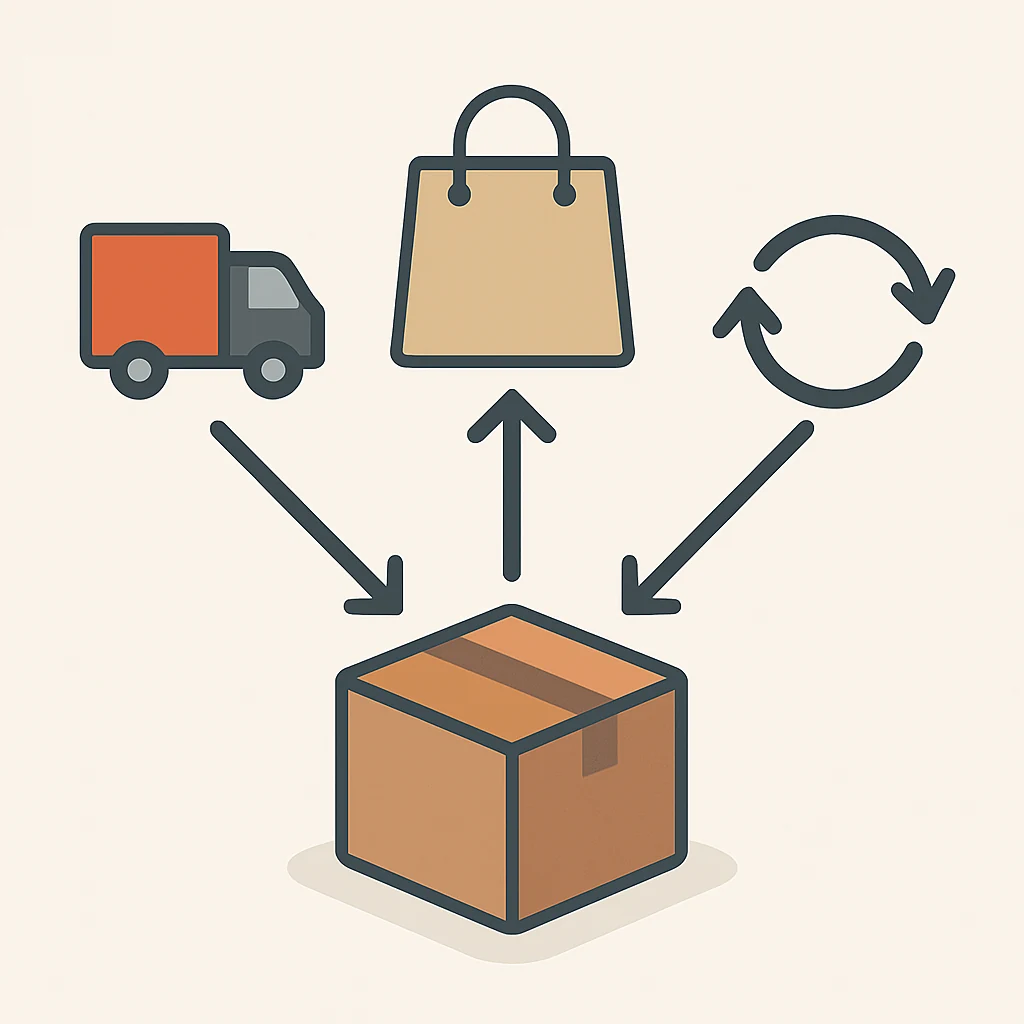
A coupon is visible. Shipping costs and return friction are sneaky. In the US, the final number usually depends on:
- Whether you hit a free-shipping threshold
- Whether expedited shipping is “required” to get it in time
- Sales tax (which can vary by location and sometimes by what you’re buying)
- Whether returns are free, store credit only, or require you to pay return shipping
The goal isn’t always “lowest item price.” It’s “lowest kept cost”—what you actually pay and keep after shipping, tax, and any returns.
If you want more general deal-hunting tactics, this is a good companion to the guides on our homepage: browse the latest savings guides.
Scenario 1: The free-shipping threshold trap (and when to break it)
You’re $12 away from free shipping. The site offers two options:
- Pay shipping now.
- Add items you don’t really need to hit the threshold.
Here’s the trade-off most people miss: adding “filler” items can be fine if you’d buy them soon anyway (think: household basics, skincare you already use, printer ink). It’s usually a bad move if you’re adding something uncertain in size/fit/taste—because returns can erase the savings fast.
The shipping-first move is to ask yourself one question: Is my filler item “return-resistant”? Meaning: you won’t return it, and it won’t create extra hassle.
A practical way to decide:
- If the filler is a predictable repeat purchase, adding it can beat paying shipping.
- If the filler is a “maybe,” paying shipping can actually be the cheaper option once you factor in time and return shipping risk.
One more twist: sometimes splitting orders is better. Buy the must-have item now (even with shipping), and wait to bundle the “nice-to-haves” with a future purchase. That’s especially true outside major sale windows.
Scenario 2: Brand website vs. marketplace listing (the hidden-cost comparison)
Let’s say you’re buying running shoes, a kitchen gadget, or skincare. You find it on a big marketplace and on the brand’s own site. The marketplace price looks lower.
Your shipping-first checklist is not about who’s cheaper upfront—it’s about who’s cheaper after the whole experience:
- Brand sites sometimes offer easier warranty support or more predictable authenticity.
- Marketplaces can offer faster shipping, but returns may depend on the seller or condition rules.
- Brand sites sometimes exclude certain promo codes during big events (like holiday promos), while marketplaces may fluctuate prices by the hour.
If you’re buying something you might return (sizes, colors, fit-sensitive items), the “better deal” is often the one with the simplest return path—even if the item price is slightly higher.

Scenario 3: “It has to arrive by Friday” (rush shipping vs. smarter timing)
This is where online savings go to die: you shop late, shipping gets expensive, and suddenly your “deal” costs more than buying locally.
The shipping-first strategy here is planning around US seasonal rhythms:
- Back-to-school (late summer): shipping networks get busy, and popular sizes/colors go out of stock. Buying a bit earlier can save you from paying for expedited shipping.
- Black Friday/Cyber Monday: prices can look amazing, but delivery estimates can jump around. If it’s a gift, prioritize sellers with reliable delivery windows and easy returns.
- Holiday season: cutoff dates matter. Paying for faster shipping might be unavoidable, so look for alternatives like free store pickup or curbside pickup where available.
The key trade-off: Speed vs. flexibility. If you’re ordering something that could arrive a few days late and still be useful, don’t “panic-upgrade” shipping at checkout. If it’s time-sensitive (events, travel, gifts), decide that upfront and treat shipping as part of the product cost.
Scenario 4: Free returns… that aren’t really free
“Free returns” can mean several things in US e-commerce:
- Free return shipping label
- Free returns only to a physical store location
- Free returns only for store credit
- Free returns only if the item is unopened or has tags
The shipping-first move is to check the return policy before you apply coupons and get emotionally invested.
A quick way to evaluate the risk is to match the product to its return likelihood:
- High return-likelihood: apparel, shoes, furniture, mattresses, anything “fit/feel” based.
- Low return-likelihood: replacements you already use, known-size refills, the exact model you’ve owned before.
If it’s high-likelihood, prioritize retailers with clear, easy returns—even if you give up a small discount.
Here are quick signals that “free shipping/returns” may cost you later:
- The policy says “final sale,” “non-returnable,” or “returnable for store credit only.”
- Returns are free only through store drop-off, but you don’t have a nearby location.
- The return window is short (watch out around holiday gifting if you’re buying early).
- The item ships from a third-party seller with different rules than the main site.
Scenario 5: The membership decision (Prime-style perks vs. one-off savings)
A lot of US shoppers pay for memberships to get free shipping, faster delivery, or member-only deals. Sometimes it’s great. Sometimes it nudges you into buying more often “to get your money’s worth.”
Shipping-first thinking doesn’t automatically mean “cancel memberships.” It means use them intentionally.
Two common situations:
You buy small items frequently
If you’re constantly ordering little things (toiletries, pet supplies, phone chargers), shipping fees can add up fast. A membership can be a clean solution if it prevents you from adding junk to hit thresholds.
The trade-off is behavioral: if faster shipping makes you impulse-buy, the membership can wipe out savings.
You buy a few big items per year
For occasional shoppers, you may be better off:
- Bundling purchases to hit free-shipping thresholds when you actually need multiple items
- Using store pickup (when available)
- Comparing a brand’s email signup offer or first-order discount (without creating a closet full of accounts)
If you’re unsure, treat the membership like any other product: it needs to pay for itself in reduced shipping costs without increasing your shopping frequency.

How to run a “shipping-first” checkout in 90 seconds
You don’t need a complicated routine. You need one quick pass that forces the right decisions.
-
Check delivery options first. If standard shipping arrives too late, you’re already in a different pricing tier—accept that reality early.
-
Look at the return policy like it’s part of the price. Especially for gifts, apparel, and anything size-dependent.
-
Then apply discounts. Coupons, promo codes, and cashback are great—just don’t let them distract you from shipping and returns.
-
Re-check the final total with sales tax. In the US, the cart can swing meaningfully after tax depending on where you ship.
That’s it. Simple, repeatable, and it avoids the most common “checkout regret.”
Seasonal timing: when shipping strategy matters most
Shipping-first decisions matter year-round, but they’re especially important during:
- Prime Day-style events (mid-summer shopping spikes): delivery estimates and stock can shift quickly.
- Back-to-school: popular essentials sell out, pushing you toward replacements that ship slower or cost more.
- Black Friday/Cyber Monday: a “deal” is only a deal if it arrives when you need it and can be returned if it doesn’t work.
- Holiday gifting: return windows and shipping cutoffs are the whole game.
If you’re shopping during these windows, lean toward retailers with transparent delivery dates and straightforward returns—even if the coupon isn’t the biggest.

FAQs
Is it ever worth paying for shipping?
Yes—when it prevents you from buying unnecessary filler items, when it keeps you from upgrading to a membership you won’t use, or when it reduces return risk (for example, choosing a retailer with better service even if shipping isn’t free).
How do I compare two stores when one has a lower price and the other has better returns?
Decide based on return likelihood. If there’s a good chance you’ll send it back, better returns often win. If you’re confident you’ll keep it, the lower all-in total (item + shipping + sales tax) usually wins.
Does free shipping always mean the best deal?
No. Sometimes free shipping is “paid for” through a higher item price, inflated add-ons, or stricter return rules. Compare the final total and the policy, not just the shipping line.
What’s the best way to avoid paying for expedited shipping last-minute?
Shop earlier for time-sensitive needs (gifts, travel, events), and use store pickup/curbside pickup when available. When you can’t shop earlier, treat expedited shipping as part of the real cost and compare retailers accordingly.
Should I split my order into multiple shipments?
Sometimes. Splitting can help if one item is urgent and the rest can wait, or if bundling forces you into filler items to hit a threshold. The downside is you may pay shipping twice—or complicate returns. Use it as a targeted tool, not a habit.
If you start making shipping and returns your “first filter,” you’ll waste less time chasing coupons that don’t move the needle—and you’ll end up with fewer returns, fewer surprises at checkout, and more real savings in USD where it counts.
You may also be interested

Cash Back or Coupon? Keep Your Online Savings From Disappearing
Learn when to use coupons, cash-back portals, or card offers—and how to avoid tracking mistakes before Black Friday and Cyber Monday.

Open-Box and Refurbished Deals: A Smarter Way to Shop Holiday Sales
Learn how to vet open-box and refurbished deals before Black Friday, from condition and warranties to battery health, seller quality, and gift readiness.

Discounted Gift Cards: 6 Mistakes That Can Erase Your Savings
Buying discounted gift cards for holiday shopping? Avoid balance problems, refund traps, and bonus-card restrictions before locking up your money.