


The Price-Drop Playbook: Buy Online Now, Pay Less Later
A practical US guide to catching online price drops after you buy—using return windows, price adjustments, and smart tracking without the chaos.
Buying online can feel like a game you can’t win: you hit “Place order,” and two days later the price drops. The good news is you’re not powerless. With a few habits—mostly around return windows, price adjustments, and simple tracking—you can shop when you need to and still capture savings when the deal shows up.
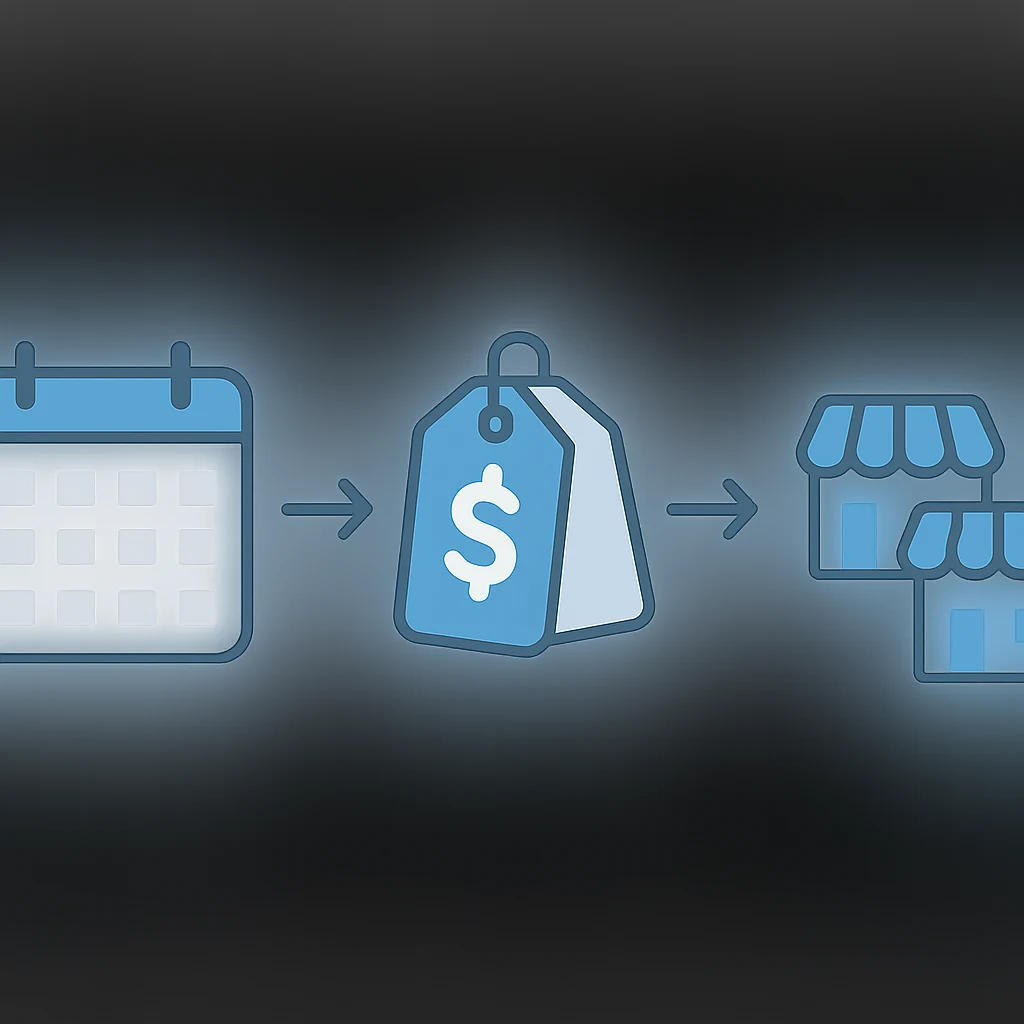
What’s the “price-drop playbook,” exactly?
It’s a set of tactics you use after you buy to make sure you don’t overpay. In the US, the tools are usually some mix of:
- A retailer’s price adjustment policy (if they still offer it)
- A generous return window (common online, but not universal)
- Your own ability to “rebuy and return” when it makes sense
- Price alerts and order tracking to spot dips fast
This is different from trying to stack everything at checkout (we’ve covered that mindset on the blog already). Here, the focus is: buy with guardrails, then monitor and react.
When does this work best (and when is it a bad idea)?
It works best for items that:
- Have predictable promo cycles (tech, small appliances, home goods)
- Are easy to return (not bulky, not final sale)
- Don’t have complicated installation or one-time activation
It’s a bad idea when returns are painful or expensive. If the item ships freight, has a restocking fee, or is clearly marked final sale, you can quickly lose any savings to return shipping or fees.
FAQ: “Isn’t it better to just wait for a sale?”
Sometimes. But “wait” isn’t always realistic—think replacing a broken router, buying a last-minute gift, or grabbing back-to-school essentials before your kid’s class list is due. This playbook is for those moments when you need to buy now and still want a fair price.
Step 1: Before you buy, check the three rules that decide everything
Most of the success here comes down to three small checks.
1) What’s the return window—and who pays return shipping?
Look for the return deadline and whether the retailer provides a prepaid label. If you’ll be paying return shipping out of pocket, the “rebuy and return” option may not be worth it.
Also note: some returns refund the item but not the original shipping. That matters if you paid for expedited shipping.
2) Is price adjustment actually offered?
Some stores will match their own lower price within a set period; others won’t. Even when it’s not advertised, customer support may help if the drop is immediate and you’re polite.
3) Is it “sold and shipped by” the store, or a marketplace seller?
Marketplace listings can have different rules. Returns may be handled by a third-party seller, and price matching can get tricky.
FAQ: “Do price adjustments still exist in the US?”
Yes, but they’re less consistent than they used to be. Think of price adjustment as a nice bonus, not the foundation. Your real leverage is the return policy.

Step 2: Set up a no-drama price watch (without living in your inbox)
You don’t need twenty browser tabs. You need a reminder system that’s easy enough you’ll actually use it.
Here are a few low-effort approaches that work well for US online shopping:
- Screenshot your order total and the listing price on the day you buy. (This helps if the product page changes.)
- Use a wish list or “save for later” on the retailer site. Many stores surface price drops right in your account.
- Turn on one price alert using a trusted price-tracking tool for that category (especially for electronics). Pick one tool and stick with it.
- Calendar a quick check a few days before your return window closes.
That’s it. You’re not trying to predict the perfect day—you’re creating a safety net.
FAQ: “What about browser extensions that add coupons or cash back?”
They can help, but they can also add noise and sometimes complicate checkout. If you use them, keep it simple: one extension you trust, and don’t let it derail you from the bigger win (catching a meaningful price drop).
Step 3: If the price drops, choose the smartest response
When you spot a lower price, you typically have three choices. The “right” one depends on timing, stock, and return friction.
Option A: Ask for a price adjustment
This is the cleanest solution when it’s available.
What to say (keep it short): you bought recently, you noticed the item is now cheaper at the same retailer, and you’d like an adjustment if possible. Have your order number ready.
Watch-outs:
- If the new price is tied to a limited-time promo code, some stores won’t honor it retroactively.
- If the listing is from a different seller (marketplace), it may not qualify.
Option B: Rebuy and return (the “price-drop swap”)
If price adjustment isn’t offered, the classic move is to place a new order at the lower price and return the original order.
This works best when:
- Returns are easy and low-cost
- The item is identical (same model, size, color)
- The new order will arrive before your return deadline
Be honest with yourself about effort. Saving money is great; spending your weekend printing labels for a tiny difference isn’t.
Option C: Do nothing—and move on
Sometimes you catch a small drop late in the window, or the return shipping eats the savings. The correct strategy is: don’t spiral. Bank the learning for next time.
FAQ: “Is rebuy-and-return ethical?”
It depends on how you do it and the retailer’s rules. If the store doesn’t offer price adjustments but provides a return window, consumers often use returns as the mechanism to avoid overpaying. The line you shouldn’t cross: abusing policies (returning used items as new, swapping different products, etc.). Keep it clean, follow the posted rules, and choose the least wasteful route.

Step 4: Don’t let sales tax, shipping, and timing erase the savings
In the US, the headline price isn’t the full story.
FAQ: “If the price drops, will my sales tax change too?”
Usually, yes—sales tax is generally calculated as a percentage of the purchase price based on your shipping address and local rules. If you rebuy at a lower price, your tax typically decreases with it.
FAQ: “What if the cheaper price requires a minimum for free shipping?”
This is where shoppers accidentally lose the win. If the lower price triggers a shipping charge, compare the final total (item + shipping + tax). Sometimes the “deal” isn’t.
Pro tip: be careful with add-on items
A common trap is adding filler items to hit free shipping or a promo threshold, then forgetting to return those extras. If you need a filler, choose something you already use and would buy anyway.
Step 5: Use the US sales calendar as your “price-drop danger zone”
You don’t need to memorize every retail holiday. You just want to know when price drops are more likely so you can keep your return window in mind.
In the US, the biggest “watch closely” periods tend to be:
- Presidents’ Day (winter promos, especially home and mattresses)
- Memorial Day (home, outdoor, appliances)
- Mid-summer deal events (major online retailers run big promos)
- Back-to-school (tech, dorm, basics)
- Labor Day (home, appliances)
- Black Friday Ofertas Cyber Monday (broadest discounts, fastest price swings)
FAQ: “Should I avoid buying right before Black Friday?”
If you’re shopping for gifts or non-urgent items, it can be smart to wait. But if you must buy in November, prioritize retailers with clear return terms—many extend holiday returns, which gives you more time to catch the drop.
What about gifts—can you do this without ruining the surprise?
Yes, but plan for logistics.
If you’re gift-buying, the key questions are: who has the receipt, and what’s the return deadline? Some shoppers keep the item sealed and save packaging until after it’s gifted, just in case.
FAQ: “Can I return something bought as a gift if it’s opened?”
Policies vary a lot. Many retailers require the item to be in like-new condition, and some categories (personal care, consumables) can be non-returnable once opened. When in doubt, read the category-specific return policy before you buy.
The two screenshots that prevent 80% of headaches
This is the simplest habit that pays off.
- Screenshot the order confirmation showing the total (including shipping and sales tax).
- Screenshot the product page showing the price and exact model/details.
If you ever need to contact support, these save time and back-and-forth.
A quick note on avoiding “deal fatigue”
A price-drop strategy is supposed to make shopping calmer, not more obsessive. If you notice you’re checking prices constantly, tighten the system: set one reminder near the end of the return window and stop there.
If you want more practical savings habits like this, start at the homepage and follow what fits your shopping style: /
Your next move (takes 3 minutes)
Pick one recent online purchase (or your next planned buy). Open the order details and do just this: write down the return deadline, confirm who pays return shipping, and set a single calendar reminder three days before the window closes. That one reminder is what turns “I missed the sale” into “I caught the drop.”
You may also be interested

Cash Back or Coupon? Keep Your Online Savings From Disappearing
Learn when to use coupons, cash-back portals, or card offers—and how to avoid tracking mistakes before Black Friday and Cyber Monday.

Open-Box and Refurbished Deals: A Smarter Way to Shop Holiday Sales
Learn how to vet open-box and refurbished deals before Black Friday, from condition and warranties to battery health, seller quality, and gift readiness.

Discounted Gift Cards: 6 Mistakes That Can Erase Your Savings
Buying discounted gift cards for holiday shopping? Avoid balance problems, refund traps, and bonus-card restrictions before locking up your money.