

The Discount Stack: Combine Cashback, Gift Cards & Coupons (Safely)
A practical US guide to stacking online savings—cashback portals, store gift cards, coupons, and card offers—without return headaches.
Online deals aren’t just about finding a lower sticker price. The real wins often come from stacking discounts the right way—so you pay less at checkout and avoid the classic “coupon didn’t apply Ofertas cashback didn’t track Ofertas return got messy” spiral.
This guide focuses on a clean, repeatable “discount stack” you can use in the US: cashback first, then payment method, then coupon, then shipping/returns checks. It’s not about chasing a dozen promo codes—it’s about building a stack that actually sticks.
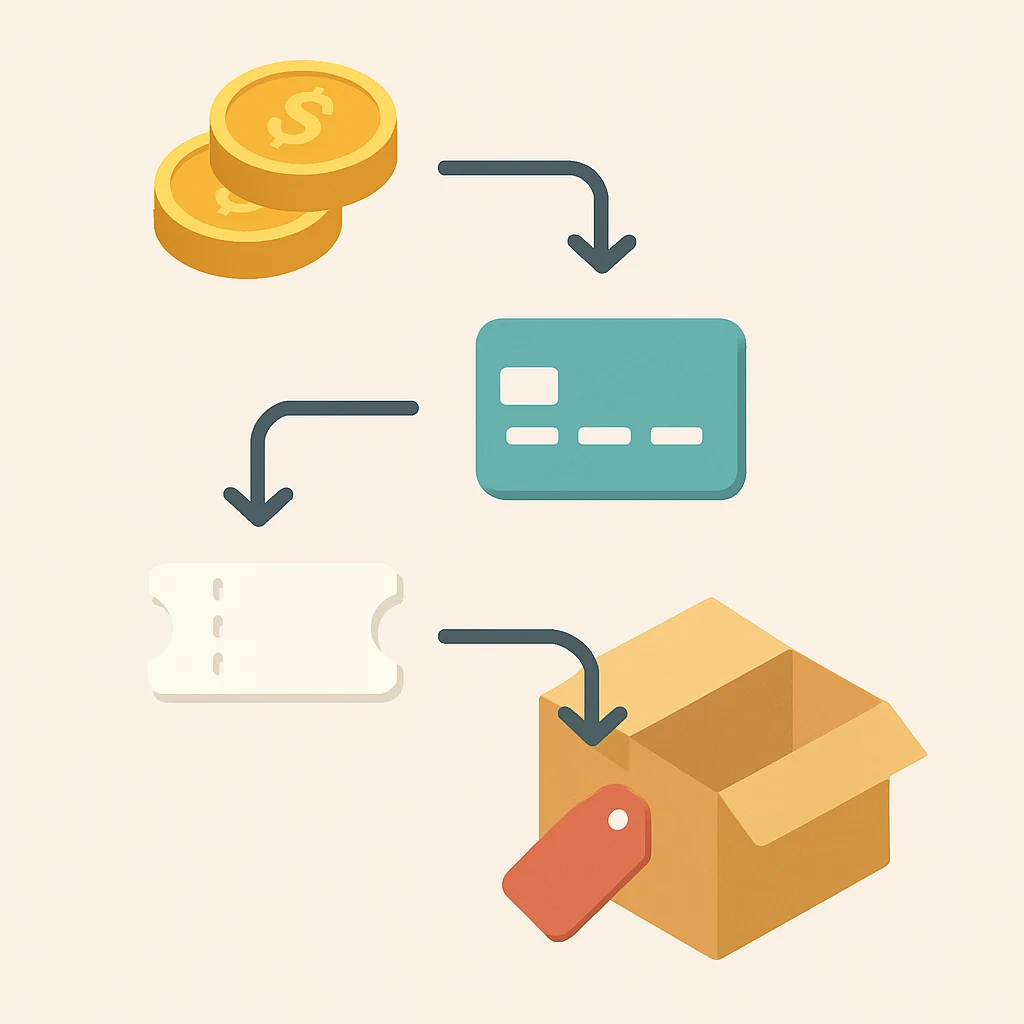
The rule of thumb: stack in the order money flows
Here’s the mindset that keeps you out of trouble: discounts apply at different points in the purchase.
- Pre-checkout savings (cashback portals, shopping extensions, some retailer promos) depend on tracking.
- At-checkout savings (promo codes, store credits, free shipping thresholds) change the order total.
- Post-checkout savings (cashback confirmation, card statement credits, rebates) happen later and can fail if you break terms.
If you build your stack in a consistent order, you’ll waste less time—and you’ll know where something went wrong.
1) Start with the “cleanest” savings: a reputable cashback path
Why it works: Cashback is usually additive. It doesn’t require the retailer to lower the price. It’s essentially a tracked referral reward.
When to use it: Anytime you’re buying from a store that shows up on your cashback portal or your credit card’s shopping offers.
How to do it without breaking tracking: Open one path and stick to it. Click through your cashback portal (or activate the offer in your card app) and go straight to checkout. If you bounce between tabs, compare prices in another browser, or let multiple coupon extensions “inject” codes, tracking can get weird.
A practical workflow:
- Decide the exact item, size, and color first.
- Open a fresh tab/window.
- Activate cashback.
- Check out promptly.
Small but important: If the portal lists exclusions (certain categories, subscriptions, gift cards, etc.), assume they mean it. Exclusions are the #1 reason “pending” cashback never becomes “payable.”

2) Use discounted gift cards as a stealth discount (with a few guardrails)
Why it works: Paying with a discounted store gift card effectively reduces your out-of-pocket cost without needing a promo code at all.
When to use it: Best for stores you buy from repeatedly, especially when you’re confident you won’t need to return.
Guardrails to avoid headaches: Gift cards can complicate refunds. Many retailers refund back to the original payment method—meaning you may get store credit back instead of cash. That’s fine if you’re a regular customer, frustrating if you were “testing” a brand.
Also, check whether your cashback portal excludes purchases paid with gift cards. Some track fine; some don’t. If a portal’s terms are unclear, treat gift card payments as “cashback may not happen” and decide if the gift card discount alone is worth it.
A safe approach is to split payment: use a gift card for most of the total, and put a small remainder on a credit card. That way, you still have card-based protections and a cleaner transaction record if something goes wrong.
3) Layer in card-linked offers (statement credits) for “quiet” extra savings
Why it works: Many US credit cards and banks have merchant offers in-app. When you activate them and pay with that card, you may receive a statement credit later.
When to use it: When the offer matches the store you’re buying from and the purchase amount naturally clears any minimum spend requirement.
Avoid this common pitfall: returns. If you return the item, the statement credit may be reversed. That’s not a scam—it’s just how the offer terms usually work. If you’re buying something you might return (shoes, sizing-sensitive clothing), consider skipping the card offer and prioritizing easy returns instead.
4) Only then: apply a promo code (and don’t let extensions spam your checkout)
Why it works: Promo codes are powerful, but they’re also the most likely to cause conflicts—especially with cashback tracking.
When to use it: When you have a code you trust (from the retailer, a reputable email list, or a known partner) and the discount is meaningful.
Here’s the practical compromise: try one or two codes max. If they don’t work quickly, move on. The time cost of testing 12 codes can exceed the savings—and constant code switching can disrupt tracking.
Also watch for the classic tradeoff: some sites won’t let you combine a promo code with certain automatic discounts (like student, first responder, or employee pricing). Pick the best one and commit.
5) Lock in shipping and returns before you hit “Place Order”
Why it matters: A “deal” can evaporate if shipping is high or returns are expensive.
When to prioritize this: Any time you’re buying bulky items, ordering multiple sizes, or shopping from a brand you haven’t used before.
Do a fast scan of three things:
- Shipping cost and speed (and whether free shipping needs a minimum)
- Return window and whether return shipping is free
- Restocking fees (common with electronics and large items)
Don’t forget sales tax: in the US, tax is usually calculated at checkout based on shipping address. A promo code may reduce the taxable subtotal in some cases, but rules vary by state and retailer. The practical takeaway is simple: judge the deal by the final total, not the pre-tax price.
6) Keep your stack “return-friendly” when you’re not sure
Why it works: The cheapest purchase is the one you don’t regret. If you think you might return, prioritize stacks that won’t trap your money.
When to use it: Apparel, cosmetics, trial purchases, or anything with uncertain fit/compatibility.
A return-friendly stack looks like this:
- Cashback (if it tracks easily)
- A card offer (only if you’re confident you’ll keep it)
- A promo code that doesn’t create weird final-sale terms
A return-hostile stack is heavy on gift cards and final-sale codes. That can still be worth it—but only when you’re sure.
7) Time your stack around US shopping seasons (without waiting forever)
You don’t need to hold every purchase for Black Friday. But timing does help when it aligns with what you’re buying.
When timing is most useful:
- Presidents’ Day: often solid for home and winter clearance hangover.
- Memorial Day Ofertas Fourth of July: common for outdoor, mattresses, and home refresh.
- Back-to-School: laptops, backpacks, dorm essentials.
- Prime Day season: not just Amazon—competitors often run parallel promos.
- Black Friday/Cyber Monday: broad discounts, but also more exclusions and “final sale” terms.
- Post-holiday Ofertas January: returns season, resets, and clearance cycles.
If you need something now (a broken appliance part, a last-minute gift), build a strong stack today instead of waiting for a maybe-sale later. Consistent stacking beats perfect timing.
8) Track your savings like an adult (two-minute system)
If you stack regularly, you need a simple record so you don’t lose money to missed credits.
Create a quick note (phone note or spreadsheet) with: Retailer, order date, order total, cashback expected (yes/no), card offer expected (yes/no), return deadline.
That’s it. You’re not doing accounting—you’re preventing “I thought that tracked” from becoming a monthly mystery.
If you’re building a broader savings routine, start from the basics and set your tools once. You can always refine later. For more deal-hunting strategies and shopping guides, bookmark the homepage: /

FAQs: stacking discounts without surprises
Does paying with a store gift card change sales tax?
Usually, sales tax is based on the taxable items and your shipping address, not on whether you paid with a gift card. What changes is how refunds are issued if you return.
Why did my cashback show as “pending” and then disappear?
Common reasons include exclusions (certain categories), using unapproved coupon codes, returning the order, buying gift cards, or leaving the checkout flow and coming back later. Always read the portal’s exclusions for that retailer.
Can I use a promo code and still get cashback?
Sometimes yes, sometimes no. Many portals allow select codes, but not others. If cashback matters more than the code, use the portal’s listed/approved coupons or skip the code.
If I return an item, do I lose the card statement credit?
Often, yes. Many card-linked offers are designed for net spending. If you return, the credit may be clawed back automatically.
Are “final sale” deals worth it?
They can be—especially for items you already know you like (same shoe model, same skincare product, replacement filters). If you’re experimenting or sizing is uncertain, final sale usually isn’t a deal.
What’s the safest stack for a first-time purchase from a new brand?
Prioritize easy returns and clean payment records: use a cashback path if it’s straightforward, pay with a credit card, and avoid heavy gift card use unless you’re comfortable receiving store credit back.
You may also be interested

Open-Box & Refurb Deals Online: Save Big Without the Headache
A practical guide to buying open-box, refurbished, and used online in the US—what to check, when it’s worth it, and when to skip.

Build a “Deal Radar” for Online Shopping (Without the Coupon Chaos)
A practical US-friendly system to spot real online deals: alerts, timing, clean browser setup, and checkout checks that protect your savings.

The Checkout Stack: How to Combine Coupons, Cashback & Gift Cards
A practical US guide to stacking online savings—coupons, cashback portals, gift cards, and card offers—without breaking returns or missing rewards.