


How to Score Open-Box & Clearance Deals Online (Safely)
A step-by-step way to find legit open-box, refurbished, and clearance bargains online—without getting stuck with sketchy sellers or bad return terms.
Some of the best online bargains aren’t labeled “coupon” or “promo code.” They’re hiding in plain sight: open-box, refurbished, clearance, overstock, last-season colors, or “like new” returns. The catch is that these deals can be amazing or annoying—missing accessories, weird return rules, shipping costs that erase the discount, or third-party sellers that disappear.
This mini-guide walks you through a practical way to hunt these deals and still buy with confidence.

Step 1: Decide what “cheap” means for this item
Before you search, get specific about your acceptable trade-offs. Open-box and refurb deals are best when you know what you can flex on.
Ask yourself two quick questions:
- Is cosmetic wear okay (a small scratch, damaged packaging), or do you need it to look brand-new?
- Do you need full manufacturer warranty coverage, or is a shorter warranty acceptable?
This matters because the “best deal” isn’t always the lowest sticker price. For example, a slightly higher price from a big retailer’s official open-box program can be cheaper in real life if it includes easy returns, prepaid return shipping, or a clear condition grade.
Step 2: Search with the model number (not the product name)
Product names are messy. Model numbers are clean.
If you search “wireless noise canceling headphones,” you’ll get everything: knockoffs, older versions, sponsored placements, bundles with filler accessories. If you search the exact model number (from the manufacturer’s site or the item’s listing), you’ll find the listings that are more likely to be the same product across retailers.
This also helps you catch “almost the same” items that aren’t actually comparable—like a store-specific model with fewer features.
A simple workflow:
- Find the exact model number and the included accessories for the new version.
- Use that model number in your search on major retailers and marketplaces.
- Compare condition notes and what’s included before you compare price.
Step 3: Use the “deal layers” that aren’t coupons
Clearance and open-box pricing often sits outside the usual coupon ecosystem. Instead of hunting codes first, check these deal surfaces:
Retailer clearance sections, “outlet” pages, and warehouse deals. Many stores quietly separate these from standard listings, and you won’t always see them in regular search results.
Certified refurbished programs (manufacturer or retailer-run). These can be a sweet spot when you want a discount but still want predictable testing/packaging.
Open-box listings tied to a specific store or program. The best ones clearly state condition and return terms.
This is also where “bundle math” matters. Sometimes a bundle looks like a deal until you realize the add-ons are low-quality or not items you’d ever pay for. When comparing, ask: Would I buy these extras separately? If not, treat them as $0 value.

Step 4: Verify the seller like you’re verifying a used car
On big marketplaces, the biggest risk isn’t the product category—it’s the seller and the fine print.
Start by confirming who you’re buying from:
- Is it sold by the retailer (or the brand) directly?
- Is it a third-party seller using the marketplace?
- Is the listing fulfilled by the platform or shipped by the seller?
Then check three things that decide whether it’s a real bargain:
Return window and return shipping. “Free returns” can still mean you pay return shipping or pay a restocking fee depending on the category and condition. Look for plain-language policy details before you buy.
What’s included. For electronics especially, missing cables, chargers, stands, or proprietary accessories can erase your savings fast. If the listing is vague, assume you’ll need to buy missing parts.
Warranty situation. “Refurbished” and “open-box” do not automatically mean “full warranty.” Sometimes it’s a limited warranty through the seller, sometimes it’s manufacturer-backed, and sometimes it’s basically none. Don’t guess—check the listing and the manufacturer’s warranty terms for that product.
If the listing doesn’t clearly state condition, inclusions, and return terms, treat it as a higher-risk buy and only proceed if the price is meaningfully lower.
Step 5: Compare the real total (price + sales tax + shipping)
Clearance deals love to win on sticker price and lose on checkout.
When you’re comparing two offers, do it using the same “all-in” method:
- Item price
- Shipping cost (including expedited shipping if you actually need it)
- Sales tax
- Any protection plan you’re adding (only if you truly plan to buy it)
If one seller offers a slightly higher price but free shipping and easy returns, it can be the smarter buy—especially for bulky items, TVs, furniture, or anything with expensive return shipping.
Also watch for “free shipping over $X” thresholds. It’s easy to add a random item to qualify, but that can be a sneaky way to overspend. If you’re doing it, add something you already needed (household essentials, replacement filters, or a future gift), not filler.
Step 6: Time clearance like a shopper, not a gambler
You don’t need to predict the exact lowest price. You just need to shop during windows when retailers are more likely to move inventory.
In the US, clearance and open-box inventory tends to get interesting around:
- Post-holiday returns season (early January): more open-box and “like new” inventory shows up.
- Back-to-school season (late summer): laptops, tablets, backpacks, dorm gear see heavy promo cycles, and older inventory gets pushed out.
- Pre–Black Friday and Cyber Monday (fall): brands clear older versions ahead of big ad events.
- After major sale weekends (right after Black Friday/Cyber Monday): more returns can feed open-box stock.
- End-of-season for apparel and outdoor gear: last-season colors and sizes get marked down.
The key is to set your target first (model number + acceptable condition) and then watch those sources during the seasonal windows above.

Step 7: Make the deal “return-proof” before you click Buy
With clearance and open-box buys, your best savings move is avoiding a return headache.
Do a 60-second pre-check:
- Confirm the return deadline date (not just “30 days”—count it from delivery).
- Screenshot or save the listing details (condition, what’s included, warranty notes). Listings change.
- Check whether you’ll get a refund to the original payment method or store credit.
- For big items, confirm how returns work (drop-off vs pickup, packaging requirements).
If you’re shopping a marketplace, choose a payment method that gives you a little extra protection if something goes sideways. (This isn’t a substitute for retailer policies—but it can help when a seller is unresponsive.)
Step 8: Inspect fast, test fast, decide fast
When the package arrives, don’t let it sit.
Open-box and refurb deals are “savings with homework.” Do the homework immediately:
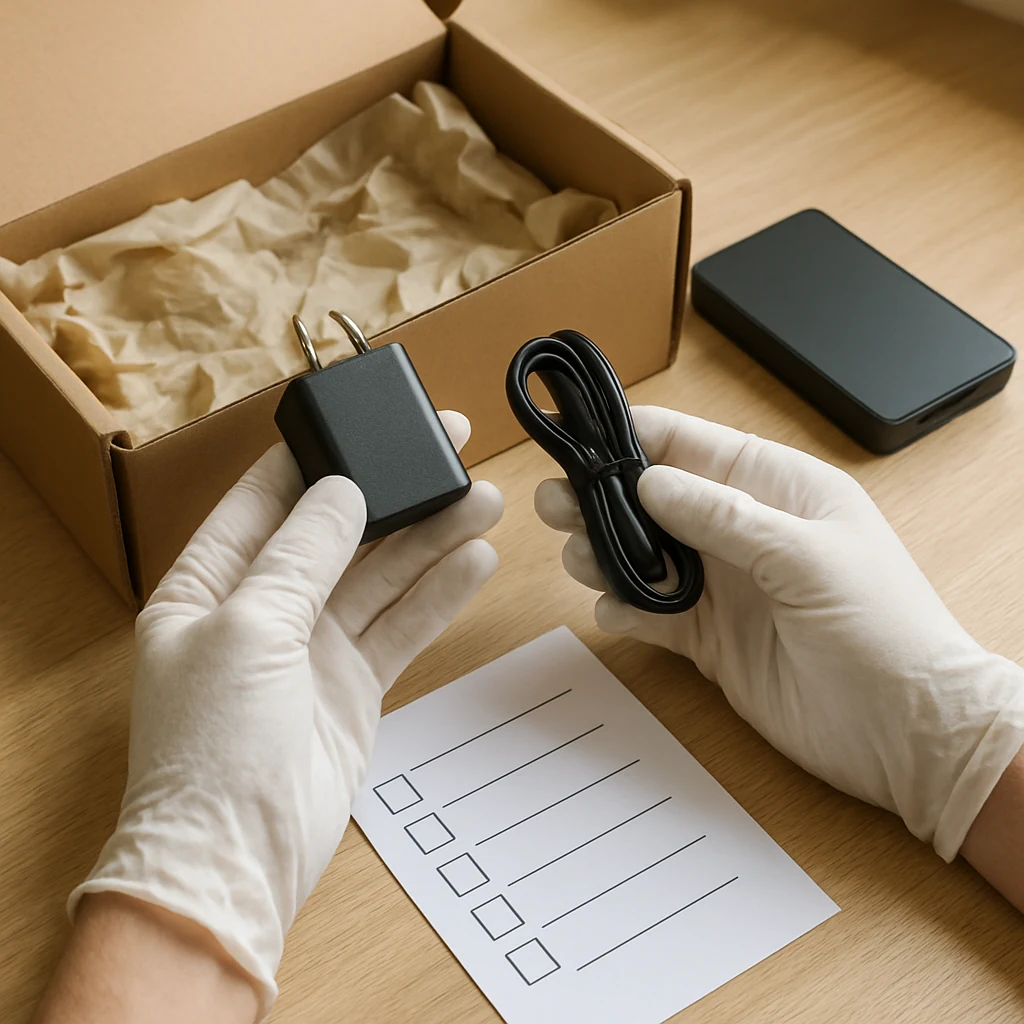
- Inspect for obvious damage, missing accessories, and correct model number.
- Test the core function right away (charging, connectivity, buttons, ports, audio, etc.).
- Keep packaging until you’re sure you’re keeping it.
If anything is off, start the return/exchange process immediately—don’t try to “make it work” and then miss the return window.
A quick way to spot higher-quality refurb/open-box listings
If you want one simple heuristic: the best listings are the ones that reduce ambiguity. You’re not looking for hype—you’re looking for clarity.
- Clear condition grading (like new Ofertas very good Ofertas good) with definitions
- Explicit “what’s included” section
- Straightforward return terms (not buried or vague)
- Warranty stated in plain language
- Sold by a known retailer/brand or a consistently reviewed seller
If a listing is thin on details, price it like a gamble.
Where this fits into your overall savings routine
If you’re building a calmer, repeatable approach to saving money online, open-box and clearance deals are a great “middle lane” between full-price and coupon chaos. Pair it with a simple habit: save your target model numbers, check a few trusted sources, and buy when the all-in price makes sense.
If you’re also working on your bigger savings system (cash back, gift cards, rewards, and timing), start at the homepage and build your stack from there: /
FAQs
Is “open-box” always used or returned?
Usually it means the item was returned, displayed, or the packaging was opened—exact definitions vary by retailer. The important part is the condition description and the return policy, not the label itself.
Is refurbished better than open-box?
Not automatically. Refurbished often implies testing/repair and repackaging, while open-box may be closer to new but less predictable. The “better” choice depends on warranty coverage, return terms, and how clearly the seller explains condition.
How do I avoid paying more because of shipping?
Always compare the all-in total at checkout (item price + shipping + sales tax). Clearance deals can look great until shipping is added, especially for heavy or oversized items.
What if the listing doesn’t say what accessories are included?
Assume you may not get everything that comes with a brand-new unit. If missing accessories would be expensive or annoying, only buy listings that explicitly state what’s in the box.
Are marketplace third-party sellers automatically a bad idea?
No, but they add variability. If you buy from a third-party, prioritize clear return terms, strong seller history, and listings with specific condition and inclusion details. If anything feels vague, it’s okay to pass.
You may also be interested

Cash Back or Coupon? Keep Your Online Savings From Disappearing
Learn when to use coupons, cash-back portals, or card offers—and how to avoid tracking mistakes before Black Friday and Cyber Monday.

Open-Box and Refurbished Deals: A Smarter Way to Shop Holiday Sales
Learn how to vet open-box and refurbished deals before Black Friday, from condition and warranties to battery health, seller quality, and gift readiness.

Discounted Gift Cards: 6 Mistakes That Can Erase Your Savings
Buying discounted gift cards for holiday shopping? Avoid balance problems, refund traps, and bonus-card restrictions before locking up your money.