

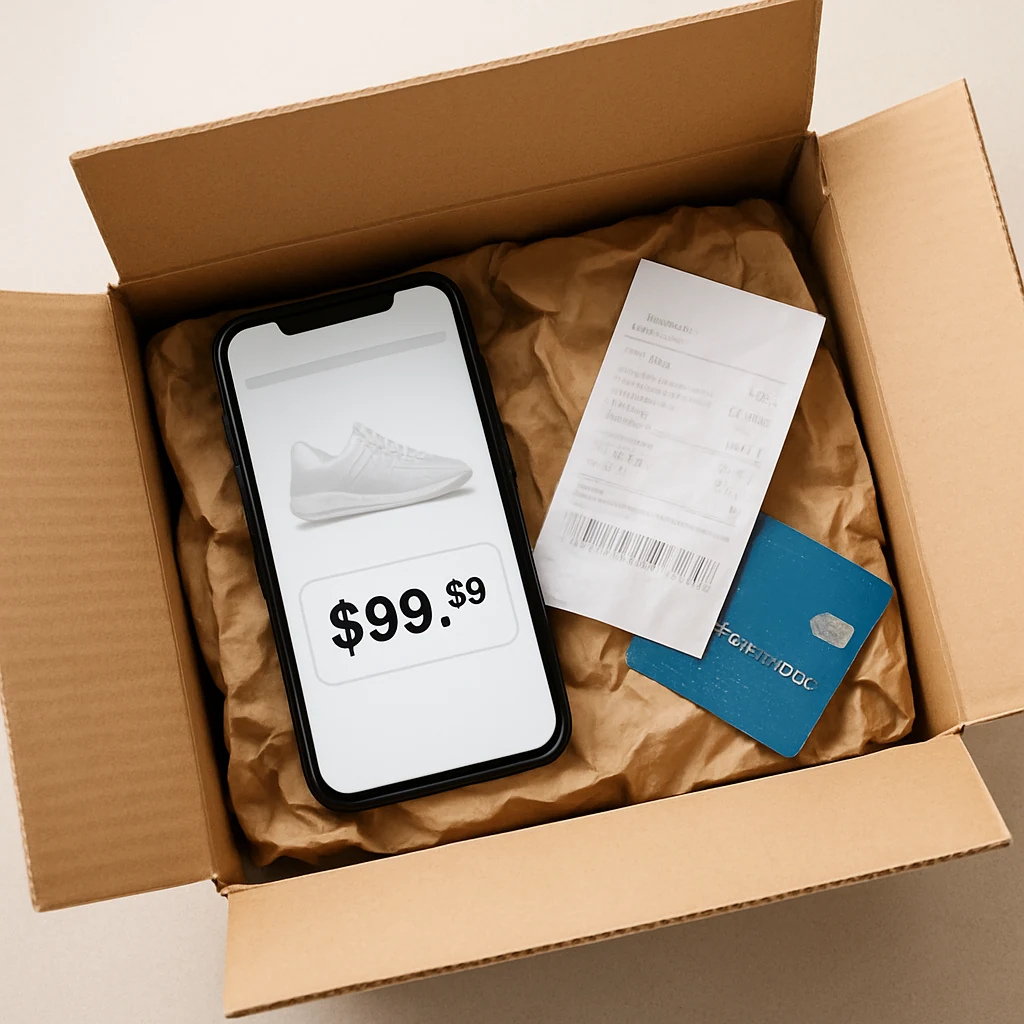
How to Save After You Buy: Price Drops, Refunds, and Fixes
Practical ways US online shoppers can get money back after checkout: price drops, returns, shipping issues, and hidden savings steps.
You already know the usual “save before you buy” moves: coupon codes, comparison shopping, waiting for Black Friday. But there’s a quieter category of savings most people ignore—post‑purchase savings. It’s not glamorous, but it can be the difference between paying full price and getting a chunk of your money back after checkout.
This guide is about what to do once the order is placed: how to react to price drops, fix shipping charges, handle returns strategically, and catch the “oops” fees that sneak into online carts.
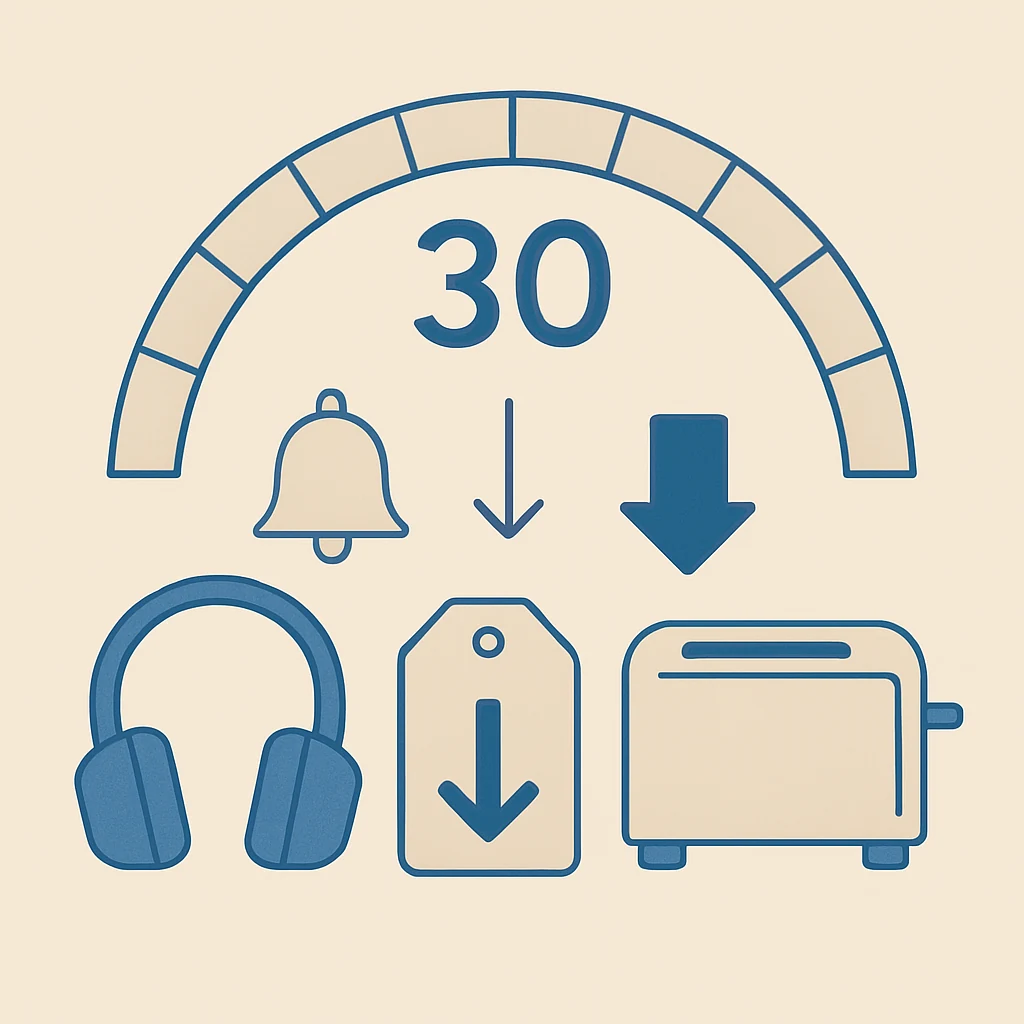
1) Track price drops during the return window (and act fast)
A lot of online savings happen after you buy because prices move constantly—especially around big US shopping seasons like Prime Day, Back-to-School, Labor Day, and the long runway into Black Friday/Cyber Monday.
Here’s the practical play: once your order is confirmed, treat the next 7–30 days (or whatever your retailer’s return window is) as a second chance to save. If the price drops, you may be able to get the difference back through a price adjustment—or you may need to use a return-and-rebuy strategy (more on that below).
Why it works: dynamic pricing and frequent promos mean the “best” price isn’t always the one you saw at checkout.
When to use it: anytime you buy something with real price volatility—electronics, small appliances, seasonal items, and branded basics.
Tip: Don’t assume a retailer will notify you. Build the habit of checking the product page a few times, especially if you bought near a holiday sale.
2) Know the difference between price adjustments and price matching
These sound similar, but they’re not the same.
A price adjustment is usually: “I bought it from you, and now you lowered your price—can you refund the difference?”
A price match is usually: “A competitor is selling it for less—can you match that price?”
Retailers vary a lot here, and policies change. Some are generous, some are strict, and some only honor certain sellers (for example, they may exclude third‑party marketplace listings).
Why it works: it’s one of the least time‑consuming ways to save—sometimes it’s a quick chat or form.
When to use it: when the price drops on the same retailer’s site, or when a major competitor runs a clearly comparable offer.
Practical approach: take screenshots of the lower price and note the date/time. Keep it simple and polite when you contact support.
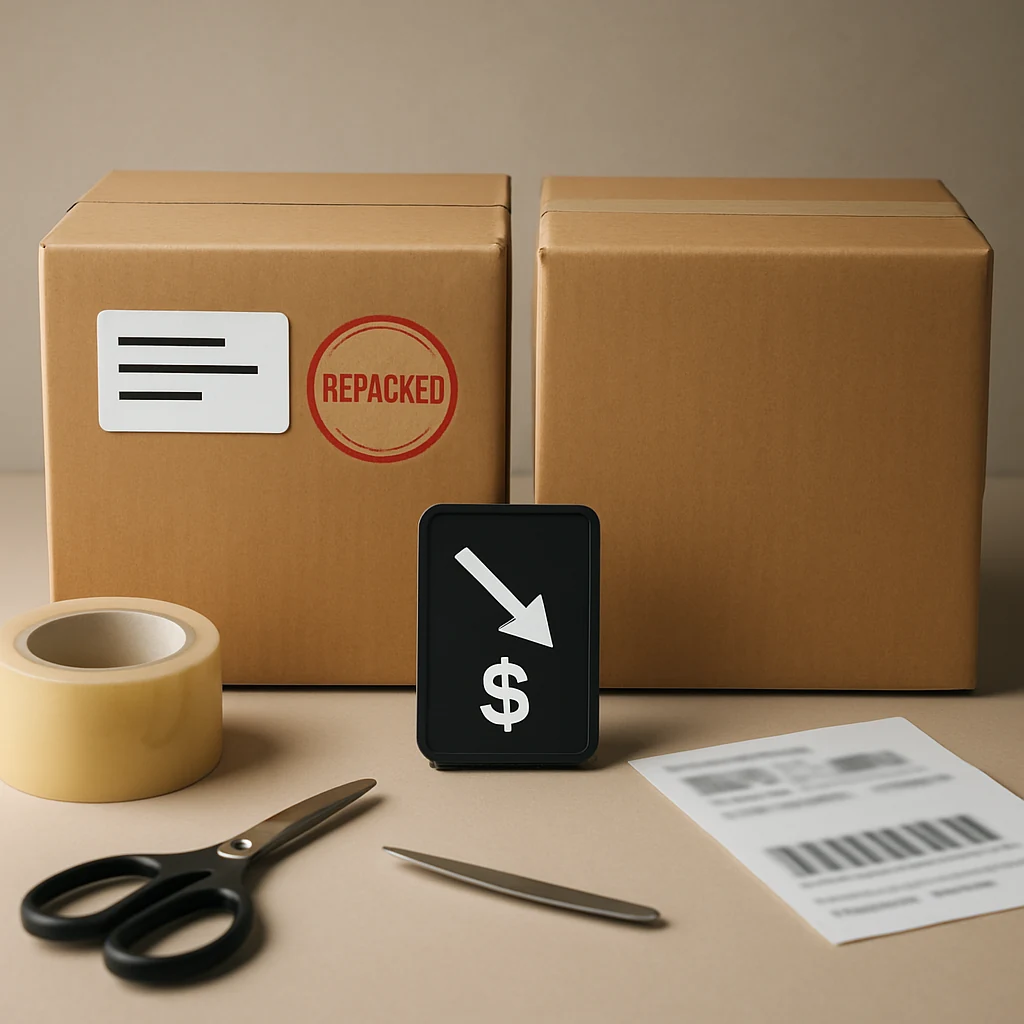
3) Use “return and rebuy” carefully (it’s powerful, but not always worth it)
If a retailer won’t do a price adjustment, people often do the next best thing: buy again at the lower price and return the original.
It can work—but it can also create headaches: return shipping costs, restocking fees, and time spent packing and dropping off a box.
Why it works: it forces the transaction to reflect the current price without requiring a policy exception.
When to use it: when the price difference is meaningful and you’re confident about the return terms.
Before you do it, scan for these common tripwires:
- Return shipping fees (or “free returns” that only apply for store credit)
- Restocking fees (often on large electronics or specialty items)
- Final-sale language
- Holiday return window rules (many retailers extend returns during Q4, but the details vary)
If any of those make the savings marginal, it may be better to keep the item and move on.
4) Audit your order confirmation for sneaky add‑ons
Right after checkout—while you still have momentum—open the order confirmation email and look for charges that don’t match what you thought you bought.
Common culprits include:
- Paid shipping you didn’t need (especially if free shipping starts at a minimum order amount)
- Expedited shipping selected by default
- “Route”/shipping protection or other optional coverage you didn’t intend to add
- Subscriptions bundled into the cart (filters, refills, memberships)
Why it works: fixing an add‑on right away is easier than fighting about it after the package ships.
When to use it: every time you place an order—especially on smaller sites where the checkout flow is more aggressive.
If you spot something off, contact support immediately and ask if they can remove it before shipment. If it already shipped, ask what your options are (refund, return label, or cancellation).
5) Save the right “proof” so refunds don’t turn into a time sink
If you want post‑purchase savings to be painless, you need to keep a mini paper trail. Not forever—just until you’re safely past delivery and returns.
Keep these until you’re done with the item:
- Order confirmation email
- Final invoice/receipt (with taxes and shipping)
- Tracking number and delivery confirmation
- Screenshots of the product listing (especially if specs matter)
Why it works: when something goes wrong, support will ask for this anyway. Having it ready turns a 30‑minute headache into a 3‑minute fix.
When to use it: always, but especially for higher-dollar items, gift orders, and anything with size/fit uncertainty.
6) Handle shipping issues like a deal hunter (not like a victim)
Shipping mistakes aren’t just annoying—they can be expensive if you let the clock run out.
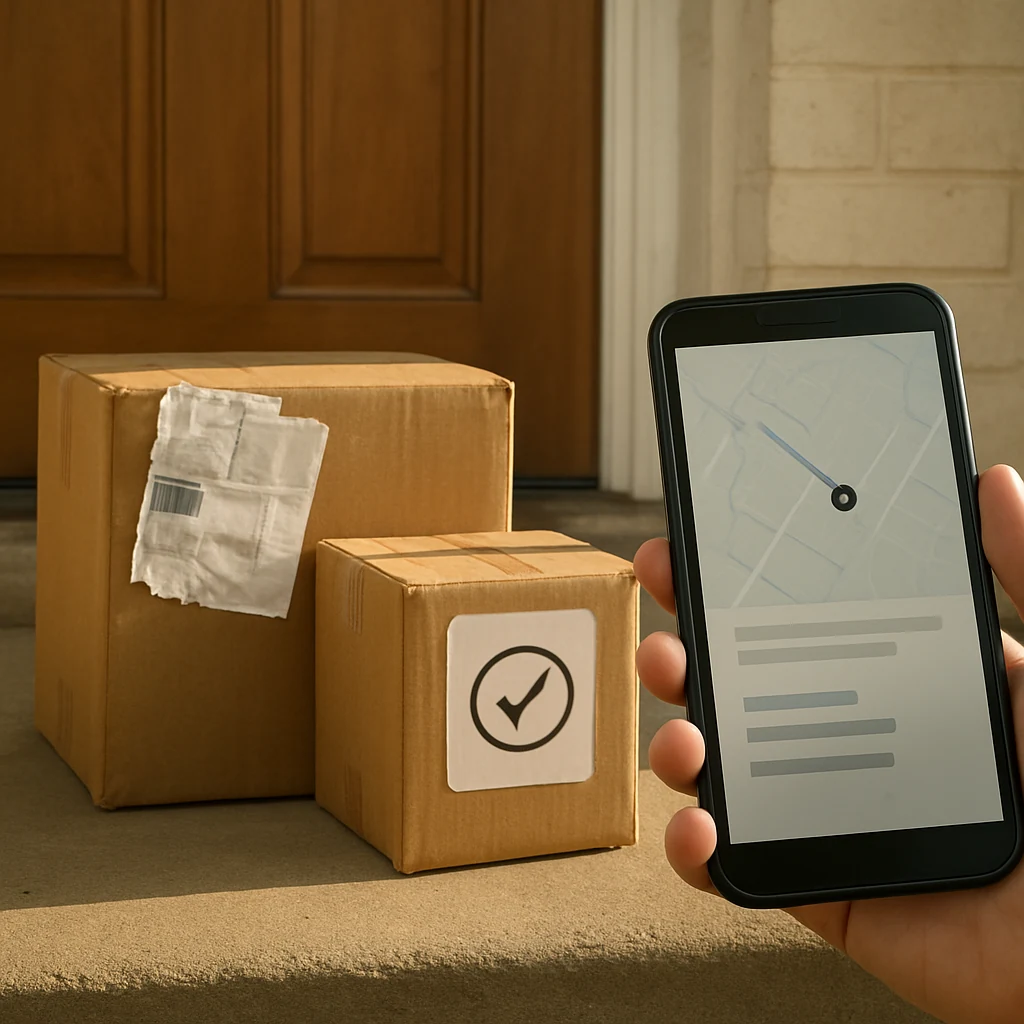
If a package is marked delivered but you don’t have it, or if a shipment is late and you paid for faster delivery, you may have options. Retailers and carriers have different procedures, but the general rule is: report problems quickly, keep your tracking info, and document what you see.
Why it works: many customer service teams have clear “make it right” paths for missing/damaged packages, but only within certain timeframes.
When to use it: anytime tracking doesn’t match reality, or when paid shipping doesn’t deliver what you purchased.
Also: check whether your payment method offers extra support for non-delivery disputes. Policies vary by issuer and can change, so verify what applies to your card.

7) Stack manufacturer rebates and cash-back after the purchase (when it’s still eligible)
Some savings opportunities don’t happen at checkout. Certain brands run mail‑in or online rebates, and some cash‑back platforms credit after shipment or after a return window closes.
Why it works: it’s easy to forget, which means fewer people claim it.
When to use it: right after delivery (or once you’re sure you’re keeping the item), especially for electronics, small appliances, and seasonal promos.
Important: don’t assume every “rebate” is legit. Stick to offers you can verify on the brand’s site or through reputable retailers, and read the requirements so you don’t miss a deadline.
8) Don’t leave returns to chance—treat them as part of your savings plan
Returns are a savings tool when you use them intentionally.
Two scenarios where returns protect your budget:
If you’re unsure about size/fit: buy from a retailer with easy returns, and consider ordering two sizes only if you know you’ll return one quickly and cleanly.
If you’re buying gifts: prioritize clear holiday return terms and keep gift receipts organized so you don’t get stuck with store credit you can’t use.
Why it works: a bad return policy can erase a “deal” faster than sales tax ever will.
When to use it: apparel, shoes, anything “try and decide,” and gift shopping.
One more detail US shoppers overlook: if you used a coupon, a return might refund the discounted price—not the original list price. That’s normal, but it matters if you plan to rebuy later.
9) Re-check taxes, shipping thresholds, and split shipments before re-ordering
When you’re doing any post‑purchase maneuver—price match request, return-and-rebuy, replacement order—your total cost can change in ways that aren’t obvious.
You might see:
- Different sales tax due to shipping address or marketplace rules
- Shipping fees because your new cart no longer meets a free shipping threshold
- Multiple shipments that trigger extra fees (or complicate returns)
Why it works: the true “best deal” is the final total you pay, not the product price alone.
When to use it: anytime you rebuild a cart to chase a lower price.
Before hitting “Place Order,” pause and compare totals side-by-side: original order vs. new order. If the difference is small, keep your time.
10) Build a simple post‑purchase routine you’ll actually do
The biggest reason people miss post‑purchase savings is not lack of options—it’s friction. So keep it lightweight.
A routine that works for most shoppers looks like this:
Within 10 minutes of checkout, skim your confirmation email for surprise add‑ons and shipping costs. Within a few days, check the product page once or twice for price drops. When the item arrives, confirm it matches the listing and save the invoice until you’re past the return window.
If you want more deal-hunting strategies beyond post‑purchase tactics, browse the latest guides and updates on the homepage at /.
FAQ
Can I get money back if the price drops right after I buy?
Sometimes, yes. It depends on the retailer’s price adjustment policy and timing. If they don’t offer adjustments, return-and-rebuy may work, but only if fees and hassle don’t cancel out the savings.
Is return-and-rebuy always a good idea?
No. It’s best when the savings are meaningful and the return is truly easy (no restocking fee, no paid return shipping, no “final sale” restrictions). Otherwise, it can cost more in time and fees than it saves.
What if my package says “Delivered” but it’s not there?
Start by checking around your delivery location and with neighbors, then report it quickly through the retailer or carrier using your tracking number. Keep documentation so you can escalate if needed.
Will I get sales tax back if I return an item?
In most cases, refunds include the item price and the related tax, but how it’s displayed can vary by retailer and payment method. Check your refund confirmation to verify what was returned.
Do credit cards still have price protection?
Some do, many don’t, and benefits change over time. If you’re counting on it, verify your card’s current benefits before you buy.
One action to take today
Pick one recent order and do a 5-minute post‑purchase audit: check the product page for a lower price, confirm your invoice matches what you intended to buy, and save the receipt until you’re past the return window. That small habit is how post‑purchase savings become real money.
You may also be interested

Cash Back or Coupon? Keep Your Online Savings From Disappearing
Learn when to use coupons, cash-back portals, or card offers—and how to avoid tracking mistakes before Black Friday and Cyber Monday.

The Checkout Math: When a “Deal” Is Actually Cheaper Online
Learn how to compare price, shipping, sales tax, returns, and perks—so you pick the true lowest-cost online deal every time.

Your 30-Minute Online Deal System (That Works All Year)
A practical, step-by-step system to catch real online deals in the US—using wishlists, alerts, total-cost checks, and smart timing.