

ZOVIMAX Bone Conduction Headphones: Open-Ear Freedom for Active Lifestyles
Product description
What it is
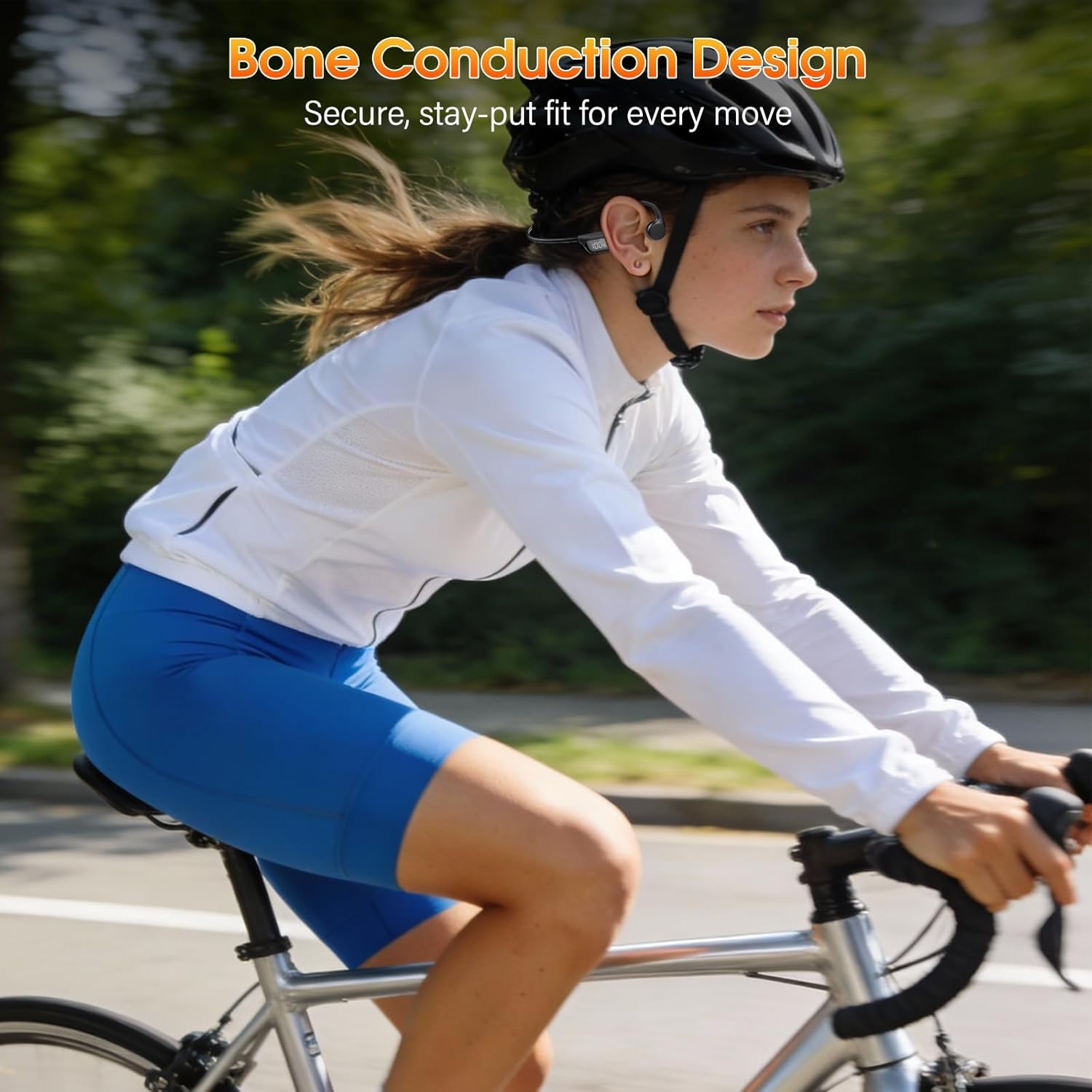
ZOVIMAX Bone Conduction Headphones offer open-ear listening that transmits sound via bone conduction, keeping your ears unblocked to remain aware of surroundings. Built for runners, gym sessions, skiing and cycling, they promise a practical blend of safety, comfort and convenience for those who don’t want to block ambient noise. The model uses Bluetooth 6.0 with dual listening modes and a built-in mic, wrapped in a lightweight frame with an IPX7 sweat- and water-resistance rating.
How it sounds and how it feels
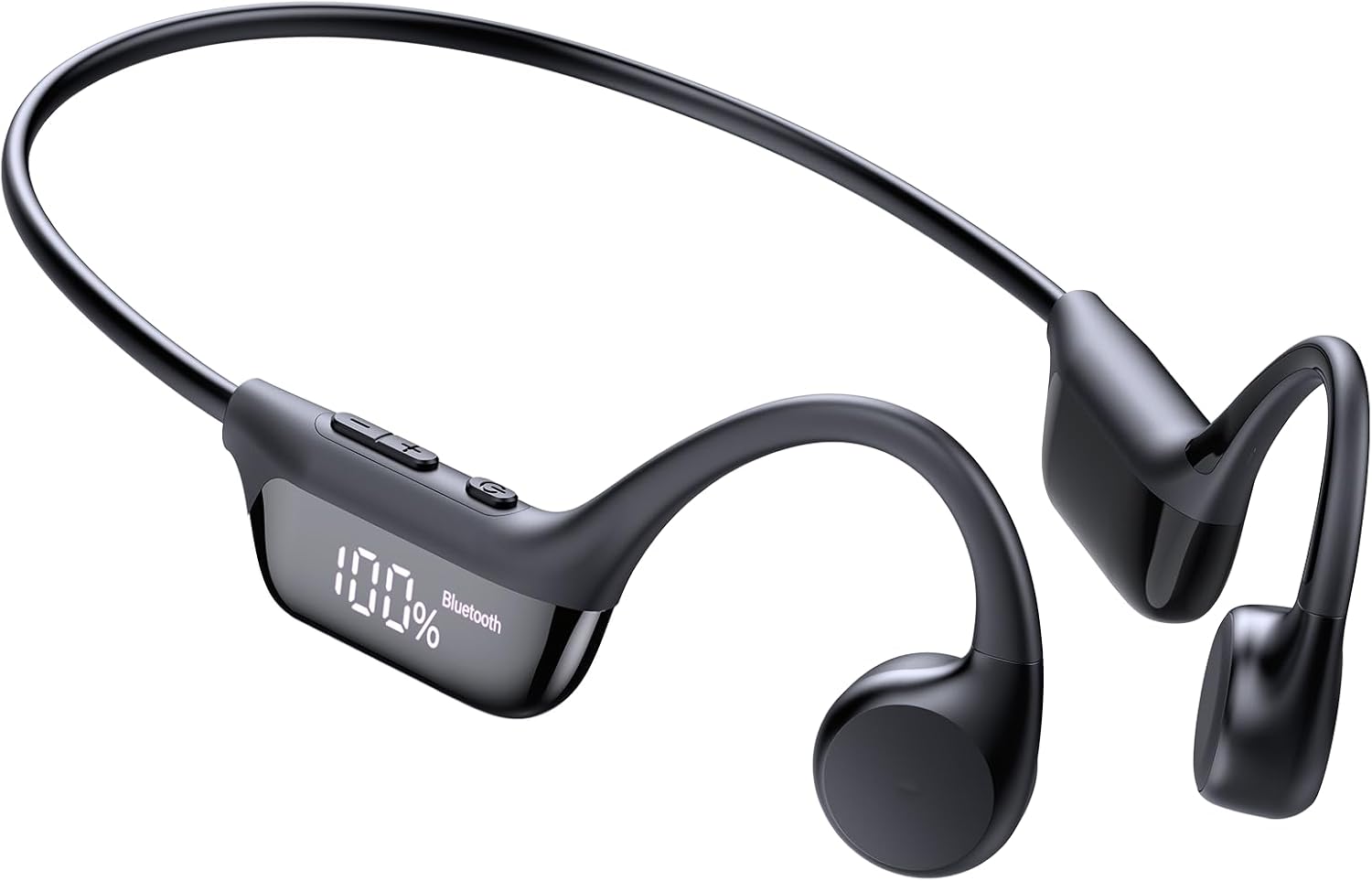
On paper, a dual-driver design promises a fuller listening experience by combining bone conduction with air conduction. In practice, you’ll notice clearer mids and vocals while bass tends to be more restrained than traditional in-ear headphones. The lightweight titanium alloy frame and ergonomic ear-hook setup aim to stay put during movement, with a skin-friendly coating to reduce slippage. At around 29 g, it should feel unobtrusive on longer workouts, though the one-piece frame may not suit every head shape perfectly. If you prioritise situational awareness during workouts, this approach can be a meaningful trade-off.
Battery and reliability
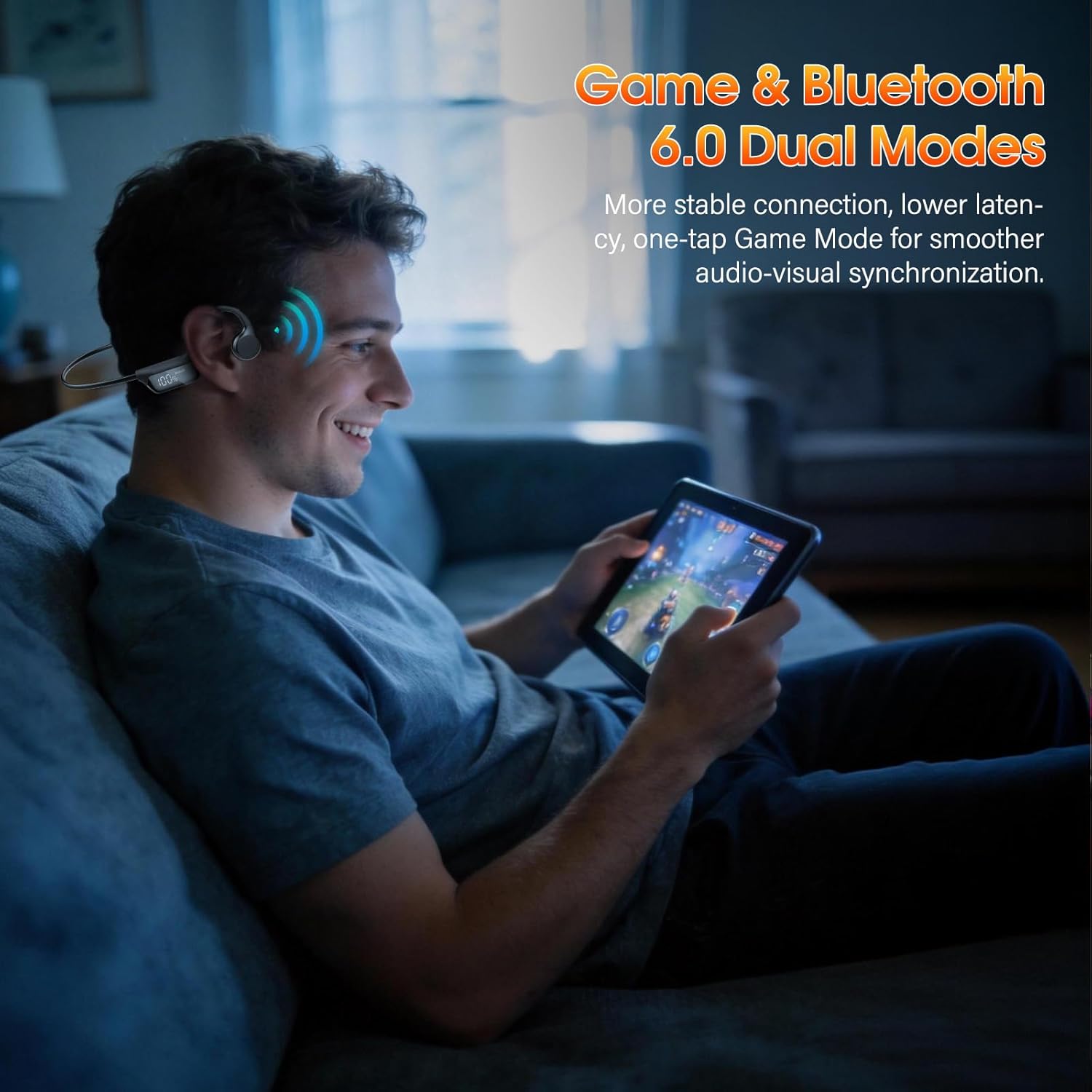
A practical selling point is the 12-hour playback figure after a short 2-hour charge, suited to long runs or full-day activity schedules without frequent recharging. The LED display helps you monitor battery life, which can save you from unexpected cuts mid-session. Connectivity via Bluetooth 6.0 is designed to be stable with lower latency in Game Mode, useful for casual gaming or interactive fitness apps. Note that the model relies on wireless connectivity, so the experience may vary with distance from the source and interference in busy environments.
Waterproofing and durability
The IPX7 rating means sweat and light rain won’t derail workouts, making them reasonable for gym sessions, outdoor runs or snowy cycles. It’s important to note that they aren’t designed for swimming or full submersion, so if you frequently swim, this won’t be the best match. The construction focuses on durability and easy maintenance, but it’s still a good idea to wipe down after workouts and inspect the frame periodically for signs of stress.
What stands out
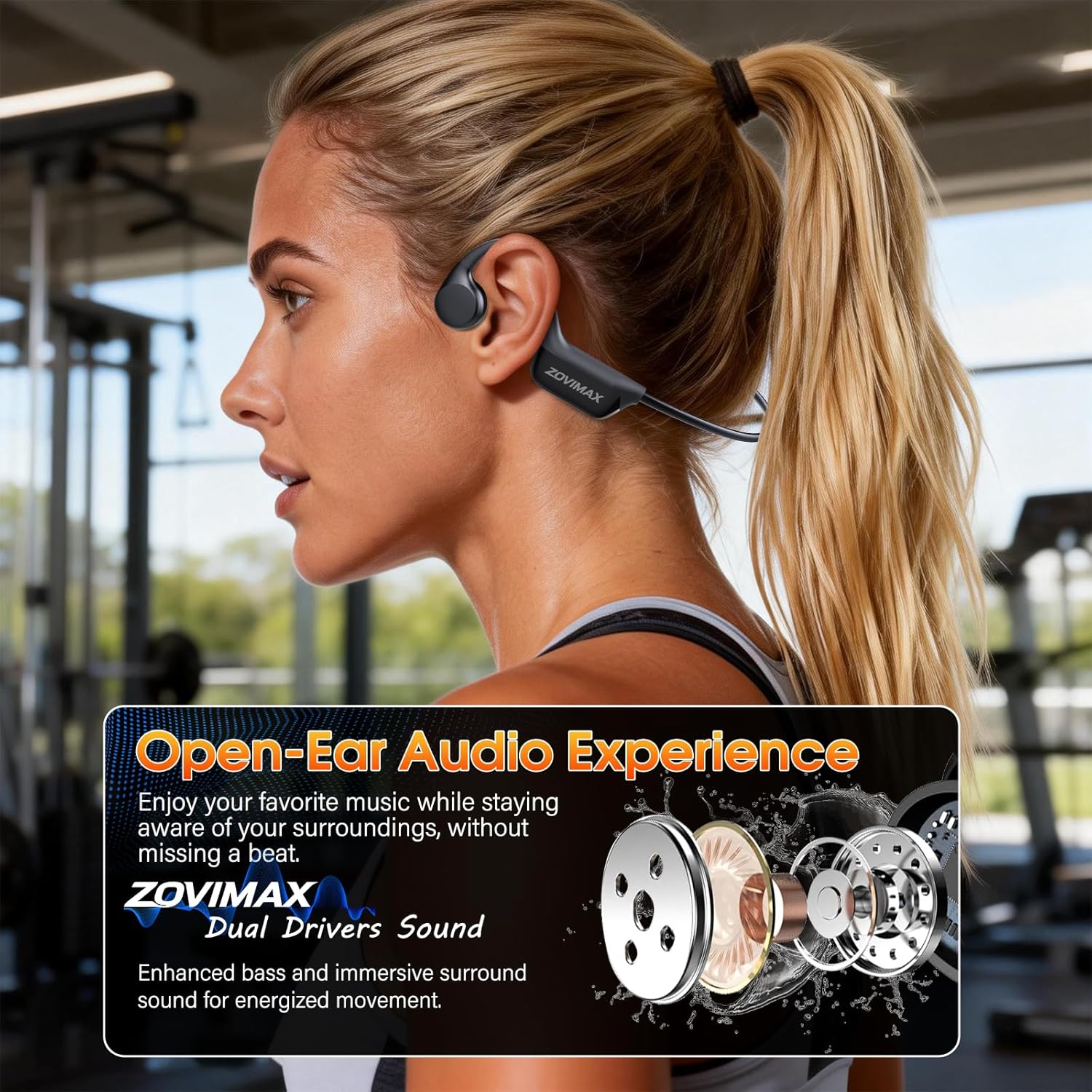
The open-ear approach is the clearest differentiator here. If you need to stay aware of traffic and surroundings, or you’ve had in-ear designs cause fatigue, this model offers a plausible alternative. The dual-driver setup aims to balance sound across channels more evenly than a single pathway might, which can translate to more natural vocals and less listener fatigue on longer sessions. The LED battery indicator and the two listening modes give flexibility for different activities, from music listening to gaming-friendly audio timing.
What may hold it back
Sound notes aside, the open-ear design doesn’t deliver the same deep bass as many in-ear or over-ear models. If you prioritise powerful low-end to drive workouts, you might find the presentation a touch lean. Also, the frame, while light, is a single-piece design, it may not be the best fit for every head shape or ear position, especially if you wear glasses or prefer a snug seal. Finally, the absence of swimming capability limits the product’s use in aquatic activities.

Who it’s for
This product suits active commuters and outdoor enthusiasts who want awareness of surroundings without sacrificing soundscape during workouts. It’s a sensible option if you value comfort over peak bass, and if you’re curious about the open-ear, bone-conduction approach as a practical alternative to traditional headphones.
When it makes sense to buy

If you run in traffic, cycle on busy roads, or train in mixed environments, the open-ear design can be a meaningful safety feature. The long battery life and real-time status display add convenience for longer sessions. It also makes sense if you want a lightweight headset for gym use, or if you’re exploring bone conduction technology as a potential fit.
When you might skip it
If you’re after the strongest possible bass or if you swim regularly, this model isn’t designed for those scenarios. If a perfectly snug fit is non-negotiable for you, a conventional in-ear or over-ear option might suit you better.
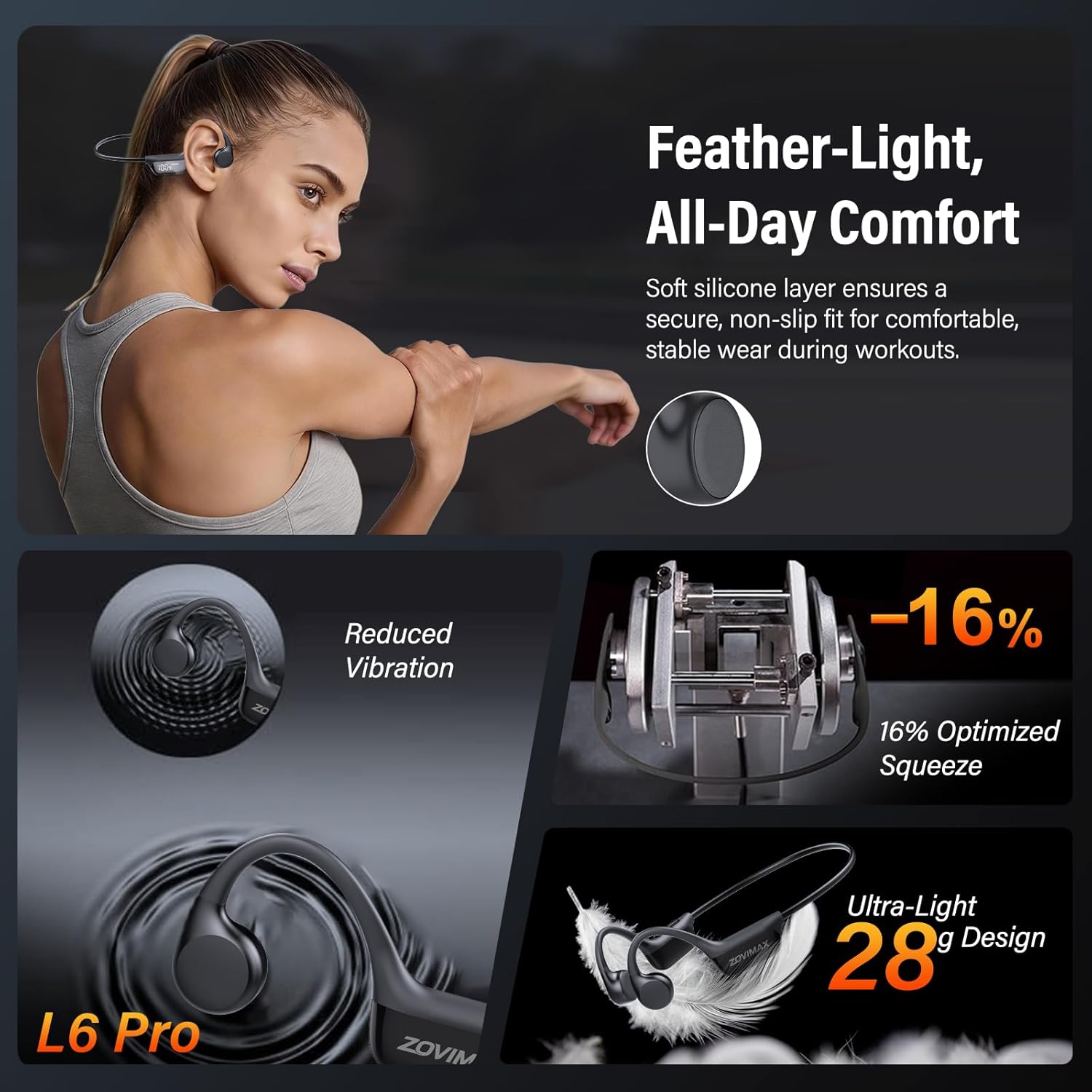
Before you buy: quick checks
- Ensure the fit feels secure with the ear-hook design, and check whether the frame sits comfortably without pressure behind the ear.
- Check that the LED displays battery life in a way you find useful, and confirm you’re comfortable with two listening modes (Music vs Game) and how they alter latency.
- Consider your typical environment: do you often train in rain or humid conditions? Even with IPX7, ensure you dry the device after intense sessions to prolong life.
- If ambient sound awareness is not critical, you might still prefer a more conventional closed-back design for richer bass.
Practical example
Imagine you’re running a city route at dawn. You keep your ears open to traffic while enjoying a steady soundtrack. The frame stays light, you glimpse the battery indicator to plan your workout, and if a phone call comes through, the built-in mic keeps you connected without removing the headset. The trade-off is a balanced sound with less bass oomph, but you don’t miss warnings or pedestrian alerts.
FAQ (mobile-friendly considerazioni)
- How long does the battery last with continuous music? Up to 12 hours after a 2-hour charge.
- Is it suitable for swimming? No, not designed for swimming or full submersion.
- Does the LED display show exact battery percentage? It shows remaining battery level via the LED display.
Is it worth it?
Worth considering if you prioritise awareness and light, comfortable wear for long sessions, and you’re curious about bone conduction—especially for runs or gym workouts. It may not be the best pick if you want deep bass, or if you need swimming-capable headphones. This is a practical choice for those who value safety and comfort in active use and are happy with a trade-off in bass depth.