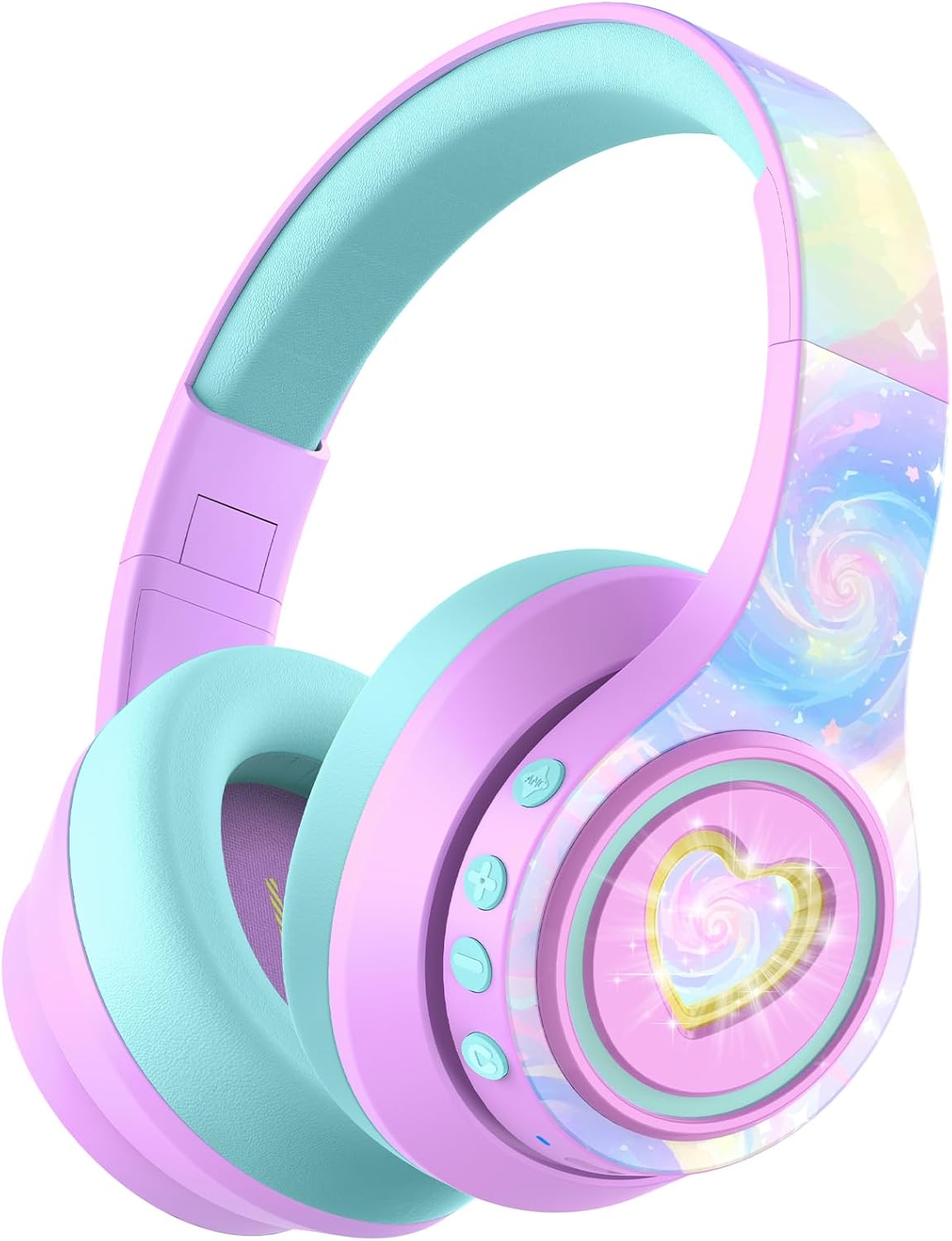
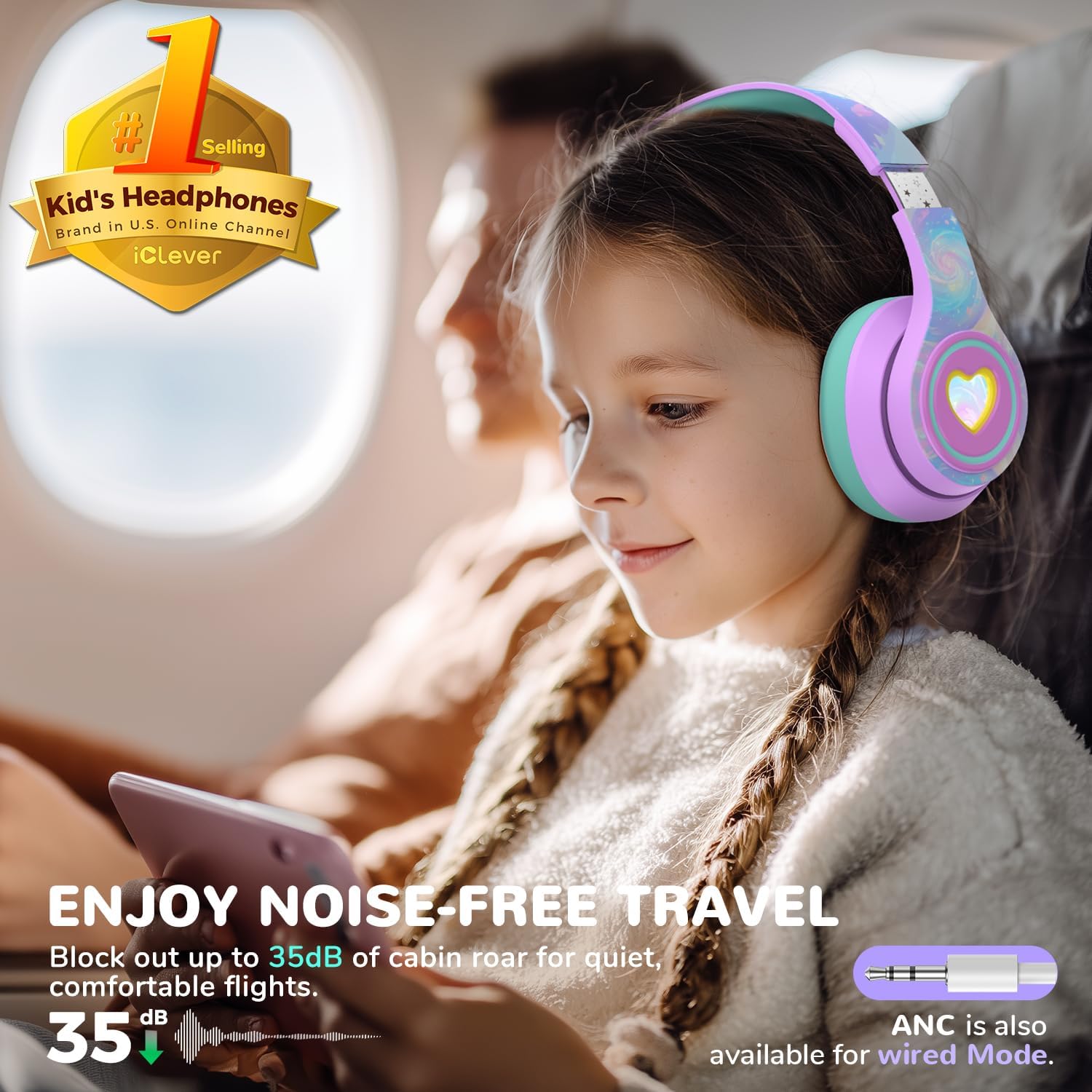
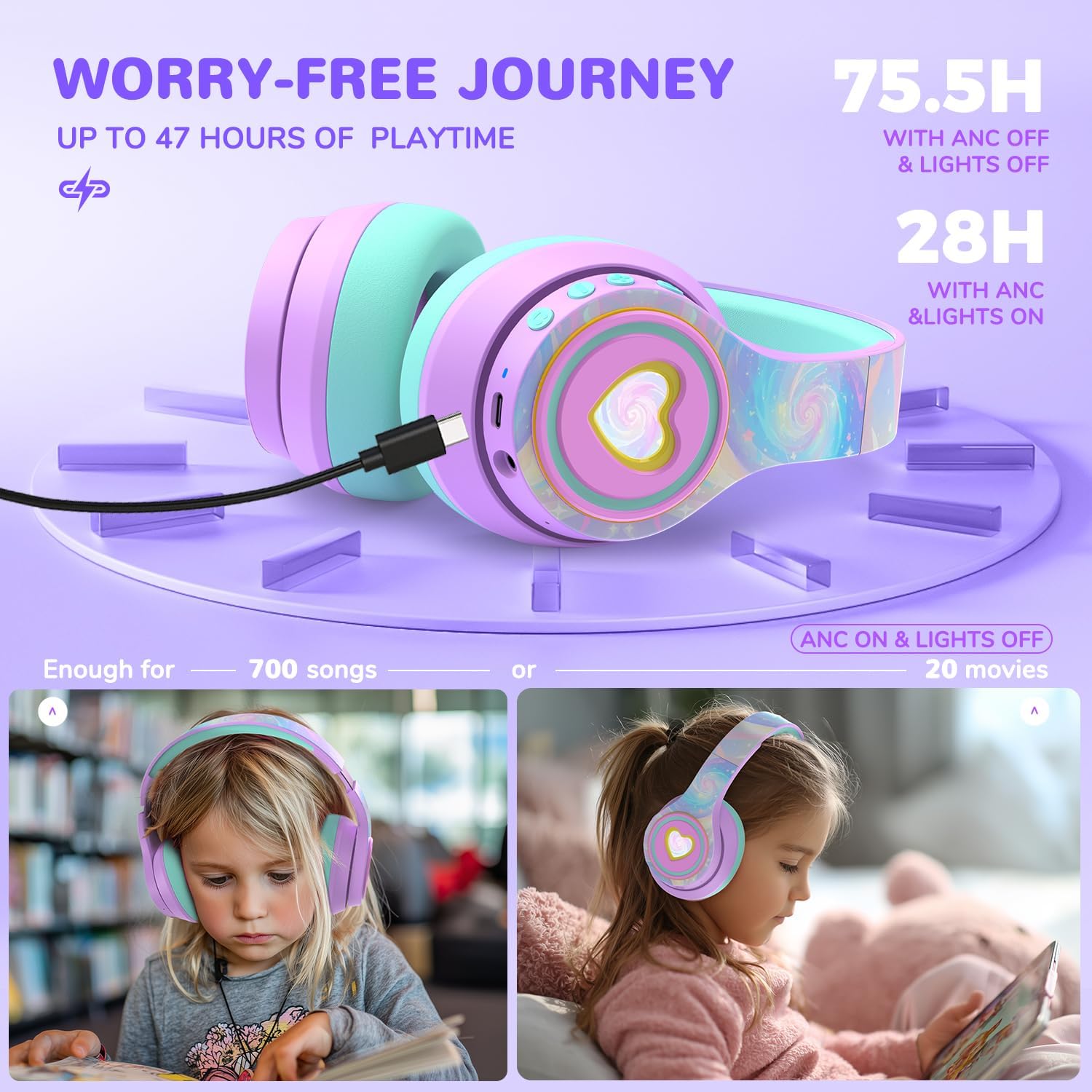
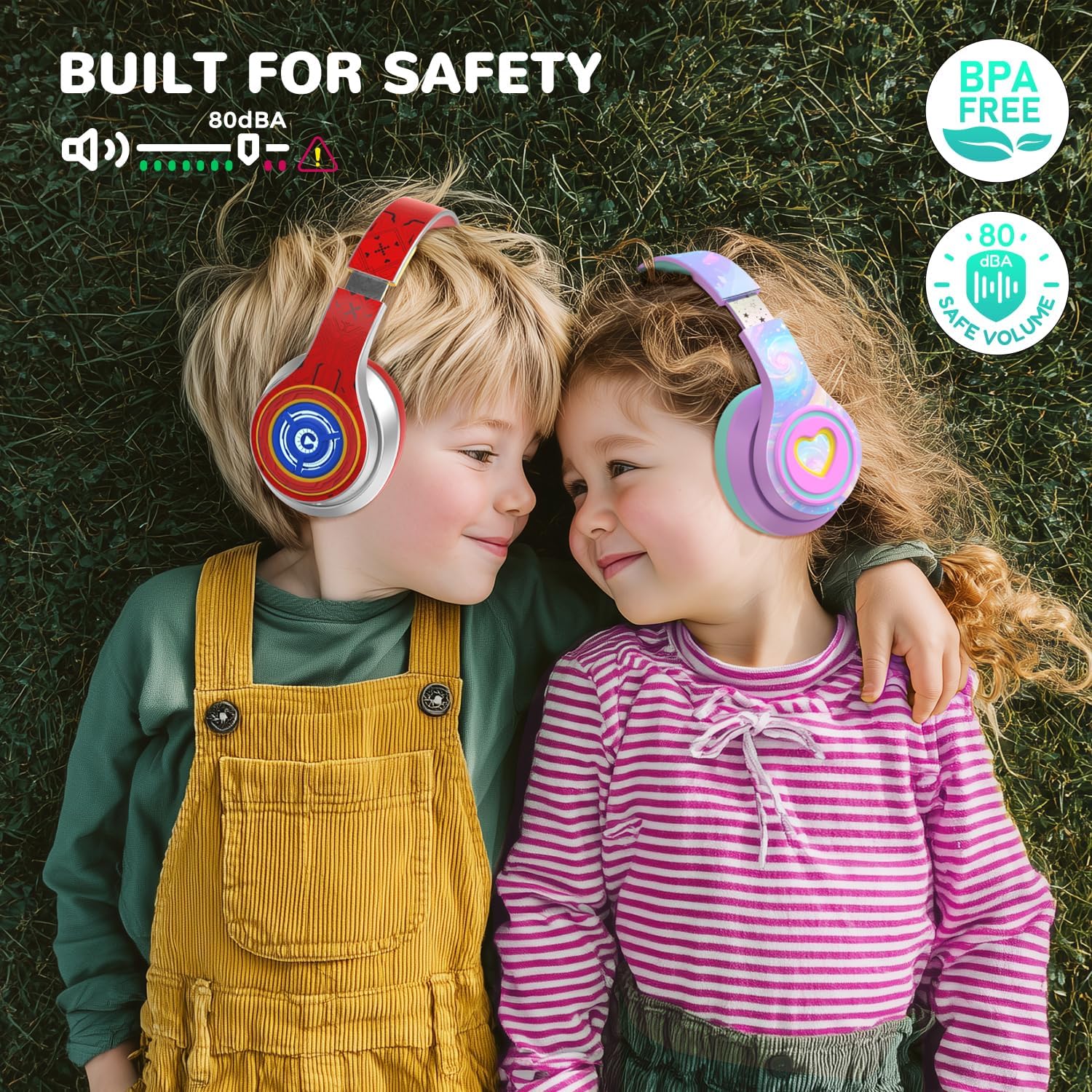
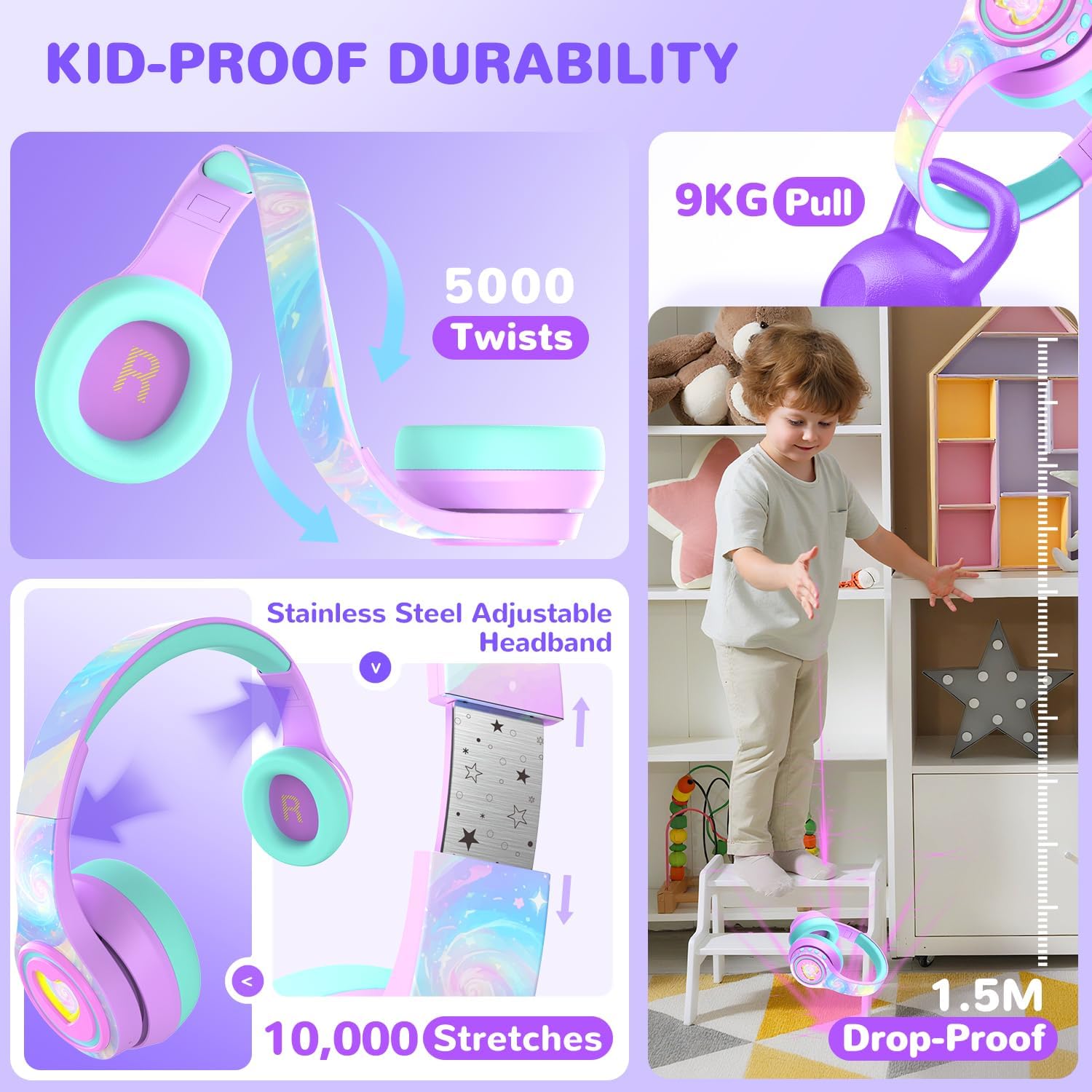
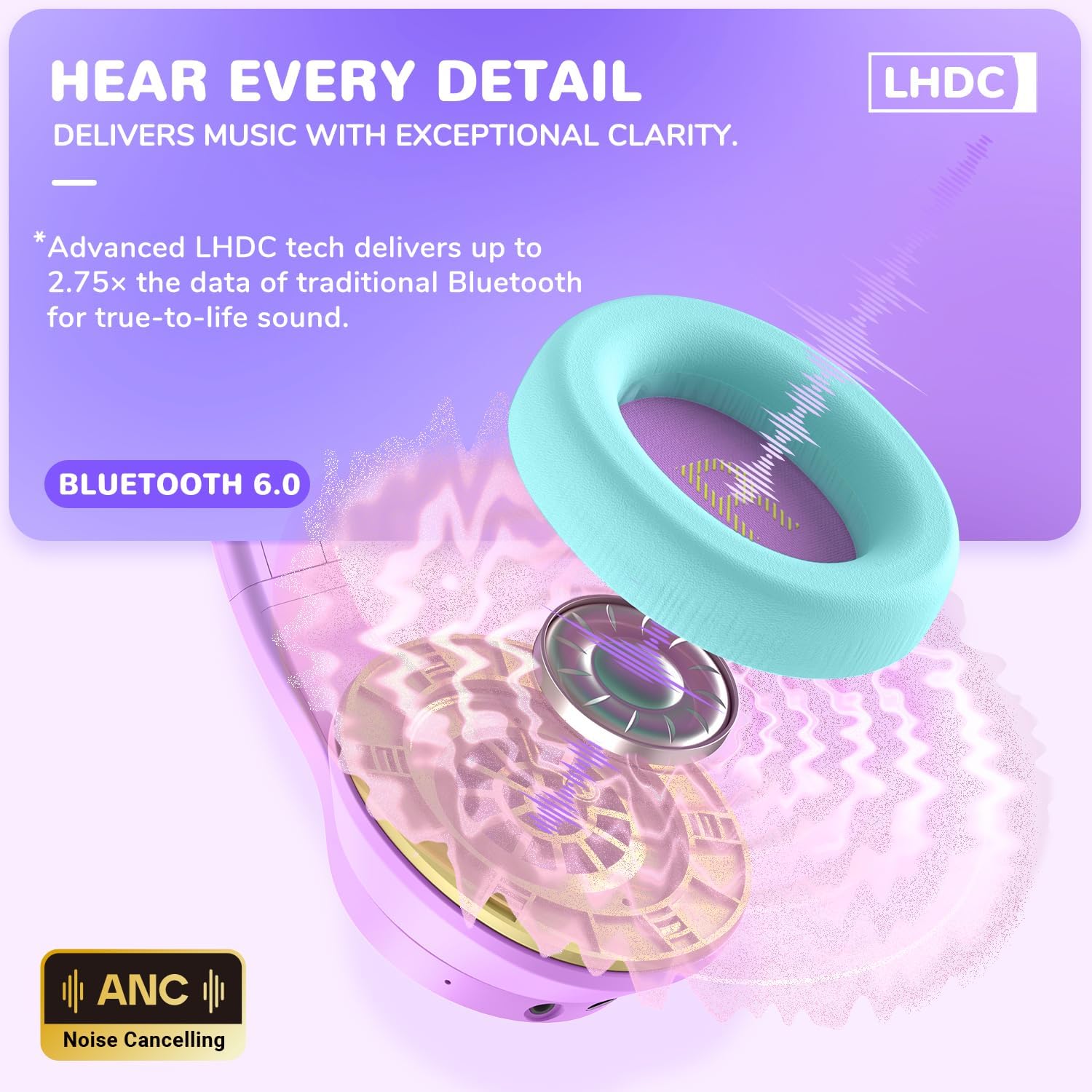
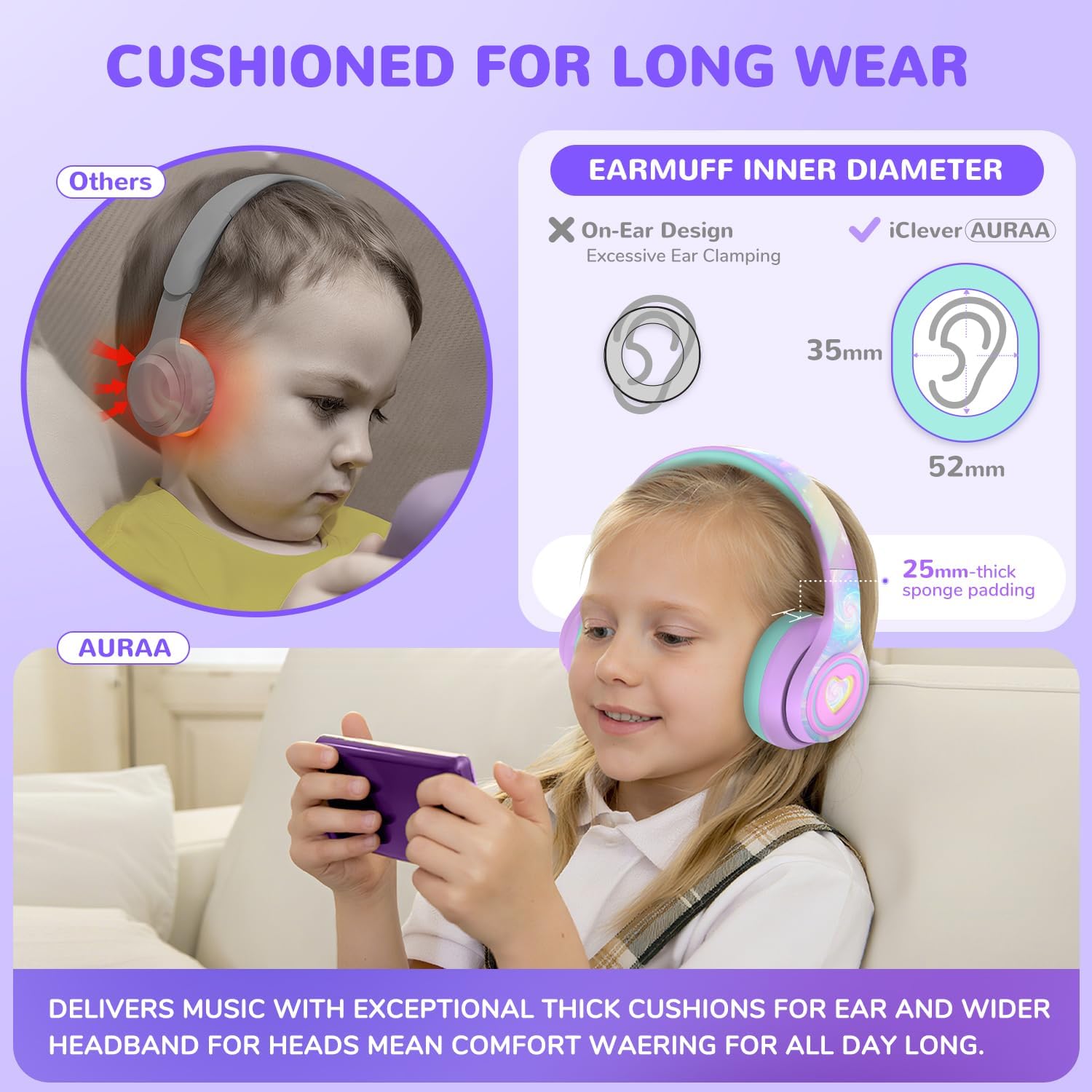
What it is and what problem it solves\nThe iClever BTH24 is a pair of wireless headphones designed for children, offering active noise cancelling (ANC) alongside a child-friendly volume cap. On paper, it combines an acoustic chamber and a noise reduction circuit to lower ambient noise, aiming to create a calmer listening space for young ears. This can be handy for travel, buses or noisy classrooms where distractions interrupt learning or enjoyment. The inclusion of 6.0 Bluetooth and a Type-C fast charge points to convenient everyday use, while a safety feature limits output to 80 dBA to help protect hearing.\n\n## How it works in practice\nIn use, the ANC is claimed to reduce up to 35 dB of noise, which suggests a meaningful cut in rumble from engines or crowds. The design prioritises durability for kids, with 304 stainless steel arms and a thicker ABS headband to withstand daily bumps. The cushions are oversized, which should improve comfort for longer sessions. It’s worth noting that even in wired mode, the noise cancellation remains active, which helps when the battery dies or if you’re travelling with a flight or train journey where silence matters.\n\n## Battery life and charging\nBattery life is a strong selling point: up to 47 hours of playback with lights off, or 28.3 hours with the LED lights on. A quick 10‑minute charge can provide around 8 hours of listening, and if the battery runs out, the 3.5 mm wired option keeps the music going. This makes the BTH24 a sensible choice for longer journeys or busy days at home.\n\n## Sound quality and codecs\nThe headphones use LHDC audio coding, which is marketed to deliver higher data rates for clearer sound. For parents worried about audio clarity and kids distinguishing dialogue and music, this could be an advantage over basic Bluetooth codecs. The combination of ANC and a safety-locating sound profile is aimed at reducing peak frequencies that can feel harsh on small ears.\n\n## Comfort and fit for children\nThe design emphasises comfort and fit for kids: a widened headband and generous ear cups should help reduce pressure. The materials are chosen for resilience, though real-world comfort can vary with head size and wearing time. If your child wears glasses, you might notice differences in comfort, as with many over‑ear models.\n\n## Connectivity and range\nBluetooth 6.0 with Class 2 wireless tech suggests a more stable connect over moderate distances and lower power consumption. In practice, you may experience a stable link for typical home or travel setups, though real-world range can depend on walls, devices and interference.\n\n## Who it’s for\nIf you’re seeking a kid‑friendly travel companion with active noise reduction, a safe listening level and long battery life, the BTH24 ticks many boxes. It’s not a universal solution for every child or every environment—if your child needs the loudest possible volume for hearing-impaired scenarios, this model would not be the pick. Also, if you prioritise ultra‑compact portability, you may find larger earpieces less convenient for tiny ears.\n\n## What to check before buying\nConsider the fit for your child’s head and whether the extended cushions feel comfortable. Check that the volume cap aligns with your safety expectations and that the NFC or pairing process is straightforward with your devices. If you rely heavily on wired listening, note that the wired option still provides ANC but always consult the length of the included cable for travel convenience.\n\n## Practical use case\nOn a family flight, you could let your child enjoy calm, music or audio stories while the cabin noise is dampened by the ANC. At home, the long playback time allows tech-free evenings to be replaced with calm listening without frequent recharges. A typical scenario is a tablet for learning apps or movies, with the BTH24 helping to keep focus and reduce external distractions.\n\n## What stands out, what it may fall short of\nOn the plus side: strong emphasis on safety with the 80 dBA cap, robust build for kids, long battery life and the option to continue listening via the 3.5 mm cable. On the downside: the usefulness of ANC depends on the environment, and the comfort of oversized cups isn’t universal for every child. If you need the smallest, lightest pair for tiny hands, this model might feel bulkier than some alternatives.\n\n## Is it worth it? Why or why not\nWorth considering if your priority is a kid‑friendly, safety‑mocapped listening experience with decent battery life and a calm learning or travel environment. It makes sense for families who value hearing protection during long listening sessions and want a practical, durable device for ongoing use. It might not be the best option if portability or ultra-lightweight design is your primary criterion, or if you expect to push the maximum possible volume for certain audio needs.\n\n## Mini FAQ\nQ: Can the ANC be used when the battery is dead? A: The wired option with a 3.5 mm cable can keep listening, but ANC behaviour in wired mode depends on the model’s internal electronics. Q: How robust are the hinges for daily use by kids? A: The design uses stainless steel arms and a thickened ABS headband to improve durability, but real-world wear depends on handling. Q: Is it suitable for long flights? A: Yes, thanks to the long battery life, stability of the Bluetooth connection, and the ability to run on wired mode if needed.\n\n## Bottom line\nIf you prioritise safety, durability and long playtime for kids, the iClever BTH24 offers a balanced mix of features that suit family travel and everyday use. It’s not perfect for every child or every situation, but it provides a practical, value‑oriented option for the mobile kid audience.