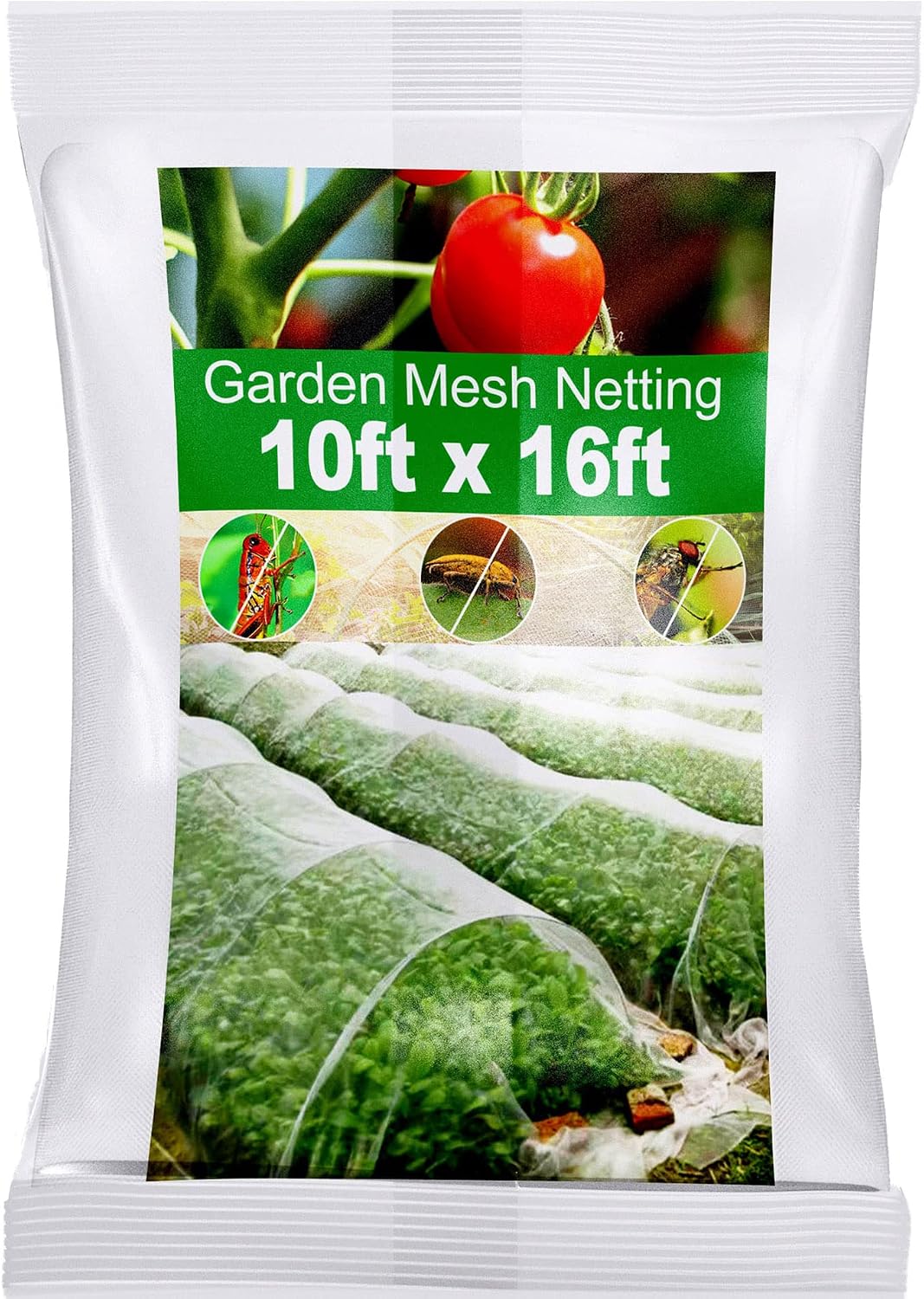
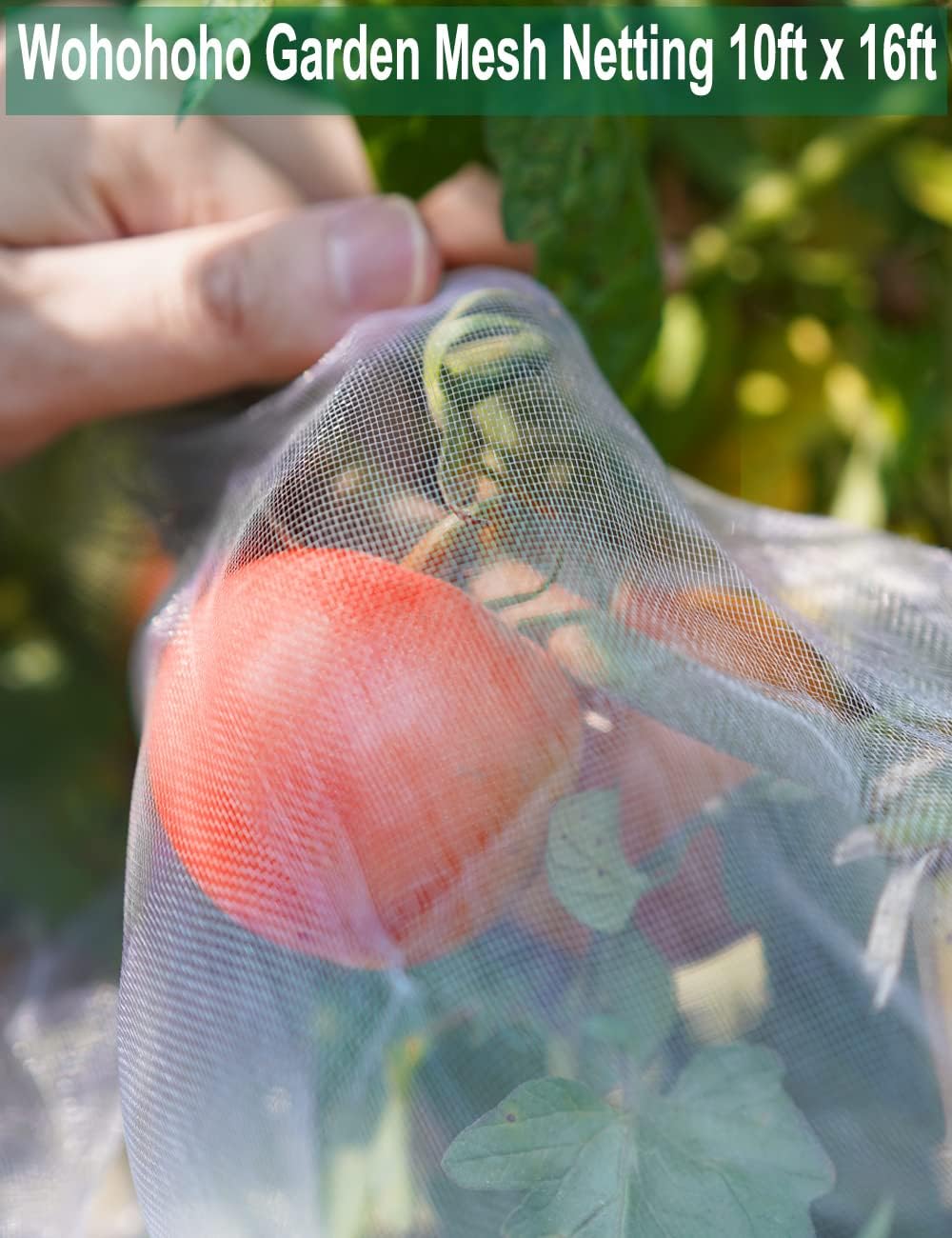
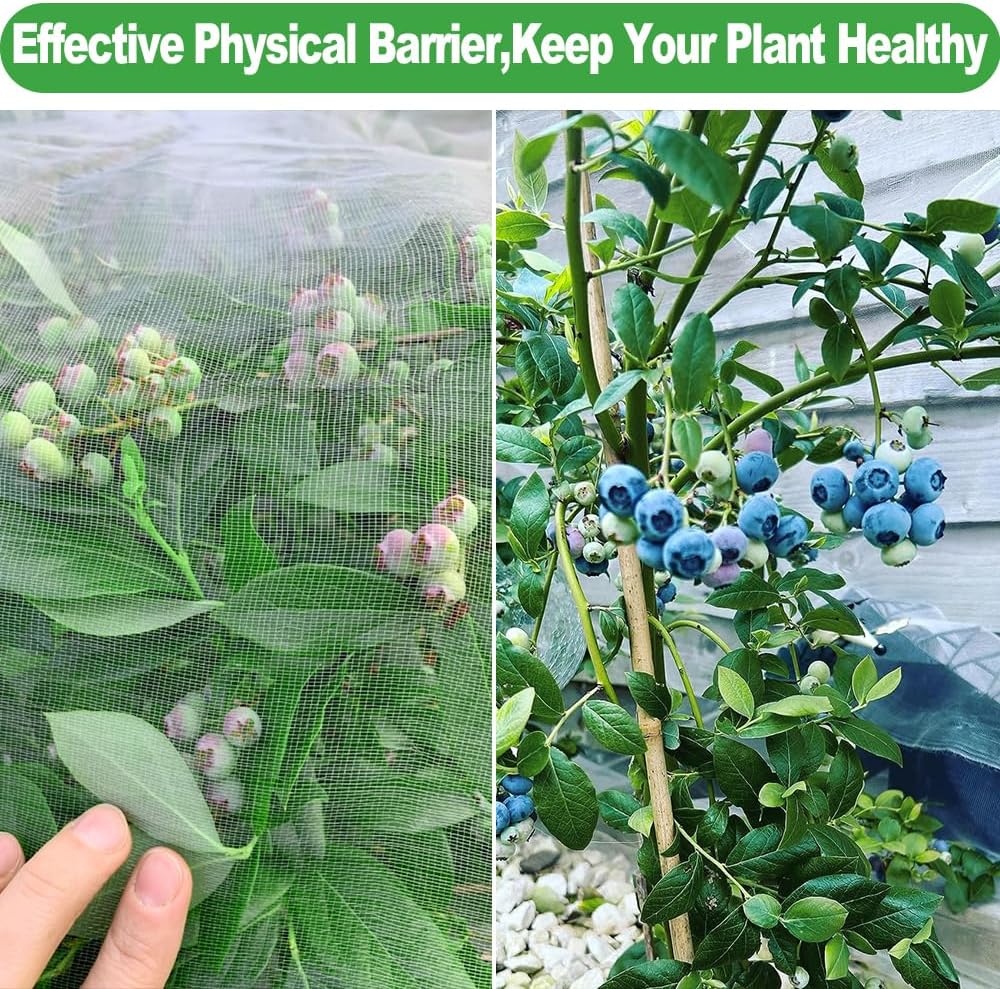
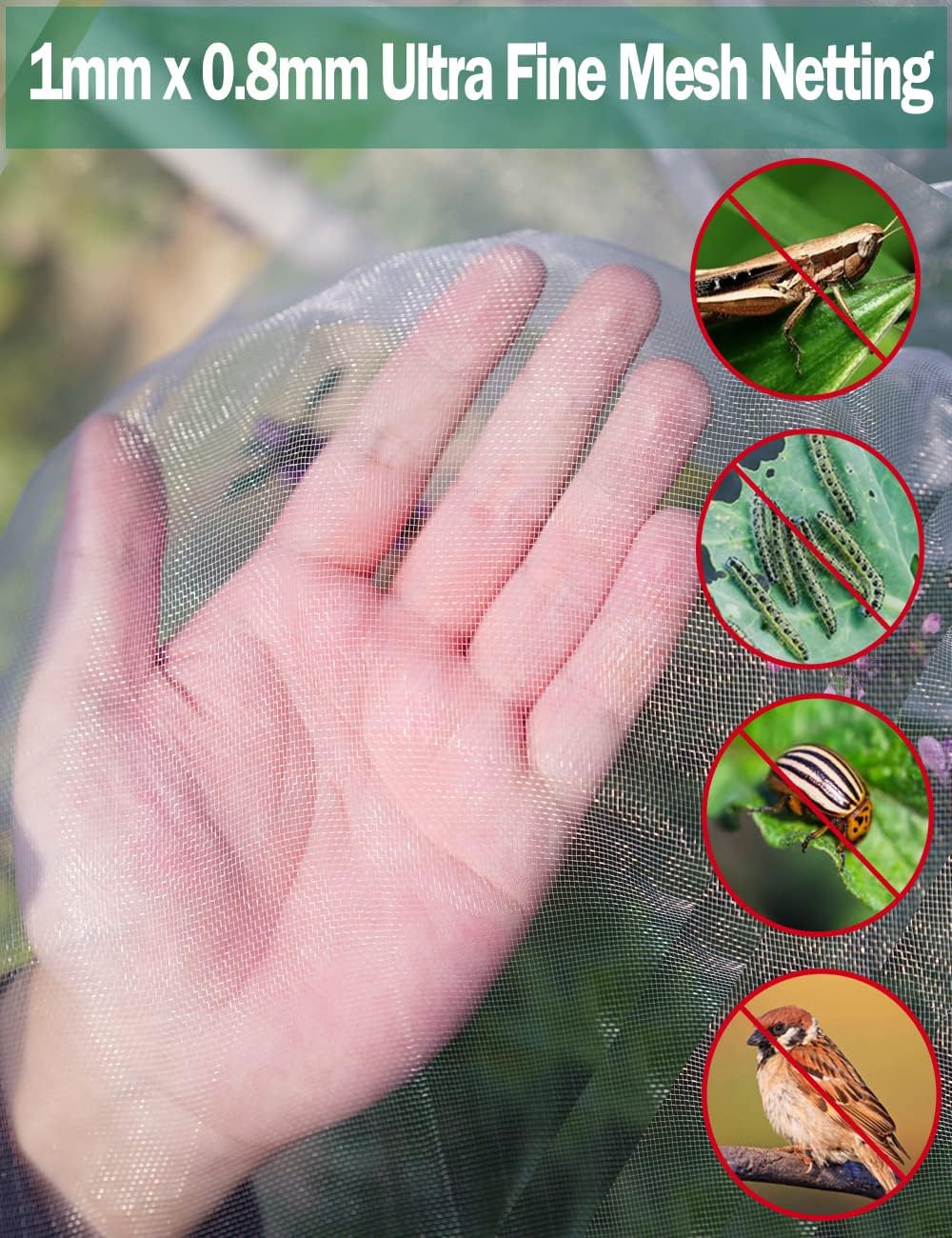
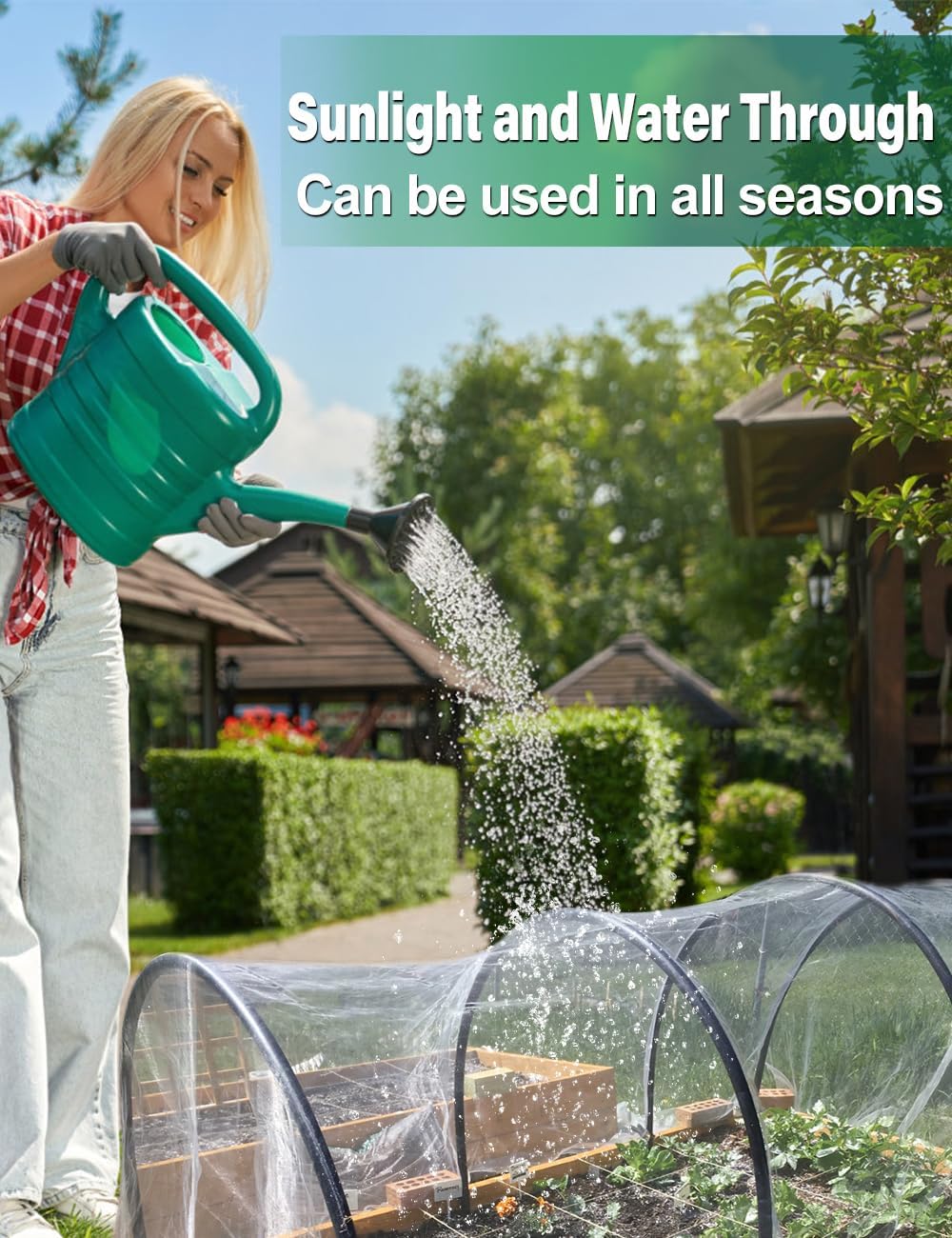
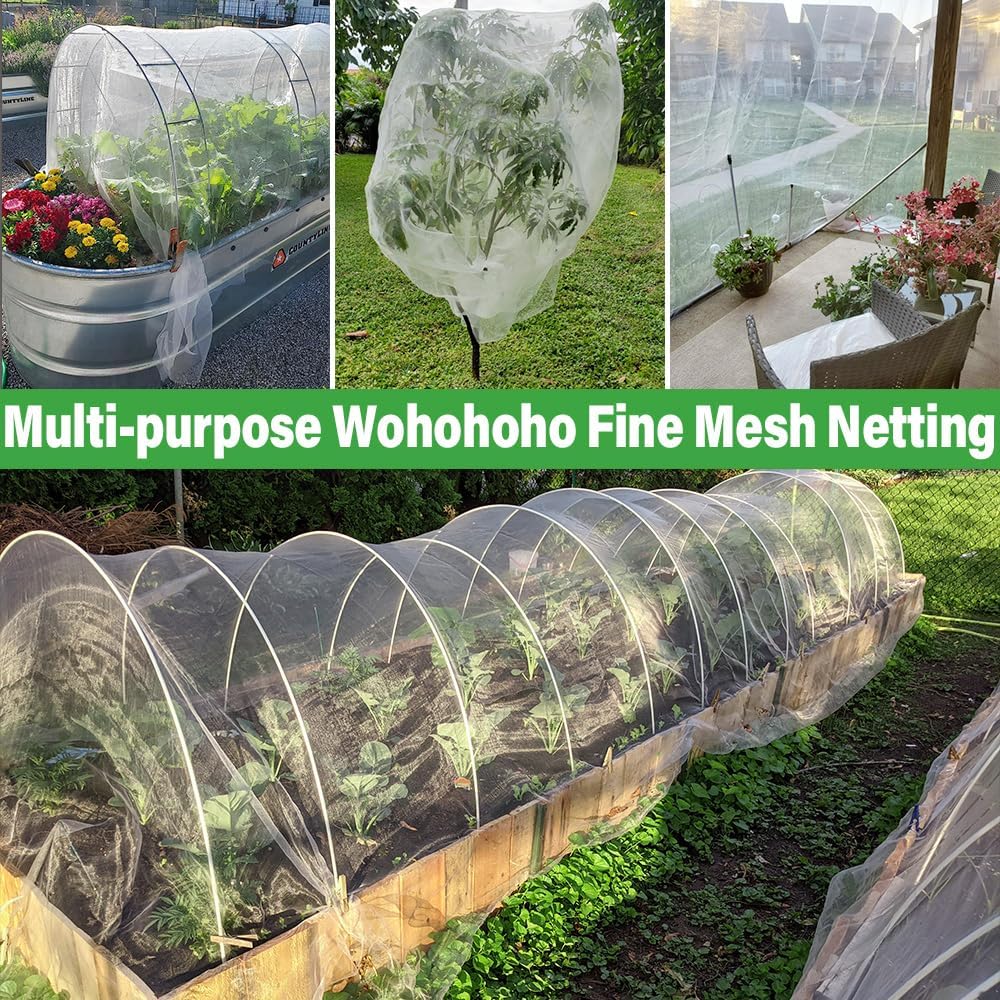
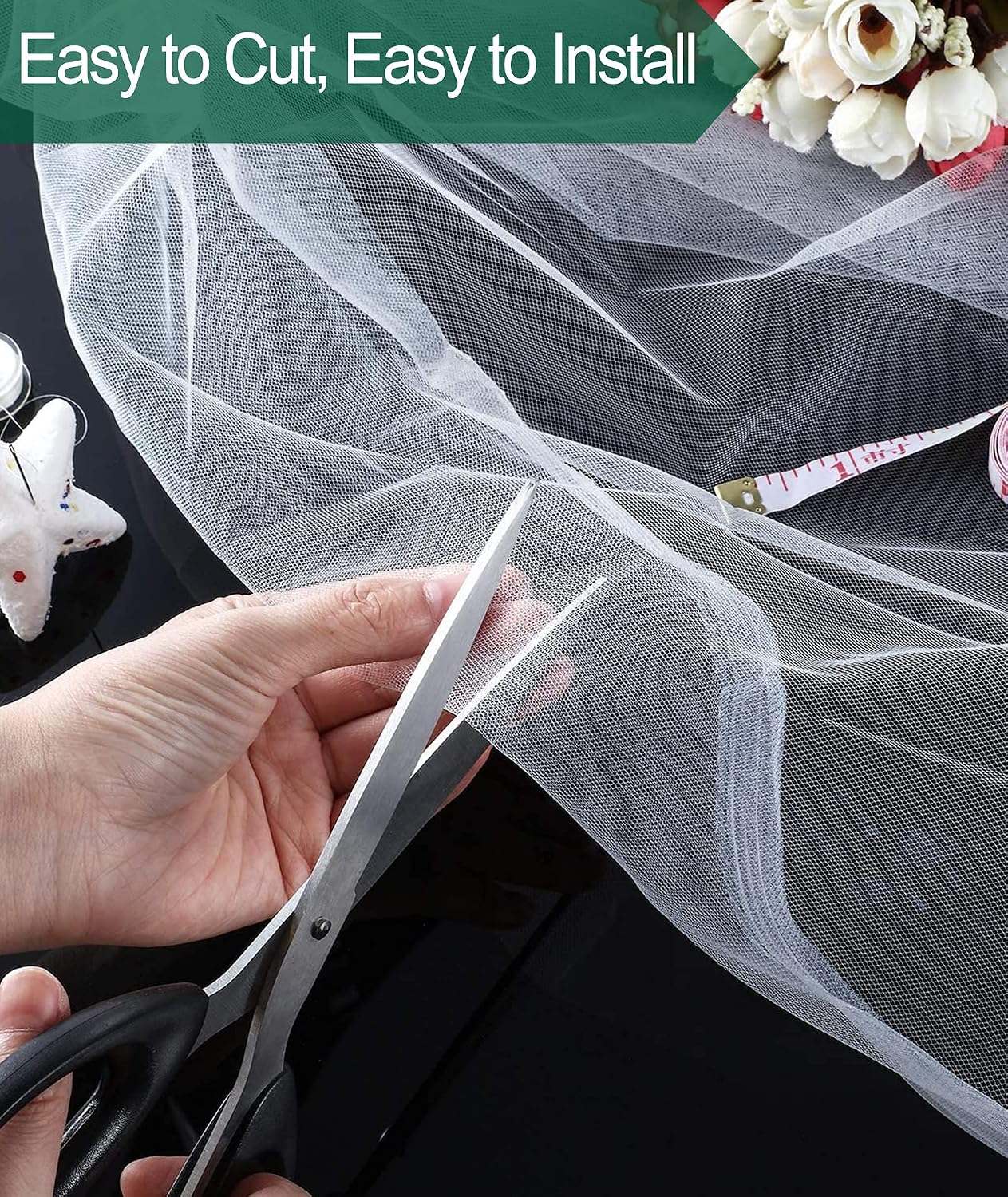
What it is and what problem it solves\nIf you’re growing vegetables, fruits or flowers, the Wohohoho Garden Insect Mesh Netting offers a practical shield against pests, birds and small animals without compromising air, water or light. On the surface, it’s a lightweight, ultra-fine mesh that drapes over beds, rows and containers. The aim is simple: let your plants breathe and feed while keeping unwanted visitors off your crops. This is not a heavy-duty greenhouse foil, it’s a breathable barrier that respects the plant’s natural growth cycle.\n\n## How it performs on paper\nThe mesh is described as high-permeability, with extra-fine holes designed to block small insects while still allowing sun to reach leaves. In practice, that balance matters: you want pest protection, but you also need even microclimate control—airflow, light and moisture moving through the canopy. The material chosen is PE, which tends to offer flexibility and durability for seasonal use, plus some resistance to sagging if weighted by dew or rain. The 10ft by 16ft (3m by 5m) footprint makes it versatile for raised beds, row covers in greenhouses or even broad applications like pool debris protection when not used for crops.\n\n## Strengths you’ll notice day to day\nThe light construction helps it float over plants without pinching stems or leaves, reducing the risk of damage during installation. The combination of breathability and pest exclusion is its core advantage for growers who prioritise plant health and straight‑forward setup. It’s also flexible enough to be trimmed or shaped to fit irregular beds, which adds to its practical value for varied garden layouts.\n\n## Potential limitations and what to watch\nIf your garden experiences heavy rainfall or strong winds, you may need to secure edges more firmly to prevent billowing or displacement. Ultra-fine mesh can be effective against tiny insects, but it won’t replace all forms of garden protection in extreme weather or against larger pests. Notably, the product description focuses on pest exclusion and airflow, it may not specify long‑term UV resistance or exact weave density, so consider these practical uncertainties when planning multi-season use.\n\n## Ideal buyers and use cases\nThis netting suits gardeners aiming to protect vegetables, fruits and flowers from pests while maintaining a natural growing environment. It works well for row covers in greenhouses, as a lightweight orchard shield for young trees during certain seasons, or as a debris barrier for ponds and pools in off‑season storage. If you prioritise a simple, lightweight barrier that won’t smother your plants, this is a sensible starting point.\n\n## When it makes sense to buy\nChoose this mesh if you want a ready‑to‑use cover that balances pest protection with air and light. It’s particularly practical for those who grow in raised beds or planters and need a flexible, easy‑to‑trim solution. It may be less compelling if you expect a heavy‑duty, long‑lasting barrier designed for extreme weather or for persistent, large pests.\n\n## What to check before purchasing\nEnsure the dimensions suit your growing space and consider how you’ll secure the edges—tiedowns, weights or clips can influence performance in windy conditions. If you rely on full sun, confirm that the mesh allows sufficient light for the crop you’re cultivating. For crop rotation or multi‑season plans, think about how the mesh will age and whether you’ll need replacements sooner than expected.\n\n## Practical example in use\nImagine you’re protecting a row of tomato plants in a small greenhouse. You drape the netting over the tops, weight the edges with pots or clips, and you notice fewer leaf mines and fewer small birds pecking at ripening fruit. Air still circulates, the tomatoes receive daylight, and you can continue watering through the mesh without removing protection.\n\n## Quick comparison in context\nCompared with rigid row covers or heavier fabrics, this netting leans toward convenience and flexibility for regular garden tasks. It’s a sensible middle ground for gardeners who want protection without sacrificing growth habits or routine maintenance.\n\n## FAQ (practical and grounded)\n- How easy is it to install? It’s designed to drape over beds and be secured at the edges, simple clips or weights typically suffice.\n- Will it last multiple seasons? The description notes PE material and seasonal use, but longevity depends on weather, handling and UV exposure.\n- Can I recut the mesh to fit odd shapes? Yes, given its lightweight, pliable nature, trimming is feasible.\n\n## Final thoughts\nIf you value a balance between pest protection and a healthy growing environment, this Wohohoho mesh offers a practical, no‑frills solution. It’s not a miracle fix for every garden challenge, but for many vegetable plots, fruit beds and ornamental rows, it delivers on the basics: keep pests out, let air in, and let the sunshine do its work.\n\n## Decision of purchase\nIs it worth it? Worth considering if you need a versatile, lightweight barrier that supports ongoing plant growth without heavy equipment or constant adjustments.