

UseNiy Baby Ear Protection for Infants and Toddlers (3–48 Months) – 25dB Noise Reduction Earmuffs, Blue
Product description
What these earmuffs are for
UseNiy’s baby ear protection earmuffs are designed to reduce loud sound exposure for infants and toddlers, where you can’t really control what’s going on around them. The idea is simple: if your little one is in environments that can get noisy (think travel days, busy public venues, or events where fireworks are a possibility), these earmuffs aim to take the edge off so they’re less likely to look distressed or uncomfortable.
This is positioned as infant-focused protection rather than a one-size-fits-all adult accessory. That matters because young babies’ heads are still developing, and “where pressure goes” can be as important as how much sound is reduced.
The noise reduction claim, in plain terms
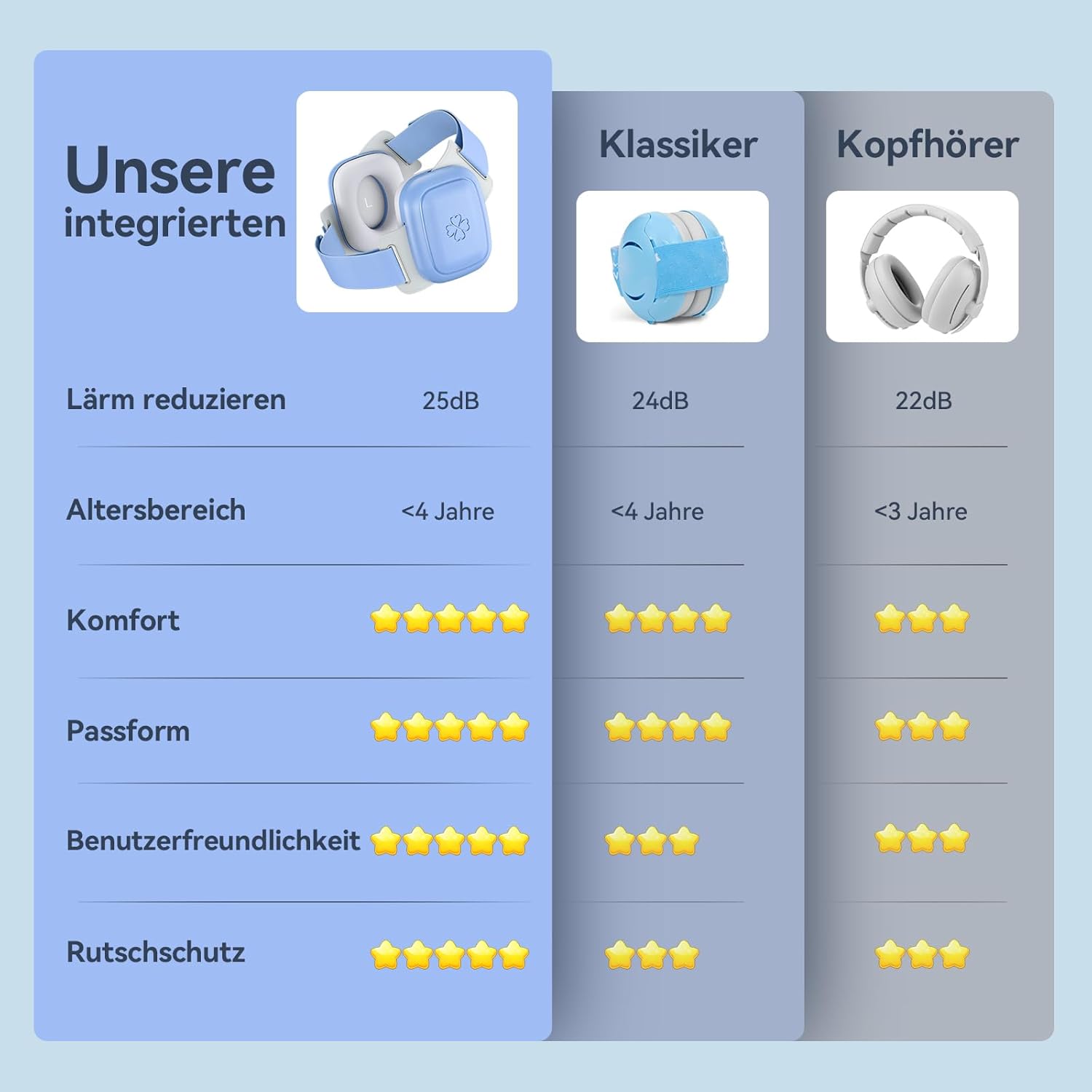
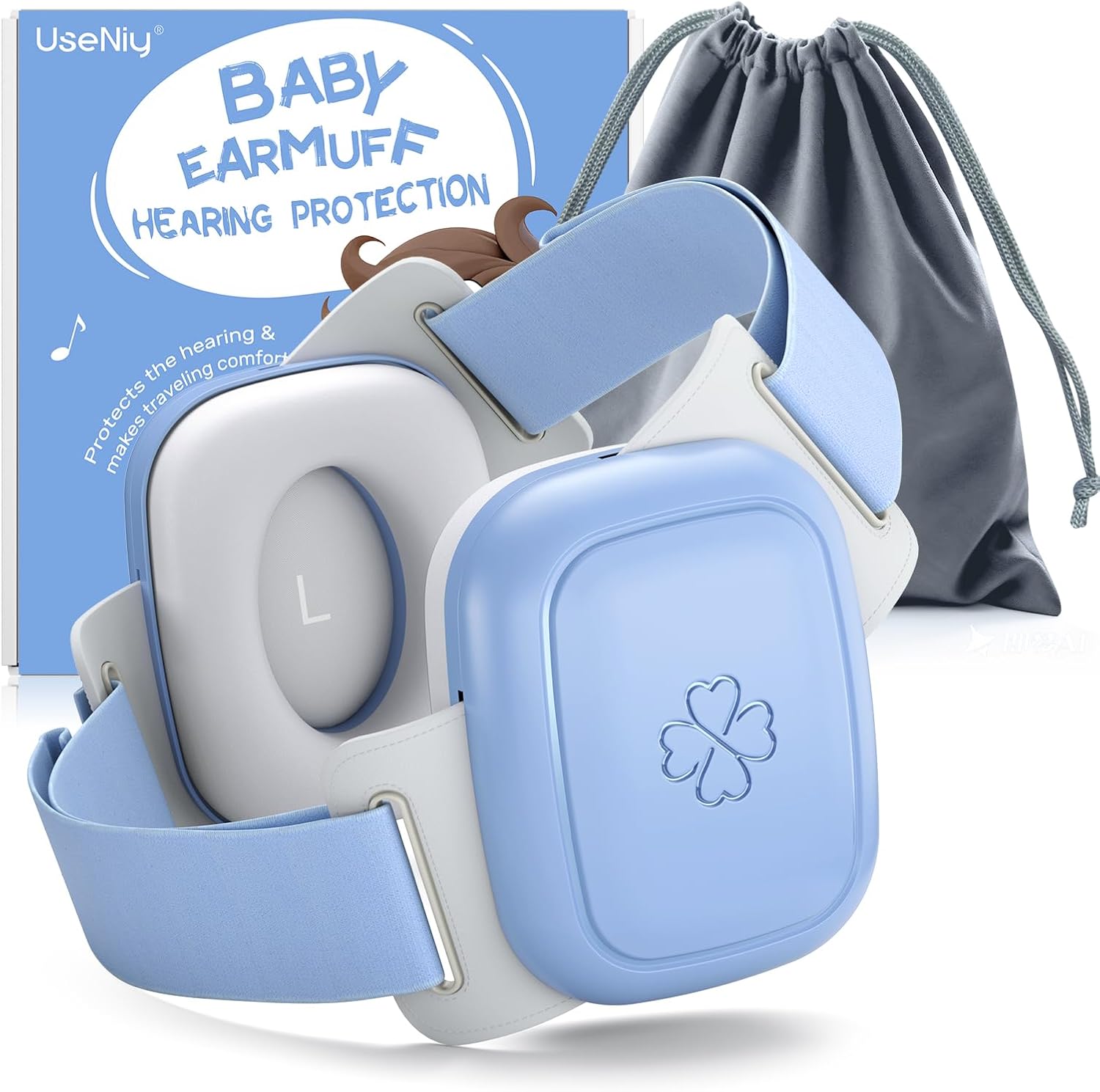
On the tin, these earmuffs offer 25dB noise reduction, with the brand linking hearing protection to avoiding prolonged exposure to sounds above 85 dB. In real-world use, that means they’re intended to help in loud settings where a baby’s ears are sensitive.
It’s worth tempering expectations: dB reduction figures are helpful, but they don’t automatically mean “silent” surroundings. If you’re expecting the same experience as in a fully soundproof room, these are unlikely to deliver that. They’re more about comfort and risk reduction in loud day-to-day situations.
Comfort and fit: the part most parents will care about
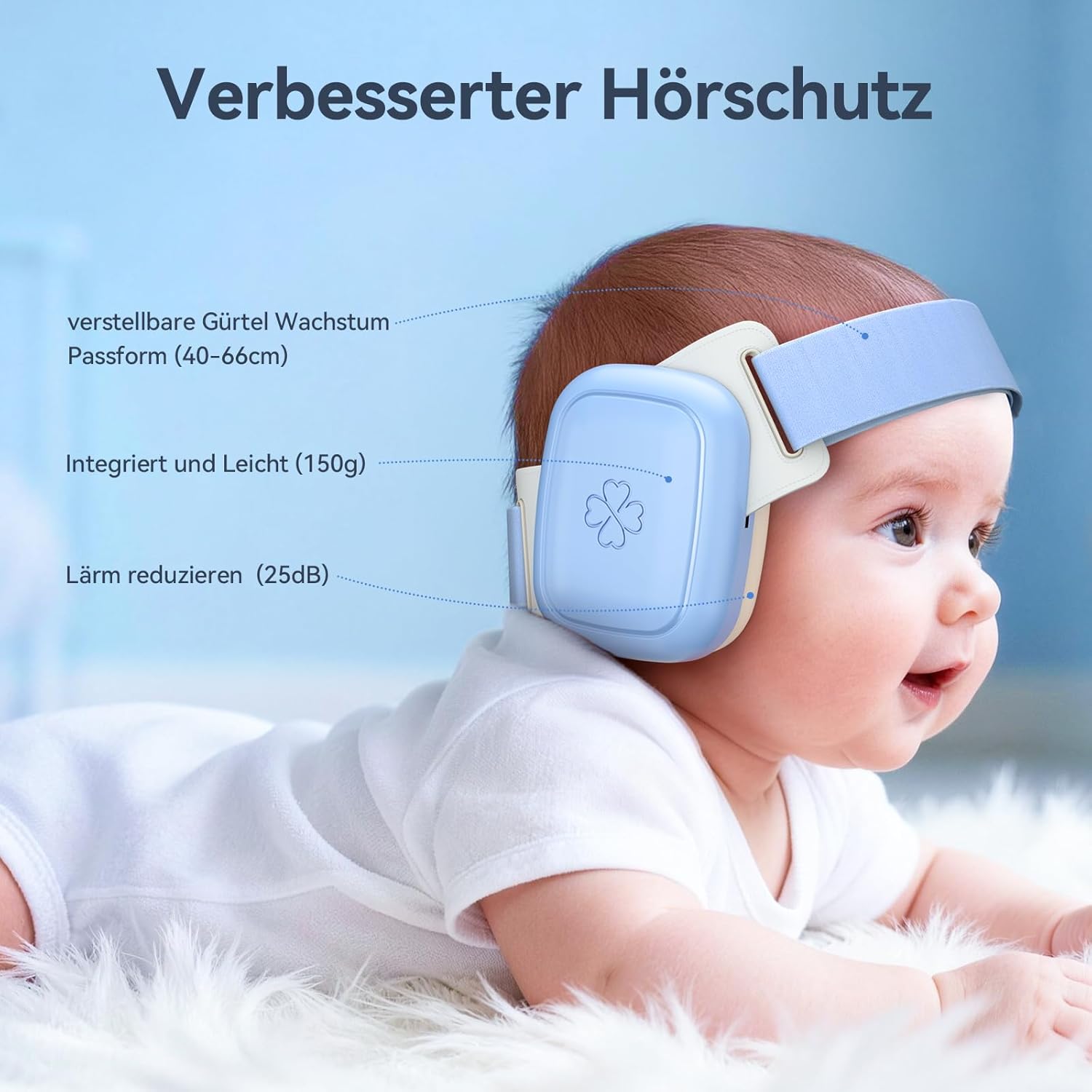
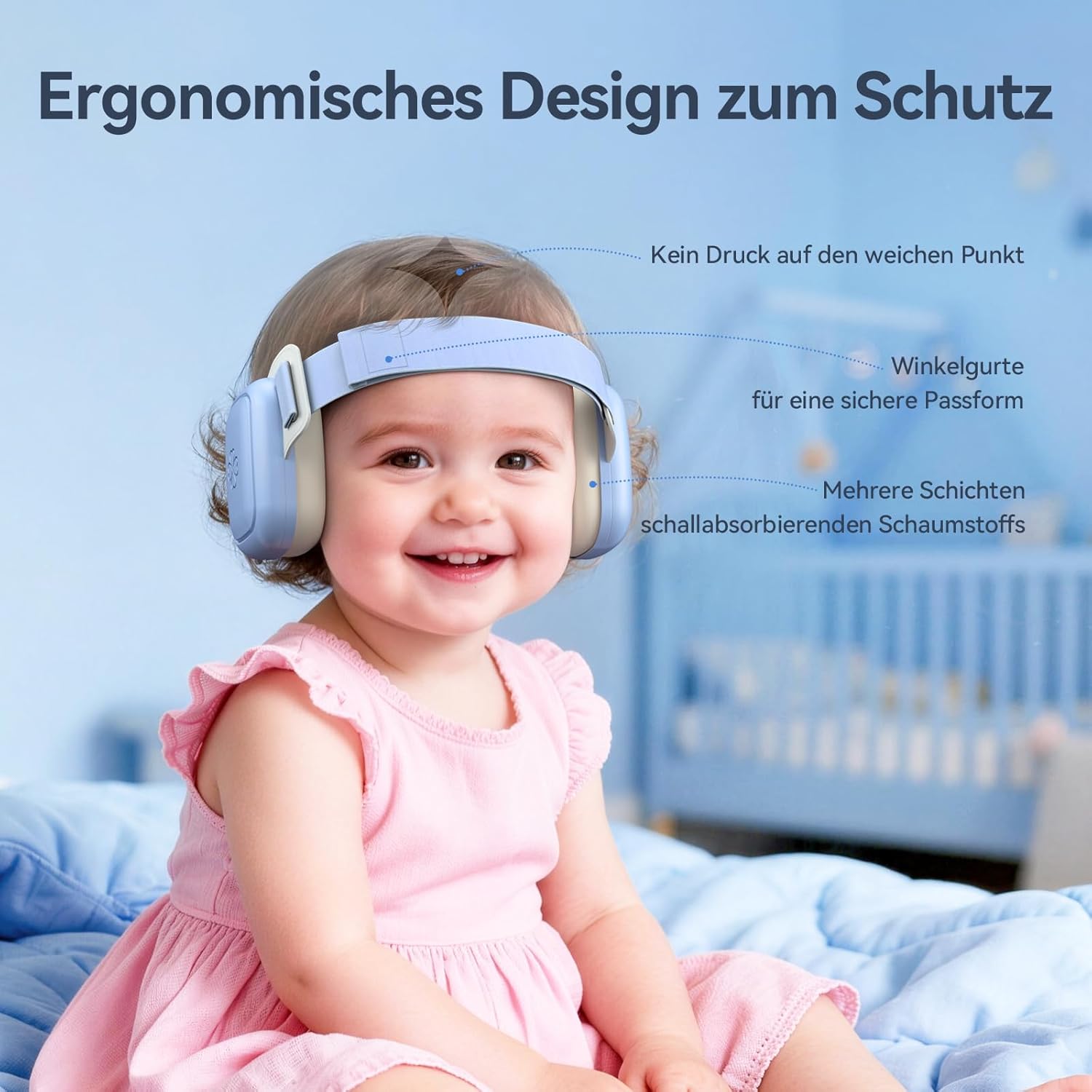
What makes these stand out on paper is the emphasis on baby head shape and infant fontanelles (soft skull spots). The design uses a stretchy headband that runs across the forehead to avoid putting pressure directly on the fontanelles.
The fit is also described with ergonomic angles (32° front and 12° rear), plus soft, multi-layer padding intended to form a gentle seal around delicate ears. For many parents, the “feel” of earmuffs is the deal-breaker—if they sit awkwardly, babies tend to squirm, pull at them, or refuse them after a short time.
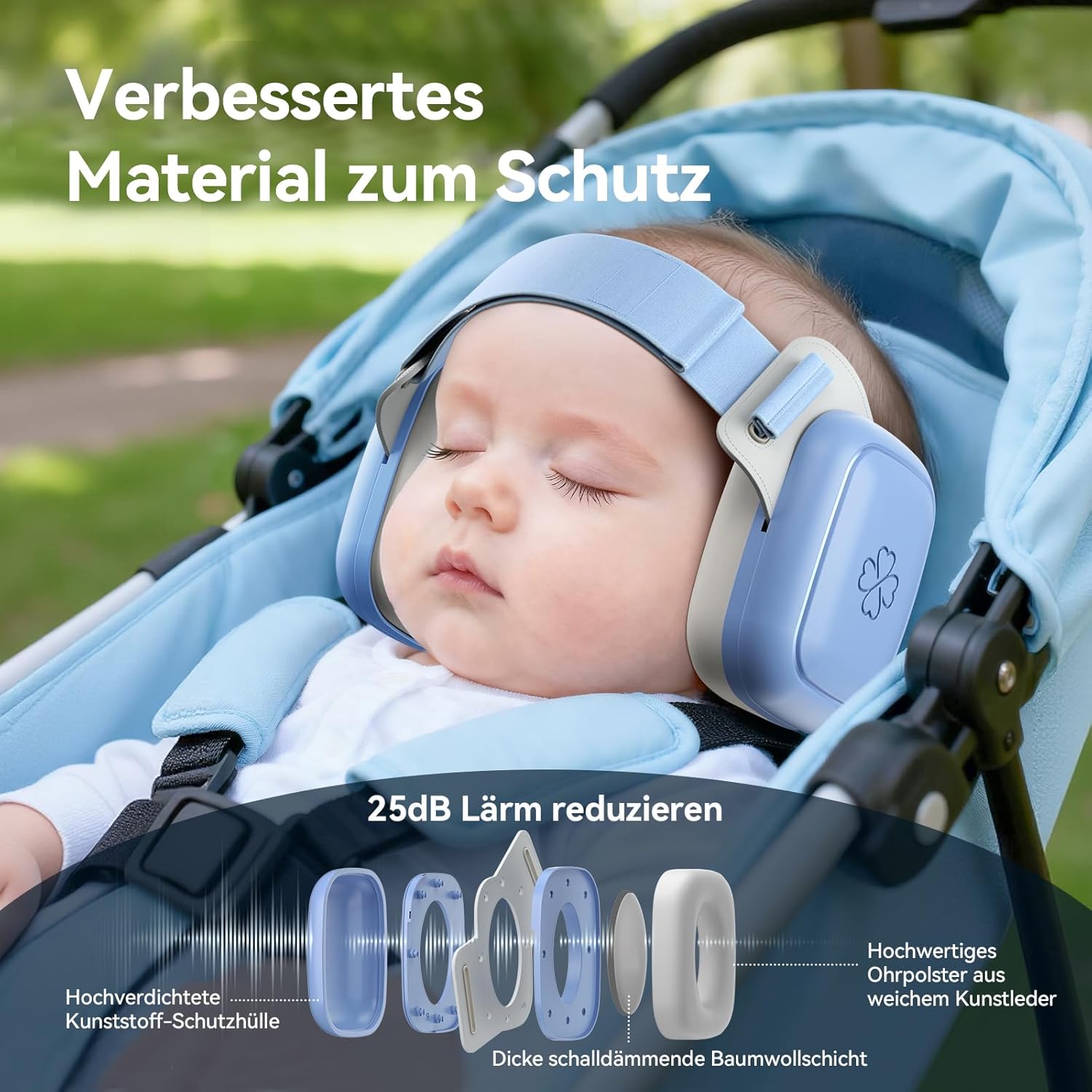
There’s also a skin-comfort angle: the earmuffs are said to be made with skin-friendly, sustainable materials and are BPA-free and allergy-safe (as claimed), aiming to reduce irritation and marks.
Adjustment without fuss (and why that matters)
Getting earmuffs to sit properly is half the battle. These UseNiy earmuffs use a flexible headband with stepless adjustment, rather than preset slots or a “jump” in size. The strap can be fastened at any position, and the head size range mentioned is 40 to 66 cm.
Depending on your child’s growth and hair/head shape, this kind of continuous adjustment can help you avoid the common problem where earmuffs are either too loose (poor seal) or too tight (uncomfortable). It’s also designed to cover a long span—claimed for children from 3 months up to 4 years—so you’re less likely to be forced into frequent replacements.
Travel-friendly design for the situations you mentioned
If you’re buying earmuffs with travel in mind, the included compact carry bag is a practical touch. The earmuffs are described as foldable, designed to fit in a stroller or backpack and to keep them accessible.
On trips, that accessibility matters. For example, you might keep them in the bag during a calm stretch of a journey, then bring them out for take-off, a loud announcement at a station, or the first minutes of a fireworks display where sound spikes.
Who it suits (and who should be cautious)
It makes sense if you’re looking for infant-and-toddler ear protection earmuffs that focus on comfort, a baby-specific fit, and a long usable age range. The 25dB noise reduction claim and the emphasis on avoiding pressure on fontanelles suggest the brand is targeting parents who want something more thoughtfully engineered than generic earmuffs.
However, you may want to skip these if: - your priority is maximum, professional-grade hearing protection performance rather than a consumer earmuff designed for comfort and usability - you want a product with more clearly stated testing details (those aren’t provided in the information here)
Also, any earmuff solution can only do so much if your child consistently fights the fit—so it helps to plan for some trial and a calm moment to put them on.
Key takeaways for before you buy
Before committing, check that the adjustable head size range (40–66 cm) matches your child for the age you’re buying for. Also consider whether your use cases align with situations where noise levels can spike—travel, events, and loud entertainment.
If you’re often around very high sound levels for long periods, it’s sensible to think beyond just earmuffs and look at broader safety habits too (for example, moving further away from the noise when possible).
Buying verdict
It’s a solid pick if you want baby-focused ear protection earmuffs with a comfort-first approach, stepless adjustment, and a carry bag for day-to-day and travel use.

It may not be the best match if you expect sound reduction to make loud environments feel “normal”, or if you need more detailed evidence beyond the stated 25dB figure.
If you’re buying for infants and toddlers and want something designed to avoid pressure on fontanelles while staying wearable, these earmuffs are worth considering. If your circumstances demand stricter protection details than what’s shared here, you might want to look for clearer third-party testing information.

FAQ
Are these earmuffs suitable for travel and airplanes?
They’re designed with travel in mind, including a foldable structure and a compact carry bag, and they’re specifically mentioned for airplane travel and other loud events.
Do they fit well for babies?
The information provided emphasises an infant ergonomic design and a headband placement intended to avoid pressure on fontanelles, which is the main comfort concern for many parents.
How do you adjust the fit?
They use stepless (no preset slots) adjustment via a flexible headband, allowing the strap to be fastened at any position.
What does 25dB noise reduction mean?
The brand claims 25dB noise reduction. In practice, it should help reduce loud sound exposure, but it won’t make the environment completely silent.