

Tetrosyl RCP150 Rubbing Compound
Product description
What is this product
Tetrosyl RCP150 Rubbing Compound is a detailing polish designed to smooth and blend new paintwork, helping to reduce light scratches and revive dull or weathered coatings. It’s a practical option for DIY car care projects where a gentle abrasive is appropriate, keeping surfaces smoother and more uniform without heavy cutting.
How it works
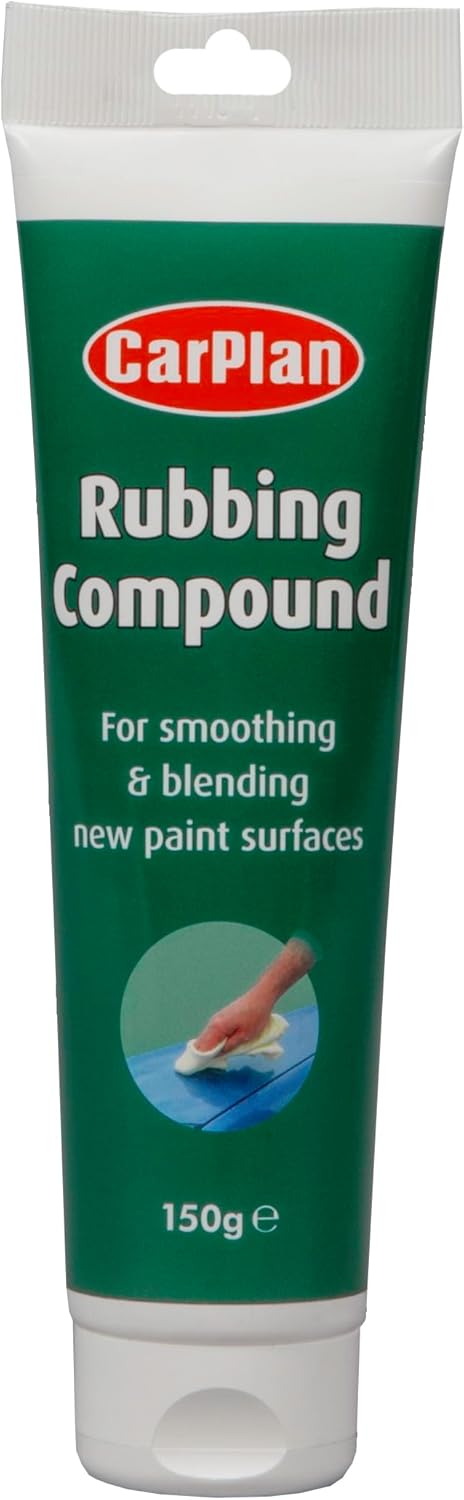
On clean paint, the rubbing compound levels low imperfections and feather-blends edges between repaired or fresh finishes. The aim is to refine the surface so ghosting lines and micro-scratches disappear from view, restoring a more even appearance to the paint. It’s not a substitute for full repainting, but it can help improve the initial look before wax or sealant is applied.
Who it’s for
If you’re working on minor paint corrections at home, or you want to refresh weathered panels without taking them to a body shop, RCP150 offers a straightforward approach. It’s suited to light scratching, dulling and the common fade you see on daily drivers kept outside. That said, it isn’t a miracle fix for deep scratches, heavy swirl marks or severe paint damage. If your needs are more substantial, you may need a more aggressive cut or a professional service.
Pros and cons in practice
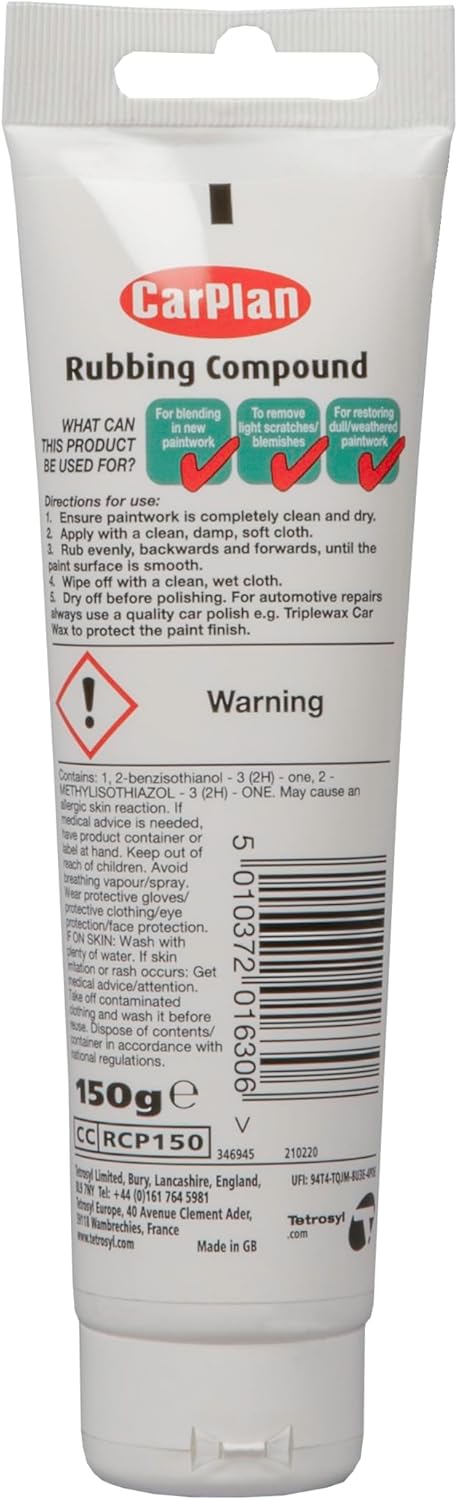
- Consistency and ease of use are notable, you can achieve gradual improvements without extensive sanding.
- It’s best used with a suitable applicator and following up with a protective wax or sealant to lock in the finish.
- It won’t replace professional refinishing for deep damage, and results depend on paint type, clearcoat condition, and preparation.
- The overall outcome is contingent on proper technique, uneven pressure or insufficient cleaning can limit results.
What to consider before buying
- Assess the extent of the paint issues: light scratches and dullness respond better than deep gouges.
- Prepare the surface properly: clean and dry, then test in a inconspicuous area to gauge the effect.
- Plan for a follow-up step (wax or sealant) to protect the restored finish.
- Use the recommended applicator and work in small sections to maintain control.
- Consider your experience level: a gentle approach reduces the risk of removing too much clearcoat.
How it compares to other approaches
For light blemishes, a rubbing compound like RCP150 can be a simpler, less invasive option than full repaints or heavy-duty abrasives. If the goal is to maintain value over time with a cautious, repeatable routine, pairing the compound with regular polishing and protection can be a pragmatic route. If you’re dealing with clearcoat wear or inconsistent results, you might weigh more advanced compounding systems or professional services.
Practical example of use
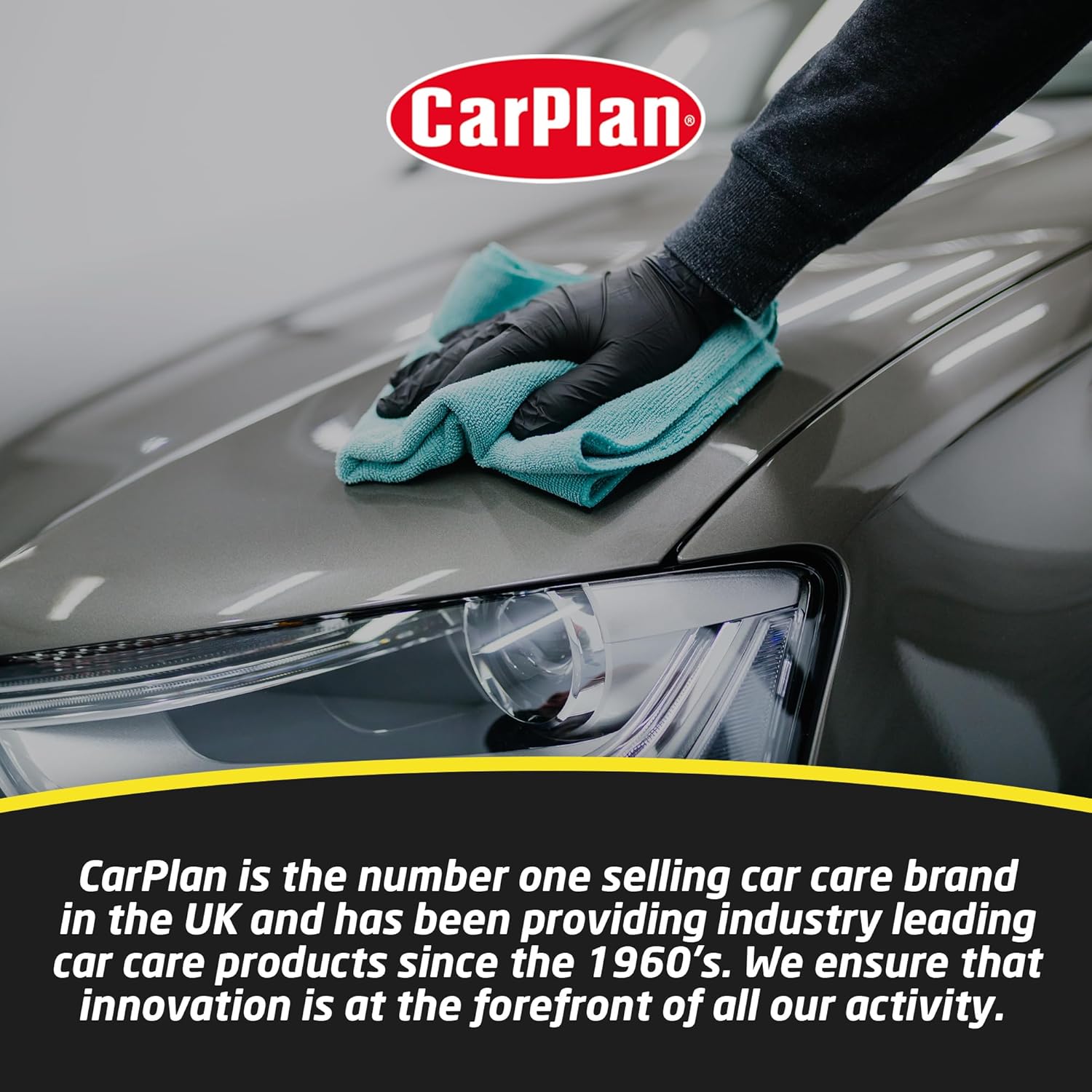
Imagine a weekend project on a small dent-free panel where the finish looks a little flat and there are faint scratches from regular washing. After cleaning, you apply a small amount of RCP150 with a soft applicator, working in circular motions across a 20 cm area. The surface begins to look more even, with light scratch visibility reduced. After buffing and a wipe-down, you’re ready to apply wax. The result is modest but noticeable—a smoother feel and a more uniform gloss that you can keep up with after routine washes.
FAQ (quick checks)
- Q: Can I use this on metal beyond factory paint? A: It’s intended for paintwork, for exposed metal or other finishes, check compatibility and test first.
- Q: How long does it take to see results? A: Improvements are usually observable after a single application, provided the surface condition is suitable.
- Q: Do I need a dedicated polishing machine? A: Not strictly, a soft cloth or foam applicator is often enough, but a machine polisher can help with evenness if you’re experienced.
- Q: Should I compound before waxing? A: Yes, after compounding you should follow with a polish or wax to protect the finish and enhance shine.
Is it worth it?
A solid pick if you have light scratches and dull paint on small areas and you want a straightforward, hands-on solution. It suits DIY enthusiasts seeking a practical, cost-conscious way to refresh paint without a full repaint. If your paint is deeply scratched, peeling, or you’re chasing a show-car finish, you may need more than a rubbing compound and should consider professional refinishing or a stronger system. Overall, it’s a sensible option for regular maintenance and minor corrections, provided expectations are aligned with its limits.