

SWIFT SW350T Compound Trinocular Microscope – Research-Grade, 40X–2500X
Product description
What it is
A versatile compound microscope designed for viewing fine details on slides. The SWIFT SW350T targets a range of users—from clinicians and university students to dedicated hobbyists—who need variable magnification and a robust, teacher-friendly setup for shared use.
What stands out
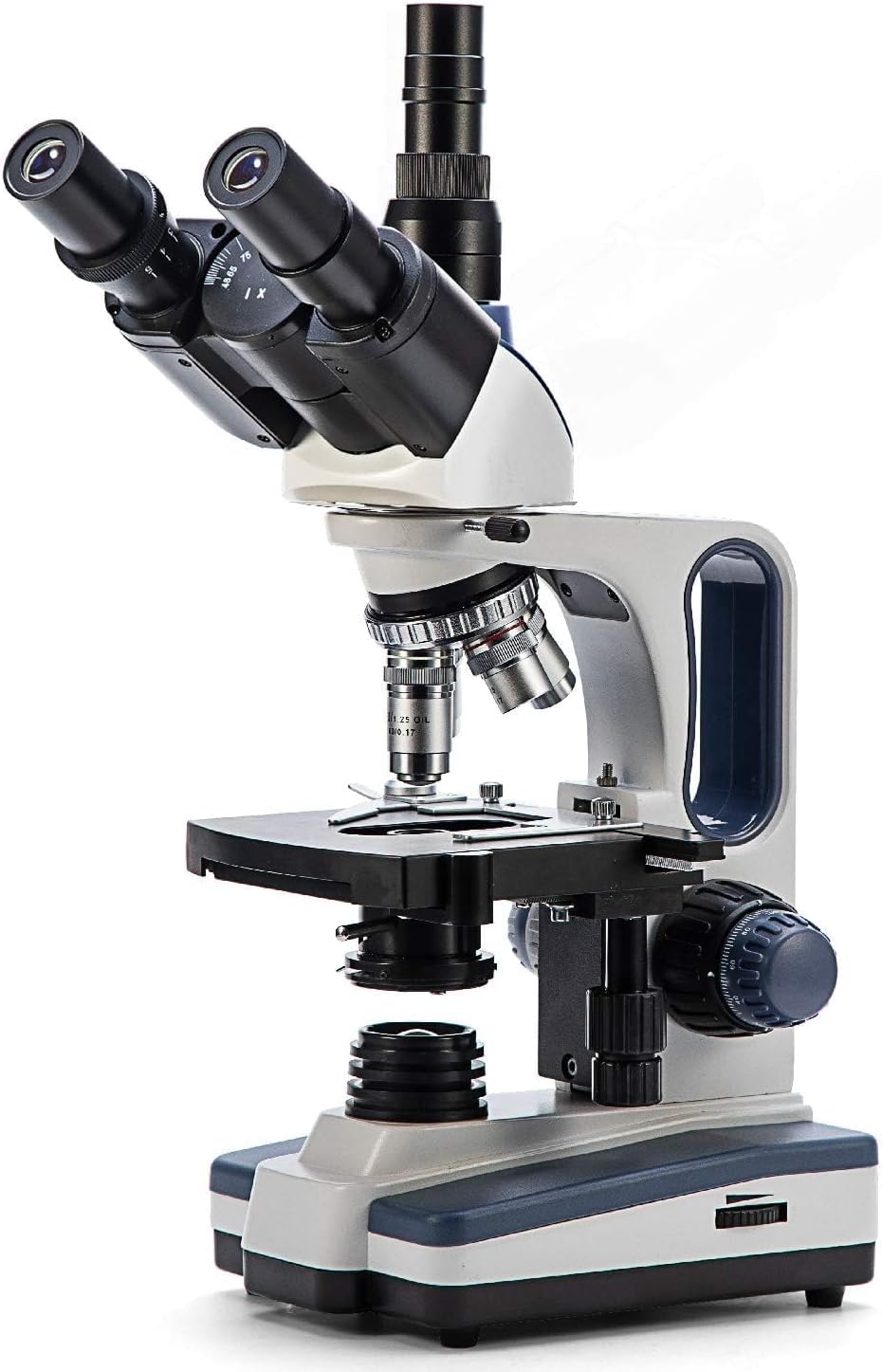
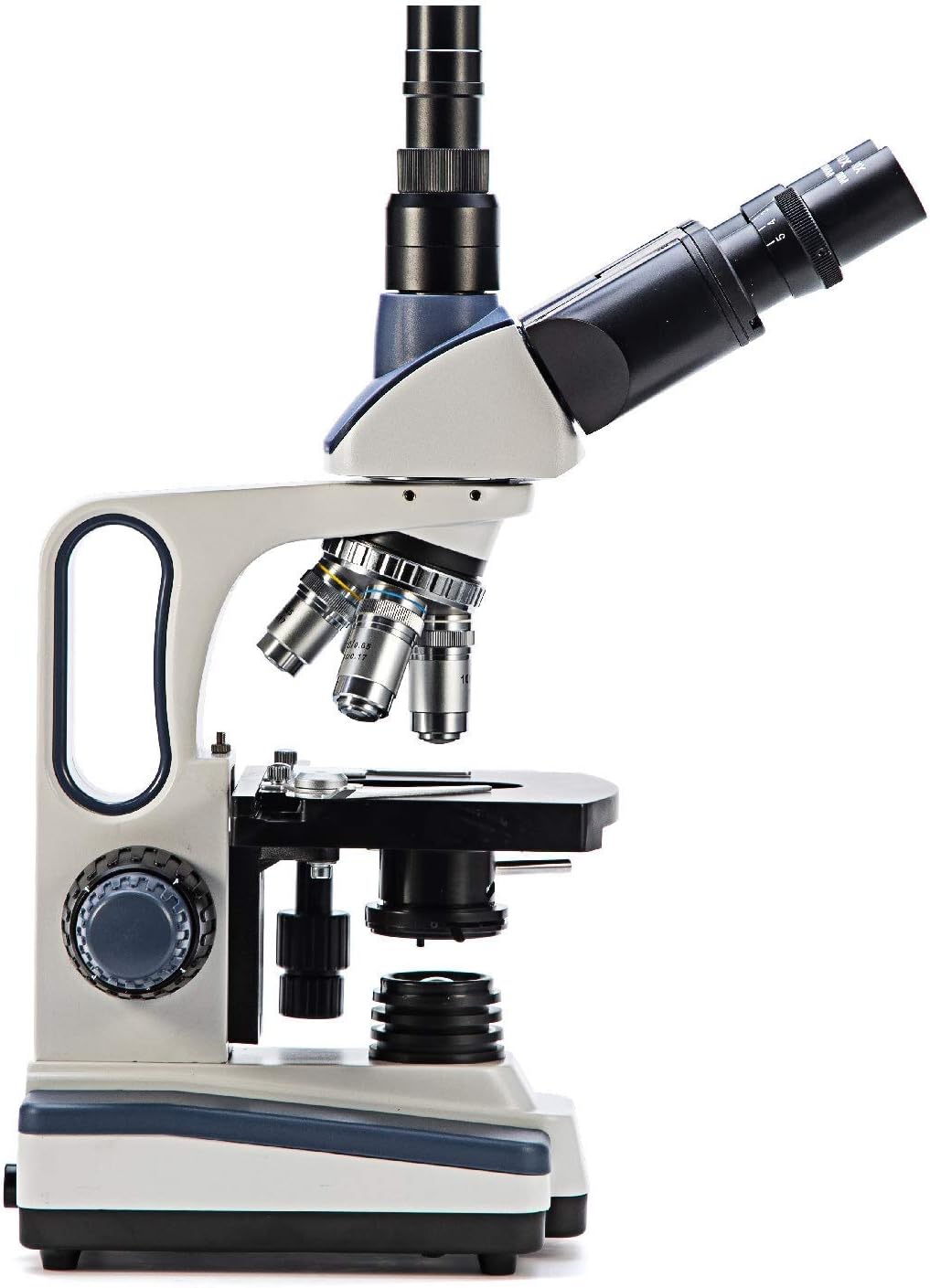
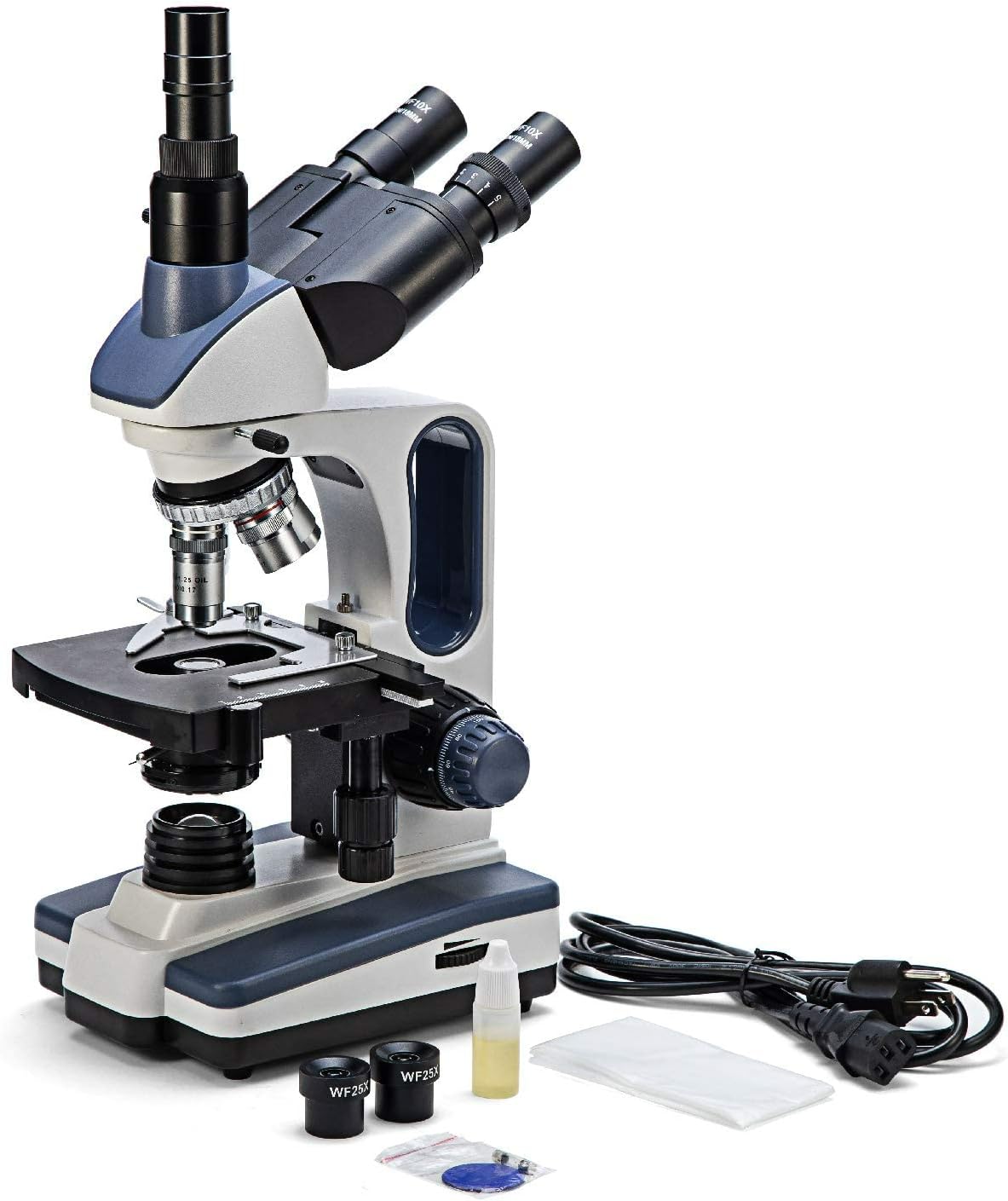
The professional Siedentopf head is fully rotatable to support shared use, with interchangeable wide-field eyepieces (10X and 25X) fixed at a comfortable 30-degree tilt. Interpupillary distance can be tuned without losing focus, which helps reduce neck strain during longer viewing sessions. The revolving turret offers six magnification levels: 40X, 100X, 250X, 400X, 1000X, and 2500X, providing flexibility from quick scans to high-detail observation.
Technical details
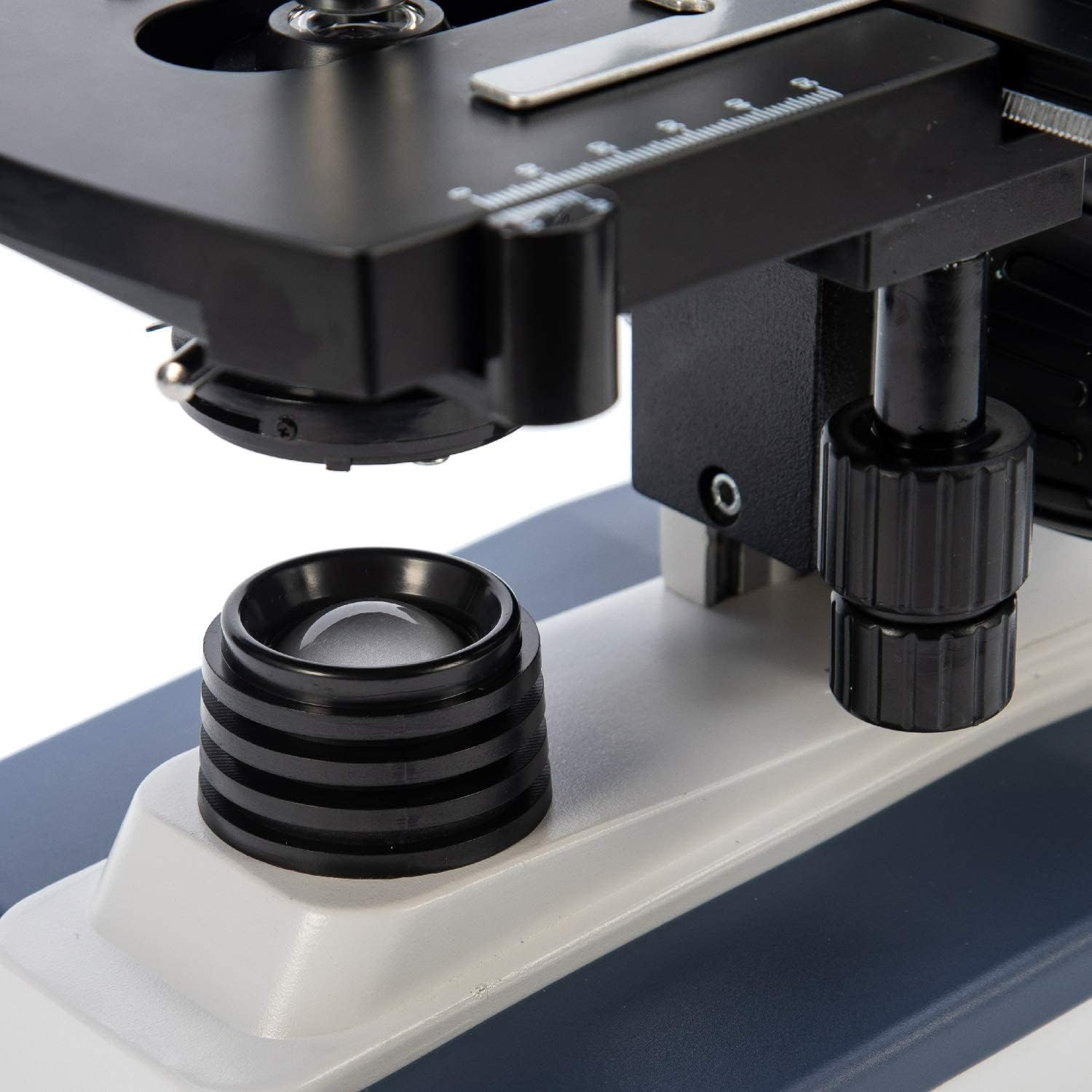
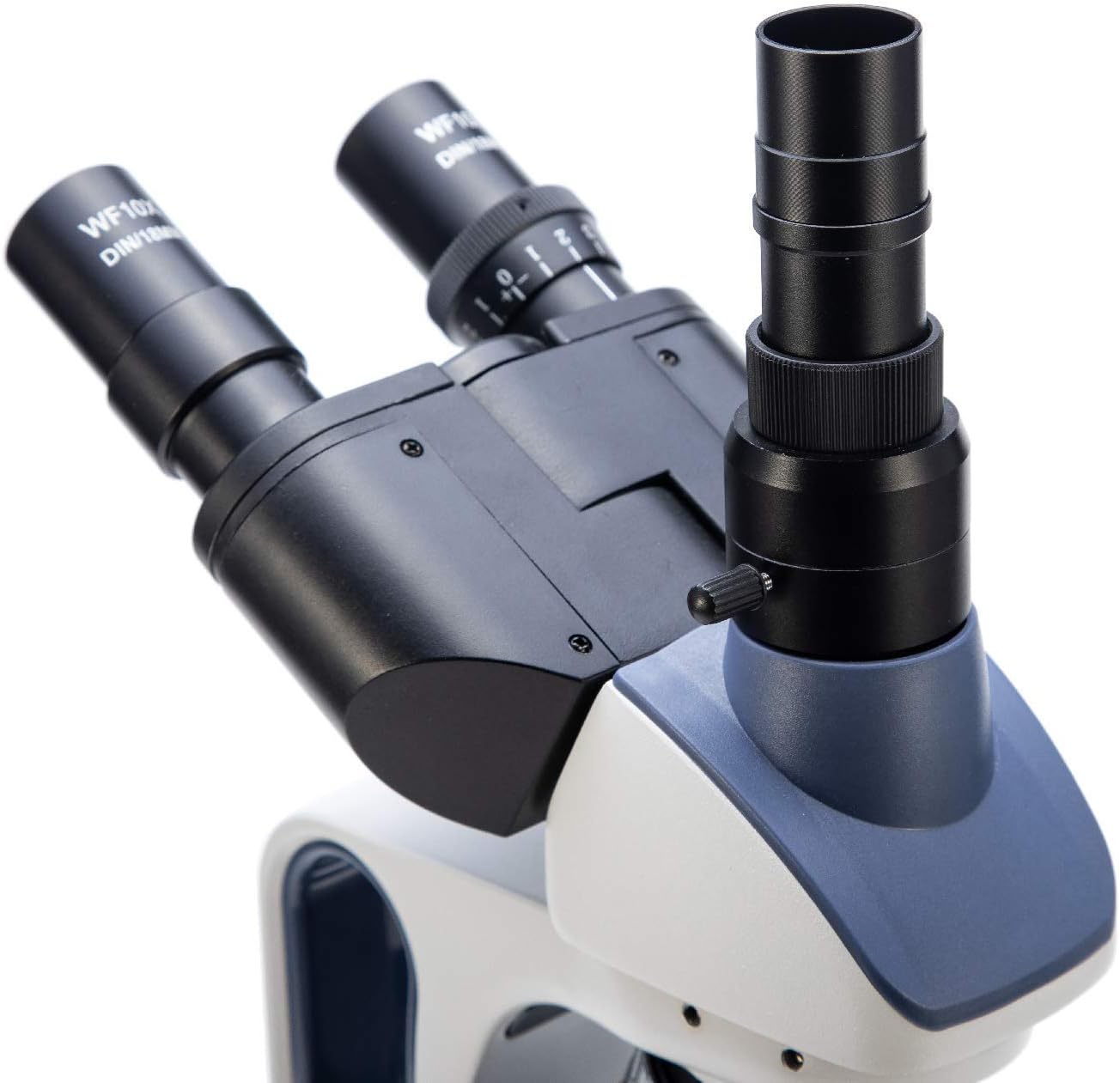
The illumination is delivered by a bright LED light passing through an Abbe condenser, which helps illuminate slides from below for clearer specimen viewing. A large, double-layer mechanical stage with a secure slide holder keeps specimens steady under the lenses. The trinocular head accepts additional eyepiece or camera attachments to enable viewing, livestreaming, recording, and capturing magnified images (attachments not included).
Practical use and examples
In everyday lab scenarios, you’ll appreciate the ability to switch between eyepieces and magnifications without frequent recalibration. The 30-degree ocular tilt reduces neck fatigue during long sessions, which is helpful for routine slides such as stained sections or culture samples. The Abbe condenser with adjustable brightness offers a pragmatic balance of illumination and clarity for most standard slides.
What to know before you buy
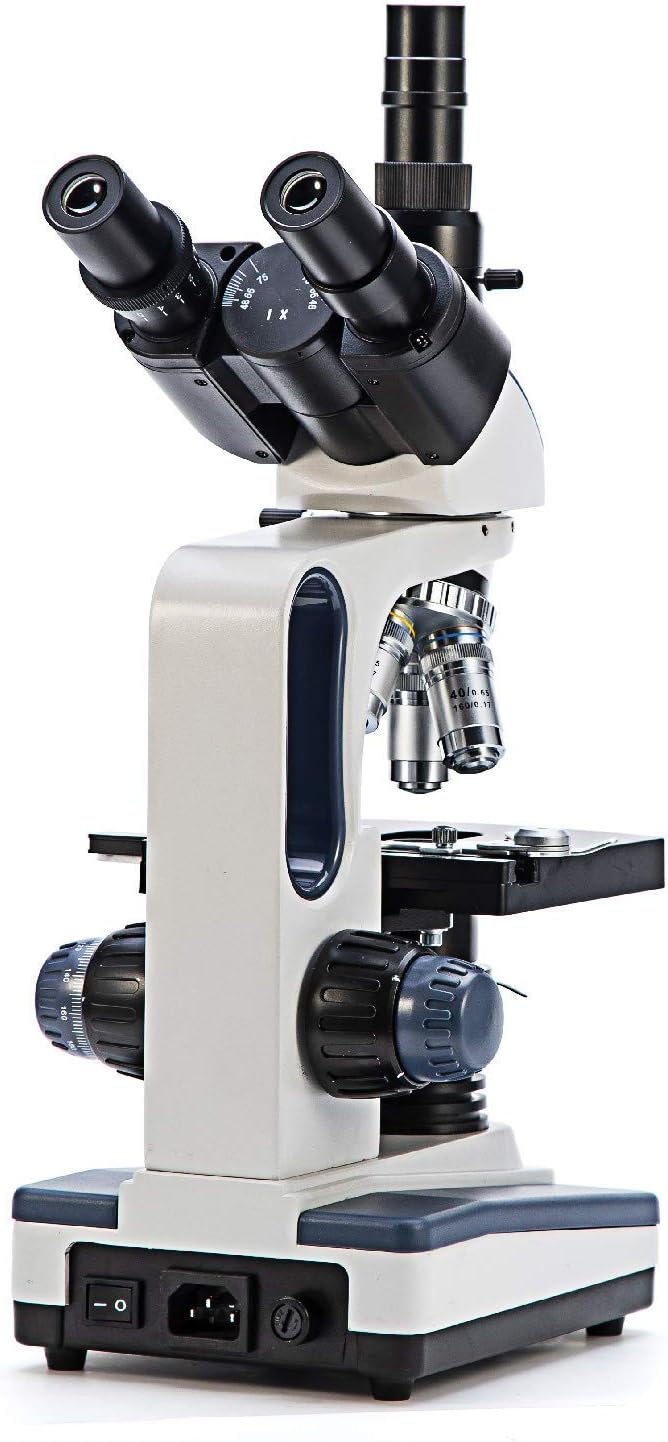
- The camera attachment is not included, so plan for a compatible accessory if you want to stream or record observations.
- With six magnification levels, you’ll want to ensure your slides are prepared to reveal the detail you expect at higher powers, some specimens may require higher contrast or stain to maximise visibility at 1000X–2500X.
- The setup is geared toward shared lab use and education settings, if you prioritise ultra-high-end automation or built-in digital analysis, this model may feel more traditional.
Who this is for
This microscope is well suited for clinical labs, school and university teaching labs, and serious hobbyists who value a solid, approachable instrument with decent optical flexibility and a camera-ready head.
Who it isn’t for
If you need integrated digital software, automated image capture routines, or the utmost brightness and contrast at the highest magnifications without additional accessories, you might find this model a touch limited in those areas.
When it makes sense to buy
Consider this if you want a durable, multi-purpose microscope with shared-use features, decent optical range from 40X to 2500X, and a design that supports future camera attachment. It’s sensible for classrooms or small labs where cost-effective versatility and reliability matter more than cutting-edge automation.
What to check before purchasing
- Confirm your preferred method of image capture and whether you’ll need a compatible camera accessory for the trinocular head.
- Think about the specimens you’ll view most often and whether 40X–2500X coverage aligns with those needs.
- Ensure you have a practical plan for specimen preparation that takes advantage of the Abbe condenser’s illumination range.
Comparison in context
If you’re weighing options between entry-level and more advanced setups, this SW350T sits in a pragmatic middle ground: it’s more traditional in its optical approach and sharing-friendly than basic educational models, but it isn’t a fully automated or digital-first platform. For users who value hands-on control and tried‑and‑tested mechanics, it offers real value without overinvesting in features you may not use.
Final verdict
Is it worth it? Worth considering if you need a robust, shared-use microscope with a broad magnification range and a camera-ready head, but you’re not chasing the latest digital automation. It suits practical teaching labs and active users who value mechanical reliability and straightforward optics over hi‑tech bells and whistles.
FAQs
- How easy is it to switch magnifications? The turret offers six fixed magnifications, swapping lenses is straightforward and designed for classroom use.
- Can I use it for live streaming? The trinocular head supports camera attachments, though the camera is not included.
- Does the eyepiece tilt affect alignment? The 30-degree tilt is designed to reduce neck strain and maintain a comfortable viewing angle while keeping focus stability during interpupillary adjustments.