

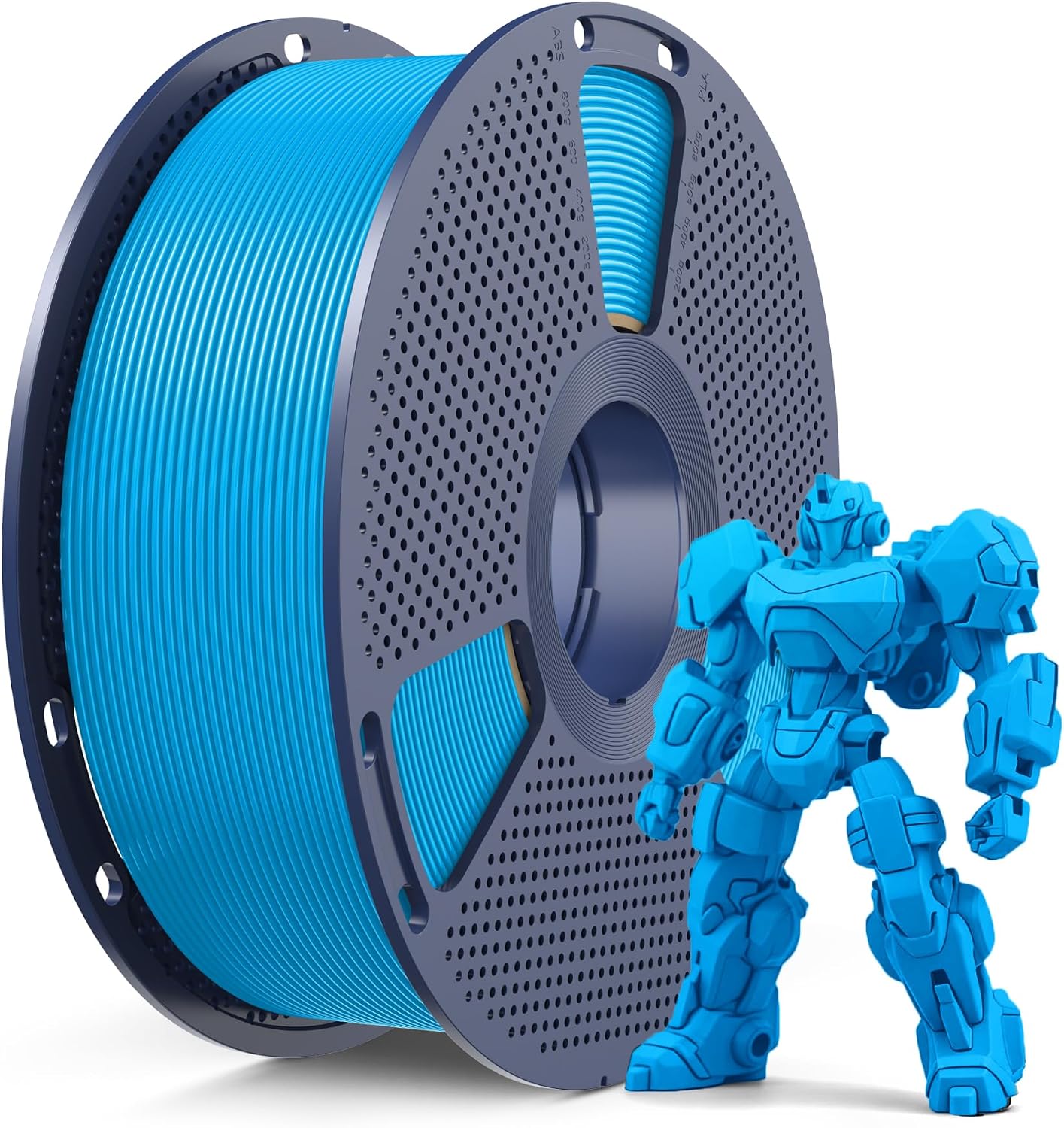
SUNLU PETG 1.75 mm filament, 1kg spool
Reviews
Price
Product description
If you are looking for a dependable PETG option for everyday FDM printing, SUNLU PETG filament is built around consistent results and practical durability. It combines the easier printing feel often associated with PLA with the tougher, more flexible behaviour you expect from PETG, so parts can hold up better in real use. With a 1 kg spool and a 1.75 mm diameter, it is a straightforward way to stock your workshop for stronger prints without changing your whole workflow. 🧩
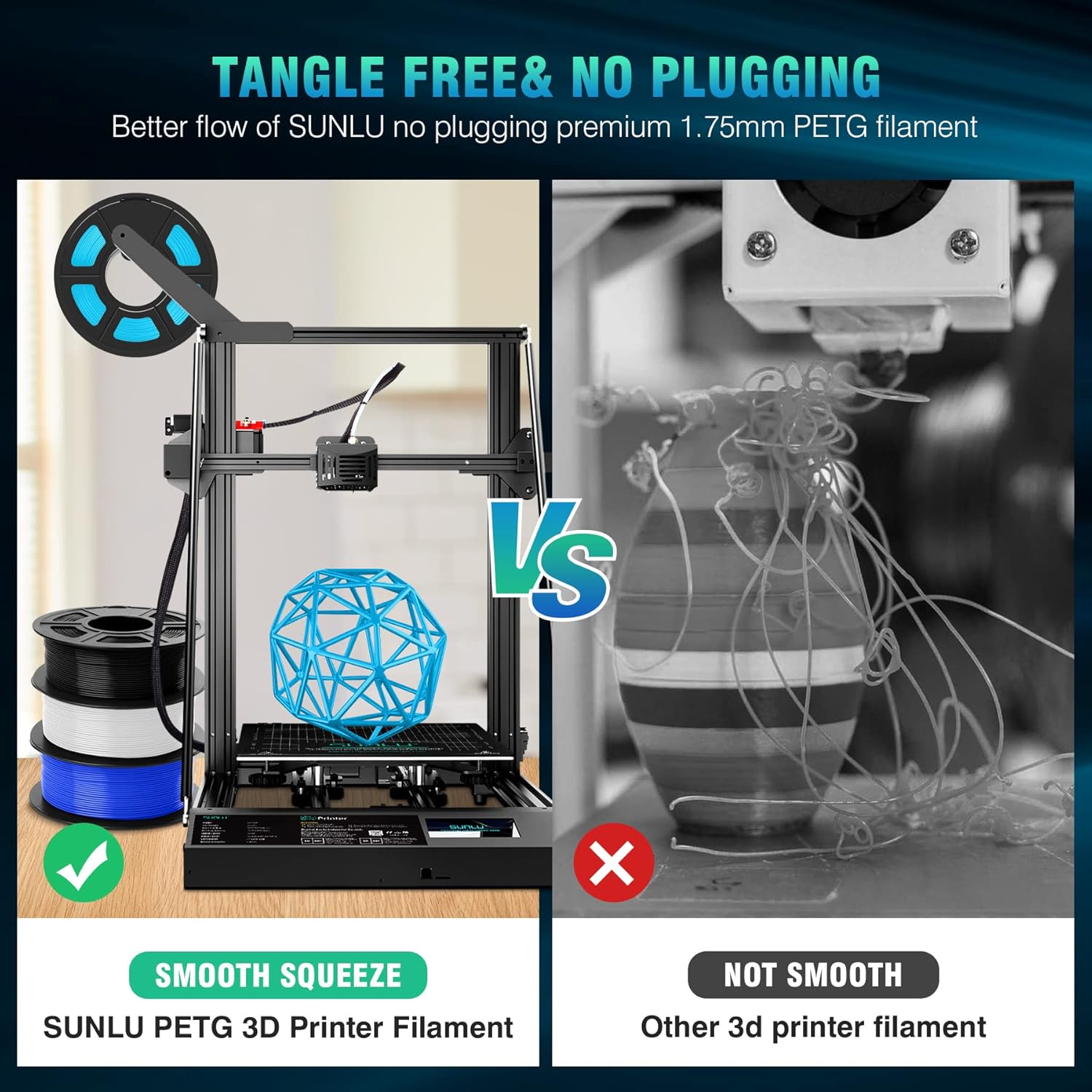
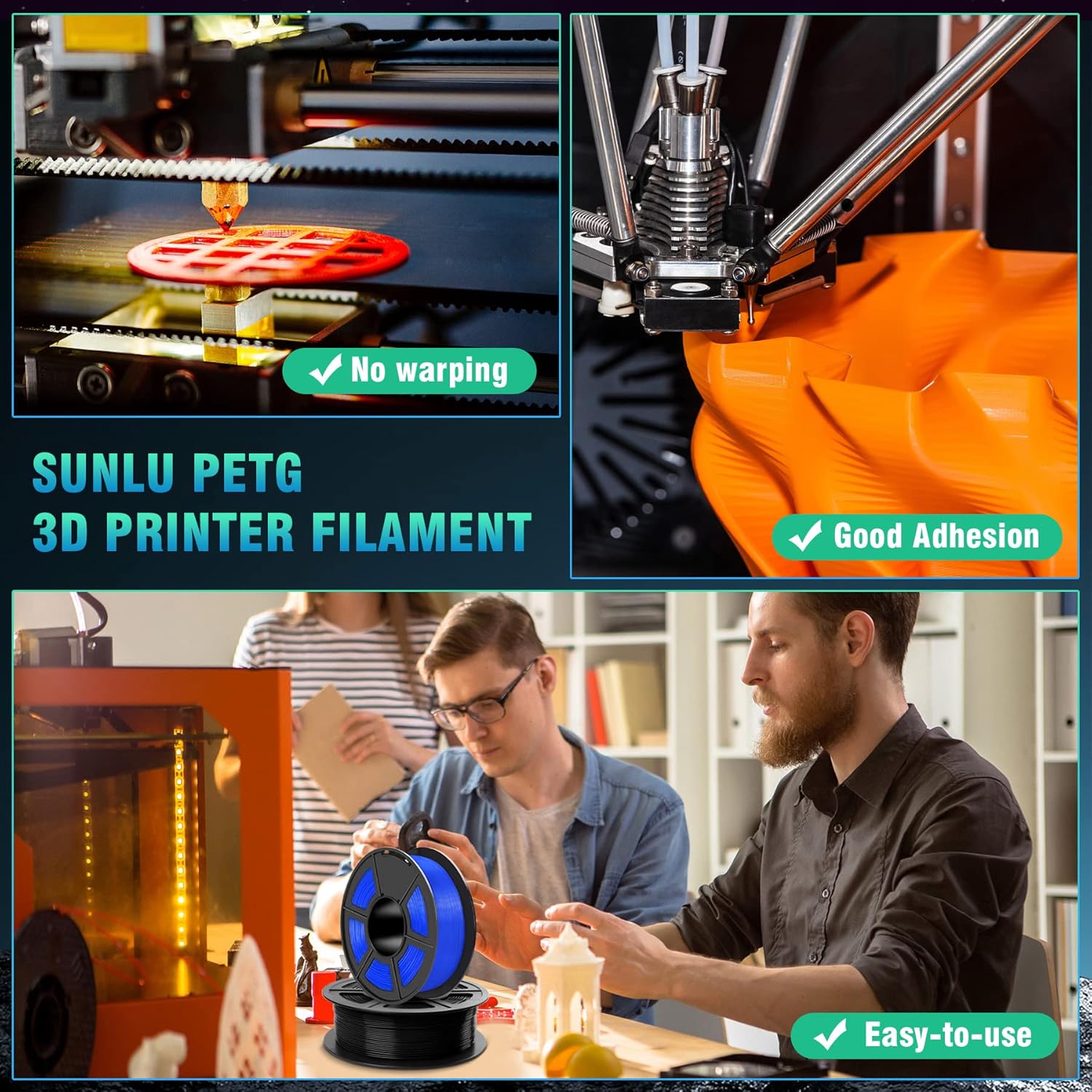
For many makers, the biggest day to day win is fewer problems during printing, especially when temperatures or humidity are not perfectly controlled. According to the manufacturer, this filament supports good thermal stability, reduced warping, and steadier extrusion, which helps maintain dimensional accuracy. It also targets a print-ready experience with less stringing than many alternatives, making it a sensible choice for functional prototypes and detailed models.
Key points
SUNLU PETG is a filament that focuses on durability, flexibility, and print stability, with the aim of producing parts that stay reliable beyond a quick test print. The material is described as combining simplicity with higher tenacity, so you can create components that feel tougher while still being manageable on an FDM machine. Thermal stability is a key theme in the manufacturer description, and that matters because it can reduce layer separation and deformation as the print cools.
On top of that, the filament is presented as supporting smoother extrusion and less stringing, which is useful when you are printing small parts, miniatures, or models with fine details. If you print faster, the stated flow consistency is meant to help maintain steadier output, so you are less likely to see interruptions and irregular lines. The PETG formulation also includes properties described as hydrophobic, which reduces moisture absorption during printing and can help keep results more consistent over time.
If your projects involve practical housings, accessory components, or items that may see oils or solvents, the manufacturer notes resistance to acids and alkalis, plus resistance to oil and common solvents. That makes PETG appealing when you want something more robust than basic PLA in harsher workshop or outdoor conditions. 🌧️
Finally, the cyan colour is designed to deliver a vivid look with high transparency described as crystal clear. That transparency can be useful for display style prints like lamp covers, translucent panels, and creative design pieces where light transmission is part of the effect.
Tech specs
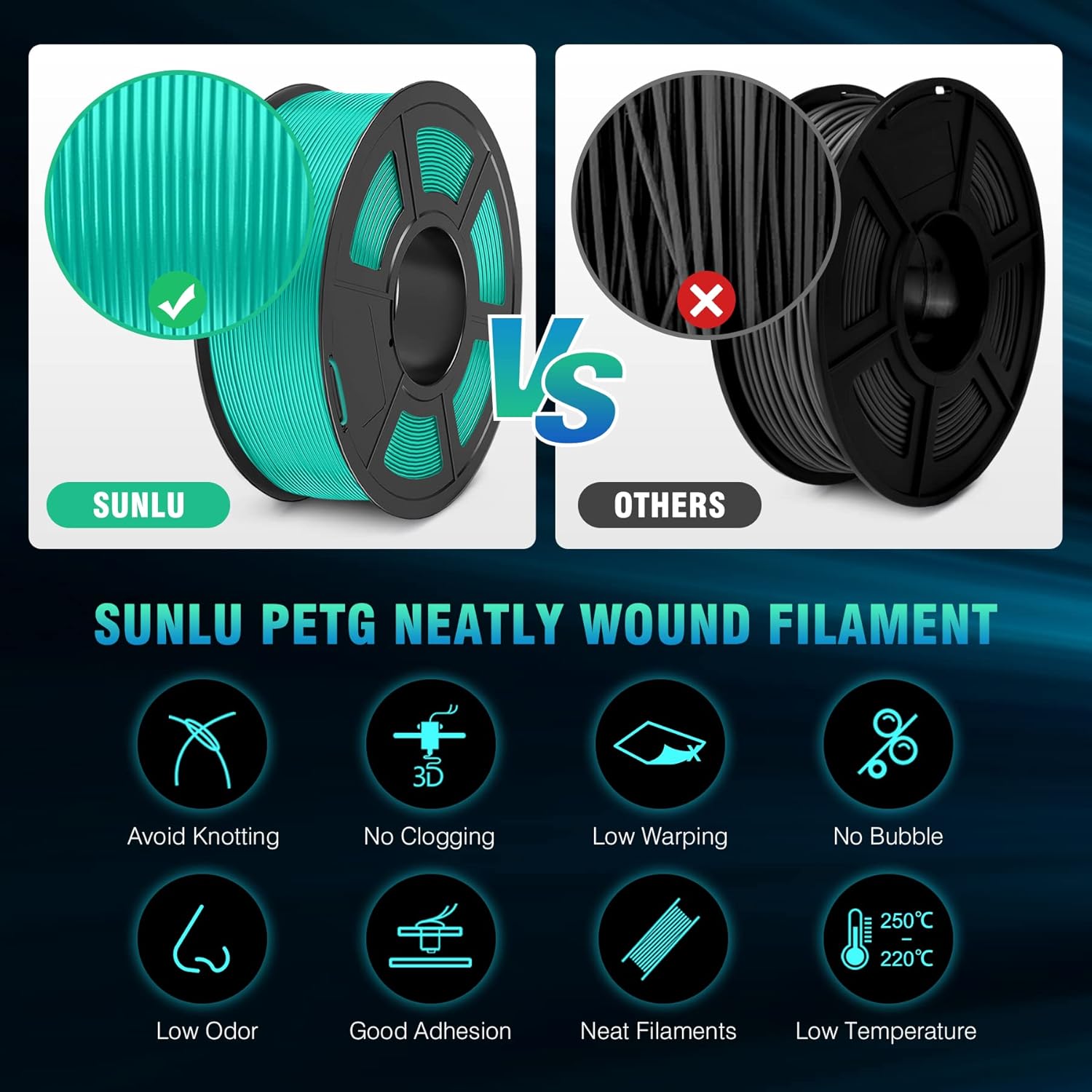
- Name: SUNLU PETG Filament 1.75 mm High Strength 3D Printer Filament PETG
- Type: PETG 3D printing filament
- Size: 1.75 mm filament diameter
- Capacity: 1 kg spool
- Colour: petg Cyan
- Recommended nozzle temperature: 230 to 240 °C
- Recommended print speed: 50 to 100 mm/s
What’s included
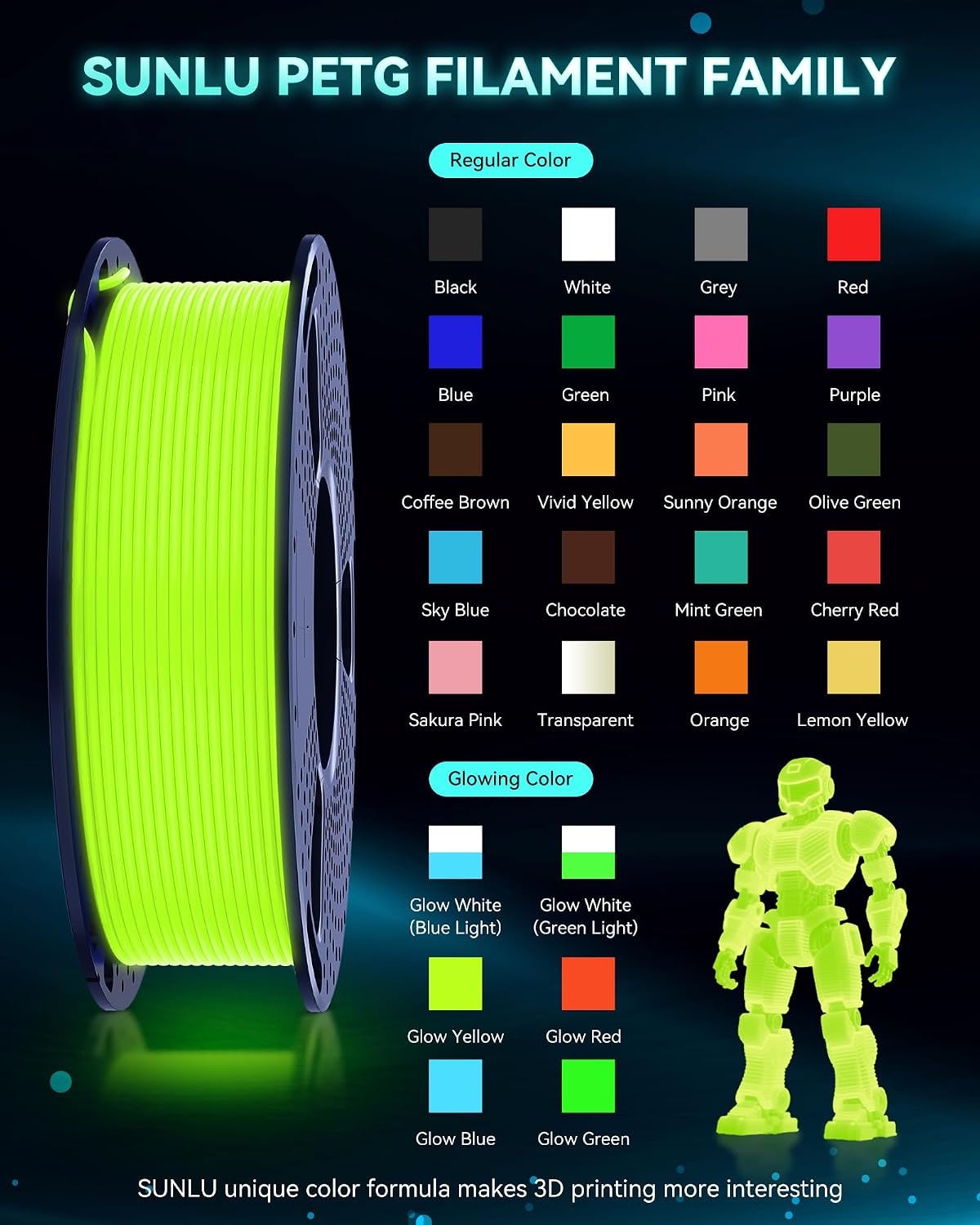
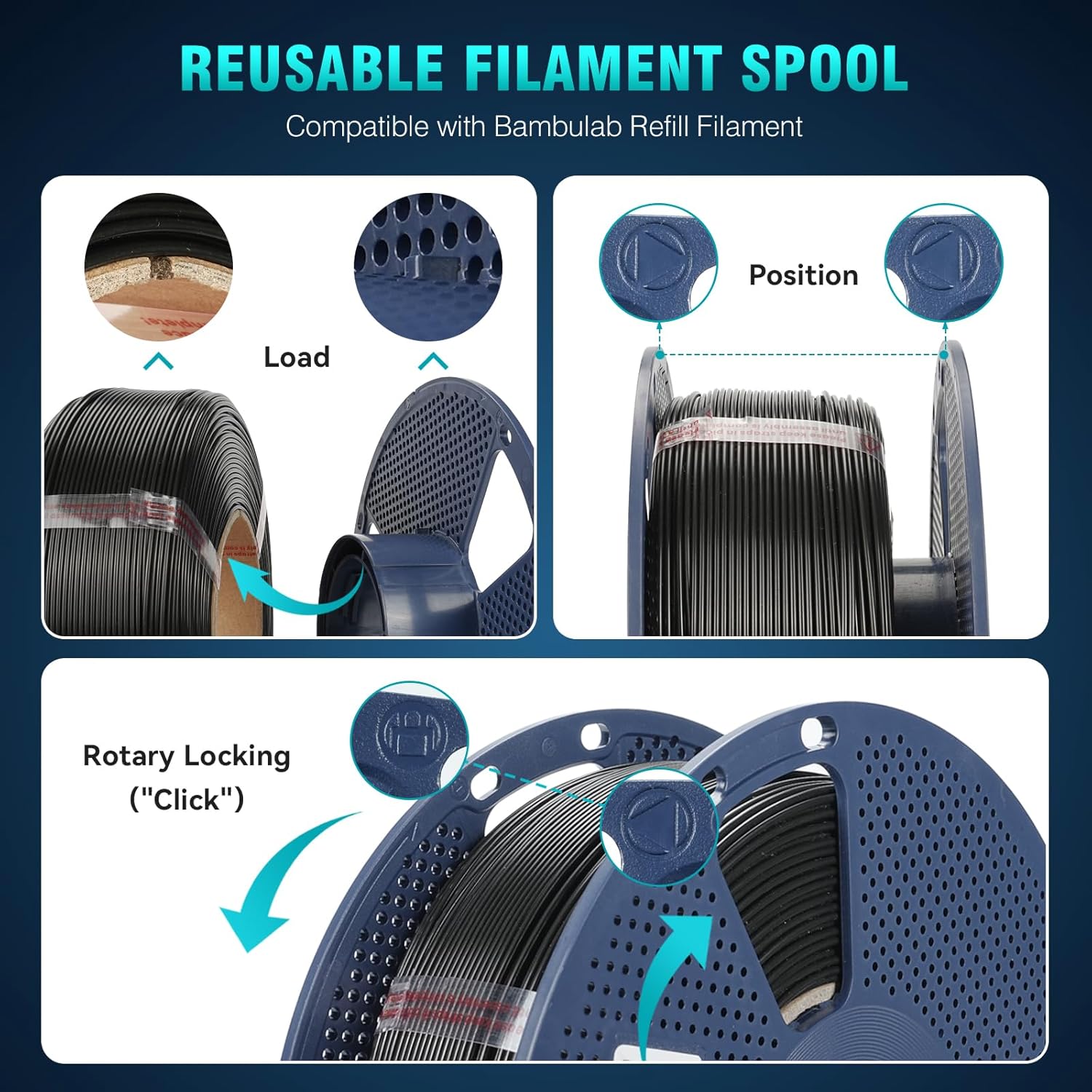
You get a 1 kg spool of SUNLU PETG filament in cyan, ready for use in compatible FDM 3D printers. The manufacturer description also mentions vacuum sealed packaging with desiccant to help limit moisture absorption before you start printing. This is useful if you store filament for periods of time or if your printing area is not fully climate controlled. 📦
It also helps to know that PETG is typically chosen for its balance of easier handling and stronger, more flexible results than more basic plastics. The filament is stated to be compatible with most FDM printers, so you can often keep the same machine setup and just adjust temperature and speed to match the recommended ranges. If you are switching materials, it is worth rechecking your slicer settings and doing a small test print to confirm flow and retraction behaviour.
The essentials
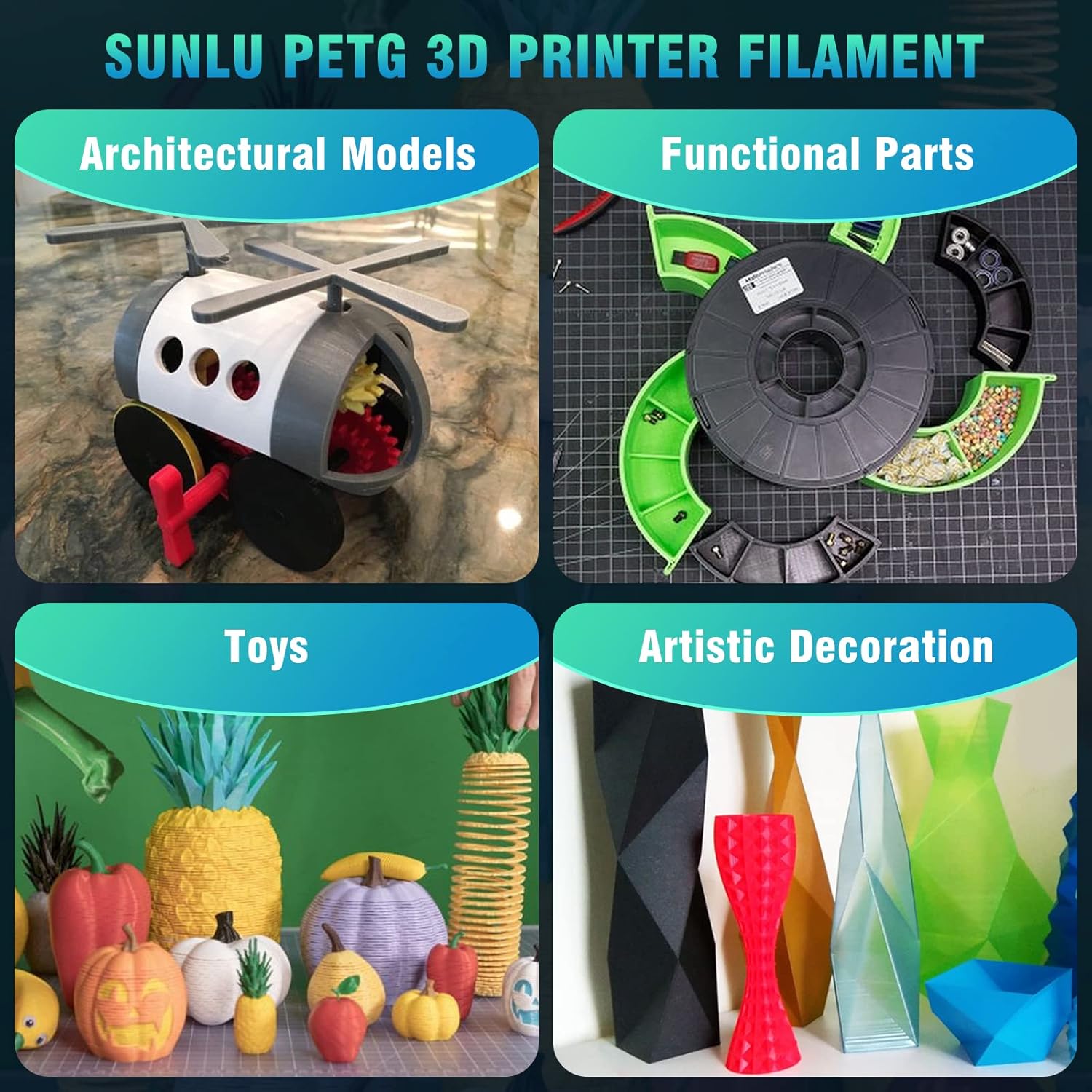
SUNLU PETG Filament 1.75 mm is built for durability and flexibility, with the manufacturer describing improved tenacity and better resistance to heat compared with conventional PLA. In practical terms, that can mean parts that are less brittle and more comfortable for functional prototypes and everyday components. The filament also targets lower warping and less contraction, which is helpful for keeping layer alignment and dimensional accuracy.
There is also a strong emphasis on printing smoothness. The description highlights constant extrusion flow and fewer issues like stringing, which matters when you are printing gears, small assemblies, or models with many features. If your parts need to look clean straight from the printer, the manufacturer also states that post processing is not required in many cases.
One more reason PETG can be appealing is how it behaves when conditions are less than ideal. The manufacturer mentions resistance to oil and to solvents, plus resistance to acids and alkalis, which can be relevant if your prints will be used around a workshop or outdoors. Tenacity and chemical resistance go together here, especially for functional shells and accessories.
Worth noting, the filament’s success depends on setup, temperature control, and sensible storage. The recommended nozzle temperature of 230 to 240 °C and print speed range of 50 to 100 mm/s are important starting points, and you may need to fine tune for your specific printer and nozzle. It might not be a great match if you prefer the exact feel of PLA, particularly if you want the same brittle, rigid behaviour.
It suits you if you want a cyan PETG filament for FDM printing that aims for strong, stable prints with good transparency for display style pieces. You’ll like it if you print functional items, need less stringing during detailed jobs, and value a filament that stays consistent with reduced moisture absorption.