

Starlink Gen 3 Mount 360° adjustable roof mount 📡
Reviews
Price
Product description
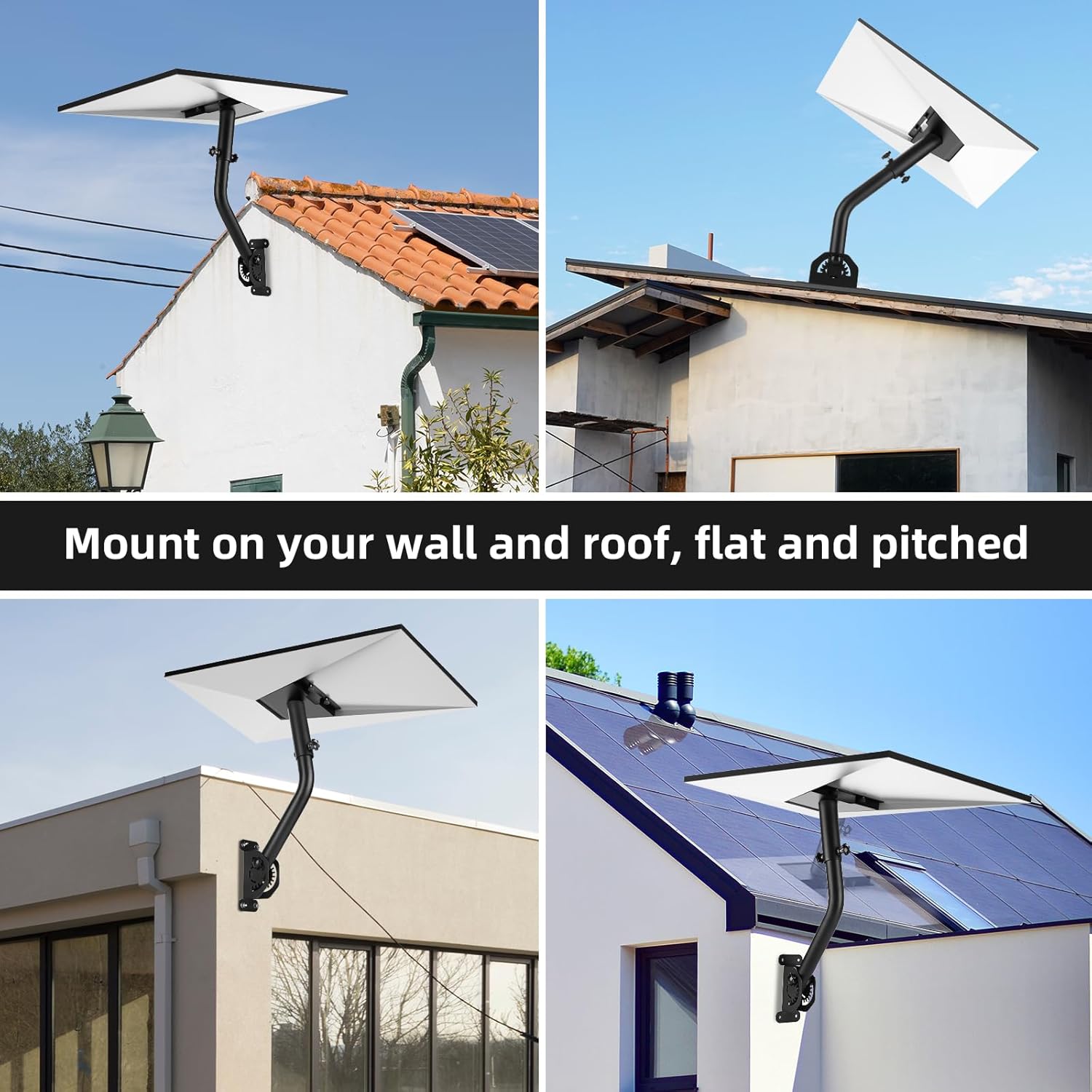
This adjustable mounting kit secures a Starlink Gen 3 dish on roofs, walls or poles and helps point the antenna for a stable satellite connection. It is suitable for users who need an adaptable support that allows full rotation and angle adjustment during installation, and may be a good choice when space or roof layout limits fixed positions.
Key Points
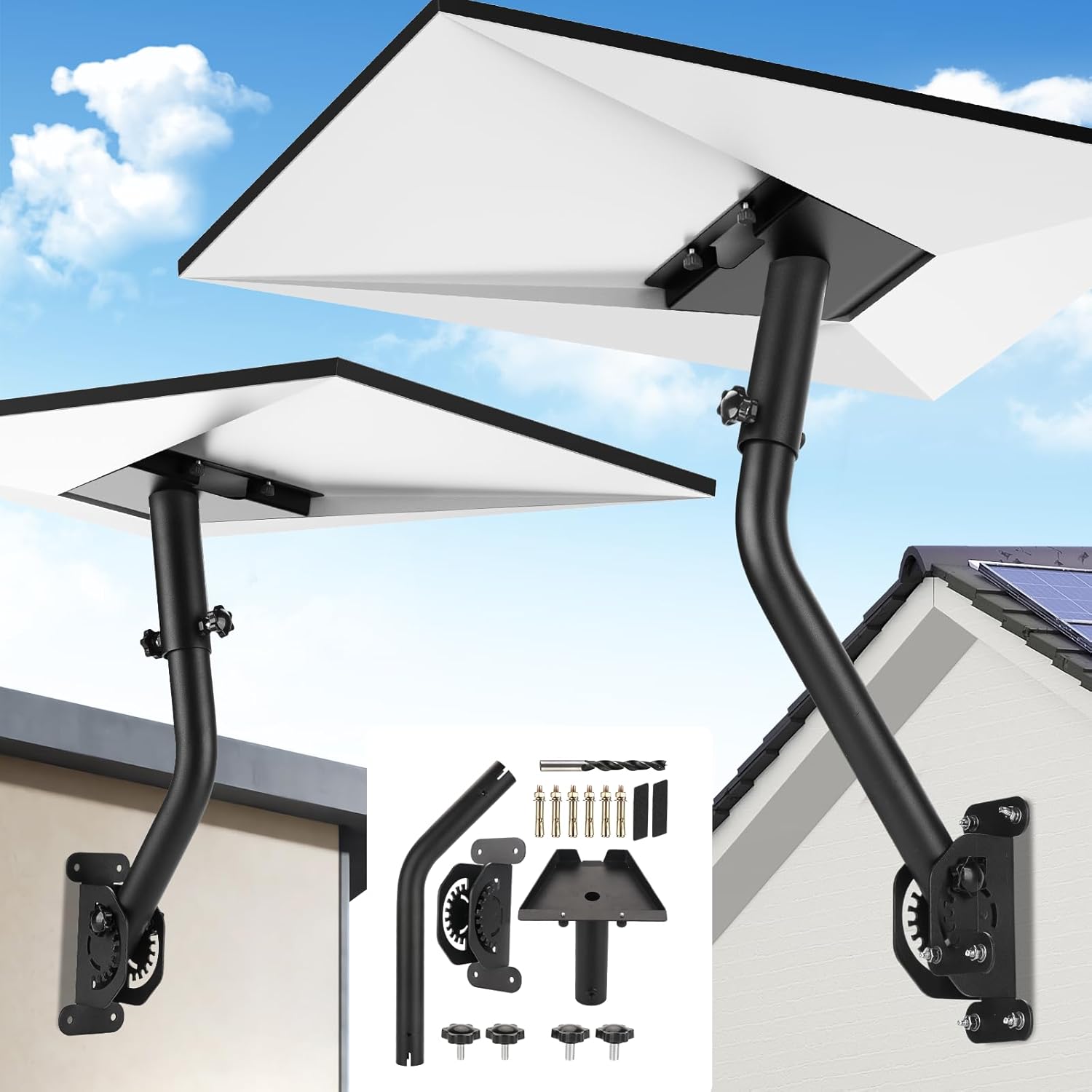
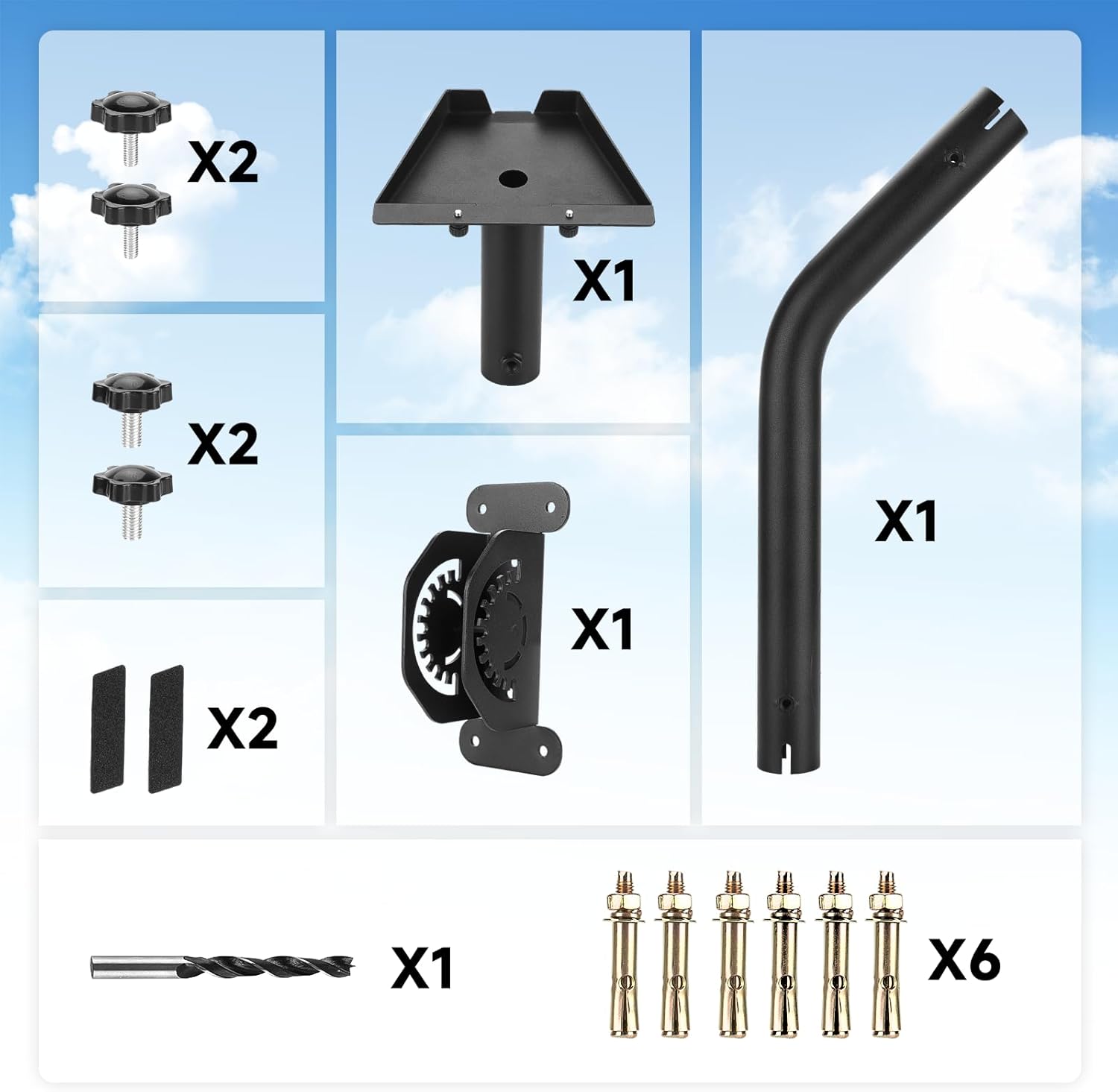
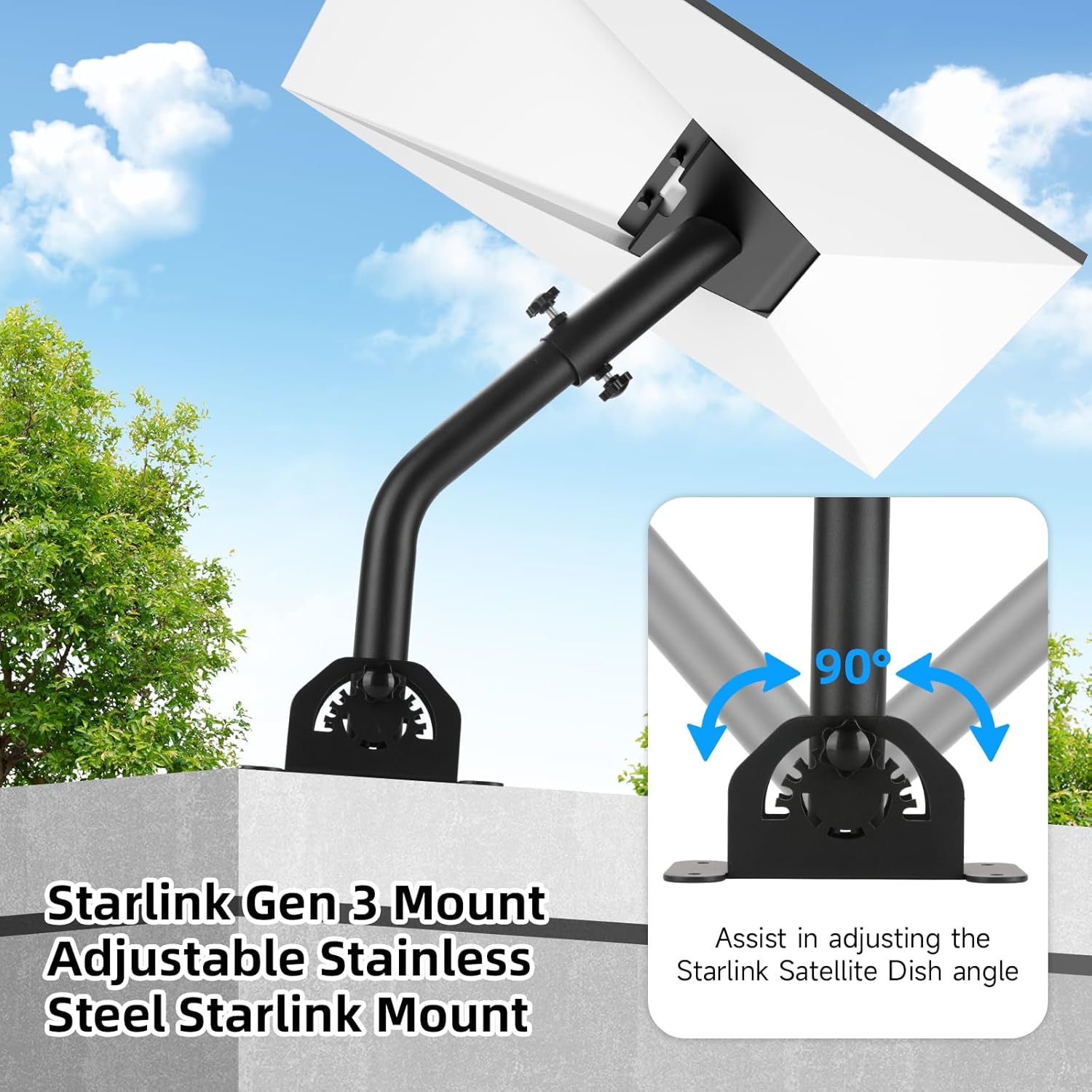
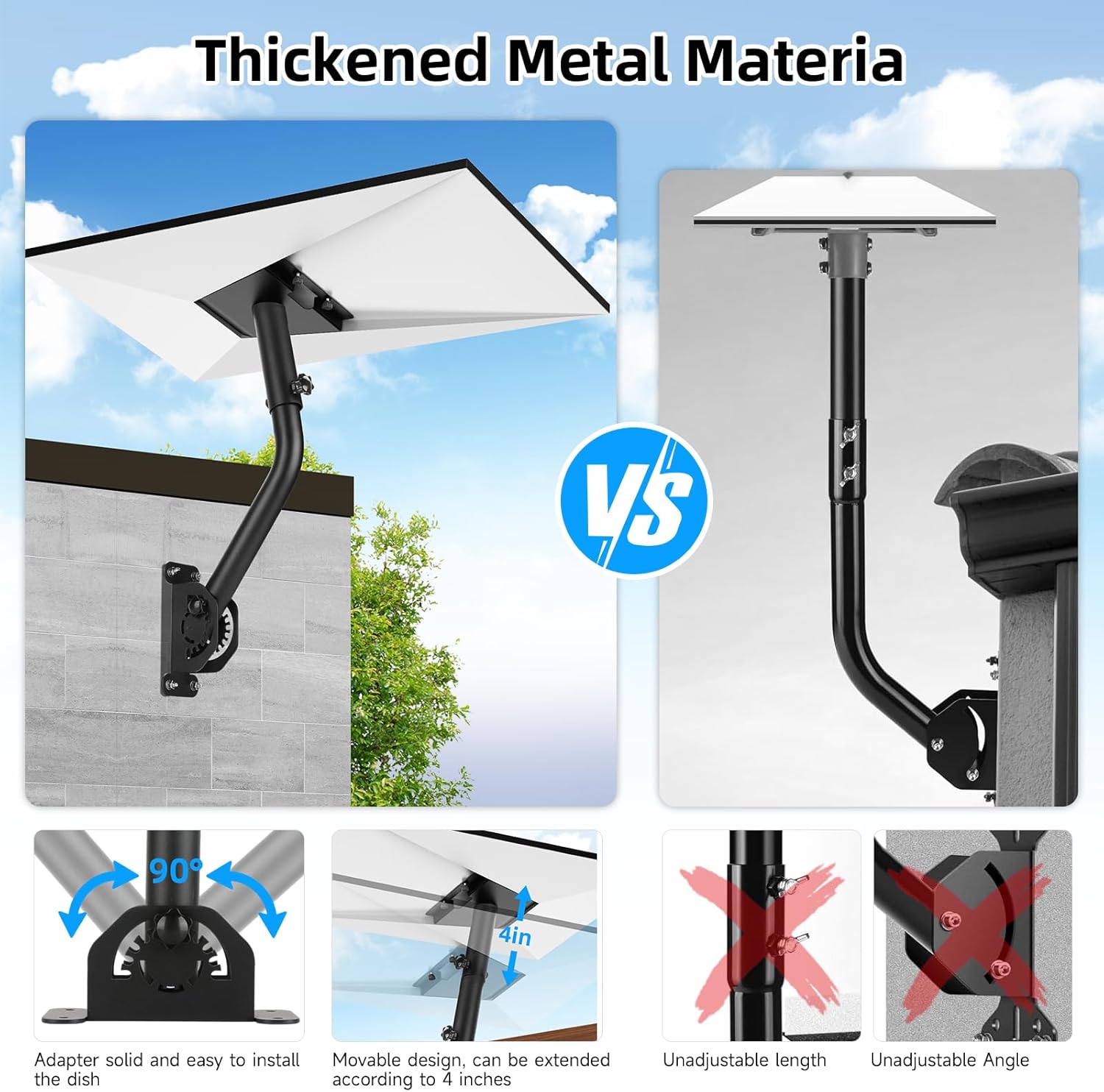
The mount features a tube that rotates 360° and an adjustable joint between the tube and base to fine tune the dish angle, making it easier to obtain a clear line of sight. It includes both upper and lower bases, a curved tube, spacers and the necessary screws and expansion bolts, so installers have the main parts required to fasten the assembly. ⚙️
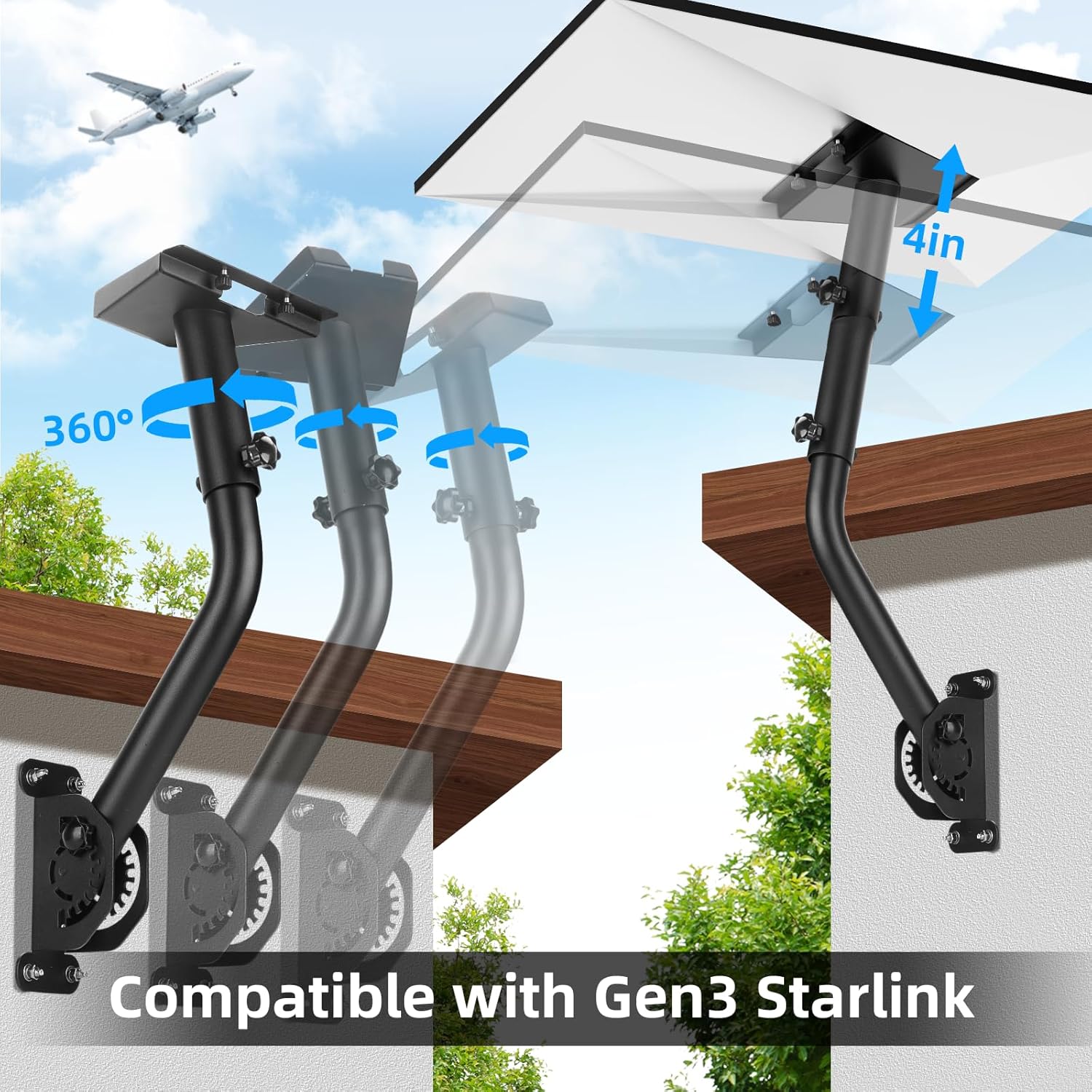
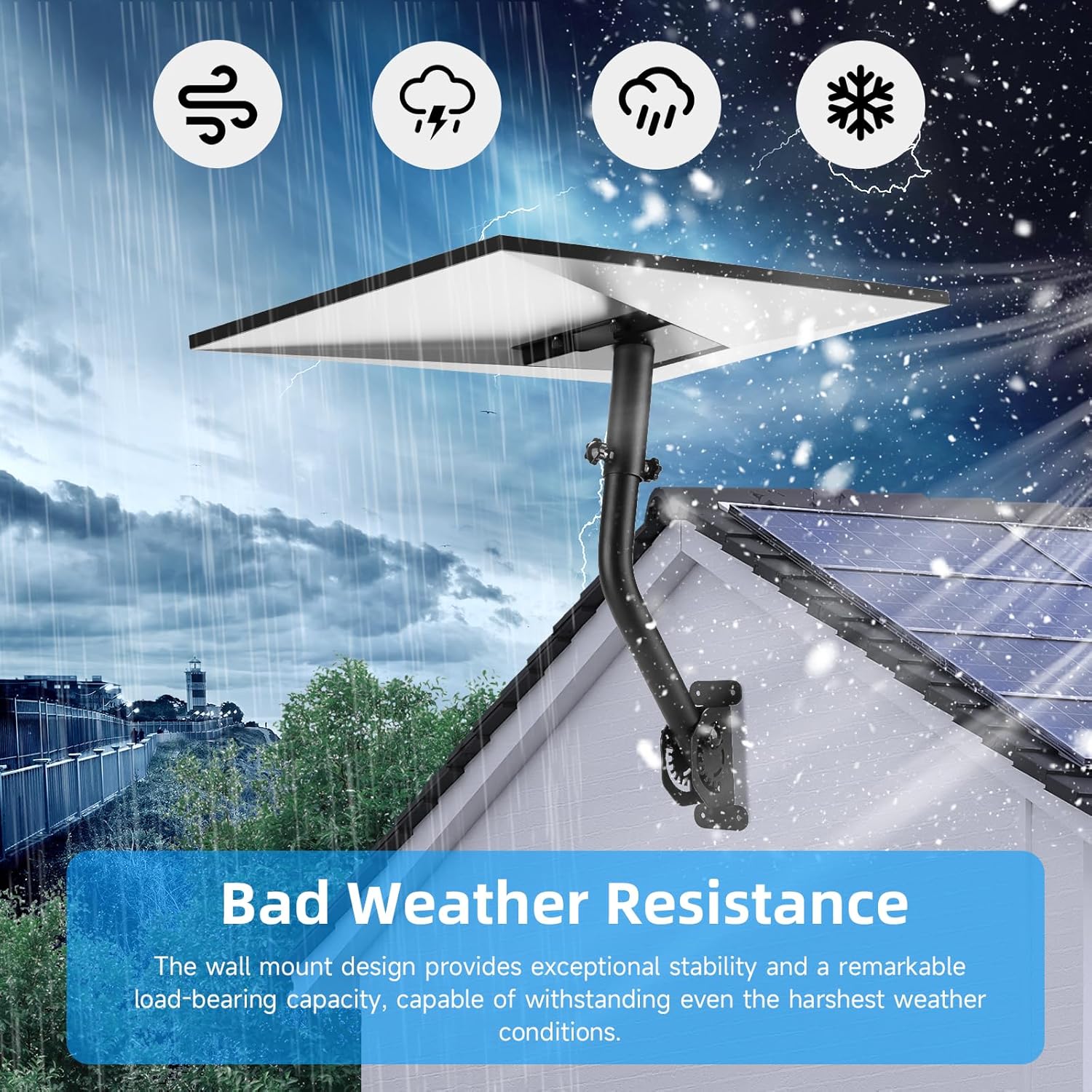
Constructed from thick metal, the kit is presented as robust and able to withstand adverse weather, according to the manufacturer. The two ends of the connecting tube can be swapped, which adds flexibility when adapting the mount to different roofs or pole orientations. For practical reasons consider that heavy wind conditions may still require additional anchoring or professional installation, depending on your location.
Technical Specifications
- Name: Essoy Starlink Gen 3 Mount
- Compatibility: Starlink V3 standard dish
- Rotation: 360° adjustable tube
- Material: Thick metal alloy
- Package contents: lower base, upper base, curved tube, 4 screws, 6 expansion bolts, 2 spacers, drill tool
Usage Recommendations
Begin by checking the mounting surface is structurally sound and clear of overhead obstructions. Insert the mount into the dish slot and tighten the fixing screws before attaching the curved rod to the pipe adapter, this helps to secure the dish while you make fine adjustments. When positioning the dish, rotate and tilt the assembly in small steps to locate the best satellite view, and then re-check all fixings after a short period of use as vibration can loosen hardware over time. 🔧
If you plan to mount on a roof, place the base on a flat section and ensure expansion bolts are anchored into solid material rather than loose sheathing. For pole installations, verify that the pole diameter matches the pipe adapter and that the connection is locked firmly to prevent movement. Consider periodic inspections after storms to confirm continued stability and to tighten any exposed fastenings when necessary.