

SANSI 15W LED Grow Light for Indoor Plants (200W Equivalent) – Full Spectrum E27 Bulb with Frosted Lens
Product description
What this is and what it aims to solve
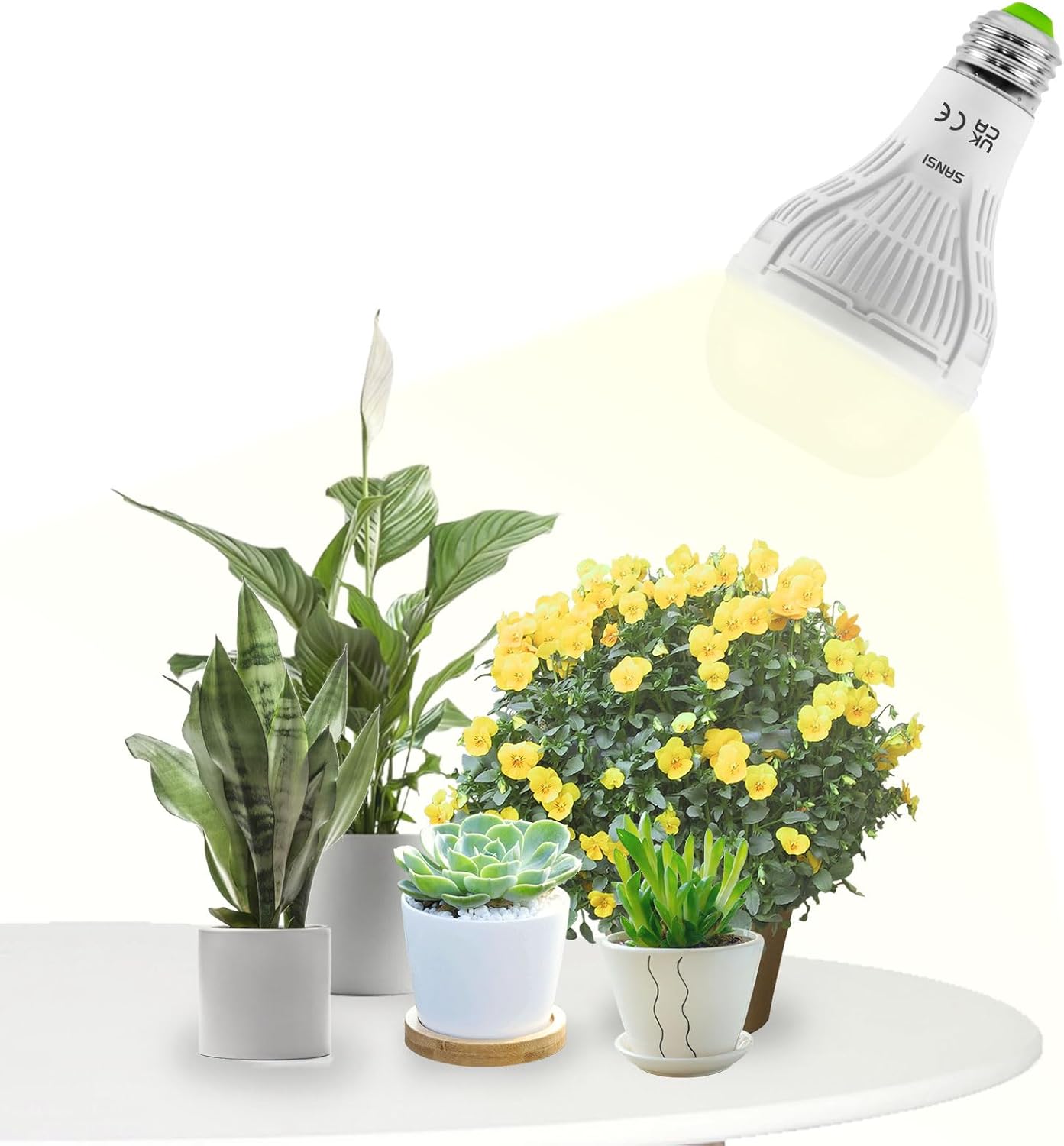
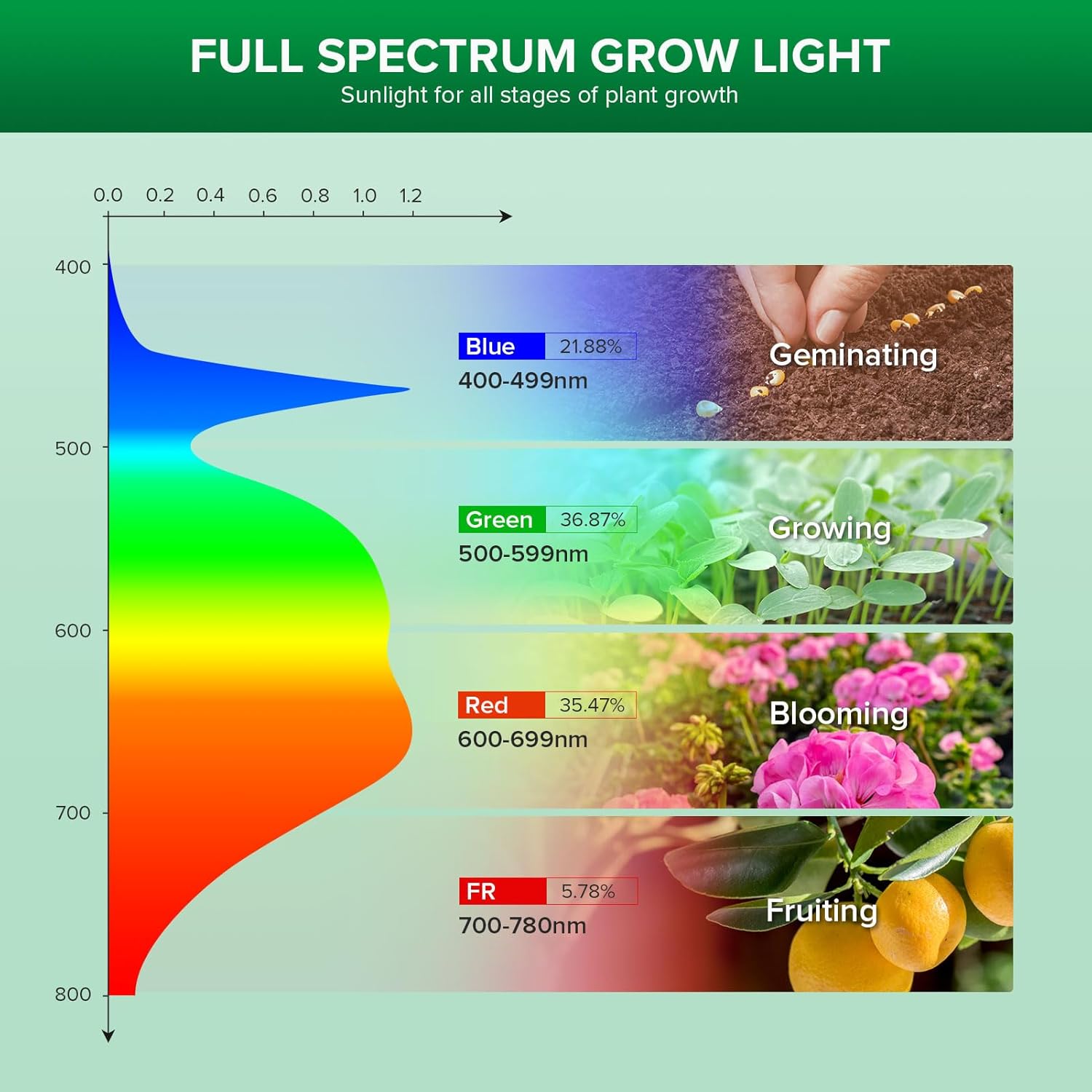
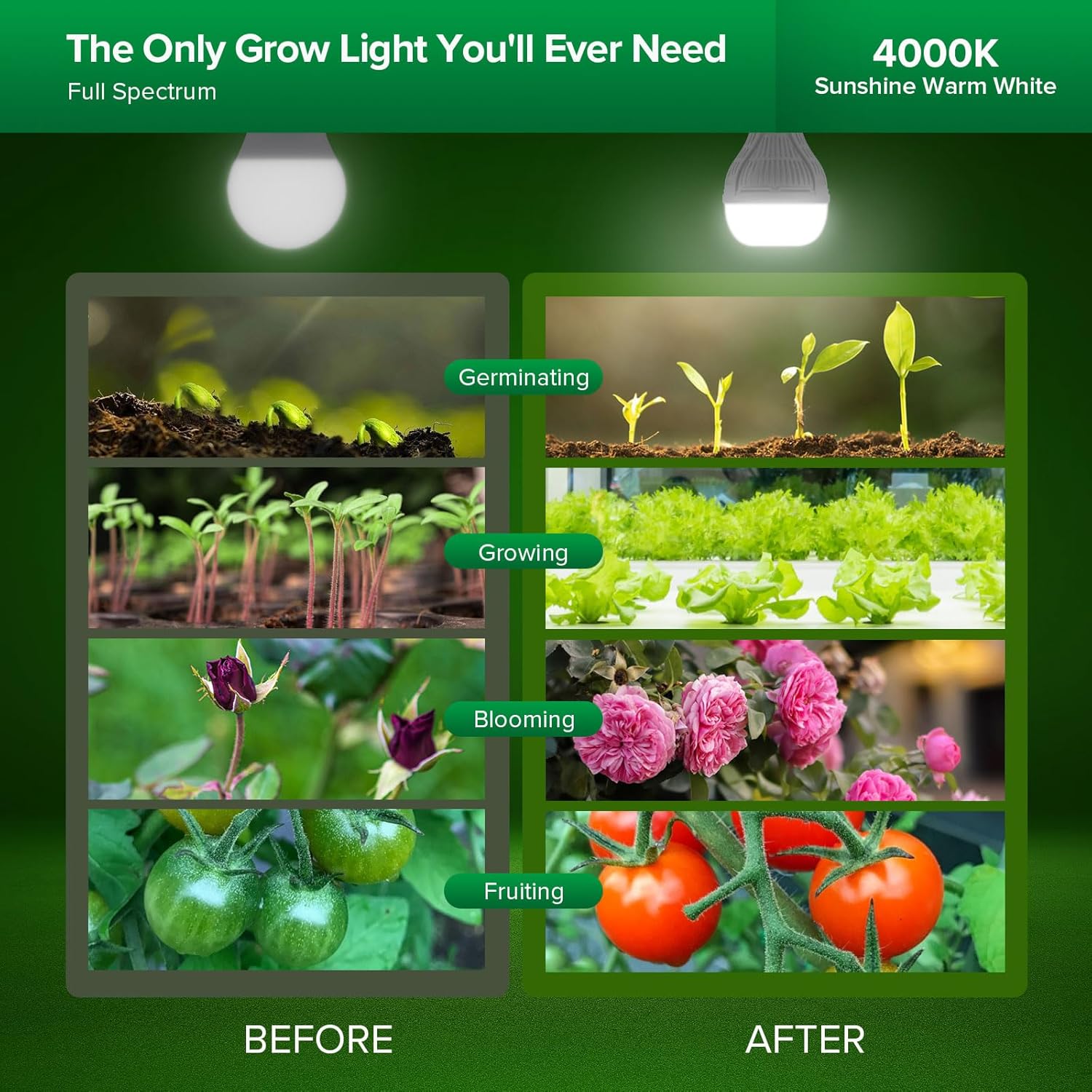
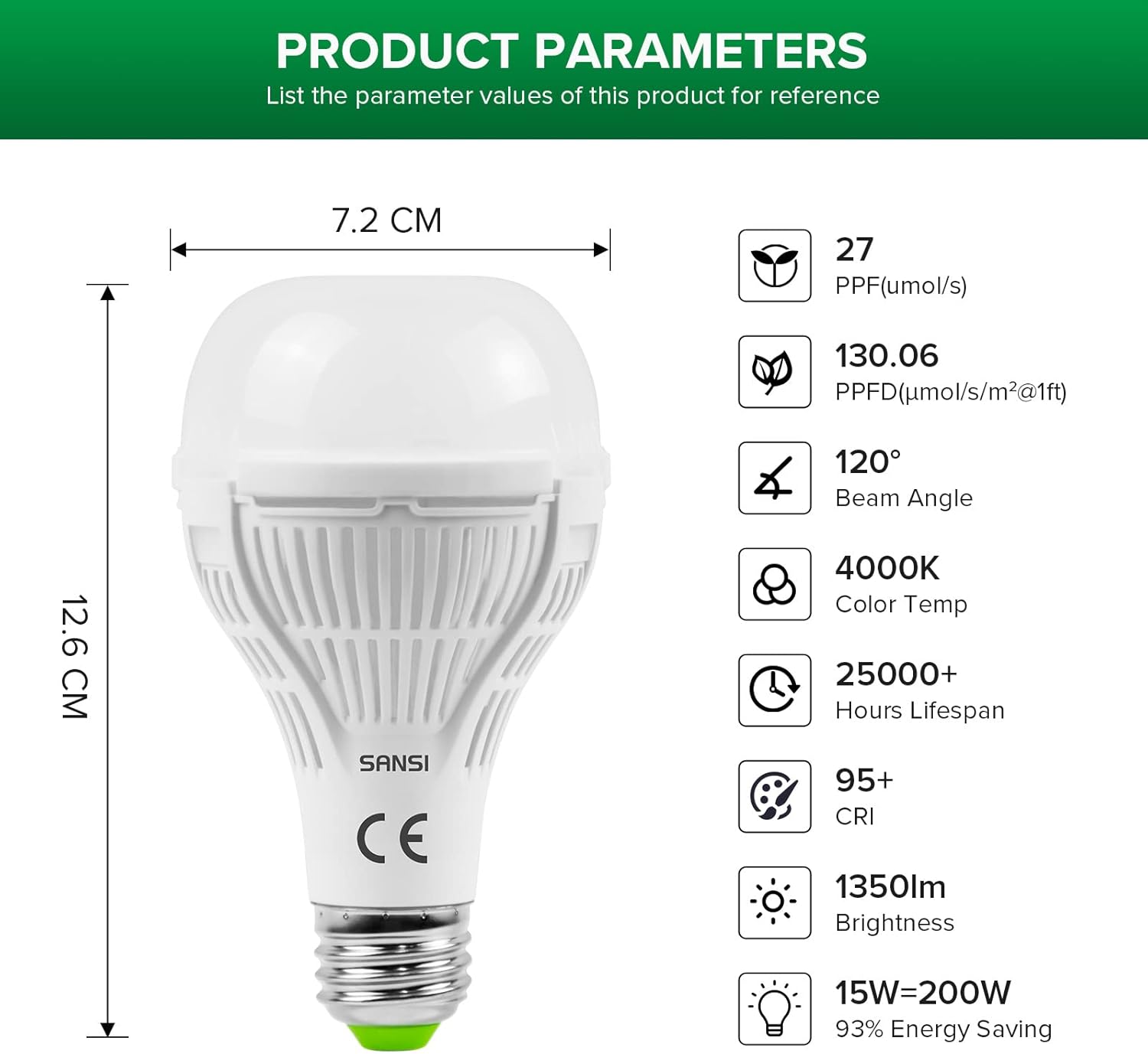
The SANSI 15W LED Grow Light is a compact, full-spectrum LED designed to sit in a standard E27 socket. It claims to mimic natural sunlight by covering the visible spectrum from 400nm to 780nm and delivering a light output that supports plant growth across seedling, vegetative, and flowering stages. In practice, the light emphasises a 4000K white tone with a high Colour Rendering Index (CRI) close to 100, which helps to present plant colour and health signals more clearly. This is a low-wuss option for indoor gardens and windowsill setups where space or energy use is a consideration.
How it works in layman’s terms
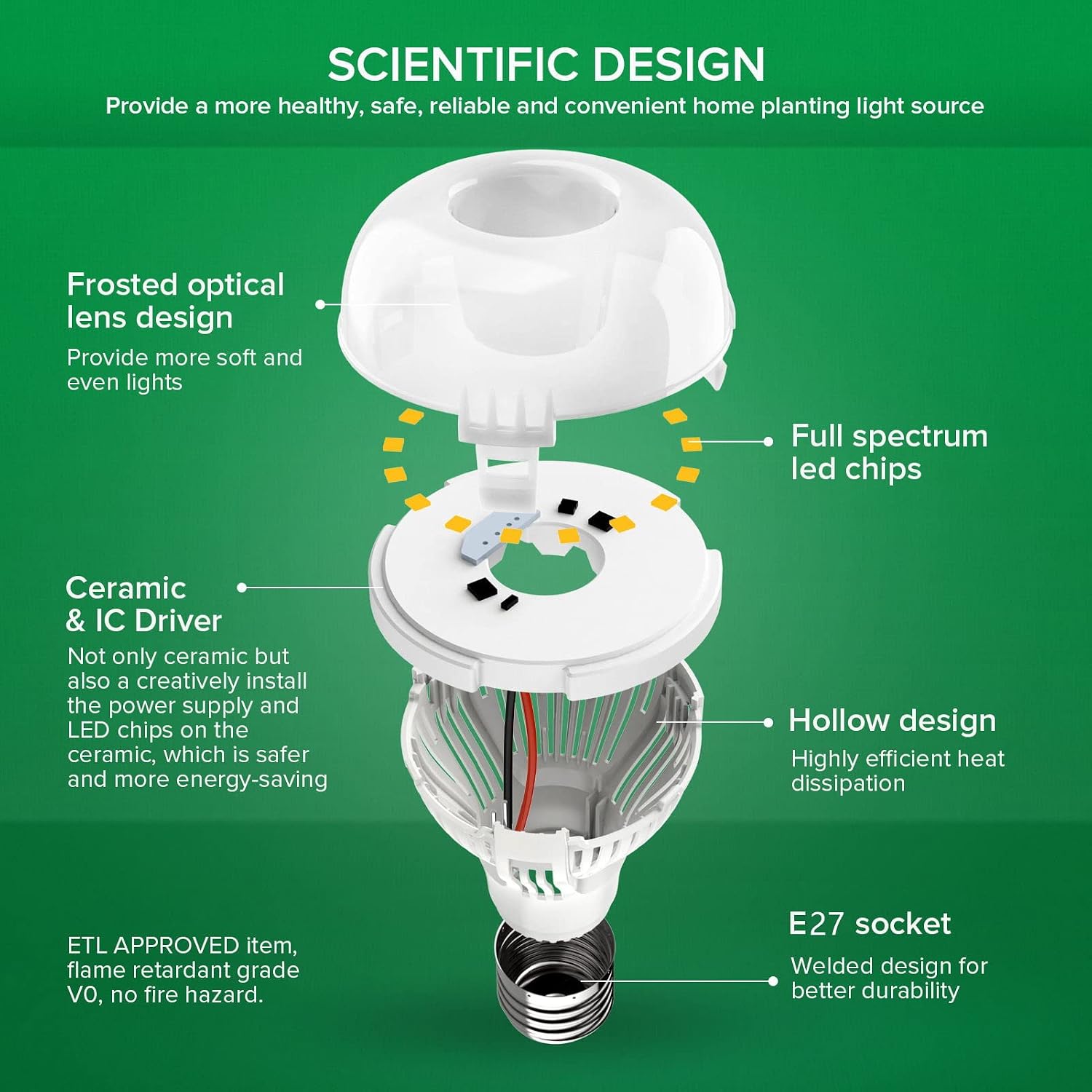
The frosted lens design helps spread light more evenly over a larger area, thanks to a 120° beam angle. This reduces hot spots and light loss at the edges, making it more forgiving for small grow spaces. The chip-on-ceramic (COC) technology is said to aid heat dissipation, which can influence longevity and performance consistency over time. With an average PPF of 27 µmol/s and a PPFD of around 130 µmol/m² at 1 ft, the light is positioned as a starter option for compact grows rather than a powerhouse system for large scale cultivation.
What stands out on paper
The device is engineered for straightforward installation in any standard E27 socket, which is a common feature for lampshade-free setups. The design claims a long life of up to 25,000 hours, alongside a two-year warranty and a 30-day free-returns policy. These factors contribute to a lower total cost of ownership if you plan to experiment with indoor seedlings or small houseplants over multiple seasons.
The pros you’ll notice in use
- Lightweight, simple plug-and-play: fits many existing lamps without extra fixtures.
- Full-spectrum output aligned with all growth stages, not just a single growth phase.
- Large beam angle and frosted lens for even coverage, reducing the need to reposition frequently.
- Ceramic-on-chip tech and hydrophobic heat management potentially improving durability.
- Practical warranty support and a flexible return window offer assurance if it isn’t a good fit.
Limitations and cautions
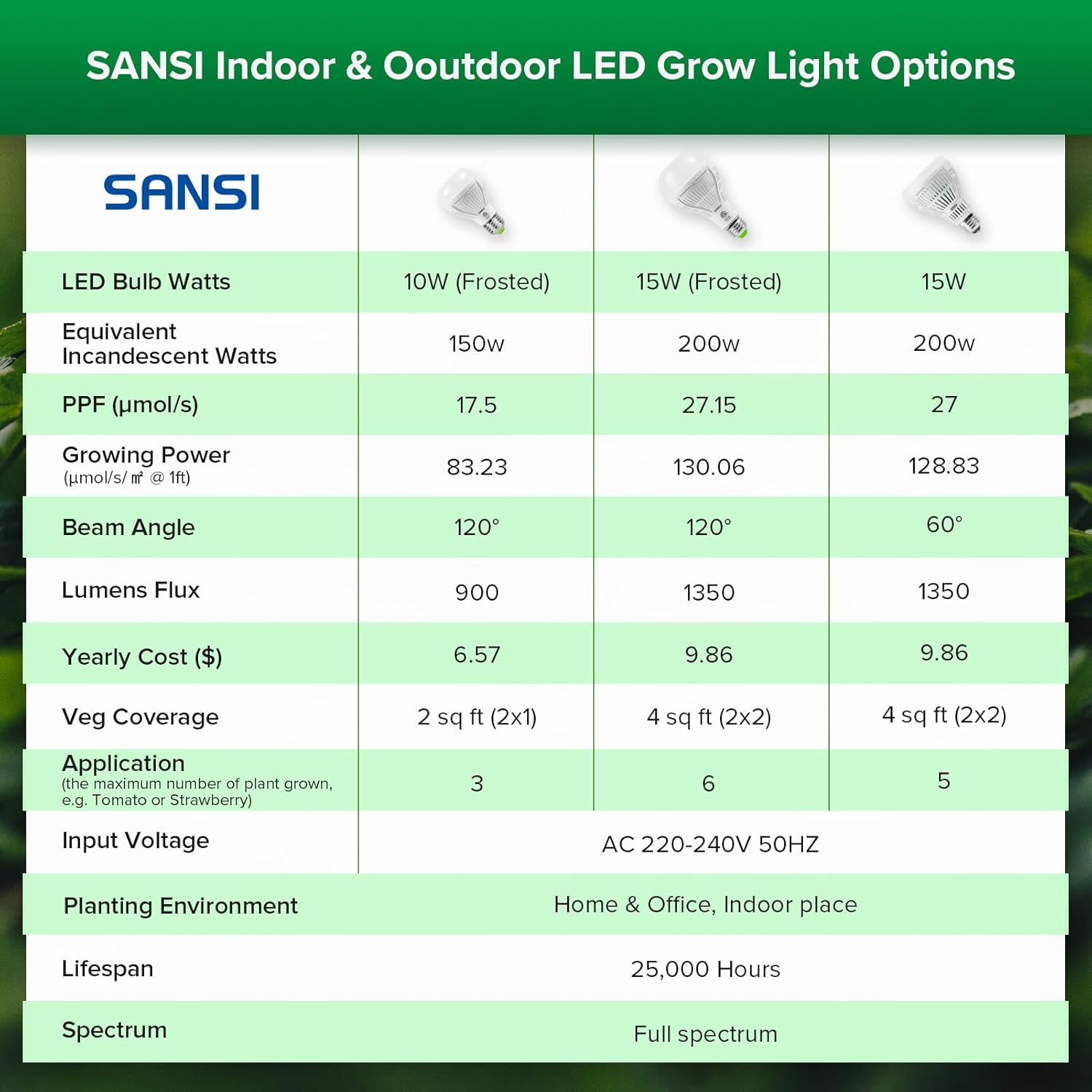
- It’s marketed as a 15W unit with a 200W equivalent label, actual intensity is modest, which may not be suitable for larger or space-demanding grows.
- The PPFD value is provided at 1 ft, as you move the light farther away, intensity drops, and you may need additional units for larger canopies.
- Avoid enclosing the lamp in fixtures or under lampshades, as advised, to preserve cooling and longevity.
- Being a single-bulb solution, it may act more as a supplement than a primary light source for serious yields.
Who this is best for
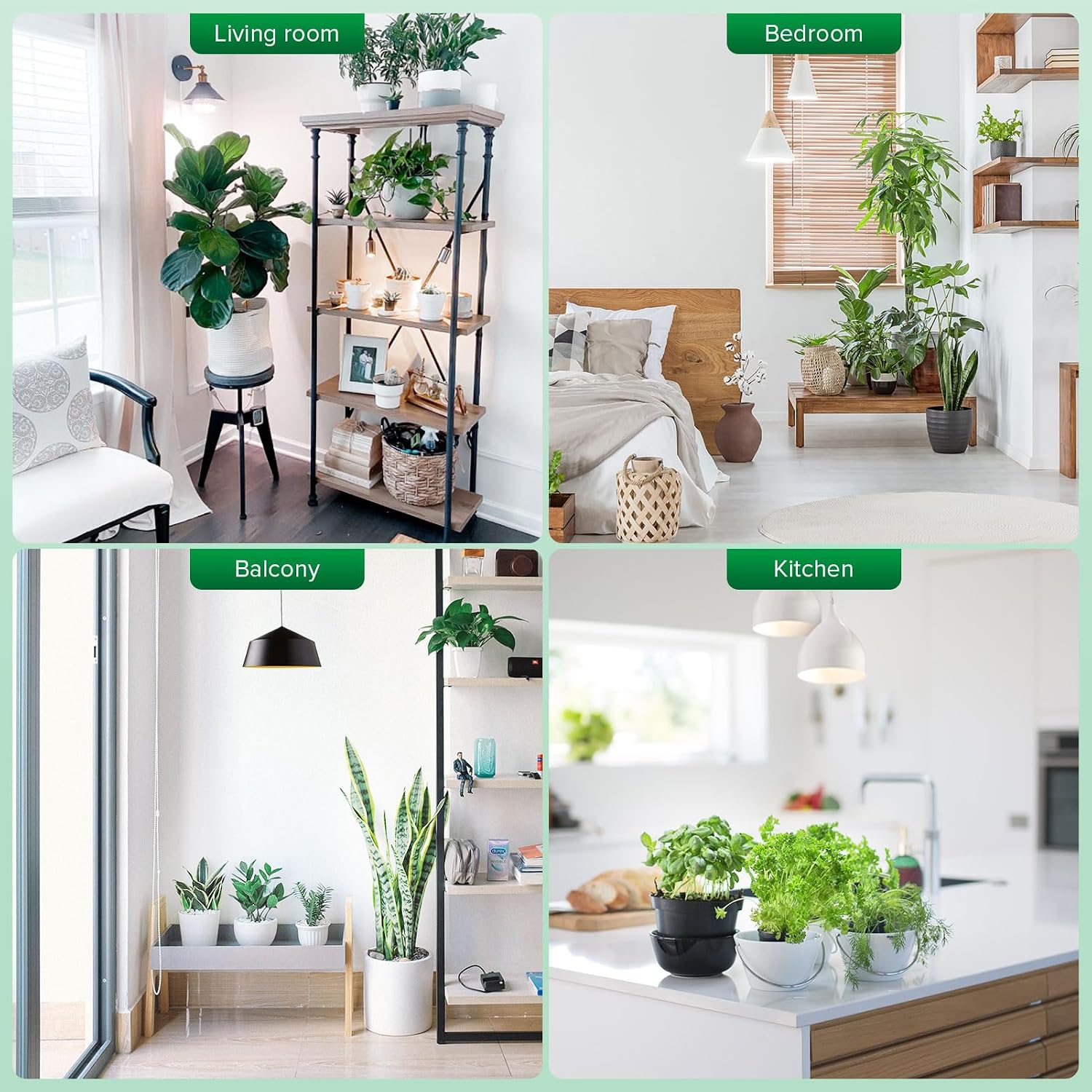
This grow light is a sensible option for beginners experimenting with seedlings, cuttings, or a small group of herbs and leafy greens in compact spaces. It can slot into kitchens, balconies, or windowsill setups where a discreet, low-energy light is preferred. If your aims are to cultivate larger plants or maximise yield per square metre, you may want to think about higher-output options or multiple units.
Who it isn’t ideal for
If you’re trying to drive growth in a sizeable tent or room where intensity and canopy coverage matter most, a single 15W LED may fall short. Those with mature plants needing stronger PPFD or more focused spectrum tuning could find it lacks the punch of dedicated horticultural fixtures. It also isn’t designed for enclosed fixtures that limit airflow.
When it makes sense to buy
- You want a simple, affordable entry point into indoor growing.
- Your space is limited and you need a light that can run off a common E27 socket.
- You value a quiet, low-heat option and can operate with modest light intensity rather than high-output setup.
When to look elsewhere
- If your priority is high yields or serious veg/flower production with precise spectrum control.
- If your space requires higher PPFD coverage or you are growing from seed to harvest in a larger area.
- If you need a light that performs under enclosed fixtures and you require more robust cooling.
What to check before buying
- Ensure your growing area aligns with the 120° beam and the stated veg coverage of 2x2 ft to avoid light waste.
- Consider how many units you’d need to achieve your target canopy for larger plants.
- Confirm the fixture compatibility and that you’ll avoid enclosing the bulb in a way that impairs cooling.
- Review the warranty and return policy in case expectations aren’t met after a trial period.
Practical usage example
Imagine starting a few tomato or pepper seedlings on a bright kitchen sill. A single SANSI 15W bulb can cover a small tray, delivering even illumination that reduces leggy growth compared with a dim, uneven setup. If you notice slow germination or stretched stems, you may reassess by adding another unit or moving to a more powerful option.
FAQ snapshot
- How long will the bulb last under typical home use? The design targets up to 25,000 hours, assuming normal operating conditions.
- Is this suitable for full plant cycles? It supports all growth stages on paper but the light output is modest, so larger crops may require more coverage.
- Can it be used with a lampshade? No, the guidance advises against using in enclosed fixtures to preserve cooling.
What you’ll get in practice
In sum, the SANSI 15W grow light offers a straightforward, low-cost entry into indoor growing with a full-spectrum, relatively even light distribution. It’s not a high-powered solution, but it’s a sensible choice if you’re prioritising simplicity, energy efficiency, and budget over maximum yield. If you prioritise file-tight budgets and compact grows, this compact bulb could be worth a closer look.
Is it worth it?
It makes sense if you’re starting small, want to experiment without investing heavily, and have space for a single E27 bulb. It may not be the best option if you need robust performance for larger plants or bigger grow areas.