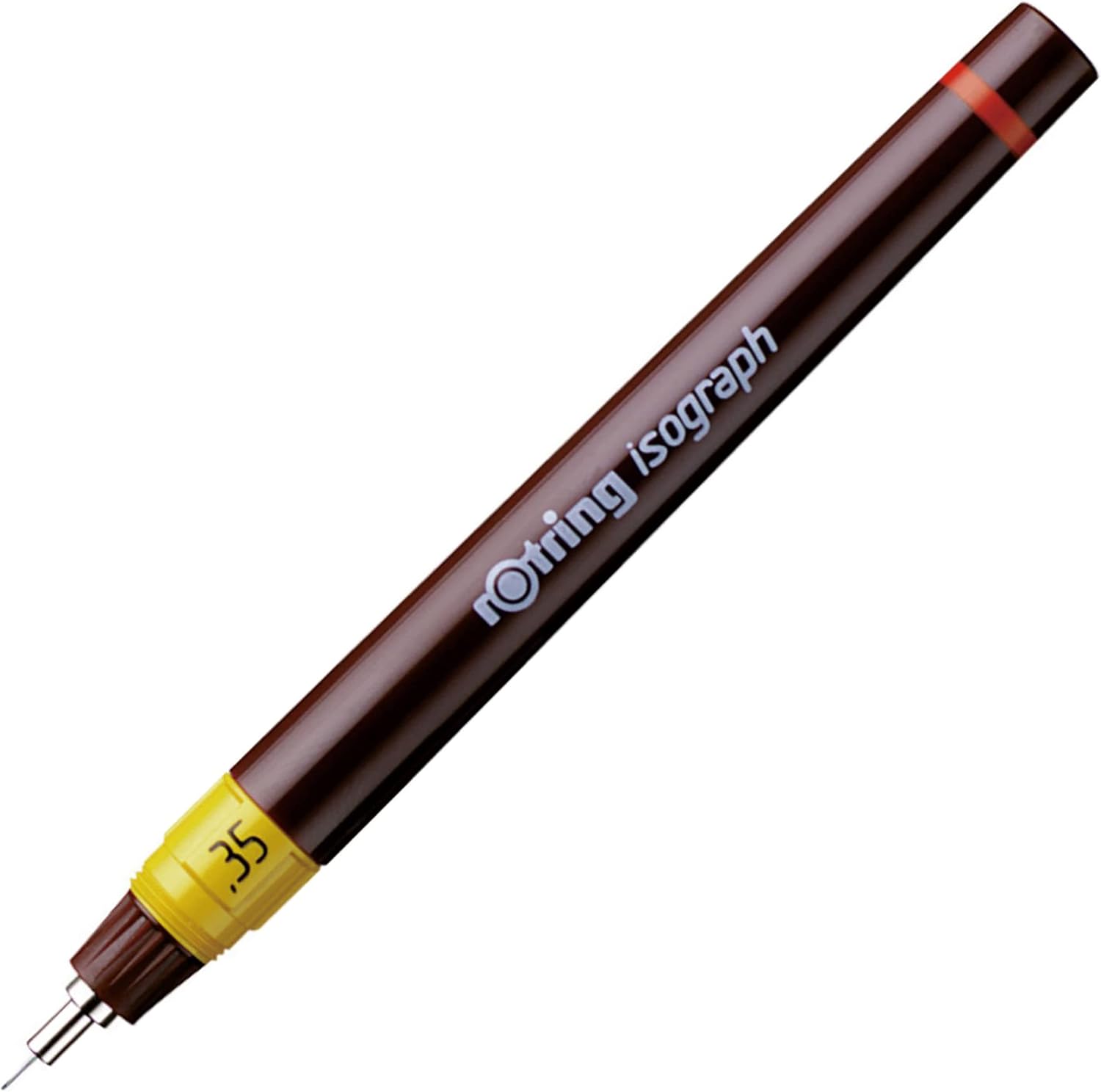
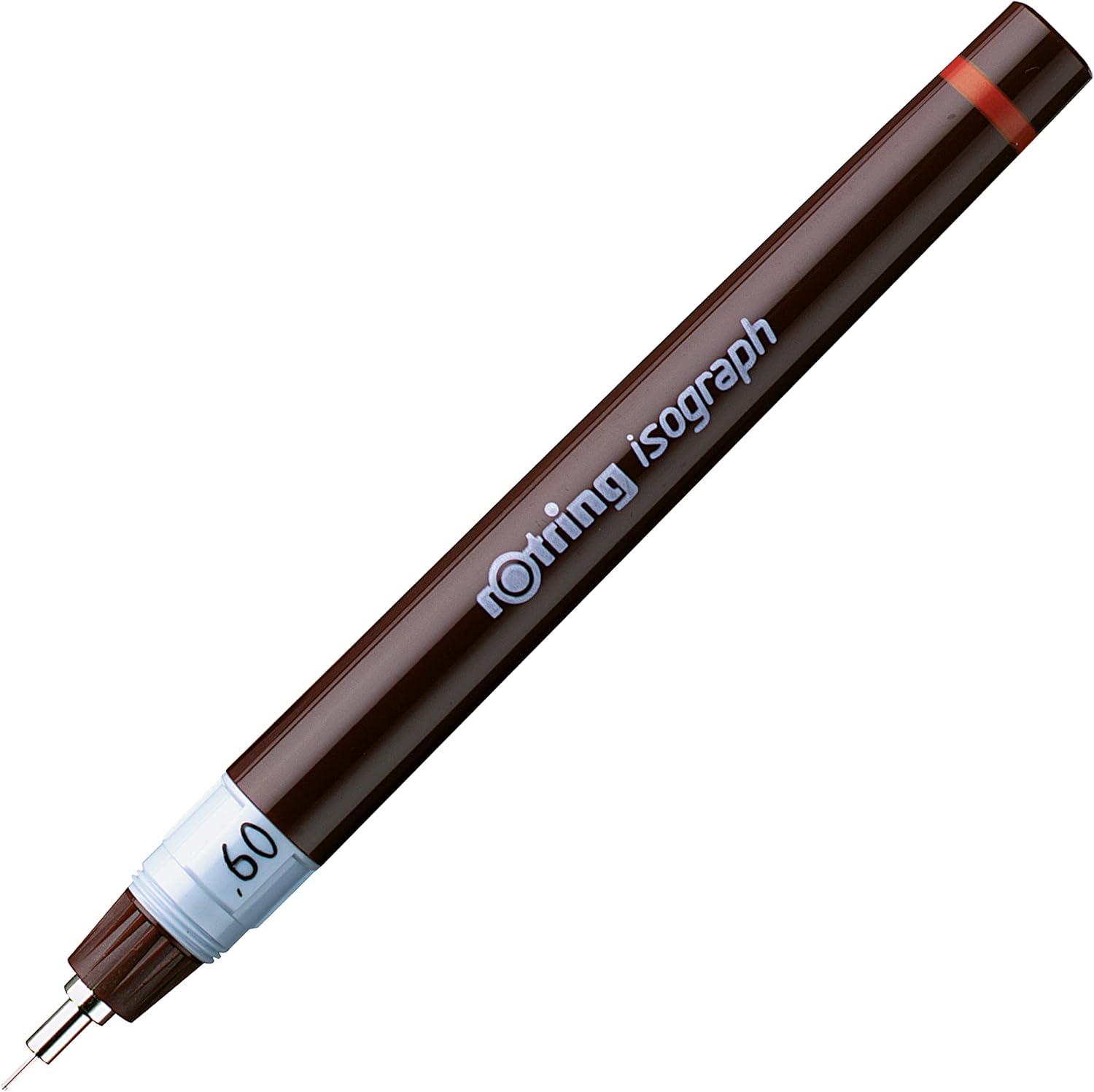
What it is and who it’s for\nThe rOtring Isograph Technical Drawing Pen in a 0.20 mm tip is a purpose-built fineliner designed for fine-line drafting and precise linework. It uses a refillable ink reservoir, which appeals to anyone who values longevity and lower running costs over time. If you’re a student, designer or professional drafting by hand, this pen offers a steady, deliberate line rather than a jittery trace. On the surface, it’s a simple drawing tool, but the real difference comes from how the tip interacts with paper and the consistency of the ink flow.\n\n## Build quality and materials\nOn the outside, the Isograph features a hard chrome-plated tip. That construction isn’t flashy, but it matters for longevity: a hard-wearing tip is less prone to bending or scuffing with routine use on boards and tracing papers. The body is designed to keep ink visible so you know when a refill is needed. The design aims to minimise drips and blobs, a common issue with thinner tips, which helps maintain clean, uniform lines across long sessions.\n\n## What it can and can’t do\nIf your work involves line boards, tracing paper or vellum drawing paper, this pen is engineered for fine, consistent lines rather than broad shading. The 0.20 mm tip is best kept for precise outlines, technical marks and intricate detailing. It isn’t the fastest option for broad technical shading or large area fills. You’ll want to pair it with higher-saturation inks or compatible papers to maximise contrast and legibility in technical drawings.\n\n## How it feels in use\nIn hand, the Isograph provides a controlled feel with deliberate feedback. The refillable reservoir is convenient for longer sessions, and the ink level window helps you plan refills without interrupting your workflow. If you prioritise steady ink delivery and predictable performance, this model tends to deliver—though you may need to slow your pace slightly to maintain razor-sharp lines on some surfaces.\n\n## Pros and potential caveats\nWhat stands out is the combination of a fine, clearly visible tip and refillable design that reduces waste over time. For daily use, you gain reliability and less downtime spent chasing replacement parts. However, there are caveats: the very thin line requires a steady hand and consistent pressure, which might be challenging for beginners or when drafting rapidly. The ink option, while refillable, depends on your access to compatible inks and refills, which means you’ll want to verify availability in your locale before committing.\n\n## Ideal user profile\nThis pen suits those who value precision and durability in technical drawing and need a reliable tool for fine lines. It’s particularly well-suited to architecture students, product designers, and engineers who sketch by hand and then refine notes or details with crisp, uniform strokes. It’s less ideal for fast, large-area shading or casual everyday writing.\n\n## When it makes sense to buy\nChoose this Isograph when you need a dedicated fine-line ruler for technical drafts, line weights that stay consistent across sessions, and a pen that won’t require frequent tip changes. If you already rely on 0.2 mm lines for plans and documentation, this tool can be a strong value-add through its refillable design and predictable output.\n\n## What to check before buying\nConsider whether you’ll primarily work on line boards or tracing papers, as the tip’s performance can vary with surface texture. Ensure you’re comfortable with a 0.20 mm line width, which rewards control but demands steady technique. Confirm availability of compatible refills and compatibility with your preferred ink system, since refill strategies differ across Isograph variants.\n\n## Comparison in practice\nCompared with broader-fine liners, the Isograph’s emphasis on a hard chrome tip and visible ink level tends to offer more predictable performance over time. It sits in a space where you want durable hardware and consistent lines without paying a premium for engineering-grade features you may not need in simple drafting tasks. If your priority is quick, everyday note-taking rather than meticulous linework, a broader or less technical pen could be more appropriate.\n\n## Practical use example\nImagine you’re drafting a detailed floor plan on tracing paper: you run a clean, deliberate stroke with the 0.2 mm tip, keeping pressure steady to avoid wobble. The ink flow remains consistent, and you can see when the ink nears the end, which helps you plan a refill so you don’t lose momentum mid-drawing.\n\n## FAQ (quick answers)\n- Q: Is the tip replaceable? A: The model uses a refillable ink reservoir, tip replacement depends on the specific Isograph variant you choose.\n- Q: Will it blot on vellum? A: The tip is designed to minimise blobbing, but very smooth drafting papers still require careful handling to keep lines crisp.\n- Q: Can I use any ink cartridge? A: Use the refill system specified by the brand to ensure consistent delivery.\n\n## Is it worth it?\nWorth considering if you regularly do fine-line technical drawing and value durability and refillability in a single tool. It may not be the best fit if you need quick shading or you’re just starting and prefer more forgiving paper-tolerance. If you prioritise line precision and long-term use over occasional use or casual note-taking, this pen is a sensible choice.