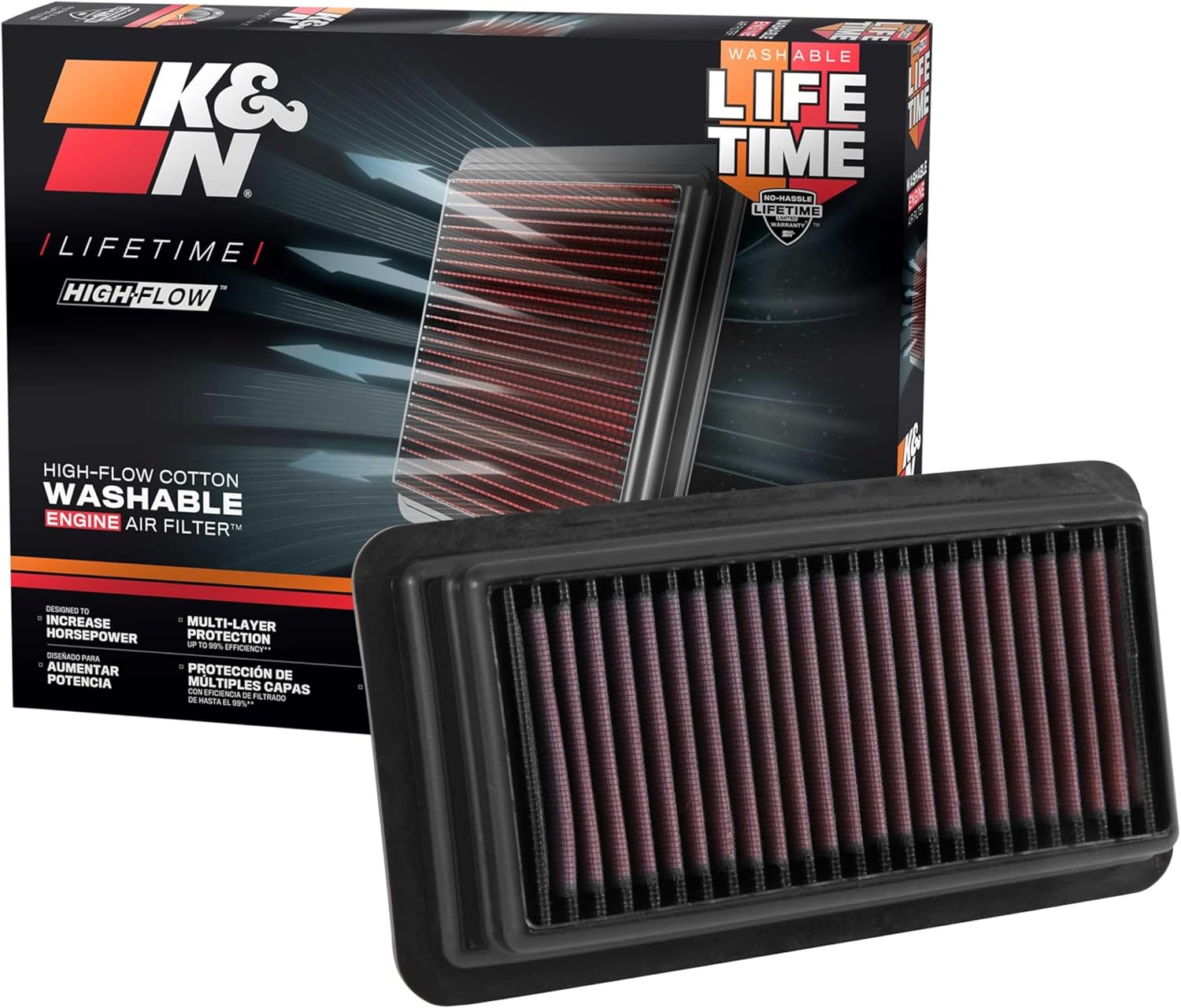
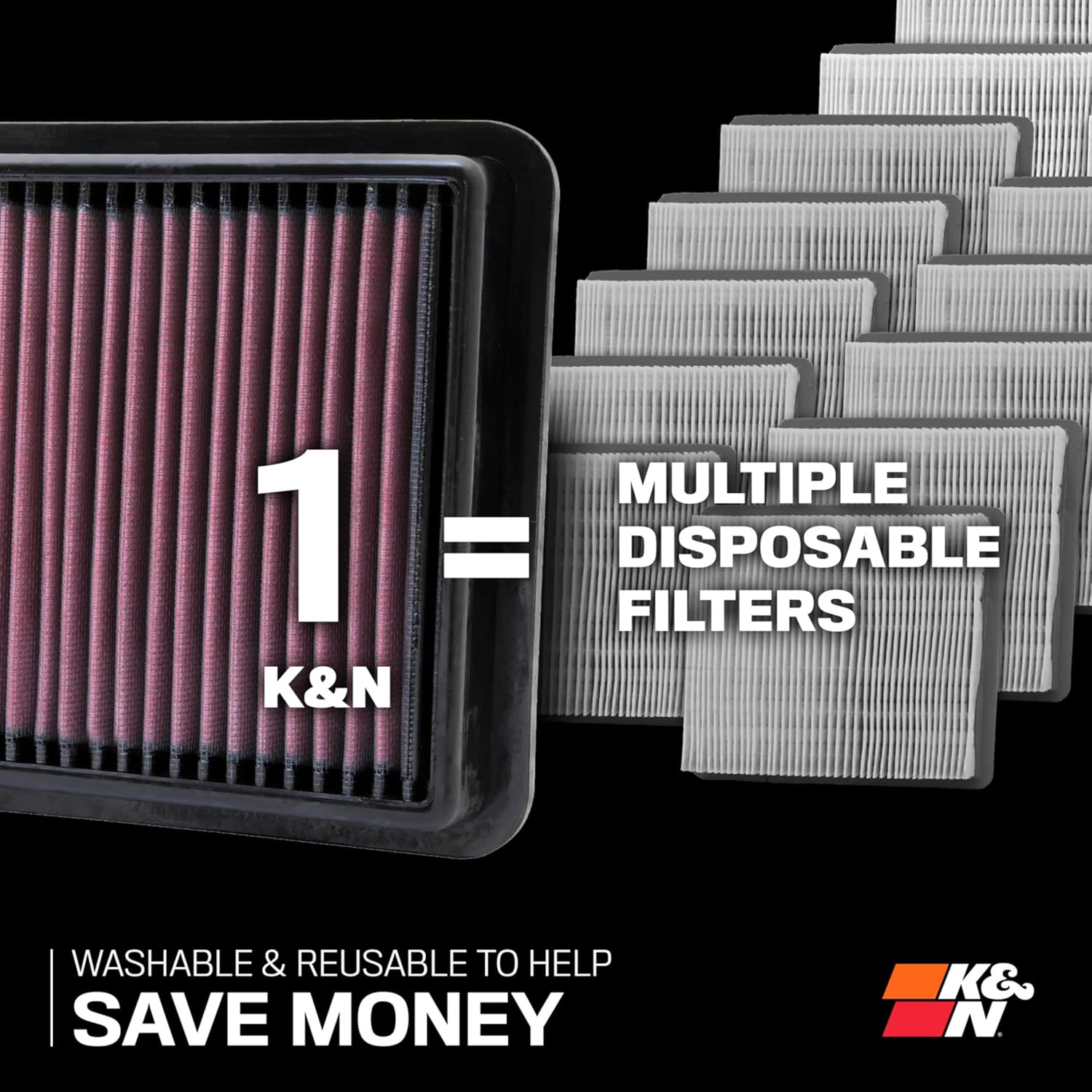
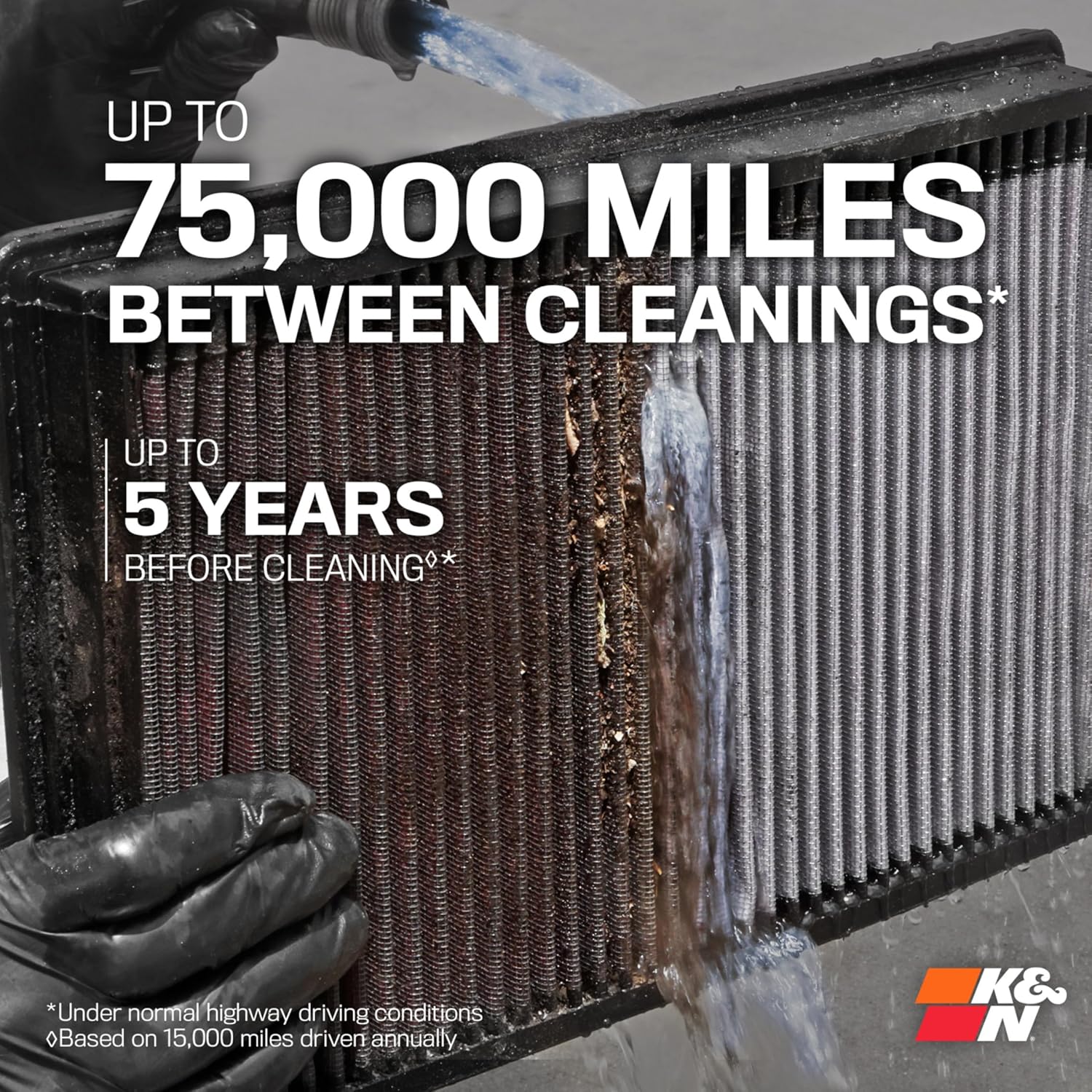
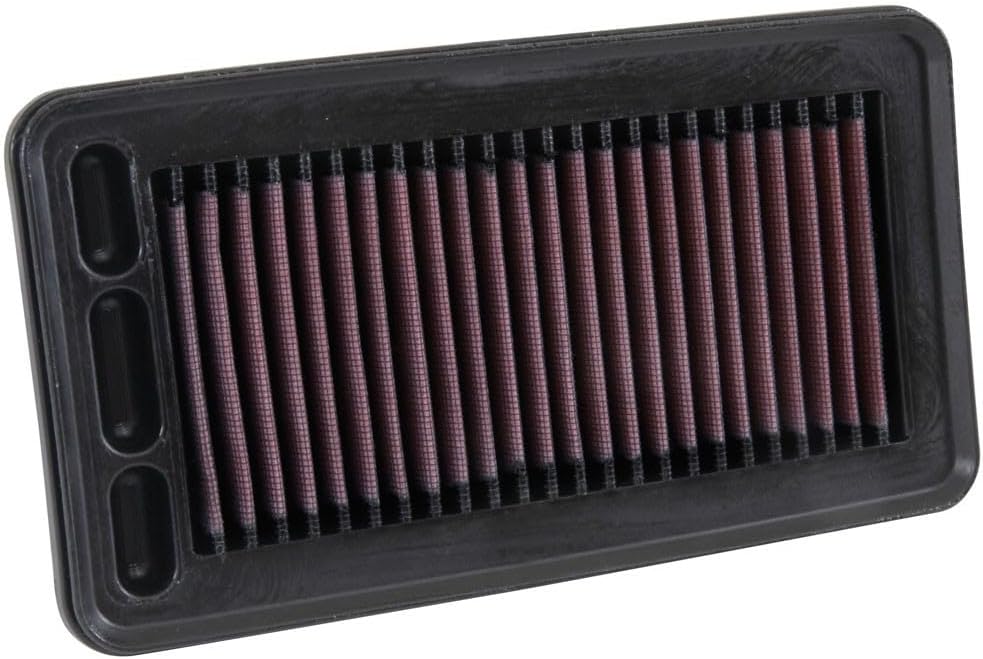
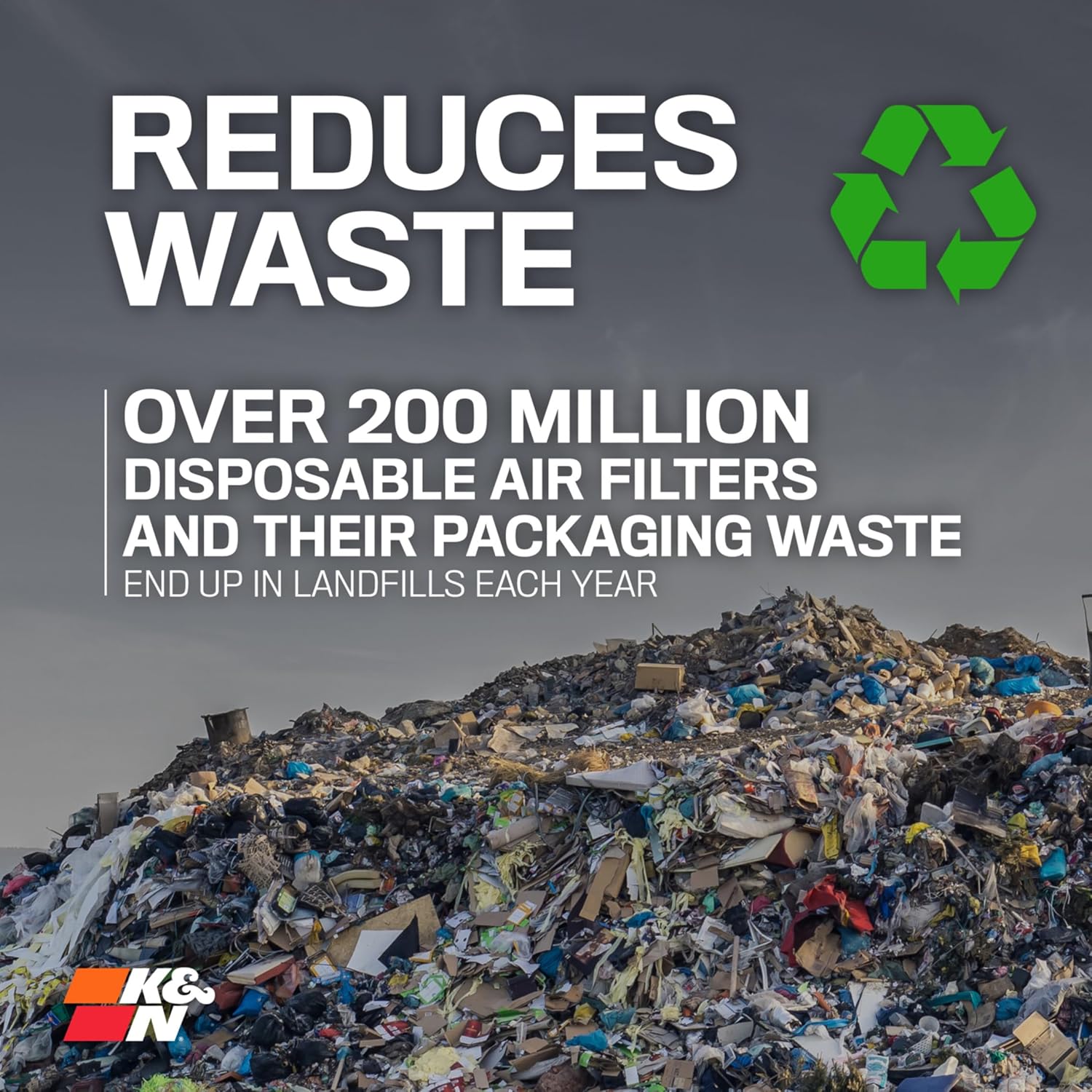
What it is and what it’s for\n\nThe K&N Replacement Air Filter is designed to sit in the factory air box of specific Honda models—Civic 1.5 from 2016 onwards and CR-V 1.5 from 2017 onwards. On the page you’ll find that it’s marketed as a washable, reusable filter meant to “increase horsepower” and to deliver high airflow while maintaining effective filtration. This is useful for drivers who want a long-term, low-maintenance solution rather than disposable filters. On the paper at least, it aims to be a direct replacement that fits the stock air box without extra fabrication.\n\n## How it performs in practice\n\nIf you prioritise durability and lower ongoing costs, a washable filter can be appealing because you can reuse it rather than buying fresh units. The claim of increased horsepower is common in marketing for performance filters, but the real-world effect can vary with driving style, air conditions, and how often the filter is serviced. It’s worth bearing in mind that the product’s value sits partly in longevity and the potential for fewer replacements over the vehicle’s life.\n\n## Pros and cons at a glance\n\nPros: reusable and washable, designed to last the life of the vehicle, aims to provide high airflow, fits the factory air box without modifications.\nCons: the claimed horsepower increase is not guaranteed in every situation, performance depends on maintenance and installation, and results can vary by driving conditions.\n\n## Who it’s for\n\nThis is likely to appeal to owners who want a durable, reusable filter and are comfortable with the idea of regular cleaning and oiling (as per their model’s requirements). It suits budget-conscious buyers who prefer a one-time purchase that reduces ongoing filter costs, provided they’re prepared to maintain it.\n\n## When it makes sense to buy\n\n- You drive regularly and want a long-term filter that can be cleaned and reused.\n- You value straightforward compatibility with the factory air box and don’t want to modify the intake system.\n- You’re aiming for a balance between cost over time and performance goals, rather than chasing aggressive printed horsepower claims.\n\n## When it may not be the best choice\n\n- If you expect a dramatic, immediate horsepower boost in day-to-day driving, the effect may be modest and highly dependent on other factors.\n- If you prefer a zero-maintenance, disposable option, this reusable approach adds a maintenance step.\n\n## What to check before buying\n\n- Confirm the exact vehicle model year range and compatibility with Civic 1.5 2016- and CR-V 1.5 2017-.\n- Review any cleaning and re-oiling instructions from K&N to ensure you’re comfortable with the maintenance routine.\n- Consider your typical driving environment: dusty or heavy stop-start conditions may demand more frequent checks.\n\n## How it compares to other approaches\n\nCompared with standard one-time-use filters, this option prioritises long-term savings and reusability. If you’d rather minimise maintenance, a disposable OEM-style filter might be simpler, but you’d miss the potential cost savings of cleaning and reusing. In terms of performance, the ultimate gain depends on the rest of the intake and engine management, so results can vary.\n\n## Practical use example\n\nImagine a daily commuter in urban conditions who cleans and re-oils the filter every 12,000–15,000 miles as part of routine car care. Over time, the savings on replacement filters add up, while the vehicle’s air intake remains clear. It’s not a magic wand, but for those who already perform regular maintenance, it can slot in as a sensible, long‑term upgrade.\n\n## Is it worth it?\n\nIt makes sense if you value durability and lower long‑term replacement costs, and you’re prepared for periodic cleaning and maintenance. It may not be the best fit if you want a hassle‑free, plug‑and‑play experience with zero upkeep, or if you expect large, immediate power gains in every driving scenario.\n\n## Frequently asked questions\n- How often should I clean the filter? Aim to follow K&N guidelines and your driving conditions, dusty environments typically require more frequent checks.\n- Do I need special tools to install it? The goal is a straightforward fit into the factory air box, but refer to the product instructions for any vehicle‑specific notes.\n- Will this affect warranty? If used as intended and installed correctly, it should align with standard maintenance practices, check your vehicle warranty terms for specifics.\n