

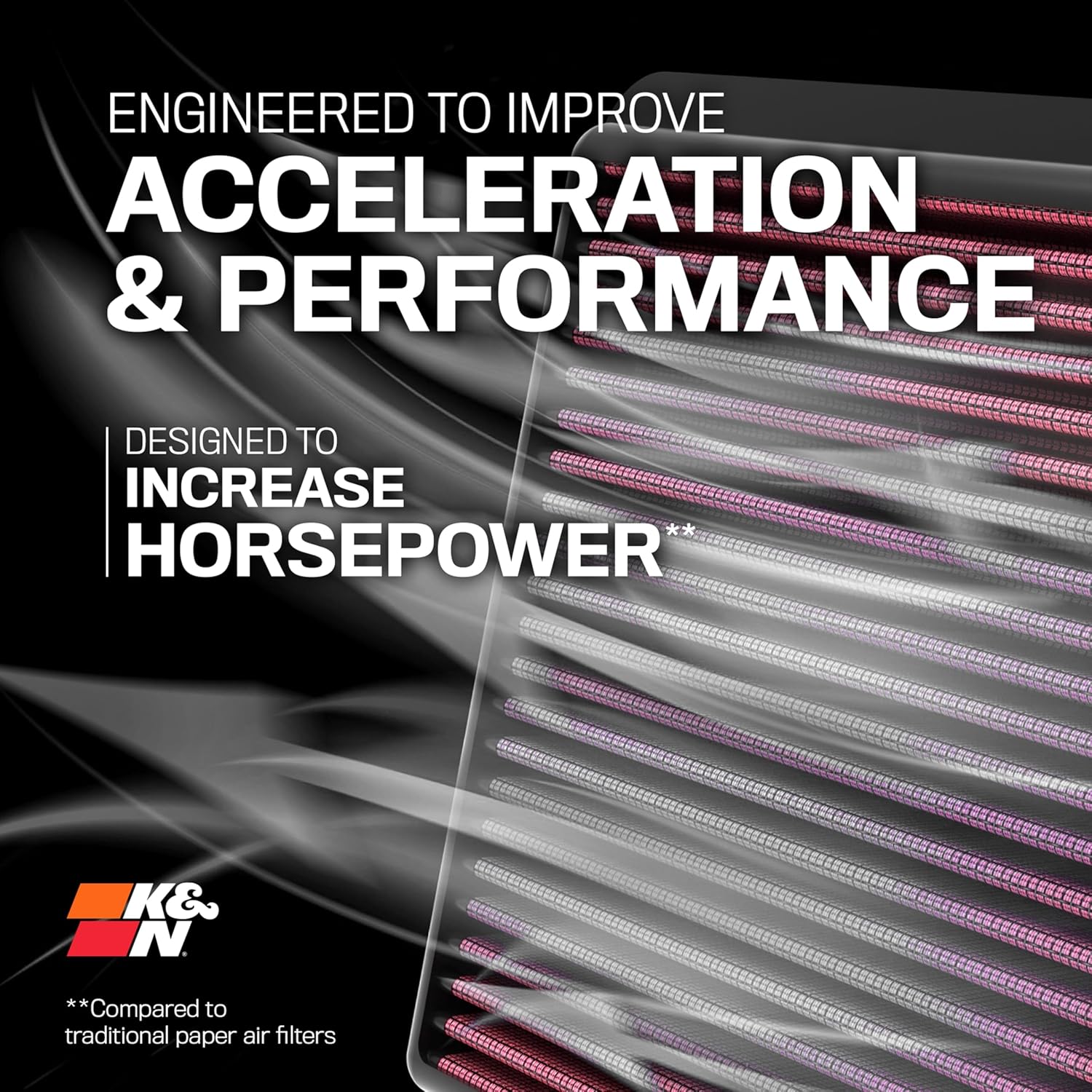
K&N 33-3005 Engine Air Filter — Reusable, Washable, for 1.6/1.8/2.0L VW Group Cars (2012–2019)
Product description
What it is
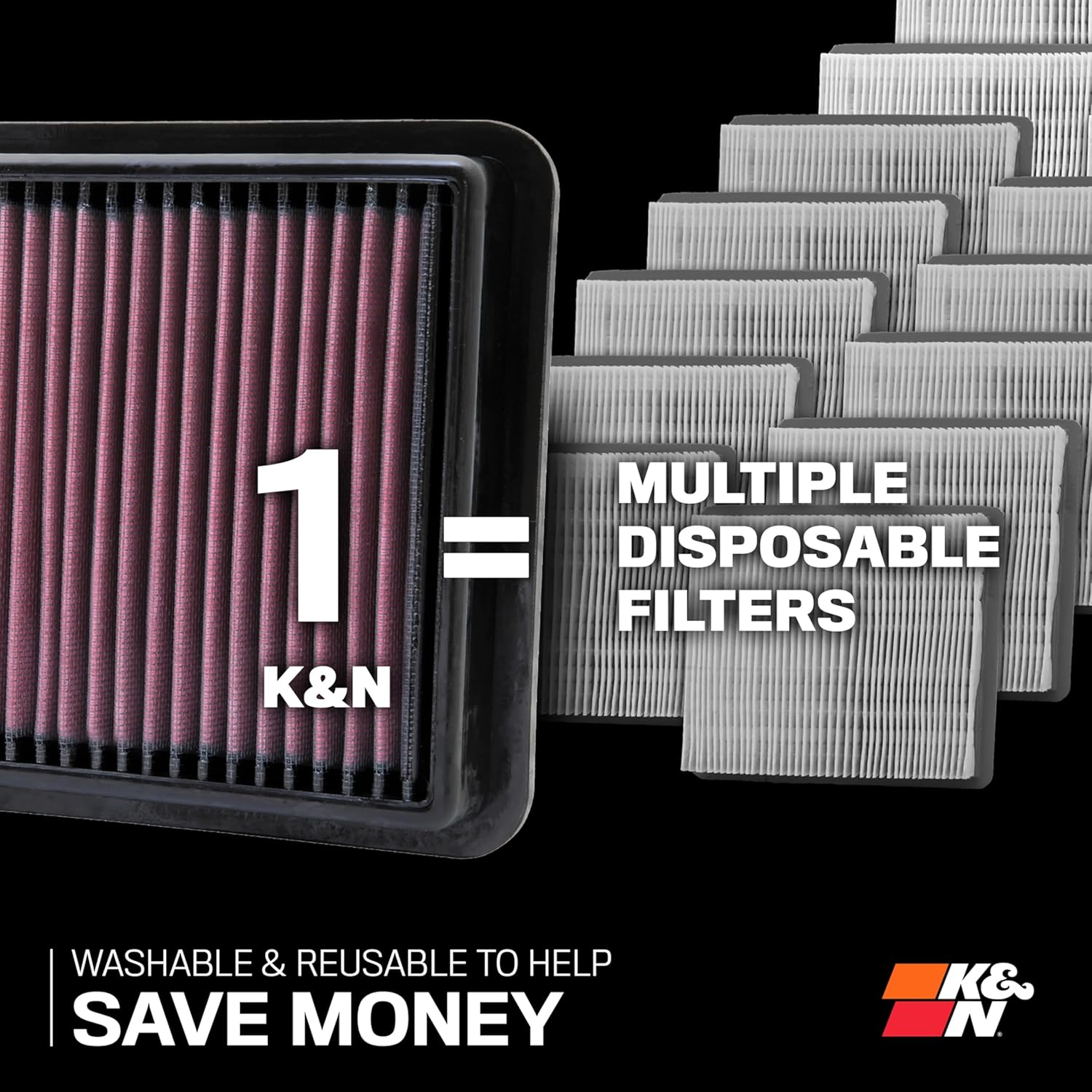
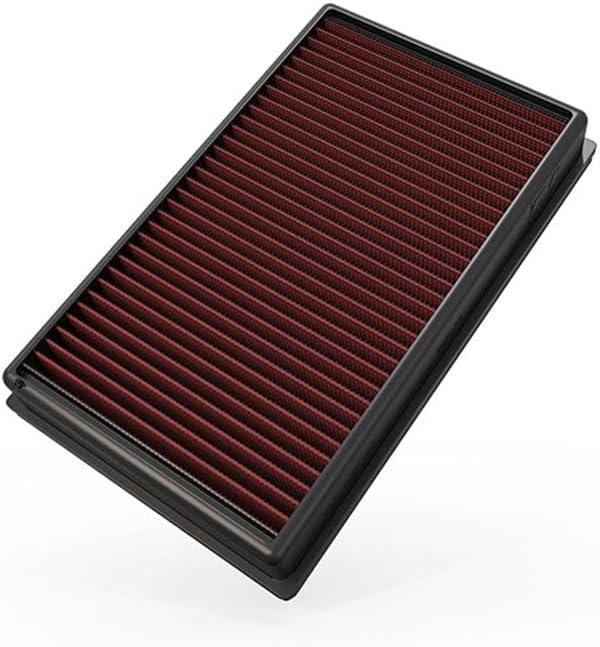
The K&N 33-3005 is a washable, reusable engine air filter designed for certain VW Group vehicles. It’s marketed as a premium replacement option that can be cleaned and re-used rather than disposed of after a single lifespan. On the face of it, this aligns with a practical approach to ongoing maintenance, potentially reducing waste and ongoing costs if you factor in the long run.
What problem it aims to solve
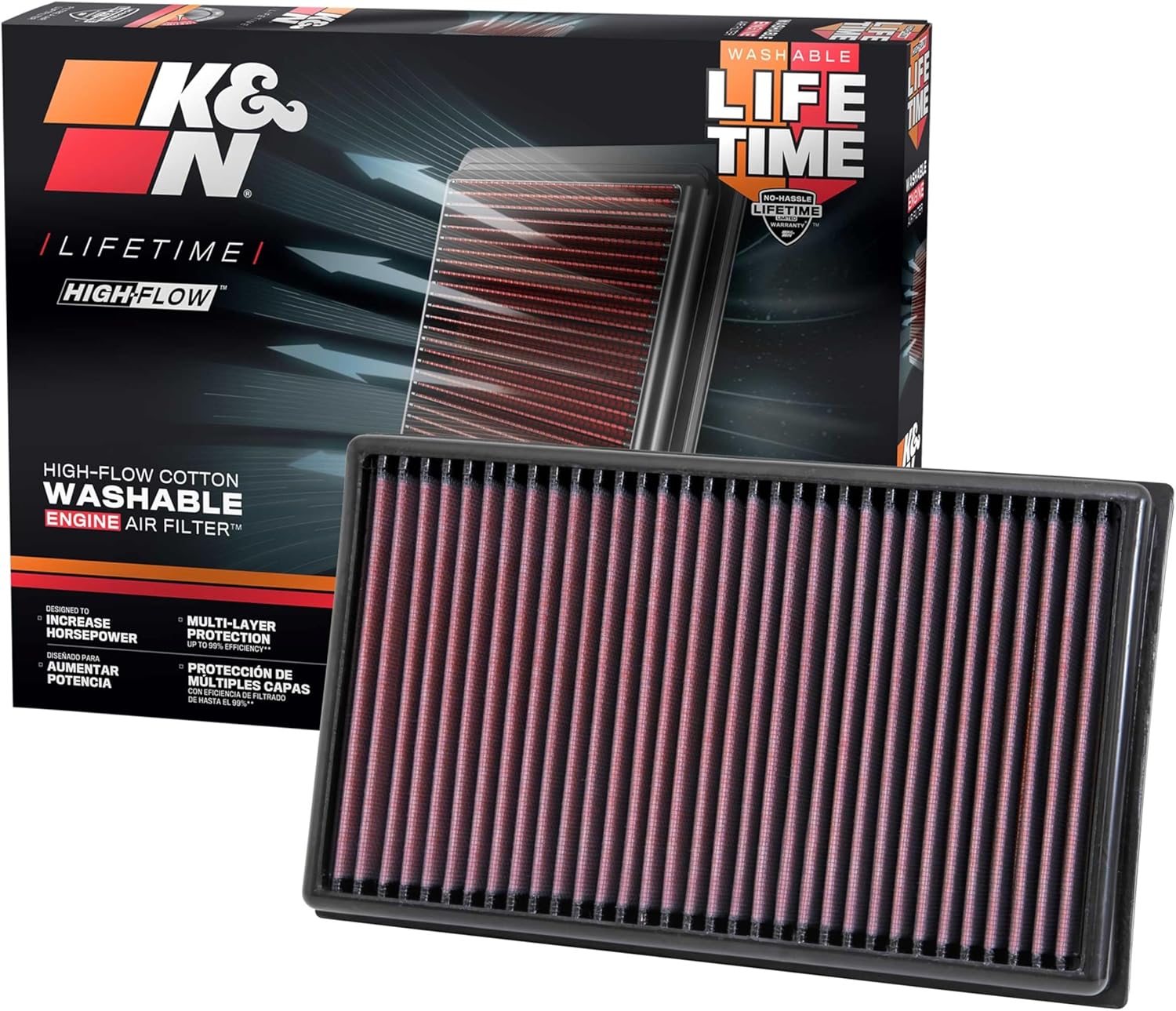
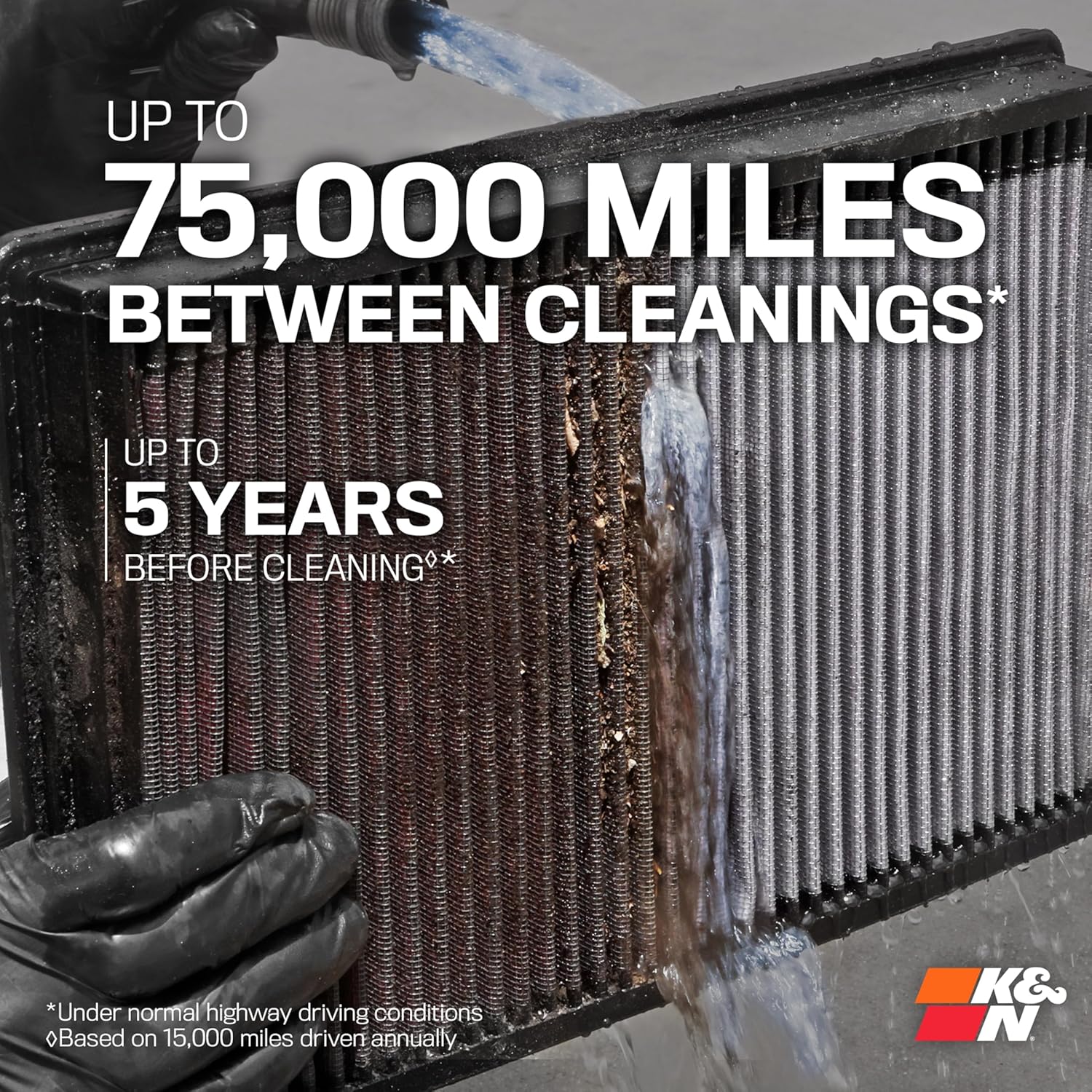
Traditional disposable air filters are inexpensive upfront but need regular replacement. The K&N filter offers the opposite model: a reusable solution that you clean and re-oil as needed, roughly every 75,000 miles according to the stated guidance. For drivers who log longer intervals between filter changes or who prefer fewer packaging waste points, this could be appealing. It’s important to note that the actual benefit depends on your driving conditions, maintenance habits, and your comfort with DIY cleaning.
How it’s designed to function in use
On paper, this filter uses a specialised cotton-gauze media encased in a protective frame to trap particulates while allowing airflow. Routine maintenance involves removal, cleaning with the correct solutions, and reapplication of a light oil before reinstalling. The benefit, theoretically, is a long-term reduction in consumable parts and fewer trips to the parts counter. In practice, success hinges on following K&N’s cleaning and re-oiling process to avoid over-oiling or under-oiling, which can affect airflow and filtration.
The best bits
- Reusable design potentially lowers long-term running costs if maintenance is done correctly.
- Compatible with a broad VW Group engine family (1.6/1.8/2.0 L across 2012–2019 models) upon correct fitting.
- Straightforward installation for those used to DIY air filter maintenance.
- Removes the need for frequent disposal of single-use filters, which can be clearer for household budgets and waste considerations.
Where it might fall short
- Effectiveness depends heavily on following the cleaning regimen precisely, mistakes can impact performance.
- Not every owner wants to commit to periodic maintenance sessions or to dealing with cleaning solutions and oiling.
- Real-world gains in power or mileage are not guaranteed and can vary by vehicle and driving conditions.
- The 75,000-mile cleaning interval is a general guideline and may not align with every owner’s climate, dust levels, or daily drive type.
Who it’s for
This filter suits drivers who prefer a long-term, reusable option and are comfortable with regular maintenance. It may appeal to those who do lower mileage with longer intervals between services, or who want to minimise ongoing purchase costs for consumables over several years. It’s particularly relevant if your vehicle falls within the supported engine ranges and you’re aiming to keep maintenance frugal without sacrificing filtration.
Who it isn’t ideal for
If you favour plug-and-play maintenance with no DIY steps, or if you drive in extremely dusty or harsh conditions where maintenance intervals might be shorter, a disposable filter could feel simpler and more predictable. If you’re uncertain about performing cleaning and re-oiling correctly, you might prefer a standard one-time-use filter to avoid potential mistakes.
Before you buy: what to check
- Confirm your vehicle’s exact engine and yearfall matches the supported 1.6/1.8/2.0 L range from 2012–2019 within the VW Group.
- Be prepared to follow the cleaning and re-oiling procedure as outlined by K&N, skipping steps or using the wrong products can impair performance.
- Consider your regular driving environment: city traffic with frequent short trips may affect maintenance timing compared with long highway journeys.
- Ensure you have the necessary tools and cleaners to perform the wash-and-reoil cycle correctly.
How it compares in practice
If you usually buy disposable filters, this option represents a different maintenance ethos: more hands-on time now for a potential reduction in ongoing filter purchases later. For those who drive in cleaner conditions or who prefer low-frequency changes, a high-quality disposable filter might still be more straightforward. It’s worth noting that some owners report tangible benefits when staying adherent to the cleaning schedule, but results will vary and are not guaranteed.
FAQ (practical answers based on available data)
- How often should you clean it? The guidance suggests approx. every 75,000 miles, but this depends on driving conditions.
- Is it compatible with all VW Group cars? It’s designed for specific 2012–2019 models with 1.6/1.8/2.0 L engines, always verify exact fit for your VIN.
- Do you need special tools? Basic removal tools plus the correct cleaning and re-oiling products are typically required.
- Does it improve performance? Any gains are not guaranteed and depend on adherence to maintenance steps and vehicle condition.
Final thought
If you value a reusable approach and are comfortable with the maintenance routine, the K&N 33-3005 can be a rational choice for the right engine fits. It isn’t a universal fix and won’t suit every driver, especially if you prioritise simplicity or have concerns about DIY maintenance.
Is it worth it?
A solid pick if you’re aligned with a long-term, reusable maintenance strategy and your vehicle falls within the supported engine range. It may not be the best fit if you prefer zero maintenance steps or drive in conditions that demand more frequent checks.
Example of use in real life
Picture a coastal town commute: frequent stop-starts, some dusty coastal air, and a driver who has chosen to tackle the maintenance routine themselves. With the filter installed, you’d plan a wash-and-oil cycle around the suggested mileage, keeping an eye on any signs of reduced airflow or unusual engine noise. This practical approach can help you balance daily usability with a longer-term filtration strategy.