

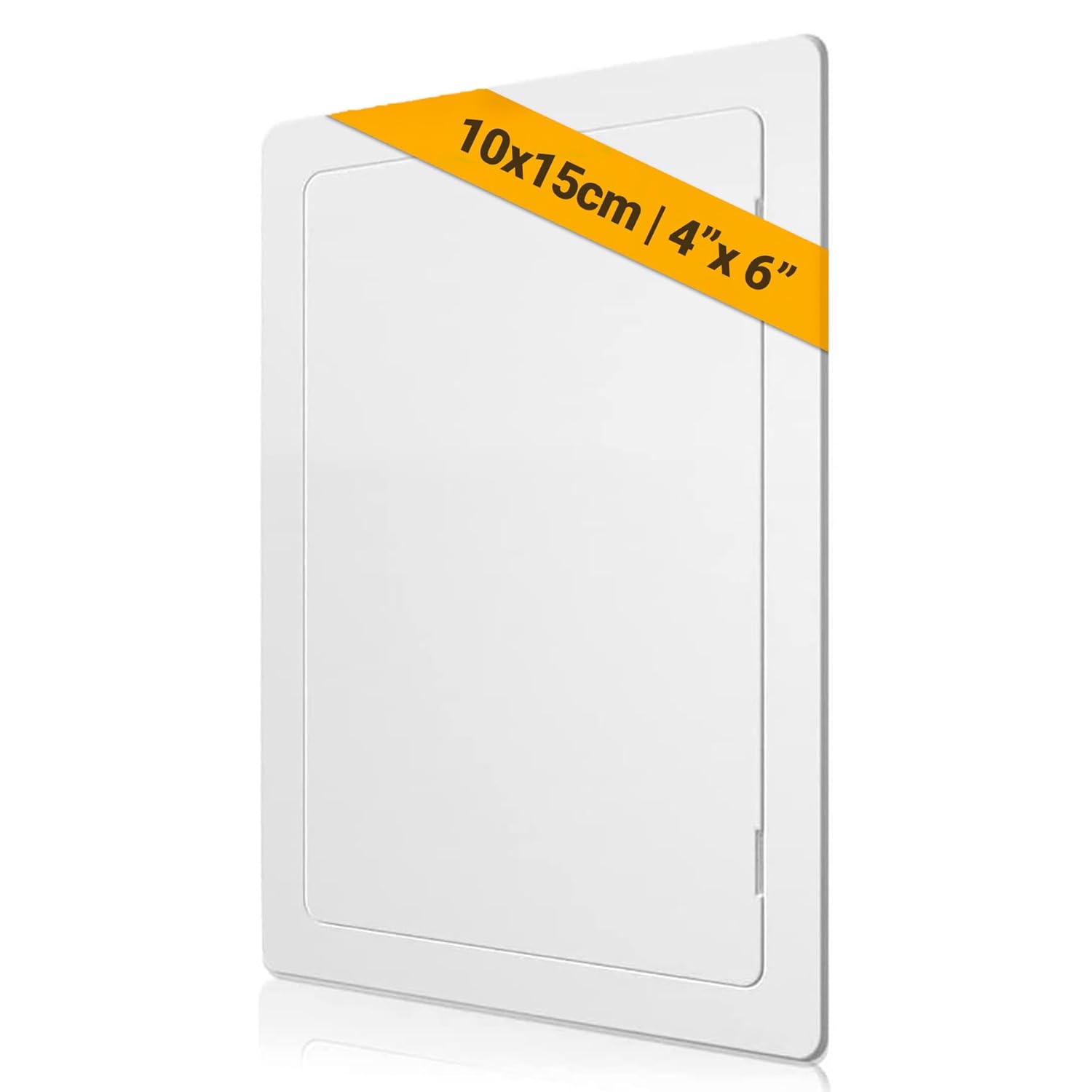
Proxinova Paintable Access Panel 300x300 mm (ABS) – Inspection Hatch for Walls & Ceilings
Product description
The essentials
A Proxinova paintable access panel is one of those home-improvement items you don’t think about until you need it: a neat inspection hatch that helps you hide the mess behind your walls or ceiling and still get back to wiring, meters, pipes or a fuse box cover when the time comes.
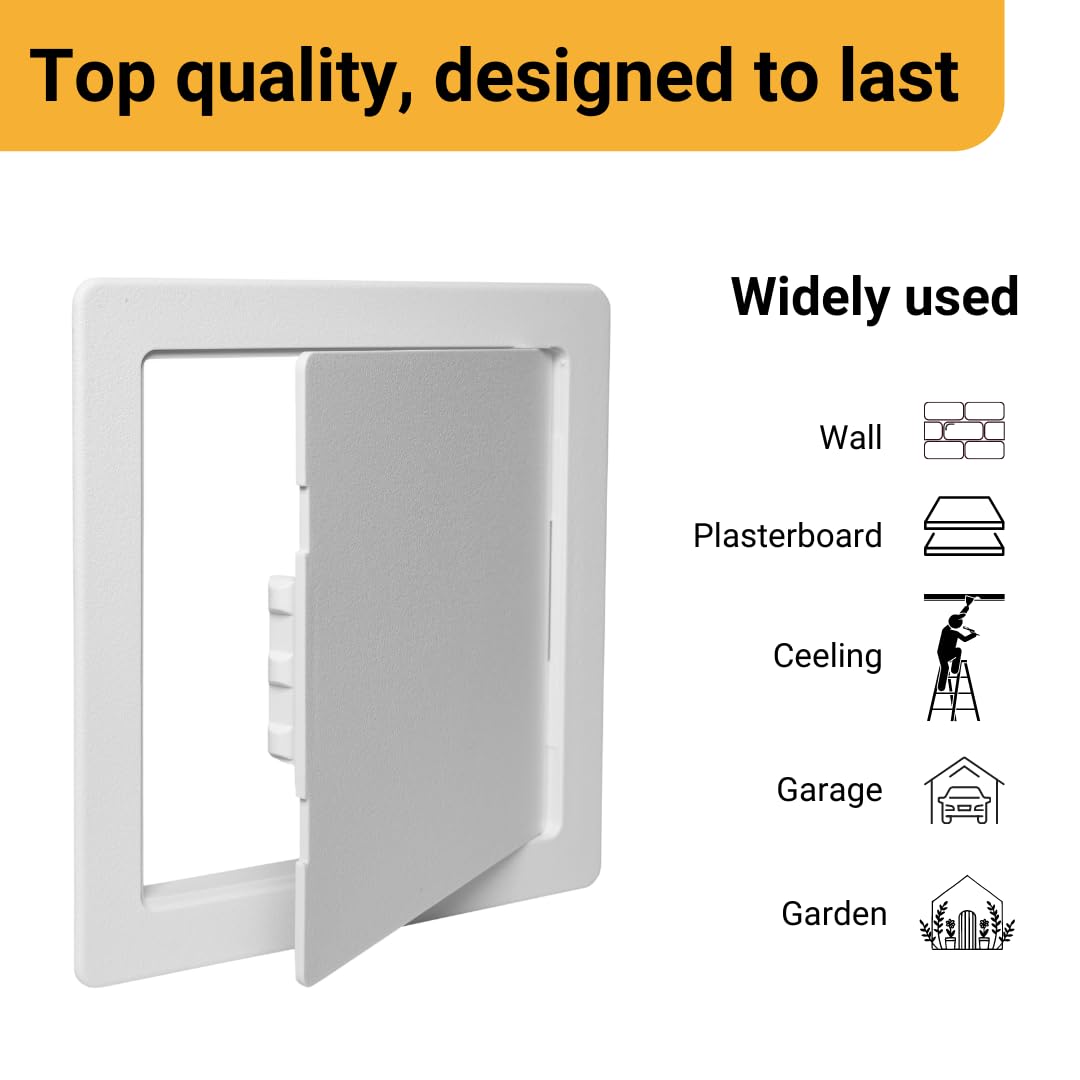
On paper, this 300x300 mm panel focuses on blending in. The idea is that you can finish it so it looks like part of the surrounding surface, rather than a permanent “spare door” sticking out. It’s also described as lightweight and designed to be durable thanks to high-grade, UV-resistant ABS plastic, which is useful if the hatch will sit in an indoor area where it’s exposed to everyday conditions.
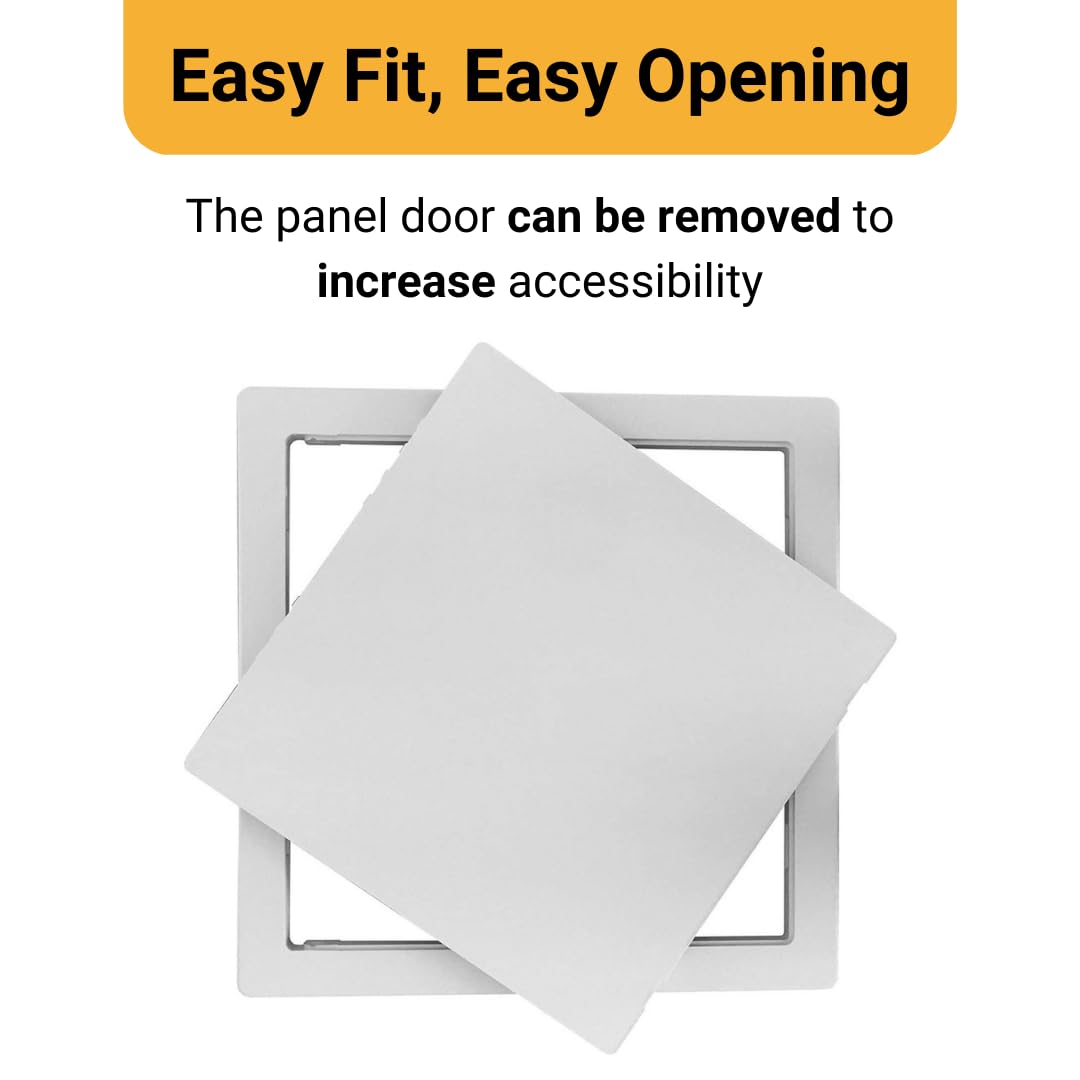
There’s also a practical angle: the panel is made for quick access, with opening/closing by a single easy click. That’s the kind of detail that matters when you’re not trying to wrestle with a fiddly cover.
What it’s for (and what you’ll hide behind it)
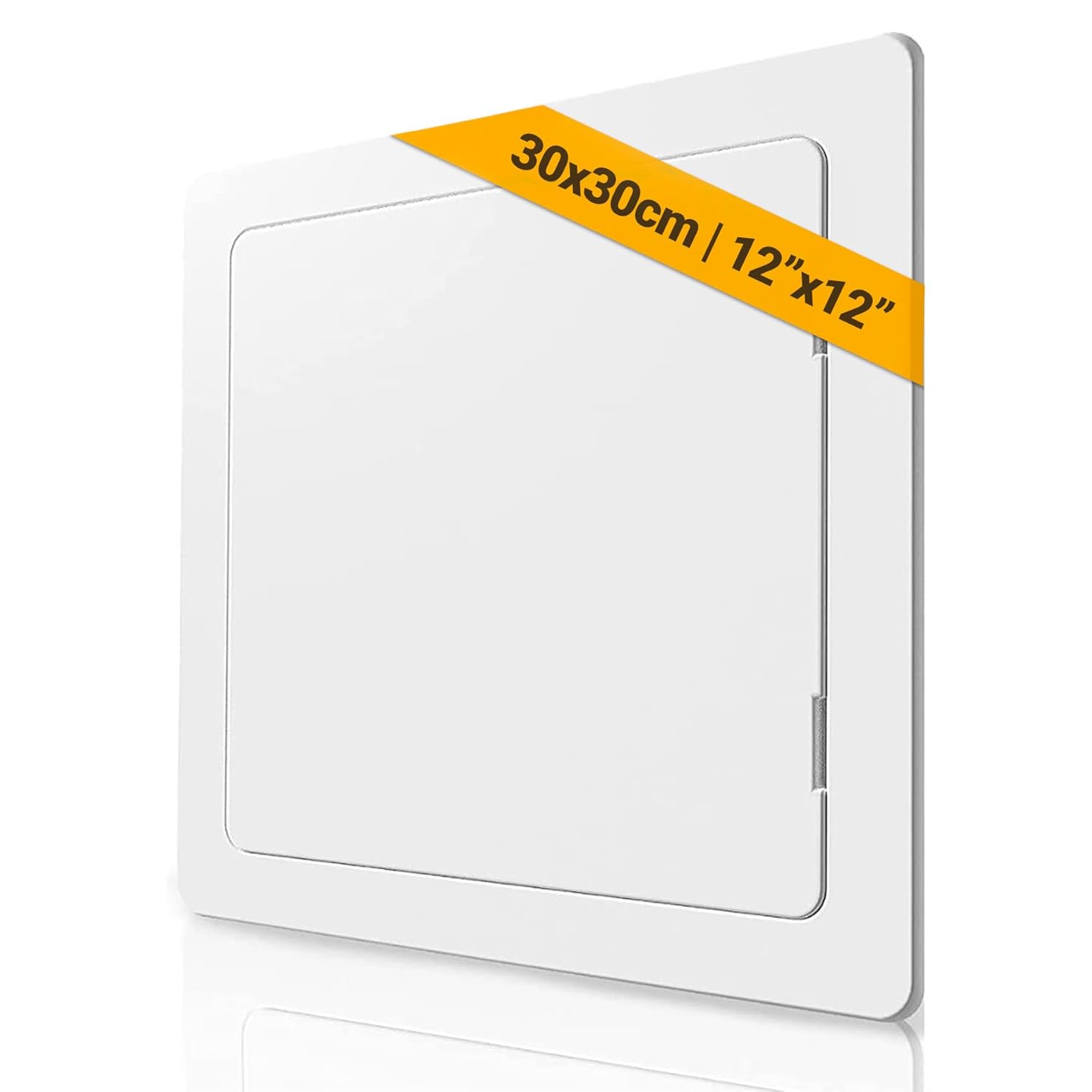
This access hatch is intended to conceal wires, meters and pipes, and it’s described as suitable for both wall and ceiling use. It’s also positioned for typical installation scenarios such as plasterboard (so, think common domestic partitions rather than heavy masonry).
A concrete example: imagine you need to reach a fuse box area or an isolated section of wiring without opening up a larger section of drywall each time. With an access panel placed where it’s practical, you get a controlled opening. You avoid permanent “hacking back” for future checks—handy for troubleshooting, maintenance, or after-the-fact upgrades.
It’s a straightforward concept, but it’s still worth taking seriously: access panels live in the same visual space as your finished room. If blending and clean lines are high on your list, this design approach makes sense.
Key features that affect day-to-day use
The most consumer-relevant bits here are the finish potential, the material choice and the access mechanism.
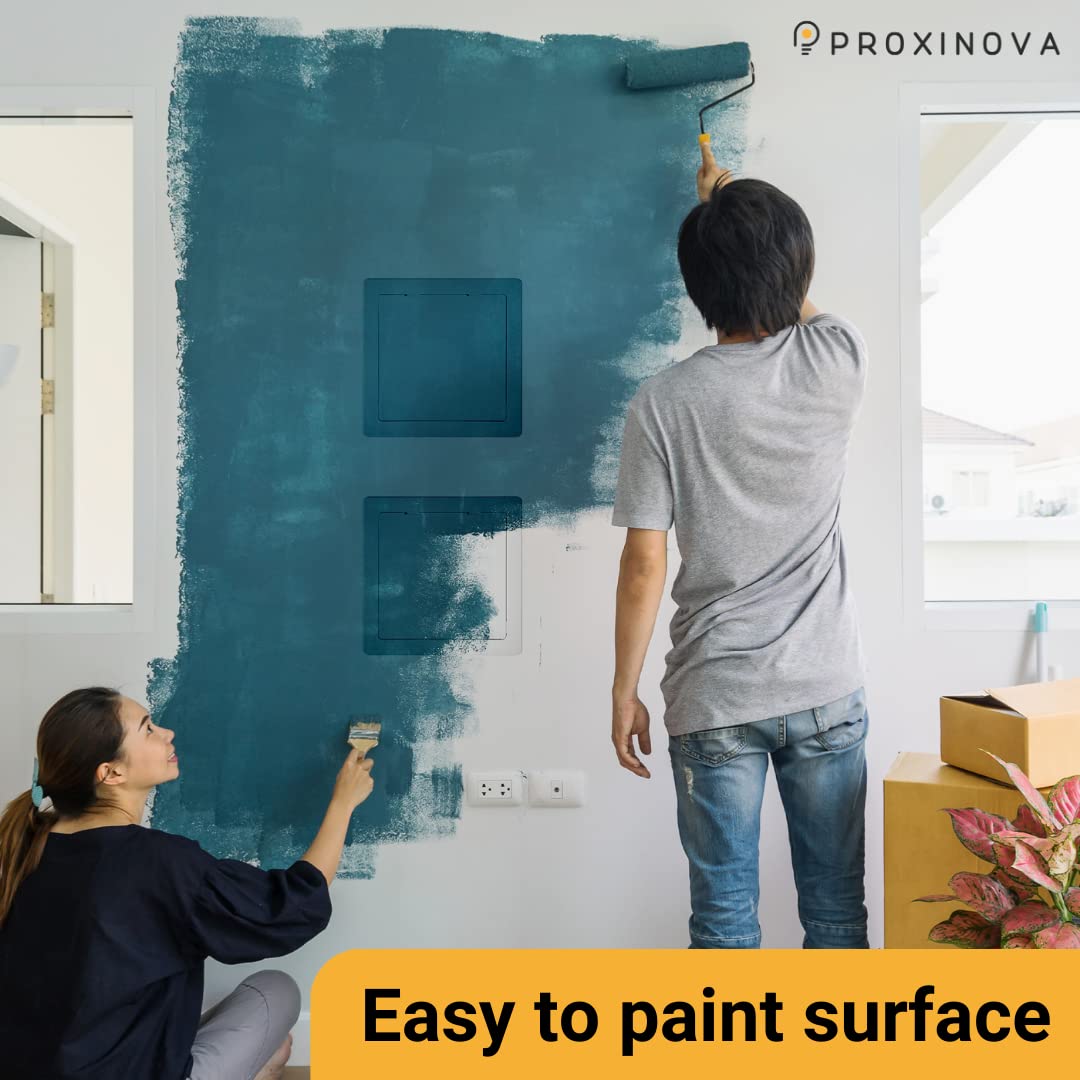
- Paintable ABS panels: the product is explicitly described as paintable, with the aim of helping the hatch blend in with the rest of the room.
- UV-resistant ABS: the panel is said to be made from UV-resistant ABS plastics, which should help with durability for an indoor hatch.
- Quick & easy access: described as opening and closing with a single easy click on the door.
- Flush-to-surfaces fit: it’s marketed as fitting flush to surfaces, which is often what separates an “obvious hatch” from one that looks integrated.
One limitation to keep in mind: because this is an access panel, you’re still planning around an opening in your finished surface. If you’re aiming for a completely seamless finish with no visible outline, you’ll need to be realistic about the way any hatch trim or frame may show up once painted and installed.
Fit and installation considerations
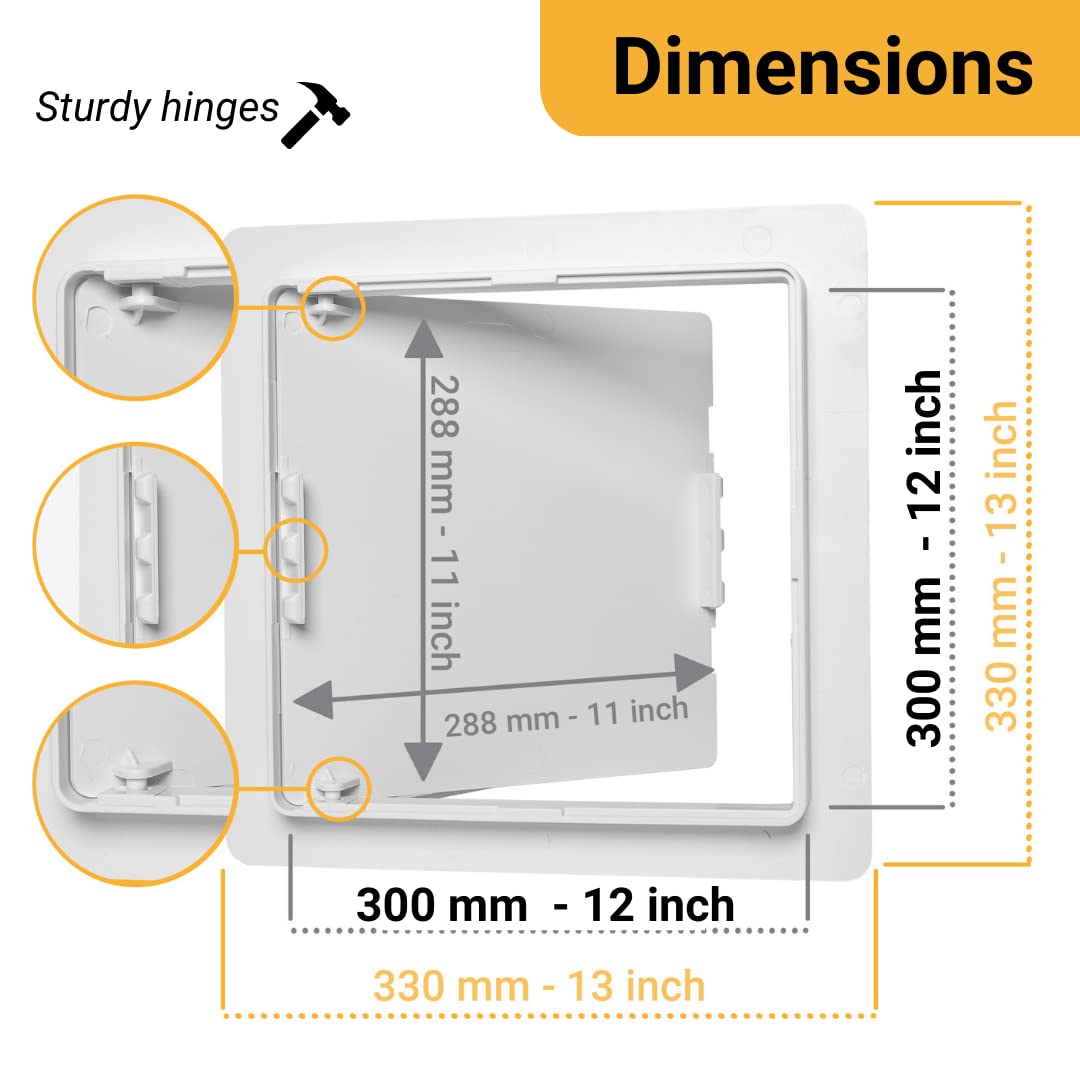
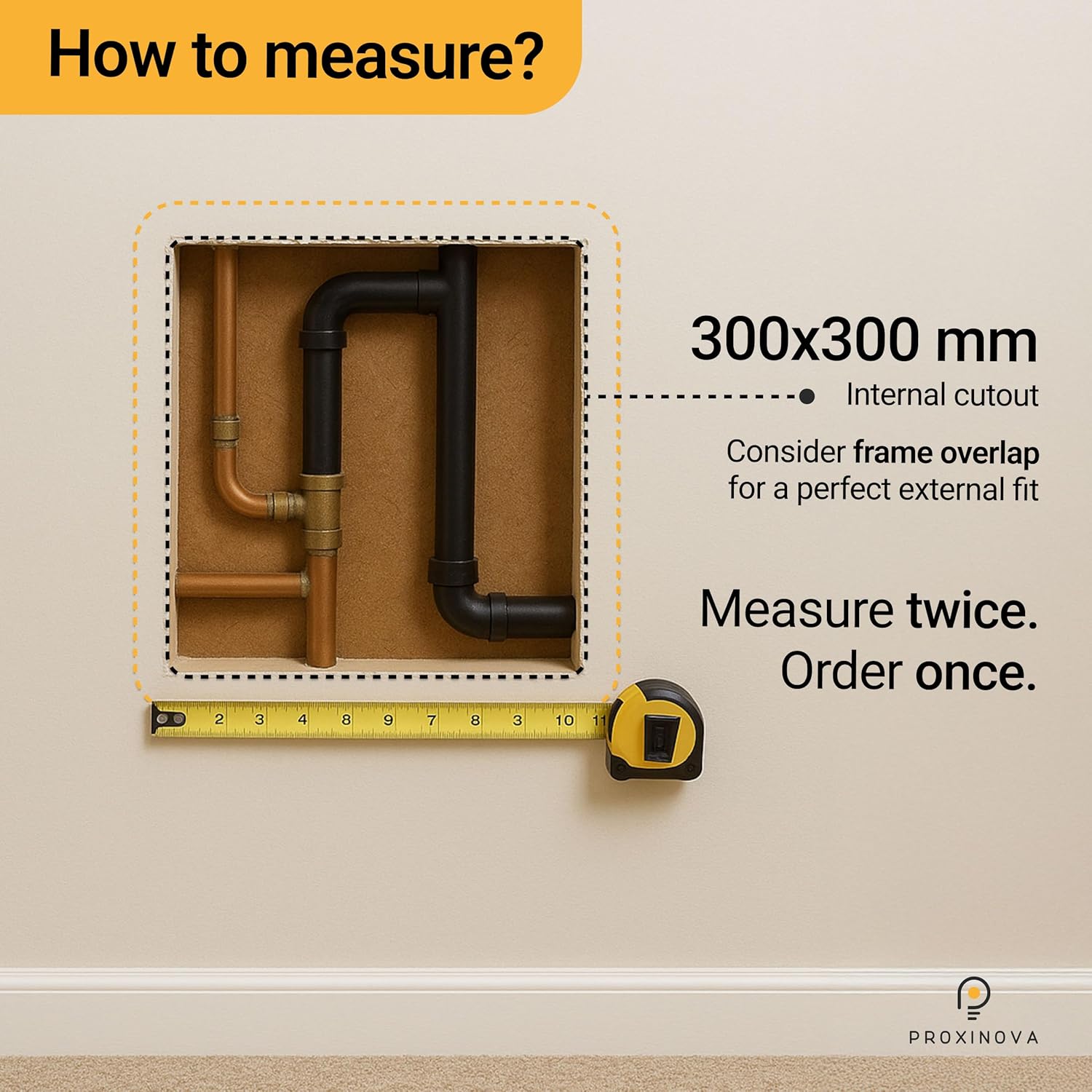
The stated size is 300 x 300 mm (12x12). The instructions also mention wall thickness of at least 10 mm, and that there is “also a 28 mm frame” available for an accurate finish.
What matters here is not just the size—it's the build-up. Access panels need the surrounding construction to suit the hatch and frame options. If your wall or ceiling structure is thinner than the stated minimum, it may simply not be the right fit as described.
There’s also a useful detail for planning: the panel can be installed with a left or right opening depending on preference. That helps if you’re matching the hatch to an awkward corner, cable route, or how you want to access it.
If you prioritise clean finishing, also pay attention to where the hatch sits relative to the surface lines you’re creating (plasterboard joints, studs, ceiling grid). A panel that looks flush will still look “placed” if it lands in a visually busy area.
Who it suits best (and when it may not)
This is a good fit if you want a paintable inspection hatch that can sit on walls or ceilings and look more integrated than a generic, utilitarian cover. It’s especially relevant if you’re dealing with plasterboard setups and you care about tidy presentation.
It might not be the best choice if your installation situation doesn’t match the stated expectations—particularly if you can’t meet the minimum wall thickness of at least 10 mm (or don’t have a suitable frame arrangement). It may also feel like overkill if you only need occasional access once and you’re happy with a rougher solution.
You also want to think about access frequency. This kind of hatch is designed for quick access, so if you’re not planning any maintenance at all, a simpler cover could be adequate—but if you expect future checks, this type of panel is the more sensible long-term approach.
Mini FAQ
How big is the Proxinova access panel?
It’s described as 300 x 300 mm (12x12).
Can it be painted to match my wall or ceiling?
Yes, it’s specifically described as paintable and designed to blend in with the rest of the room.
Can it be used on ceilings as well as walls?
The product description states it’s for both wall and ceiling installation.
Does the hatch open easily?
According to the description, it opens and closes with a single easy click.
What wall thickness is it designed for?
It’s described for wall thicknesses of at least 10 mm, with mention of a 28 mm frame for an accurate finish.
Final verdict
It’s worth considering the Proxinova Paintable Access Panel 300x300 mm if you’re building or updating an indoor wall/ceiling and you want an inspection hatch that’s designed to look flush, blend in after painting, and give you quick access with minimal fuss.
Skip it (or at least double-check before buying) if your wall/ceiling thickness or build-up doesn’t align with the stated minimum of 10 mm and the frame option mentioned for a 28 mm finish. In practice, access panels live or die by installation fit—so making sure the framing and surface build-up match the product’s expectations will make the difference between “tidy” and “why is this not sitting right?”