

PAWHITS 3mm neoprene wetsuit socks – thermal anti-slip diving socks
Product description
What to know before you buy
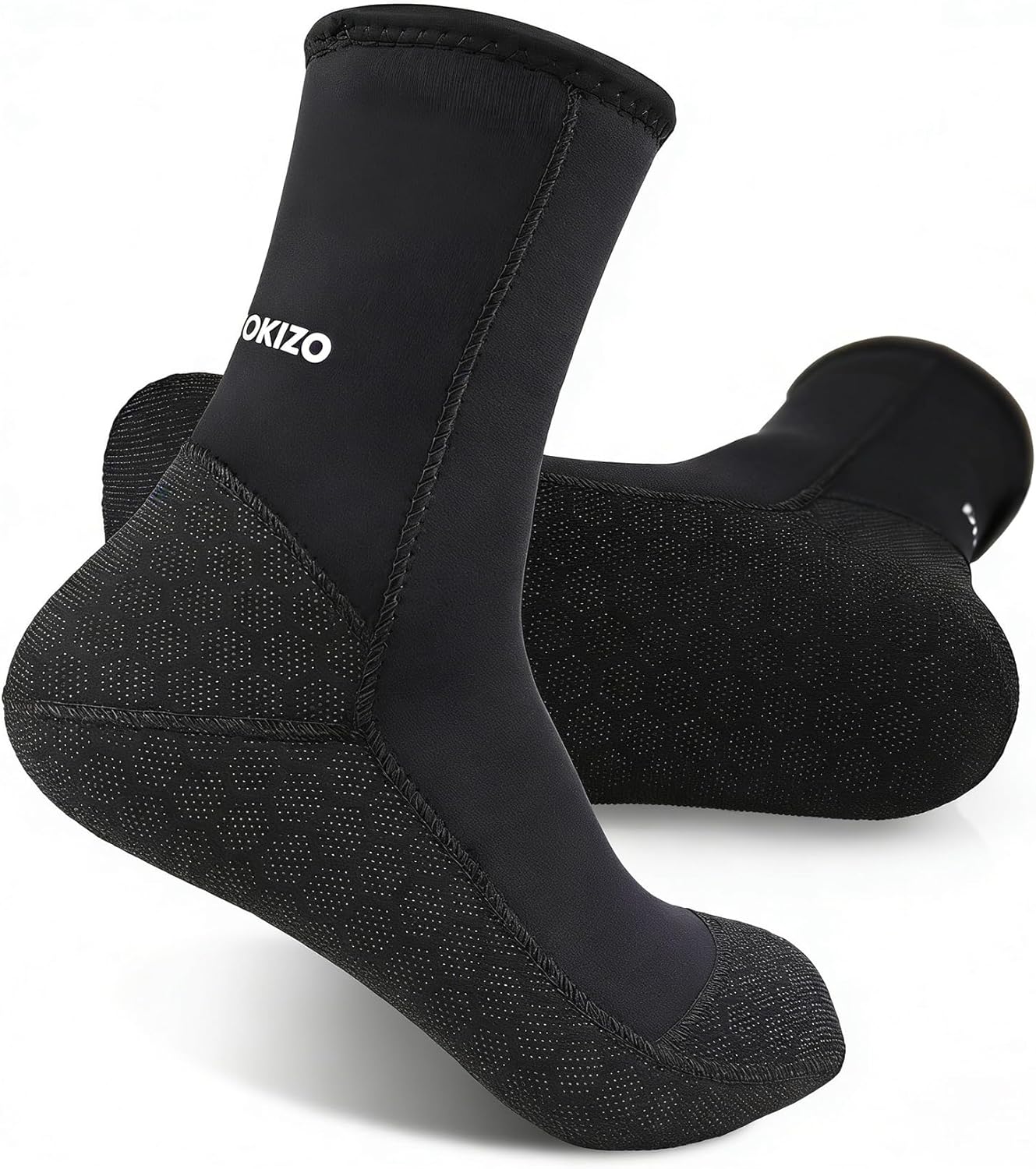
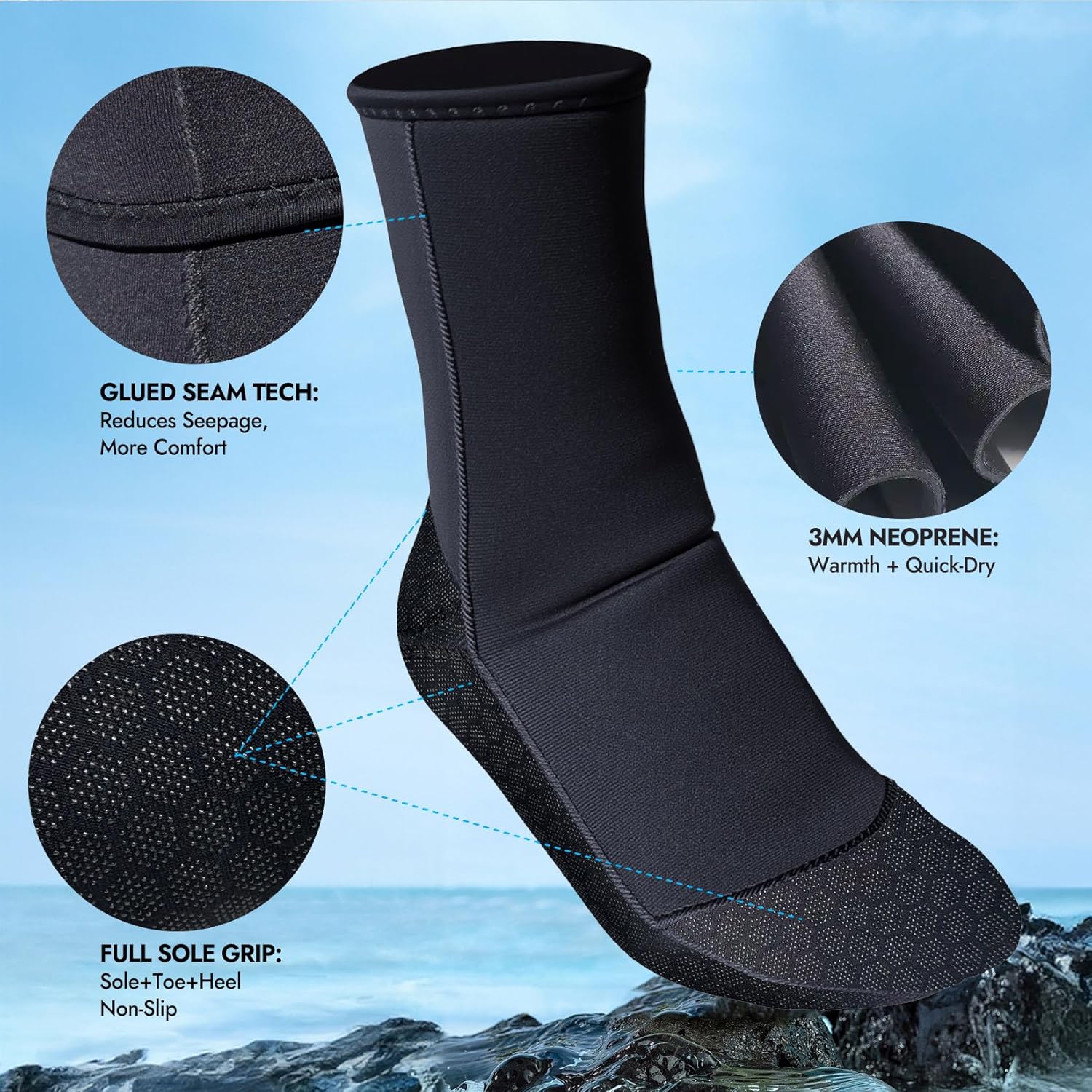
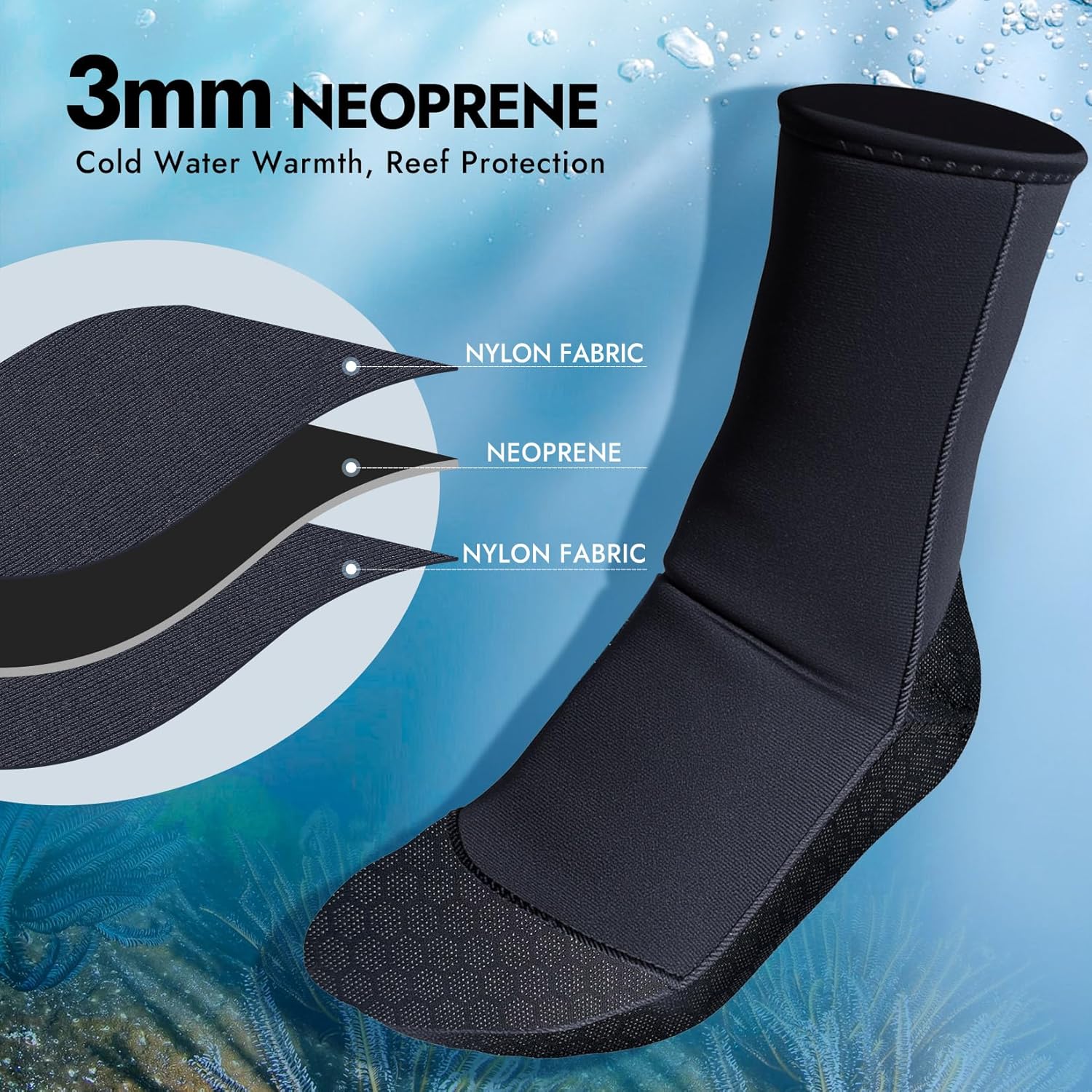
PAWHITS’ 3mm wetsuit socks are designed for people who want their feet to stay warmer in the water, without giving up grip and basic protection. They’re made from a 3mm composite of SCR neoprene and imported nylon, and they use a Glued Blind Stitch (GBS) construction, which is intended to seal the seams to help with both durability and thermal retention.
In practical terms, these are the sort of socks you’d reach for for diving, snorkelling, swimming and other water sports where your feet are exposed to cold water and potentially rough surfaces—think wet boat decks or getting in and out with a bit of scrambling involved. They’re not marketed as fully waterproof, though. The brand’s own wording is clear that some water may seep through seams and the ankle area over time, so they’re more about reducing heat loss and limiting seepage than keeping your feet bone-dry.
Key features that matter in the water
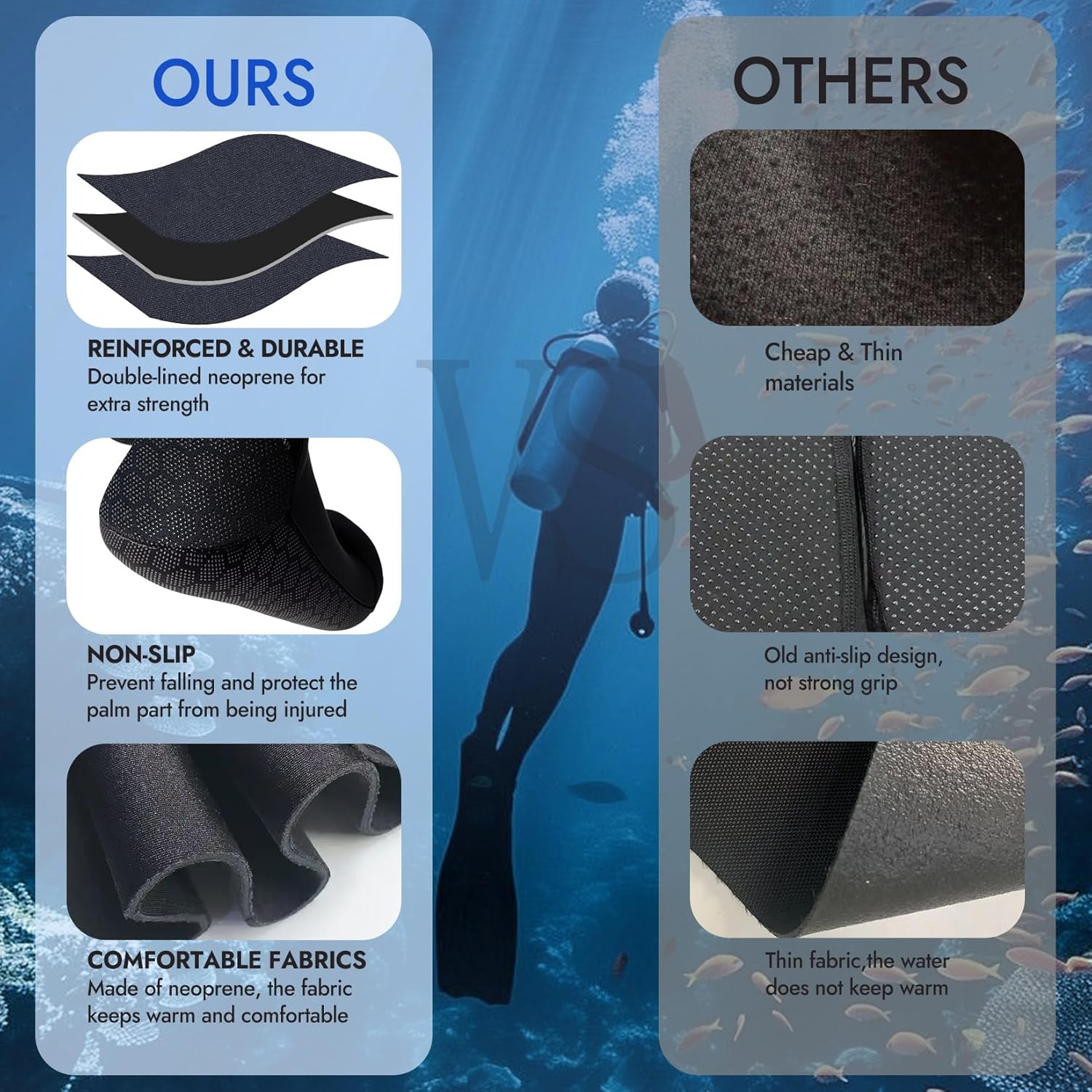
The main appeal here is the combination of warmth (3mm neoprene) and seam construction (GBS). Sealed seams can make a noticeable difference for comfort, particularly if you’re doing longer sessions or you’re heading out when the water is cooler. It’s not only about insulation—better seam integrity also tends to help with longevity, and that’s usually what separates “fine for one season” from something you can keep using.
On top of that, there’s an anti-slip approach: grip is added on the bottom, toe and heel areas. That matters when you’re standing on wet decks or slippery shorelines, because stability reduces the chance of rubbing and the annoyance of socks that feel like they’re moving about. If you’ve ever finished a session with sore toes or irritated ankles, you’ll understand why anti-chafe type thinking is worth prioritising on swim and diving socks.
Where they shine (and why you might prefer them)
These wetsuit socks come across as a solid mid-range style option for regular water activities. They’re positioned as suitable across multiple sports—scuba diving, paddleboarding, kayaking, surfing, snorkelling and swimming—plus the idea that you can wear them alone or with fins for added warmth during longer time in the water.
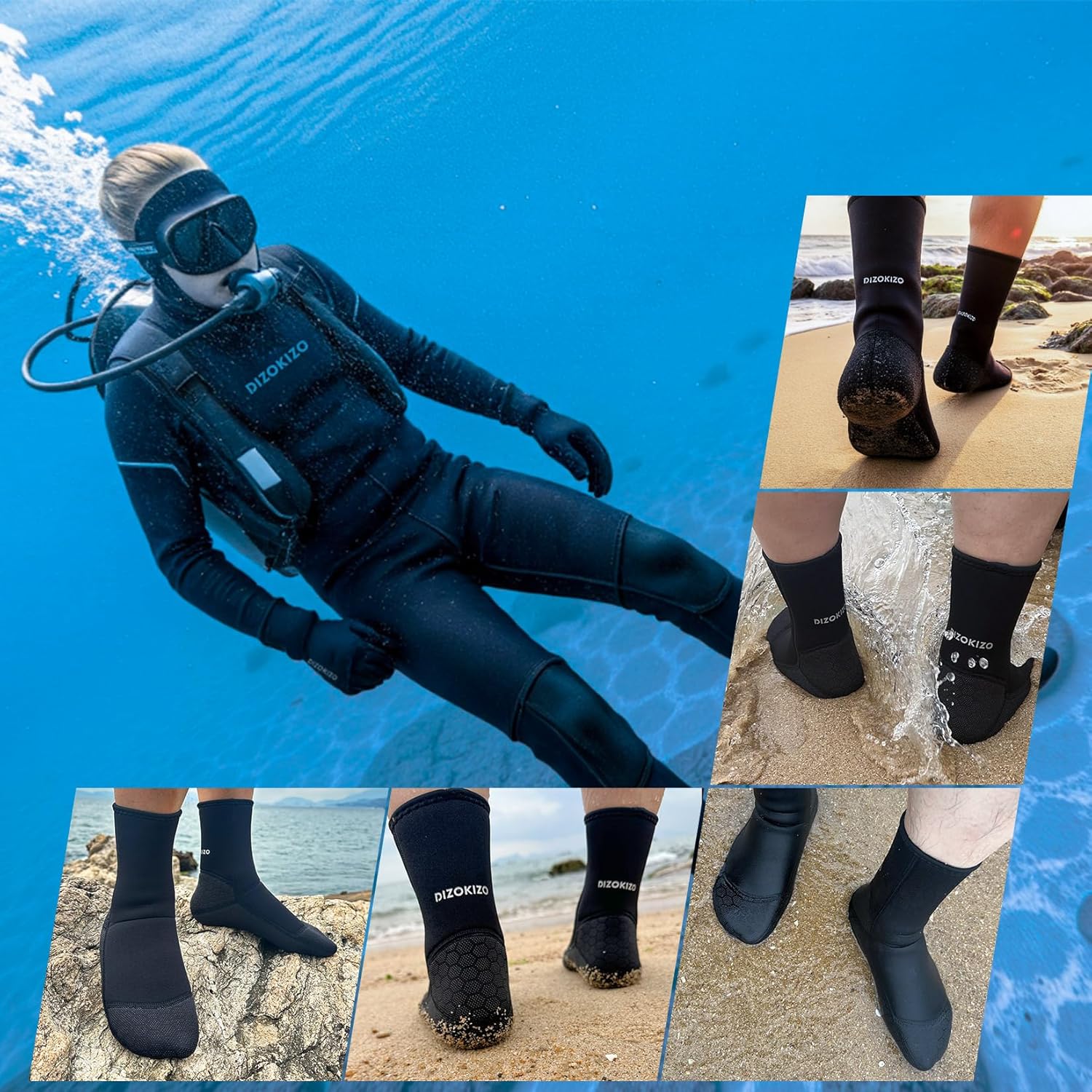
A useful way to picture them: imagine you’ve got a wetsuit on for a morning session, then you step onto a wet deck with tanks and kit. A sock with grip on the toe/heel tends to help your footing, while the neoprene thickness is there to slow down heat loss around your feet. It’s a small thing, but it’s exactly the sort of comfort detail that can make the whole session feel less “cold and fiddly”.
If you’re looking for socks specifically to complement a wetsuit, this design makes sense. If you’re expecting something to act like waterproof booties, you may end up disappointed.
The limits you should consider
It might not suit everyone’s expectations. First, the product is not described as completely waterproof. The wording also suggests that some water can seep through the seams and the ankle area over time. So if your priority is keeping feet dry above everything else, you may want to look at fully waterproof alternatives.
Second, the socks aren’t presented as footwear for rough land walking. They mention they aren’t suitable for climbing rocks or walking on smooth plank roads because of the hard PU rubber material. That doesn’t mean you can’t wear them while you move around briefly, but it does mean you shouldn’t plan on treating them like general-purpose shoes.
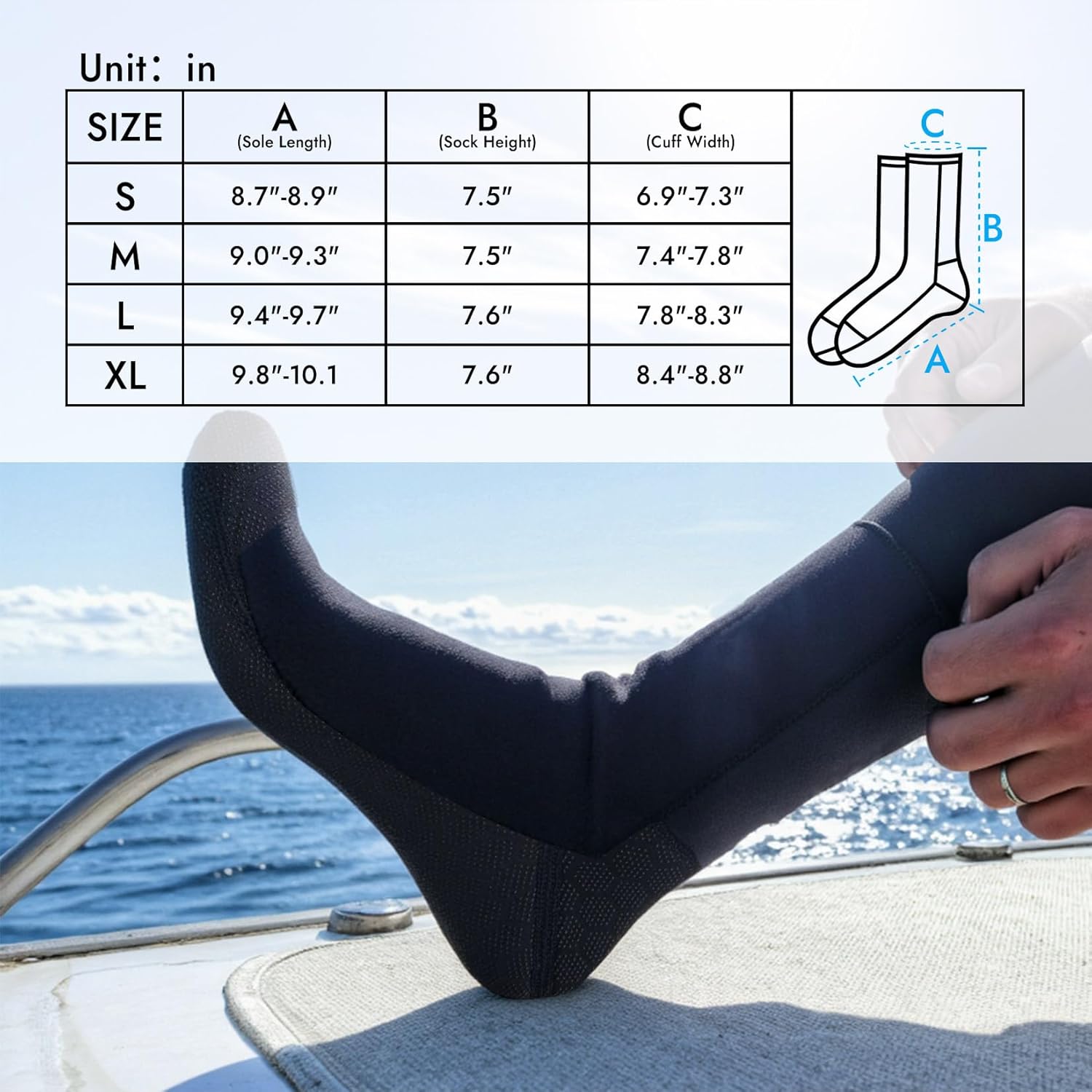
Finally, fit is important. They’re described as designed to fit snugly to reduce water entry, so if you buy without checking the size chart, you could end up with either too much looseness (less warmth) or too much tightness (less comfort).
Practical guidance: getting the most from 3mm neoprene socks
Start by using the size chart before purchasing, because snug fit is part of the intended performance. In neoprene footwear, a loose fit can let water circulate more freely, which undermines the warmth goal.
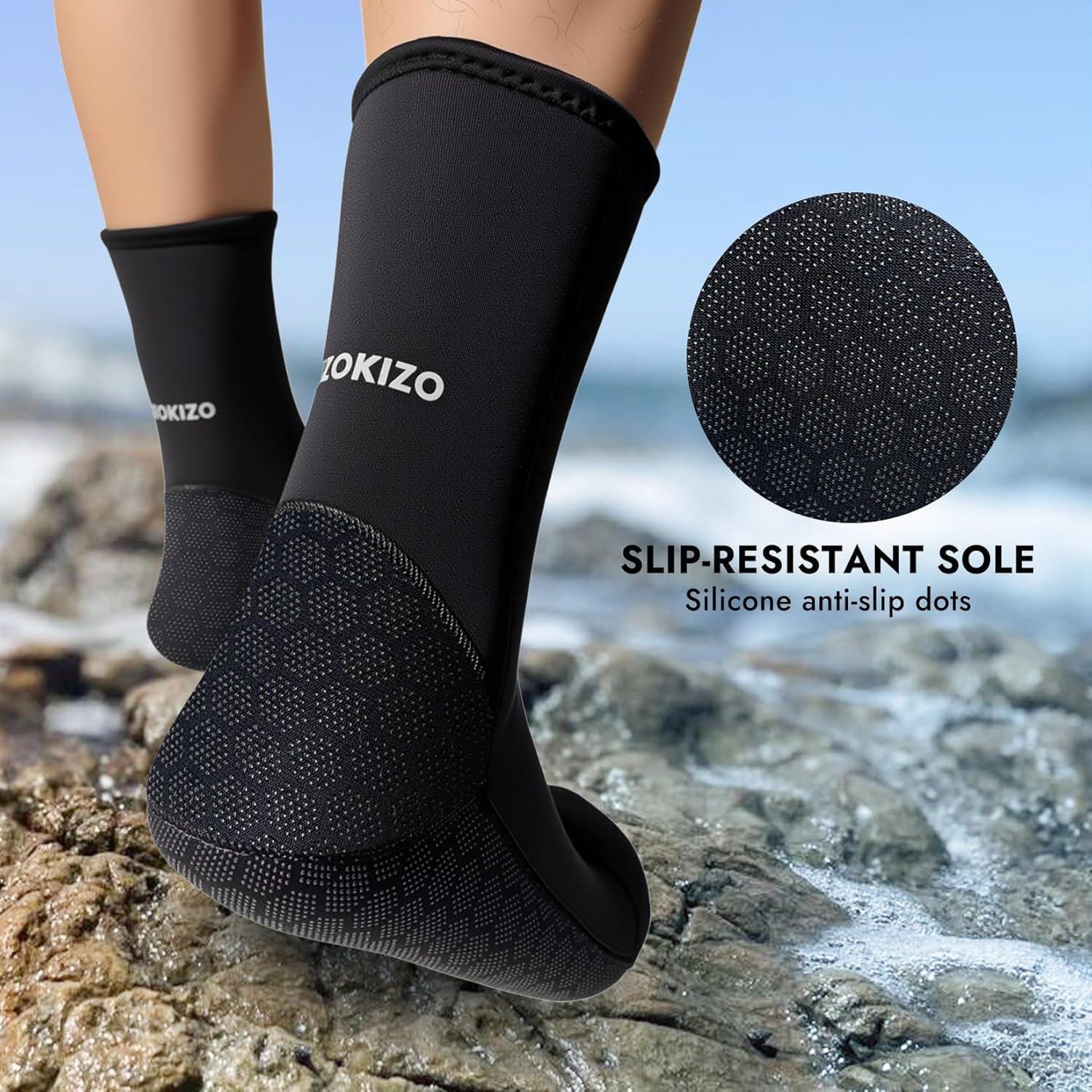
When you’re gearing up, these socks are best thought of as a layer in the water environment rather than a standalone outdoor sock. For example, for snorkelling you’d typically expect them to add warmth and a bit of protection around the toes/ball area, with the anti-slip pattern improving stability when you’re shifting your weight on slippery surfaces.
And do keep the durability claim in context: glued and blindstitched seams are intended to minimise leaks compared to basic sewing techniques, but they still aren’t described as leak-proof. Over time and with repeated sessions, that’s the sort of limitation you should be mentally prepared for.
Tech specs
- Type: Wetsuit socks / diving socks
- Material: 3mm SCR neoprene and imported nylon
- Construction: Glued Blind Stitch (GBS) seams
- Thickness: 3mm
Should you buy it?
A solid pick if you want thermal comfort from 3mm neoprene, plus anti-slip grip on the bottom, toe and heel for better stability during water sports. It makes sense if you’re using a wetsuit and your main goal is reducing heat loss and improving day-to-day comfort on wet decks and during entry/exit.
You may want to skip it if you need completely waterproof socks, or if you’re planning to use them like outdoor footwear for rough or extended walking on land surfaces. It might not be a great match if you’re shopping without checking the size chart, because the snug fit is part of the way the socks are meant to work.
Mini FAQ
Do these wetsuit socks keep feet completely dry?
No. They’re designed for insulation and to reduce water seepage, but they’re not described as completely waterproof. Some water may seep through seams and the ankle area over time.
What are they best for?
They’re positioned for water activities such as scuba diving, snorkelling, swimming, paddleboarding, kayaking and surfing, especially when worn with a wetsuit.
Are they anti-slip on the soles?
Yes. There is an anti-slip design on the bottom, toe and heel areas intended to improve grip on slippery surfaces and help with stability.
What should I check before buying?
Check the size chart and aim for the snug fit described. That’s likely to influence warmth and comfort.
Can I wear them just as normal socks?
You can wear them as swimming socks, but they’re built around water use. They aren’t intended for rough land climbing, and they’re not presented as a replacement for proper footwear.