

OAHAO fine mesh insect netting for garden beds, row covers and greenhouse protection (3 x 6m)
Reviews
Price
Product description
What it is and why people buy it
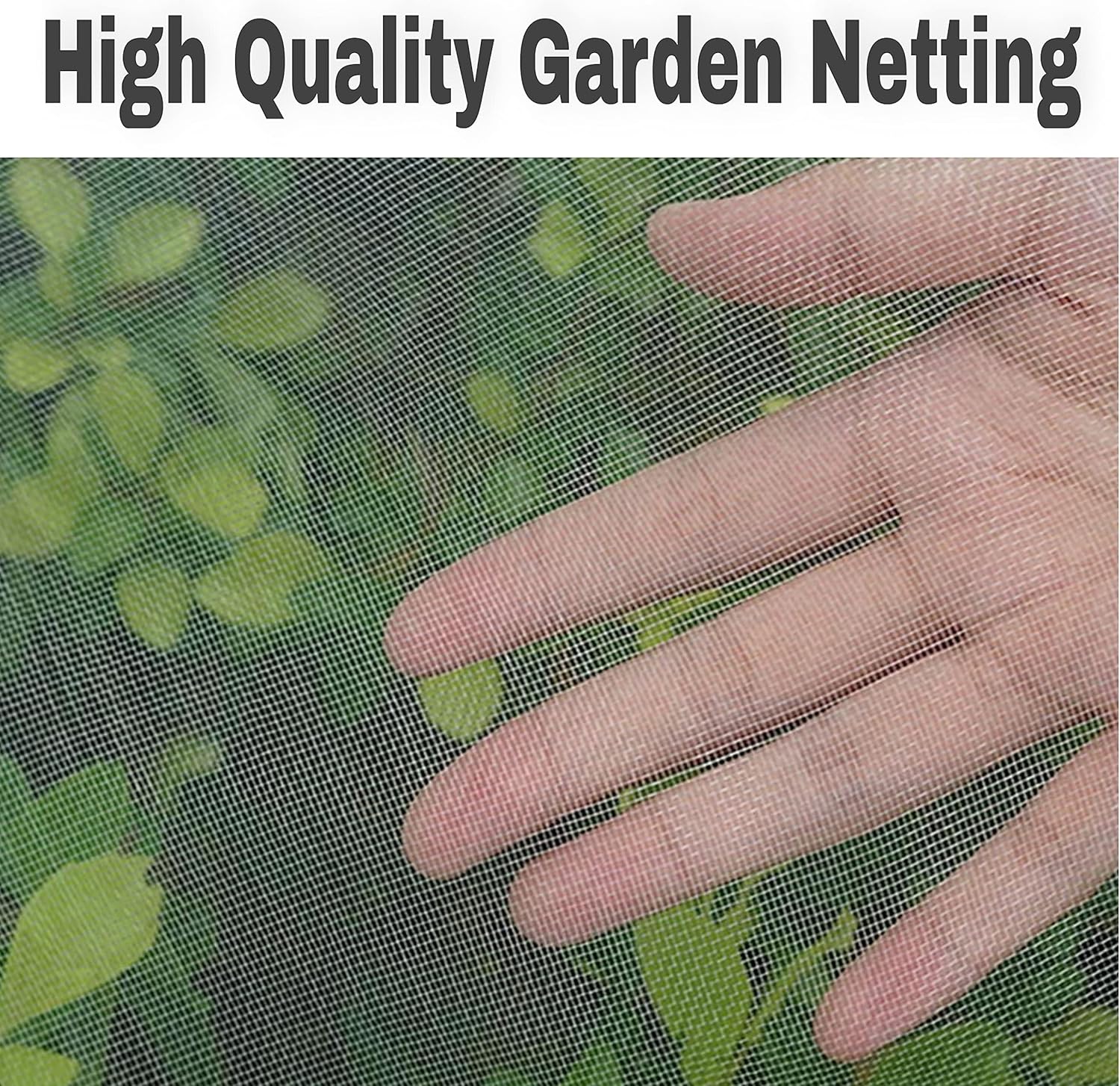
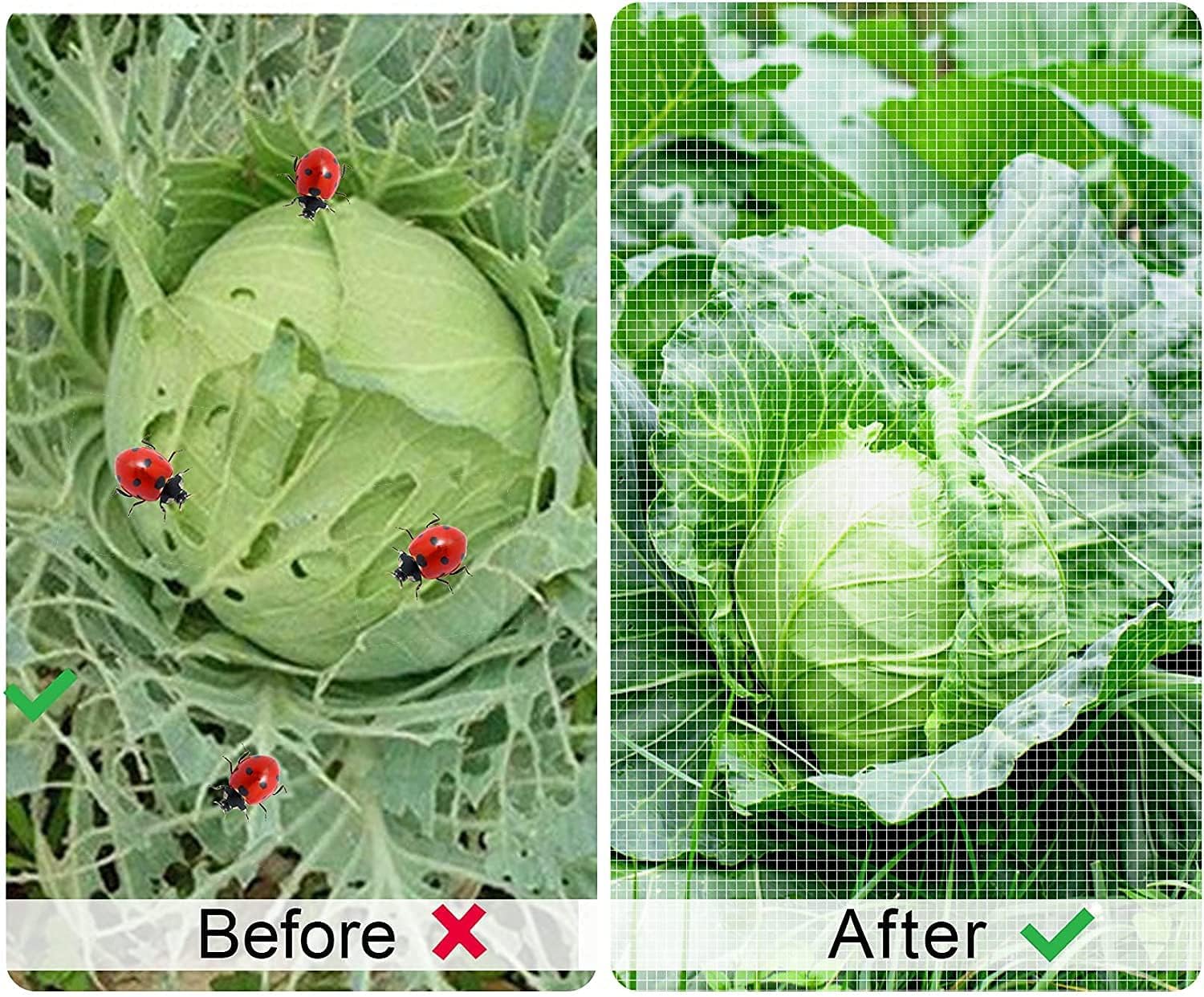
OAHAO’s fine mesh garden netting is designed to act as a physical barrier between your plants and small pests. On paper, that’s the big selling point: the netting is described as a transparent, fine-mesh screen that helps stop butterflies, moths and other small insects getting in, while still letting through air, moisture and light.
It’s the sort of product you reach for when you want protection without wrapping plants in something heavy or fully sealed. Because the mesh is made to be see-through, you can also keep an eye on how things are progressing without taking everything off.
That said, no netting is magic. If your goal is to prevent all damage from every possible creature or weather issue, you may find it falls short. Where it really helps is the “small insect / bird / crop-guard” use case.
What stands out in everyday use
The most notable detail here is the mesh size: 0.8 mm fine mesh. The description claims it can block entry from small insects such as butterflies, moths (including leek moths), carrot flies and onion flies, plus other small pests that could damage vegetables, fruit, flowers and crops.
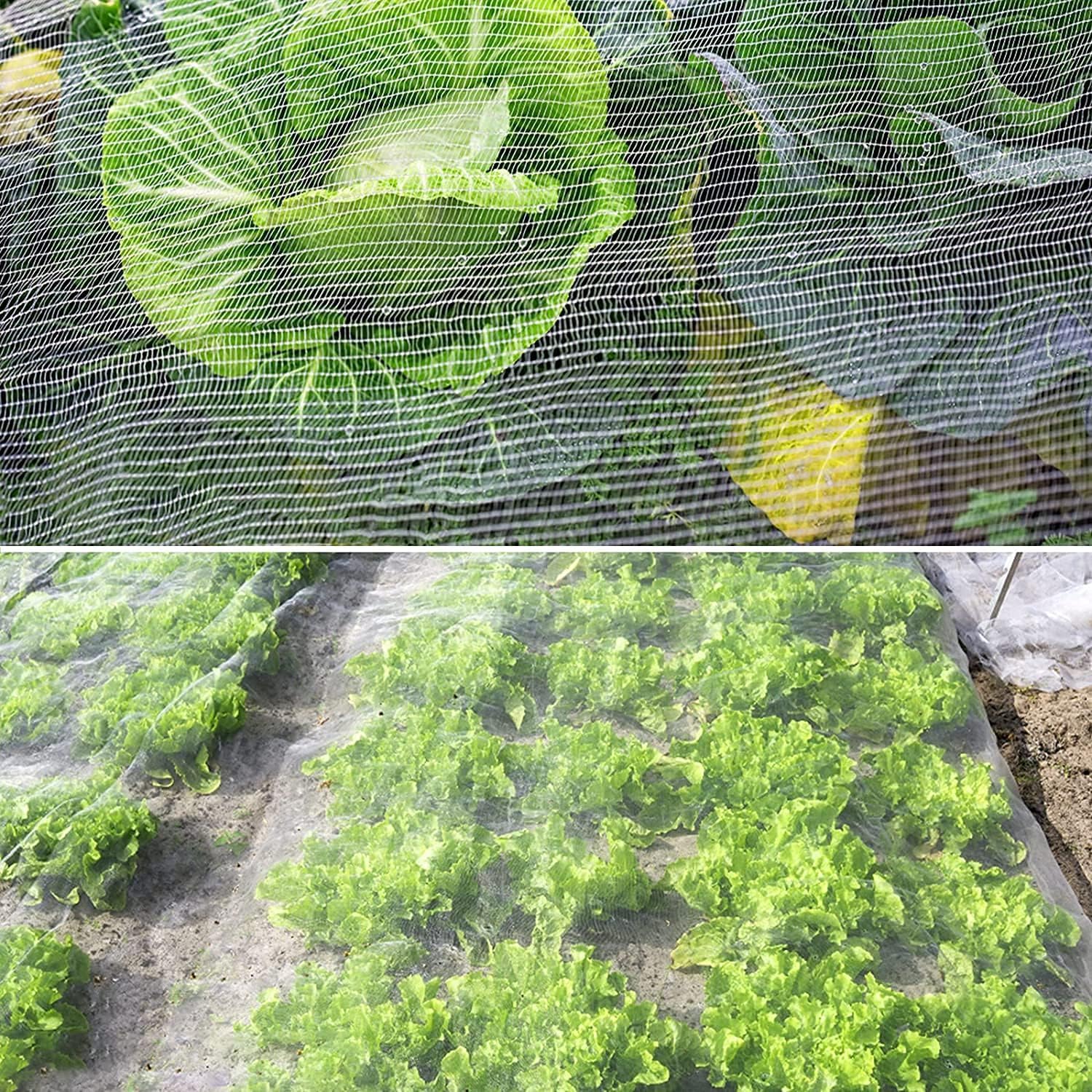
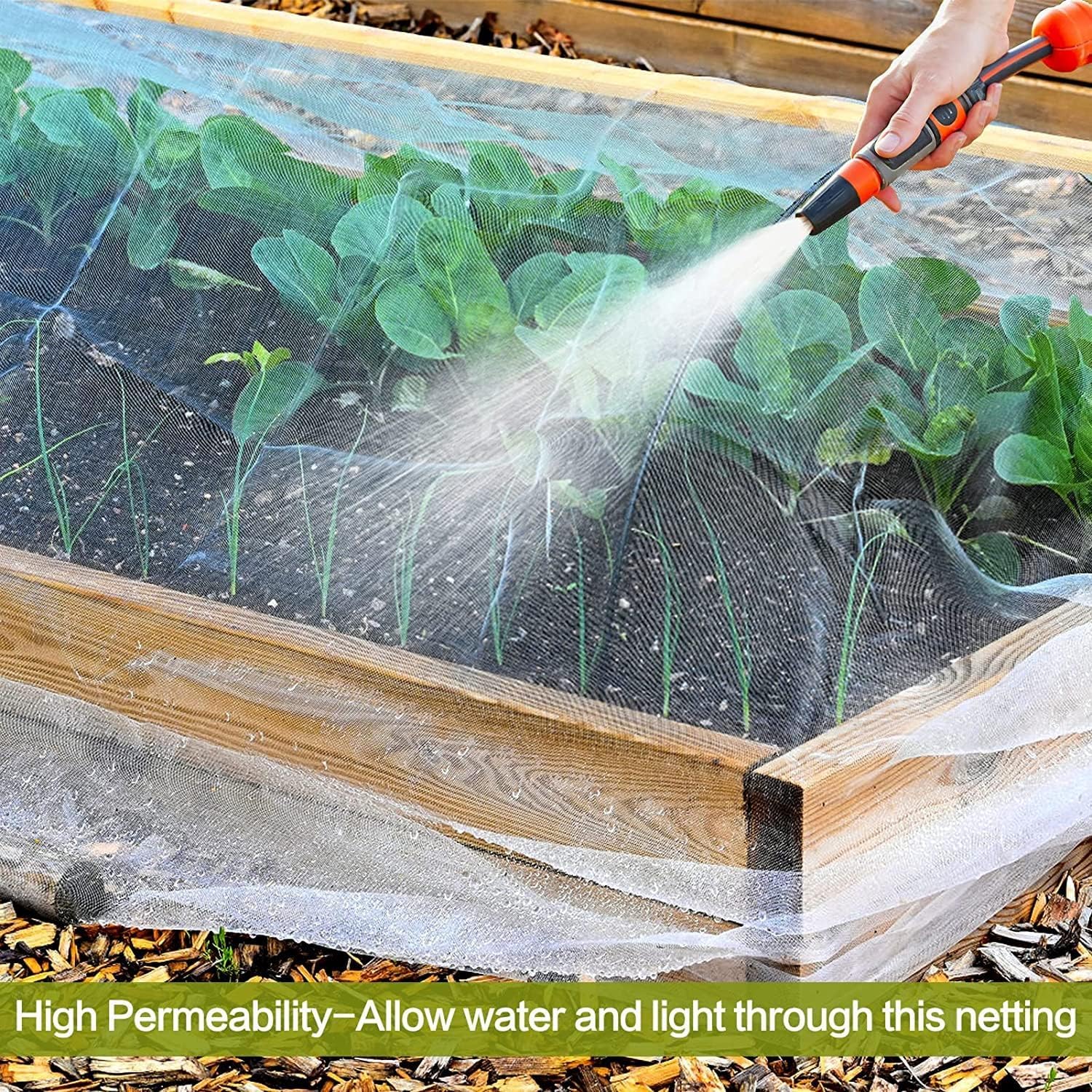
Another practical angle is the airflow and moisture passage. The netting is described as having a construction that allows air and humidity to pass so plants can stay healthier and well nourished. In real garden terms, that’s the difference between a barrier that traps everything (and can make conditions worse) and one that still “breathes”.
There’s also the convenience factor: you don’t need to remove it when watering or applying liquid feed, because it’s meant to be applied directly over plants and you can access the crop through the mesh. The netting is lightweight and, according to the description, should not press plants down.
Key things to know before buying
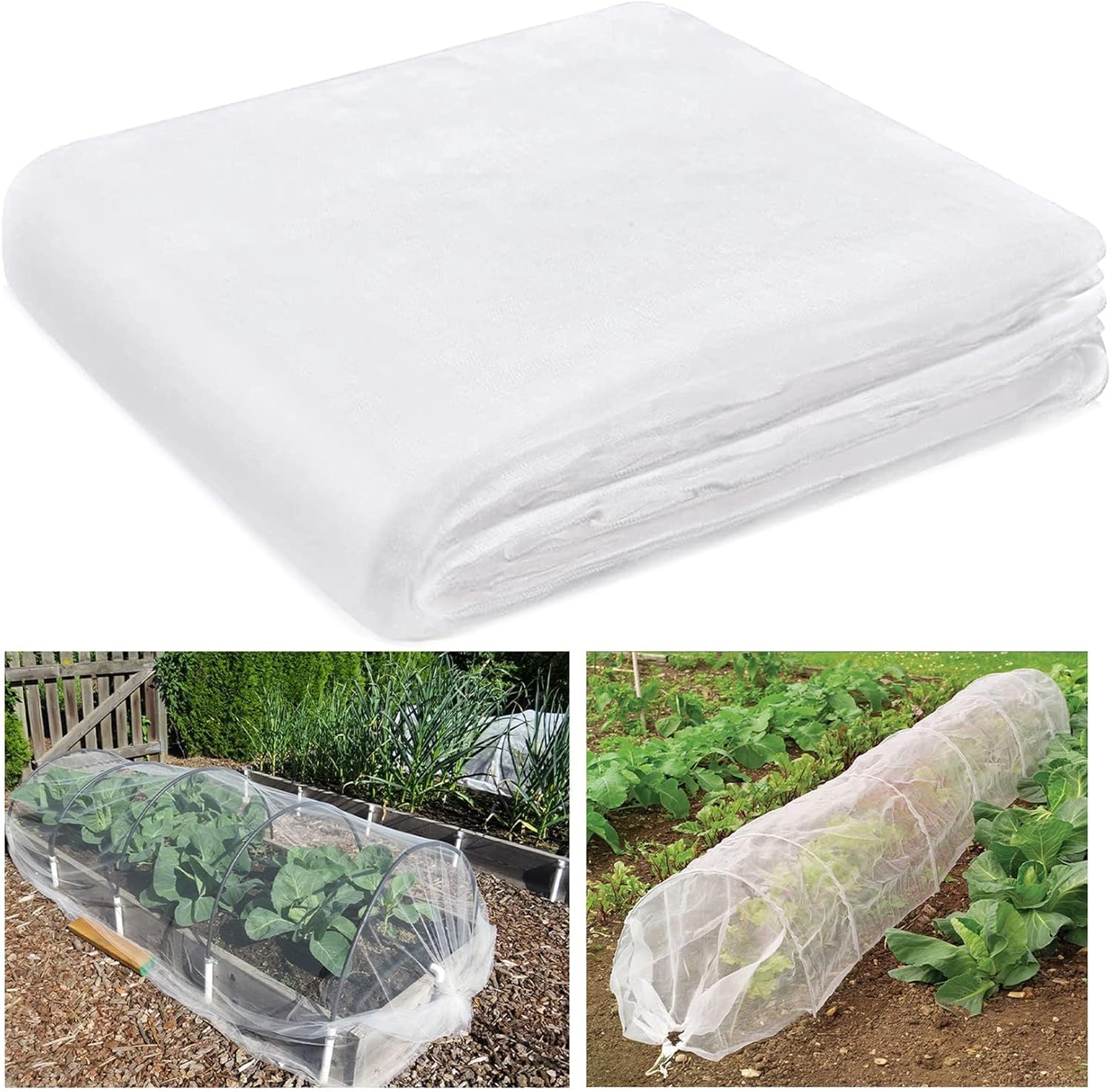
This netting is intended for covering plants, raised beds and crops, and it’s described as reusable year after year. The materials are said to be stabilised polyethylene with UV resistance, with a stated usable life of 3 to 5 years.
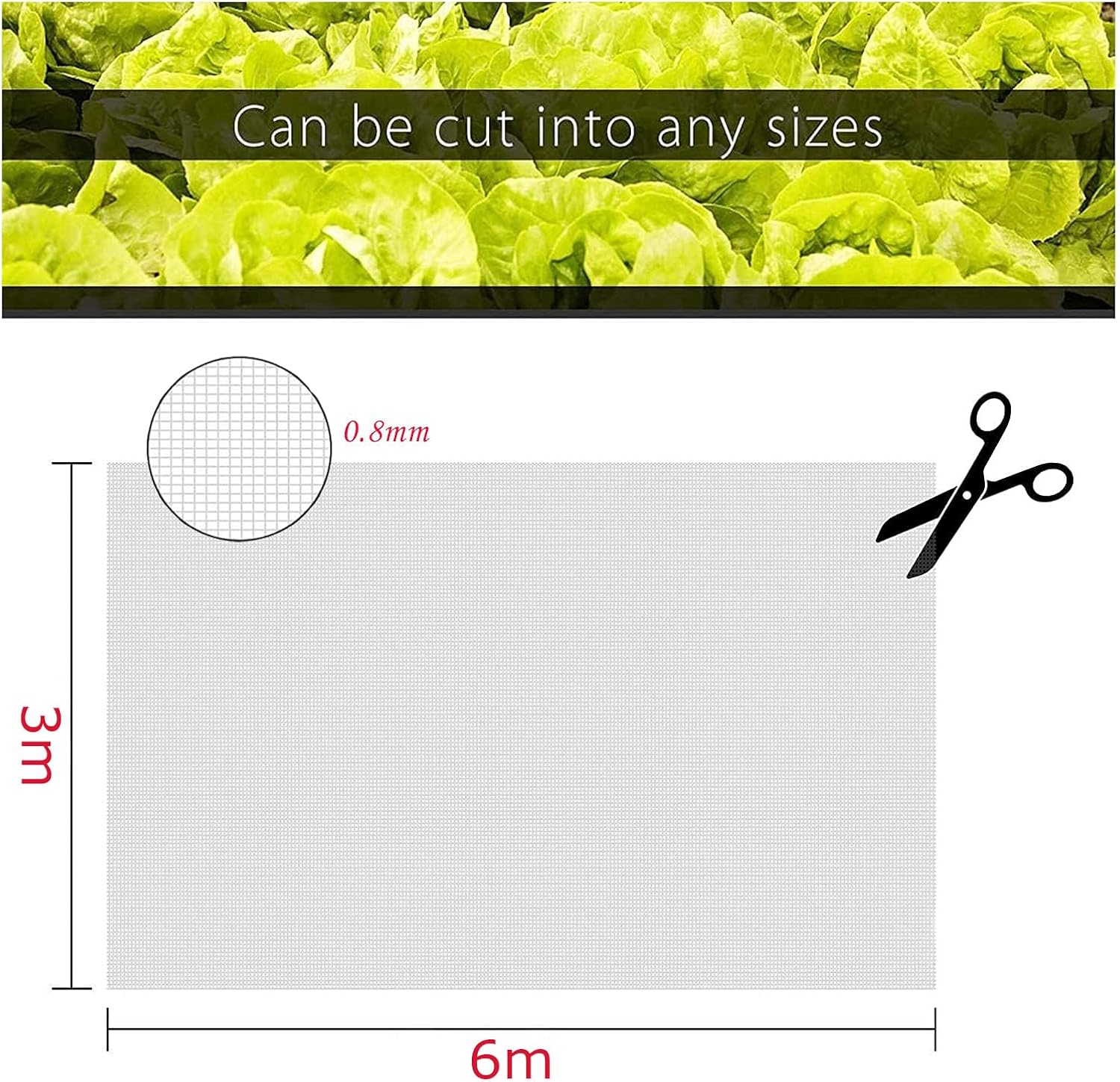
It’s also described as easy to cut to fit, and you can secure it by burying the edges or fastening it with pegs. That flexibility matters if your garden layout is awkward or you’re covering multiple rows.
One limitation to keep in mind: fine mesh can still let through some things depending on how it’s fitted and how pests behave. If you leave gaps at the edges, you’re giving insects an easy way in—so plan for sealing properly.
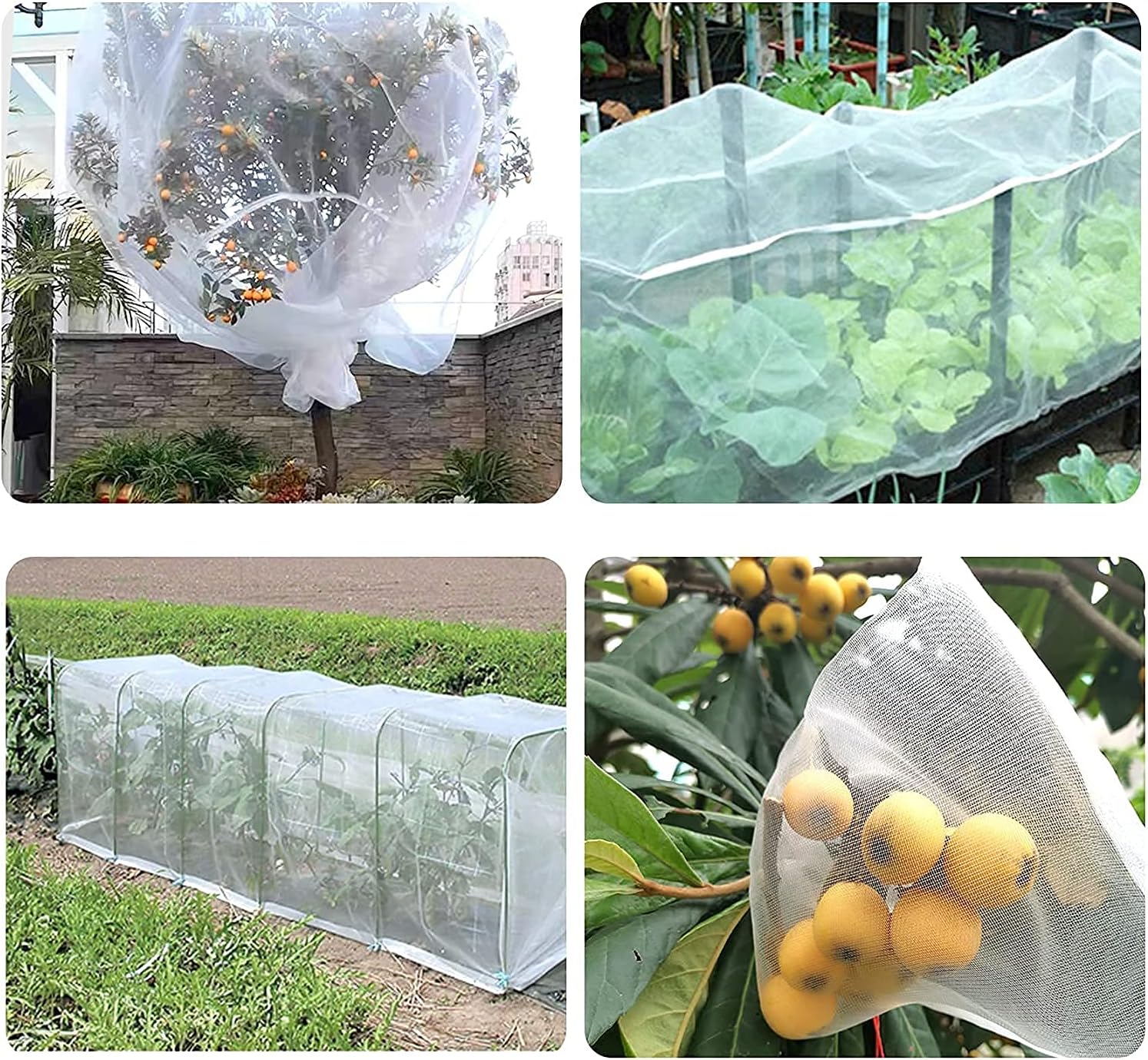
Worth noting too: it’s said to provide some protection against birds, but if you’re specifically dealing with larger birds or determined wildlife, you may need to combine it with other methods.
Getting the most from it (practical tips)
For a typical raised bed or row cover job, the process is pretty straightforward: cut the mesh to your length, drape it over the plants, then address the edges. The description suggests burying the edges or securing with pegs so there aren’t gaps. That’s often where home-made “barrier” solutions fail.
A concrete example: if you’ve just planted brassicas or leafy crops and want to reduce moth or butterfly pressure, you’d lay the netting over the bed, secure it along the perimeter, and leave it in place. Because it’s transparent, you can monitor growth, check for any early damage, and keep going without removing the cover every time.
And when it’s time to water or apply liquid feed, you can do it through the mesh rather than lifting everything off—helpful if you’re trying to stay consistent.
Tech specs
- Type: garden insect netting / row cover barrier
- Mesh size: 0.8 mm
- Material: stabilised polyethylene (UV resistant)
- Colour: green (netting)
- Coverage size (stated): 3 x 6m
- Durability (stated): reusable for 3 to 5 years
Is it worth it?
It’s a solid pick if you want a see-through, fine-mesh layer to protect vegetables, fruit, flowers and crops from small insects, while still allowing air, moisture and light to pass. If you’re working with raised beds, allotment-style rows, a greenhouse setting, or even indoor windows where light and airflow matter, this kind of netting is the practical approach.
You may want to skip it if your main problem is larger animals that can physically tear through barriers, or if you’re not prepared to secure the edges properly—fine mesh only works as well as the fit. It’s also more of a targeted pest-barrier than a full “all problems solved” cover for every season and every type of damage.
Mini FAQ
Does the netting need to be removed for watering or feeding?
The description says there’s no need to take it off for watering or liquid feeding—you can apply through the mesh.
Can it be cut to fit different bed sizes?
Yes, it’s described as easy to cut to whatever size you need.
Will it block small insects completely?
The stated aim is to prevent entry from small insects such as butterflies and moths, but results depend heavily on how well you seal and secure the netting.
How long is it expected to last?
The usable life is stated as 3 to 5 years, with UV-resistant stabilised polyethylene.
Is it only for vegetables?
No. The description lists vegetables, fruit, flowers and crops, and it’s also mentioned for grasses and even indoor/window use.