

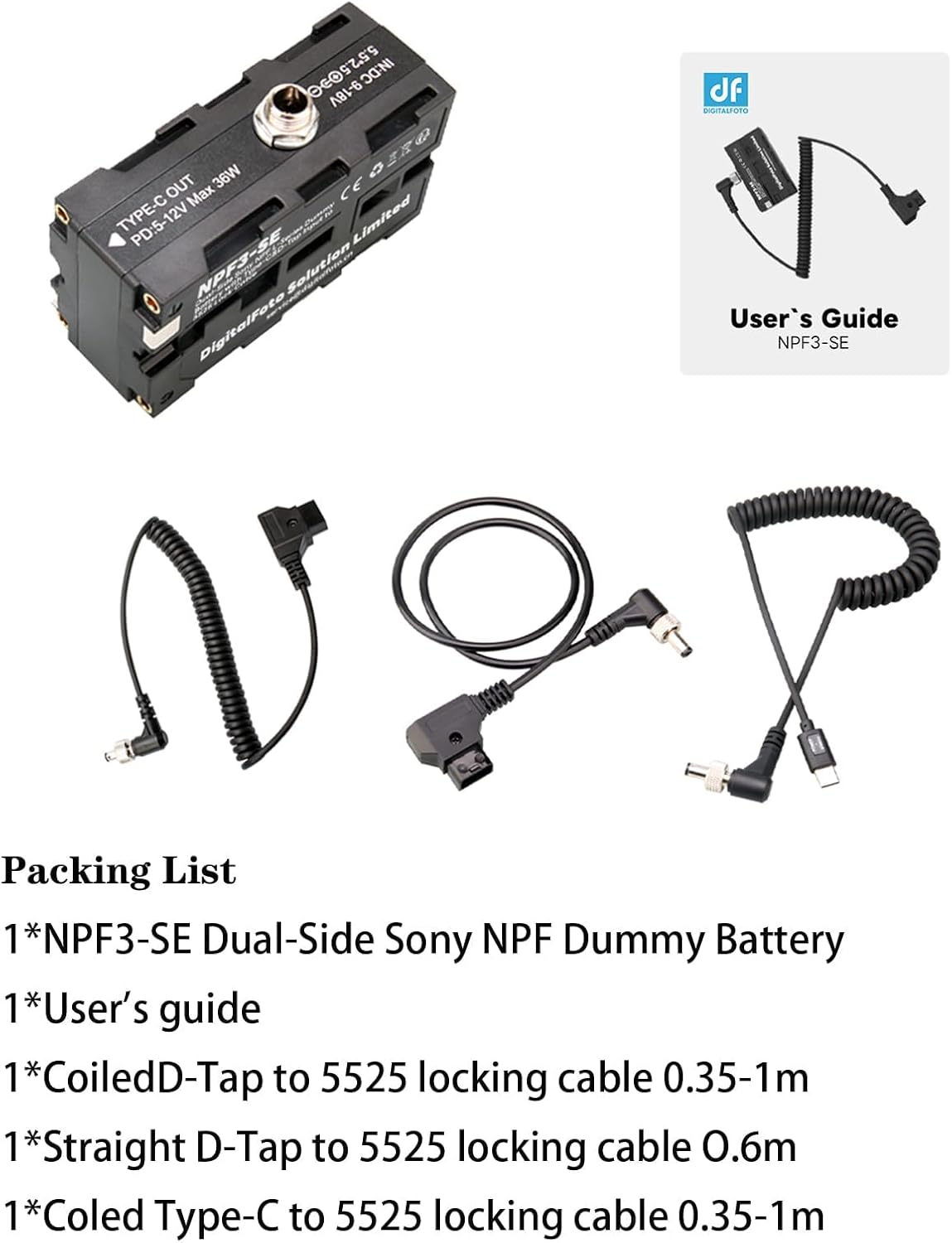
NPF3-SE NP-F Dummy Battery with USB-C and D-Tap Input | 5525 Cable Compatibility for LED Lights and Monitors
Product description
What is it and what problem does it solve
The NPF3-SE is a dummy battery designed to simulate an NP-F series battery while feeding power from an external source. It includes USB-C and D-Tap input options via compatible 5525 cables, making it easier to power LED panels, monitors, and V-Mount setups when direct NP-F battery changes aren’t practical. On paper, this kind of device helps extend runtimes for off-camera lighting or monitoring during shoots without swapping batteries.
How it fits into your kit
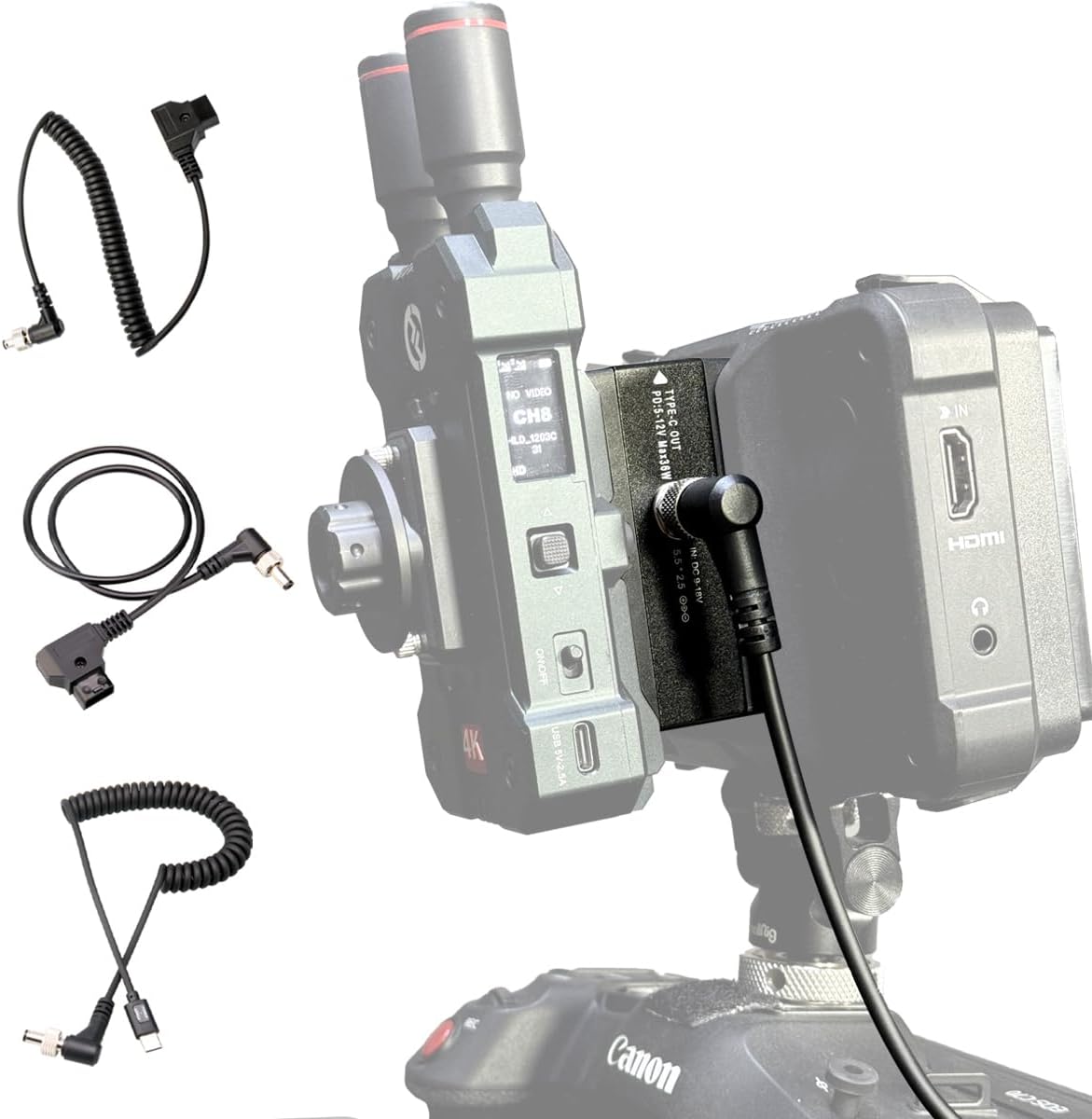
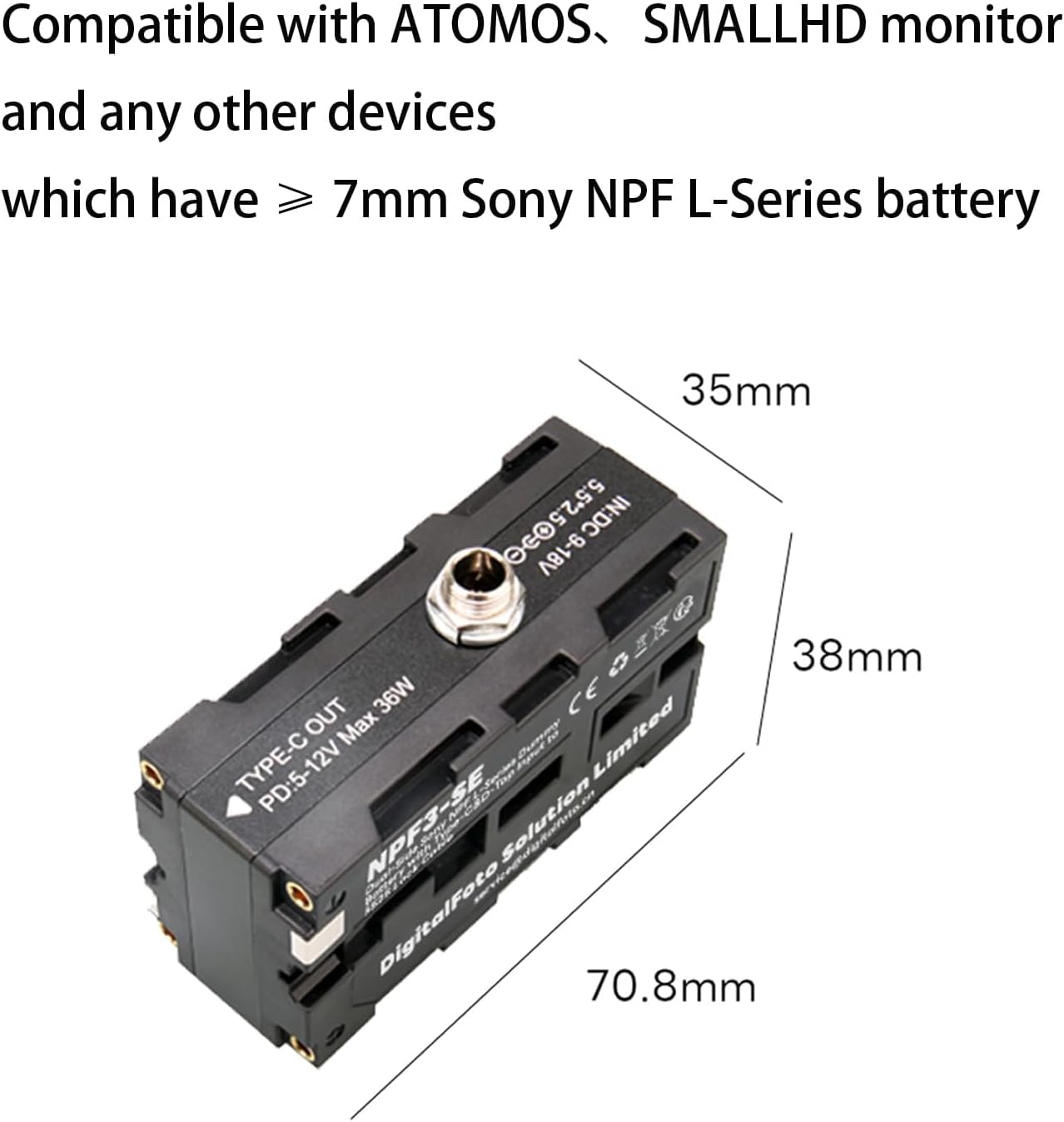
The product line offers three cable types to suit different rig layouts: a D-Tap 5525 Coiled Cable (0.3–1 m), a D-Tap 5525 Straight Cable (0.6 m), and a 5525 Coiled Type-C Cable (0.3–1 m). This variety aims to cover common distance needs between devices and external power sources. Notably, it’s designed to be compatible with devices that have a depth of at least 7 mm in the Sony NP-F L-series battery slot, and the thickness has been increased to around 35 mm to improve fit in some tight spaces.
What stands out in use
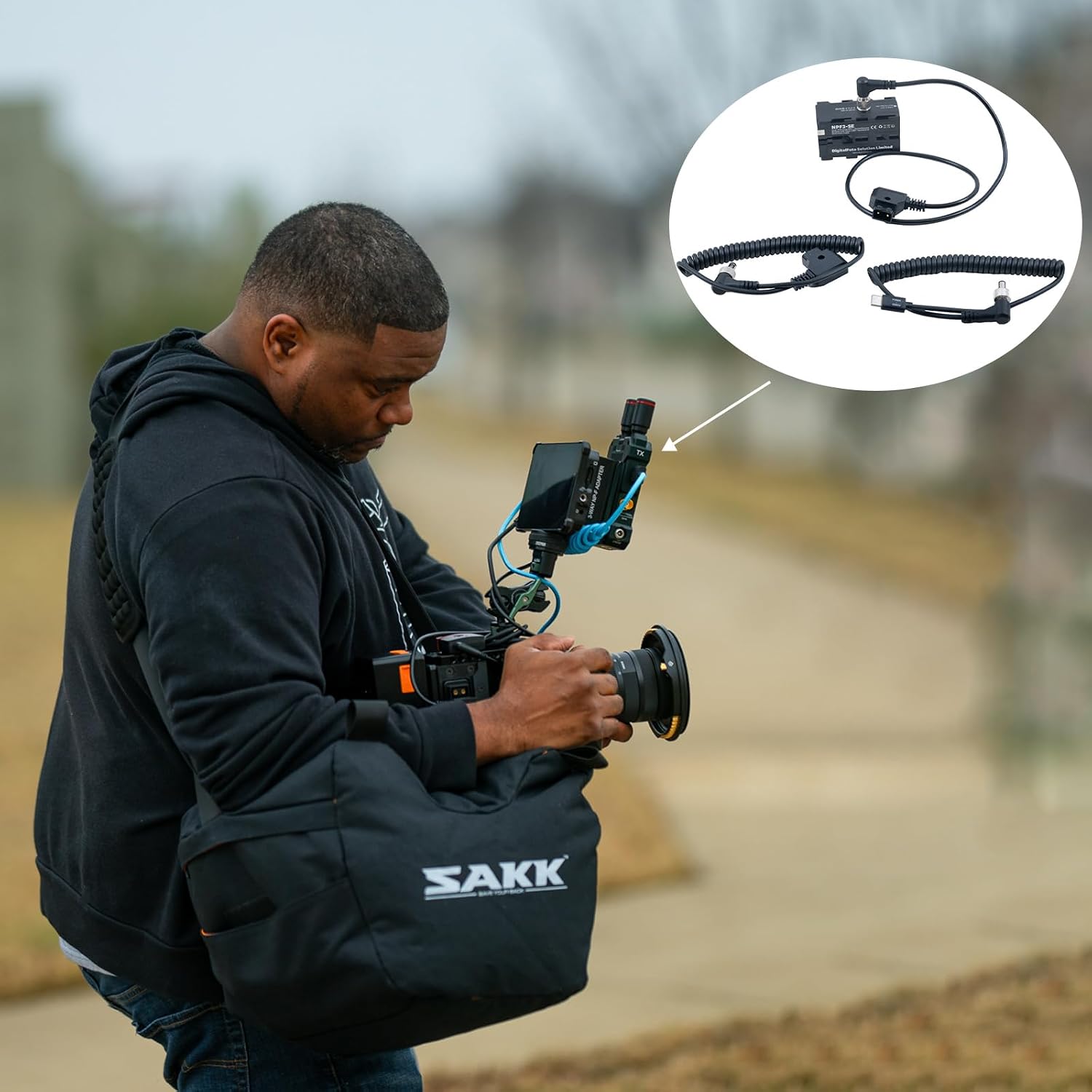
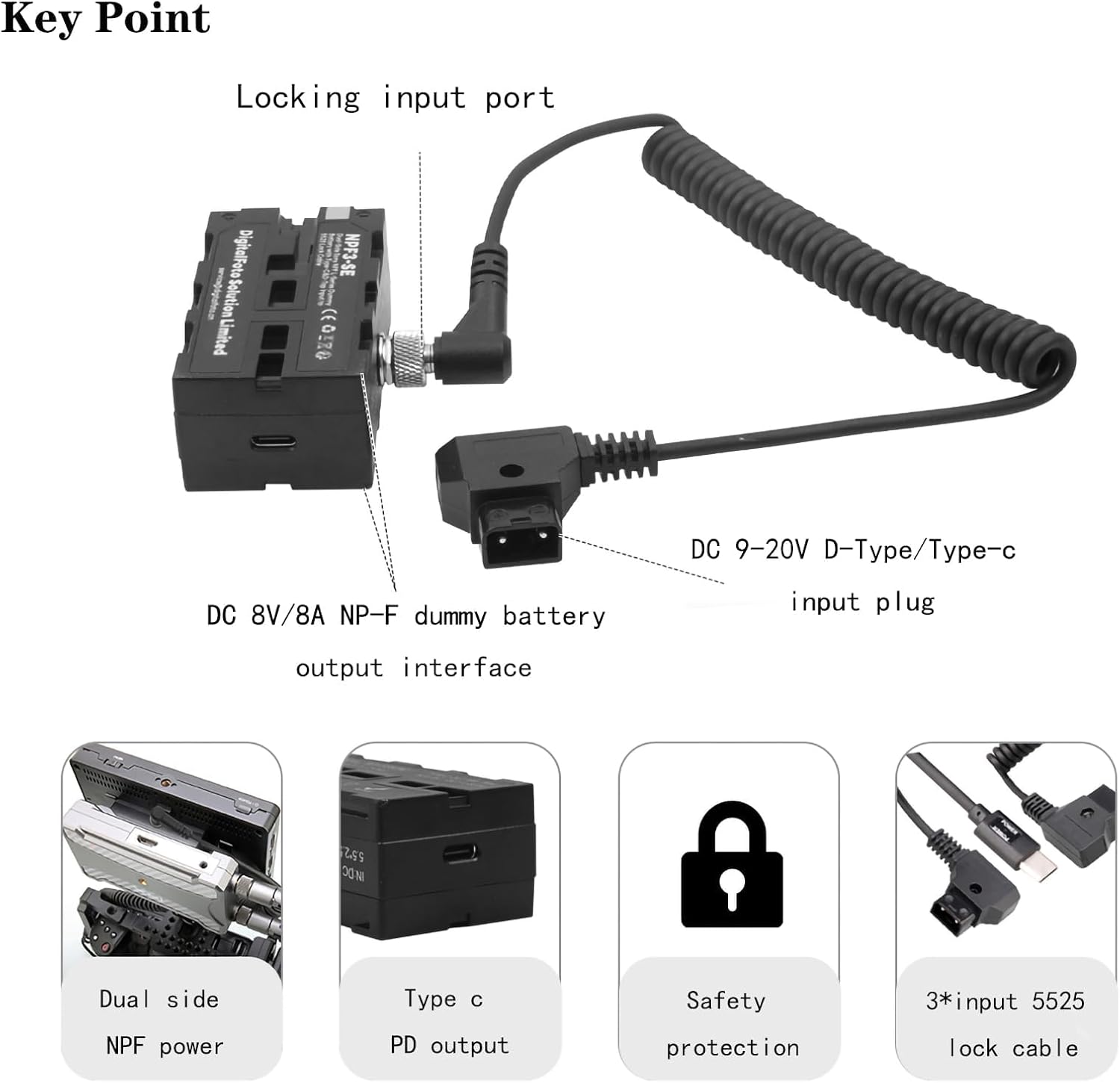
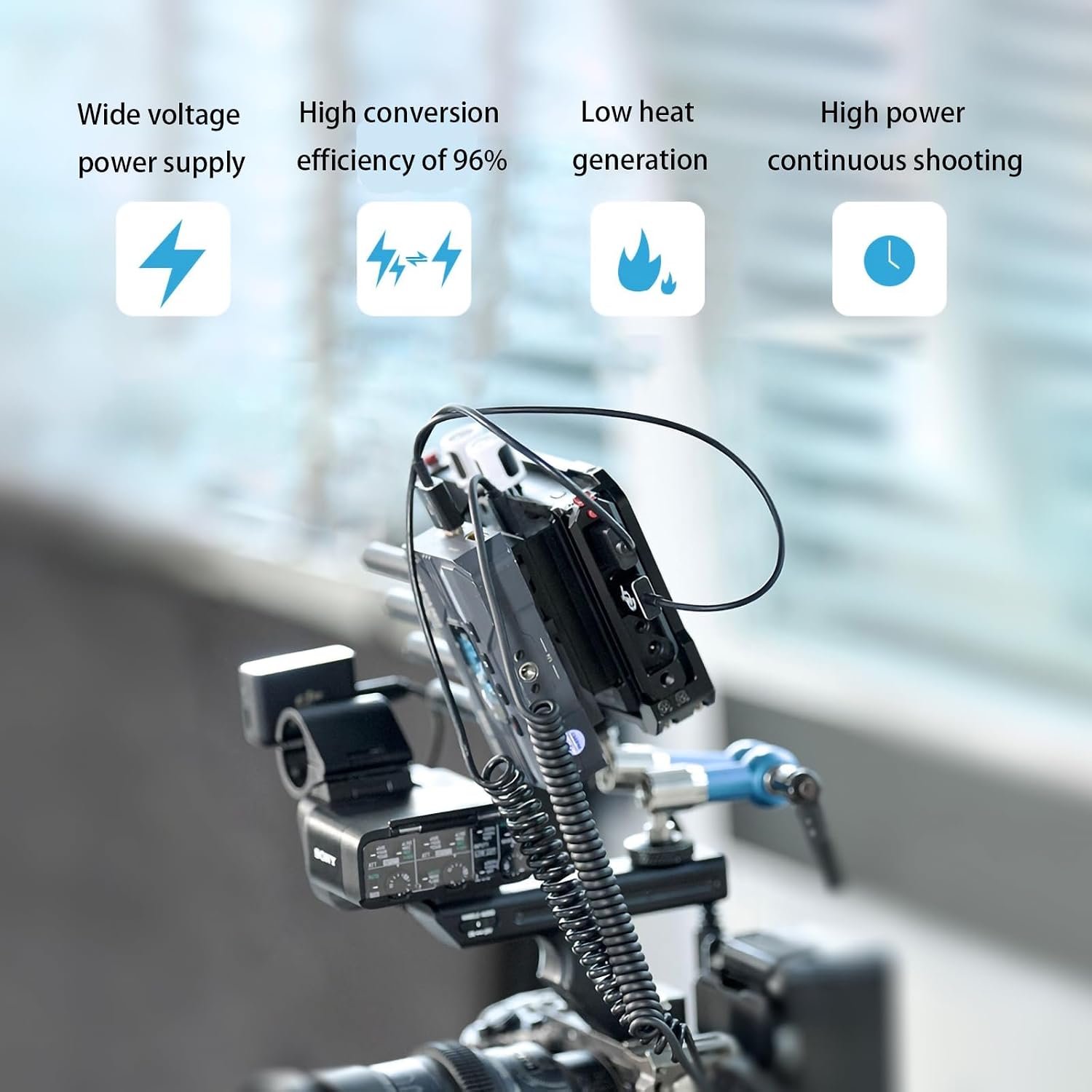
If you prioritise reliable extended power for continuous shoots, it can be a practical solution. It also advertises a high conversion efficiency (about 96%) and built-in safety features such as input and reverse output protection with overload protection circuits. In practice, that means fewer nervous moments when running lights or monitors for longer periods. The real-world benefit, of course, depends on the external power source you pair with it, and whether your rig truly requires a dummy battery in lieu of swapping NP-F batteries.
The potential downsides
No product is perfect for every setup. The 7 mm depth requirement and the 35 mm thickness adjustment may still limit compatibility for some compact rigs or older gear. Also, while high efficiency is advertised, real-world performance depends on the total system load and the power supply you use. If you’re already pushing a small aperture or light with minimal heat, you might not notice a dramatic difference. It’s reasonable to question whether a dummy battery is the best approach for every situation, especially if you’re mainly shooting handheld or on a tight budget.
Who it’s for
This solution suits creators who run LED lights, monitors, or V-mount powered devices away from direct AC power, and who routinely need a steady, continuous power bridge. It’s particularly handy when you’re working with gear that benefits from a stable external supply and where battery swaps would disrupt a shot or timeline. If most of your setups live on location with unpredictable power or you rely on long tethered shoots, this could be a sensible addition.
When to buy and when to skip
Consider purchasing if you frequently need prolonged power without changing NP-F batteries, and your rig can accommodate the 35 mm thickness and the supplied cable lengths. It’s less compelling if your typical use-case involves compact camera bodies with very tight slots or if you rarely shoot long sessions without access to power.
Before you buy: checks to perform
- Confirm that your device supports an external power arrangement via a dummy battery and that the slot depth and clearances align with the 7 mm depth and 35 mm thickness design.
- Match your setup to one of the three cable options to ensure the distance between devices is feasible without strain or excessive slack.
- Verify your external power source can supply stable power at the required voltage and current for your gear, as performance hinges on a dependable supply.
- Consider a practical test on a low-stakes shoot to observe heat generation, connection stability, and real-world runtime gains before committing to longer projects.
Practical usage example
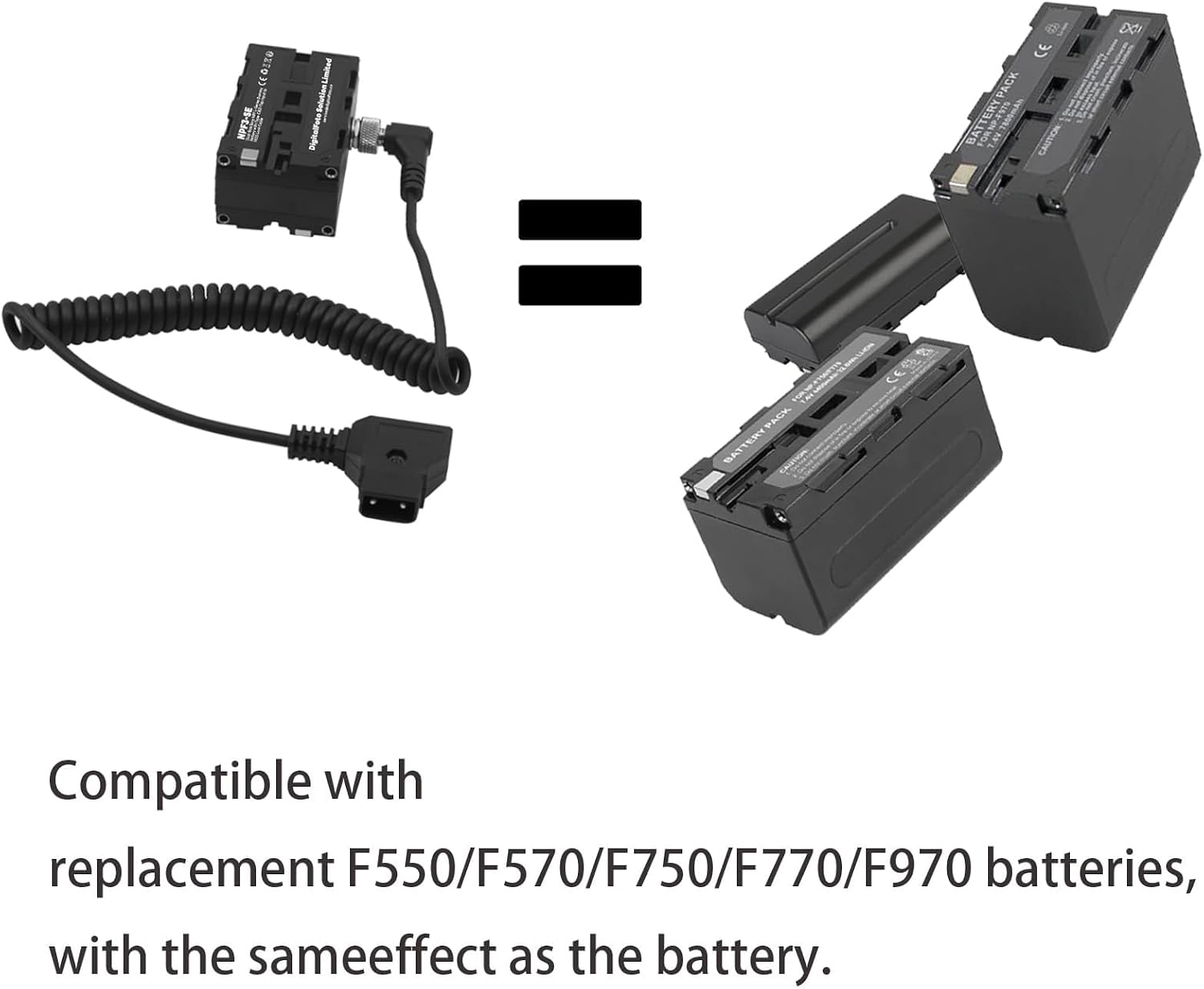
Imagine you’re running a small LED light on a C-stand while monitoring on a field monitor. Rather than swapping NP-F batteries during a crucial timer, you connect the NPF3-SE to an external supply via the D-Tap cable. The setup stays powered through a full take, with the external source delivering a steady current and the dummy battery maintaining the expected voltage, reducing interruptions.
Quick comparison context
If you’re weighing options, a dummy battery like this generally sits between a basic, direct battery approach and a high-end, modular power solution. It makes more sense when you need a bridge for extended shoots and you don’t want to rely on frequent battery changes. For tiny rigs where space is at a premium, or if you value absolute minimal bulk, you may lean toward more compact alternatives. In other words, it’s a pragmatic choice for mid-range needs rather than a universal upgrade across every setup.
Final decision
Should you buy it?
It’s a sensible pick if you regularly operate gear that benefits from continuous external power and your rig supports the 7 mm depth and 35 mm thickness. It may not be the best option if your layouts are consistently compact or you rarely work away from mains power. If you prioritise a simple bridge between device and external power with sensible safety features, this NPF3-SE model offers a practical route to extended shooting sessions.
Frequently Asked Questions
- Do I need any special power supply for the NPF3-SE? You’ll need an external power source compatible with the input type (USB-C or D-Tap) and able to supply stable power for your device.
- Will it work with all NP-F style devices? Compatibility is described for devices with depth and slot alignment similar to Sony NP-F L-series, and fitted width around 35 mm, but you should verify your exact model’s fit before purchase.
- Is it safer to use a dummy battery than swapping NP-F batteries on set? The product includes safety circuits for input and reverse output and overload protection, which can reduce risk during extended use, though it’s still wise to monitor heat and power supply quality during operation.
- How do I choose between the cable options? Pick according to the distance and layout of your gear: coiled cables for flexible reach, straight cables for a tidy line, and USB-C variant if you also need power delivery alongside device compatibility.