


NEEWER 82mm Polarizing (CPL) Filter with 24-layer Nano Coating for reduced glare and richer contrast
Product description
The essentials
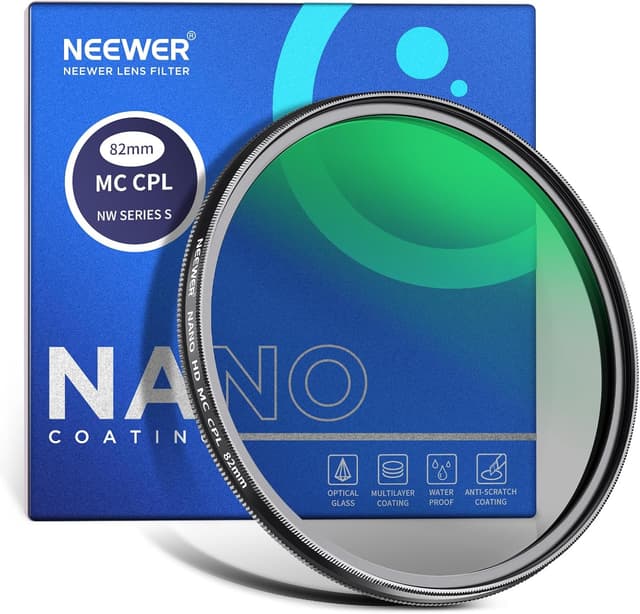
A polarising filter (often labelled CPL or circular polariser) is one of those accessories that can noticeably change how photos look, especially when there’s glare or reflective surfaces in the scene. The NEEWER 82mm Polarizing Filter is built around that idea: improving contrast and saturation while tackling unwanted reflections, flare and ghosting so details hold up better.
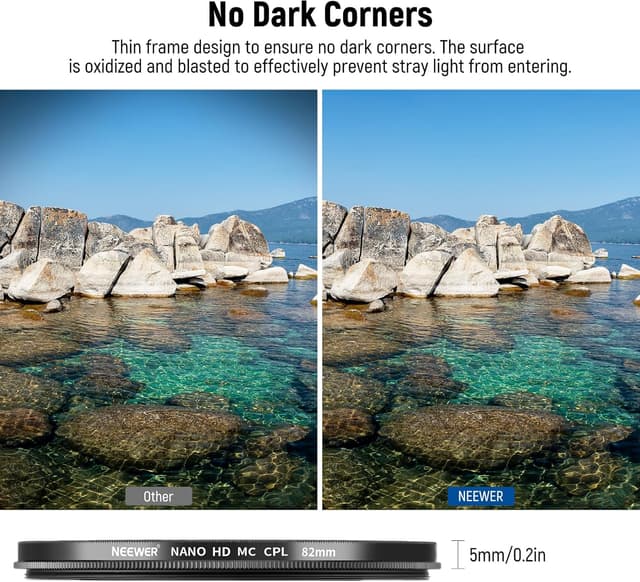
On paper, this model leans into three things: HD optical glass, a multi-layer polarising setup, and nano coatings for day-to-day protection. It also uses an ultra-slim aluminium alloy ring designed to install cleanly and rotate smoothly—useful if you actually plan to dial in the effect rather than “set and forget”. The big practical caveat is simple: you can only use it if your lens accepts 82mm filters, so it’s worth double-checking before you buy.
What it does in real shooting
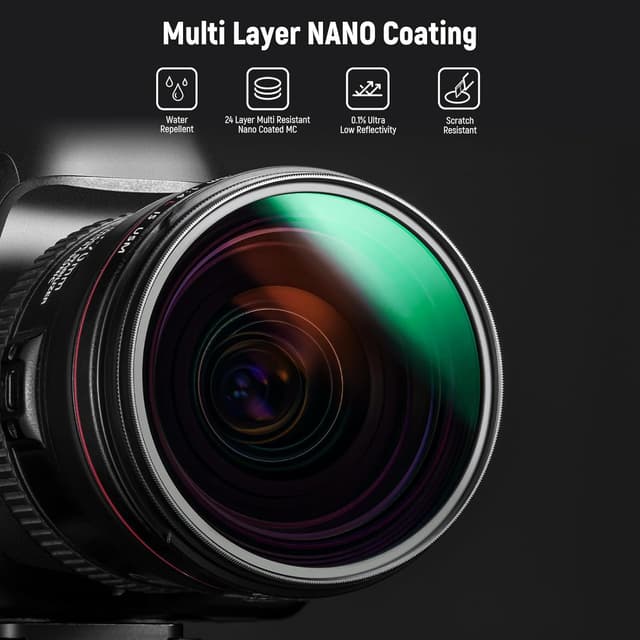
A CPL filter’s job is to reduce reflections from non-metallic surfaces (think water, glass, wet road markings) and to deepen sky tones when the conditions suit. With this NEEWER filter, the manufacturer highlights reduced light reflectance (listed as less than 0.1%), which is aimed at lowering flare and ghosting. The claimed outcome is a cleaner view through the viewfinder and images with improved contrast and more “punchy” colour—particularly where you’d otherwise see dullness from haze or reflections.
Micro-example: if you’re photographing a coastline scene on a bright day, you’ll often get a bright sheen on the water. With a CPL filter fitted, you can rotate until the glare drops and the water’s texture becomes more visible, then lock in the angle and shoot.
Key features you’ll notice
The most convincing aspects here are the build and coating promises, because they matter for how the filter behaves over time.

- HD optical glass and multi-layer polarising films: positioned to improve contrast and saturation, and to keep reflections under control.
- 24-layer multi resistant nano coated design: the intent is protection against water, dust, oil, fingerprints, and scratches, plus easier wipe-cleaning.
- Ultra slim frame with smooth rotation: a slim aluminium alloy ring can be helpful if you dislike bulky filters, smooth rotation is what lets you fine-tune the polarising effect.
Worth noting: while the coatings sound practical, protection is never absolute. If you’re in genuinely harsh conditions (sandstorms, frequent lens changes), you still need sensible handling.
How to choose: size and fit matters
This filter is made for 82mm lenses, and the entry specifically advises you to verify the thread size marked on the front or side of your lens next to a “?” (diameter) symbol. That’s the make-or-break detail.

Where it shines, and where it may not
It’s a solid pick if you regularly shoot scenes where reflections and haze get in the way—outdoors in bright light, water/wet surfaces, or anytime the scene looks flat until you change the angle.
It might not be a great match if your work is mostly controlled indoor shooting with minimal glare, or if you only use filters rarely and you’d rather spend on something more directly tied to your current camera/lens setup. Also, if you’re unsure about lens filter thread size, it’s better to pause—buying the wrong diameter is an expensive mistake.
Overall, this sits in the “serious budget/typical enthusiast accessory” category based on the features listed (HD glass, multi-layer polarising, nano coatings), rather than sounding like a specialised, ultra-premium niche filter.
Caring for the filter
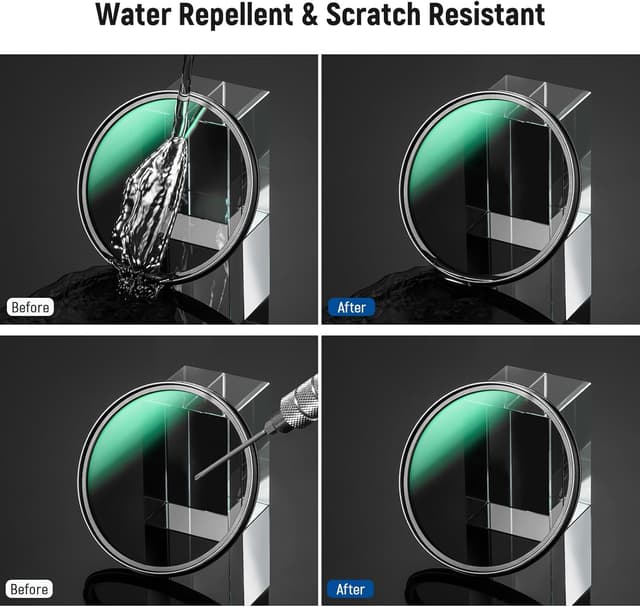
The nano coating claim is geared towards easier cleaning with just one wipe, which is convenient when you’re out and about. Still, treat it like a lens part: use gentle cleaning rather than rubbing grit into the surface. If you’re switching lenses often, keep the filter cap handy to reduce fingerprints and dust build-up.
Should you buy it?
This NEEWER 82mm CPL filter makes sense if you want a practical way to reduce glare and flare and you’re happy to rotate the filter to dial in the effect. The listed focus on HD optical glass, multi-layer polarising films, and nano coatings suggests it’s aimed at everyday use where you’d like both better image contrast and reduced fuss when handling.
You may want to skip it if you don’t shoot situations where polarisation helps, or if you can’t confirm your lens is compatible with an 82mm filter thread. In that case, you’ll be better off addressing the correct filter size first, or choosing a different approach for your shooting needs.
Box contents and compatibility notes
The package includes 1 x 82mm CPL filter. Compatibility is limited to lenses that accept 82mm camera filters, as indicated by the thread size marking on the lens.
Quick FAQs
Does a CPL filter change every photo?
Not automatically. A CPL helps most when there’s reflective glare or when polarisation affects the scene (for example, water or glass). In flat, low-reflection situations, the impact can be less dramatic.
How do I know if my lens is compatible?
Check your lens for the 82mm filter thread size marking (shown near the diameter symbol). If it’s not 82mm, you shouldn’t buy this one.
Will the nano coating stop fingerprints completely?
It’s designed to resist water, dust, oil and fingerprints, and to make cleaning easier. But you’ll still want to handle it carefully and clean when needed.
Is it hard to rotate to get the effect?
The slim aluminium alloy frame is described as using precision treatment for effortless installation and smooth rotation, so it’s intended to be straightforward to adjust on the lens.
What does “reduce glare” actually mean here?
Based on the description, it’s about minimising light reflectance to reduce flare and ghosting, which should translate into fewer distracting highlights and clearer contrast in the final image.