

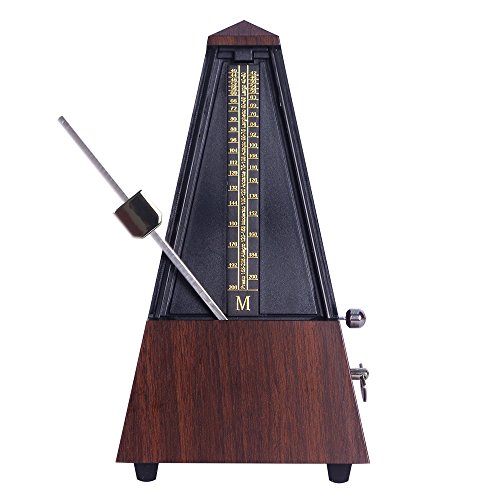

IRONTREE IronTree Mechanical Metronome with Free Bag (Teak) – GLEAM Mechanical Metronome
Product description
What it is and the need it serves
The IRONTREE IronTree Mechanical Metronome with Free Bag (Teak) is a wind- and spring-powered device designed to help musicians keep time without relying on batteries. It targets players across instruments—piano, guitar, wind—as a reliable rhythm reference during practice. On paper, it trims complexity: there’s no electrical power required, just winding a spring to run for a controlled 12 to 45 minutes across a broad tempo range (40–208 bpm). If you want straightforward, noise-free metronome pacing in a compact, wood-voiced package, this model aims to deliver.
How it works and what makes it different
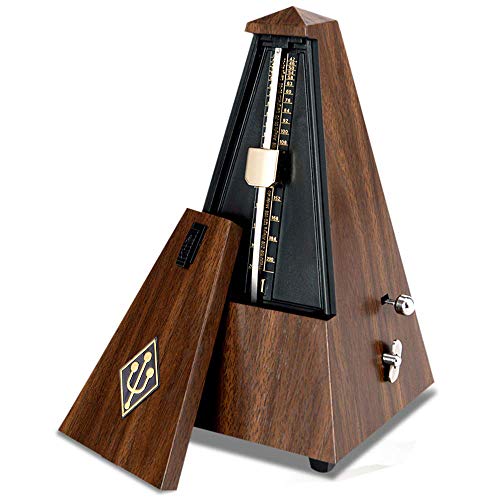
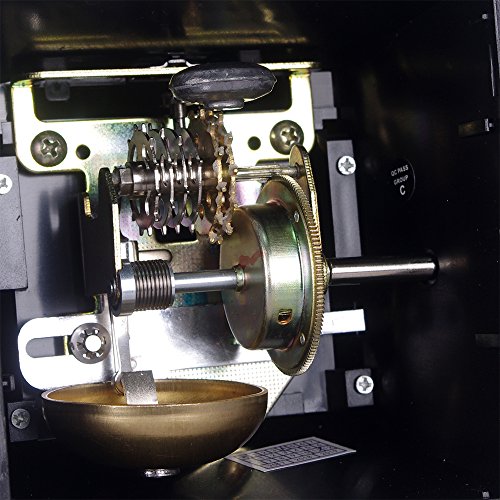
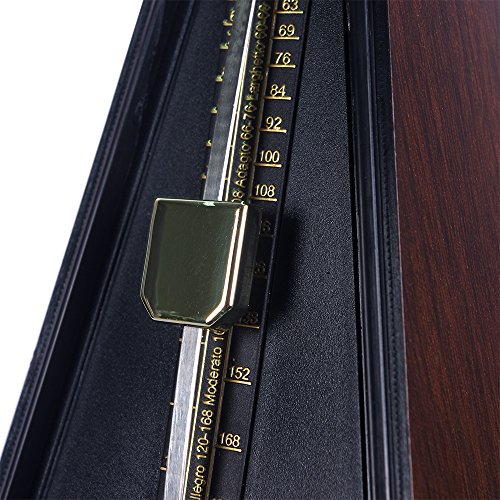
Designed around a metal movement, the product emphasizes durability and a longer-term sense of reliability for beginners who are learning to coordinate hands and rhythm. The absence of electronics means fewer parts to service and a lower chance of battery-related interruptions or drift over time. It also ships with a Free Bag, which can be handy for carrying the metronome to lessons or rehearsals. The mechanism features a loud bell with five tuning options (0:1/4 beat, 2:2/4 beat, 3:3/4 and 3/8 beat, 4:4/4 beat, 6:6/8 beat), giving you flexible audible cues for different rhythmic feels.
Pros: what stands out
- Battery-free operation: powered by a spring, which can appeal to players who prefer no battery drama and predictable performance.
- All-metal movement: the construction aims to minimise the risk of early wear or drift, important for beginners practising consistency.
- Broad tempo range: 40–208 bpm covers a wide spectrum from slow exercise to faster passages.
- Multiple bell settings: the various beat options help you cue different time signatures without switching devices.
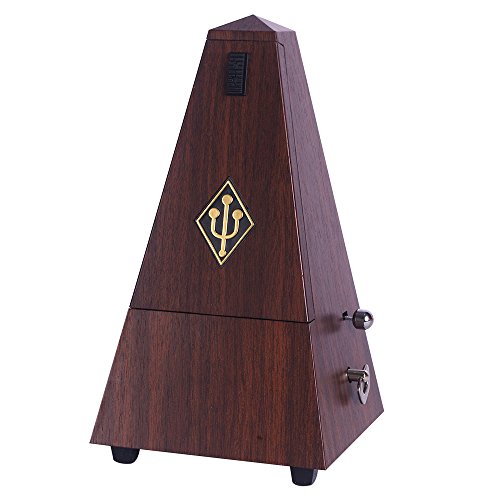
- Teak finish and included bag: a straightforward, portable setup that looks more kitchen-table friendly than a project-plug gadget.
Cons: where it may fall short
- Mechanical limitations: as a spring-driven device, it requires regular winding and may lose fine-tuning sensitivity compared with some high-precision electronic metronomes.
- No built-in metronomic memory: once the wind runs out, you need to rewind and reset tempo and bell settings.
- Might not suit gigging needs: for performances where absolute latency and ultra-stable tempo are paramount, a digital alternative might feel more precise.
- Limited visual cue: if you’re in a bright room or moving, hearing the bell may be more reliable than watching a swinging pendulum.
Who it’s for
- Beginners and students who want a simple, durable metronome without the need for batteries.
- Players who value a traditional mechanical approach and a visually tangible time reference.
- Musicians who practise across piano, guitar, or wind and appreciate a broad tempo span with audible cues.
Who it isn’t ideal for
- Those who need ultra-precise digital timing or integrated teaching features (tap tempo, visual LED reminders, or app syncing).
- Performers relying on battery-powered units for on-stage use due to required portability and wake-up speed.
- Anyone who prefers a compact digital device with memory and is happy to forgo the classic mechanical feel.
When it makes sense to buy
- You want a low-maintenance, battery-free metronome that’s straightforward to wind and use.
- You value a robust metal construct and a traditional approach to rhythm training.
- You’re starting out and need a reliable, no-fuss rhythm reference across common musical genres.
When you might want to skip it
- If you require micro-tuning accuracy or advanced tempo features absent in mechanical models.
- If you frequently need a metronome for long sessions beyond the wind duration, and you don’t want to pause.
- If your practice space demands a louder or subtler cue than the built-in bell provides.
Before you buy: quick checks
- Confirm you’re comfortable with winding and resetting the tempo as needed.
- Consider whether the bell’s volume and a five-beat option cover your typical practice styles.
- Think about how often you travel with your instrument, the free bag is handy, but you’ll still want a compact, stable stand if you use one.
- Reflect on whether you prefer the look and feel of teak and a traditional mechanical device over a digital alternative.

Practical usage example
Imagine a student slowly building a 16-bar piano exercise at 60 bpm. You wind the metronome, set the bell to a 4/4 beat, and listen for a clear downbeat each bar. The spring’s steady cadence provides a tactile, audible cadence as hands coordinate. If a tricky passage requires a faster tempo, you can nudge the tempo up to 120 bpm and keep the same bell cue, maintaining rhythm without looking at any screen.
Technical snapshot (brief)
- Movement: metal construction for longevity.
- Tempo range: 40–208 bpm.
- Running time: 12–45 minutes per wind, depending on use.
- Bell settings: five options covering common time signatures.
- Finish: teak, with an included free bag for transport.
FAQ
- How long does it run after winding? 12 to 45 minutes depending on the tempo and usage.
- Is it good for beginners? Yes, the metal movement and clear bell cues are aimed at early rhythm training.
- Can I use it with any instrument? It is suitable for piano, guitar, wind, and other practice scenarios requiring steady timing.
Is it worth it?
A solid pick if you prioritise a simple, dependable, battery-free metronome with a traditional feel and a durable build for everyday practice. It may not be the best choice if you need advanced digital features or moisure-tight on-stage reliability. Consider your practice habits, whether the wind time matches your typical sessions, and how much you value a tangible mechanical reference versus a feature-rich electronic alternative.