

Milisten Hand-Painted Rhythm Sand Ball: African Kashaka-style Shaker for Drummers
Product description
What it is and what it does
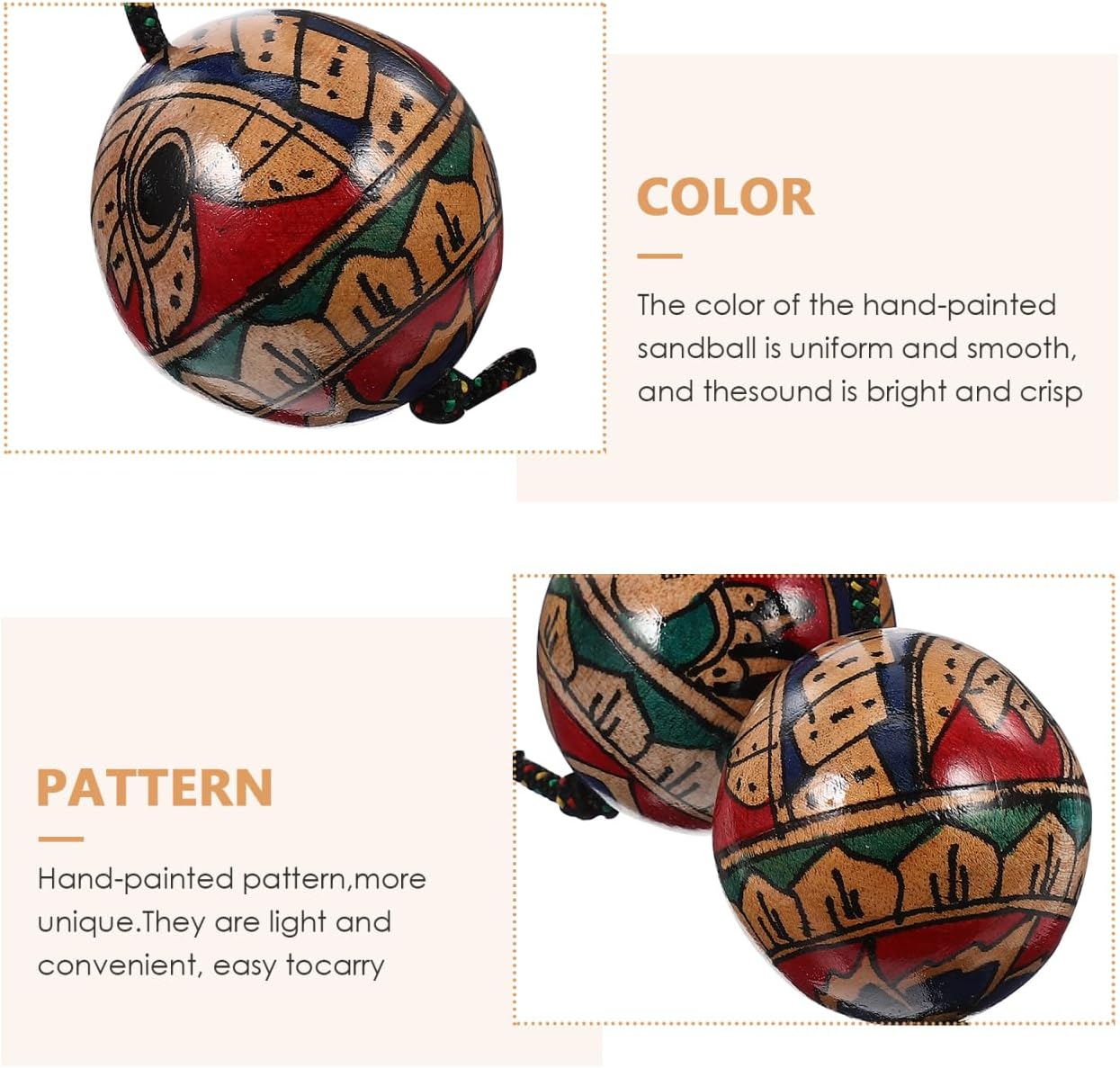
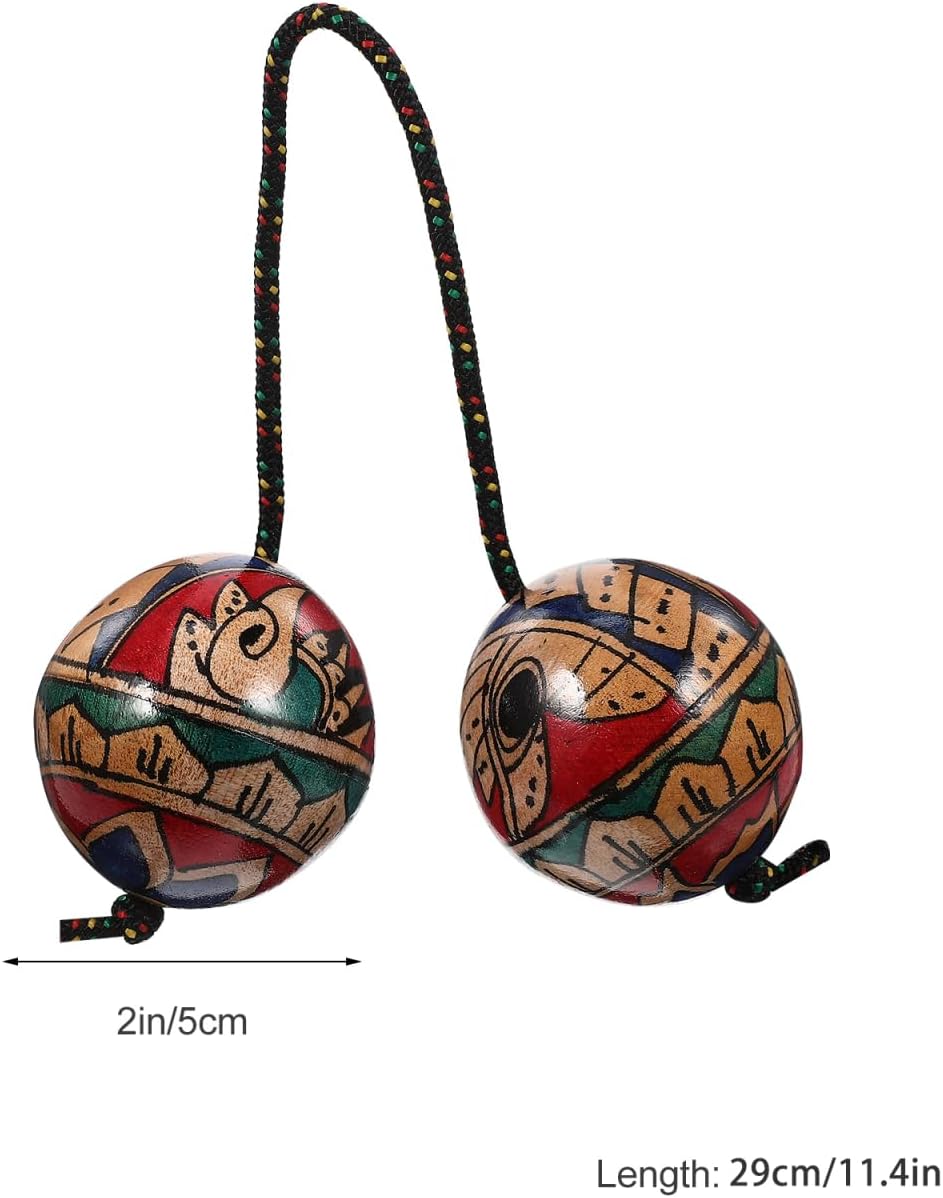
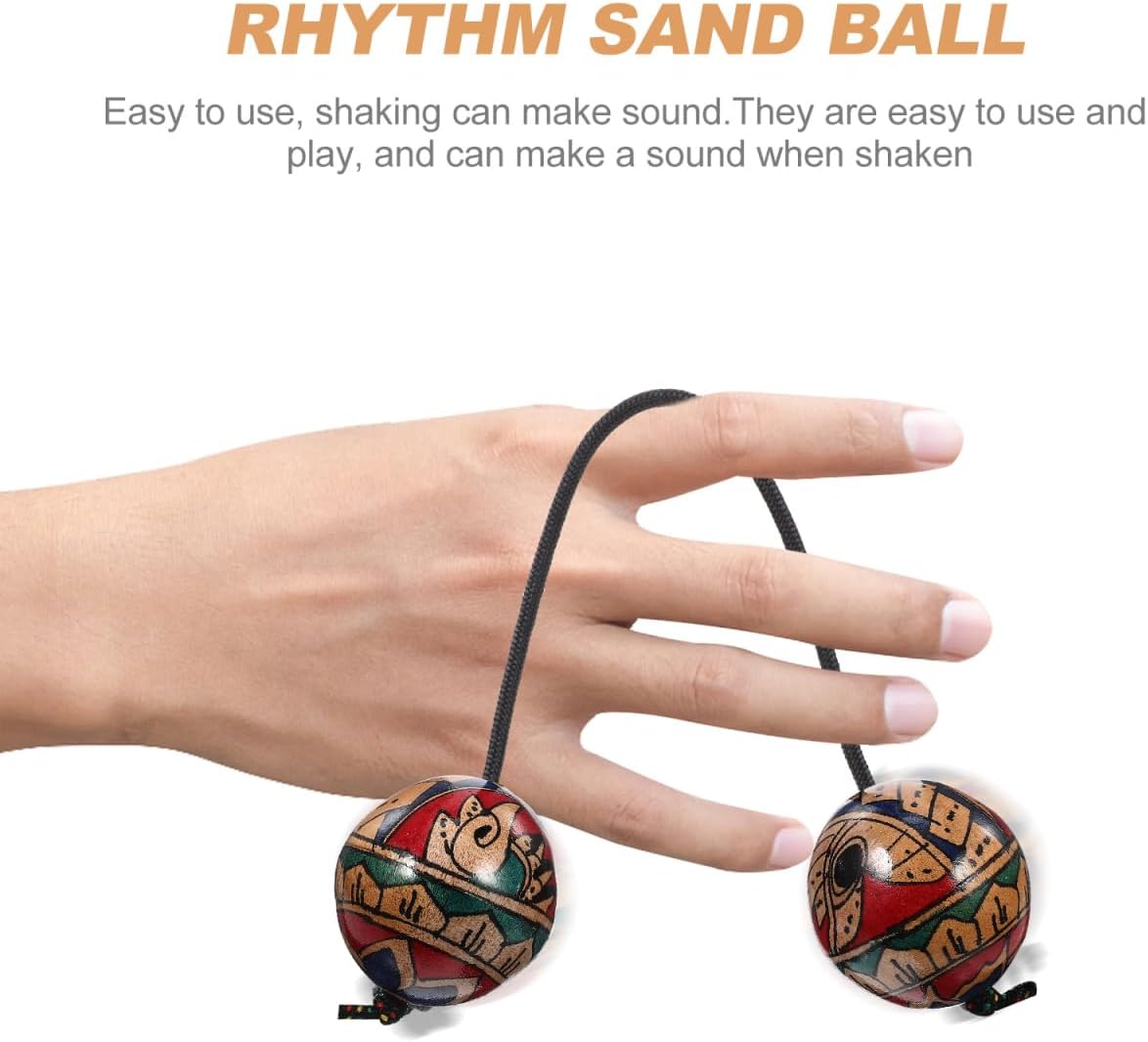
The Milisten Hand-Painted Rhythm Sand Ball is a lightweight, rope-style percussion shaker designed to deliver a traditional rhythmic texture. Built for drummers, classrooms and stage performances, it offers a compact, handheld way to introduce sand-based textures into a groove without needing complex setup. On the surface, the hand-painted design makes each piece visually distinctive, bringing colour and cultural flair to the performance space.
Sound and playability
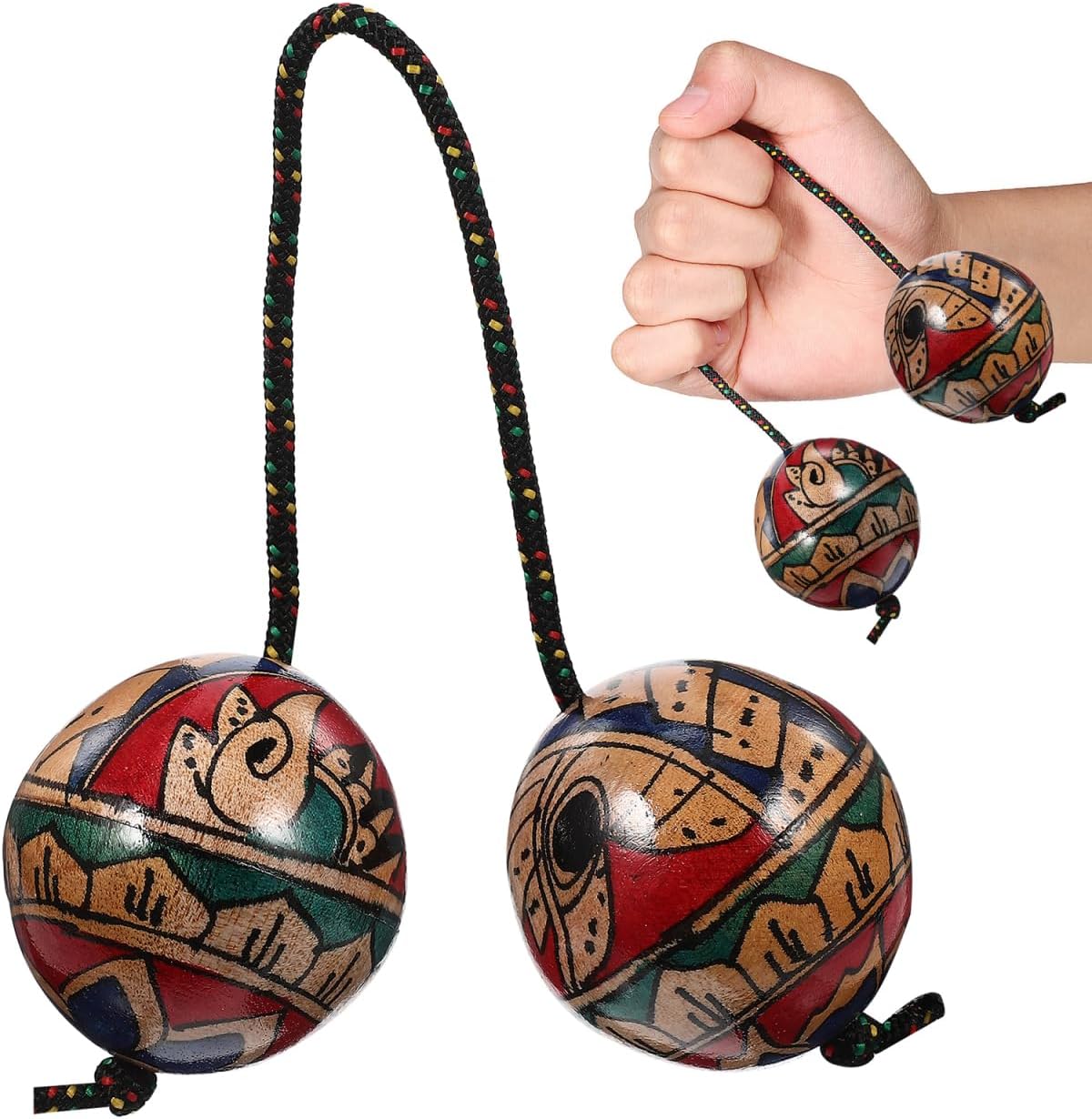
On the paper, this shaker focuses on providing a warm, gritty rhythm with a tactile movement. The combination of sand inside the ball and the rope-style handling enables a range of sounds from subtle shakers to sharper, faster textures as you move your wrist. It’s the sort of instrument that rewards steady timing and clear coordination, especially in group contexts where you’re adding texture rather than driving a beat.

Who it’s for
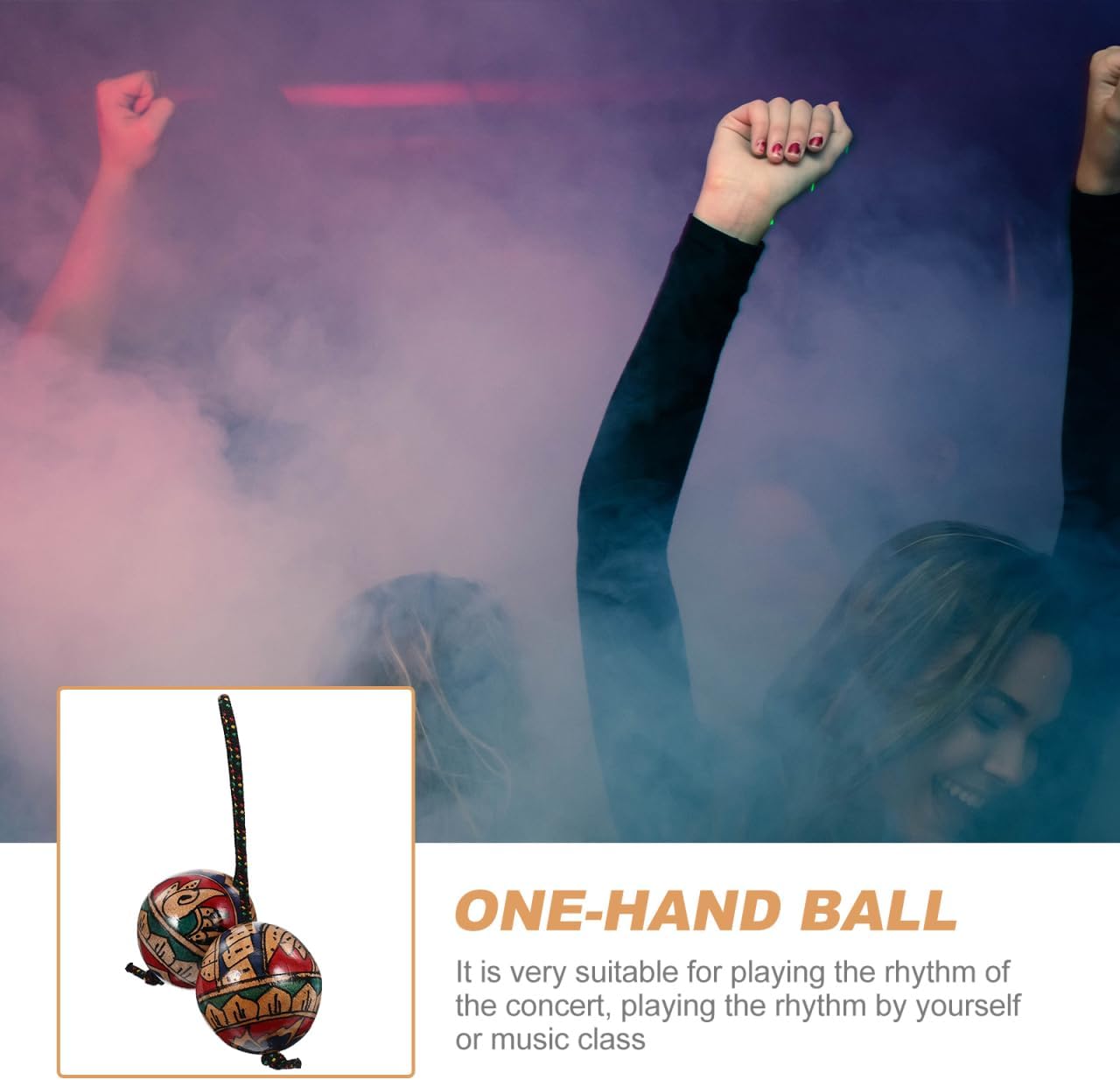
If you’re a novice drum student or you’re teaching rhythm in music classes, this tool is approachable and easy to pick up. For experienced percussionists, it offers a lightweight option to broaden sound palettes during practice or recording sessions. It also suits world and Latin music contexts, where shaker textures help reinforce groove and momentum without overpowering other instruments.
Best and not-so-best in use
What stands out is the combination of accessibility and visual appeal. The hand-painted patterns bring character to the instrument and can inspire engagement in group lessons or performances. On the other hand, as with many small, movable rhythm devices, the durability of the paint and the shell will depend on handling and storage. It may not be the strongest option if you routinely tour or require hard-wearing hardware, in such cases, a more rugged shaker might hold up longer under heavy use.
How it fits different buyers
- For classroom use: lightness and ease of sharing between students mean fewer set-up barriers. It’s handy for teaching timing, coordination and the basics of rhythm.
- For gigging players: its portability is a clear benefit for quick setup between numbers, though you’ll want to consider how it blends with other percussion in a live mix.
- For home practice: a good soundtrack addition that can be used for warm-ups or to add texture during practice jams.

What to check before you buy
- Handling: rope-style grips are simple to use but ensure you’re comfortable with the way you hold and swing it.
- Visuals: the hand-painted finish is distinctive, yet you might want to verify consistency across units if you’re buying several for a class.
- Integration: think about how its sound blends with your other percussion or with your teaching goals, it’s more about texture than loud impact.
How this compares to other approaches
If you’re weighing this against simpler plastic shakers or larger kaoss-style rhythm tools, the Milisten piece offers a very approachable entry point with a cultural aesthetic. It’s less about volume and more about adding a textured layer to your rhythm section. For those prioritising durability and maximal volume, another type of shaker or hand percussion might be more suitable. If you value a visually engaging instrument that doubles as a teaching aid, this option stands out.
Practical usage tip
Try a slow, steady wrist motion to elicit a consistent sand texture, then accelerate gradually to explore brighter, quicker textures. In a group setting, cue a short held groove with one hand while keeping time with your feet or another instrument to maximise the texture without stealing the spotlight.
FAQ
- How difficult is it to learn to use? It’s generally beginner-friendly, especially for teaching rhythm fundamentals.
- Is it suitable for stage performances? Yes, it’s designed for live use, offering a clear, textured sound without requiring loud dynamics.
- Can it handle frequent transport? Its portability is a selling point, but check how you store painted surfaces to preserve the finish over time.
Is it worth it?
A solid pick if you want an affordable, portable texture instrument that doubles as a colourful teaching accessory and a stage piece. It may not be the best option if you need a highly durable, high-volume shaker for constant touring or heavy professional use. Ultimately, it suits players and educators prioritising accessibility, visual appeal and versatile, subtle rhythmic texture.