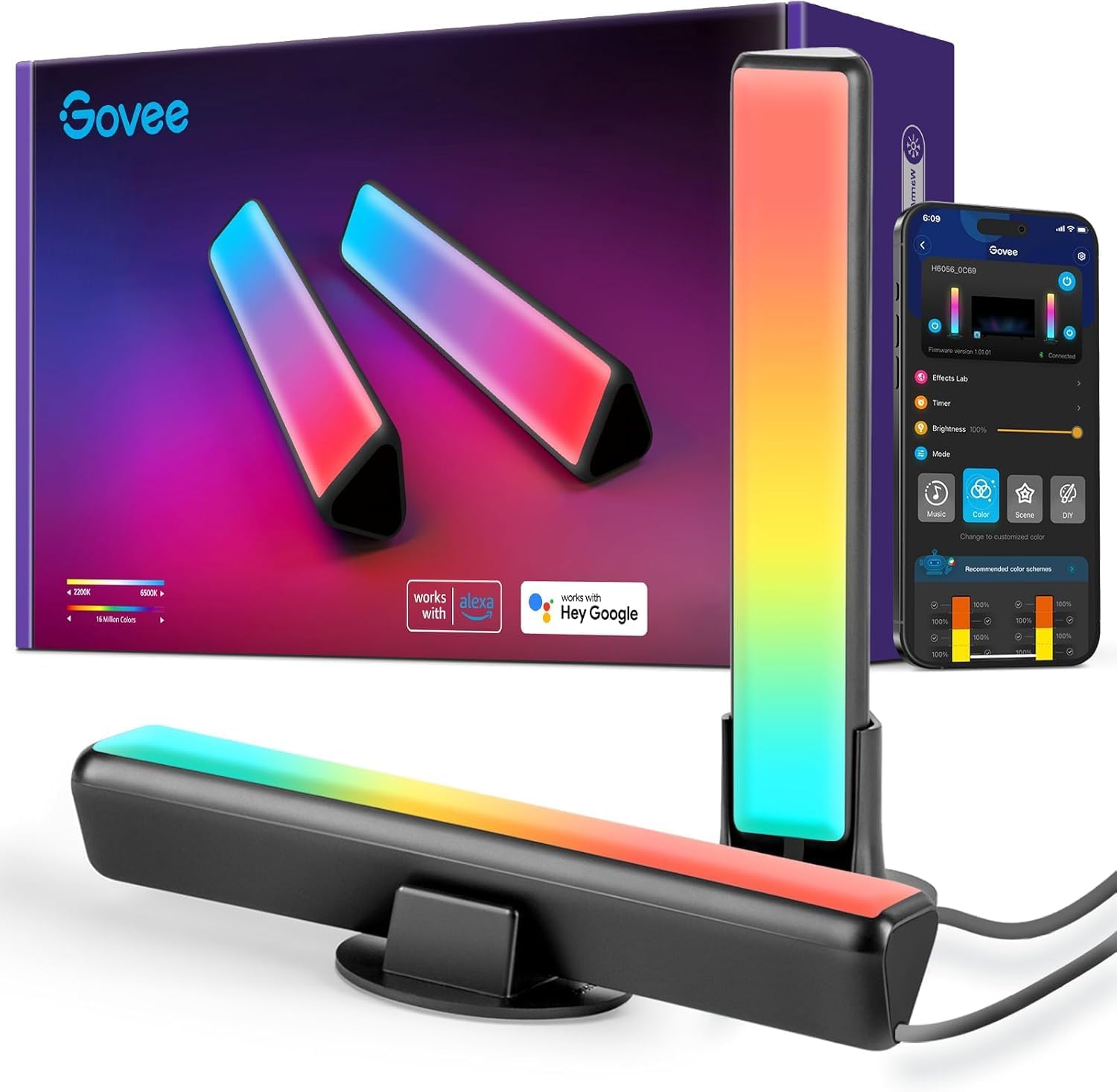
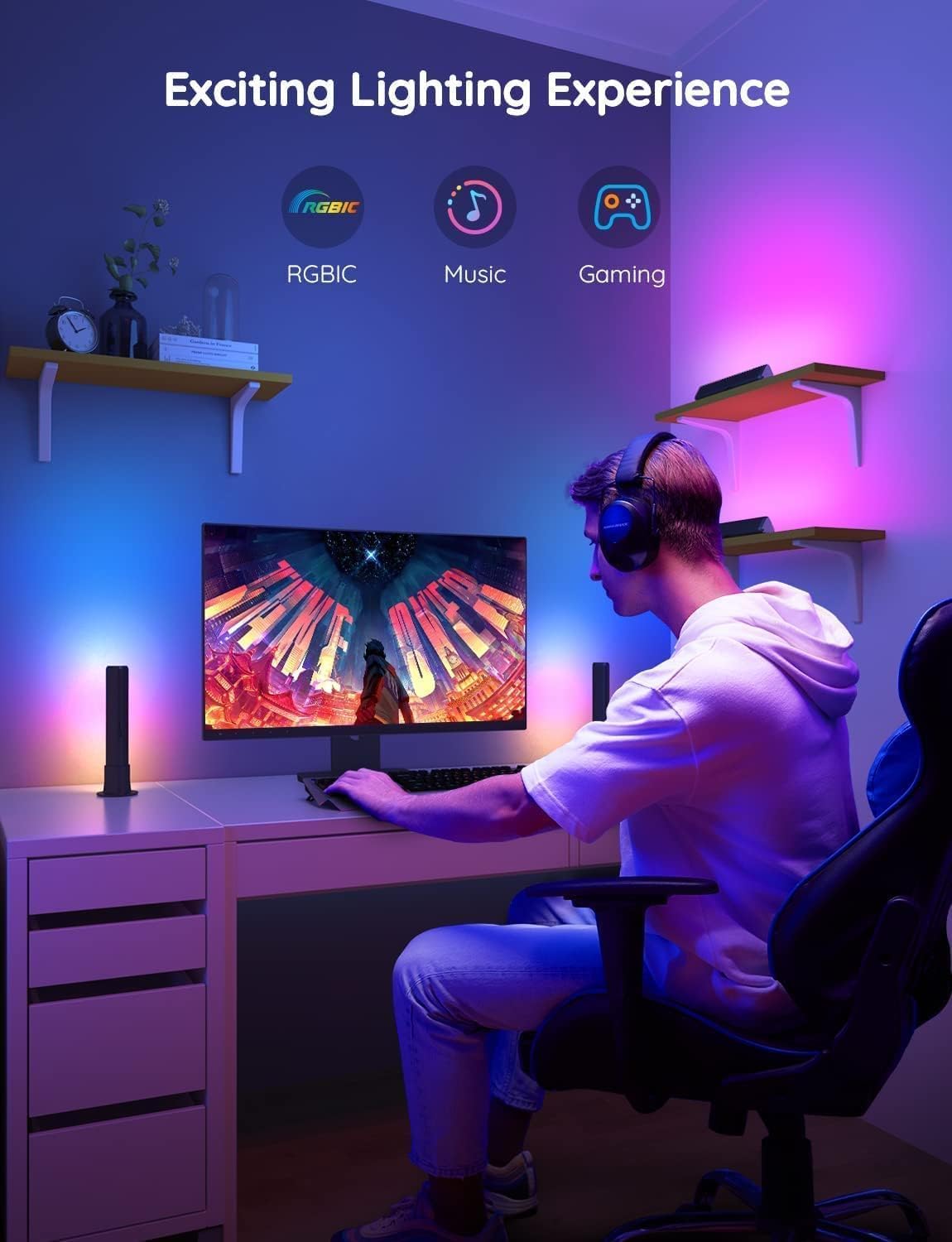
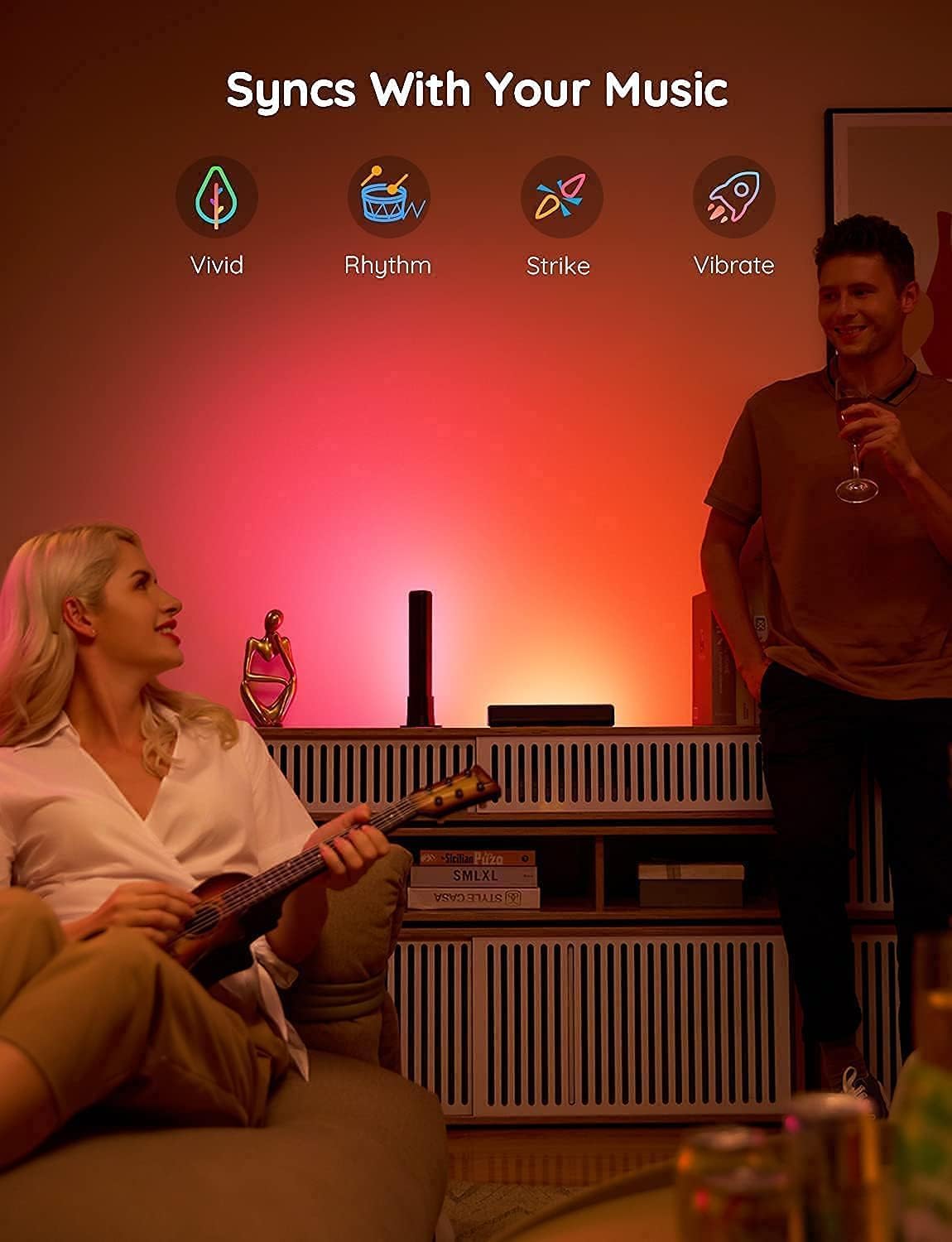
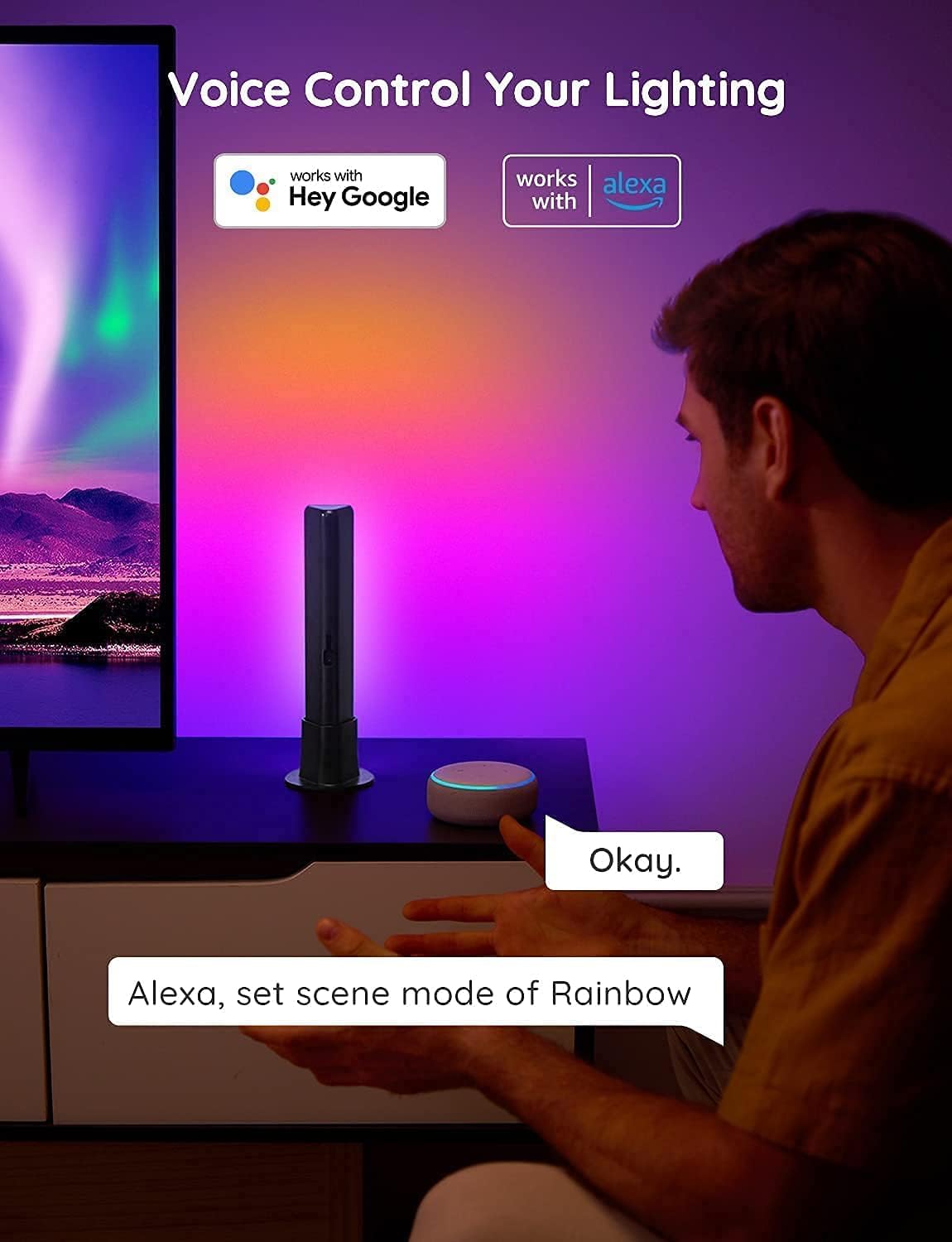
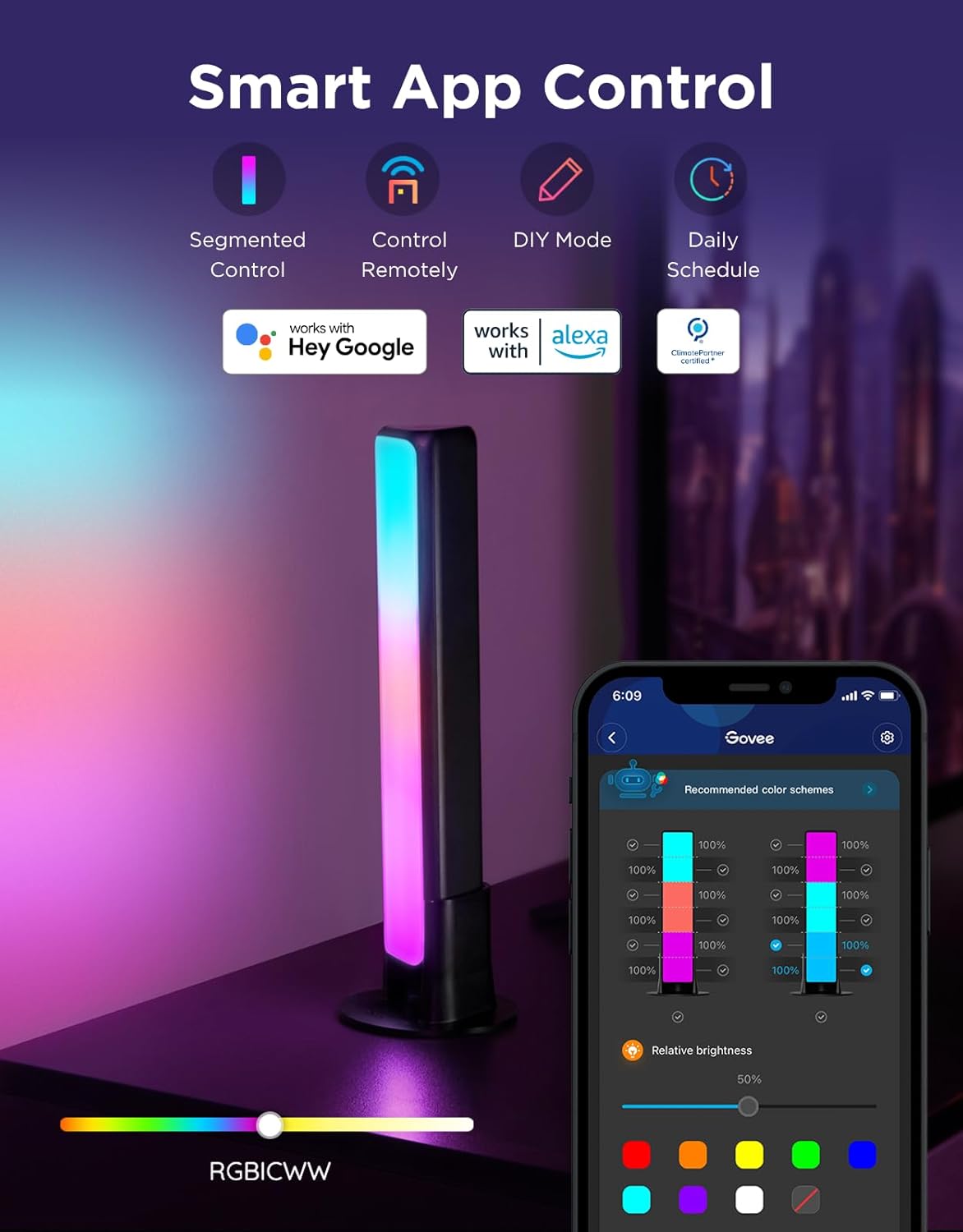
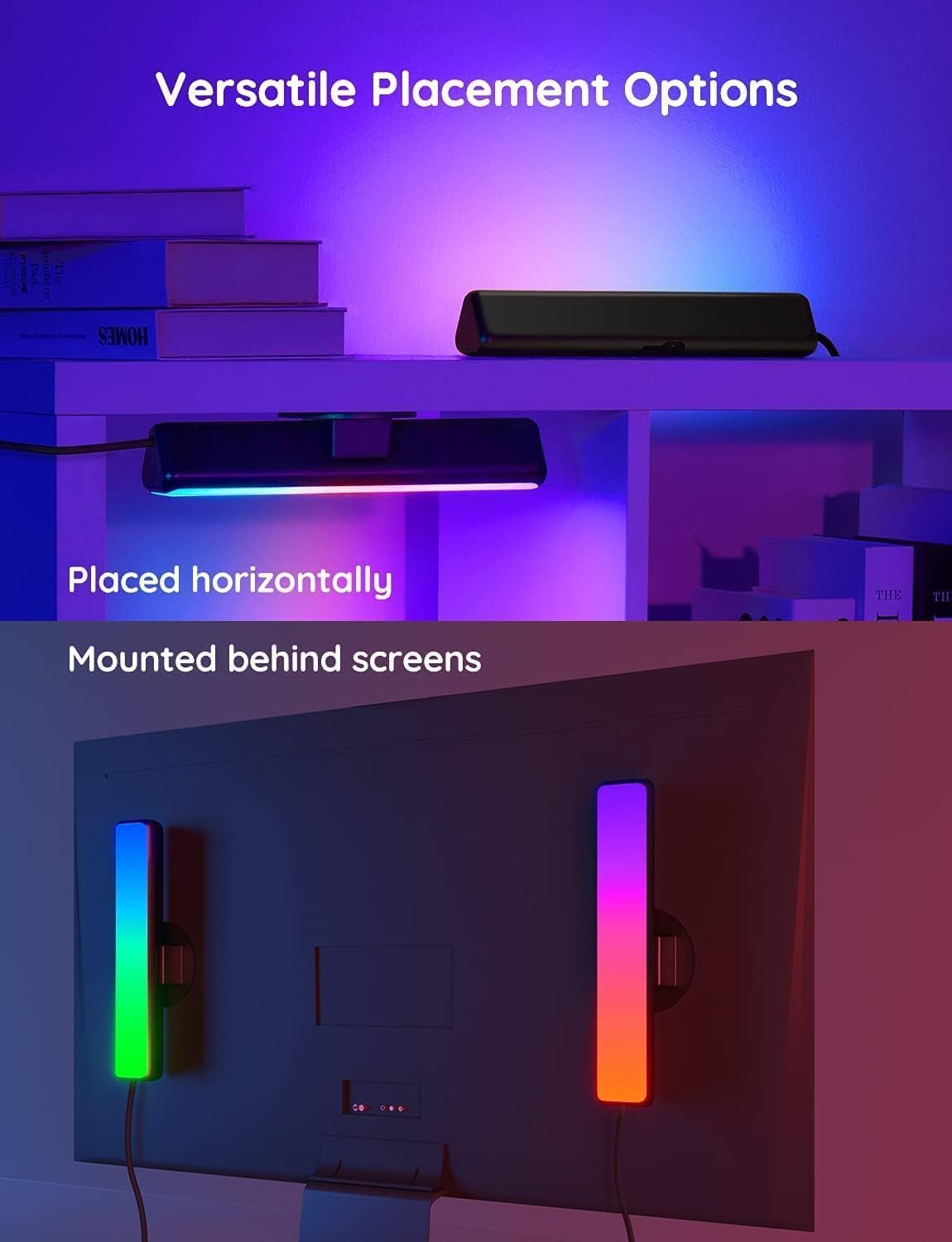
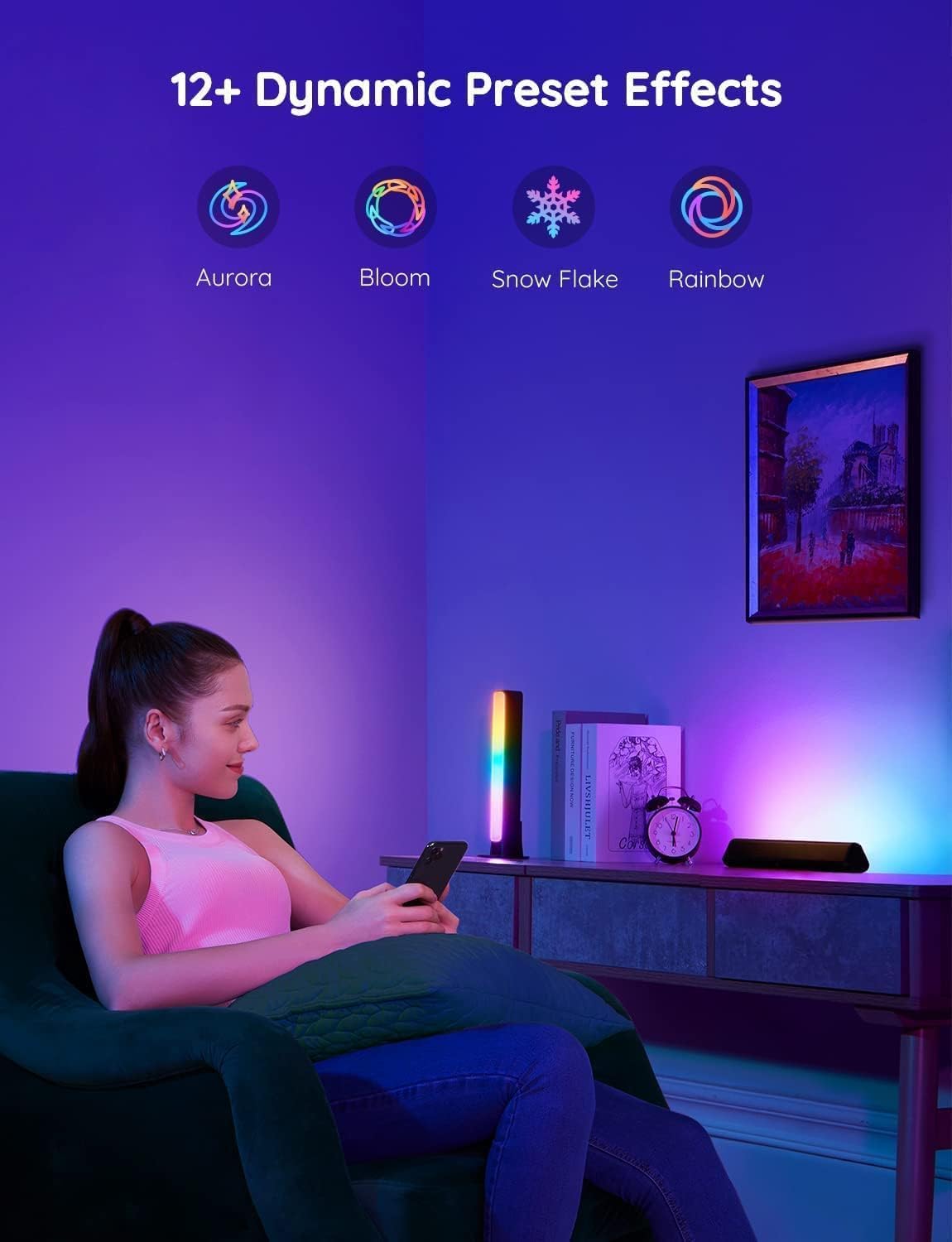
What this product is and what it aims to solve\nGovee LED Light Bars provide a smart backlighting solution for TVs, PCs and rooms. Built to react to sounds and games, the system aims to reduce eye strain during late‑night viewing and create an immersive ambience that matches your content. On paper, it combines a high‑sensitivity mic, RGBICWW colour technology and a companion app to let you tailor lighting across the room. If you’re after a tidy, hands‑free way to elevate your entertainment setup without mounting a full lighting rig, this could be worth considering.\n\n## How it works in practice\nThe light bars connect via WiFi and work with Alexa or Google Assistant for hands‑free control. In use, you can switch on or off, adjust brightness, pick colours and apply lighting effects through voice or via the Govee Home app. The RGBICWW tech means lighting isn’t a flat wash, instead, individual segments can display multiple colours at once, creating a more dynamic spectrum across the back of your display. A built‑in microphone lets the bars react to music, movie soundtracks and game audio, producing a reactive light show rather than a static glow.\n\n## What stands out on paper\nIf you prioritise smart control and easy setup, the combination of app control, voice assistants and music sync is a strong point. The inclusion of DIY mode invites you to craft your own effects, which can be appealing if you enjoy custom ambience. The mounting options – lay flat, stand vertically, or brackets for behind a monitor or TV – add flexibility for different desks and configurations.\n\n## Potential drawbacks or limitations\nWhile the concept is compelling, it hinges on reliable WiFi connectivity and app compatibility for the best experience. Some users may find setup a touch fiddly, and the music‑reactive mode can feel less precise in very ambient rooms. If you’re seeking colour accuracy or ultra‑bright, cinema‑style backlighting, you might still want to compare with more specialised lighting kits. Also, performance can vary depending on the room size and the TV or monitor’s dimensions.\n\n## Who it’s best for\nThis is well suited to casual gamers, movie watchers and remote‑workers who want a subtle mood boost without extra hardware. It suits a mid‑range budget and is a practical upgrade for existing TVs or computer desks where a neat, integrated lighting solution is preferable to loose LED strips.\n\n## Who it isn’t ideal for\nPeople chasing hardcore lighting setups or professional colour grading may find RGBICWW’s capabilities modest. If you want studio‑grade neutrality or independent brightness control per pixel, this isn’t the niche it’s aimed at.\n\n## What to check before buying\nConfirm you’re able to install behind your TV or monitor with the provided brackets, and ensure your WiFi environment is reliable for smooth app control and voice integration. Consider whether you prefer flat backlighting or a more pronounced ambient glow in the room.\n\n## How it compares to other approaches\nCompared with basic single‑colour backlights, the RGBICWW approach offers a wider palette and multi‑zone colour effects, which can enhance immersion. It sits between entry‑level backlighting and higher‑end ambient lighting kits, if you value convenient smart control and DIY options, it’s a sensible middle ground.\n\n## Practical usage example\nImagine finishing a late‑night film, lights off, the backlights shifting through cool blues and purples that mirror on‑screen scenes while a soft voice command dims everything to a comfortable level. The app can preload scenes for gaming or movies, so you’re not fiddling with settings mid‑watch.\n\n## FAQ (practical answers)\n- Is it easy to set up with a smart speaker? Yes, it works with Alexa and Google Assistant via WiFi for hands‑free control.\n- Can I customise the lighting myself? The DIY mode allows you to create your own effects beyond presets.\n- Will it clutter my desk? The brackets and mounting options are designed to keep cables tidy and position the bars close to the screen.\n\n## Is it worth it?\nWorth considering if you want a flexible, app‑driven backlight that reacts to sound and supports voice control, without a full lighting rig. It may not be the best option if you require extreme brightness or exact colour replication for professional tasks.\n