

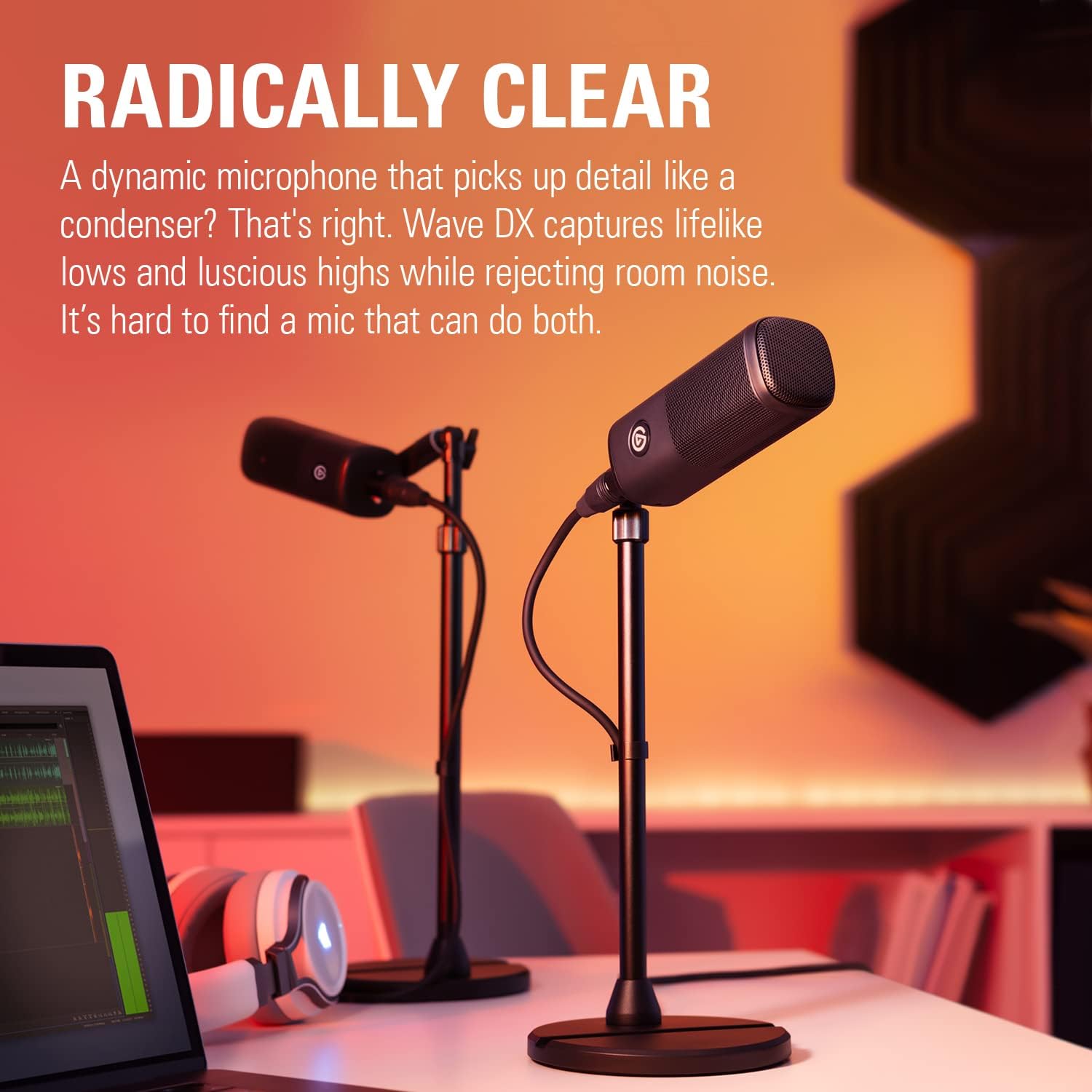
Elgato Wave DX Dynamic XLR Microphone (Cardioid) for Podcasting, Streaming & Broadcasting
Product description
What it is and why people buy it
Elgato Wave DX is a dynamic XLR microphone aimed at spoken-word use: podcasting, streaming, and general broadcasting. The big idea, at least on paper, is that it’s optimised for speech so you get clearer, more controlled capture of voices rather than chasing maximum studio “air” from every instrument. It’s also designed to be straightforward to integrate: because it’s an XLR dynamic mic, it’s meant to work with any XLR preamp or audio interface, with no separate signal booster required.
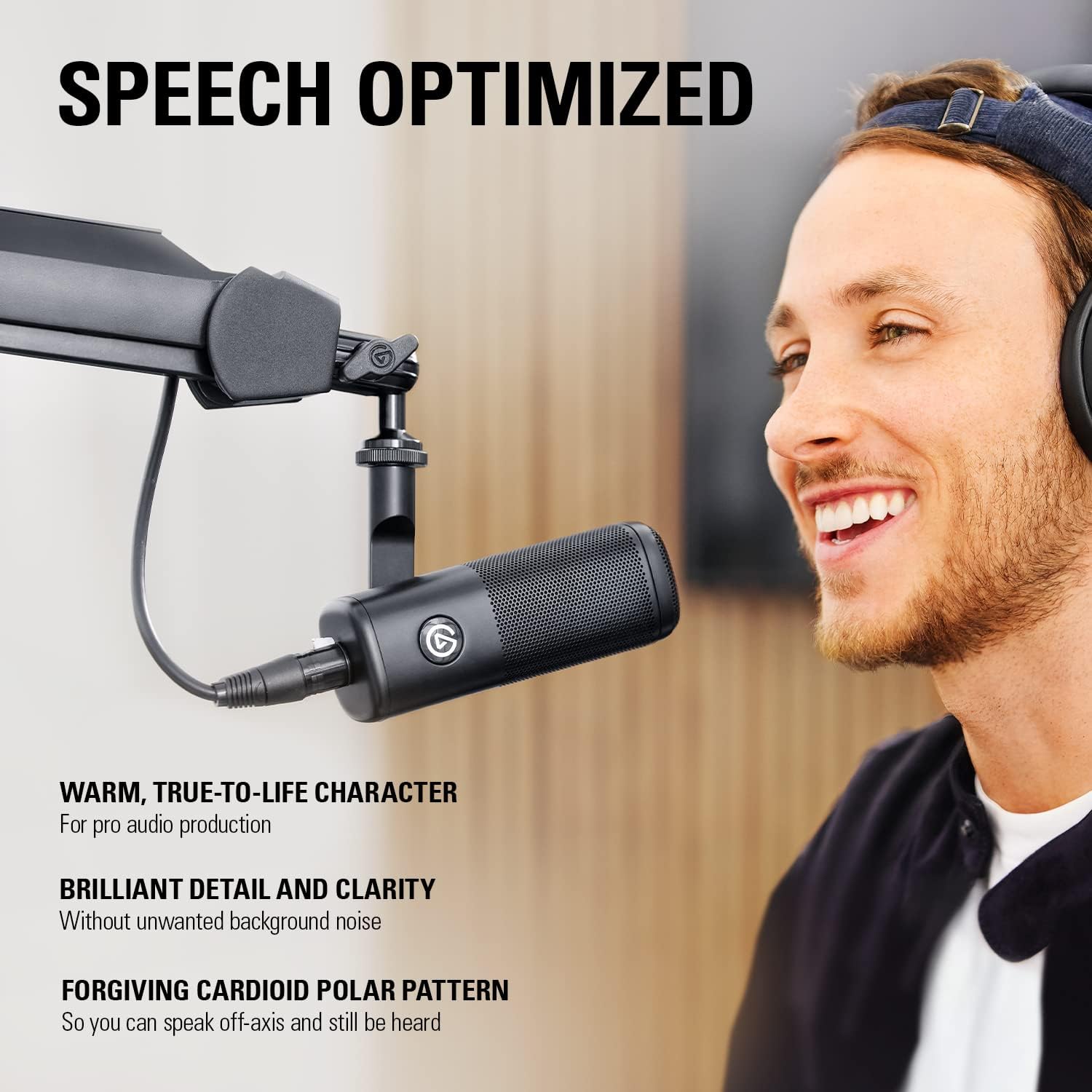
If you’re setting up a home studio, the appeal is usually practical. Dynamic mics are often chosen when you want less drama from the room—clicky keyboards, a kettle in the next room, or a bit of background hum. This model specifically calls out room noise rejection, and it uses a cardioid polar pattern to focus on what’s in front of the mic. That combination can make a noticeable difference compared with more open pickup patterns.
The essentials: sound character and pickup pattern
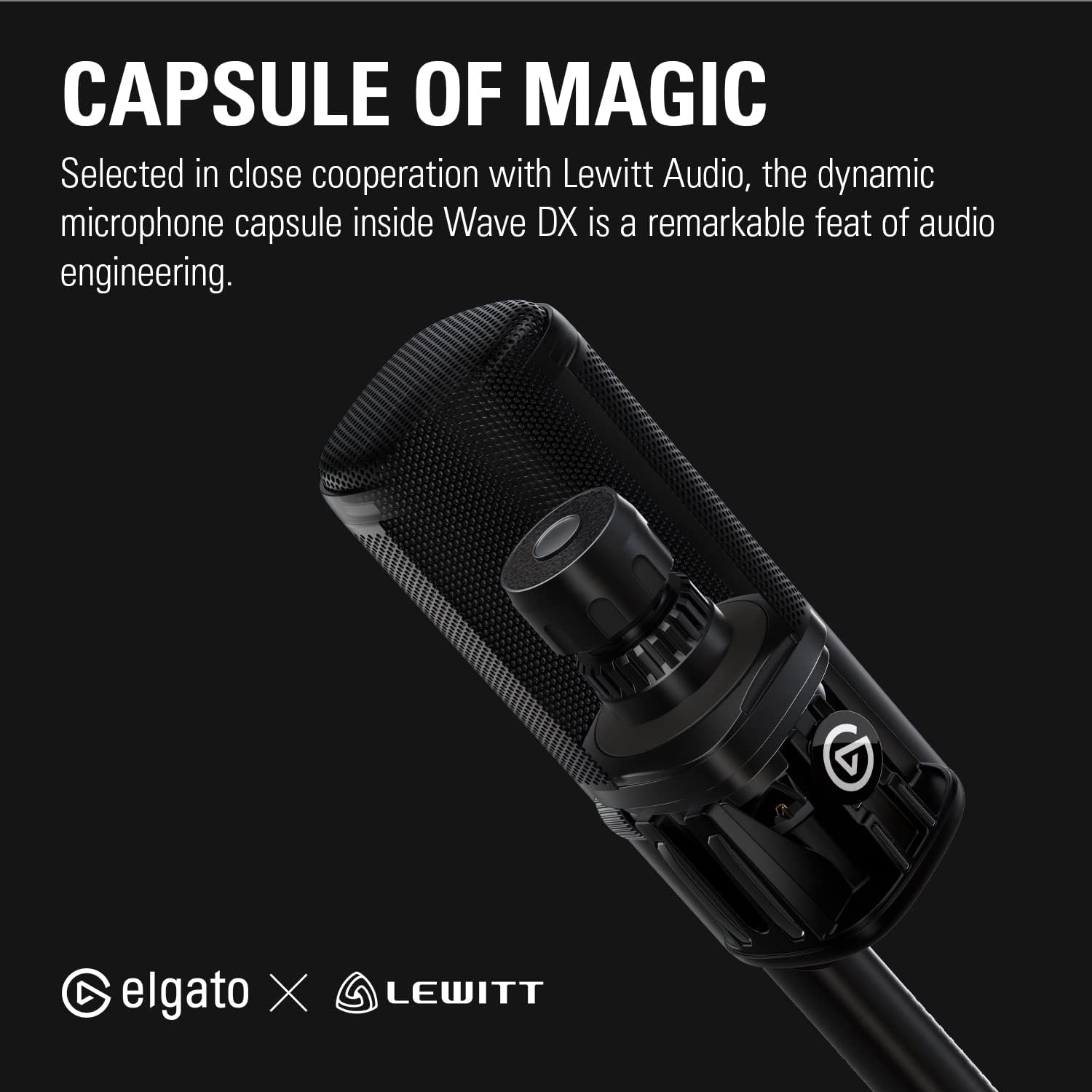
Elgato describes a “premium dynamic capsule” with speech-optimised capture for exceptional detail and clarity, plus a warm, true-to-life sound character. In real-world terms, that suggests it’s tuned to keep speech intelligible across different delivery styles—whether you’re close-miking calmly or speaking with a bit more energy.
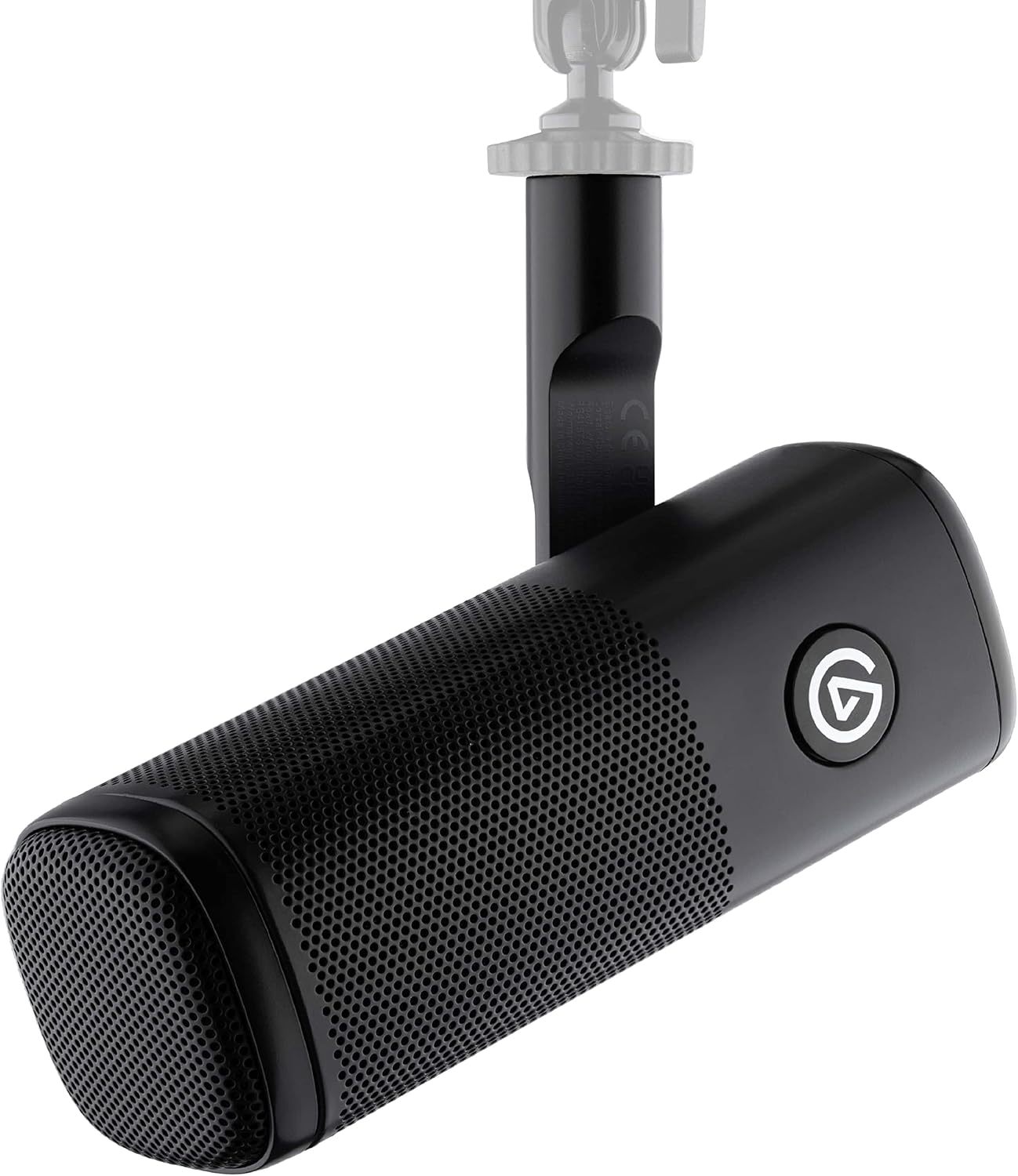
The cardioid pattern is the other cornerstone. Cardioid doesn’t mean you can’t move at all, but it is designed to be more forgiving than ultra-tight patterns when your head isn’t perfectly aligned. That matters when you’re live or recording for longer sessions and you naturally shift your position.
There’s also a mono swivel mount with a 5/8" mount plus adaptors for 3/8" and 1/4" threads. The goal here is simple: you can adjust mic position without wrestling with your cable, and you can attach it to common mic stands or boom arms.
Noise handling in day-to-day use
Room noise rejection is one of the reasons people move towards dynamic mics for speaking. While no microphone can completely silence a messy room, the way this one is presented suggests it should reduce unwanted background noise rather than amplifying it.
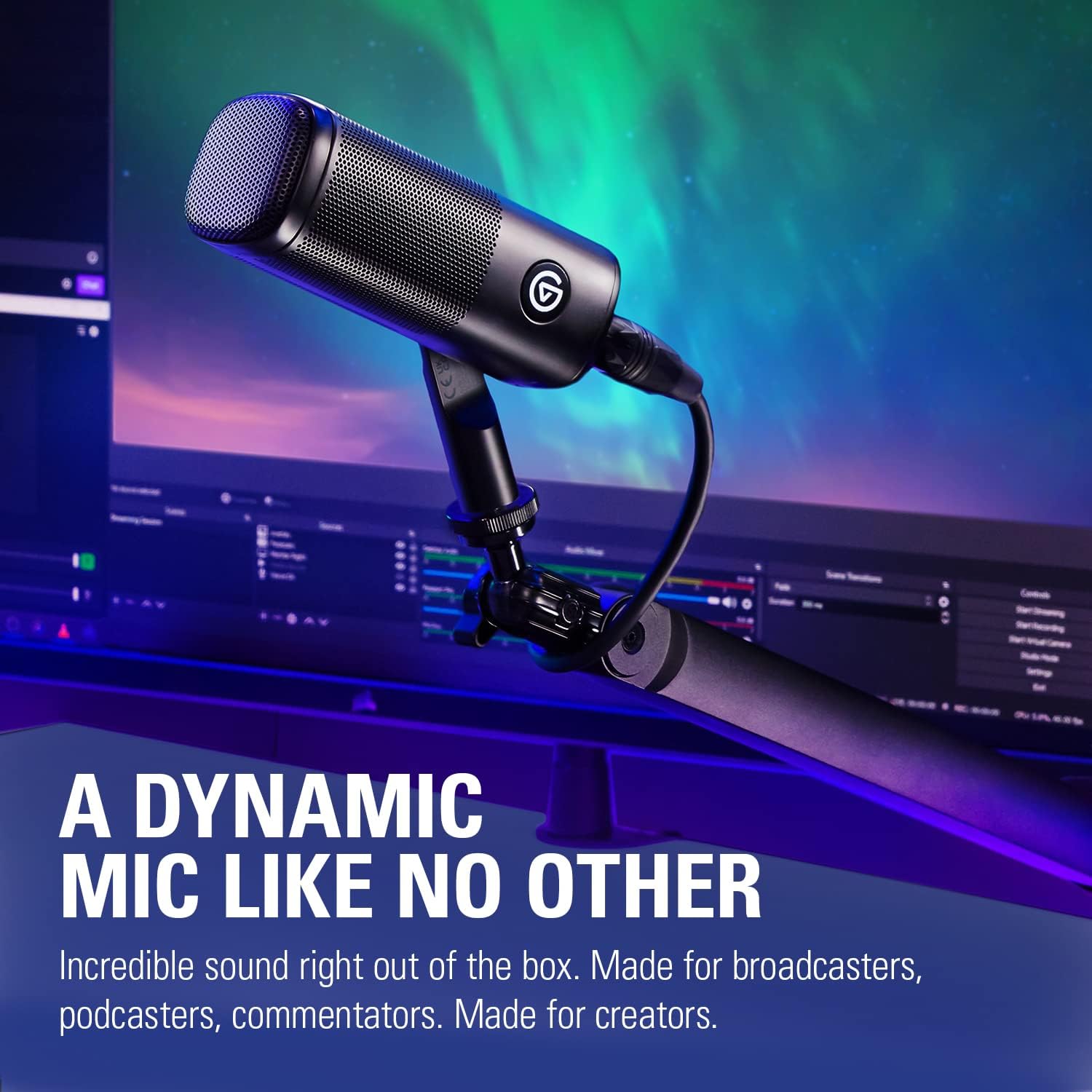
Think about the typical “home studio” problem: you’ve got a desk, a keyboard, and a wall behind you that doesn’t help. With a cardioid dynamic mic like this, your best results generally come from positioning—keep the mic aimed at your mouth, and don’t let it drift into the direction of the noisiest source. It’s not perfect, and if you’re far away or constantly turning away, you may still hear more of the room than you want.
What stands out (and what may disappoint)
What you’ll notice day to day
- Built for speech: the mic is explicitly speech optimised for podcasting, streaming and broadcasting, so it’s not trying to be everything at once.
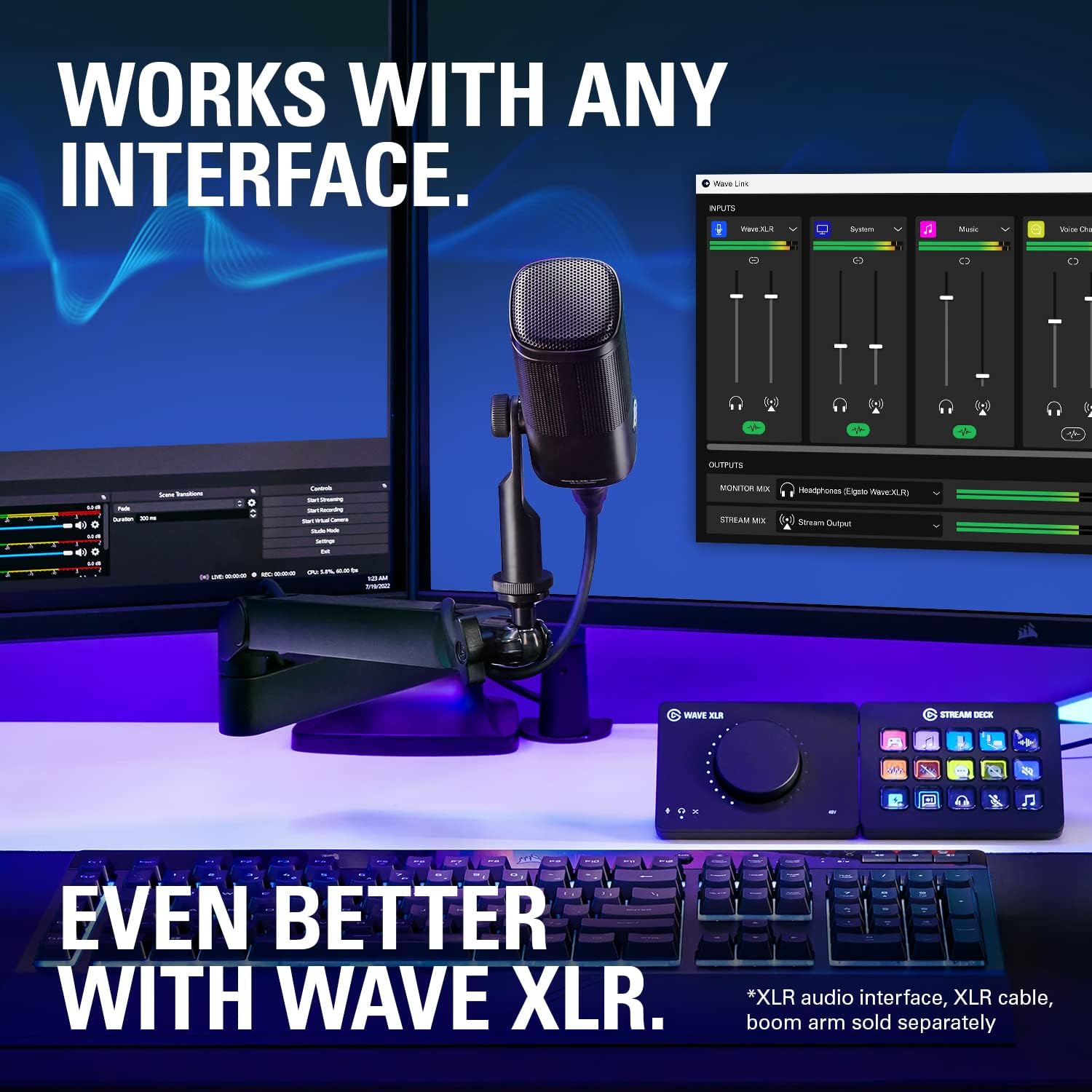
- Works with any interface via XLR: Elgato states it works with any XLR preamp or audio interface, without requiring a signal booster.
- Cardioid pickup helps with off-axis speaking: a wide, forgiving acceptance angle is useful when you’re not perfectly static.
- Mount flexibility: swivel mount with multiple thread adaptors makes physical setup less fiddly.
The limitation you should know
The package isn’t complete on its own. You’ll need an XLR audio interface, an XLR cable, and a mic stand or boom arm (sold separately). If you’re expecting something that’s ready to go immediately with a USB-style setup, this isn’t that—so it can end up being more of an “invest in the whole audio chain” purchase than a quick add-on.
Also, because it’s positioned as a dynamic speech mic, it may feel more like a specialist for voice than a do-everything mic for capturing detailed ambience or certain music styles.
Who it suits best (and who should look elsewhere)
It makes sense if you want a dependable XLR microphone for spoken content, and you care about reducing room noise while keeping voice clarity. You’ll likely get the best fit if you’re recording in a typical home environment where perfect acoustics aren’t realistic.
It may not be a great match if you’re after a plug-and-play USB solution, or if you don’t already have an XLR interface and cable. It can also be less appealing if your main goal is something other than speech—because the whole pitch here is speech optimisation and broadcast-style use.
Worth considering if you’re planning a consistent setup for podcast episodes and streams, where the workflow is “set it, aim it, talk into it”, rather than constantly reconfiguring.
Compatibility and setup checks before you buy
Elgato’s key claim is compatibility: it works with any XLR preamp or audio interface, and it doesn’t require a signal booster. That’s reassuring, but you still need to check your basics first.
Before buying, make sure you already have or plan to get: - an XLR audio interface - an XLR cable - a mic stand or boom arm
Then, think about placement. Cardioid mics behave best when they’re aimed at your mouth and when your speaking position stays reasonably consistent.
If you’re setting up for the first time, a good practical approach is to do a short test recording: speak at your usual distance and volume, then adjust the mic angle and distance to reduce any background pickup. It’s not glamorous, but it’s the fastest way to avoid buying the right mic for the wrong positioning.

Is it worth it?
Elgato Wave DX is worth considering if you want a speech-focused dynamic XLR microphone for podcasting, streaming, or broadcasting, and you prefer a setup that helps keep room noise under control. The cardioid design and noise rejection approach are built around the realities of home recording, and the “works with any interface” angle makes it easier to slot into existing XLR setups.
You may want to skip it if you’re not ready to buy the rest of the chain (XLR interface, XLR cable, and a stand/boom arm), or if you’re looking for a microphone that’s meant to be instantly used like a USB device. In short: it’s a solid speech tool, but it’s not a shortcut if you don’t already have the hardware to use XLR.
Mini FAQ
Is Wave DX only for podcasting?
No. It’s explicitly optimised for speech for podcasting, streaming, and broadcasting, so it’s mainly a voice microphone rather than a general-purpose all-round recorder.
Do I need a signal booster?
No—Elgato states it doesn’t require a signal booster, and it should work with any XLR preamp or audio interface.
What connector does it use?
It’s an XLR dynamic microphone, so you’ll need an XLR audio interface and an XLR cable.
Will it pick up less background noise?
The mic is described as having room noise rejection, which should help reduce unwanted background noise. Exact results still depend on how you position it in your room.
Does it come with the mount parts?
The description says it includes a mono swivel mount and the thread adaptors for 3/8" and 1/4" alongside the 5/8" mount, but the stand or boom arm itself is sold separately.