


ELEGOO PETG Filament 1.75mm Transparent Olive Green 1kg (FDM) — translucent, durable prints
Reviews
Price
Product description
What it is and why people buy it
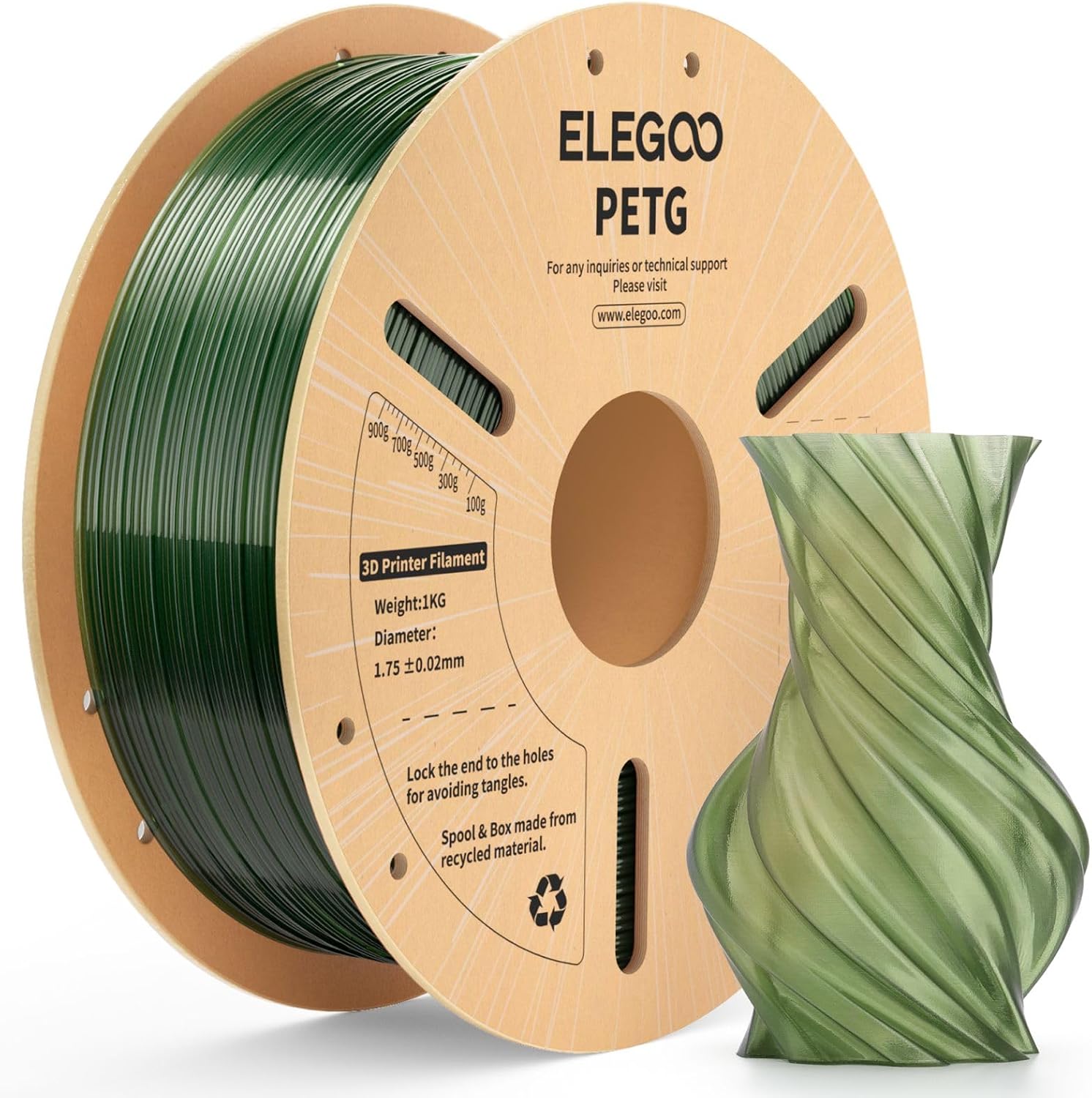
ELEGOO’s PETG filament (1.75mm) in Transparent Olive Green is aimed at makers who want a translucent look without jumping through too many hoops. PETG sits in a useful middle ground for FDM users: it’s generally chosen when you want strength and toughness, plus a finish that looks more “glowy” under light compared with plain opaque plastics.
On paper, this one is particularly geared towards projects where you’d like light transmission and a slightly premium visual effect—think lampshades, decorative vases, display parts, and models that you want to look good when lit. It’s also marketed for outdoor-friendly use, since PETG is presented here as water- and UV-resistant.
Key points
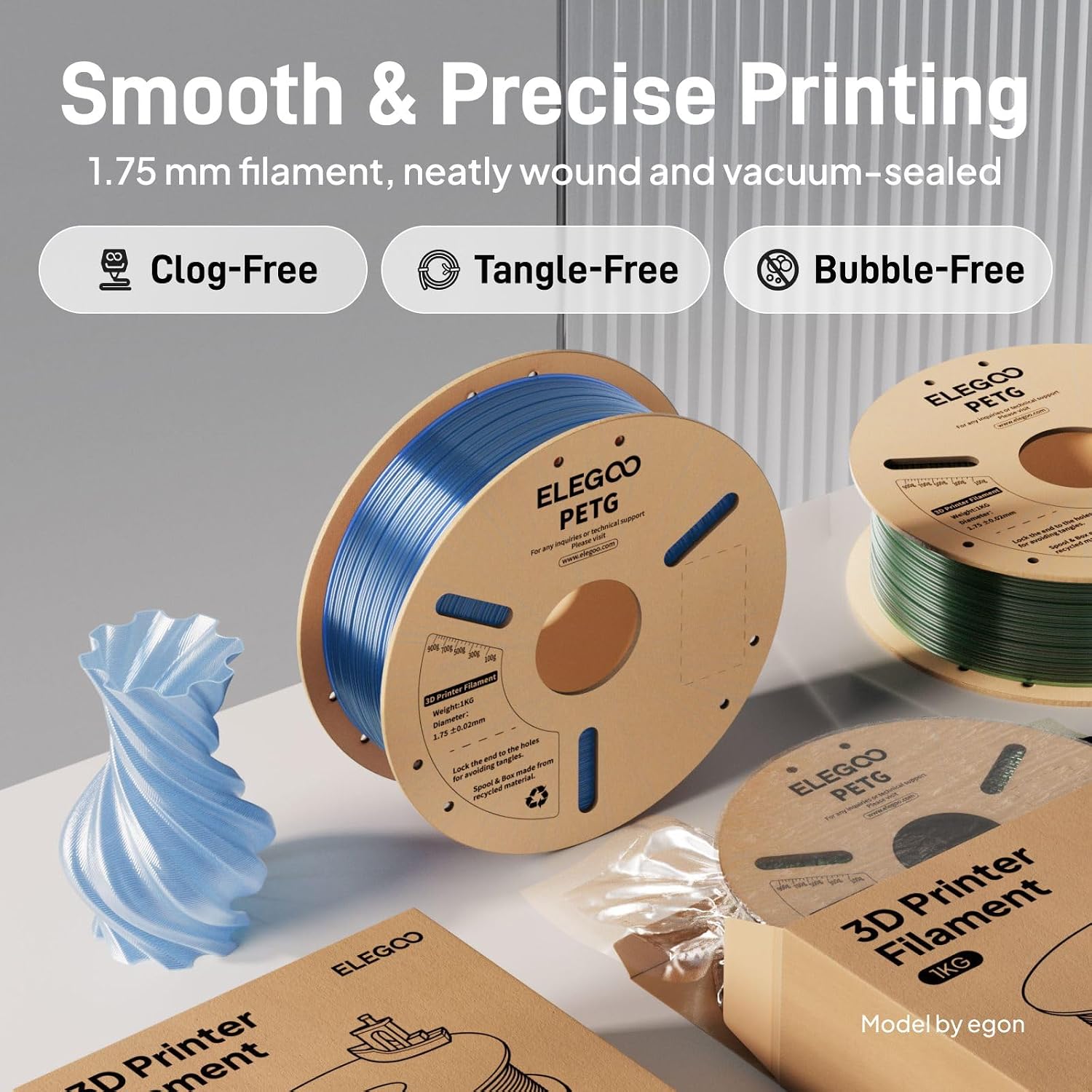
This filament is designed for reliable, smooth printing with a clean feed (the spool is described as vacuum-packed to help with consistent extrusion). The 1kg reel is sized for everyday FDM work on machines that take 1.75mm filament, and the olive-green transparent shade is meant to produce a vivid translucent effect.
The PETG approach here is less about “fast and fragile” and more about parts that can handle knocks. If you’re building functional components or accessories that need a bit more resilience than basic PLA-style prints, PETG is a sensible direction—just keep expectations realistic: it’s not magic, and results still depend on your printer settings and how dry your filament is.
Tech specs
- Name: ELEGOO PETG Filament
- Type: PETG
- Format: 1.75mm filament
- Size: 1kg spool (2.2lbs)
- Colour: Transparent Olive Green
- Material: PETG
Where it shines in real use
A big reason to pick PETG is durability, and this filament is positioned for impact resistance and for parts that need to stand up to real life a bit better. The description also points to water and UV resistance, so it’s a reasonable option for outdoor projects where you’d rather not rely on a plastic that degrades quickly.
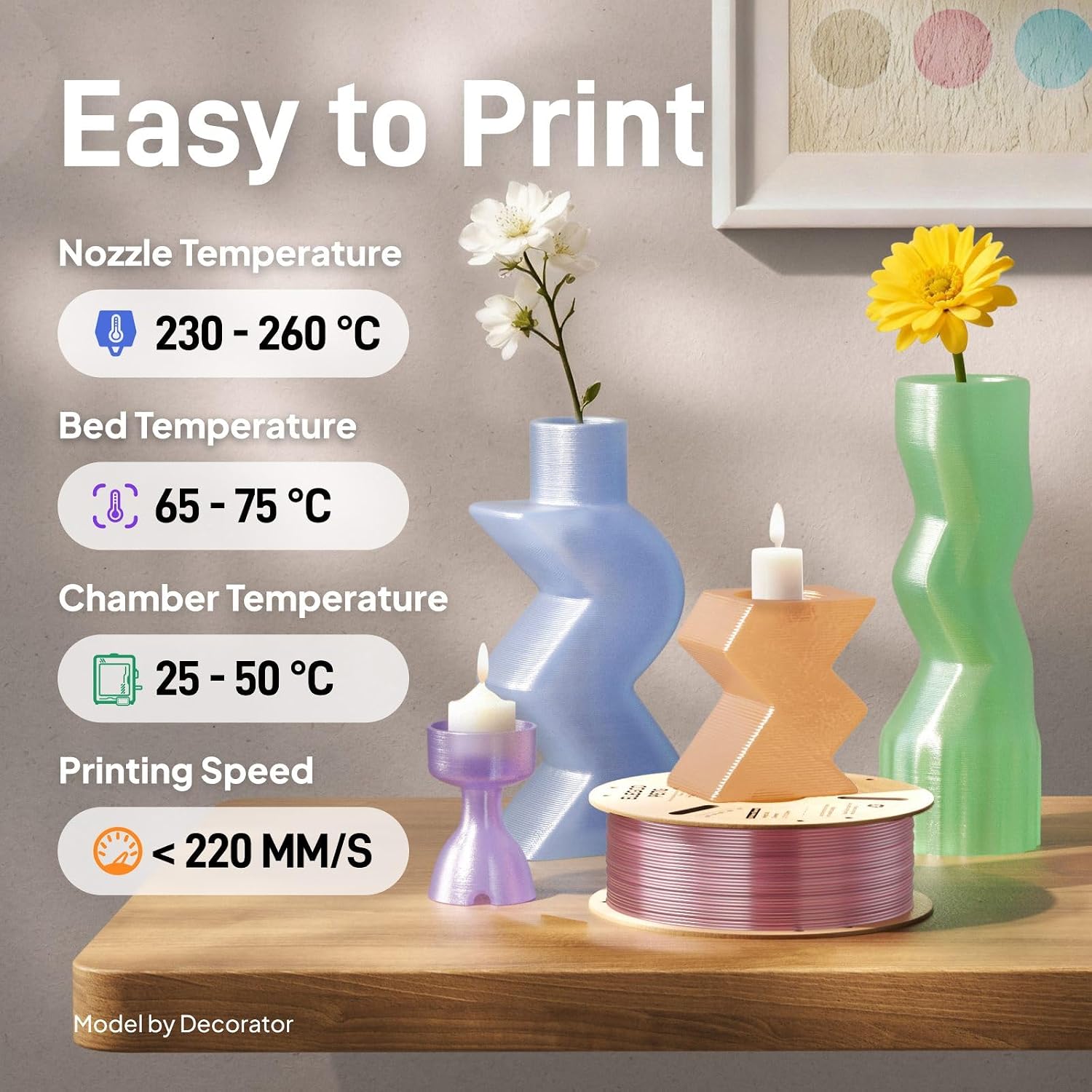
The translucent angle is the other standout. For example, if you print a small lamp base or a decorative lantern-style insert, PETG’s translucency can make the piece look warmer and more “lit-from-within” under illumination. The shade here is transparent olive green, so the effect is likely to be subtle to medium depending on print thickness and how your settings affect transparency.
What to know before you buy
A couple of details are worth bearing in mind. First, the transparency is said to vary depending on size, thickness, the printed structure, and your printing settings. That means if you’re chasing a specific level of see-through for a lamp or cover, you may need a few test prints to dial it in.
Second, the filament is recommended to be dried before printing and used soon after opening. If your workshop tends to be humid, skipping that step could lead to poorer extrusion quality. The packaging being vacuum-sealed helps, but it’s not a substitute for good handling.
Finally, it’s described as “fits for most FDM 3D printers” that use 1.75mm filament. That’s helpful for compatibility, but it doesn’t replace checking your printer’s filament size and whether your profiles suit PETG.

Pros
- Translucent, vivid colour effect intended for light-based and decorative projects
- PETG is presented as impact-resistant, plus water and UV resistance for outdoor-leaning use
- Claims strong adhesion to the bed and reduced contraction, which can help improve print consistency
- Designed for smooth, reliable extrusion with vacuum packaging
- Suitable for beginners and professionals, depending on how comfortable you are tuning settings
Cons / limitations

- Transparency can vary quite a lot with thickness, geometry, and settings, so it may not look identical across different models
- You’ll want to dry it before printing (especially if conditions are humid) or you may not get the best results
- It’s aimed at FDM 1.75mm users, if your printer uses a different filament size, this is not the match
Getting the best results (practical tips)
If you’re using this for a translucent decorative piece, it helps to think in “light paths” rather than just shape. Thicker walls and denser infill will naturally reduce how much light passes through, so if translucency is the goal, you’ll likely prefer designs that keep walls and features reasonably slim.
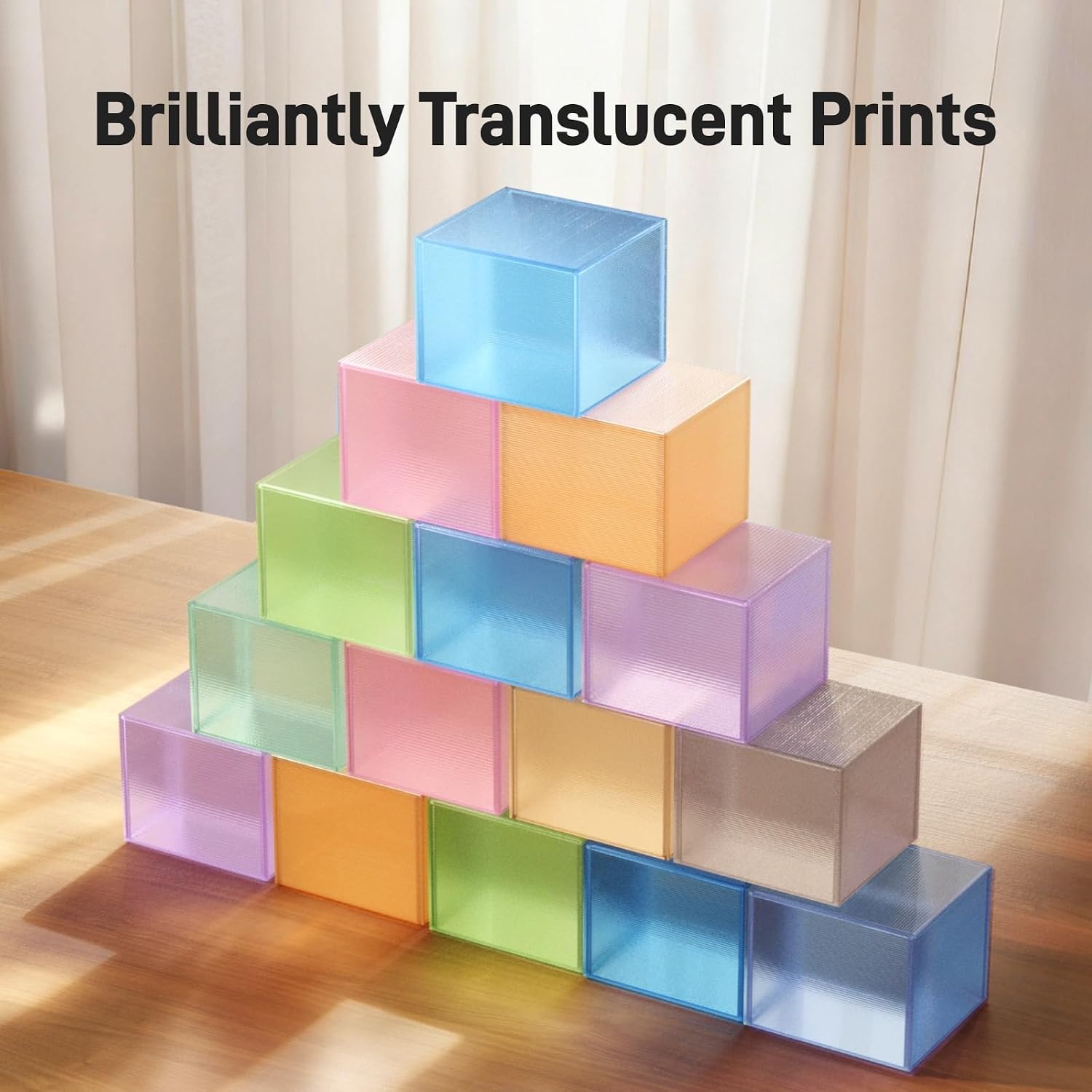
For everyday strength prints (clips, brackets, guards, or other parts that see frequent handling), focus on getting your PETG settings stable and consistent. The description emphasises good bed adhesion and avoiding contraction, which suggests you should pay attention to first-layer behaviour and keep your material handling consistent.
Is it worth it?
A solid pick if you want a translucent PETG filament in a specific transparent olive green shade, and you care about making parts that look good when lit while staying tougher than more basic plastics. It’s especially worth considering for outdoor-leaning projects where water and UV resistance are part of your requirements.
You may want to skip it if you’re specifically after uniform, highly predictable transparency across every print, because the results depend on thickness and settings. It might also not be the best match if you don’t plan to dry filament before use or you can’t be bothered with PETG tuning—PETG can still be forgiving, but it’s not “set-and-forget” in every workshop.
Mini FAQ
What does “transparent” look like in practice?
The aim is a translucent, vivid look that can transmit light. The exact level of transparency can vary with model size, thickness, structure, and your printing settings.
Is this PETG suitable for outdoor use?
The description highlights water and UV resistance, so it’s presented as a good direction for outdoor projects, especially functional parts that need durability.
Do I need to dry the filament?
It’s recommended to dry the filament before printing, and then use it soon after opening for best consistency.
Will it work with my FDM printer?
It’s stated to fit most FDM 3D printers that use 1.75mm filament. If your printer uses a different filament diameter, this won’t be compatible.
How much do I get in the box?
You get a 1kg spool (2.2lbs).