

DJI Mic 2 (1 TX + 1 RX): Wireless Microphone System
Product description
What it is and what it solves
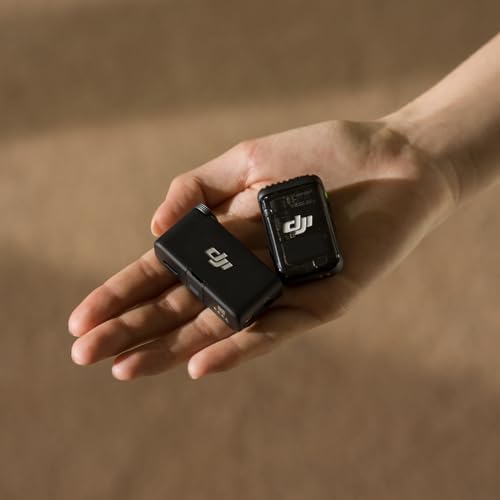
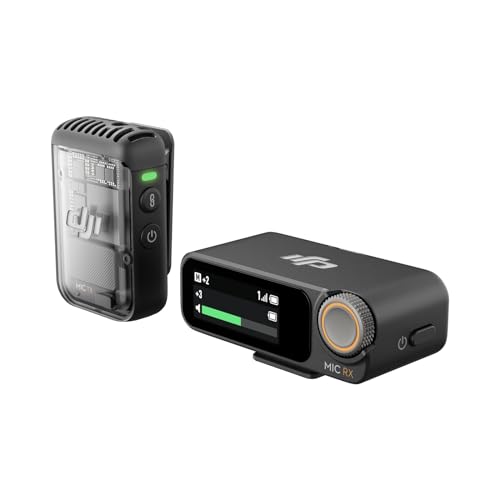
The DJI Mic 2 is a compact wireless microphone system consisting of one transmitter and one receiver. It’s designed to deliver clearer vocal recordings for interviews, vlogs and on-the-go shoots, helping you sound more professional without fuss.
How the audio feels on use
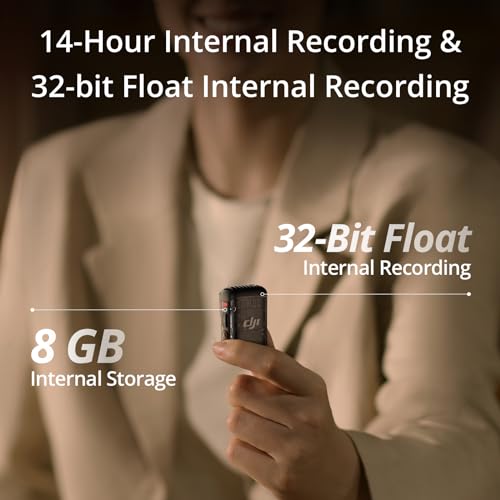
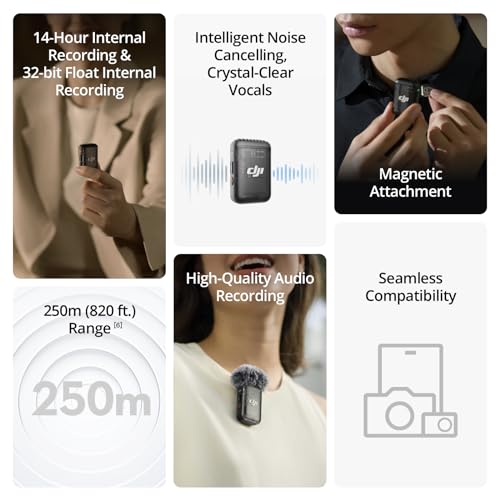
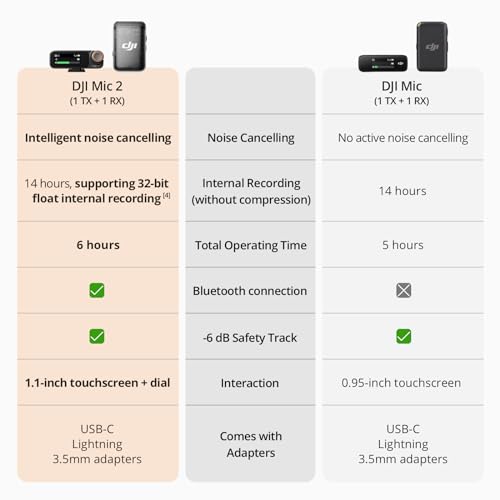
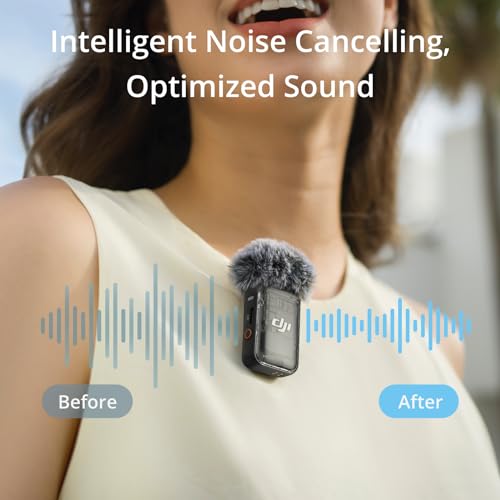
On the page, the claim is bright, clear vocals with intelligent noise cancelling to reduce unpredictable background sounds. In practice, that means smoother dialogue capture in busy streets, busy offices, or during a casual chat in a park. The system supports up to 32-bit float recording when the transmitter is used as a standalone recorder, which can help keep audio clean if levels spike during a take. If you prioritise pristine dialogue over ambience, this approach can be helpful, but it’s not a guaranteed cure for every environment.
Practical flexibility and range
The setup offers a stated wireless range of up to 250 metres (FCC). That opens up the possibility to shoot longer takes or reposition yourself while still feeding clean audio to the camera or recording device. In real-world terms, it works well for typical room-scale interviews or outdoor vlog situations where you’re moving around a bit, but walls, interference, or crowded frequencies can affect performance—so be prepared for occasional dropouts in challenging locales.
Design and portability
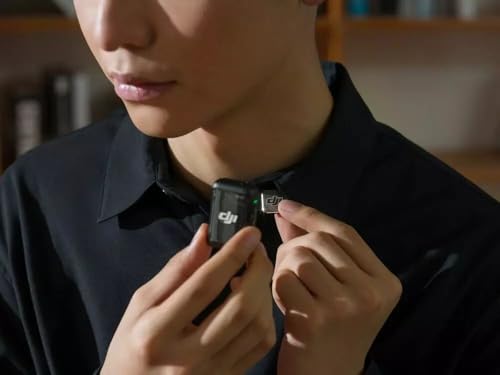
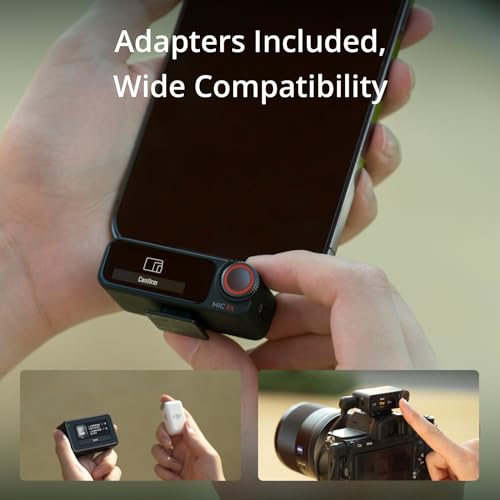
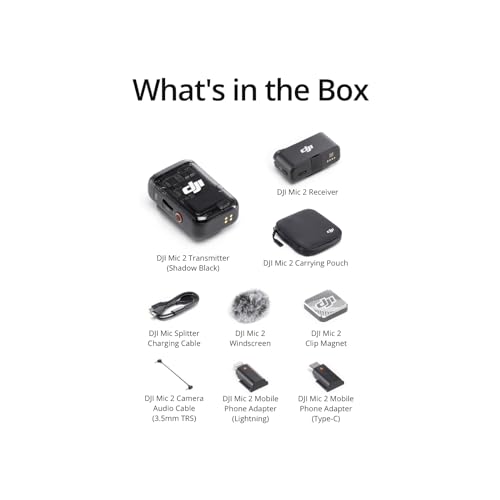
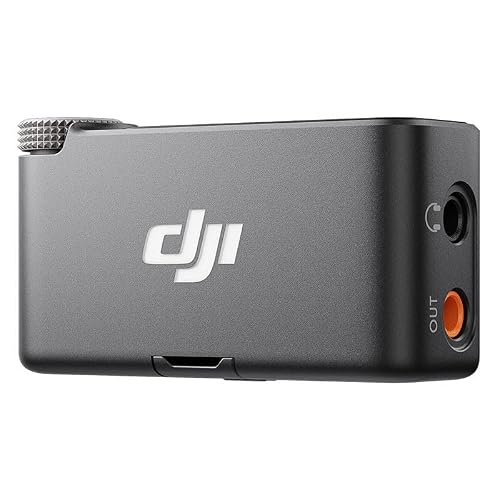
The TX unit is notably compact and features a clip with a magnet design, making it easier to hide under clothing or attach to a discreet spot. This helps keep the visuals clean and avoids bulky gear on frame. The system ships with a receiver, the single transmitter in Shadow Black, a carrying pouch and multiple adapters. The package also includes USB‑C, Lightning and 3.5 mm adapters, allowing connections to a wide range of devices, from smartphones to cameras and laptops.
How it pairs with your gear
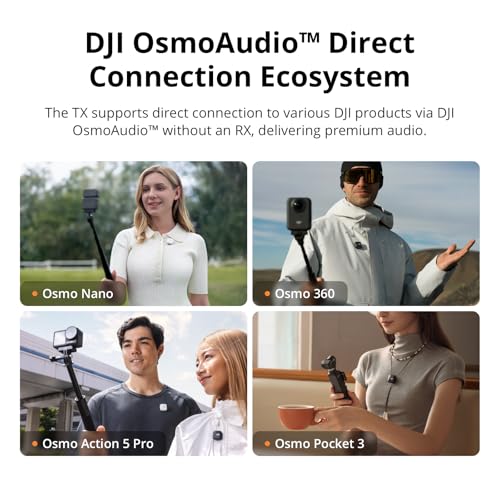
Compatibility looks versatile on paper: USB‑C, Lightning and 3.5 mm outputs cover most common capture devices, so you can record directly into a camera, phone or computer. DJI also notes integration within its own ecosystem—transmitters can connect to Osmo Nano, Osmo 360, Osmo Mobile 7P, Osmo Action 5 Pro, Osmo Action 4 or Osmo Pocket 3 without a receiver, delivering premium audio in certain workflows. If you rely on other non‑DJI devices, the adapters help keep things straightforward, but it’s worth checking whether your particular setup gains the most from this ecosystem approach.
What’s included and what to check
In the box you’ll find the receiver, one transmitter, a carrying pouch and adapters. A practical check before buying is updating the firmware prior to first use, as noted by DJI. This can influence stability and features, so it’s worth setting aside time to update soon after unboxing.
Pros and cons in practice
On the upside, you get brighter vocal audio, a standalone recorder option, good range, and flexible mounting. The 32‑bit float capability is useful for handling unexpected loudness without crushing peaks. On the downside, performance can vary with environment and there may be a learning curve around managing wireless interference and proper placement. It’s not the lightest or cheapest option among entry-level systems, but it sits in a practical middle ground for creators who want solid, reliable audio without a big rig.
Who it’s for
It suits solo creators, interviewers, and vloggers who want a plug‑and‑play system with credible audio and the option to record independently if needed. If you frequently shoot in unpredictable noise or far from the camera, the improved vocal clarity and longer range are meaningful pluses. If your priority is absolute minimal setup cost or ultra-simplified gear, you may look for lighter or cheaper alternatives.
When it makes sense to buy
Consider DJI Mic 2 if you value reliable wireless audio with decent range, easy device compatibility, and the option to record locally. It’s sensible when you’re doing on‑camera dialogue or interviewing where vocal clarity matters and you don’t want to repeatedly re‑mic or clatter with cables.
When you might skip it
If you’re mostly working in quiet spaces, or you’re on a very tight budget, there are cheaper or more static wired options that could suffice. If you require the absolute smallest footprint or the lightest gear possible, the two‑part form factor may feel bulky for pocket‑based shooting.
Before you buy: what to review
- Firmware status and feature set after updating to the latest version
- Battery life in real‑world use and how it matches your typical shoot duration
- How the microphone handles wind or fast environmental changes in your usual locations
- Compatibility with your primary camera or phone and whether you’ll primarily use the wireless connection or the built‑in recorder feature
- The value of the ecosystem features and whether you plan to use other DJI devices in tandem
Practical use example
Imagine you’re filming a street interview. You clip the TX discreetly to your shirt, run the receiver on your camera, and activate the external microphone. You walk a few metres from the subject to capture ambient context, yet the intelligent noise cancelling keeps spoken words front and centre. If a sudden car horn blares, the 32‑bit float option helps preserve the moment without obvious clipping when you resume talking.
Is it worth it?
Final verdict: Worth considering if you want a flexible, reputable wireless mic system with strong vocal clarity and the option to record locally. It’s a solid mid‑range choice for creators who value build quality, device compatibility, and ecosystem options. It may not be the best fit if you need the lightest possible kit or the absolute lowest price.
FAQ
- Can I use the transmitter as a standalone recorder? Yes, up to 14 hours of internal recording are mentioned.
- Do I need to update firmware before first use? Yes, DJI notes updating before first use.
- Will it work with my smartphone? Yes, via USB‑C, Lightning adapters and 3.5 mm, depending on your device.
- How does the noise cancelling perform in busy environments? It’s designed to improve vocal clarity in erratic noise, but results can vary by location and noise type.