

DDMALL CAT8 Ethernet Cable 8m – 40 Gbps, 2000 MHz, F/FTP Shielded LAN Cable (White, 8 m)
Product description
What it is and what it’s for
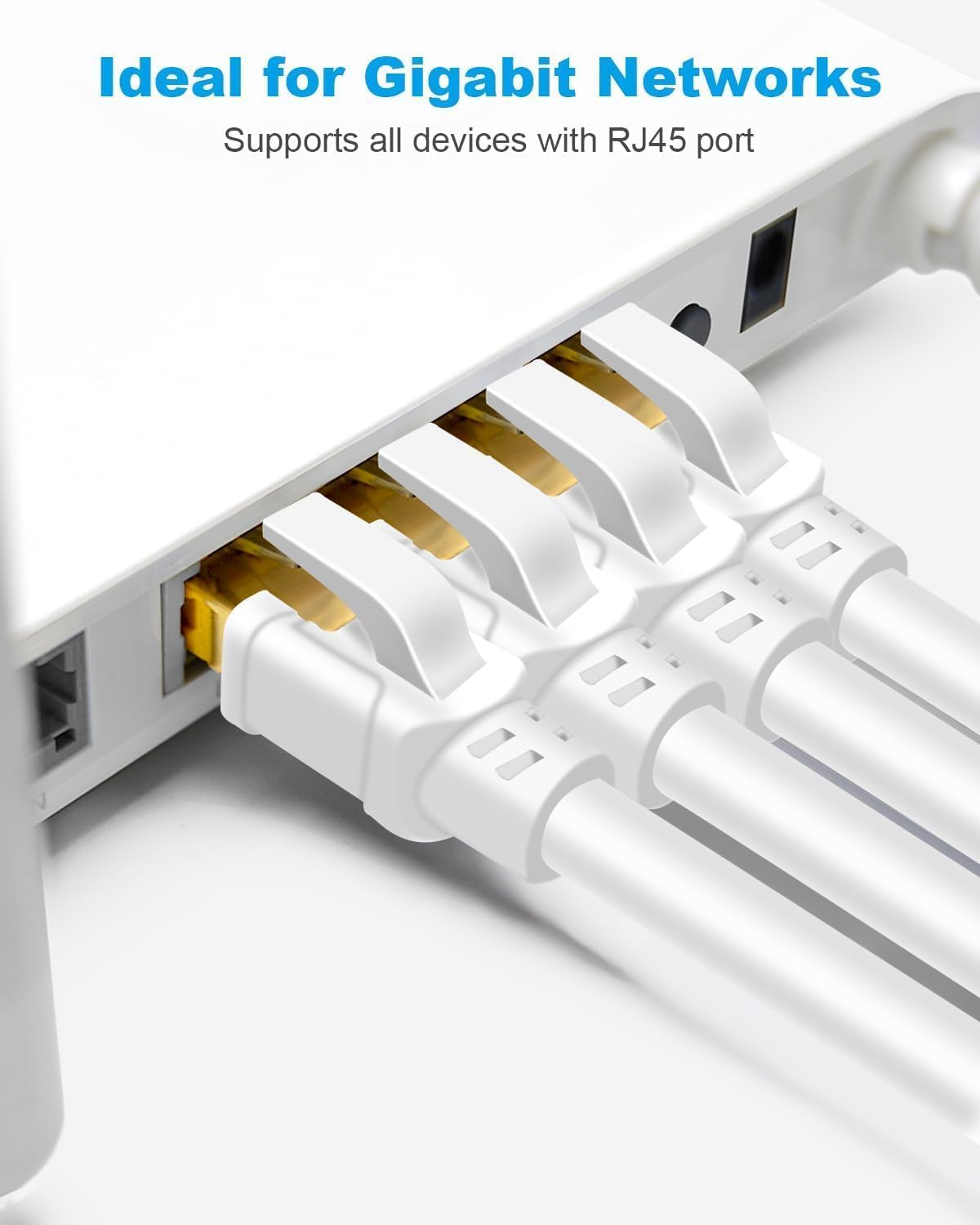
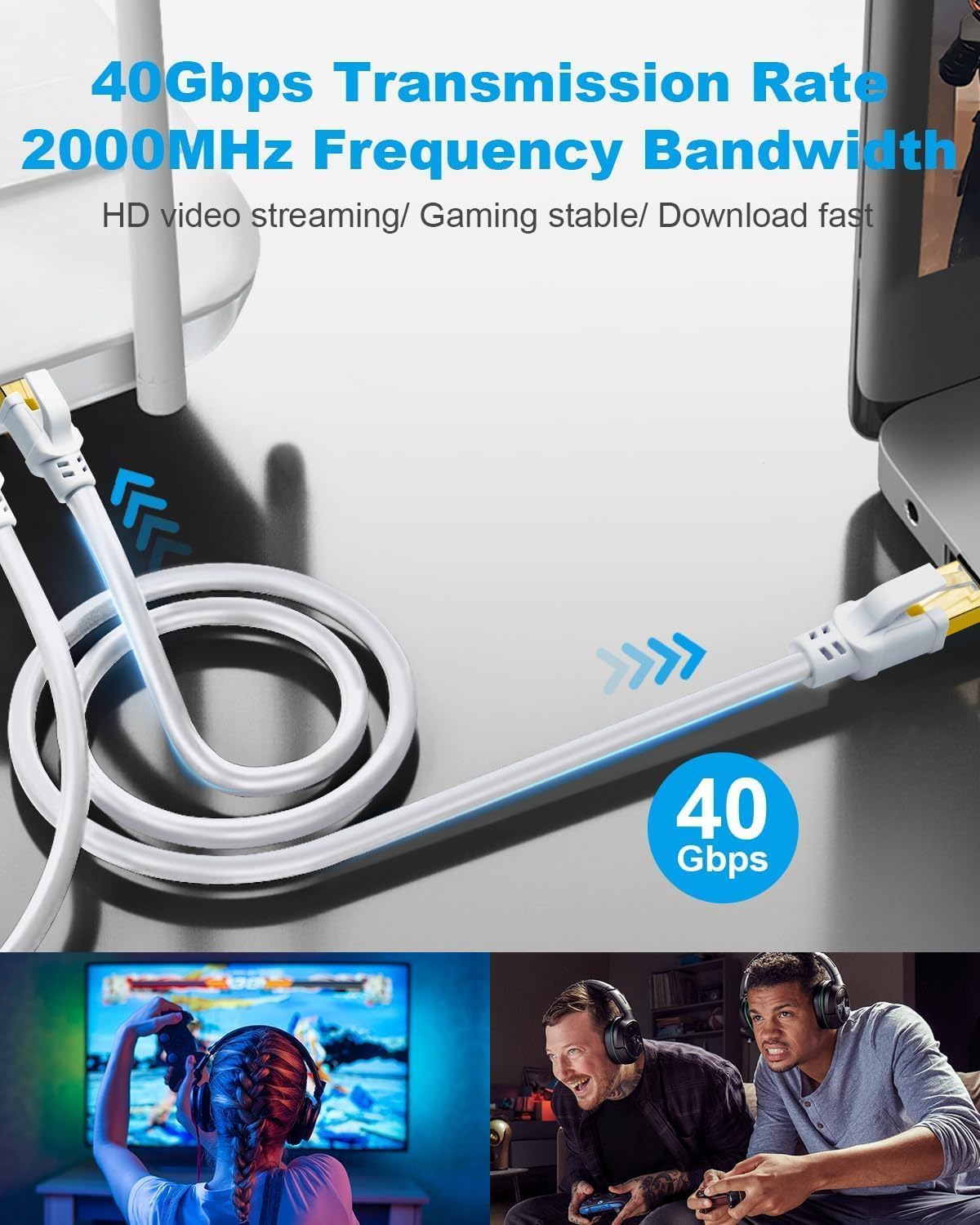
The DDMALL CAT8 Ethernet Cable is a high‑performance network lead designed to deliver very fast wired connections across home and small office setups. With a stated 40Gbps data rate and 2000MHz bandwidth, it aims to reduce latency and jitter for tasks like 8K streaming, large file transfers, and fast online gaming. It’s wired to work as the backbone for routers, modems, PCs, laptops, switches and other network gear, potentially improving stability where Ethernet is preferred over wireless.
How it’s built and how it performs
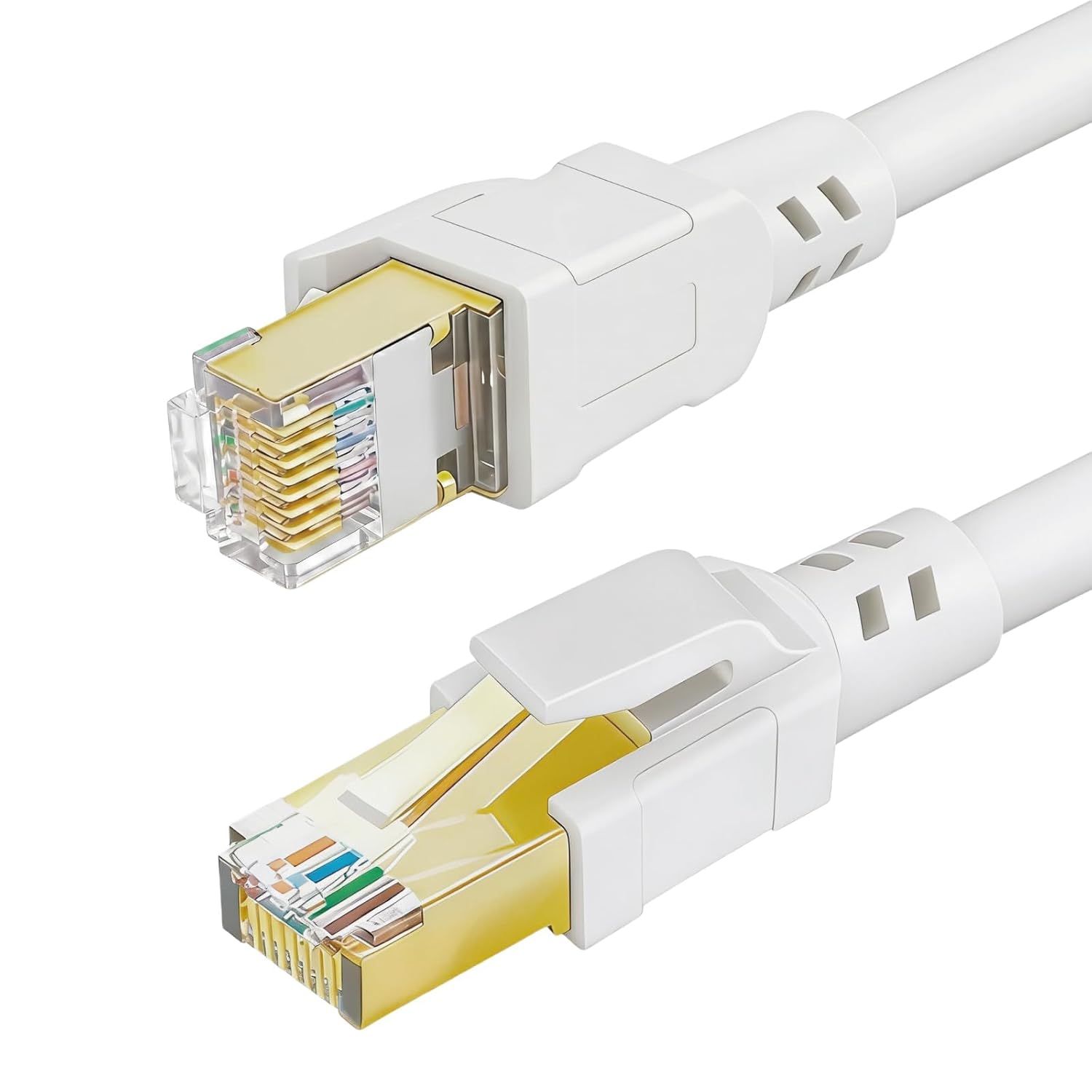
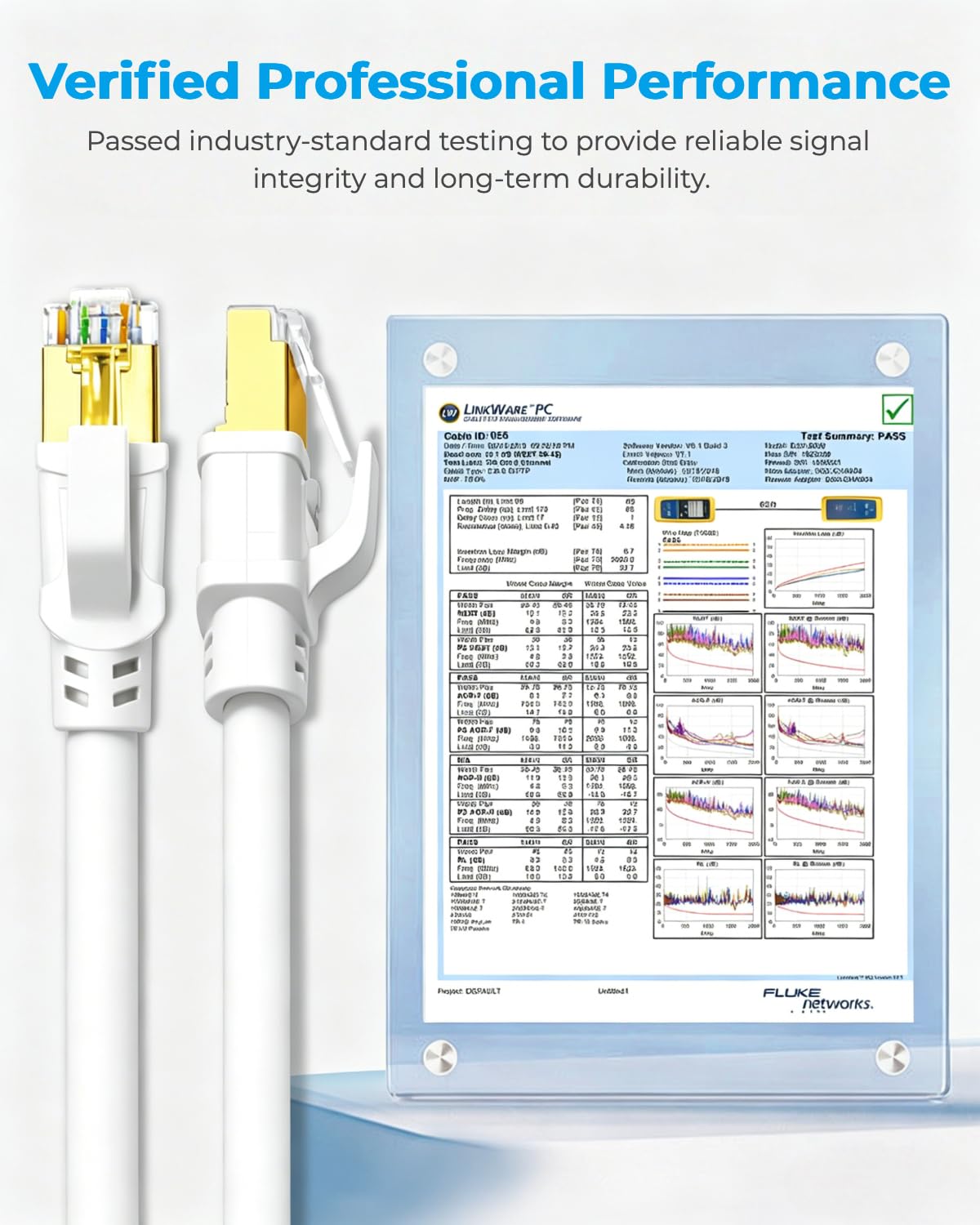
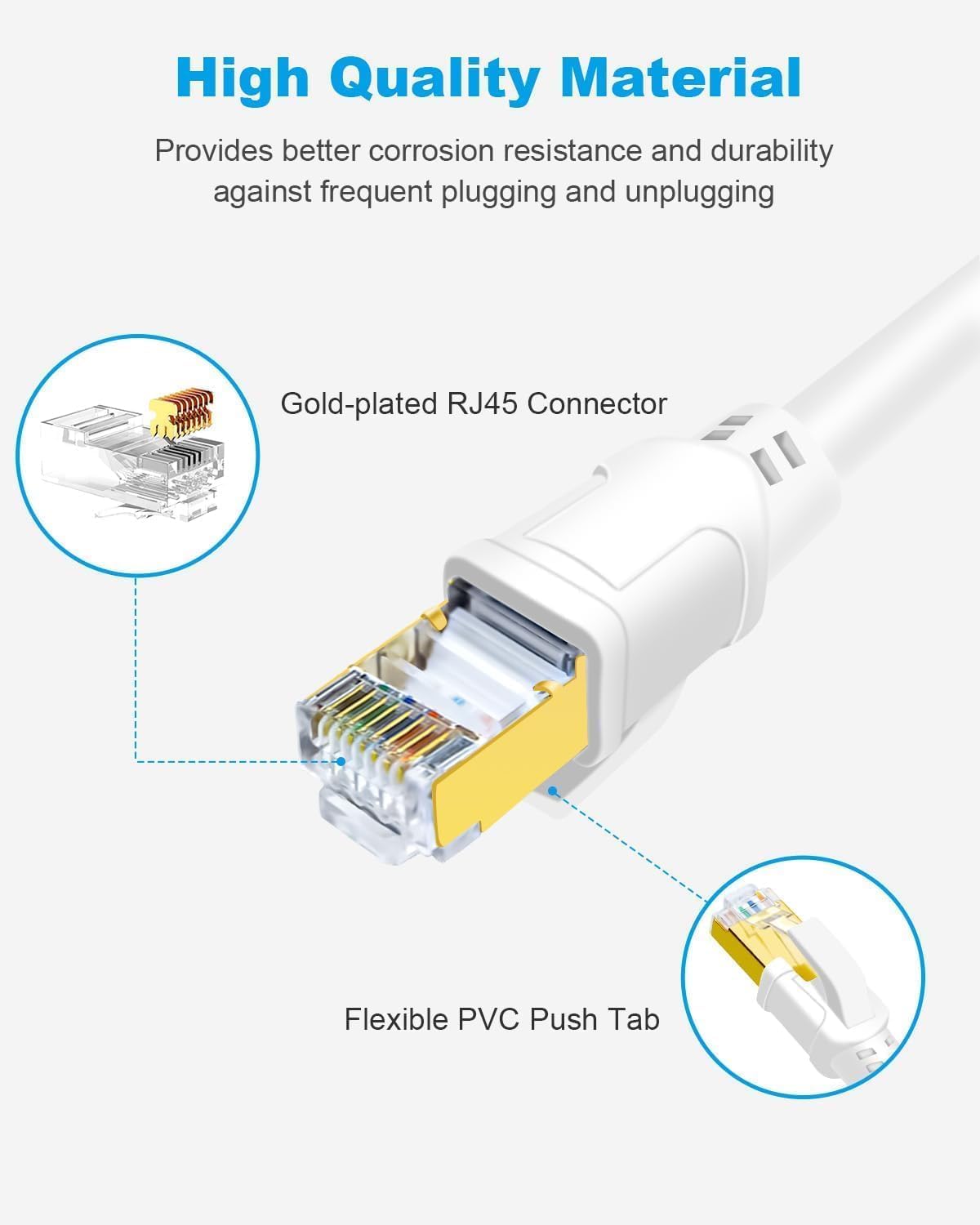
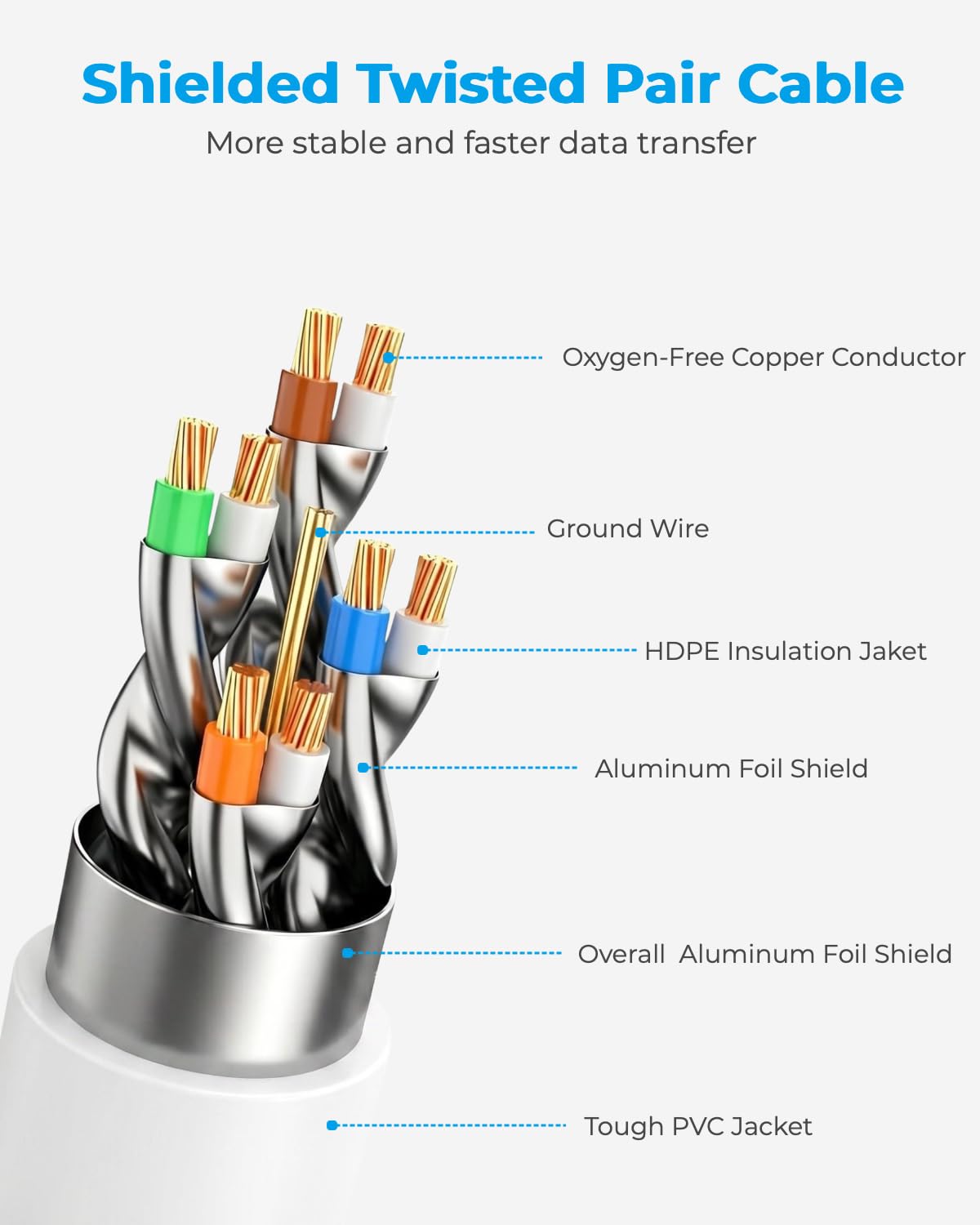
This cable uses 100% Oxygen‑Free Copper cores to support signal integrity without the use of copper cladding on the outside. The shielding is F/FTP, meaning each twisted pair is individually shielded and there’s an outer foil layer to minimise interference. The choice of a solid, gold‑plated RJ45 connector is intended to help maintain low contact resistance over time. A snagless jacket design is included to reduce wear and accidental clip damage in tight spaces.
Strengths and what to watch for
On paper, the key selling points are the high data rate (40Gbps) and the strong shielding, which together should help with long runs and busy networks. For users dealing with demanding local networks, it can be a sensible upgrade where wireless performance is insufficient or inconsistent. It’s important to note that real‑world speeds depend on the rest of the network—NICs, switches, routers and the device you’re connecting. If your gear is older or not Cat8‑capable, you may not realise the full theoretical bandwidth.
Who it’s for
If you prioritise a robust, shielded cable for a home office, a small server room, or a gaming setup where you want to keep latency as low as possible, this cable aims to deliver. Those running multiple devices in a LAN, or connections that run near potential interference sources (electric motors, high‑EMI environments) might benefit from the extra shielding. It’s also suitable for setups that aim to future‑proof a bit without buying the very highest tier of enterprise cabling.
Who it isn’t ideal for
If your network devices only support up to Cat 6a/5e or PLL‑level speeds below 10Gbps, you won’t see a meaningful improvement. Also, if your space and budget prioritise shorter, simpler cables or you don’t need 8 metres, there are more economical or flexible options.
Practical use cases
In a home office with a gaming PC and a streaming device, an 8 m Cat8 lead like this could help ensure the connection remains steady while data flows to a NAS or media server. In a small workgroup with a switch and multiple PCs, it can act as a reliable backbone to keep workstations responsive during large transfers or backups.
What to check before buying
- Confirm that your network equipment supports Cat8 speeds or that you have a plan to upgrade components to realise higher throughput.
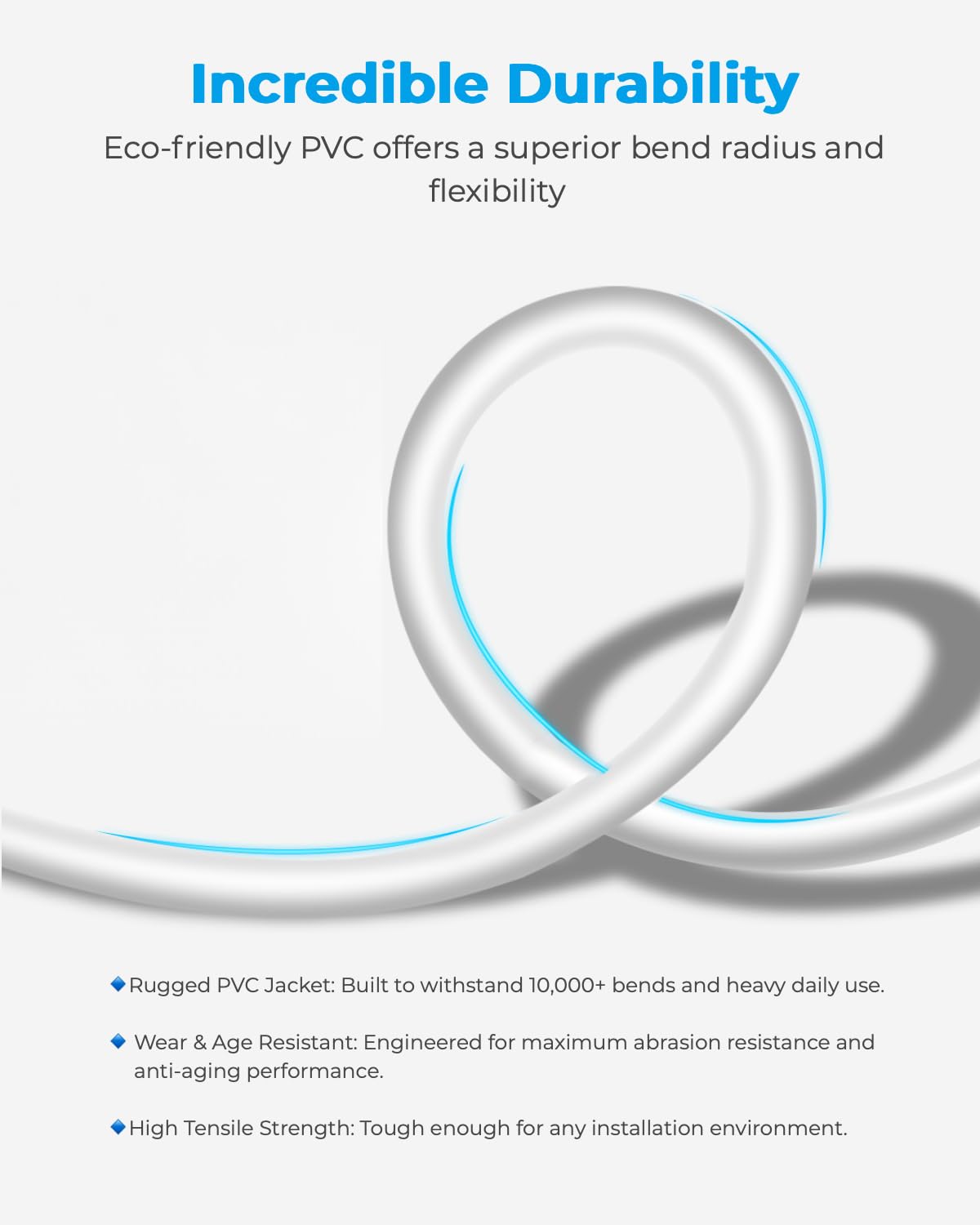
- Inspect the jacket for flexibility and bend radius, especially if the route involves tight corners or crowded cable trays.
- Consider how long you’ll keep the setup, high‑spec cabling is often a longer‑term investment.
- If possible, test for crosstalk and EMI in your environment to gauge the shielding’s practical value.
Comparison in context
Compared with lower‑category Ethernet cables, Cat8 offers greater theoretical bandwidth and improved shielding. If you mainly use a typical home internet connection or mid‑range Wi‑Fi coverage, the upgrade may be more about reducing potential bottlenecks in local transfers or when offloading data between devices than about internet speed alone. For many households, Cat6a or Cat7 could be enough, Cat8 becomes more compelling when you have devices that can push sustained high speeds within the LAN and you want a wired backbone with added resilience.
Is it worth it?
Final verdict
It makes sense if you need a high‑bandwidth, shielded, fixed‑length Ethernet solution for a demanding LAN, and your equipment can leverage the higher speeds. If your current setup already feels responsive and you don’t anticipate upgrading core hardware soon, the benefit may be limited. It’s a prudent choice for future‑proofing a busy home or small office, but not a universal must‑buy for every setup.
FAQs
- What devices can really utilise Cat8 speeds? In practice, the benefit depends on all network components, modern NICs and switches are required to see noticeable improvements.
- Is 8 m a good length for Cat8? Eight metres is convenient for typical room layouts and server racks, balancing reach with signal integrity.
- Will this cable work with my existing Cat7/6 equipment? Yes, Cat8 cables are backward compatible with Cat7/6/6a/5e standards, but speeds will align with the lowest‑performing link in the chain.
What to know before you buy
If you’re building a robust wired backbone and plan to upgrade other network components over time, this Cat8 lead can be a sensible, long‑term component. If you mainly rely on wireless or your LAN traffic is modest, you may prefer a more cost‑effective option.
Decision point
Is it worth investing in this Cat8 lead now? Consider your current network demands, the level of future‑proofing you want, and whether your other hardware can exploit the 40Gbps/2000MHz spec. If yes, it’s a reasonable addition, if not, you might opt for a lower‑category cable and postpone the upgrade.