

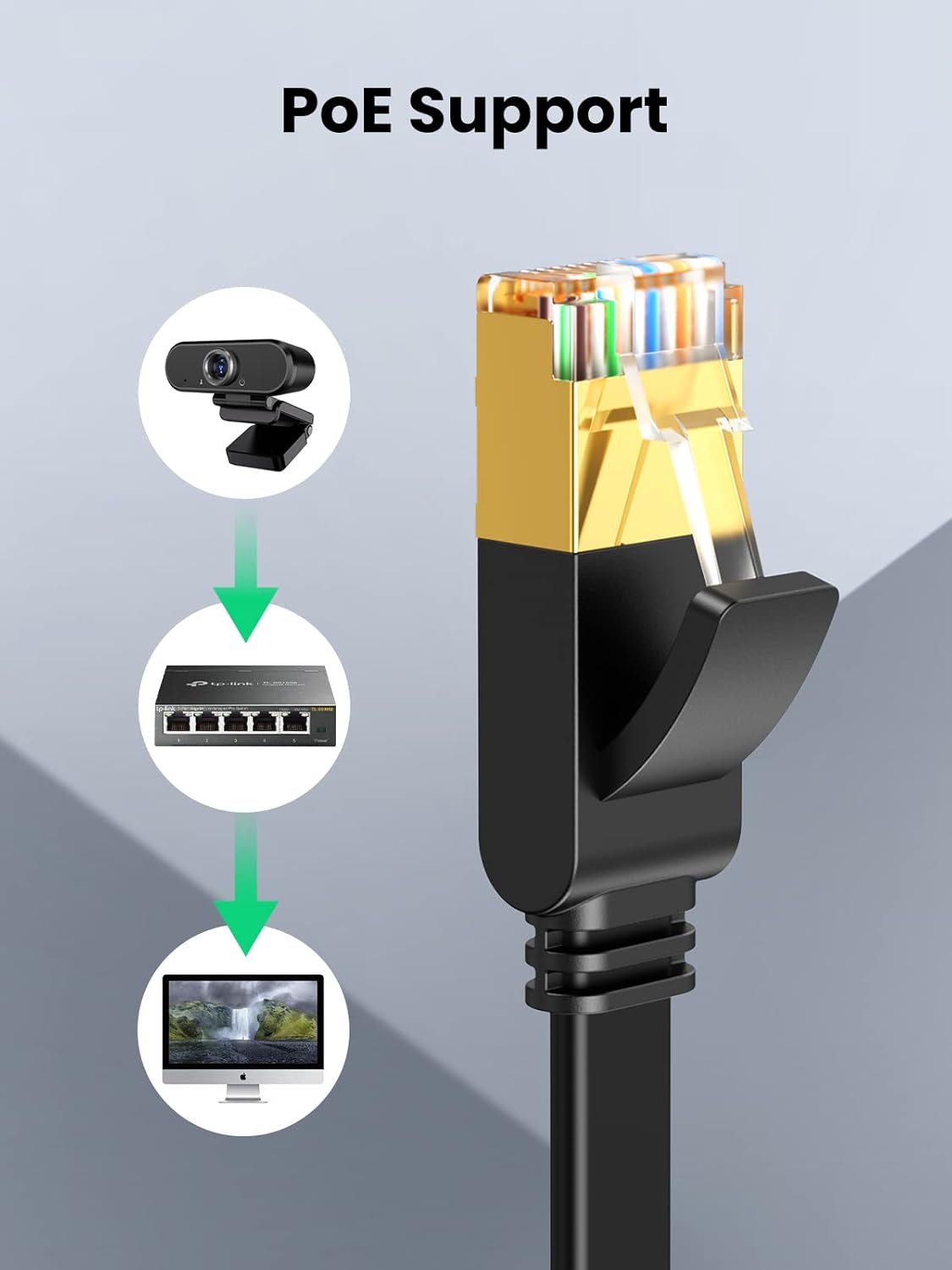
UGREEN 3m Cat 7 Flat Ethernet Cable (U/FTP) for 10Gbps Gigabit Networking
Product description
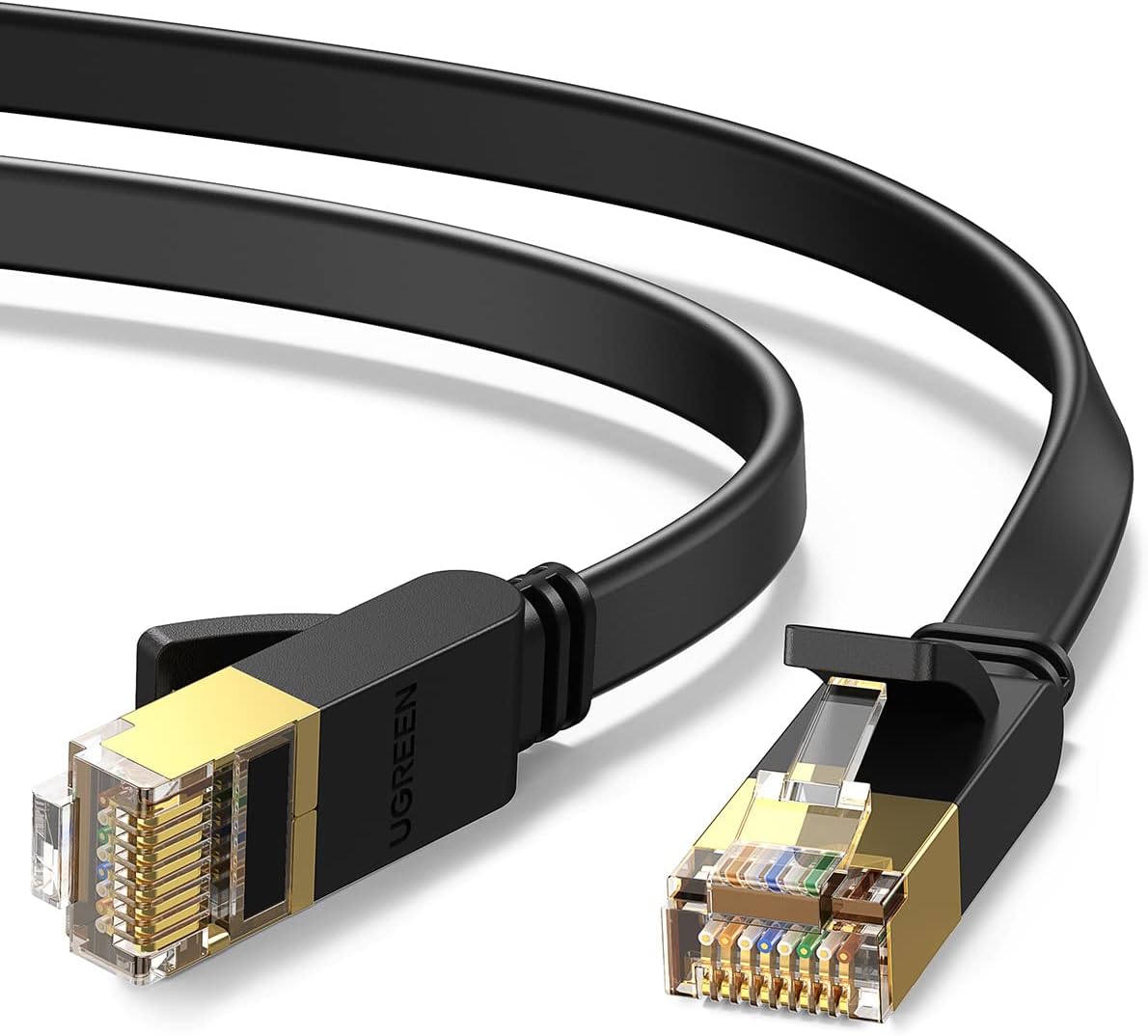
If you’re trying to tidy up your network wiring without losing speed potential, this UGREEN Ethernet cable is aimed at exactly that. It’s a flat Cat 7 patch lead with a stated bandwidth of up to 600MHz and data transfer up to 10Gbps, using U/FTP shielding and RJ45 connectors for a straightforward plug-in setup.
On paper it ticks a lot of the boxes people care about at home: less cable clutter, solid shielding, and broad compatibility with RJ45 devices. Still, there’s a catch you should keep in mind—actual speeds depend heavily on your router, switch, and the network environment, not just the cable.
What it is and what it’s for
This is a 3m flat Ethernet patch cable designed to connect RJ45-enabled equipment like routers, modems, PCs/laptops, game consoles (including Xbox and PS5), network switches, printers, and other network devices. The “flat” format is the main practical difference versus a traditional round lead: it’s easier to route neatly along skirting boards, under carpets, or through door gaps (where appropriate), and it’s less likely to bunch up and become a messy tangle.
A realistic everyday example: if you game or stream at home and need a dependable wired connection for a console, a flat cable can be run from a router/switch area to the console without turning your living room into a spaghetti junction. You get a cleaner route, and fewer moments of snagging when you move around.
The essentials (speed, shielding, signal stability)
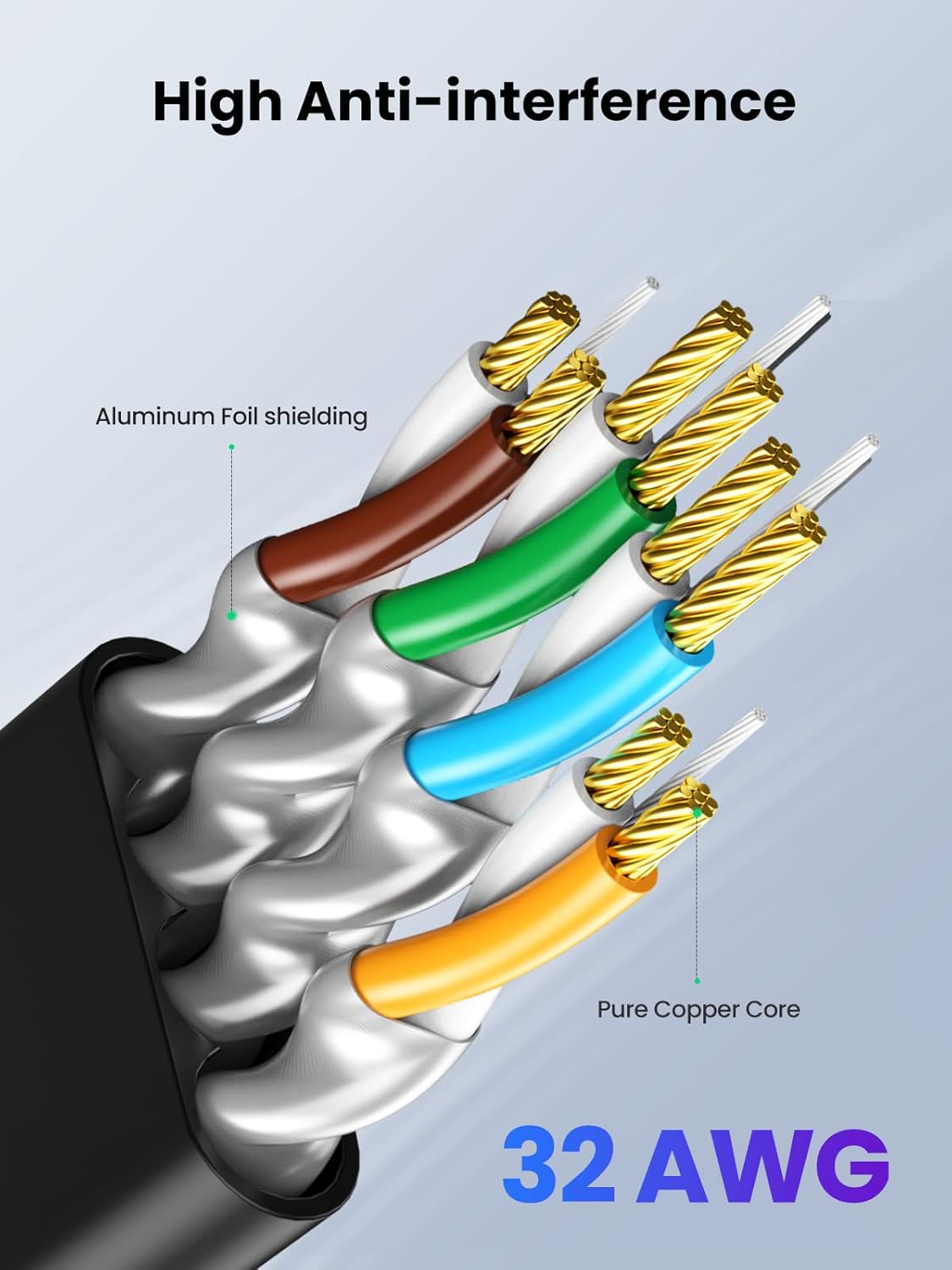
UGREEN positions this Cat 7 cable around high-speed performance, with a stated up to 600MHz bandwidth and up to 10Gbps data transmission. It uses four shielded twisted pairs (U/FTP) of copper, and the additional shielding is meant to help reduce crosstalk, noise, and interference that can otherwise degrade signal quality.
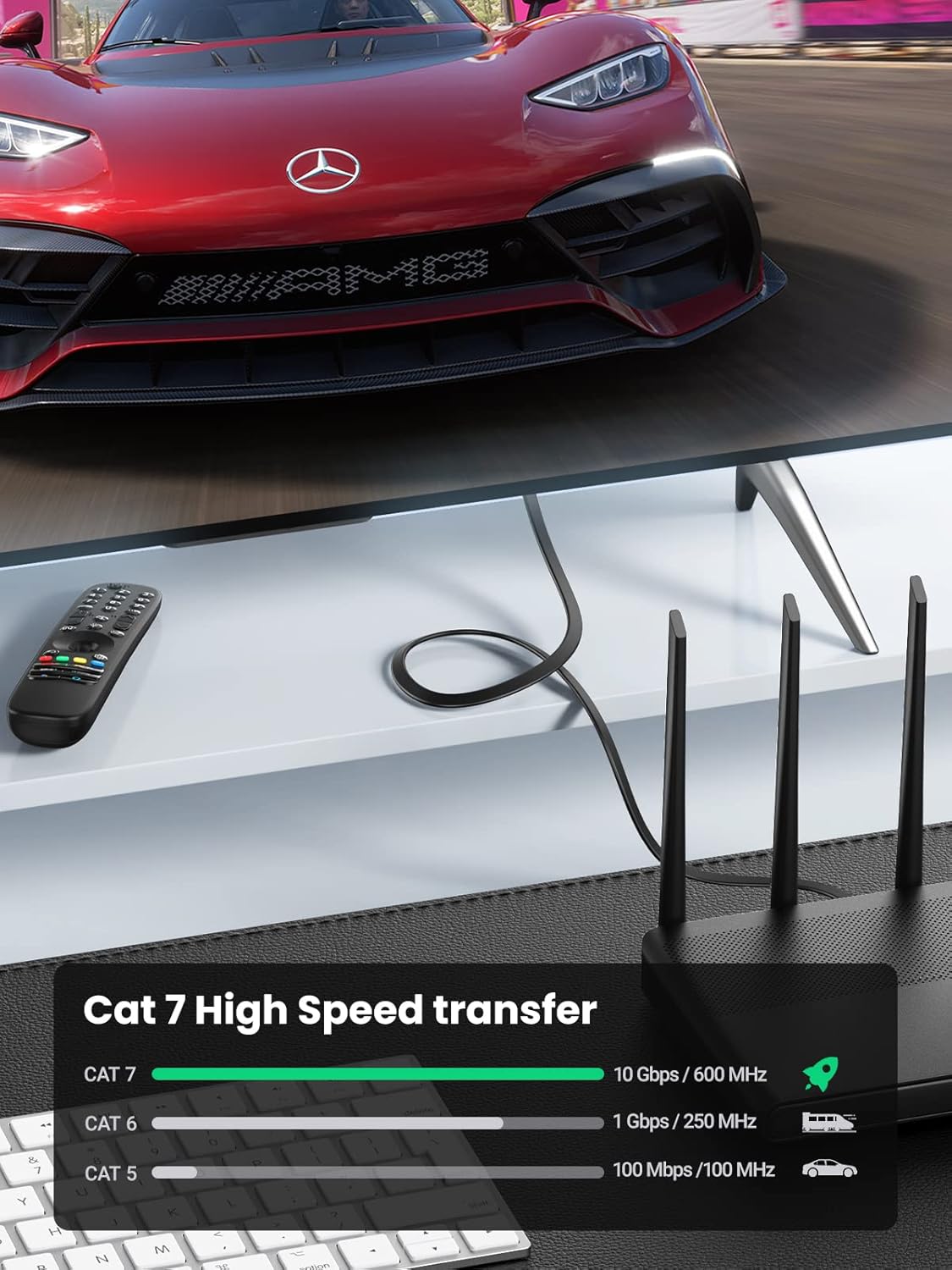
That shielding detail matters most if your cable run passes near sources of electrical noise (like certain power supplies) or if you simply want a cable that’s less likely to be the weak link. In day-to-day use, you’re unlikely to “feel” the shielding, but it can help keep performance consistent over time—especially when you’re relying on streaming, cloud storage sync, or online gaming.
There’s also the idea of backward compatibility: it’s stated as compatible with Cat6e, Cat6, Cat5e and Cat5. That’s useful if your network gear only supports lower categories, you still get the practical benefit of the flat, neatly-routed lead.
Where the flat design really helps
The flat and thin build is meant for easy wiring and easier management. In practical terms, that usually translates to: - Cleaner routing along walls and edges, instead of cables curling into a lump - Simpler under-carpet or under-rug tidying (within the limits of safe home wiring) - Less annoying snagging when it runs through tight-ish spaces like drawers or around doorways (where your setup allows)
It’s not magic—if your run has to cross lots of high-traffic areas, you’ll still want to secure it properly—but the flat form is a real quality-of-life improvement for many homes.

Compatibility and “will it work with my setup?”
The cable is described as compatible with all RJ45-enabled devices, and the list in the description includes a wide range of common household and office gear: router/modem setups, iMac pro/desktops, switches, game consoles (Xbox, PS5/PS4), TV boxes, network printers, patch panels, smart TVs, and other Ethernet network devices.
If your device has an RJ45 port, this is the sort of lead you’d typically choose for a wired connection to a router, switch, or wall socket.
Worth noting: it mentions “gold-plated connectors” and 100% pure copper wire. Those details point to aiming for low transmission loss and durability, but the cable still relies on the rest of your network (ports, switches, and router capabilities) to realise any top-end performance claims.
What to check before you buy
Before you commit, it’s worth doing a quick reality check: - Length: this one is 3m. If you need a longer run, you may find it comes up short. - Port type: it’s RJ45, so you’ll want to confirm your device actually has an Ethernet (RJ45) port. - Your network gear: for the “10Gbps / 600MHz” side of things to matter, your router/switch and the rest of your setup need to support the relevant category and speeds. - Routing and protection: flat cables help with neat routing, but any run under carpet or through doors should be handled with sensible cable management to avoid stress or damage.
Not the best fit if you’re planning a very long, complex installation—3m and patch-cable use is very much the intention here.
Pros, and the likely limitations
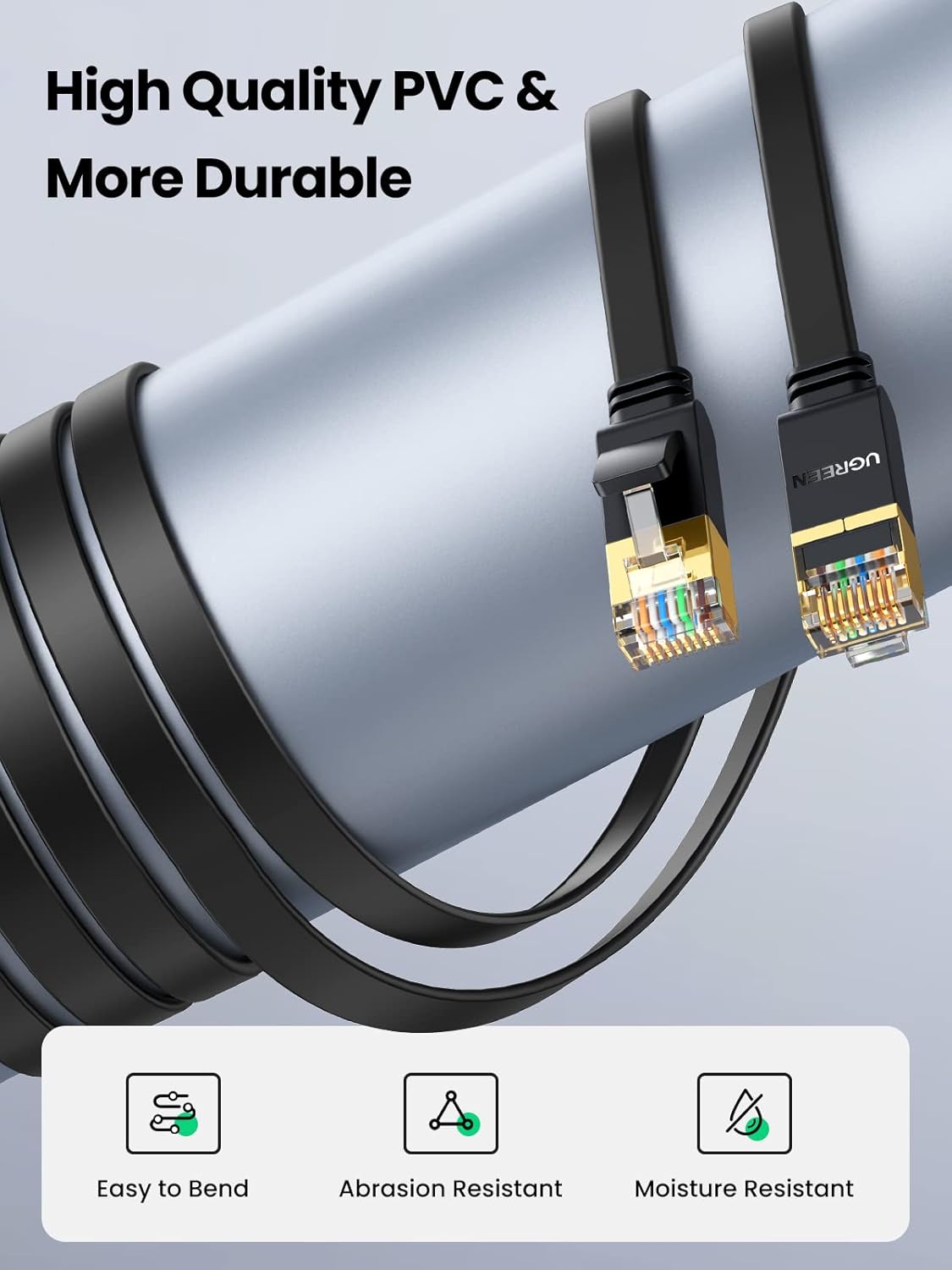
What you’ll notice day to day - The flat cable form makes wiring look and feel more manageable. - Shielded twisted pairs (U/FTP) are built for reducing interference-related issues. - The copper construction and gold-plated connectors are aimed at performance retention and durability.
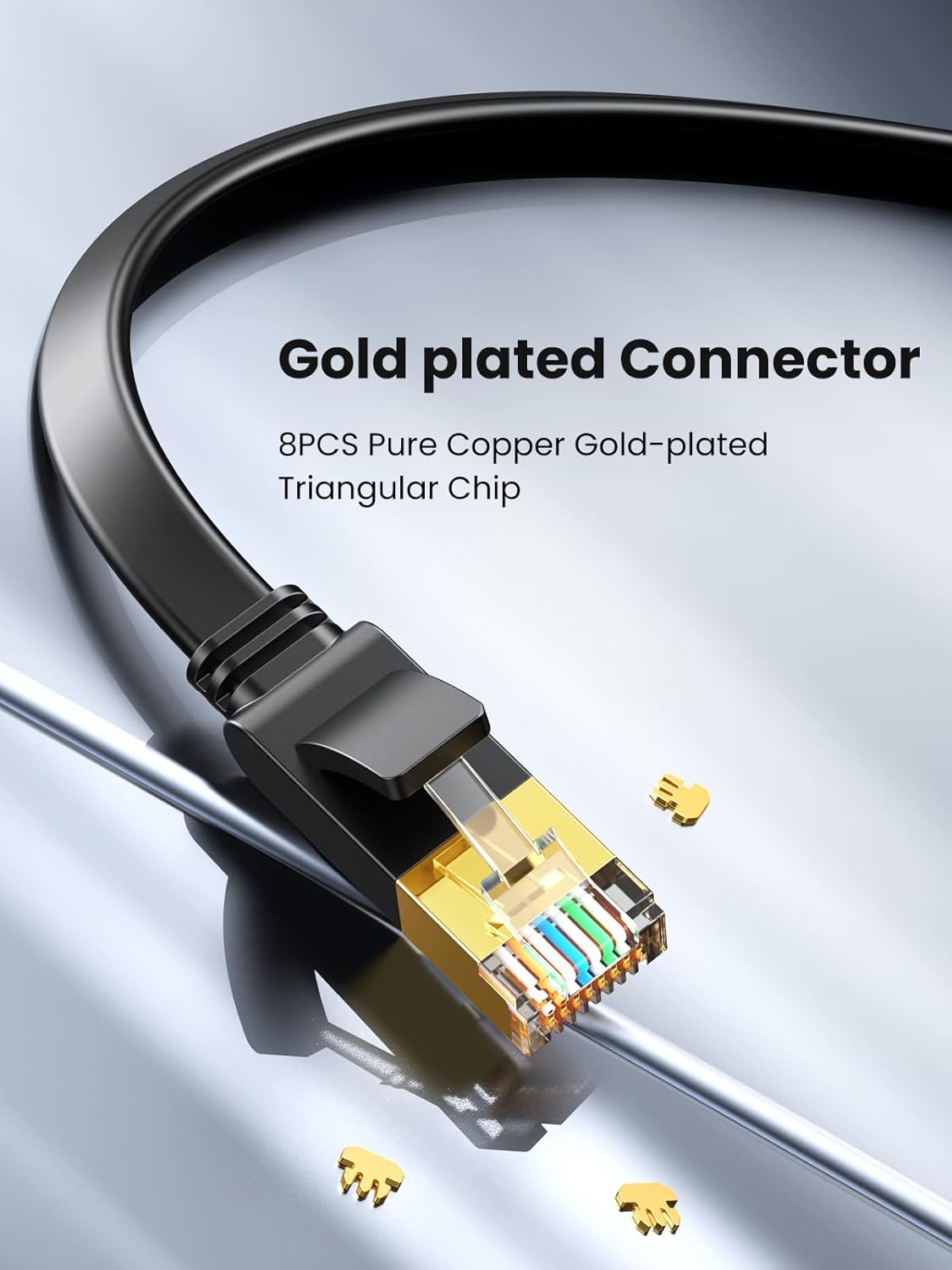
Where it may not be the best match - If your current router/switch doesn’t support the higher category performance, you may not benefit from the headline speed figures. - If you need a run longer than 3m, you’ll have to look elsewhere rather than force a workaround.
Is it worth it?
It’s a solid buy if you want a neat, flat RJ45 patch cable for common home and gaming setups, and you’d rather manage one cable that lies flatter and routes cleaner. The U/FTP shielding and copper construction give sensible “signal protection” on paper, and the compatibility with typical RJ45 devices makes it broadly useful.
You may want to skip it if you’re chasing maximum throughput from a network that isn’t capable of matching those Cat 7-style headline specs, or if 3m won’t cover your intended cable run. In other words: it’s a practical, tidy-wiring choice that can support high-speed ambitions—but it can’t override limits elsewhere in your network.
Mini FAQ
Is this Ethernet cable suitable for gaming? It’s described as supporting online gaming and uses shielded twisted pairs, so it’s built with stable wired performance in mind—just remember real-world speeds depend on your console and network gear.
Will this work with older Ethernet categories? The description states backward compatibility with Cat6e, Cat6, Cat5e and Cat5.
Is flat Ethernet cable harder or easier to install? For most home routing, it’s easier to lay neatly along edges and under carpets compared with round cables, but you still need to route it safely.
Does gold-plated connectors make a big difference? It’s included as part of the construction, and is aimed at reducing loss during transmission. However, the overall network setup still has a bigger impact on the speeds you actually get.
Is 3m the right length? Only if your device-to-router/switch distance is roughly within that range. Otherwise, you’ll likely need a longer lead.