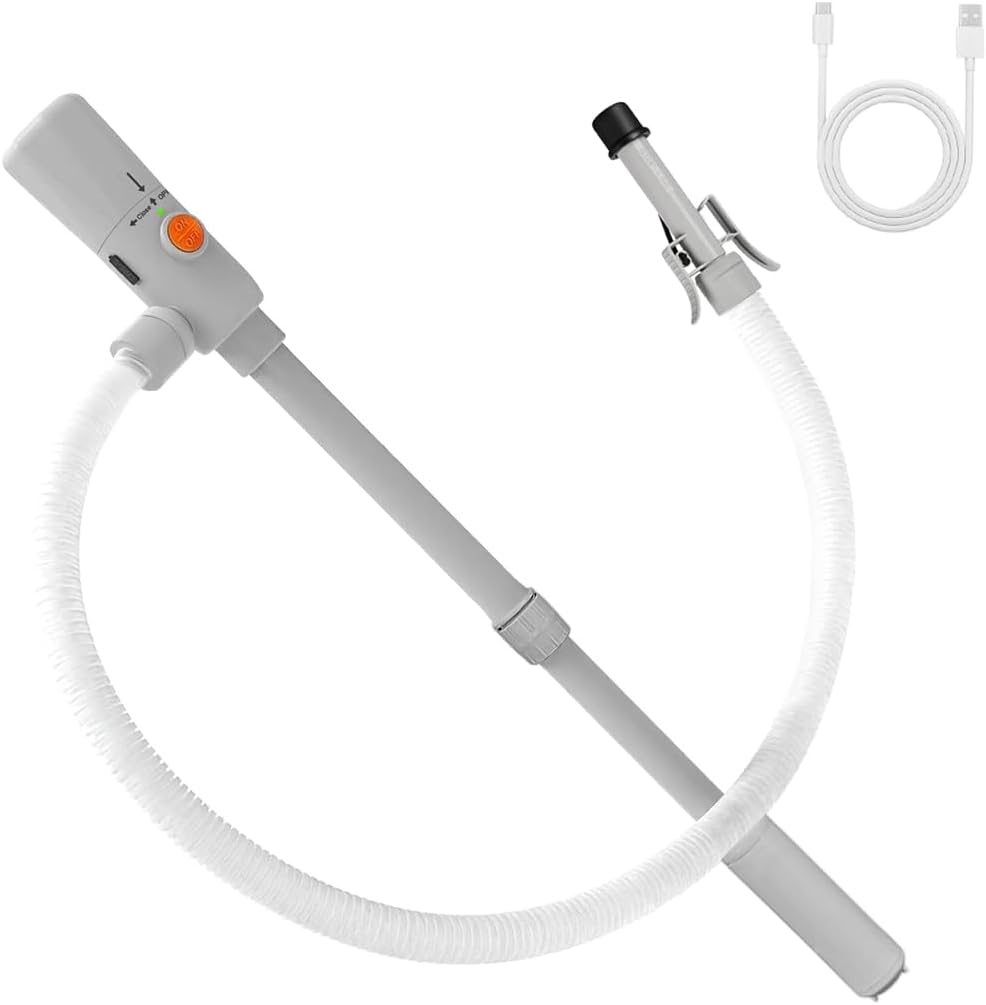
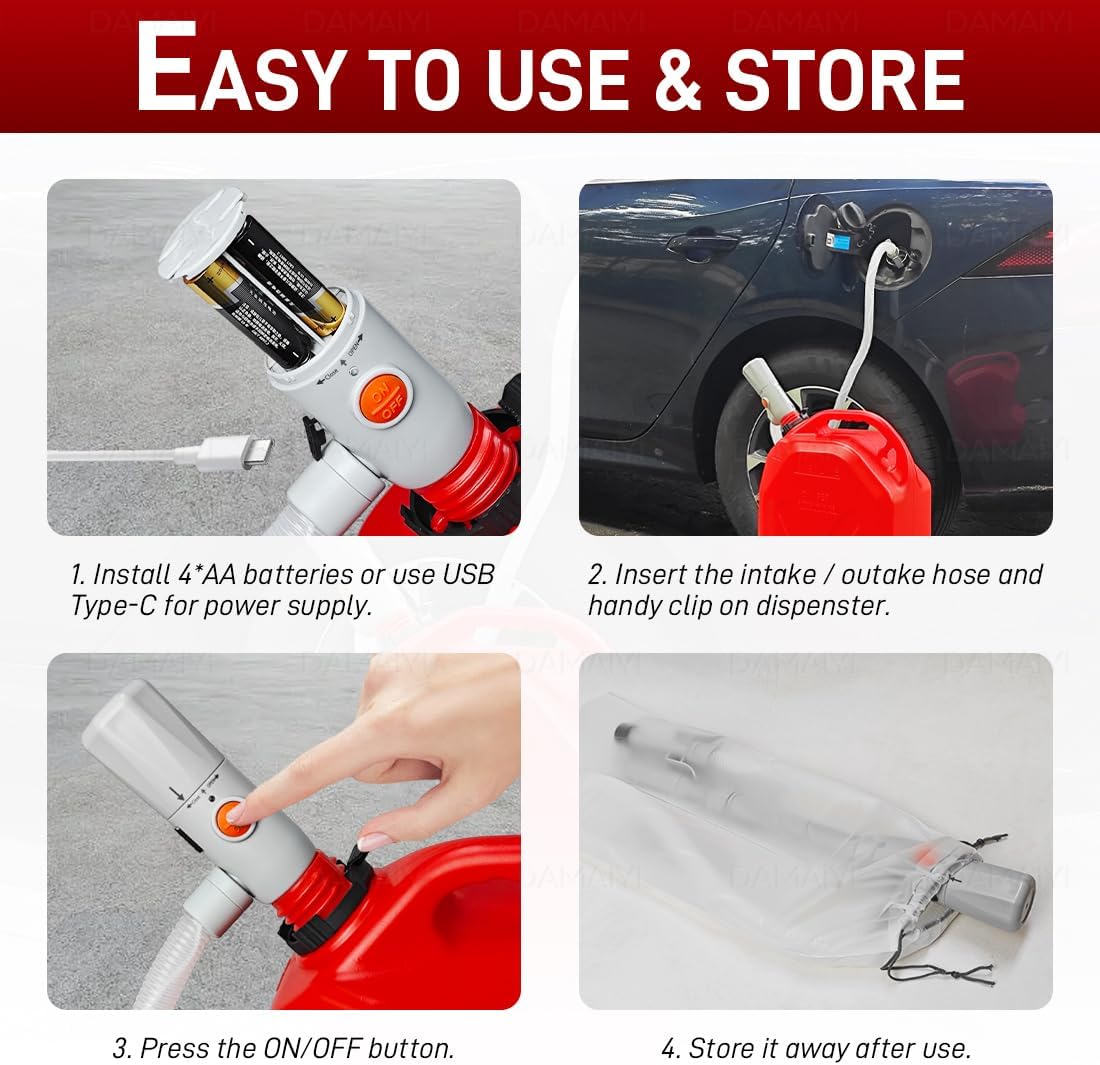
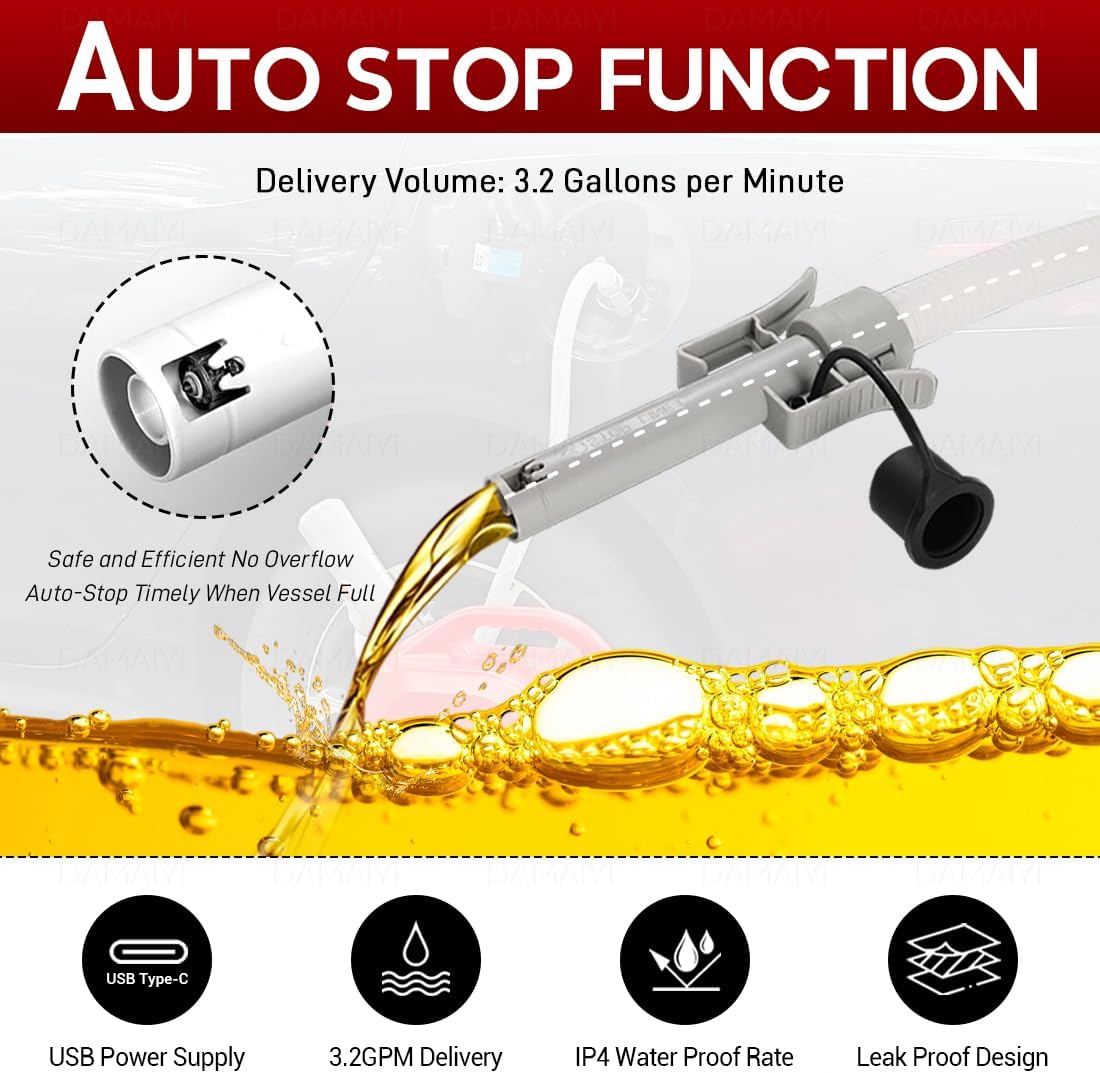
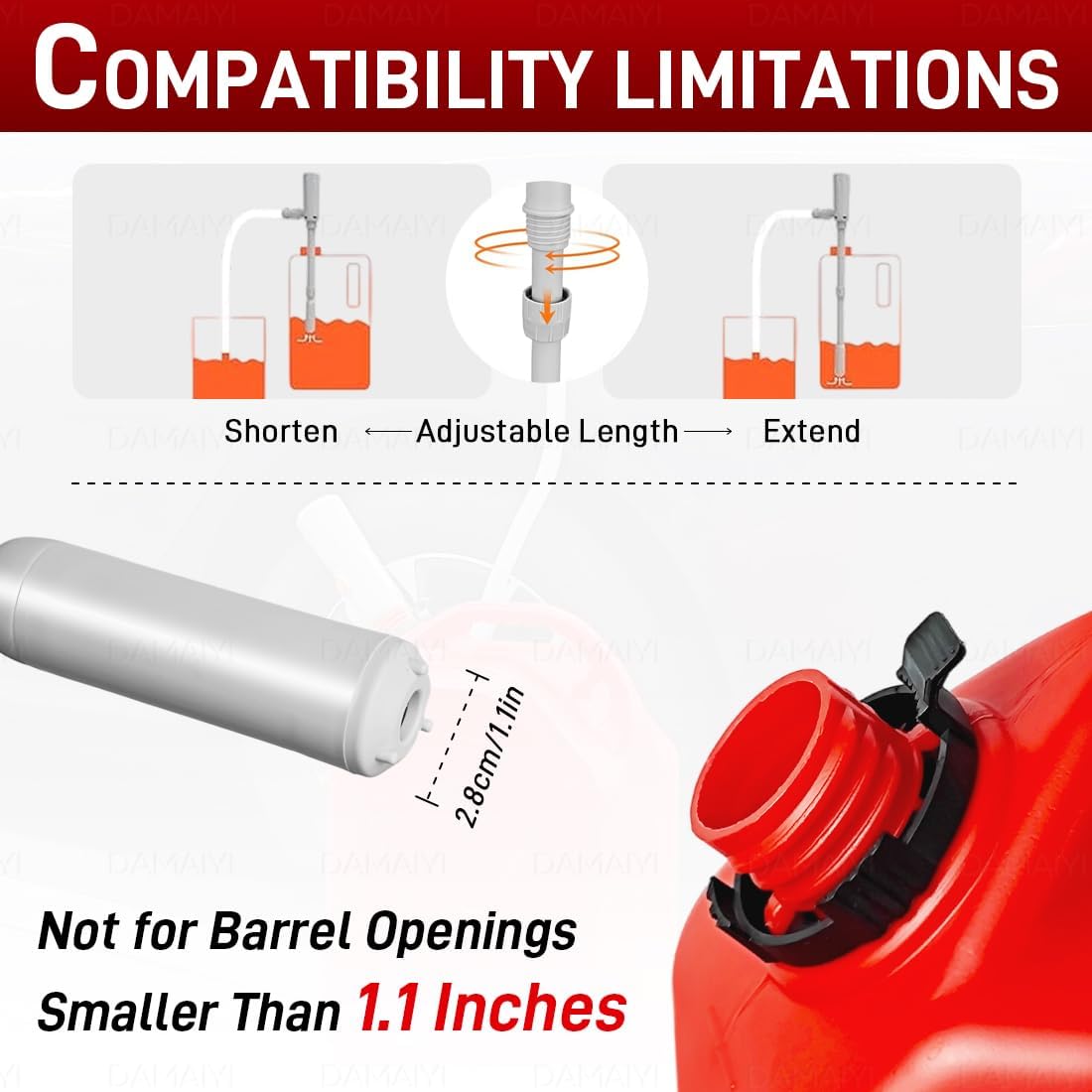
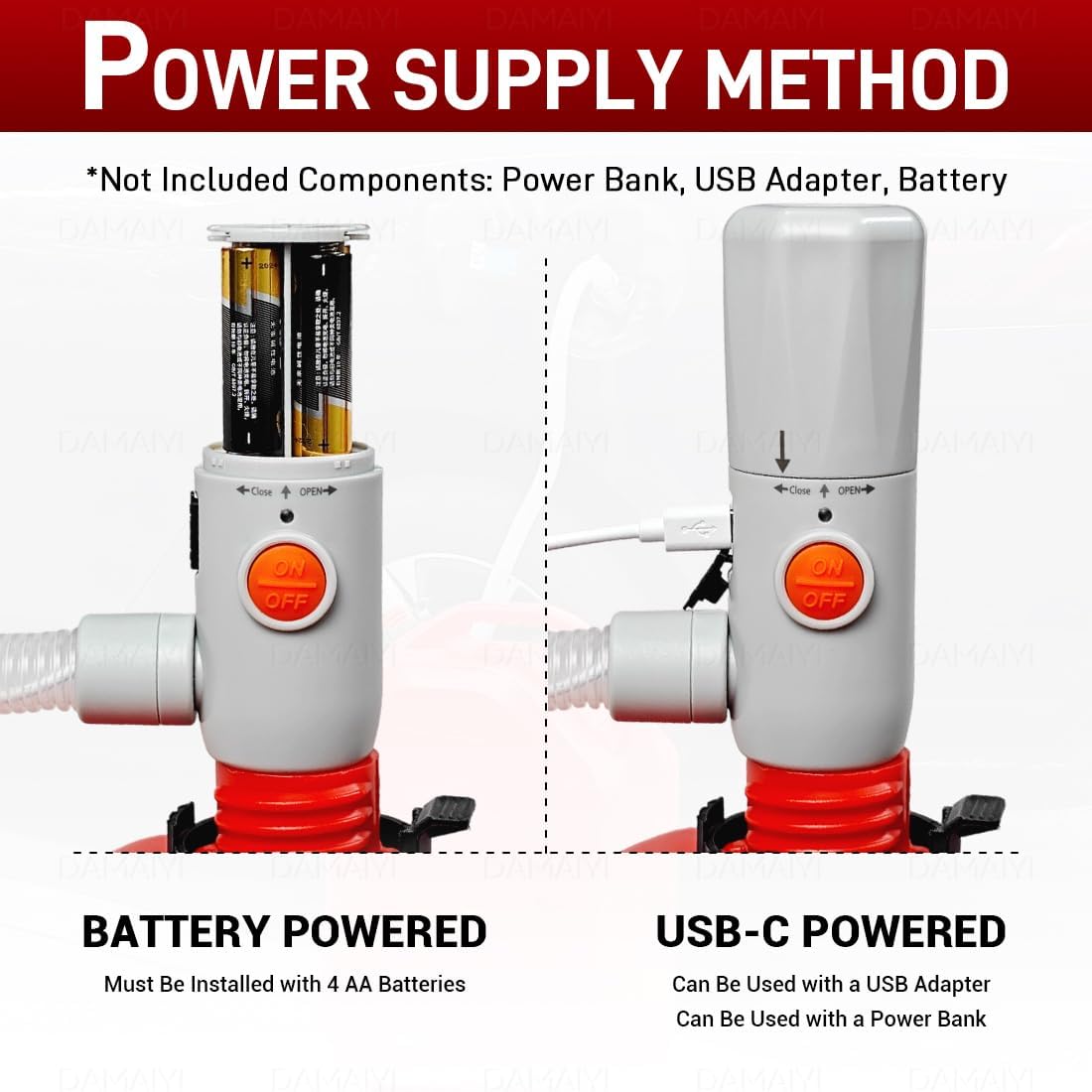
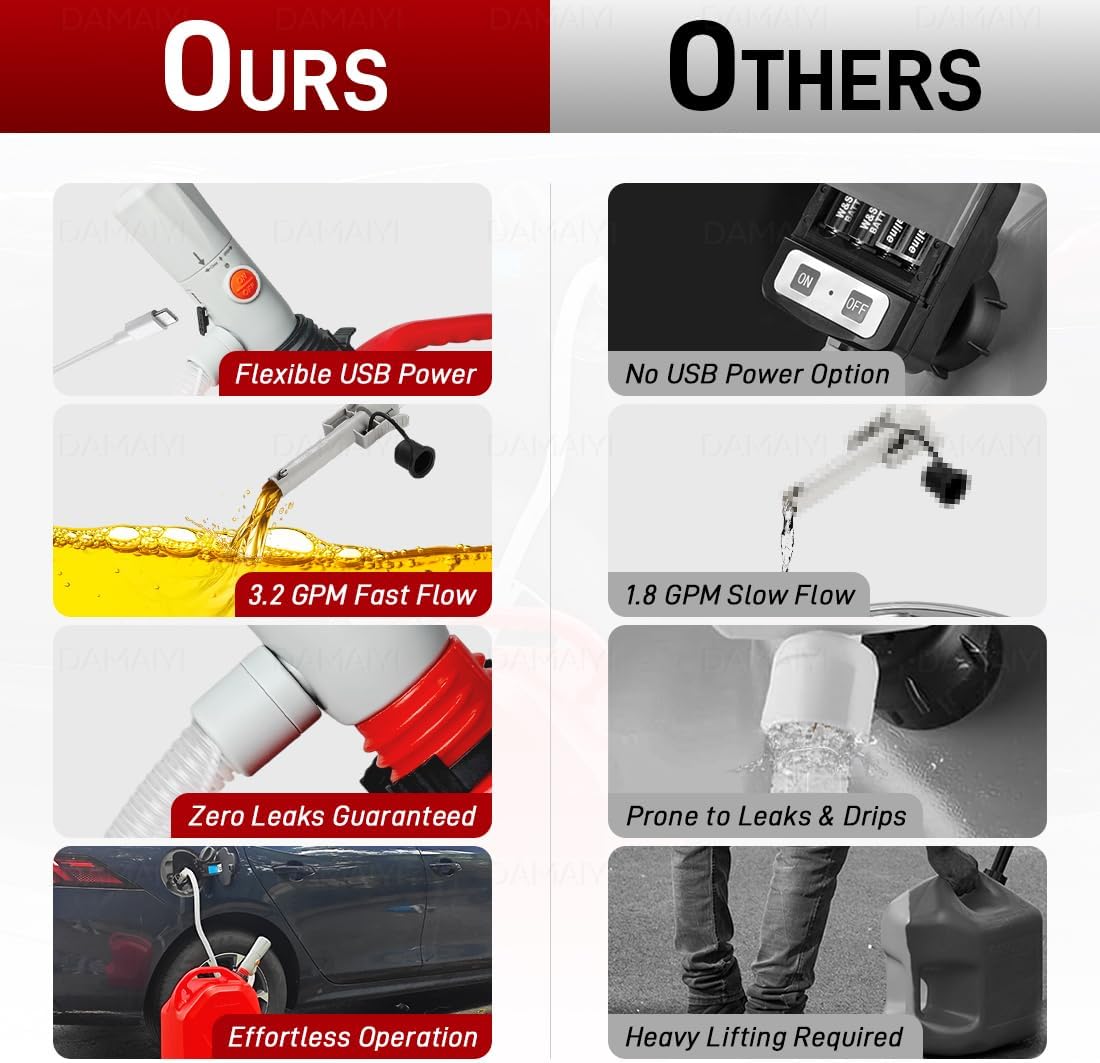
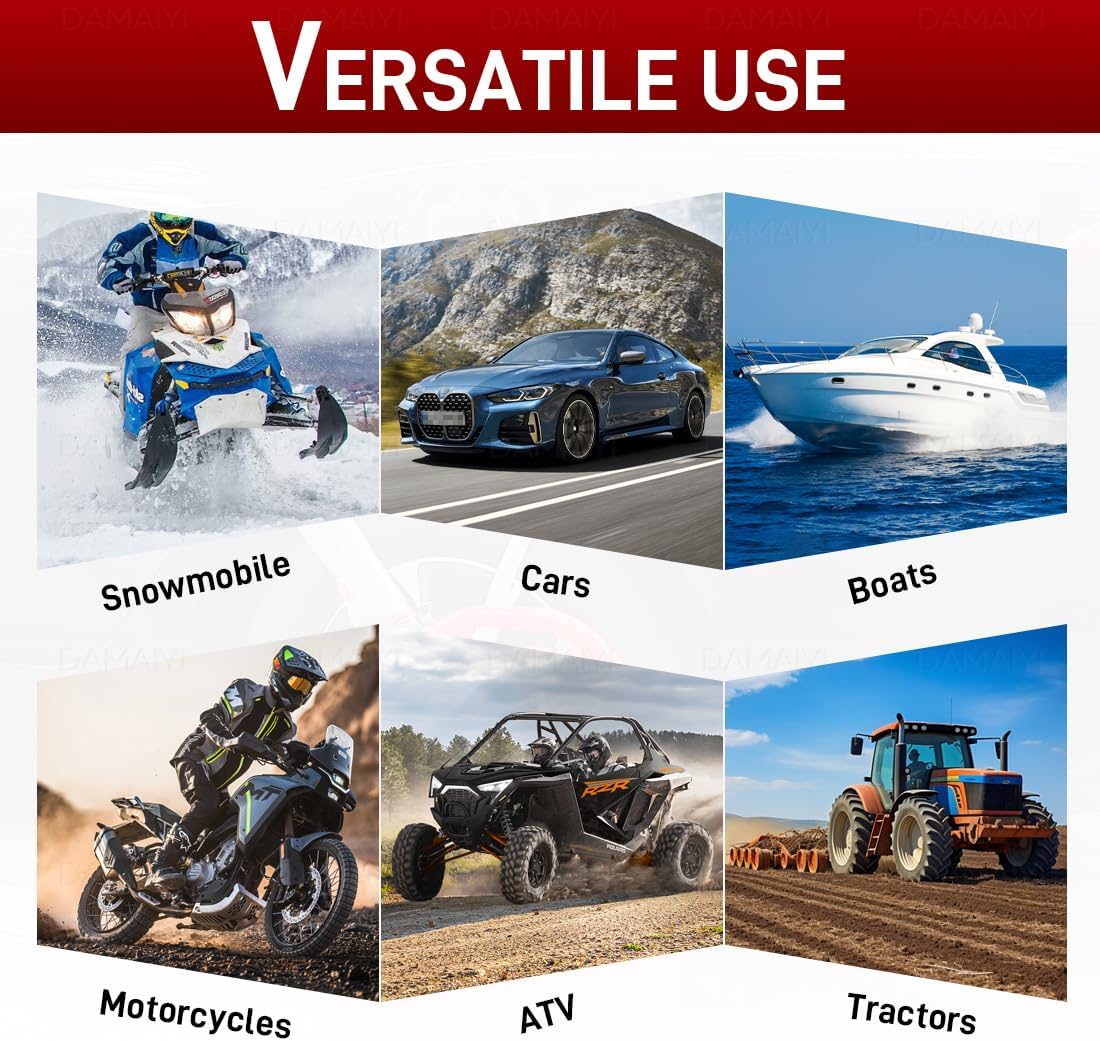
What it is and what it’s for\nThe DAMAIYI Fuel Transfer Pump is a compact, dual-power pump designed to move non-corrosive liquids such as gasoline, diesel, kerosene and water. It combines the practicality of a fuel can pump with the durability you’d expect from a diesel transfer pump, making it suitable for home garages, workshops, and outdoor use. The 2026 upgrade targets a steadier flow and enhanced versatility, with two power options and an auto-stop feature to help reduce spills.\n\n## How it works and what powers it\nThis model can run from USB-C power (via a power bank or compatible adaptor) or from four AA batteries, offering flexibility whether you’re near a power outlet or off-grid. It delivers a high-efficiency flow of 3.2 GPM (12 L/min), which can speed up transfers compared with manual pumping while remaining relatively quiet. A 51-inch hose provides reach, while the telescopic insertion tube (11.5–16.5 inches) adjusts for deeper cans or tighter openings.\n\n## Key strengths in practice\nOn paper, the Auto-Stop Sensor is a practical safety feature: it automatically stops when the container is full, helping to minimise overfills and leaks. The construction uses non-toxic, corrosion-resistant materials, which should help with durability across varying storage and working conditions. Weighing around 400g, it’s lightweight and designed for compact storage.\n\n## What it helps you do and who it suits\n- Car and motorcycle owners needing quick transfers without manual pumping.\n- Small garages or outdoor setups where mains power isn’t guaranteed.\n- Hobbyists or users who want a portable fuel transfer solution for kettles, barrels or drums holding non-corrosive liquids.\nHowever, it’s important to note that you should measure your fuel can opening before purchase (the nozzle diameter is about 3 cm) to ensure compatibility with your containers.\n\n## Potential limitations and when it might not be the best option\nIf you regularly transfer viscous liquids or require extremely high pressure for large drums, this pump may feel less capable than larger, dedicated units. It’s designed for non-corrosive liquids, so it’s not suitable for corrosive substances. And while dual-power is convenient, performance can vary with battery condition or USB-C power availability.\n\n## Practical usage tips\nKeep the 51-inch hose clear from kinks, and set up on a stable surface during operation. For off-grid use, consider a reliable USB-C power source to maintain consistent flow.\n\n## What to check before buying\n- Compatibility with your fuel can opening (about 3 cm nozzle).\n- Availability of a USB-C power source if you don’t plan to use AA batteries.\n- Your typical transfer volume to estimate whether 3.2 GPM meets your needs.\n\n## Quick comparison to other approaches\nCompared with manual pumping, this pump offers a hands-free transfer option with an auto-stop feature. For users who often work away from mains power or want a portable setup, the dual-power design adds practical value. If you primarily work with open containers or require higher flow for large volumes, you might look for a larger or more robust transfer solution.\n\n## What to know before you buy\nThe device is built for non-corrosive liquids and should perform best with fuels such as gasoline, diesel, kerosene, and water. Always follow safety guidelines when handling fuels.\n\n## Is it worth it? (Final decision)\nIt makes sense if you prioritise portability, dual-power flexibility, and an automated stop during transfer for everyday fuel tasks. It may not be the best fit if you require heavy-duty continuous pumping or transfer of corrosive liquids.\n\n## FAQ\n- Q: Can I use this for water? A: Yes, it’s listed as suitable for water (non-corrosive liquids).\n- Q: How long is the hose? A: The primary hose is 51 inches long.\n- Q: What powers the pump? A: USB-C power or four AA batteries.\n- Q: What if my can opening is larger than 3 cm? A: Check nozzle compatibility before purchase.