

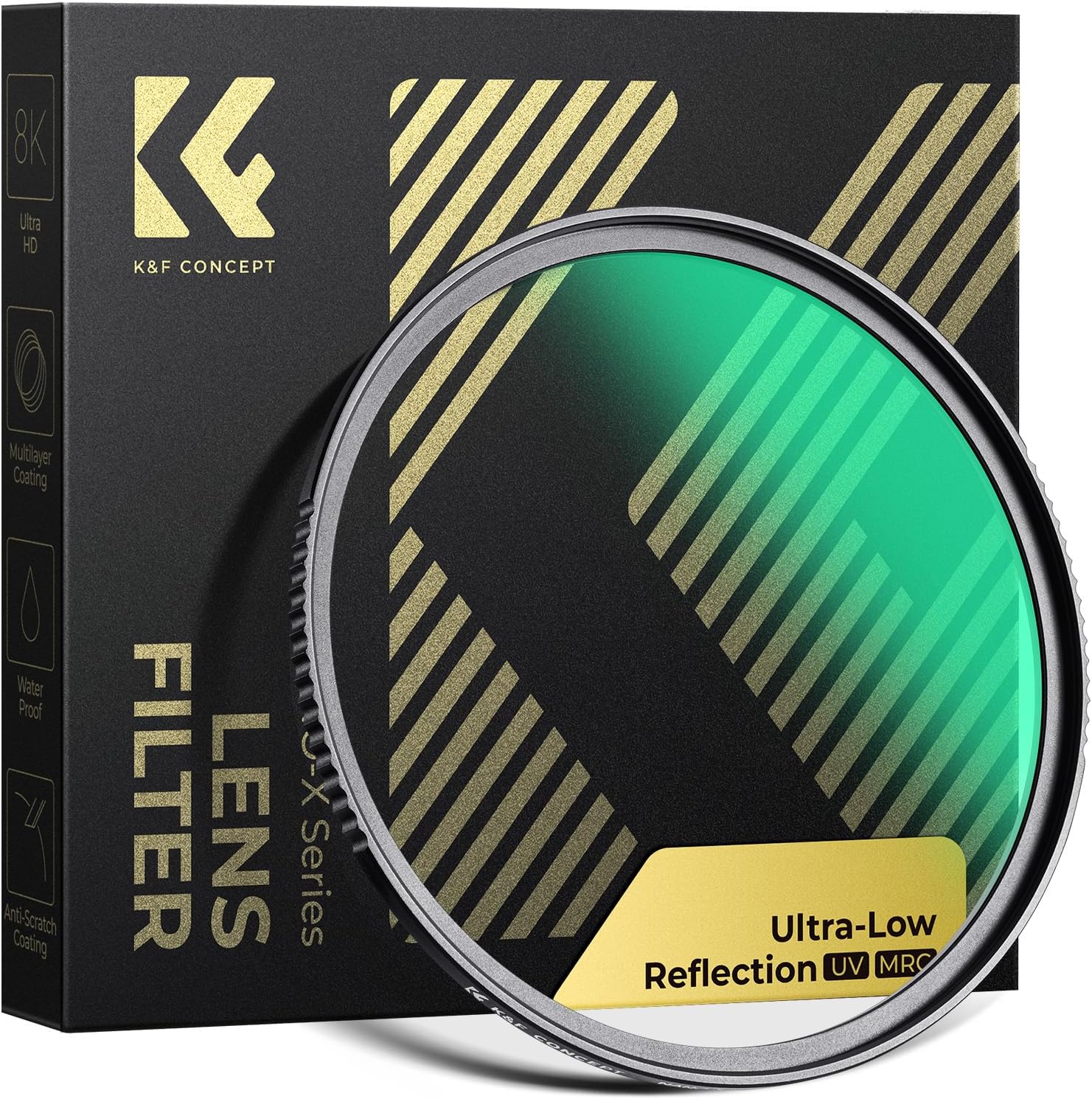
K&F CONCEPT 62mm UV Filter (Nano-X Series) with Ultra Low Reflection protection for DSLR lenses
Reviews
Price
Product description
The essentials
A UV filter is one of those accessories that sits in the kit for a long time. On paper, the idea is simple: it helps reduce ultraviolet haze (often responsible for a slightly bluish cast) and, at the same time, acts as a physical barrier between your lens and the world.
The K&F CONCEPT 62mm UV Filter (Nano-X Series) is positioned around two practical aims. First, it’s designed to cut UV light to help keep colours looking more natural. Second, it focuses on “ultra low reflection” behaviour by using an ultralow reflection anti-reflective approach. The manufacturer also claims a very high light transmission rate alongside a controlled reflectivity figure.
If you often shoot outdoors—beach, snow, mountains, or other high-glare scenes—this is the kind of filter you’d typically consider because it’s meant to work in situations where light is strong and the scene can look a little washed or tinted otherwise.
That said, it’s not perfect magic. With any UV/protection filter, you’re adding a piece of glass in front of the lens, and depending on your shooting conditions and lens design, it can still introduce its own reflections. So it’s worth buying with realistic expectations.
What it’s for (and when you’ll notice it)
This UV filter is aimed at everyday outdoor photography where UV and high light conditions can affect the look of images. The base function described here is reducing ultraviolet light that can create an unwanted bluish tone.
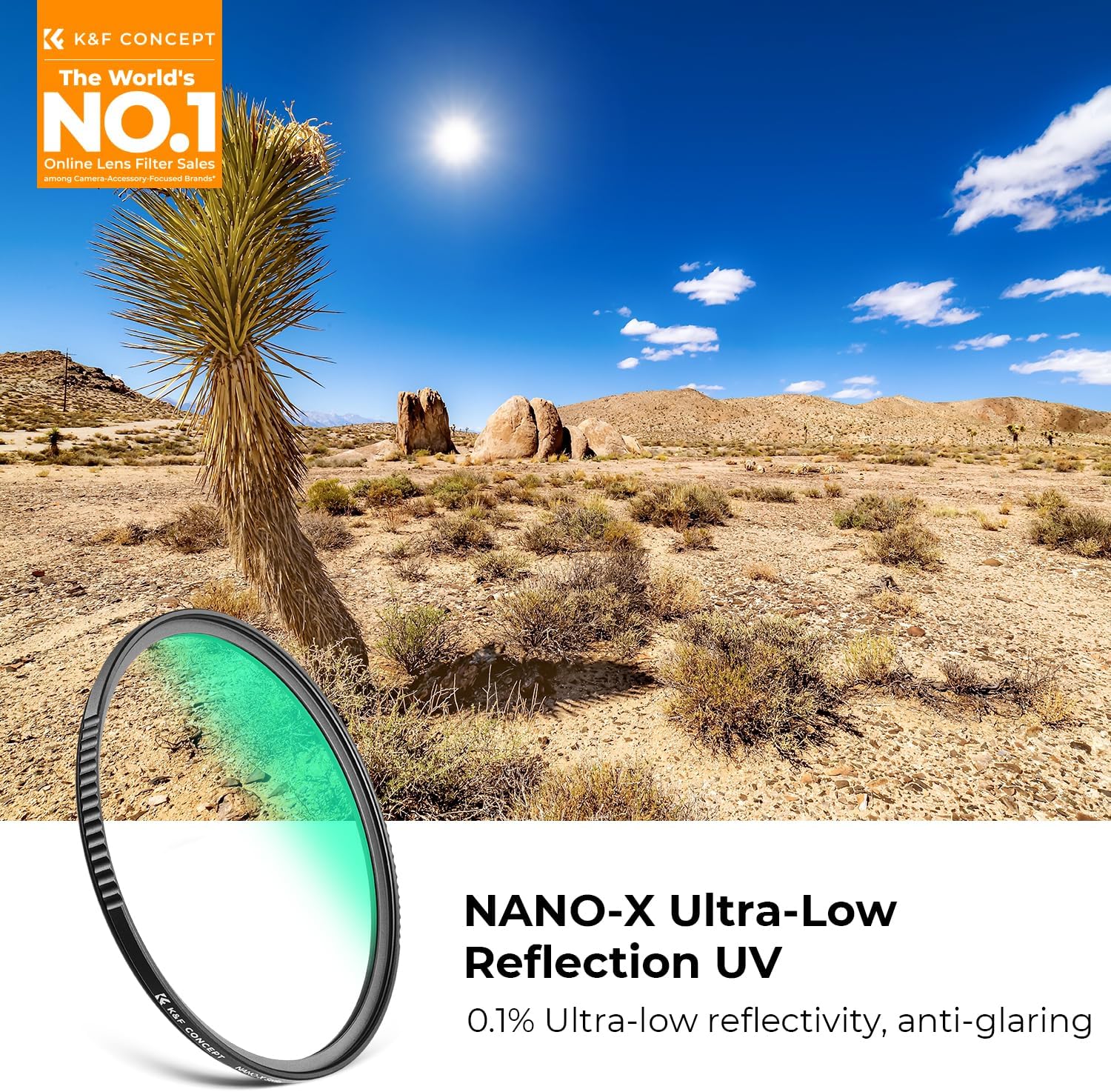
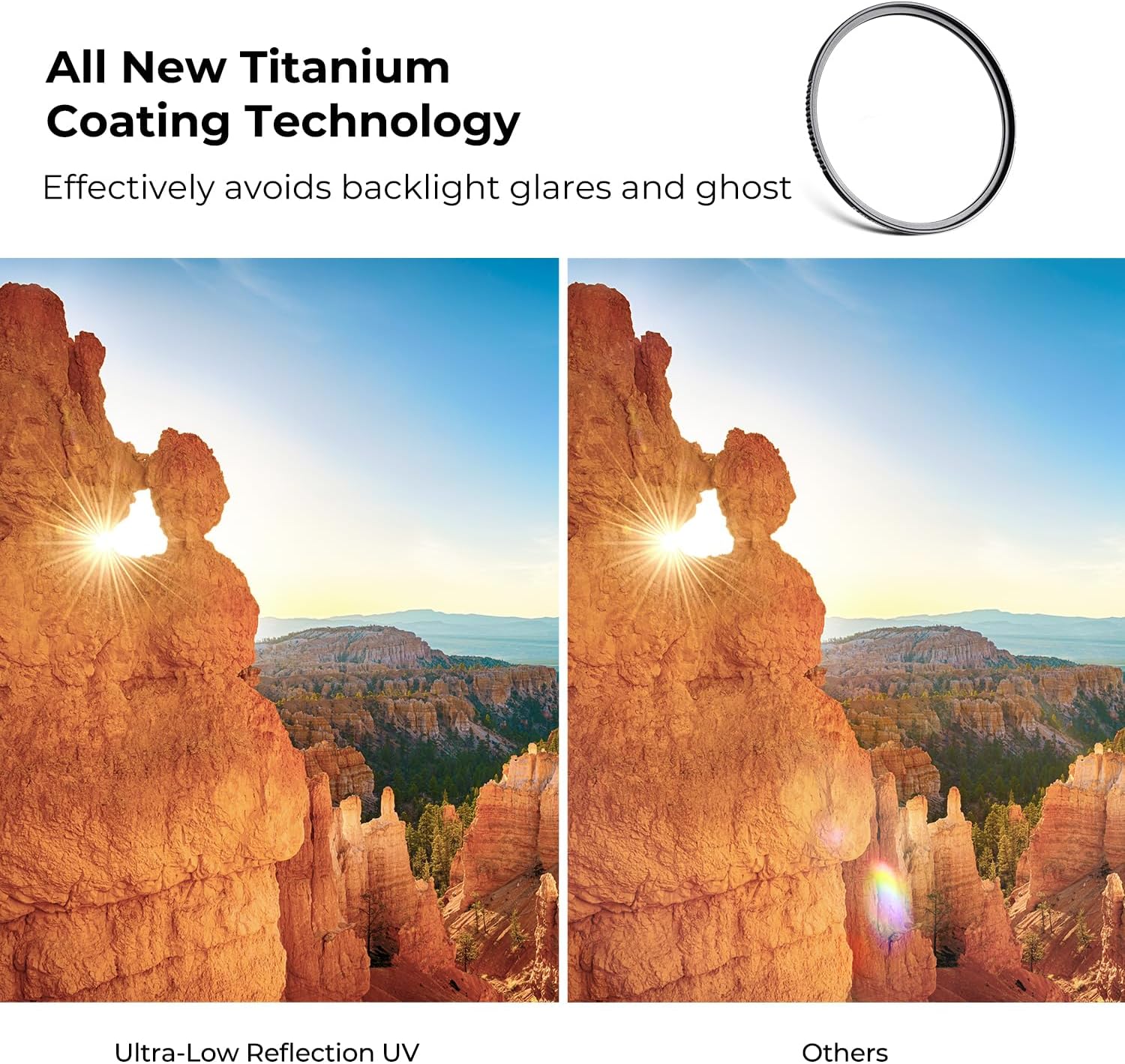
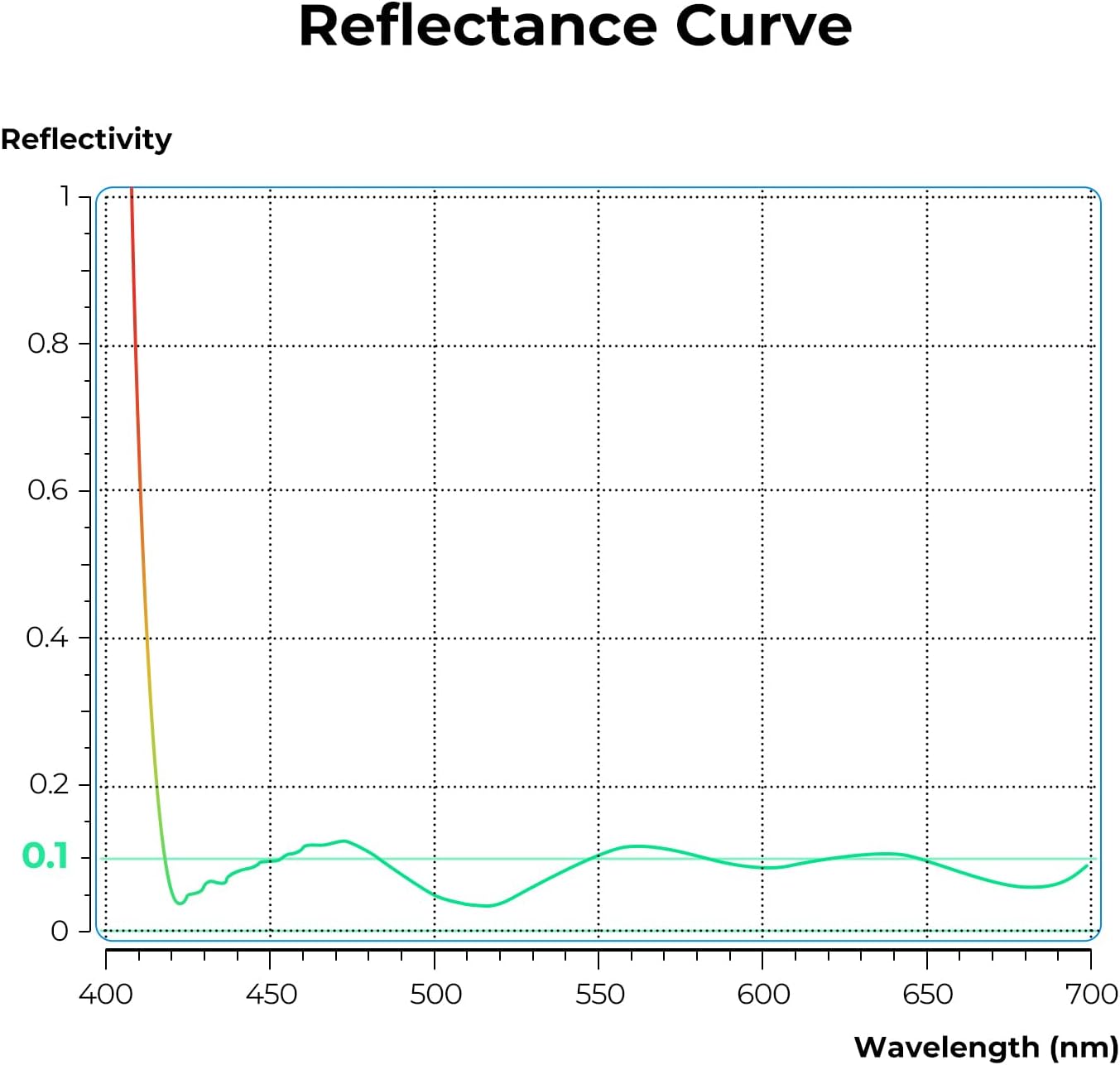
The “ultra low reflection” angle is the other part of the story. The manufacturer claims the ultralow reflection anti-reflective layer is controlled to 0.1% reflectivity, with 99.8% high transmission. In practical terms, that’s meant to help reduce flare-related problems such as spots and halos, and also limit ghosting.
A micro example: imagine photographing a snowy hillside on a bright day. Light bouncing off snow can be brutal, and the overall scene can take on a cool cast. With a UV filter in place, the intent is that the image looks more balanced, while the improved anti-reflection design helps keep stray reflections from distracting you.
Key features that matter in use
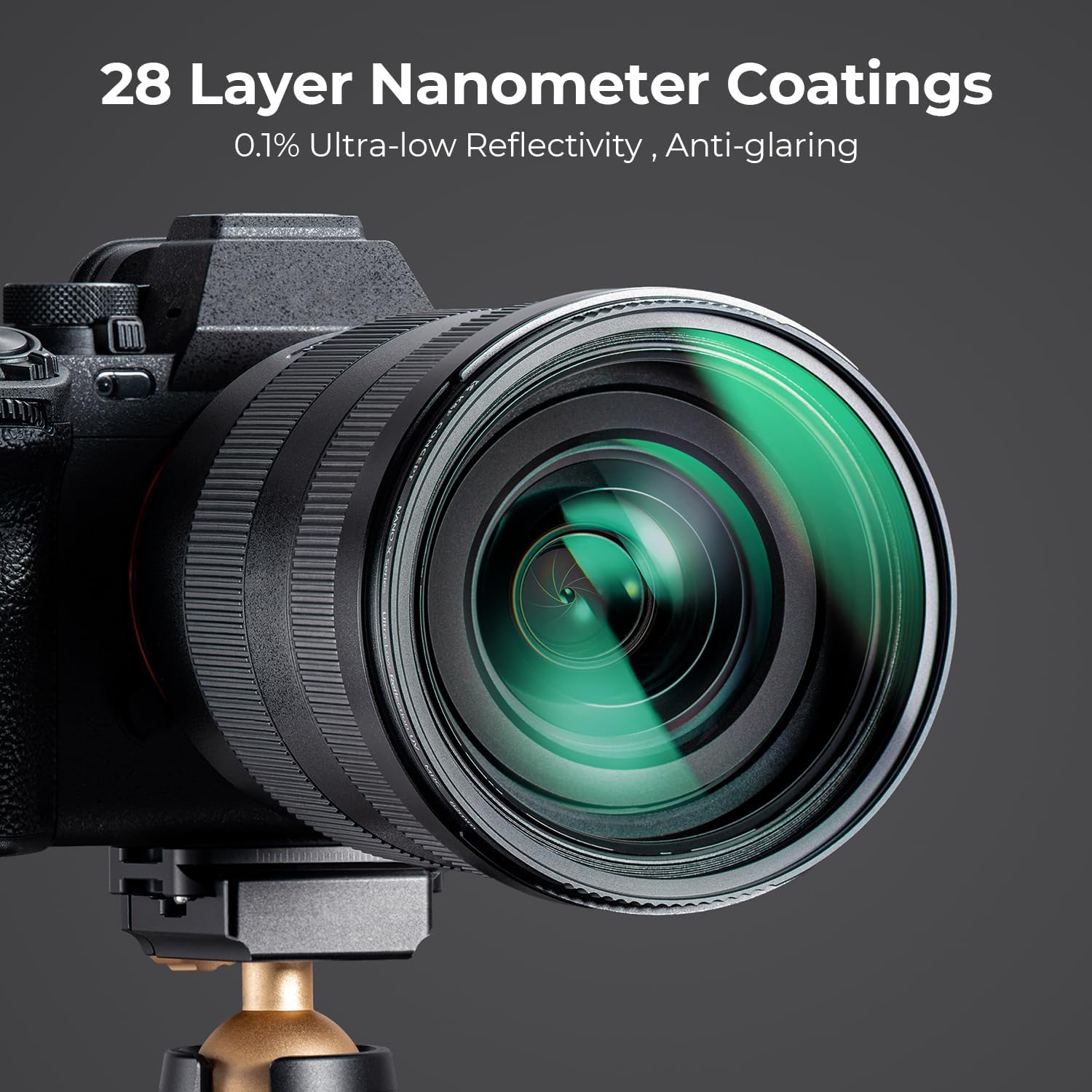
What stands out in this filter’s pitch is the anti-reflection strategy and the coating stack. It’s described as using slim nano-coated optical glass with 28 layers. The goal is a neutral colour balance, fewer reflections, and reduced ghosting, while also protecting the front element.
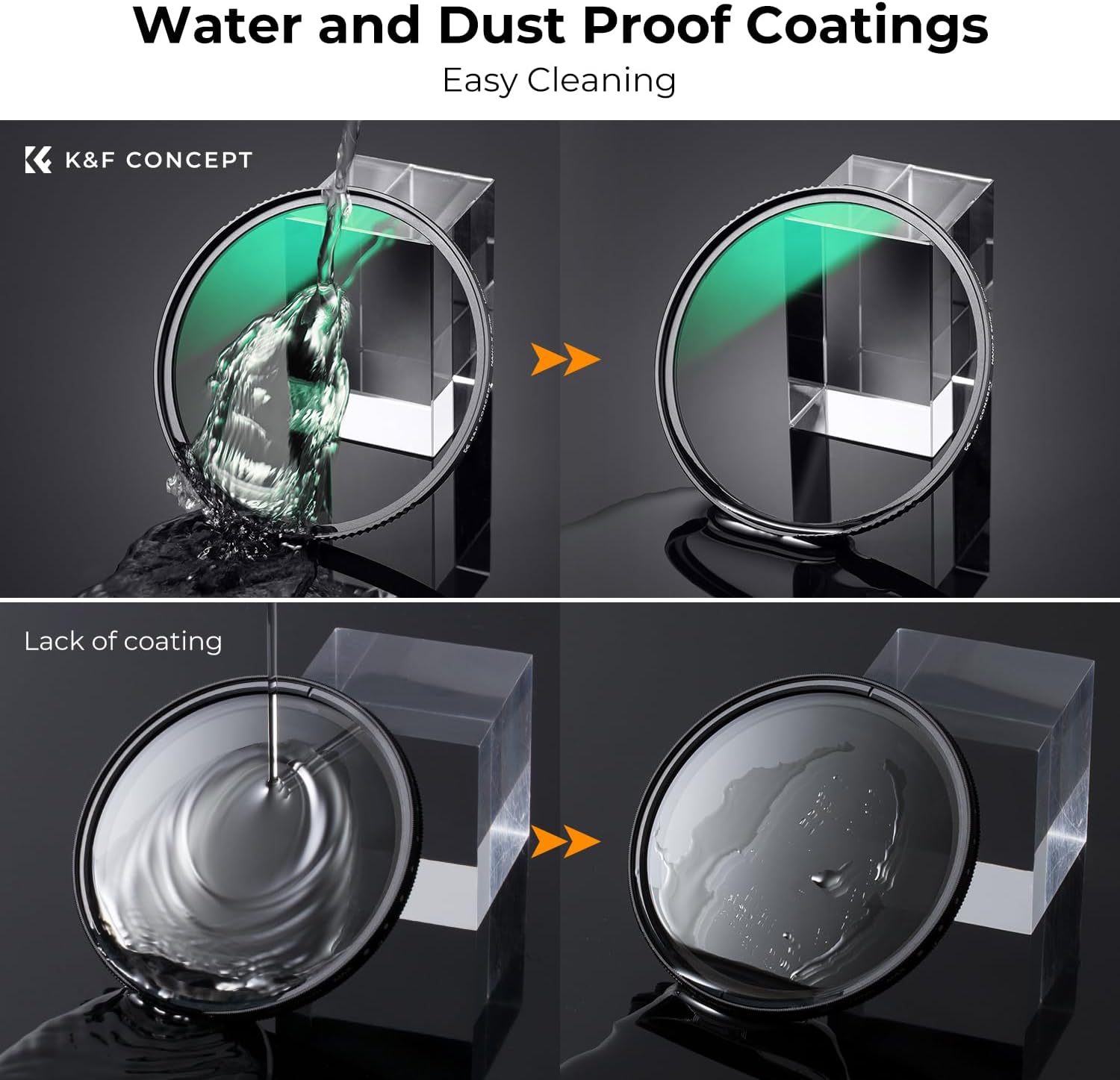
On top of the optical coatings, the filter is described as scratch-resistant, and it’s also presented as a shield against dust and dirt. For many photographers, that’s actually the reason to buy: you stop thinking about micro-scratches and windblown grime every time you take the camera out.
There’s also an emphasis on build: a very thin aluminium filter frame. A slimmer frame can be helpful if you’re tight on clearance or you’re stacking accessories in your workflow, although you’d want to check your own setup if you regularly use lens hoods, caps, or other filter systems.
Tech specs
- Type: UV protection filter (UV Reflex / ultra low reflection)
- Size: 62mm
- Series: Nano-X Series
- Coating: 28-layer nano coating
- Claimed ultralow reflection reflectivity: 0.1%
- Claimed light transmission: 99.8%
- Notes from the listing: scratch-resistant, includes optical glass, slim aluminium filter frame
Where it shines—and where it may fall short
If your priority is UV reduction plus a more modern anti-reflection approach, this filter makes sense. It’s also aimed at people who want practical protection for a DSLR lens without choosing a thick, bulky filter ring.
However, a couple of limitations are worth noting. Firstly, the listing doesn’t say how it behaves across every lens type or how it performs in extreme backlit scenes—so if you frequently shoot very demanding flare-heavy situations, you’ll still want to consider whether a dedicated anti-flare filter strategy is more appropriate for your style.
Secondly, the product is described as a UV protector with a specific anti-reflection claim. If you only ever shoot indoors or in controlled lighting, you may simply not see much benefit beyond physical protection.
Compatibility and buying checks
This is a 62mm filter, so the first check is obvious but essential: it must match the filter thread size of your lens.
Also, the listing mentions the packaging (old and new versions may be sent at random) but says the internal content does not vary. So you should expect a consistent product even if the box artwork changes.
Mini FAQ
Does a UV filter still help if I shoot mostly digital?
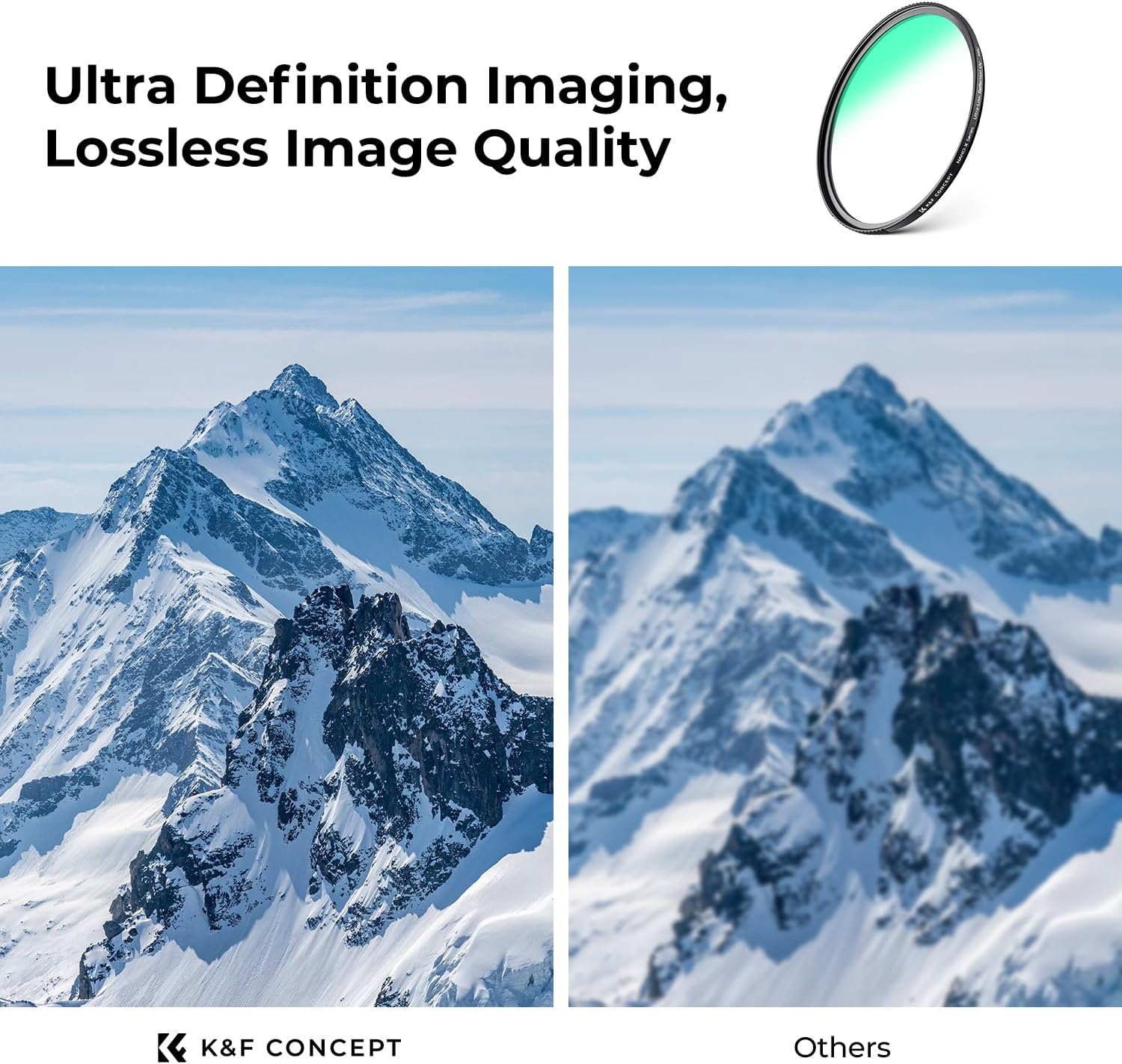
It can still be useful for outdoor conditions where UV haze may affect colour tone. This filter is specifically described as reducing UV light to help avoid a bluish cast.
Will it improve sharpness?
The listing focuses more on reducing reflections and ghosting, and on colour neutrality, rather than explicitly promising sharper images. If flare control is your concern, that’s the angle to watch.
Is it mainly for protection or image quality?
It’s both, but it leans towards being a practical “keep it on” filter: UV reduction plus scratch-resistant, dust and dirt protection.
What should I check before buying?
Confirm your lens accepts 62mm filters, and consider whether you’re comfortable adding an extra piece of glass for your typical lighting conditions.
Is it worth it?
It’s worth buying if you want a 62mm UV protector for DSLR lenses that aims to reduce UV haze and also tackle reflections with an ultralow reflection coating approach. It suits photographers who shoot bright outdoor scenes (beach, snow, mountains) and who value having a protective front filter in place.
You may want to skip it if your shooting is mostly indoors or controlled, or if you routinely rely on lenses where you’re very sensitive to how any additional glass might affect flare behaviour. In short: it’s a sensible everyday layer for outdoor work and lens protection, but it won’t replace the need to dial in exposure and lens technique in tricky lighting.