

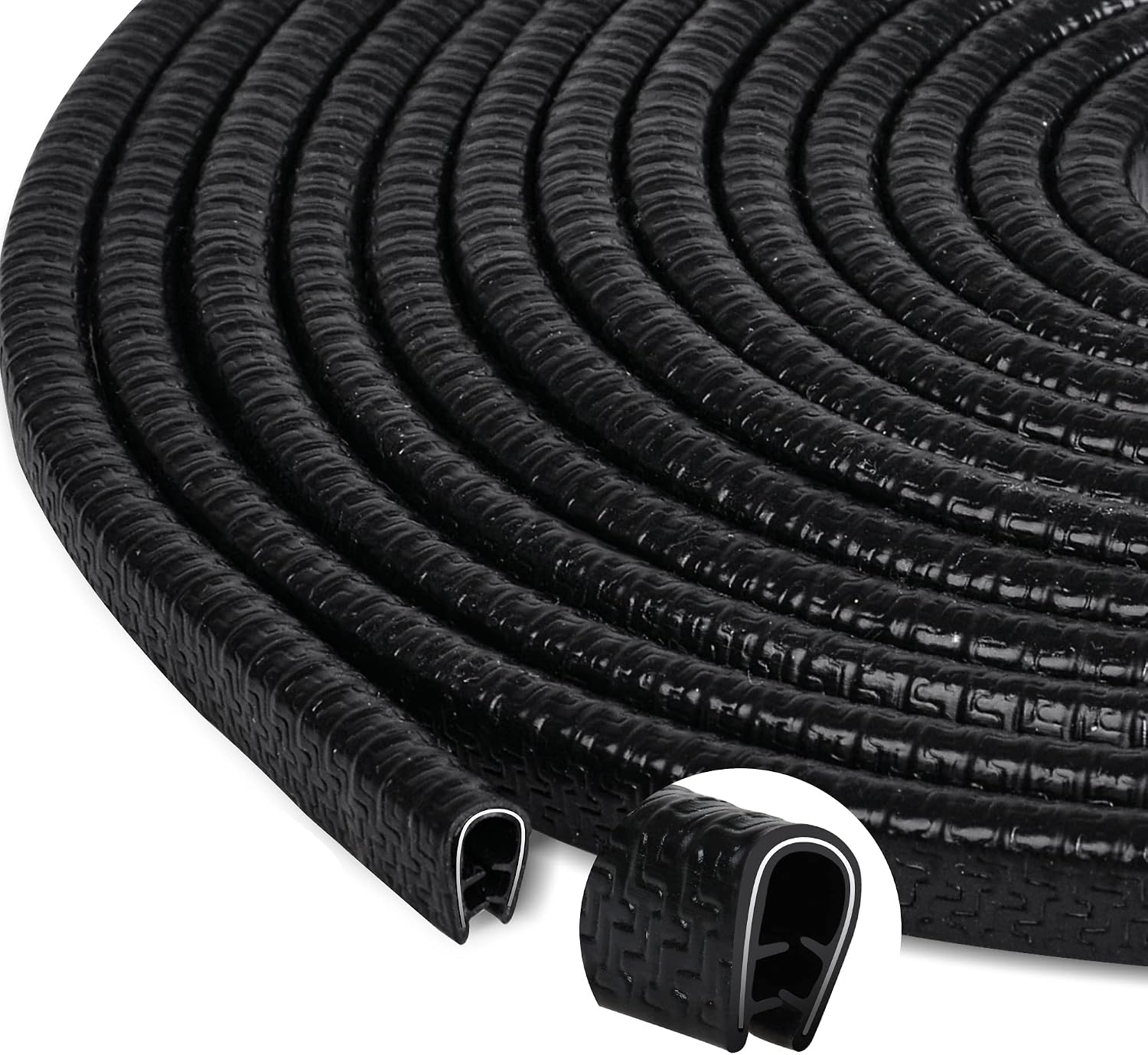
Car Door Edge Guard Protector Strips (U-Shape) in Rubber – Door seal trim for metal edges, 4m roll
Product description
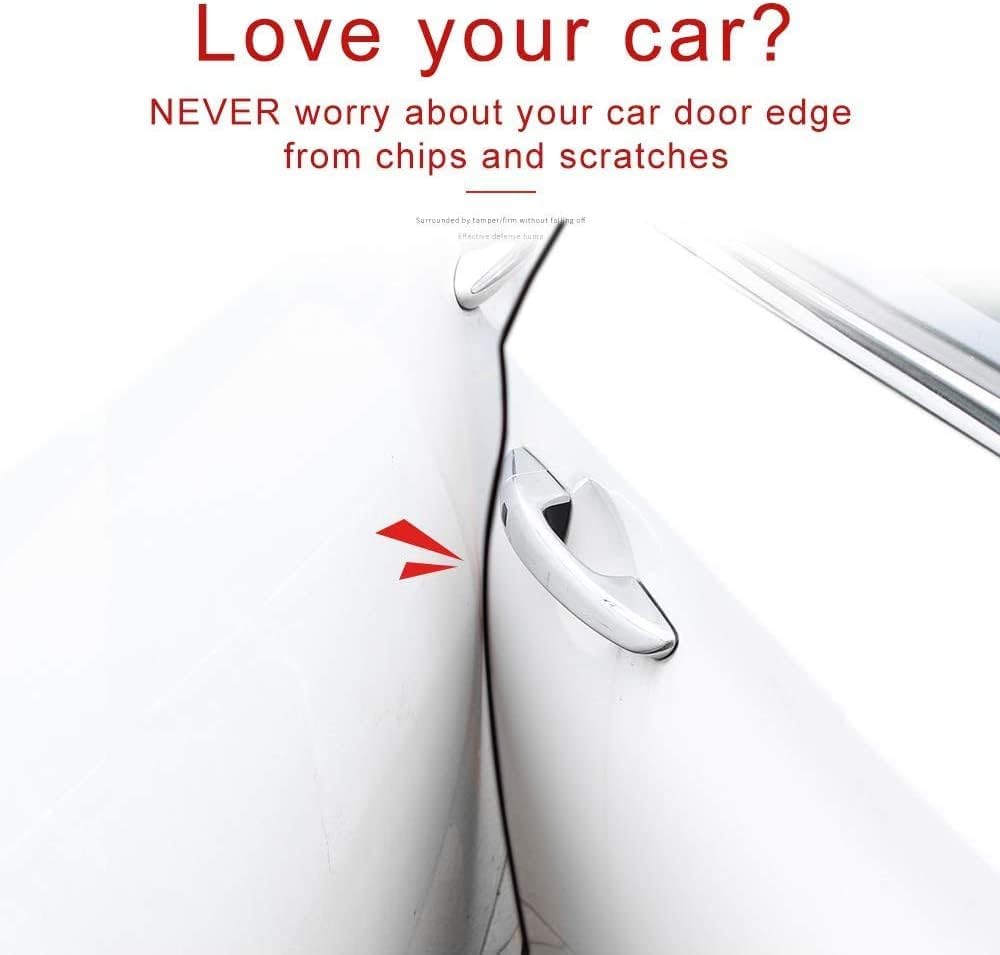
If you’ve ever watched a door swing open and wince at the sound it makes, this kind of car door edge guard is the simple fix. It’s designed to cover metal door edges so the paint doesn’t take the hit, and it can also help with day-to-day annoyances like road noise and dust.
On paper it’s a straightforward, universal-style rubber trim: you wrap it around the edge, trim to length, and it stays put with the shape and friction—no glue or mallet required. The only real “gotcha” is fit: you need to measure your door thickness first because the wording provided points to specific suitability ranges.
What it is and what problem it solves
Car door edge protectors are made for the places where paint gets damaged most easily—edges that are constantly at risk of chips, scuffs, and impact when doors are opened carelessly. This U-shaped rubber strip aims to form a protective buffer between the metal edge and what it comes into contact with.
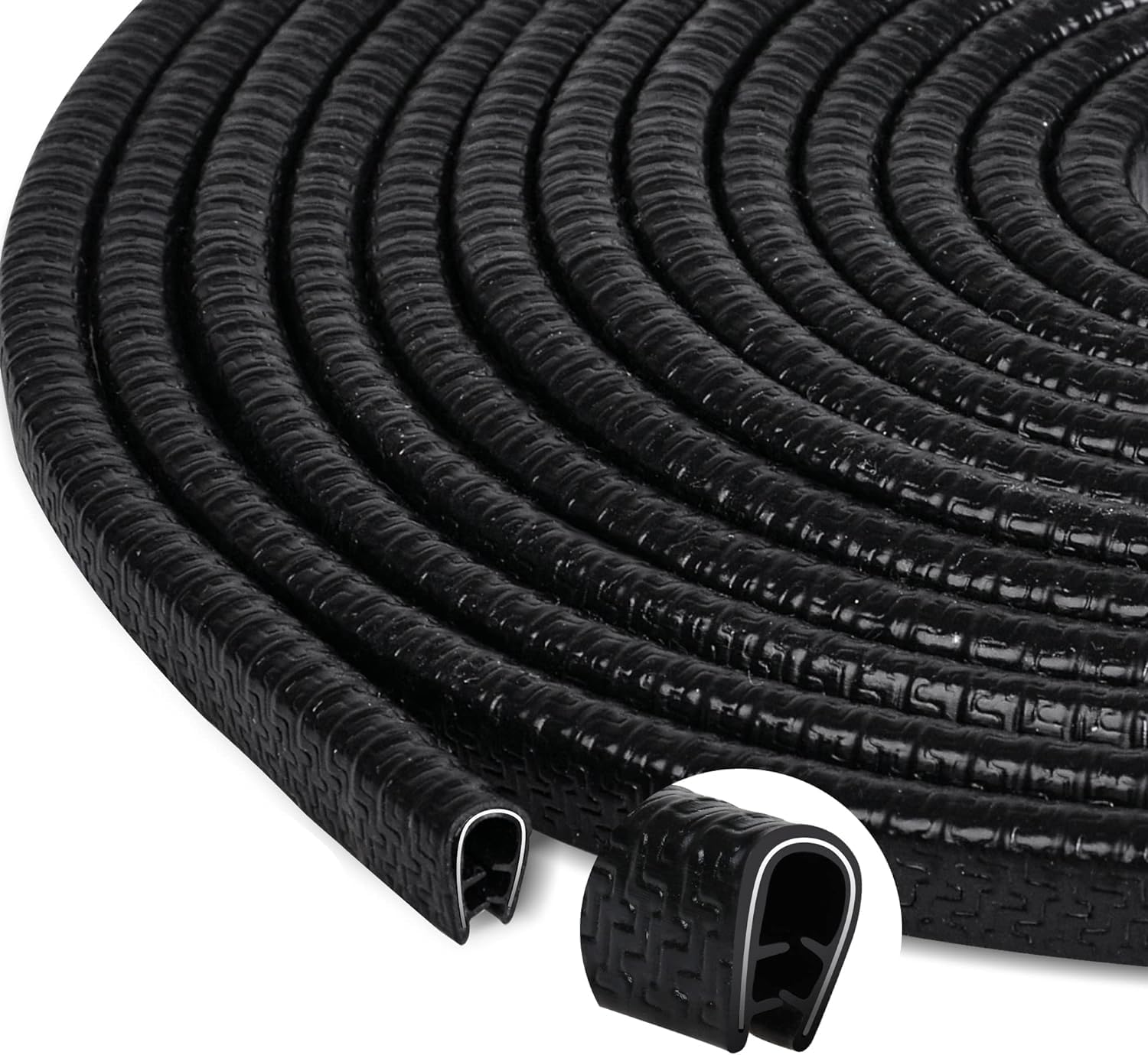
In real life, it’s the sort of purchase that feels a bit boring until you use it. Think about kids opening doors a bit roughly, tight parking spaces where doors get close to hard surfaces, or older doors where scratches already exist and you want to cover and reduce further marking.
The essentials: how the U-shape strip fits
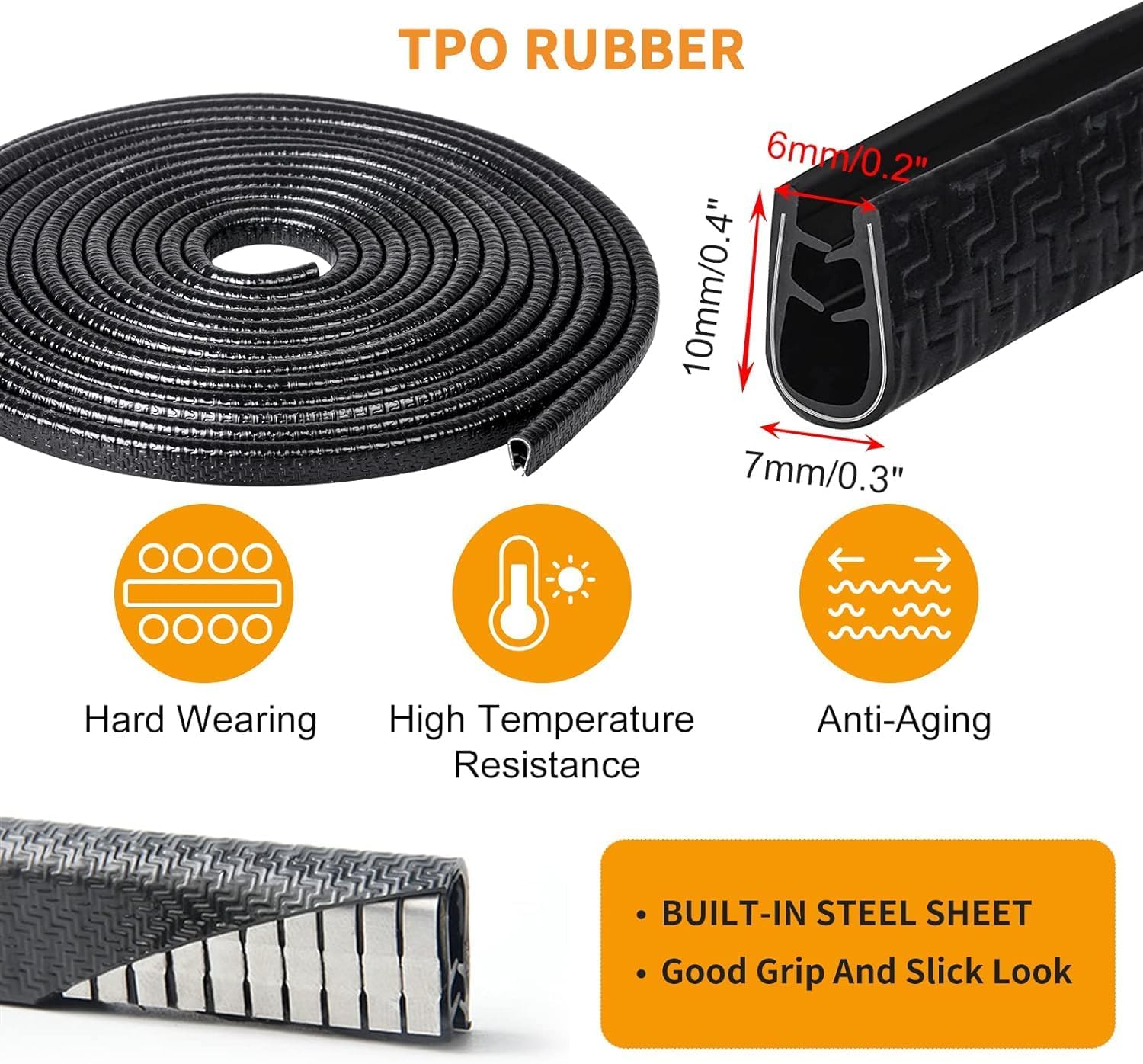
This is a U-shape rubber trim intended for door edge sealing around metal edges. The base description says it’s suitable for door thicknesses in the range given, and also notes to measure door thickness for suitability—especially if you’re dealing with a truck.
Because the fit depends on your specific door edge thickness, it’s not one of those “measure once and forget” accessories. You’ll get the best result if you take five minutes to check thickness rather than assuming all car door edges are the same.
Getting it on: easy installation, but mind the cutting
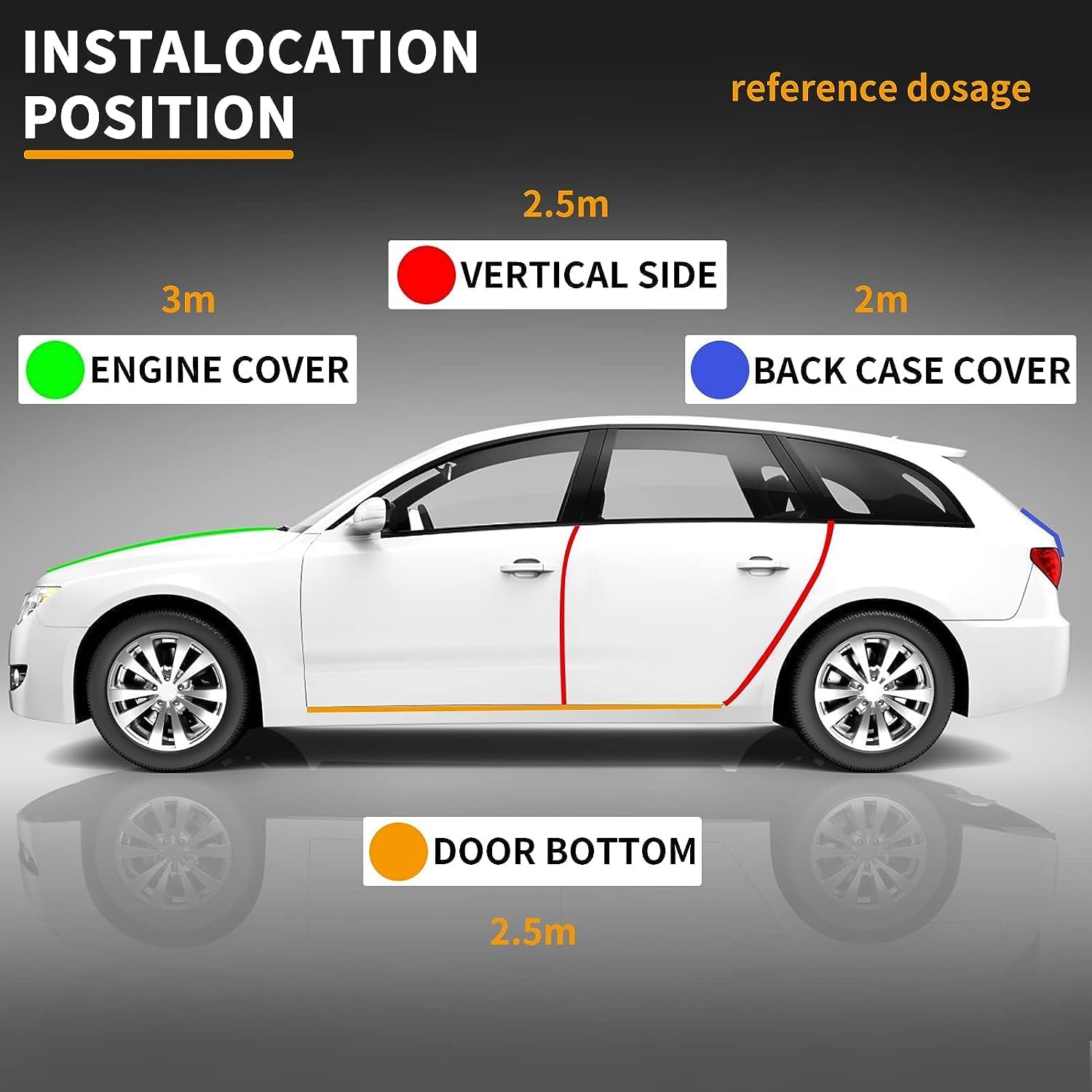
Installation is described as simple: wrap the edges of the car with the edge protector, then cut off the excess with scissors. You’re also told there’s no rubber mallet or glue needed, and that pressing with your hand is enough to secure it in place.
That said, there’s an important limitation mentioned: the strip is made to be insulated from air to help prevent rusting of an internal iron component. After cutting, you should be careful not to expose the inner iron sheet to air, otherwise there’s a risk of rust. So yes, it’s “easy”, but cutting needs a bit of care.
What you’ll notice day to day
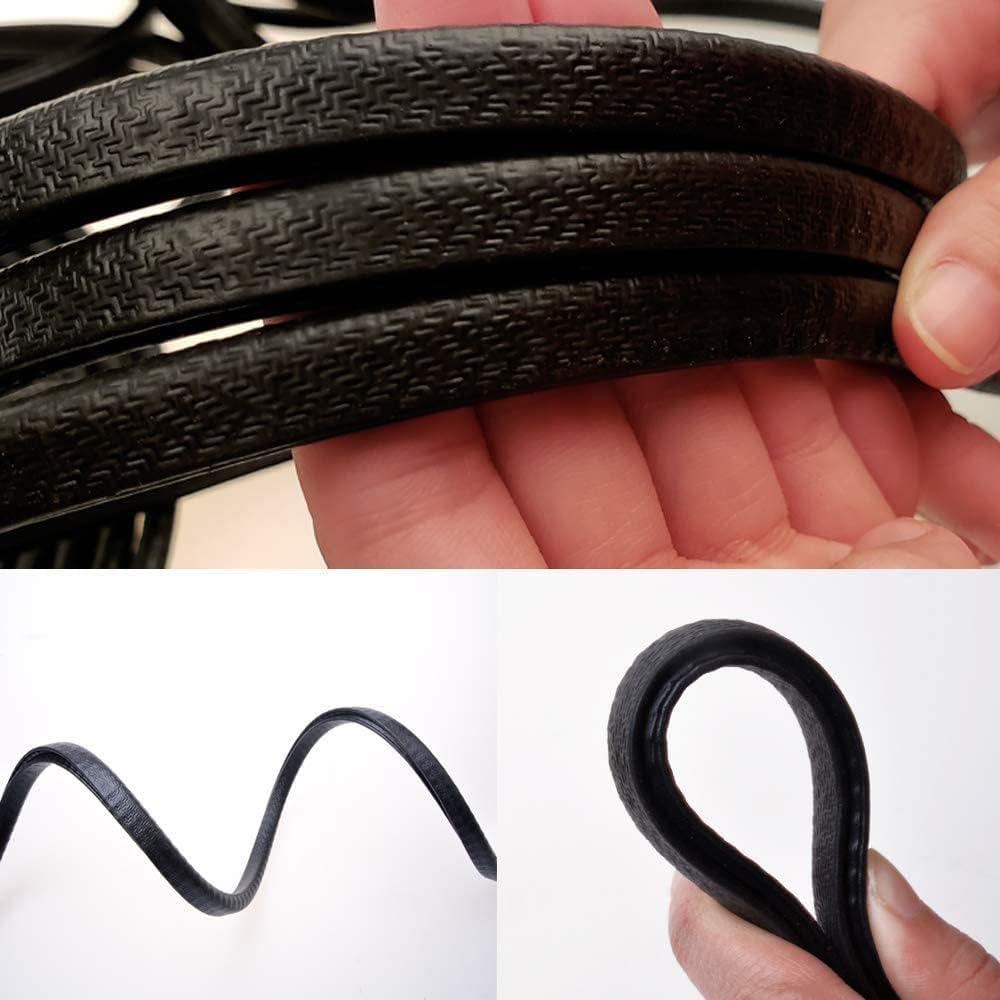
Beyond paint protection, the description claims this door protector edge guard can:
- Reduce road noise and dust while driving
- Cover old scratches
Those are exactly the kind of small improvements that matter on longer drives, especially if you’re dealing with wind/road grime getting into door gaps and edges. It won’t turn a car into something quieter than new, but as a practical add-on it can be worthwhile if your main concern is wear at the door edge.
Durability and material considerations
This product is described as high quality rubber, with extra durability and slip resistance. The rust-prevention point is also worth noting: the setup is intended to insulate from air to prevent rusting of the iron inside.
The main “watch this” area isn’t the rubber itself—it’s what happens after trimming. If you cut it down, you’ll want to avoid leaving the inner metal exposed to air.
Who it’s for (and who should skip it)
It suits you if you want a basic, hands-on way to protect door edges on most sedan and SUV-style vehicles, and you’re happy to measure door thickness before buying.
It may not be a great match if you don’t want to do any measuring, or if you’re not comfortable with careful trimming and managing cut ends to avoid exposing internal material.
It’s also the sort of accessory that sits more in the “practical protection” category than “premium bodywork solution”. If you’re trying to correct significant existing damage, you may still need something more involved than a protective strip.
Mini FAQ
Will it fit any car automatically?

The listing is described as universal-fit, but it still asks you to consider door thickness suitability. So it’s not genuinely “no checks needed”.
Do I need glue or tools?
No glue or rubber mallet is claimed. You cut to size with scissors and secure it by hand.
Is it safe to cut the strip to length?
Yes, cutting is part of the installation process, but be careful not to expose the inner iron sheet to air after trimming.
Does it only protect paint?
Not only. The description also mentions reducing road noise and dust, and covering old scratches.
Is it worth it?
A solid pick if you’re trying to stop door-edge paint wear and you’re happy to measure your door thickness first, then install with scissors and hand pressure. It makes particular sense if your use involves kids opening doors roughly, tight parking situations, or you simply want to reduce dust and noise at the edges.
You may want to skip it if you’re expecting a “fit-all” solution without checking thickness, or if you don’t want to take care with trimming ends. In terms of expectations, it’s a practical, day-to-day protector rather than a full repair for damaged doors—so it’s best when used as prevention and cover, not as a cure.