

Canon EF 75-300mm f/4.0-5.6 III lens review: value-for-money telephoto option
Product description
What it is and who it’s for
The Canon EF 75-300mm f/4.0-5.6 III is an entry-level telephoto zoom lens with a 58 mm filter size. It covers a versatile range from moderate telephoto to reach-out-the-shot lengths, making it a practical addition for hobbyists who want a little more reach without moving into pro-spec gear. If you’re just starting to explore focal lengths beyond standard kit lenses, this model can slot into your kit bag as a budget-friendly option. On the other hand, if you routinely need fast, quiet focusing or top‑tier image quality, you might find it falls short of higher-end alternatives.
How it performs in practice
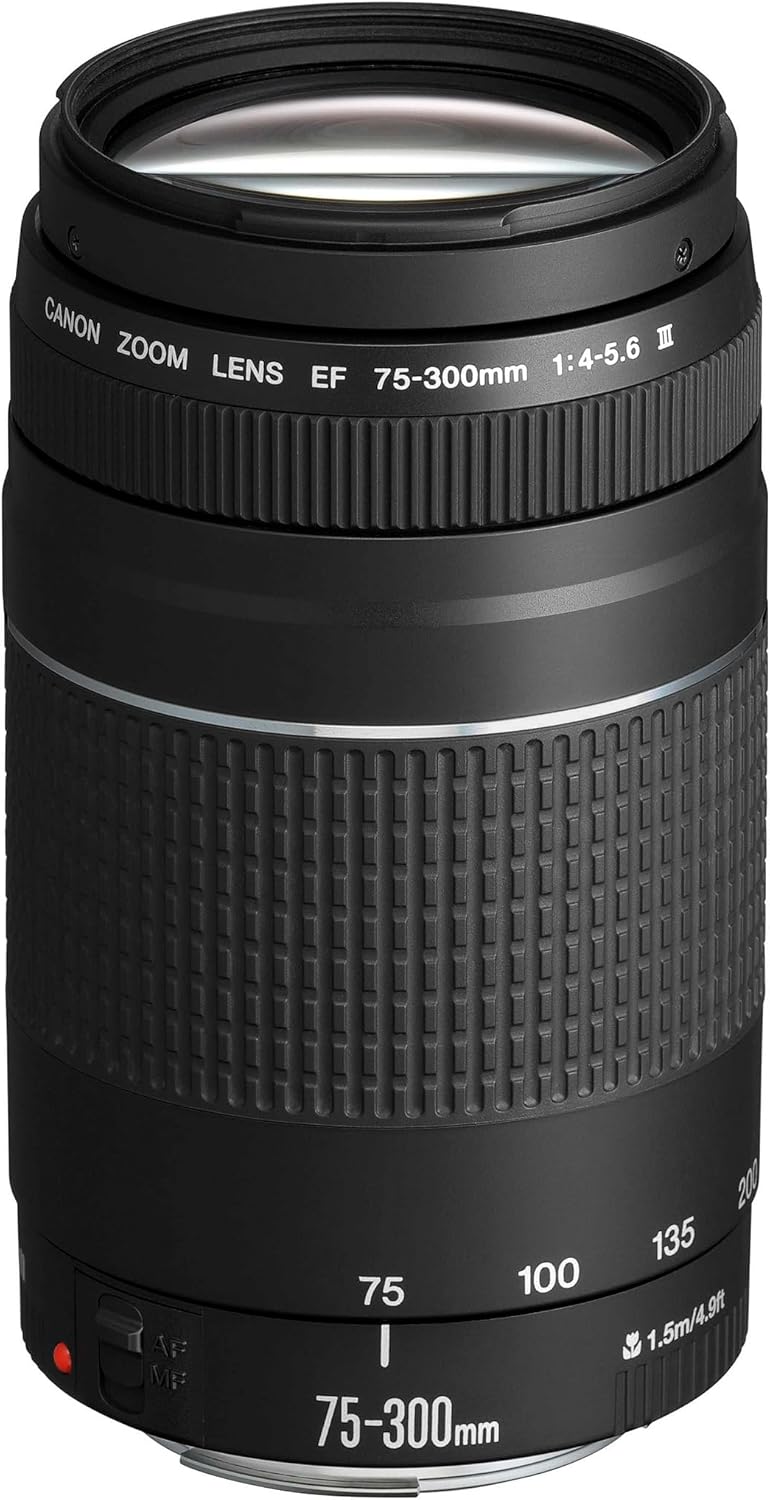
The lens focuses down to 1.5 m (4.9 ft), which is handy for closer portraits or compact subjects at the telephoto end. Canon’s micro-DC motor is designed to deliver quiet and reliable operation, so you won’t be bothered by loud focus shifts in casual scenarios. Importantly, you can switch between autofocus and manual focus, giving you control when you need to fine-tune composition or depth of field.
Strengths and limitations
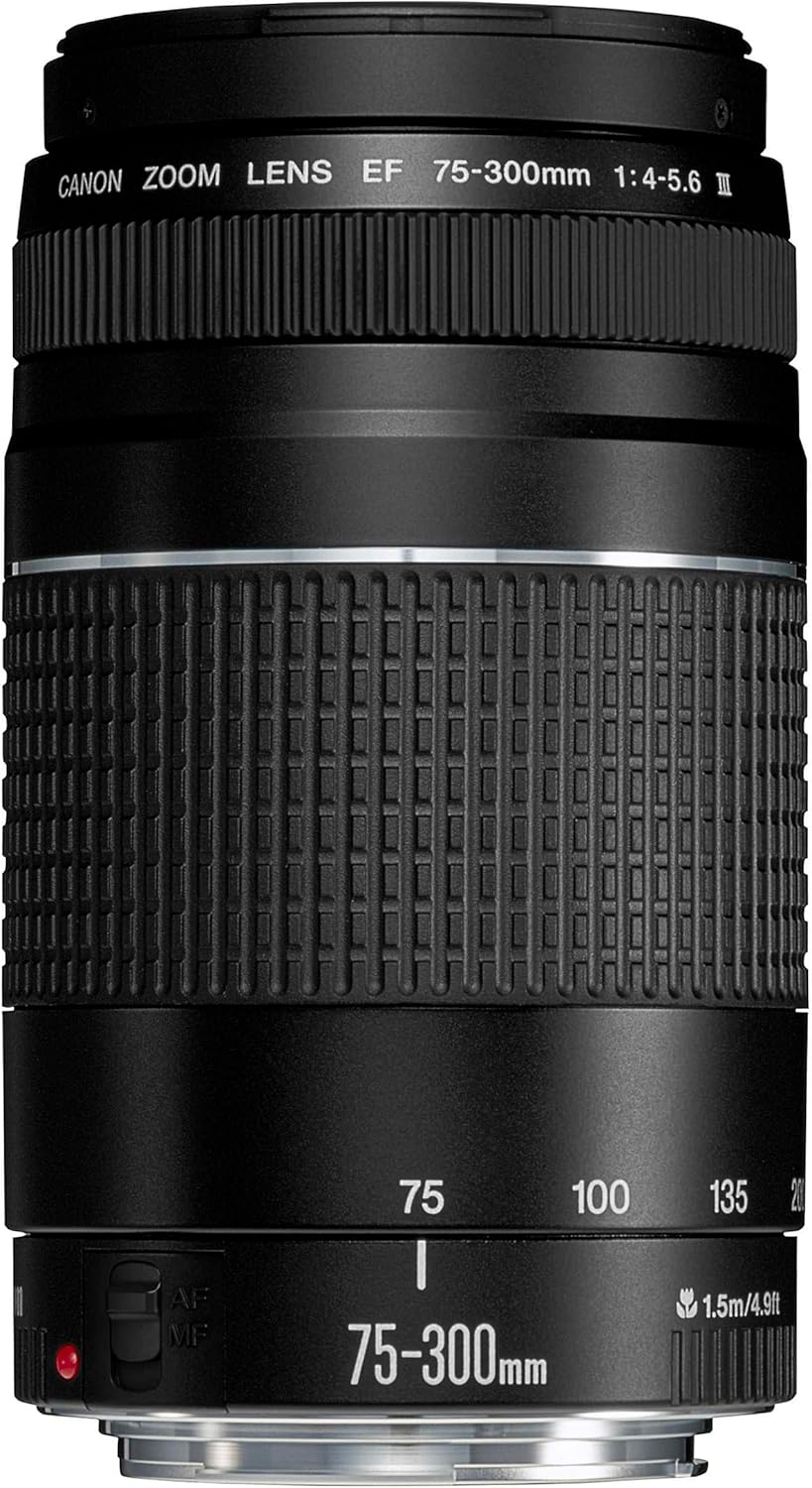
On the upside, the family-friendly features include a straightforward zoom range that suits everyday wildlife, travel, and sports shots where you’re not chasing ultra-fast action. The 58 mm filter size is convenient if you already own filters in that size. The 1-year manufacturer’s warranty adds a basic level of reassurance for a starter lens.
On the downside, this model is not USM-enabled, so autofocus may not be as rapid or as refined as higher‑end Canon telephotos. Image quality and sharpness at the long end are typically more modest compared with mid‑range or advanced telephotos, and the maximum aperture at 75–300 mm (f/4.0–5.6) means you’ll likely want good light for shallow depth‑of‑field control. If you prioritise low-light performance or tracking fast subjects, you may notice the limits of this entry-level design.
What it’s best for
It makes sense for beginners or photographers building a light, inexpensive telephoto kit. If you mainly shoot family moments, travel scenes, or casual wildlife where you don’t need the speed of pro glass, this lens can fill a useful niche. It’s also a sensible option if you already own Canon bodies compatible with EF lenses and want a longer reach without breaking the bank.

Who it isn’t ideal for
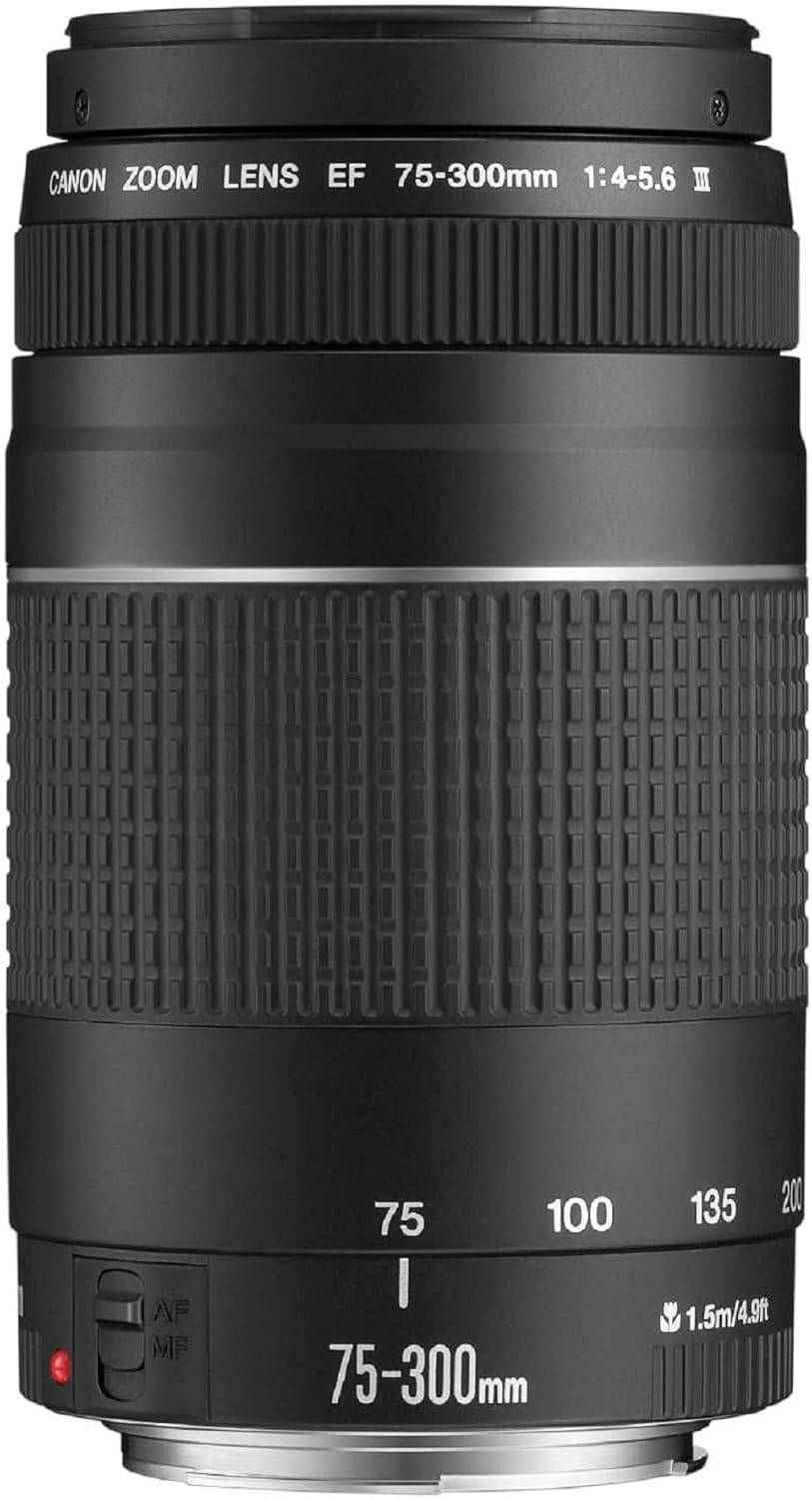
If your priority is speed, weather sealing, or tack-sharp performance at the distant end, this lens may not be the best match. It’s more of a budget-friendly workhorse than a specialist telephoto, so serious wildlife shooters or action photographers might prefer something with better contrast, aperture, and autofocus refinement.
Before you buy: what to check
- Confirm you’re using a Canon body compatible with EF lenses. If you’re planning to upgrade bodies, consider how this lens will fit with your future plans.
- Expect performance aligned with budget telephotos: good for well-lit scenes but handling may degrade in tougher light.
- If you already have filters in 58 mm, you’ll avoid extra cost, otherwise, factor in the cost of compatible filters.
Alternatives and how this compares
Compared with higher-end telephotos, this lens trades speed and edge clarity for affordability and practicality. For those who want a straightforward option without aggressive weight or price, it offers a sensible middle ground. If you’re choosing between a basic telephoto versus a prime or a higher‑end zoom, think about whether you need flexible framing at varying distances or the maximum possible sharpness and subject isolation. This model tends to win on value-for-money for casual use, while more demanding scenarios may point you toward more capable glass.


Practical use case
Imagine you’re at a weekend sports game or a nature walk. You’ve got a camera with this lens attached, you zoom to catch players mid-field or birds perched in a distant tree. You’re not chasing perfect, razor‑thin depth-of-field, you’re after solid, usable shots for memory and sharing. The quiet autofocus helps in quiet environments, and the ability to switch to manual focus lets you adjust when the moment requires a bit of precision.
FAQ (quick answers)
- Q: Does it have USM autofocus? A: No, it uses Canon’s micro-DC motor. It’s generally quieter and reliable, but not as fast as USM sports lenses.
- Q: What is the minimum focus distance? A: 1.5 m (4.9 ft).
- Q: Is there a switch for autofocus/manual focus? A: Yes, there is a switch to alternate between AF and MF.
- Q: What filter size does it use? A: 58 mm.
Is it worth it?
A solid pick if you’re starting with telephoto lenses and want a budget option that covers a useful zoom range without complicating your setup. It’s worth considering if your priority is value-for-money and everyday versatility rather than peak performance or speed. You may want to skip it if your subject demands rapid, precise autofocus or superior image quality in challenging light.