

Cable Matters 3.5mm Mini Jack to Dual XLR Male Cable 1.8m
Reviews
Price
Product description
What it is
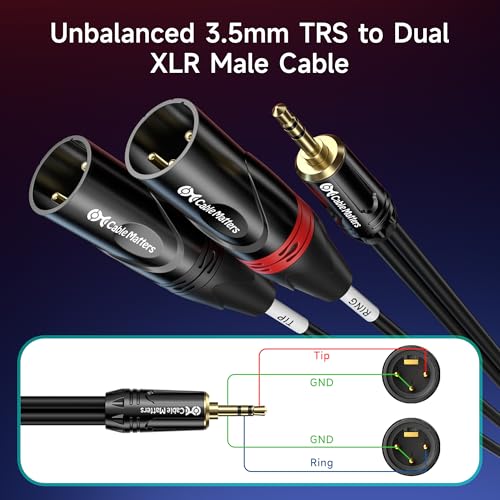
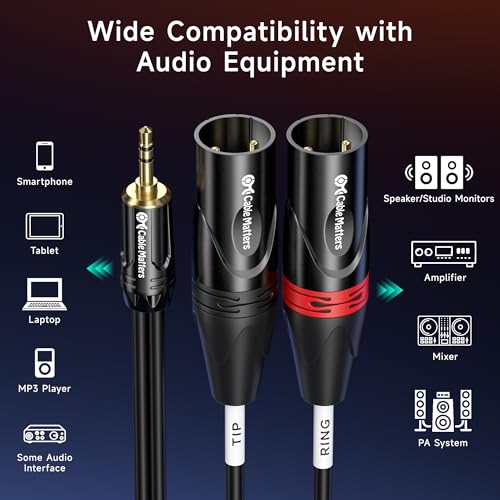
The Cable Matters 3.5mm to Dual XLR Male Cable is a stereo breakout lead designed to carry a 3.5mm stereo signal into two separate XLR inputs. It’s commonly used to connect devices with a 3.5mm output—such as smartphones, tablets, laptops, or computers—to mixing desks, powered speakers, studio monitors, or PA systems that accept left and right XLR inputs. On paper, this arrangement can simplify setups where XLR ports are either close together or spaced apart.
How it works and what it delivers
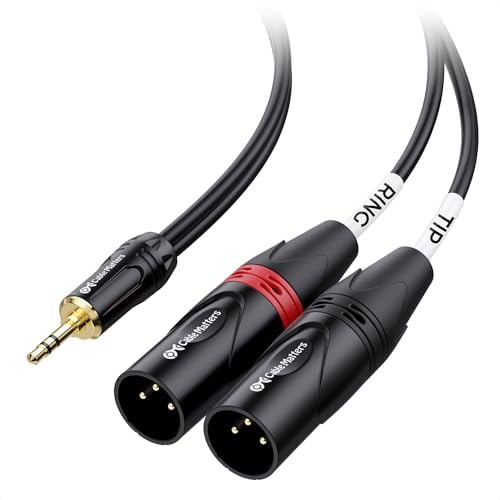
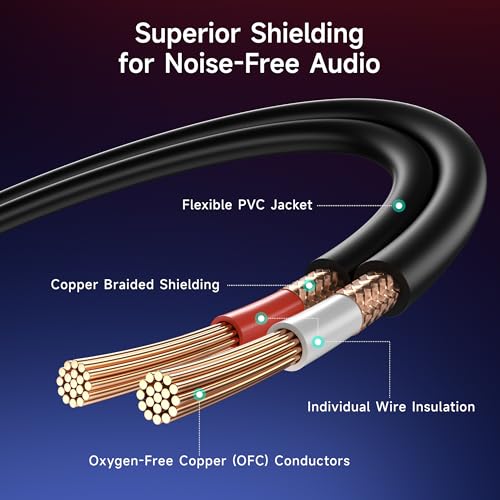
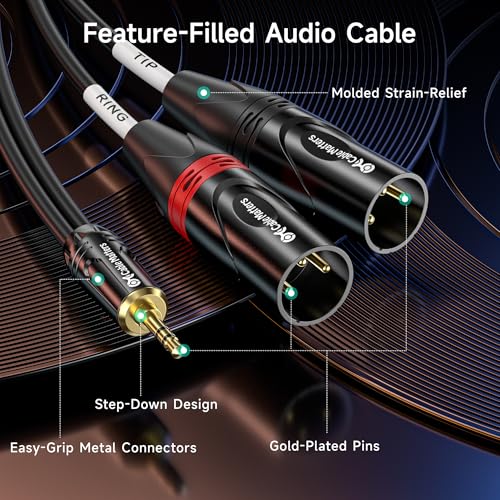
Internally, the cable uses oxygen-free copper conductors and a bare copper braided shield to help minimise hum and interference. The 3.5mm plug is stepped down to accommodate recessed ports on some devices, and the connectors are gold-plated with easy-grip housings for durability and repeatable connections.
Practical use cases
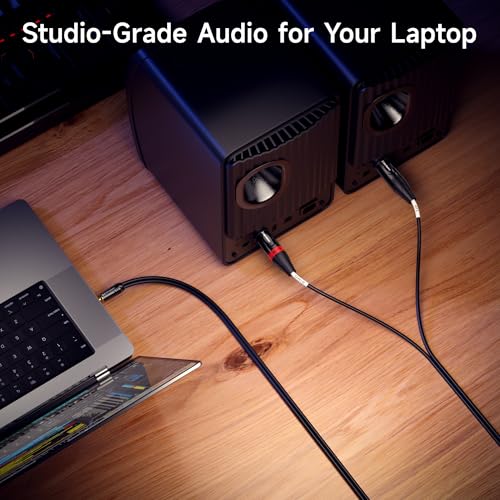
If you’re assembling a modest home studio, rehearsal space, or mobile rig, this cable can provide a straightforward pathway from a portable device to a mixer or monitor inputs. For example, you might route laptop audio into a mixer’s stereo inputs for processing or DI and monitoring through studio monitors.
Strengths and limitations
On the plus side, the dual XLR layout makes it easy to feed left and right channels separately without needing a separate stereo-to-dual XLR adaptor. The build looks robust with a flexible jacket and clearly labelled tips for left and right channels. However, it’s important to note that this cable is designed for sending audio from a 3.5mm stereo output to XLR inputs, it does not power an XLR microphone, nor does it convert a professional XLR microphone signal into a 3.5mm input. If you rely on phantom power or require mic-level signals, this isn’t the right tool.
Who it’s for

This is likely to suit home studios, small venues, or people who need a simple, unobtrusive way to route consumer-level stereo audio into XLR-equipped gear. It’s particularly handy when you’re working with devices whose ports sit in close proximity, or when you want to keep a compact setup without multiple adapters.
Who it isn’t for
If you require microphone-level input, phantom power, or signal conversion from professional XLR mics to consumer devices, this cable won’t meet those needs. It also won’t optimise scenarios where you need balanced, low-noise mic-level cables for high-end studio work.
Before you buy: what to check
- Ensure your source device has a 3.5mm stereo output and your destination accepts two XLR inputs (left and right).
- Confirm you don’t need mic-level conversion or phantom power in your chain.
- Look at the physical layout of your rack or desk to confirm that the 1.8m length fits your setup.
How this compares to alternatives
If you’re evaluating between direct 3.5mm to dual XLR and alternatives like a 3.5mm to dual TS (unbalanced) or separate adaptors, consider where you’ll be placing devices and how much noise you can tolerate. The dual XLR approach can help with balanced inputs on mixers or speakers, potentially improving noise rejection over long runs, but it adds more connectors in the signal path, which might not be ideal in extremely quiet formats.
Should you buy it?
- If you need a simple, compact way to split a 3.5mm stereo output into separate left and right XLR inputs for basic playback and editing setups, it could be a sensible addition. You’ll likely appreciate the straightforward build and clear left/right labelling in day-to-day use.
- If your workflow demands microphone-level input, phantom power, or robust noise performance for pro-grade recording, you may want to explore more specialised options.
FAQ
- Does it power an XLR microphone? No. It is designed to send a 3.5mm stereo signal to XLR inputs, not to power a mic.
- Is it suitable for studio-grade recordings? It can handle consumer-level audio routing, but for high-end studio work you might prioritise dedicated mic preamps and balanced mic cables.
- What length is 1.8m appropriate for? It offers a mid-length option suitable for compact desks or tight setups where devices are not immediately adjacent.
Final thoughts
If your goal is a pragmatic, low-friction way to route stereo from a 3.5mm source into XLR inputs, and your expectations align with consumer-level audio rather than professional mic-level work, this Cable Matters lead provides a sensible option with practical build features. It may not be perfect for every pro environment, but for small-scale tasks it can reduce the clutter of extra adapters and keep your signal within a straightforward path.