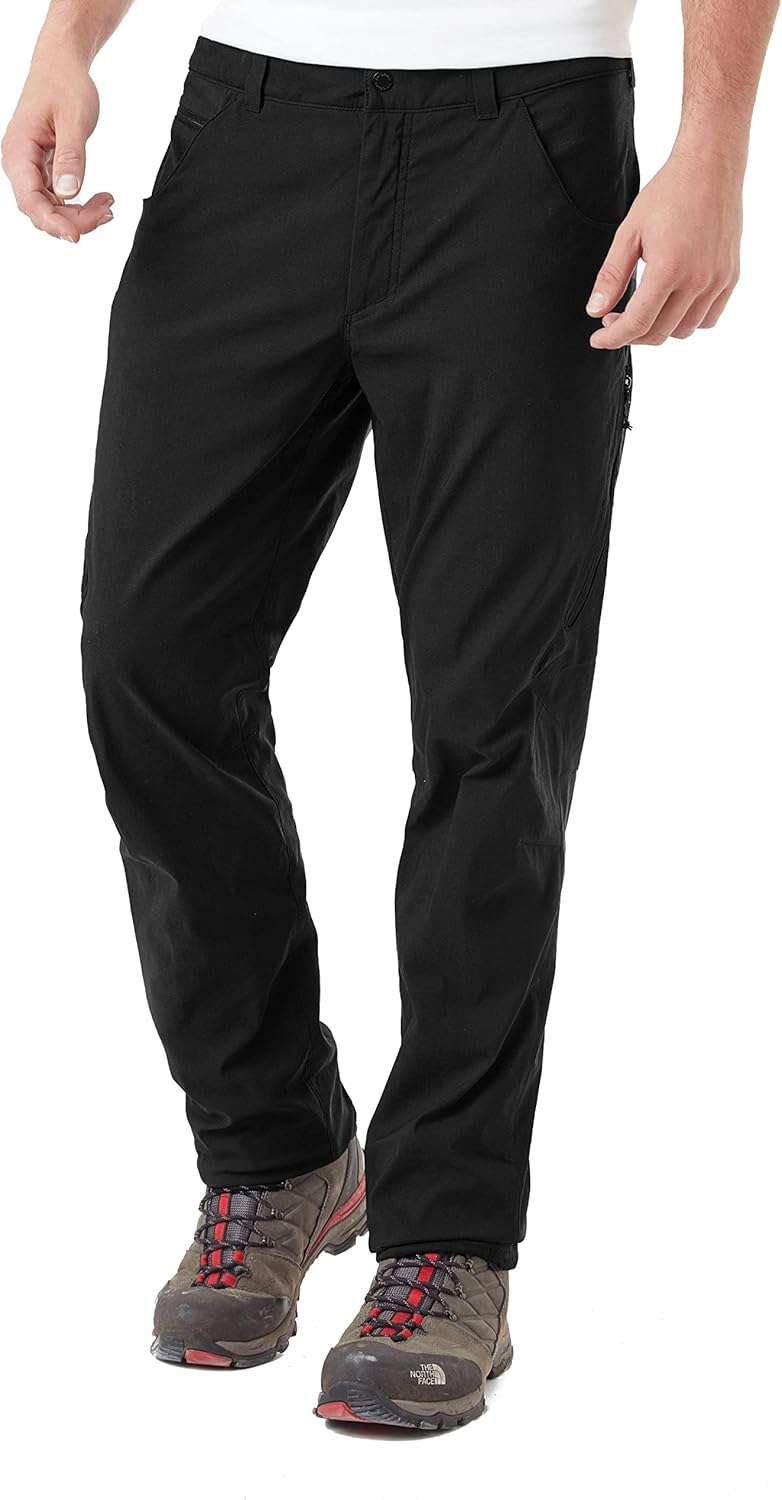
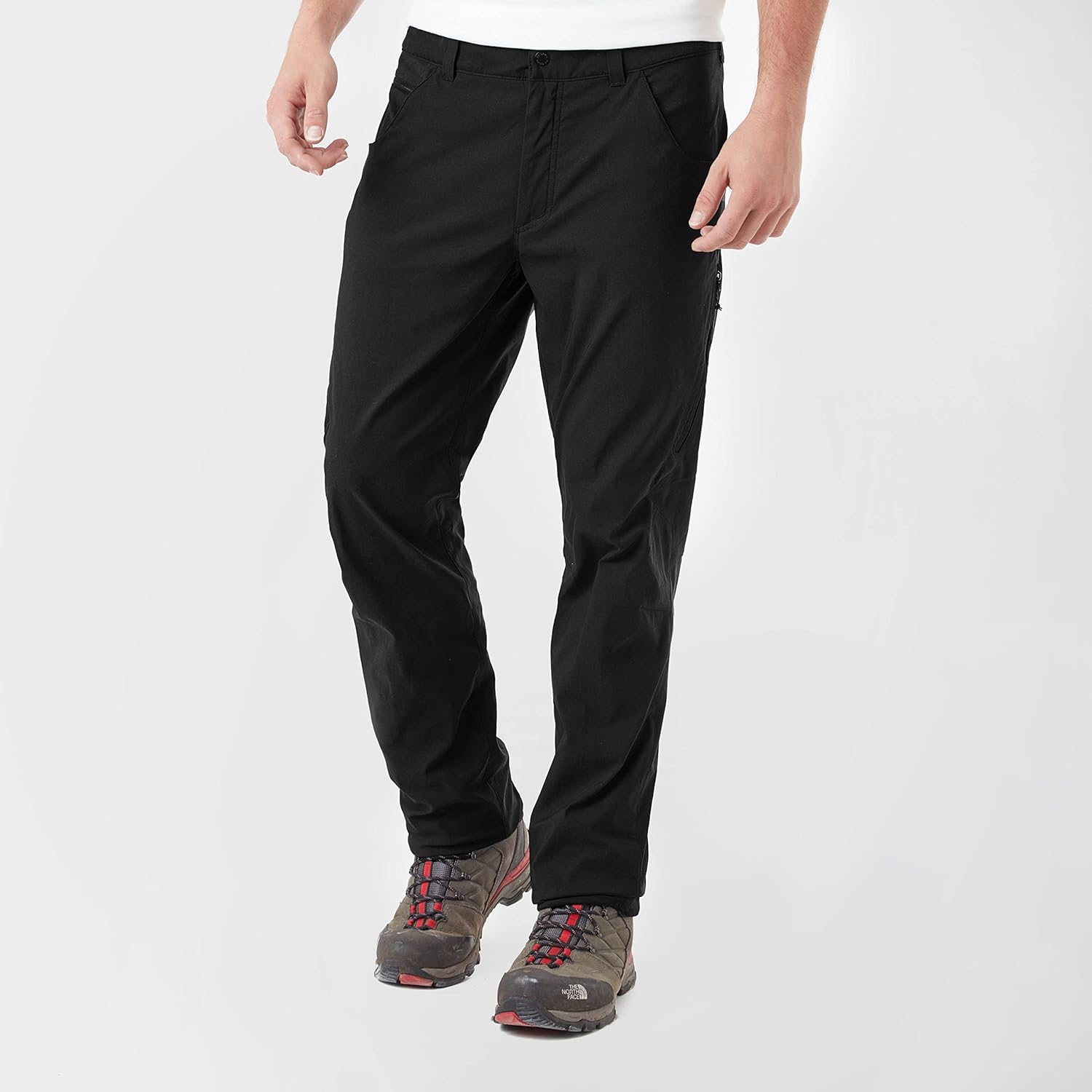
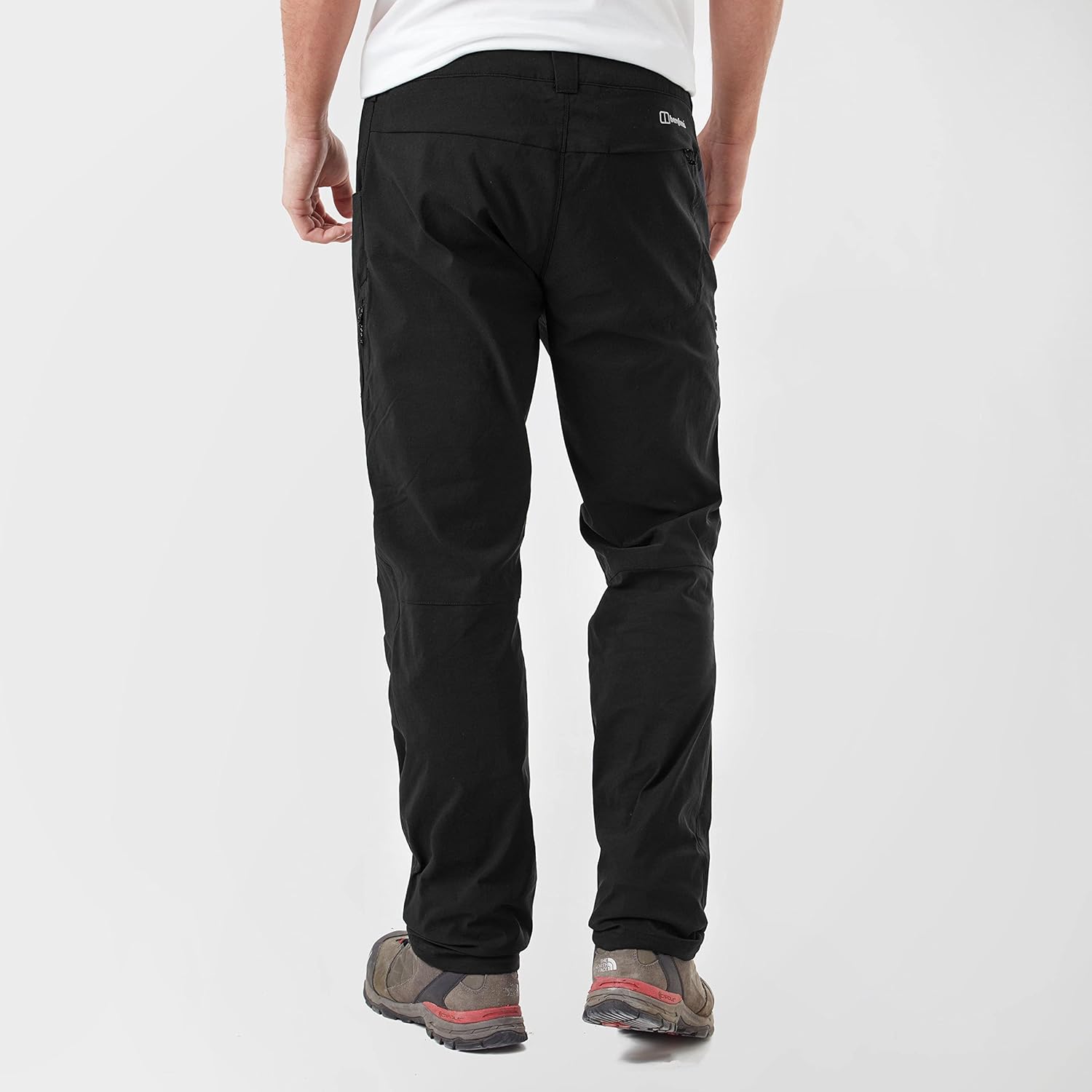
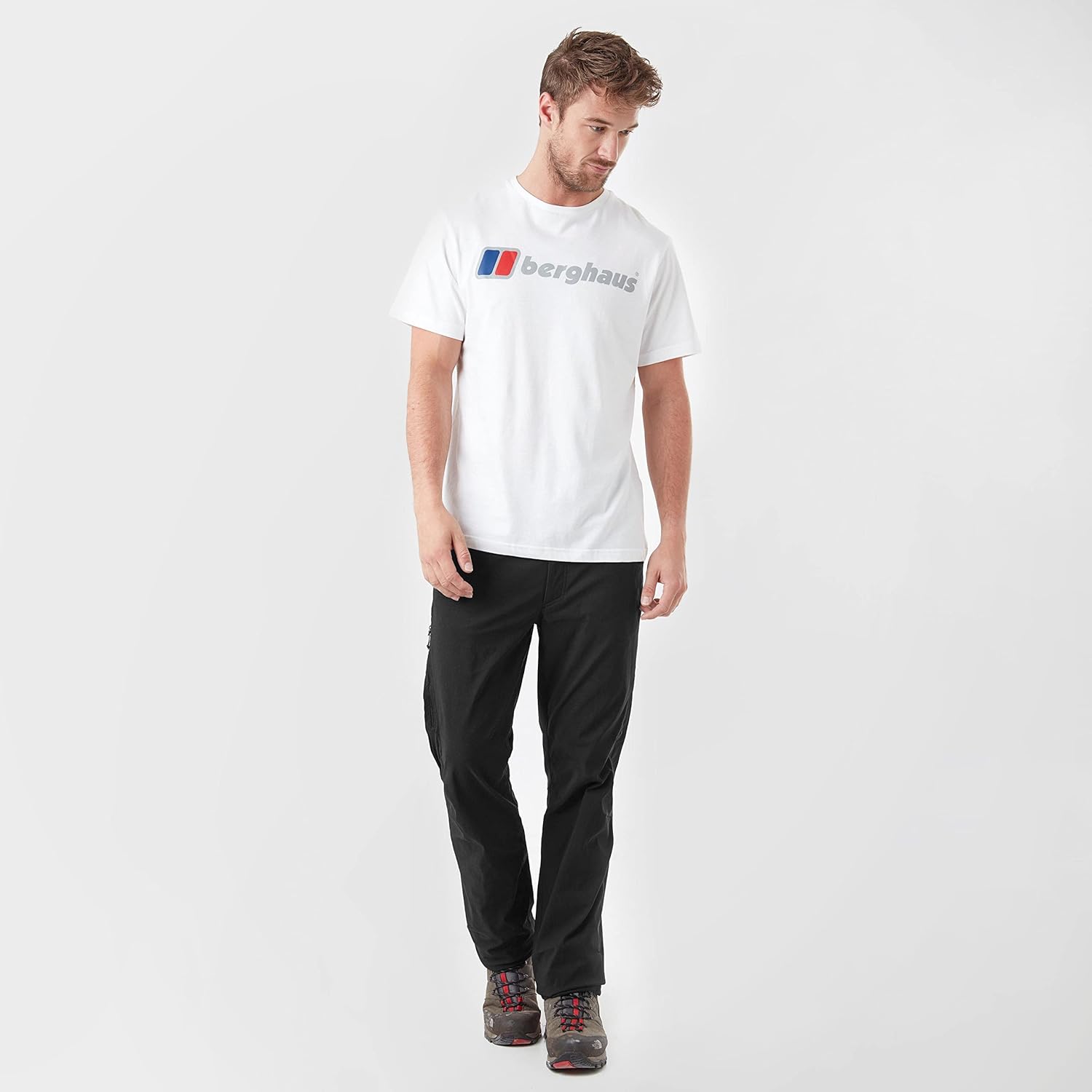
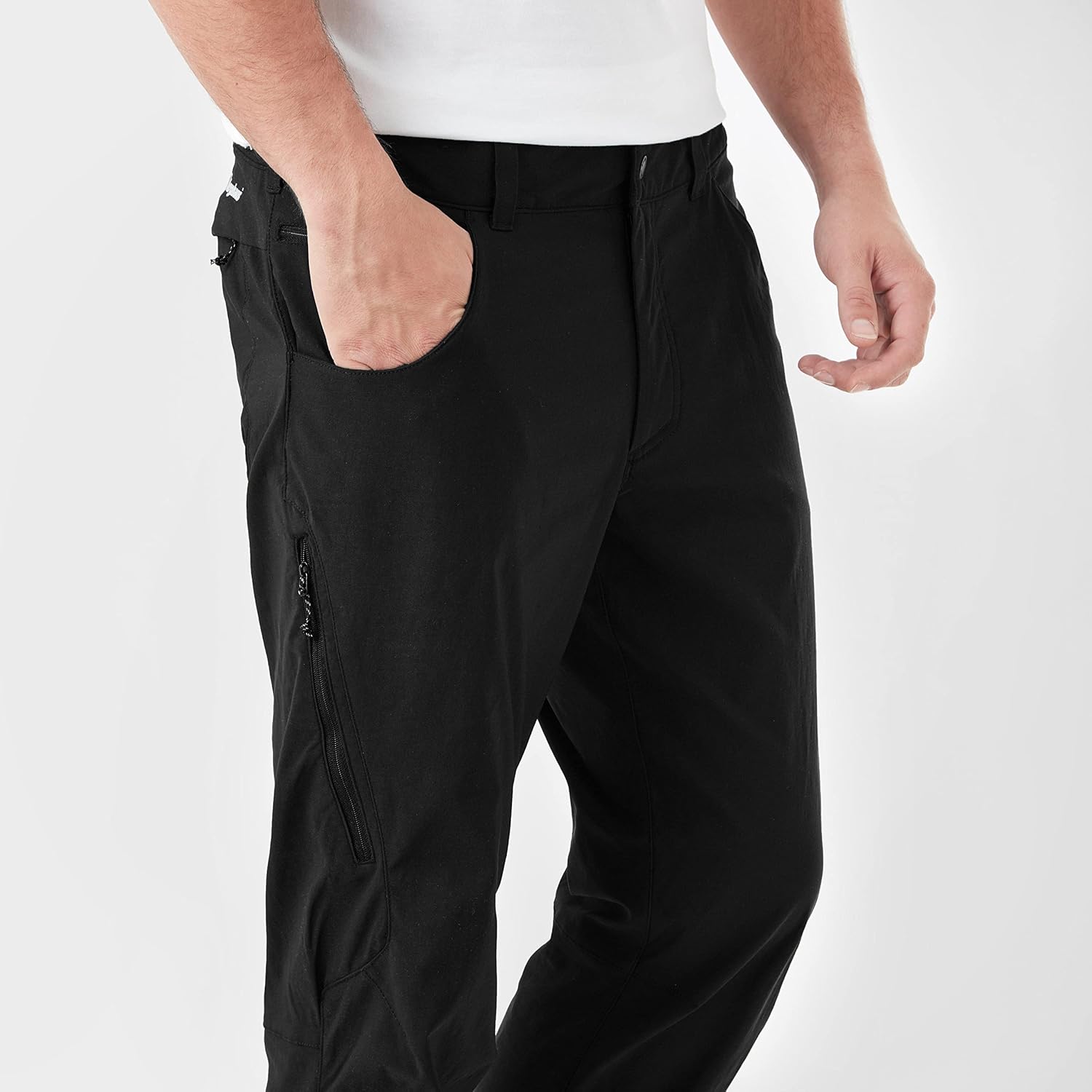
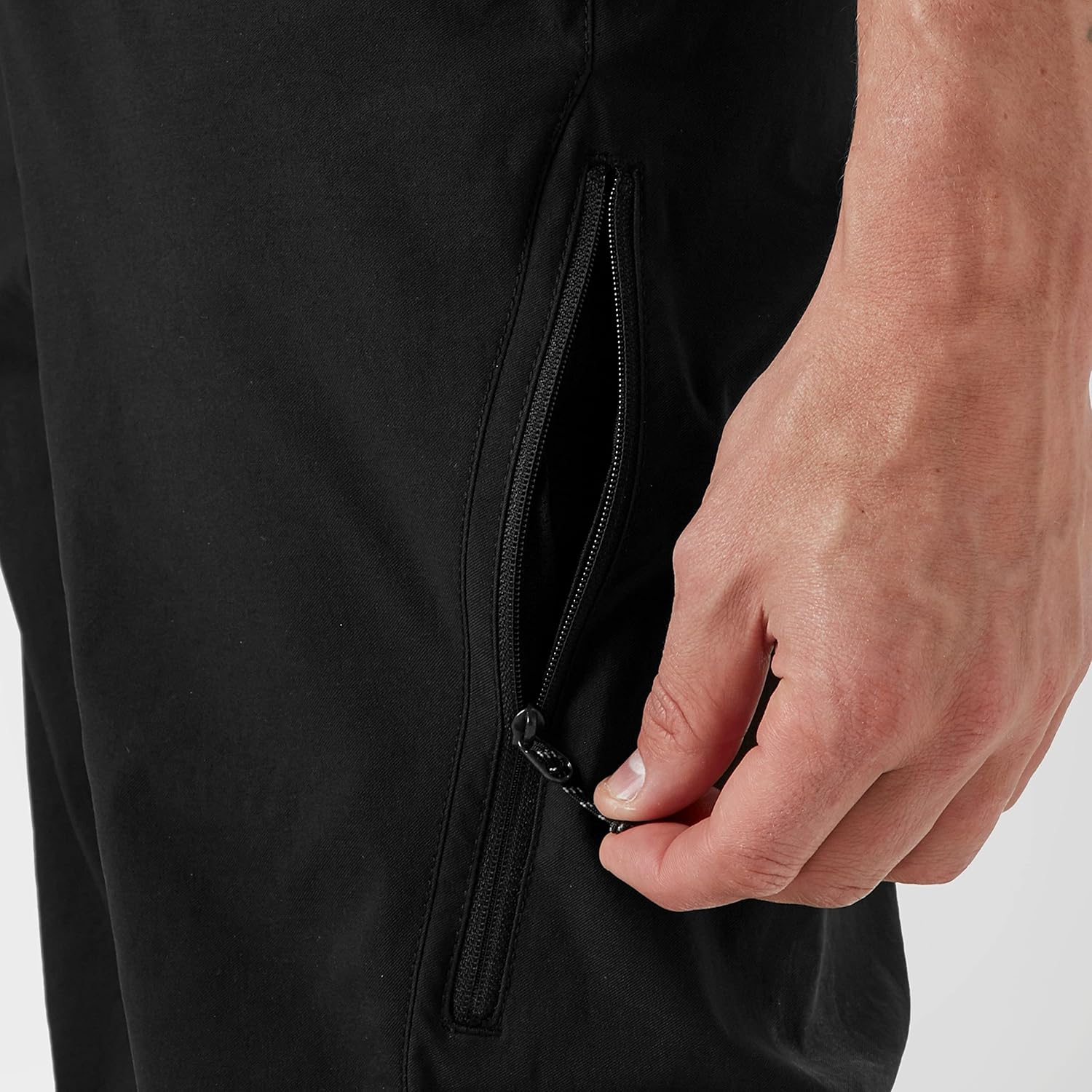
What it is and what it solves\nBerghaus Ortler 2.0 Wanderhose is a water-resistant, breathable outdoor trousers designed for hikers who want to stay dry and comfortable on mixed terrain. The main fabric has a DWR treatment to resist water absorption, which helps keep you dry during lighter showers or damp trails. If you’re out for a day hike or a longer trek, this pair aims to reduce the frequency of adjustments and clothing changes caused by damp fabric, letting you focus more on your route and less on your clothes.\n\n## How it fits and moves\nA key part of its design is the articulated knees and the stretchy, two‑way fabric. This combination is intended to offer greater freedom of movement, which matters when you’re scrambling uphill, bending to tie laces, or navigating technical paths. It’s not a rigid shell—it's built to flex with your movements without feeling restrictive. The fit is described as comfortable, which suggests a balance between roominess and a streamlined profile for layering underneath or moving freely over boots.\n\n## Ventilation in action\nFor warmer days or brisk ascents, the Wanderhose includes zipped thigh vents that allow air to flow through the leg, helping to cool active legs. In practice, this means you can shed a bit of heat without needing to remove layers, a small but meaningful feature on long plods or sunny ridgelines.\n\n## Materials and ethics at a glance\nThe fabric is integrated with bluesign APPROVED materials, indicating attention to responsible sourcing and production ethics while maintaining performance. With more than 90% bluesign approved fabric, the garment sits in the upper end of inclusive sustainability for outdoor wear, though the exact mix of components isn’t detailed in the data provided.\n\n## Use case and how it plays with other gear\nThis pant is aimed at hikers who value a degree of water resistance without entering the realm of heavyweight waterproofs. It will suit soft-shell enthusiasts who want a versatile option for changeable UK weather: light rain, mist, and damp ground without needing a dedicated overtrousers. It’s reasonable to expect it to pair well with mid-layer insulation in colder trips and a sturdy pair of hiking boots or trail shoes.\n\n## Pros and what to watch for\nWhat stands out is the blend of water resistance, mobility, and ventilation, plus a sustainability nod via bluesign‑approved fabric. The drawbacks to consider include that the fabric is water‑resistant rather than fully waterproof, so heavy downpours or prolonged immersion will likely require additional protection. The DWR treatment is beneficial but may wear over time with repeated washing and heavy use, so care and reproofing may be necessary to maintain water repellence.\n\n## Who it’s for\nIt’s a practical option for walkers and hikers who prioritise comfort, decent movement, and breathability in variable UK conditions. If you mainly hike in dry weather or want a light, non-bulky alternative to rain trousers, this could be a sensible choice. It may not be the best fit for expeditions requiring robust full waterproofing or for those who prefer a looser or more insulated cut.\n\n## What to check before you buy\nLook for your typical leg length and waist measurement to ensure the fit matches your preferences, especially if you’re layering underneath. Consider how often you expect to encounter extended wet spells, if rain protection is critical, you might still want a dedicated waterproof layer for heavier weather. Also, note the colourway, as a black-on-black finish tends to show wear differently than lighter options.\n\n## Practical usage example\nImagine a weekend hike along a ridge with occasional drizzle and damp grass. You wear the Ortler 2.0 Wanderhose with a breathable mid-layer and a light rain shell. The thigh vents allow cooling on exposed ascents, while the DWR helps keep the outer fabric drier on damp sections. If you pause to enjoy a view, you’re not stuck in damp fabric or overheating, you’re in a comfortable, flexible garment that supports continuous movement.\n\n## How this compares to other approaches\nIf you prioritise completely waterproof protection, a heavier waterproof pant paired with a shell may be more appropriate. If you want something lighter and more breathable for day hikes on mixed terrain, this Wanderhose sits in a middle ground—water resistance with movement and ventilation, not a full rain suit. It’s a practical compromise for UK conditions where extremes are rare but dampness and wind are common.\n\n## Final verdict\nIs it worth it? Worth considering if you value a breathable, flexible pant that resists light rain and dries quickly, without the bulk of a full waterproof pant. It may not be the best option if your trips demand absolute waterproofing or if you routinely face prolonged wet weather.\n\n## Quick FAQ\n- Can I machine wash it? Yes, but follow care guidance to preserve the DWR and bluesign-approved fabrics.\n- Will it keep me dry in a downpour? It offers water resistance, not full waterproof protection. Consider an overtrousers for heavy rain.\n- How does the ventilation perform? The zipped thigh vents provide meaningful airflow during warm climbs, helping regulate temperature.\n- Is the fabric durable for rough trails? The two-way stretch fabric is designed for movement and durability, but heavy abrasion could wear through any technical fabric over time.\n