

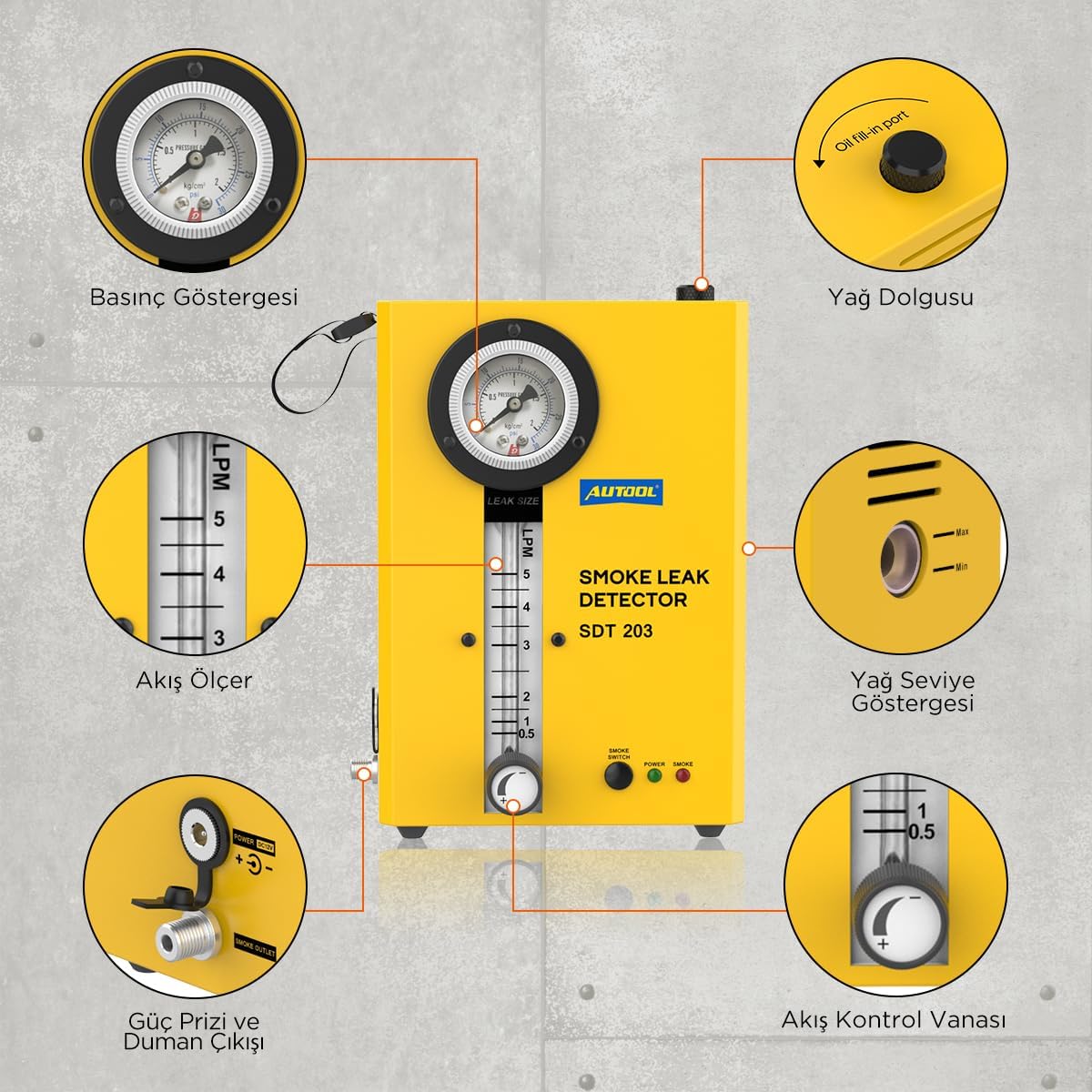
AUTOOL Automotive Smoke Machine for EVAP smoke leak detection (DC12V vehicles)
Product description
The essentials
If you’ve ever chased a rough idle, strange hesitation on acceleration, or a vacuum/EVAP-related running issue, a smoke test can be a surprisingly practical way to narrow down what’s going on. This AUTOOL Automotive Smoke Machine is aimed at EVAP system smoke leak detection on DC12V vehicles, with an air pump built in and extra help for reading what the system is doing.
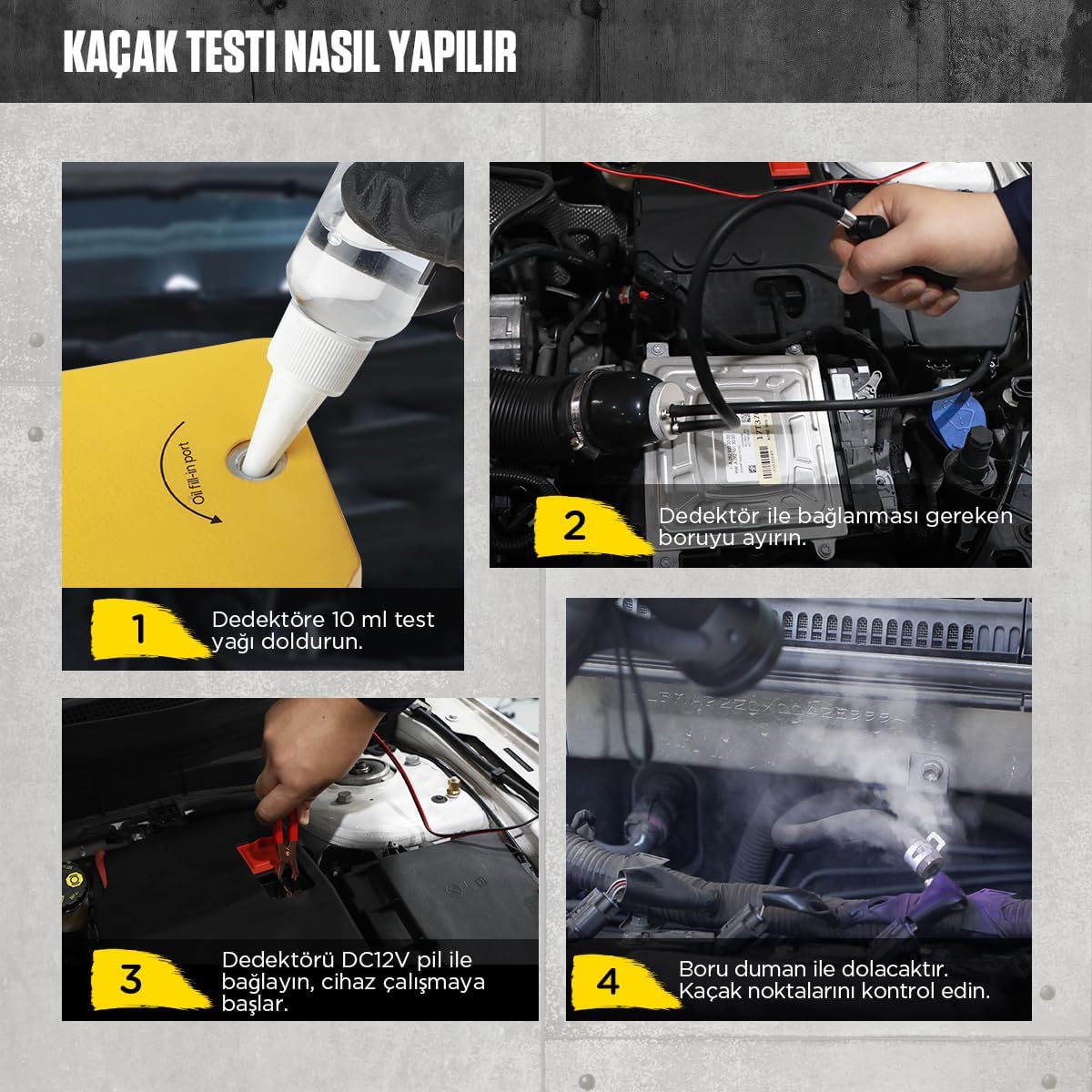
On paper, it targets the common “can’t quite pinpoint the leak” headache. Instead of relying on guesswork around hoses and connections, you introduce smoke into the EVAP service port and watch where it escapes. The idea is simple: the car’s system either holds pressure/flow as expected, or the smoke gives the leak away.
What it’s for (and why it matters)
The base scenario for EVAP and vacuum-related faults is pretty consistent across modern engines. A damaged vacuum hose can push mixture and idle behaviour out of line, which may show up as harder starting, higher idle, surging during acceleration, or changes to emissions (for example, black smoke). Similarly, blockages and air leaks can make the idle drift or cause the engine to run weakly.
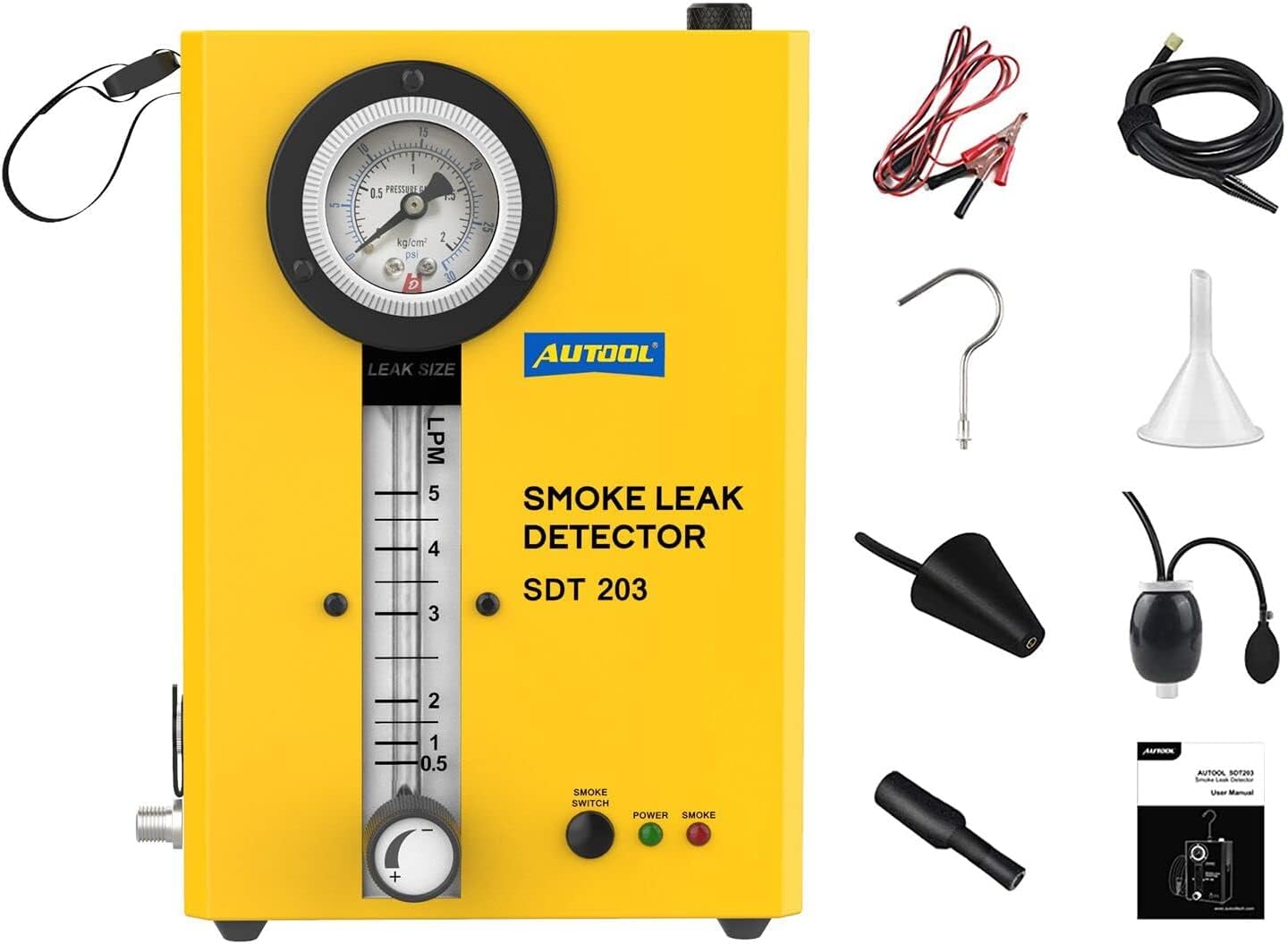
Where this machine fits is as a diagnostic tool: for testing whether an EVAP leak path exists. It’s especially relevant if you’re seeing symptoms that could be caused by air leaks but you don’t want to keep throwing parts at the problem.
It’s also worth noting a limitation: it won’t tell you the exact cause of the leak (like which part failed internally) if you can’t reach or visually inspect the area once smoke appears. It’s best for identifying the leak location and then confirming with inspection.
Key takeaways (what you’ll notice using it)
A built-in air pump is one of the more straightforward conveniences here. Rather than buying an extra pump or juggling setup, the machine is designed so you can proceed with the test after you’ve prepared the EVAP service connection.
It also includes two external-reading helpers:
- A pressure gauge approach, so you can observe the barometer/index rather than just “seeing smoke” and hoping.
- An external flow indicator (flow meter concept), which helps you avoid testing under the wrong air pressure. The base guidance is clear: if pressure is too high you may risk damaging a pipe, and if it’s too low you might not detect the leak properly.
Depending on your experience, those add-ons can make the process feel less like a one-off guess and more like repeatable diagnosis.
How EVAP smoke testing is set up (so you don’t get stuck)
The workflow described is fairly specific, so it helps to be comfortable with basic EVAP service access.
The general steps provided are: open the plastic cover of the EVAP service port, remove the check valve clockwise using a spool wrench, fit an EVAP service port adapter, and then introduce smoke from the port into the EVAP leak detection system.
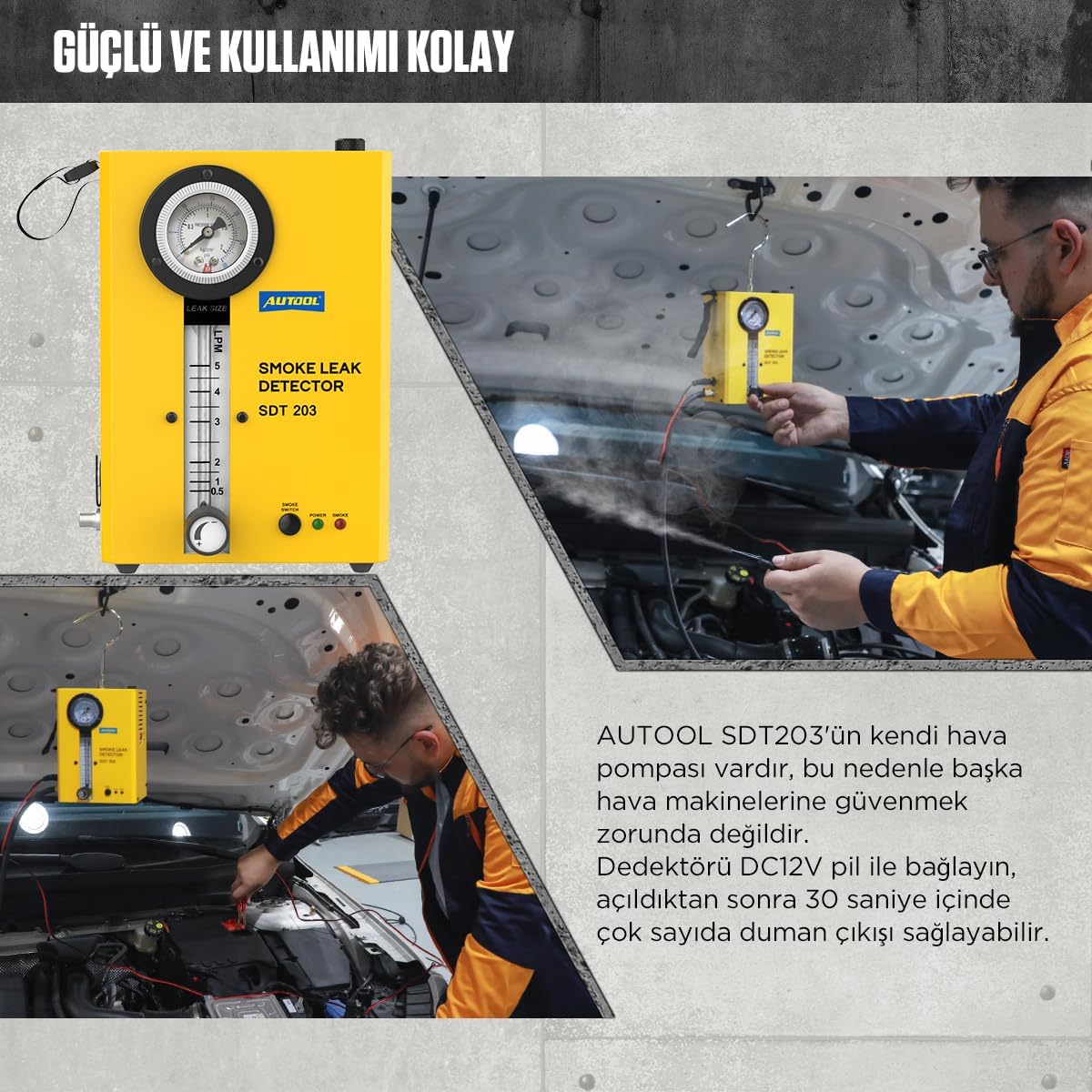
If you’re new to EVAP testing, the “service port adapter + check valve removal” part is exactly where small mistakes can slow you down. Take your time here, and make sure you follow the process as outlined.
Tech specs
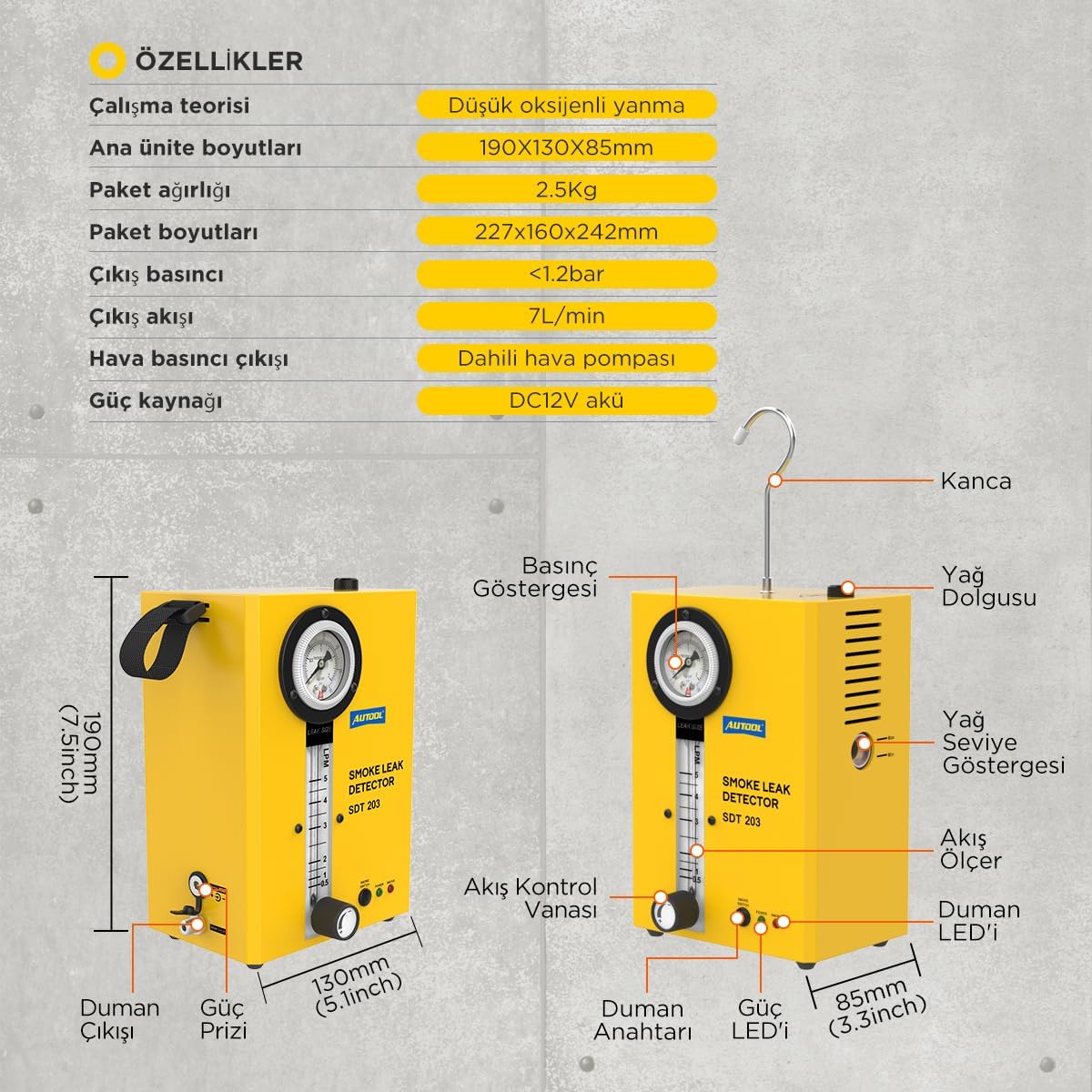
- Type: EVAP system smoke leak detector / smoke machine for automotive diagnostics
- Built-in feature: air pump
- Readouts: external pressure gauge (barometer/index) and external flow meter/flow indicator
- Vehicle electrical reference: for DC12V vehicles
(Other details like capacity, hose length, or included adapters aren’t stated in the information provided, so it’s worth checking the listing for the exact kit contents.)
Where it shines, and where it may not
This machine is a good fit if you want a more structured way to diagnose potential EVAP leaks without purely visual guessing. The combination of smoke entry via the EVAP service port, plus the ability to observe changes via pressure/index and flow, makes it more than just a basic smoke source.
It may not be the best choice if:
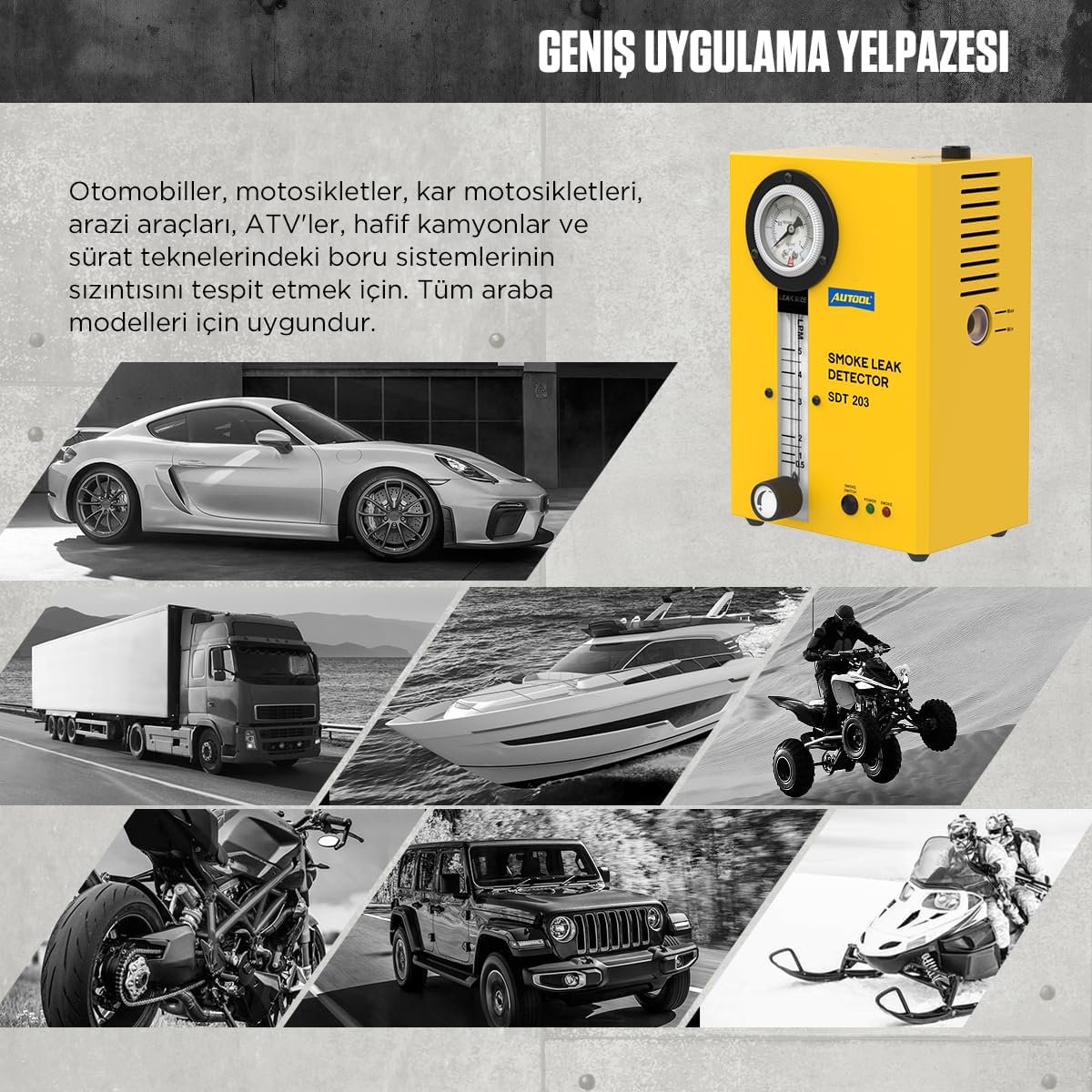
- You’re looking for something aimed at a broader range of systems beyond EVAP/vacuum leak diagnostics.
- Your priority is very fast, low-effort “plug and play” testing, because EVAP port access and check valve removal are part of the described process.
- You can’t reach the EVAP service port in your vehicle easily, the test depends on that access point.
Tips for day-to-day results
Before you start, plan your test around inspection access. In real-world use, it helps to identify likely leak points (hoses, connectors, and areas you can check quickly once smoke appears). When you run the test, watch both the smoke escape and the gauge/flow behaviour.
A simple example: imagine you’ve got a vehicle that surges under acceleration and you suspect a vacuum-related issue. You connect to the EVAP service port, run the smoke test, and then you pause at the first sign of escaping smoke. The gauge/flow guidance is meant to keep your test conditions sensible—too much pressure can stress parts, too little can reduce detection.
Finally, because the process is described in terms of monitoring whether the barometer/index increases or decreases, don’t ignore those changes, they’re part of how the test is meant to be interpreted.
FAQ
Is it only for EVAP system smoke leak detection?
The information provided specifically focuses on EVAP system leak detection via the EVAP service port, so that’s the intended use.
What does the external pressure gauge help with?
It’s meant to let you observe the barometer/index to judge whether the car’s pipeline/system is holding. If the index keeps increasing, the guidance says there’s no problem, if it keeps decreasing, it suggests the pipeline leaks and needs repair.
Why is the flow meter important?
Because air pressure needs to be within a sensible range. The provided guidance explains that if the pressure is too high it could damage a pipe, and if it’s too low the leak may not be detected.
Is this suitable for my car?
It’s stated for DC12V vehicles. Beyond that, the fit depends on whether your vehicle has an EVAP service port accessible as described.
Should you buy it?
This AUTOOL smoke machine makes sense if you want a smoke-based EVAP leak detector with a built-in air pump and supporting readings (pressure gauge and flow indicator) to help keep testing conditions sensible. It’s particularly attractive for DIY diagnostics when you’d rather locate the likely leak before making part changes.
You might want to skip it if your situation doesn’t involve EVAP service port access, if you prefer a totally hands-off test process, or if you’re not comfortable with the setup steps around removing the check valve and fitting an adapter. In short: buy it for EVAP leak diagnosis where the process is relevant, don’t buy it expecting it to magically identify the underlying failed component without follow-up inspection.