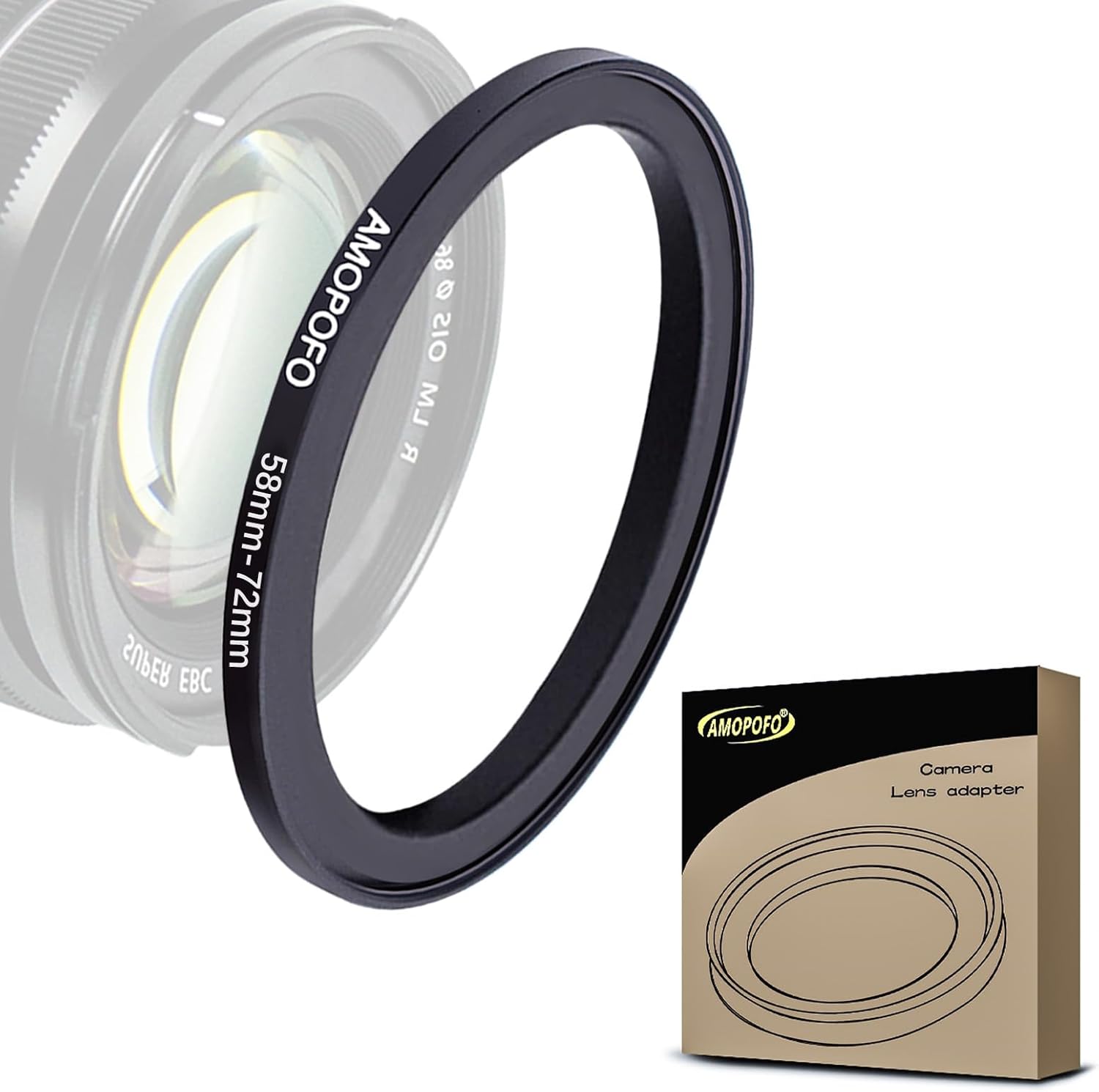
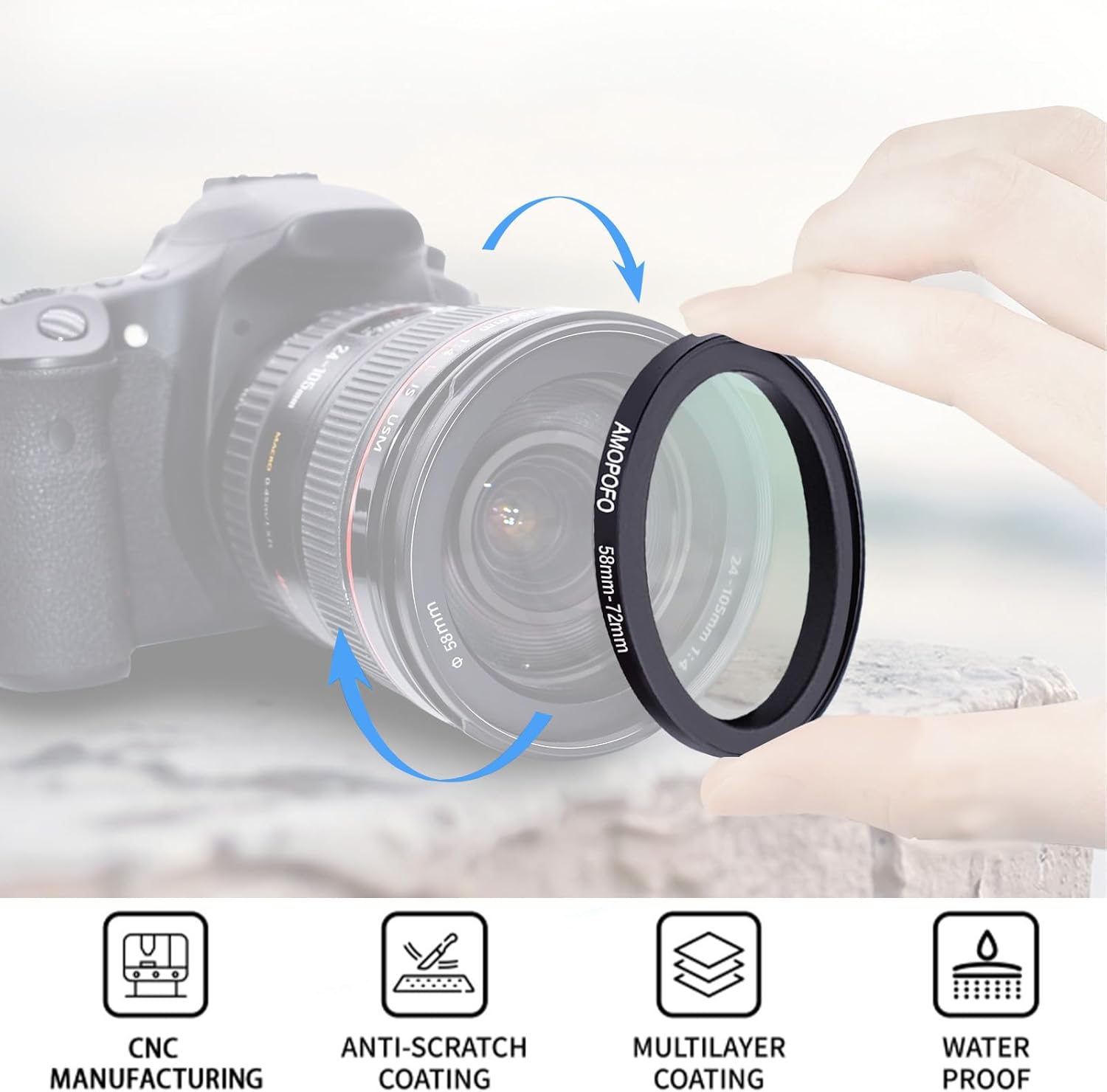
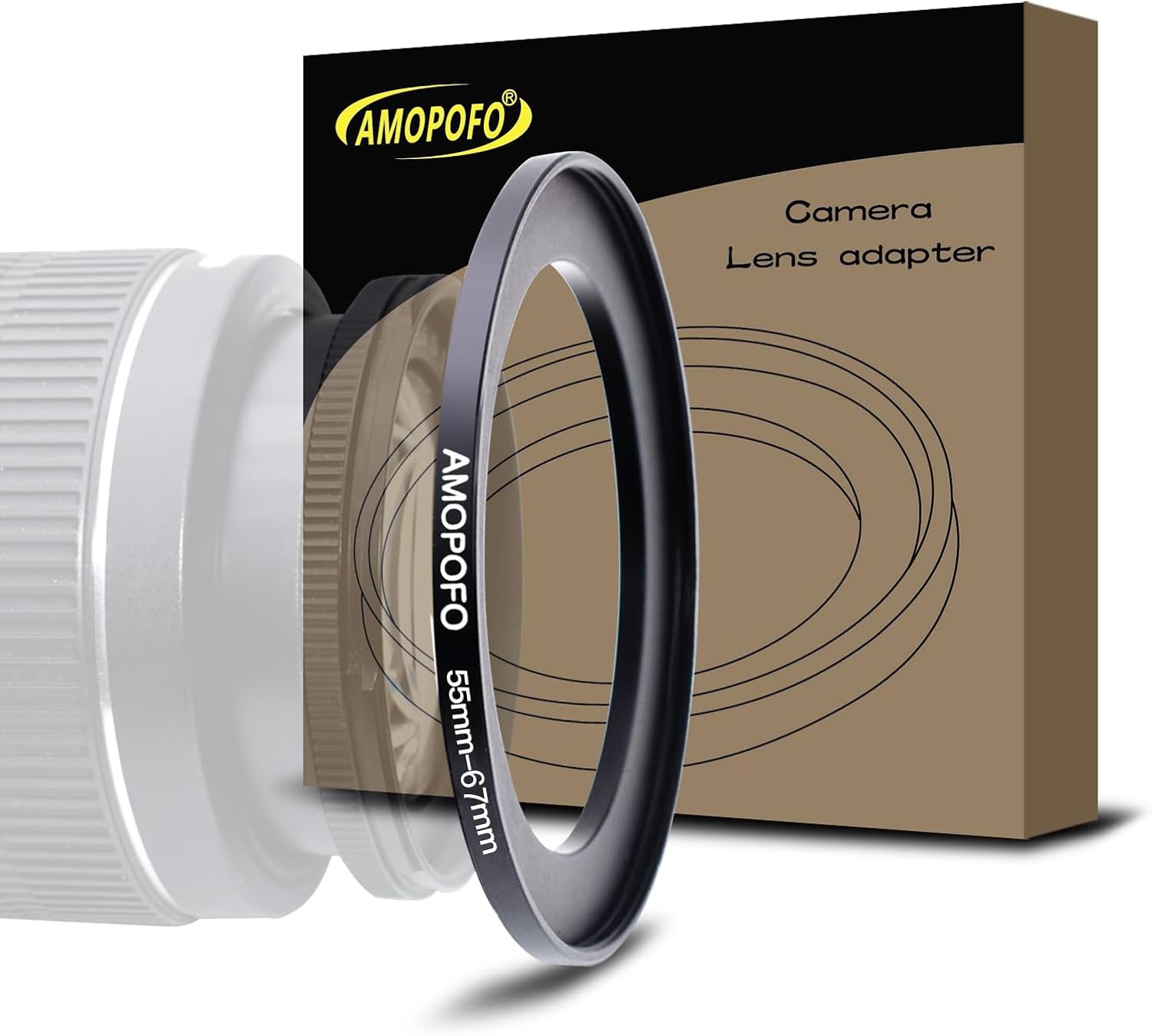
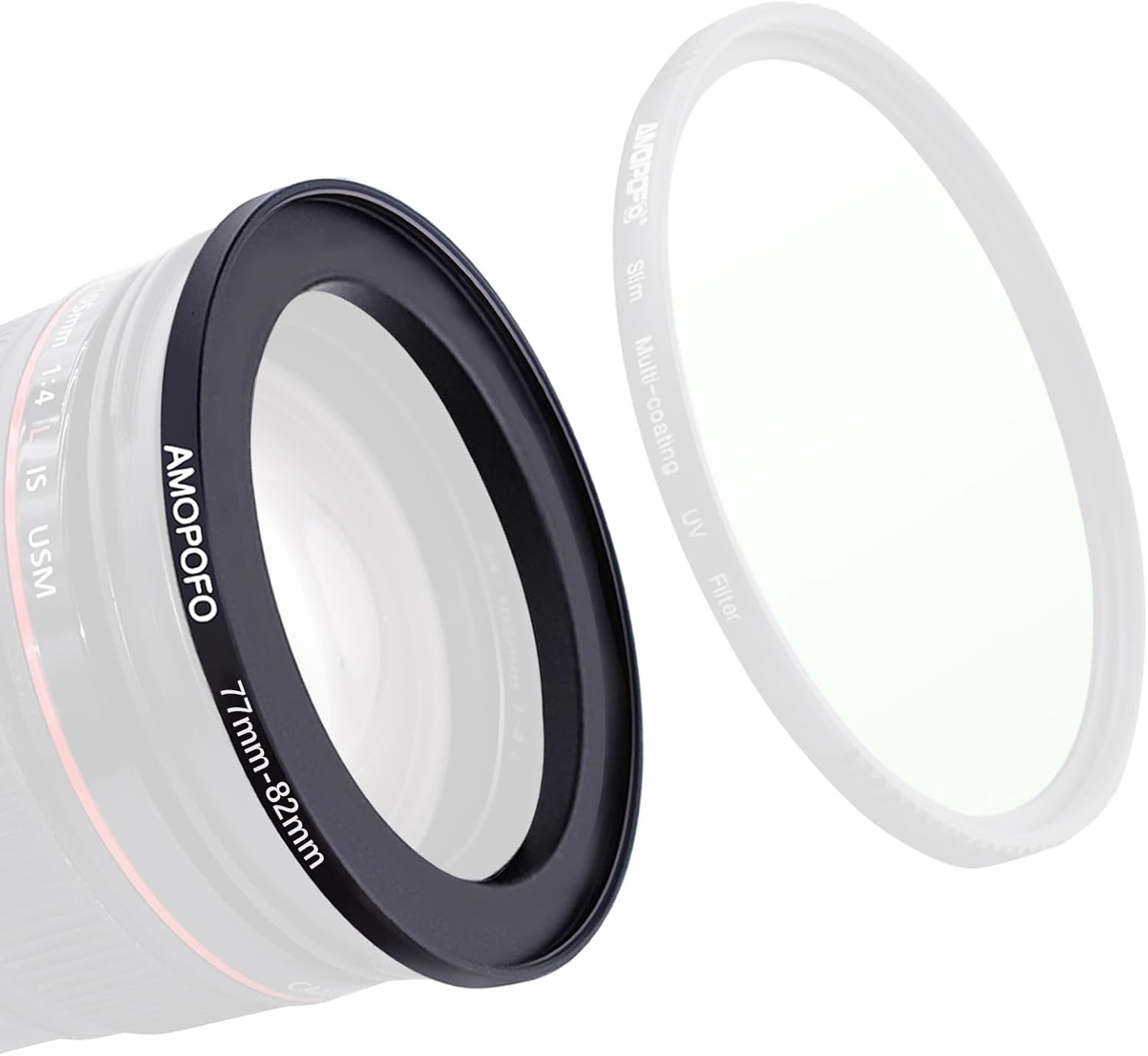
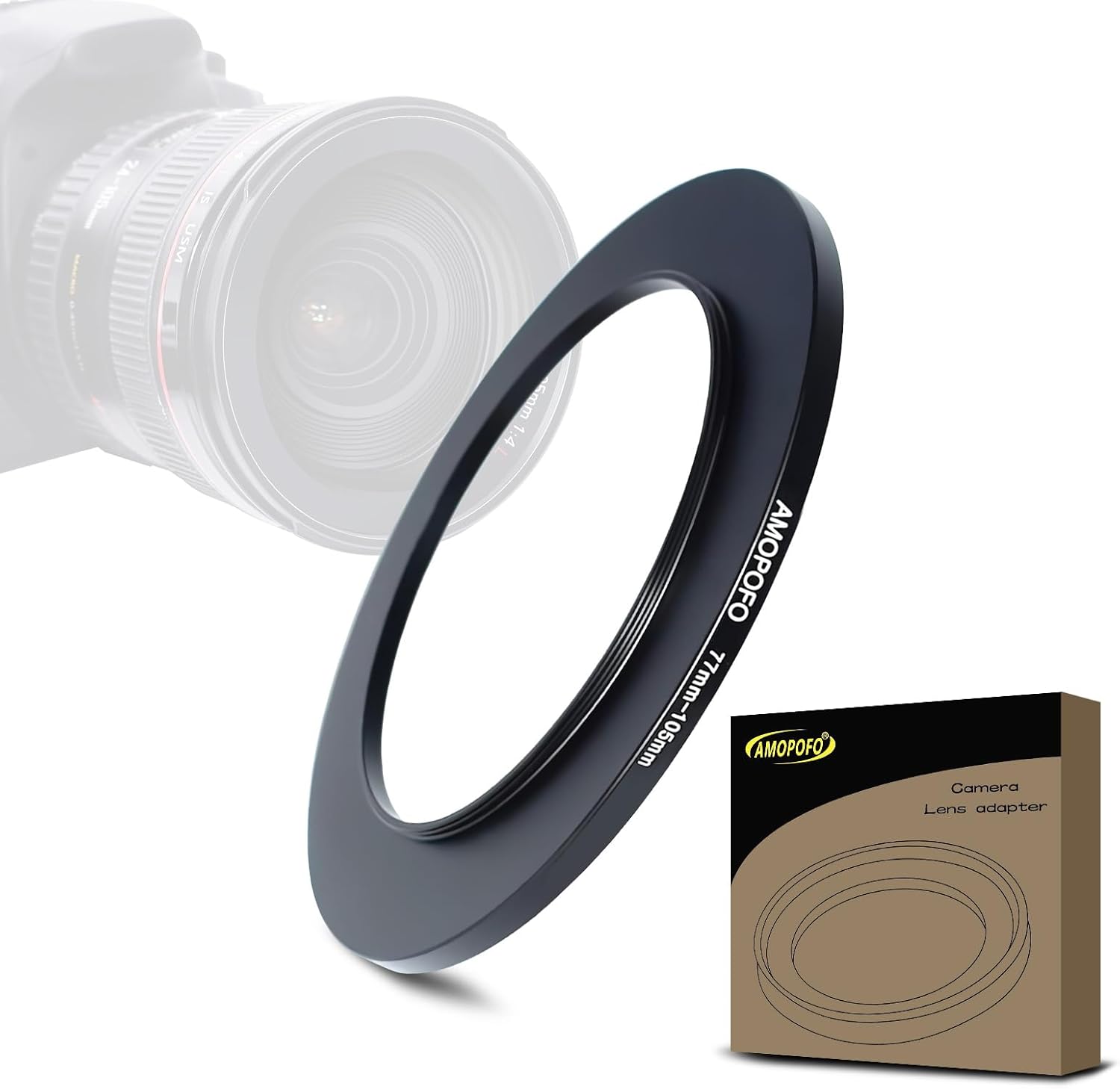
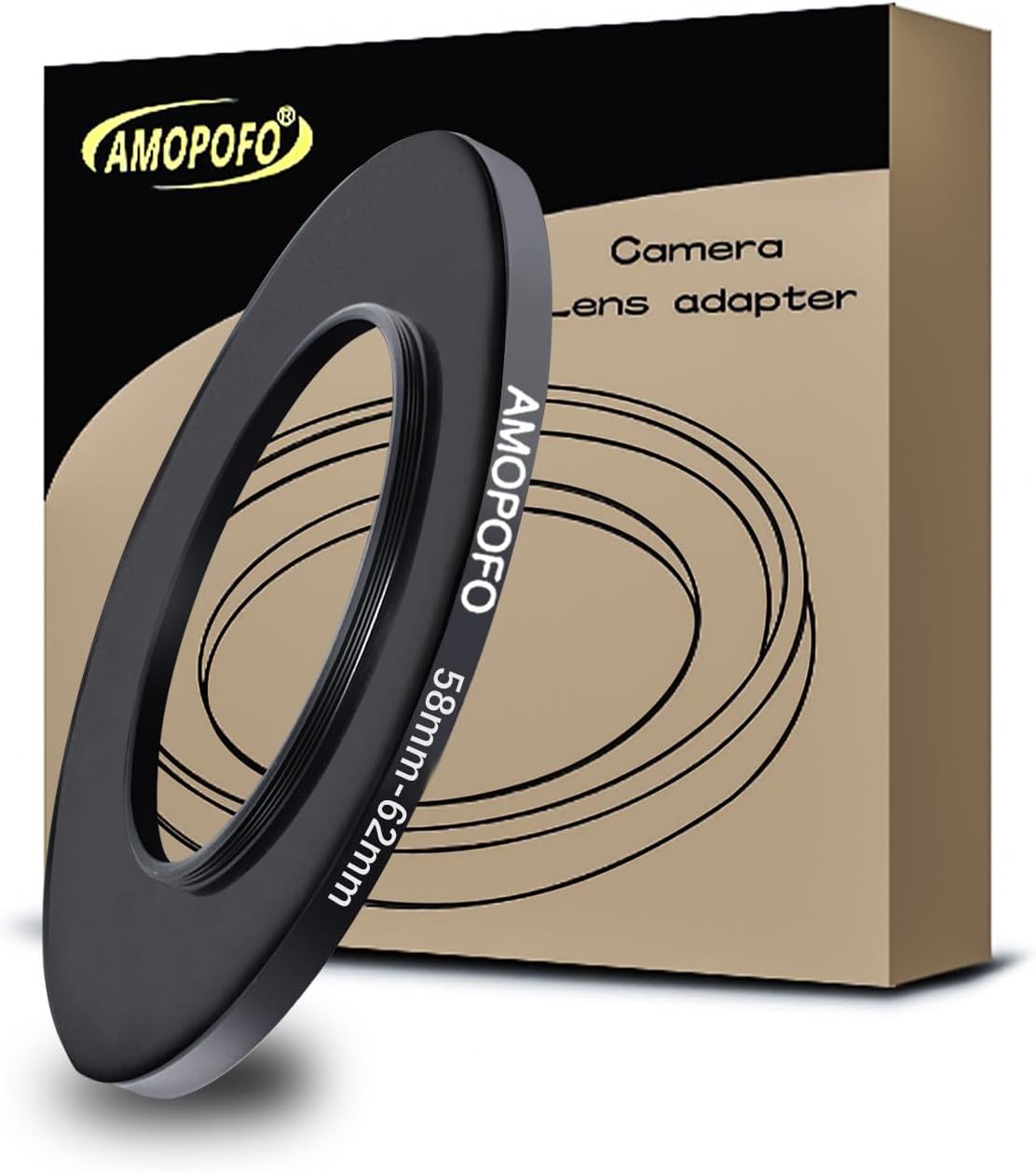
What it is\nThis 58mm‑to‑72mm camera filter ring is a CNC machined aluminium step‑up adaptor designed to let you use 72mm filters on a 58mm lens. It’s finished in matte black with an inner matt paint to reduce reflections and a hard oxidation coating on the exterior. On paper, it looks like a simple, sturdy way to get more life out of your existing filters without buying new glass for every lens.\n\n## How it works\nThe ring threads onto the front of a 58mm lens and presents a 72mm filter thread, enabling you to attach 72mm UV, ND or CPL filters to that lens. The intent is to preserve filter usage across different lens diameters, so you can keep using your preferred filters even if you switch lenses. The design emphasises a secure fit that’s still removable when you don’t need it.\n\n## What to know before you buy\n- Compatibility is stated for a range of brands, however, you should verify your lens’ thread size is 58mm before ordering, and ensure your filter size is 72mm. The note about lens cap markings or barrel stamping helps confirm correct sizing.\n- The material is aluminium alloy, which suggests good durability and light weight, but it’s still best treated with care to avoid cross‑threading or overtightening.\n- While the product is described as corrosion resistant with a hard oxidation finish, no specific warranty details are provided, so consider practical use and longevity when evaluating value.\n\n## Practical use and limitations\nIf you often switch between lenses that share a common filter size, a step‑up ring can reduce clutter and simplify kit. It can be particularly handy for travel or on location shoots where carrying multiple filter sizes is impractical. That said, a step‑up ring adds another element to the front of your lens, which could increase the risk of vignetting on wide‑angle setups if not used carefully, and it won’t improve image quality by itself.\n\n## Who it’s for\nThis ring is likely to appeal to photographers who own 58mm lenses and already use 72mm filters (UV, ND, CPL) and want to avoid buying separate 72mm lenses or a full set of filters for each lens. It suits hobbyists and enthusiasts who prioritise practicality and value for money over premium build in every scenario.\n\n## When it makes sense to buy\n- You have multiple 58mm lenses and a 72mm filter system you’d like to share.\n- You want a compact, inexpensive way to extend filter compatibility without upgrading lenses.\n- You’d prefer metal construction over plastic options for durability in outdoor use.\n\n## What to check before purchasing\n- Confirm your lens thread is 58mm and your filters are 72mm to avoid a misfit.\n- Inspect how the ring attaches to ensure it threads smoothly and seats securely without wobble.\n- Consider your typical shooting scenarios, if you frequently shoot with very wide angles, test for any vignette with the setup.\n\n## In use: a practical scenario\nImagine you’re out on a cloudy day, trying to balance exposure with a wide lens. You slip on a 72mm CPL via the 58→72 ring, keep the front assembly light, and rotate the filter for the right polarisation. It’s straightforward, but you’ll notice the practicality hinges on not overextending the lens’s front diameter or adding risk of front‑element contact when using a hood.\n\n## FAQ\n- Is the ring compatible with all 58mm lenses? It is designed for 58mm thread lenses and 72mm filter accessories, but you should verify thread size and filter compatibility for each lens.\n- Will it affect image quality? The ring itself does not alter optics, it merely adapts size. Real benefits depend on the filters used and how you manage the setup.\n- Can I use it with a lens hood? It’s possible, but you’ll want to ensure the hood doesn’t interfere with the ring or filters.\n\n## Final verdict\nIf you prioritise versatility and want to share 72mm filters across a 58mm lens line, this ring offers a practical solution with metal construction and a thoughtful finish. Not ideal if you frequently work with ultra‑wide angles where any extra front‑end could introduce vignette, or if you require absolute minimal front‑panel additions. Overall, it’s a sensible, no‑nonsense option for value‑mocing filter setup when the stated sizes align with your gear.