


3DHoJor Matte PLA Filament 1.75mm in Light Khaki (Matte finish), 1kg spool
Product description
What this filament is for
If you’re printing with FDM and you want a more “finished” look, this 3DHoJor Matte PLA filament is aimed at the visual side as much as the build. The matte finish is specifically intended to help hide layer lines and give a shine-free, frosted texture rather than a glossy plastic appearance.
It’s also positioned as an everyday workhorse PLA: improved bed adhesion and extrusion output are mentioned, alongside low warpage. The practical idea is that you spend less time fighting the basics (prints lifting, messy extrusion) and more time getting models that look right straight off the printer.
Where it stands out (and why that matters)
Matte PLA is a bit of a trade-off: you’re not chasing the most “premium shine” look, you’re chasing consistency of surface texture. On paper, that’s where this filament is supposed to land.
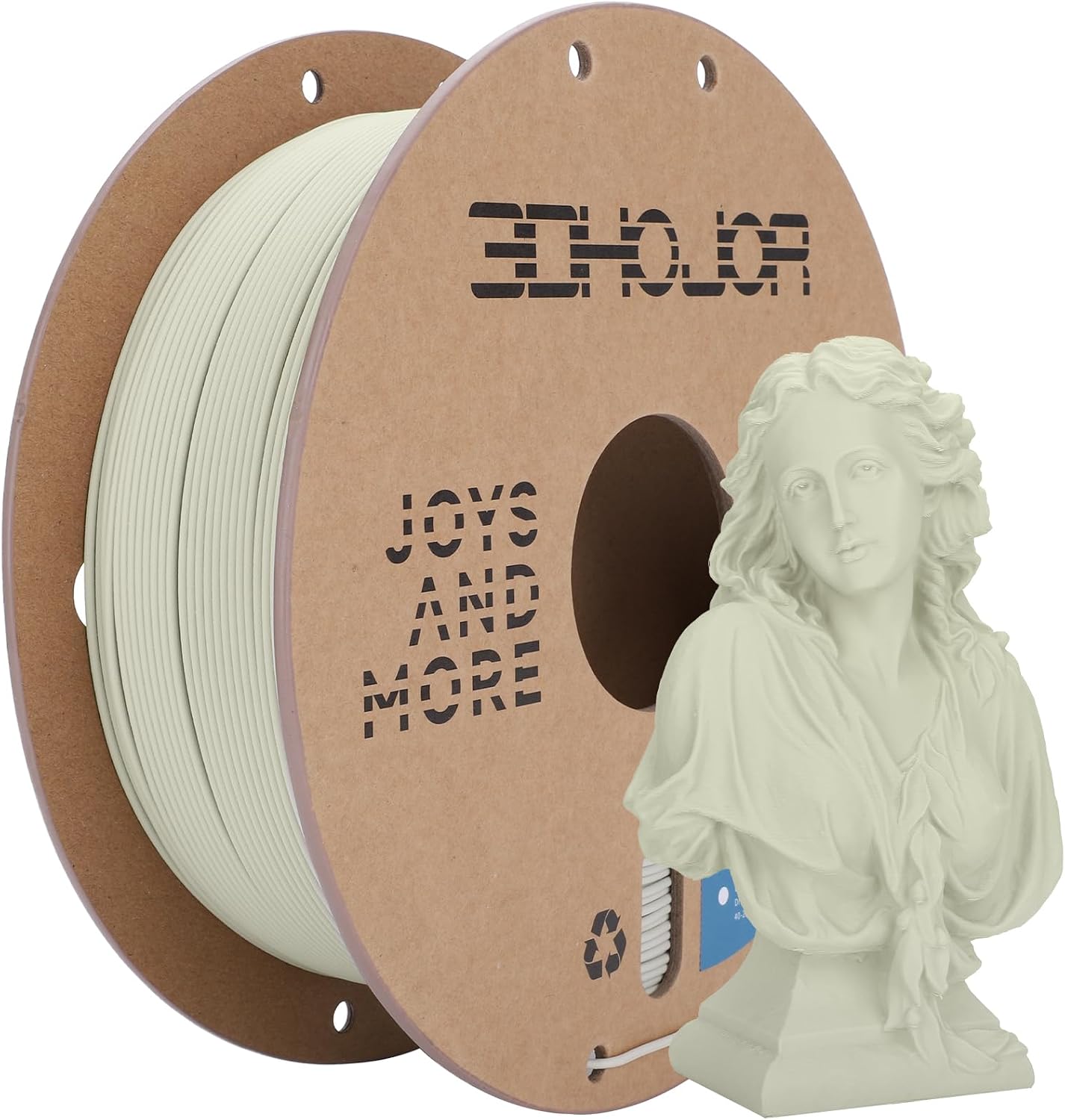
What you’ll notice in use is the combination of:
- Matte finish to reduce visible shine and help obscure layers
- Odourless printing and low warpage (useful if you print in a shared space)
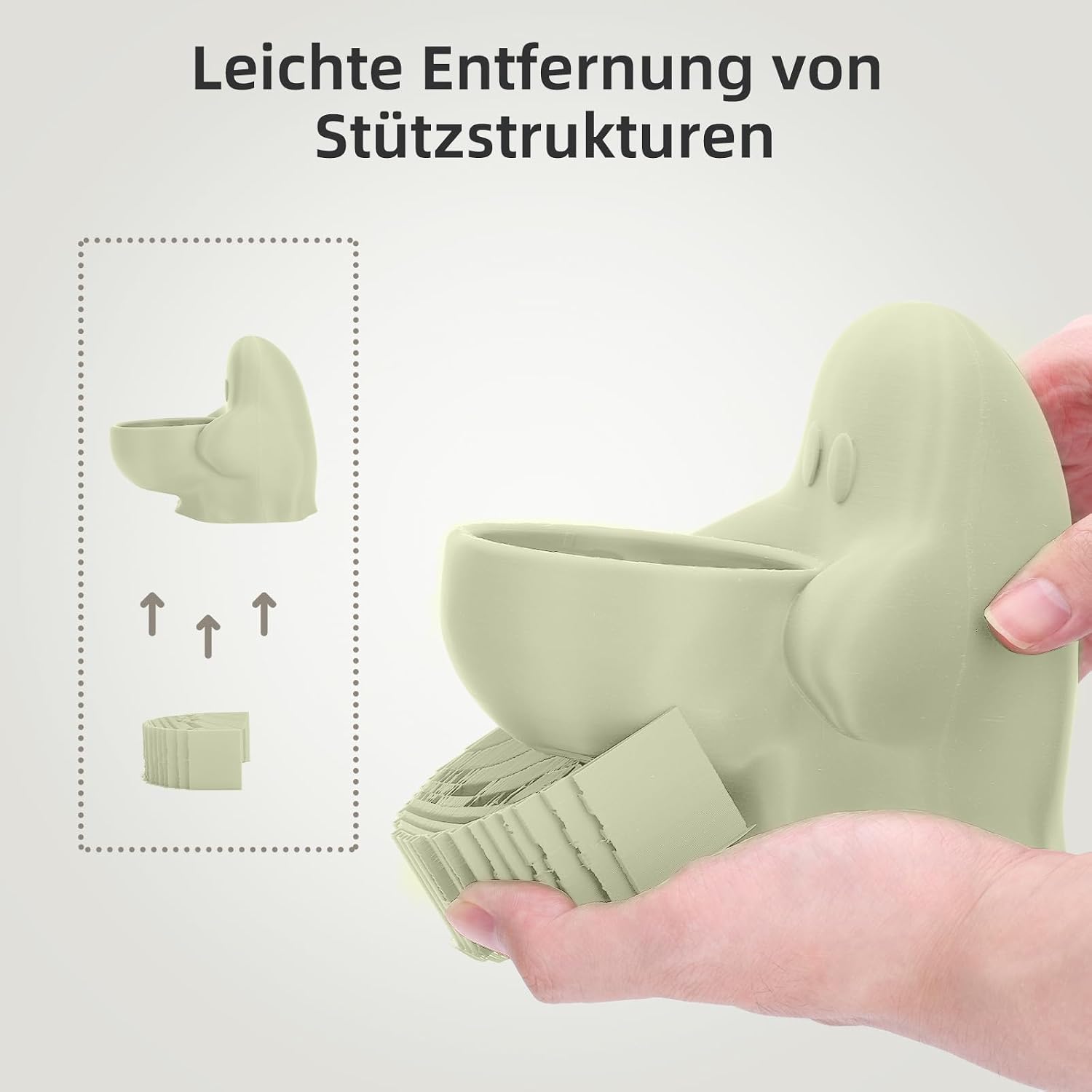
- Support behaviour designed to be easier to remove
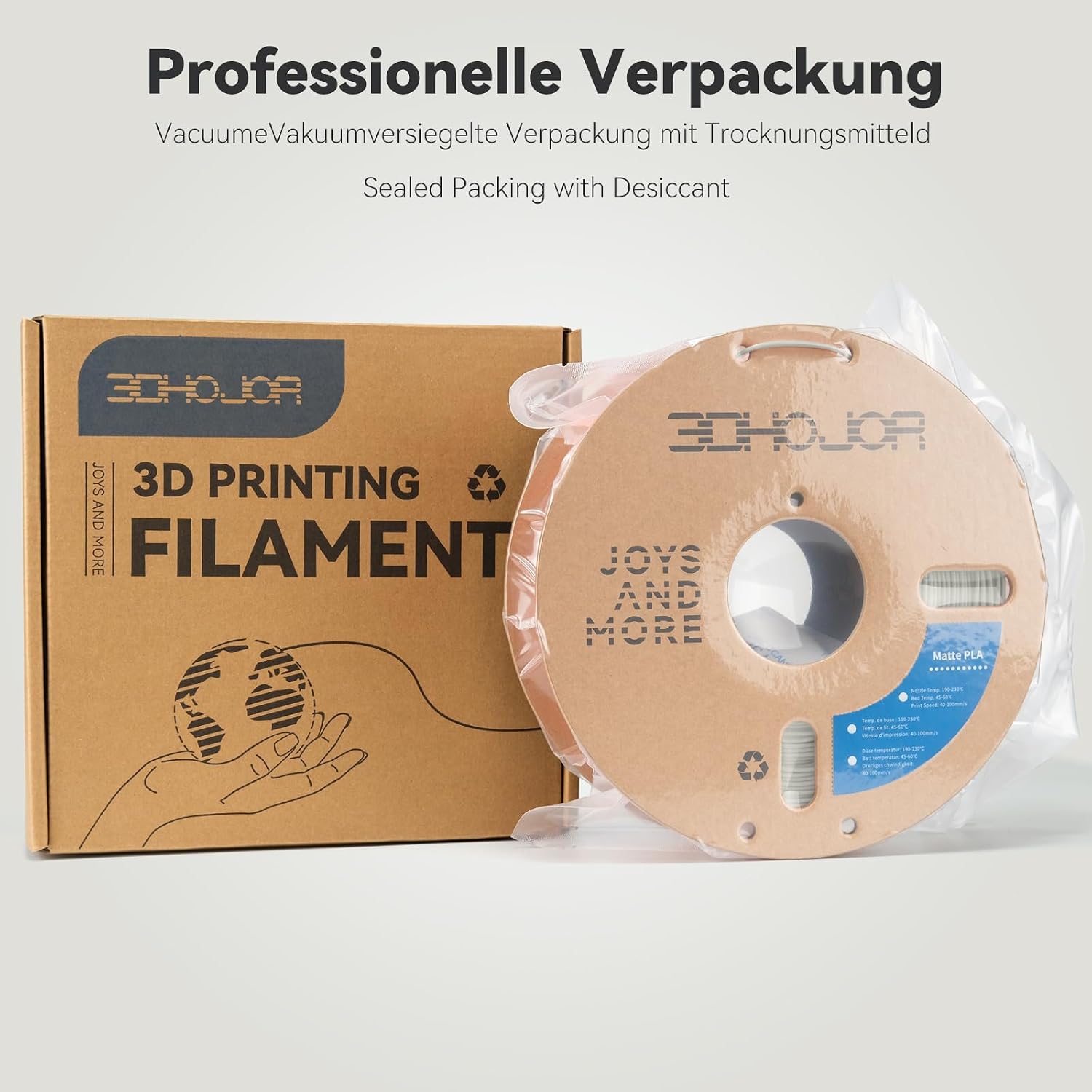
There’s also an emphasis on the filament arriving ready to print: it’s said to be dried and vacuum sealed, then supplied in a resealable ziplock bag with desiccant. That won’t replace good storage habits, but it can help if you’ve had issues with moisture and PLA degrading.
And yes, it’s “light khaki” and designed for builds where that muted tone and matte surface actually matter—think functional prototypes that don’t need to look like engineering mock-ups, or display pieces where you’d rather not show shiny layers.
Key specs you should actually check
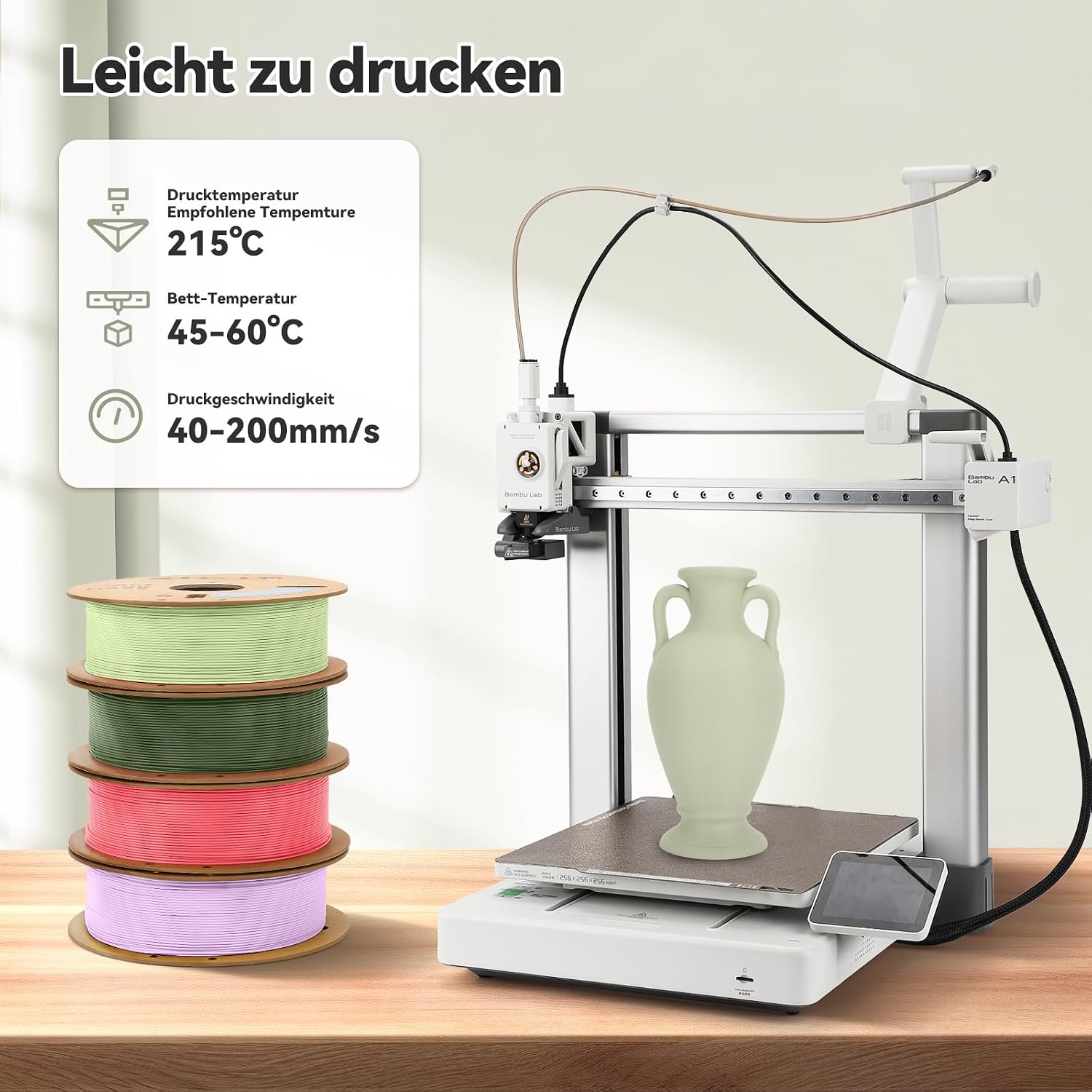
This filament is 1.75mm matte PLA for FDM 3D printers. The stated temperature guidance is:
- Printing temperature: 190–230℃ (recommended 215℃)
- Bed temperature: 45–60°C
- Fan speed: 100%
- Printing speed: 40–100mm/s
Compatibility is described as broad—“most of FDM 3D printers”—with examples listed such as Bamboo Lab, Prusa, MakerBot, UltiMaker, and common models like Ender 3. That suggests it’s not a niche PLA recipe, but rather something meant to drop into typical PLA workflows.
One nuance to keep in mind: the listed speeds and temperatures are only useful if your printer can hit them stably. If you run very different profiles (or a highly enclosed setup with unusual airflow), you may need to tune things, and PLA settings can behave differently printer-to-printer.
Printing and support removal in practice

The “easy support removal” claim is aimed at a very specific pain point: supports that fuse too well can be a pain to clean up, especially when you want smooth surfaces.
The idea here is that the matte PLA is designed to support itself and break away more easily. That should help when you print models with overhangs—like a bracket with angled features, or a sculptural piece with internal cavities where supports are unavoidable.
Still, don’t expect magic. Support removal depends heavily on your support settings and interface layers. If you crank support density too high or use an overly aggressive interface, any PLA can fight back a bit. The filament can make the process easier, but it won’t override your slicer choices.
Storage, tangles and print cleanliness
Moisture is where PLA can start acting up—stringing, inconsistent extrusion, and sometimes surface defects. This filament is described as dried for 24 hours before vacuum packaging, and it arrives vacuum sealed with desiccant.
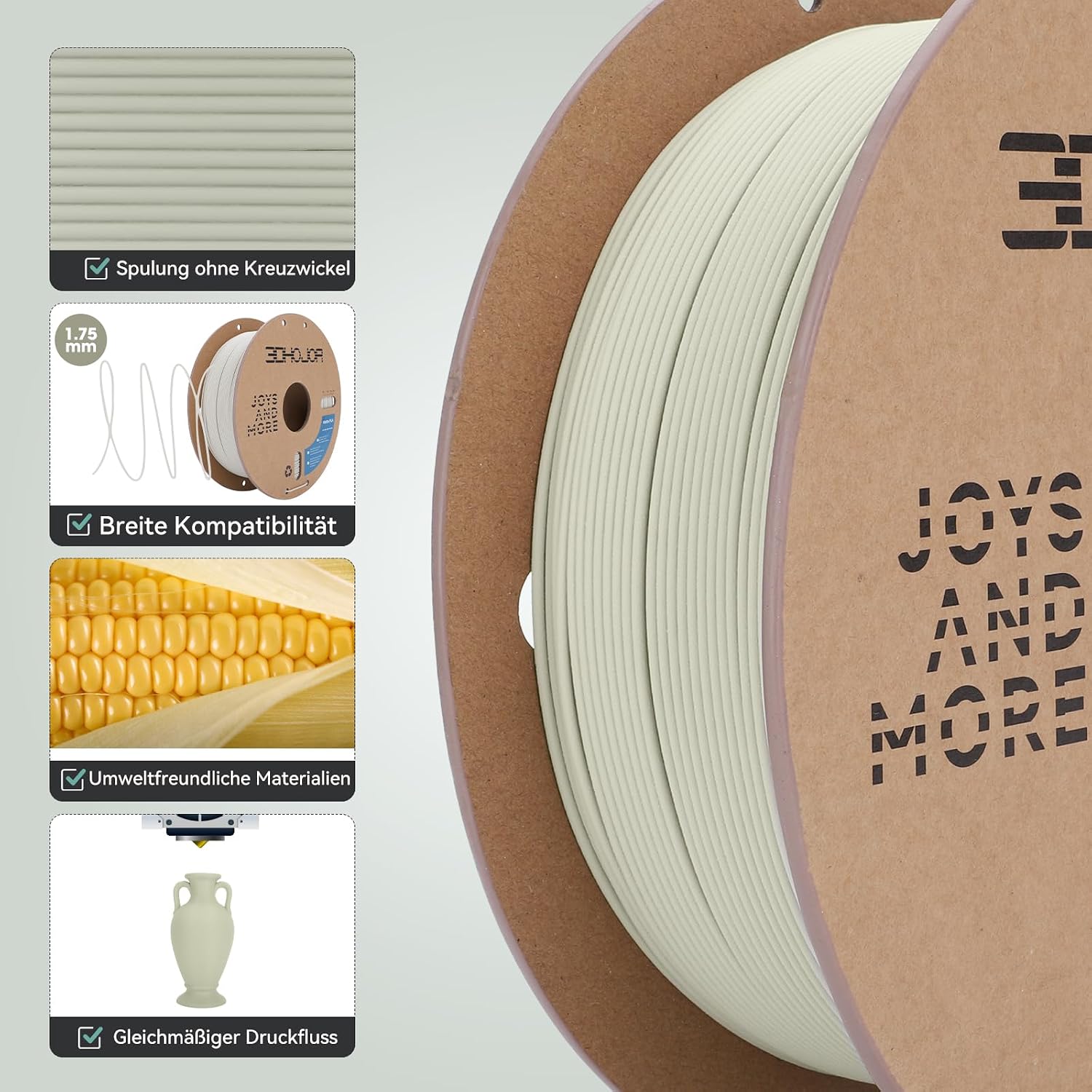
It also mentions being wound to be “tangle free”, which is a small detail but genuinely helpful. Nothing slows a print like filament tangles or feed issues mid-job.
So, if you’re comparing this to cheaper PLA that’s more likely to arrive dusty or unevenly dried, the storage-first approach is a real point in its favour—at least based on the product information.
Pros and limitations to consider
What you’ll likely like: - Matte, shine-free appearance intended to reduce the look of layers - Odourless and low warpage claims, which can make it easier to live with while printing - Designed for easier support breakaway (useful for practical prints) - Moisture-conscious packaging (dried and vacuum sealed with desiccant)
Where it may not be the best match: - If you specifically want a glossy surface or very crisp “high shine” display finishes, matte PLA usually won’t satisfy that look goal. - It’s positioned as a general compatible FDM PLA, not something that clearly targets the most demanding performance niches. If you’re trying to “push” speed/strength beyond typical PLA territory, you may find it sits more in the everyday bracket than the high-performance end.
Is it worth it?
Worth considering if you want matte PLA in a muted Light Khaki tone, and your priority is a shine-free, frosted look while keeping printing fairly straightforward. It also makes sense if you regularly print parts that need supports and you’re tired of spending longer cleaning than assembling.
You may want to skip it if you’re chasing a glossy finish, or if your printer setup can’t comfortably follow the stated temperature and airflow guidance (especially given the “100% fan speed” note). It might not suit you best if your slicing profile is very different and you’re not willing to tune settings.
For most people printing typical FDM models, this kind of matte PLA is a sensible buy—just be realistic about the fact that the appearance and support ease still depend a lot on your slicer settings.
Mini FAQ
What temperature should I print this matte PLA at?
The guidance given is 190–230℃, with a recommended 215℃.
Does it work with most FDM printers?
The description says it’s compatible with most FDM 3D printers, and it lists several examples, but you’ll still want to ensure your printer can use the stated PLA temperatures and settings.
Is it good for prints that need supports?
It’s designed so supports can break away more easily, but your support settings will still make a difference.
How is the filament supplied for moisture protection?
It’s described as dried and vacuum sealed, then packed in a resealable ziplock bag with desiccant.
Does matte PLA reduce layer visibility?
That’s one of the main goals here: the matte finish is intended to help hide the layers and give a shine-free texture.