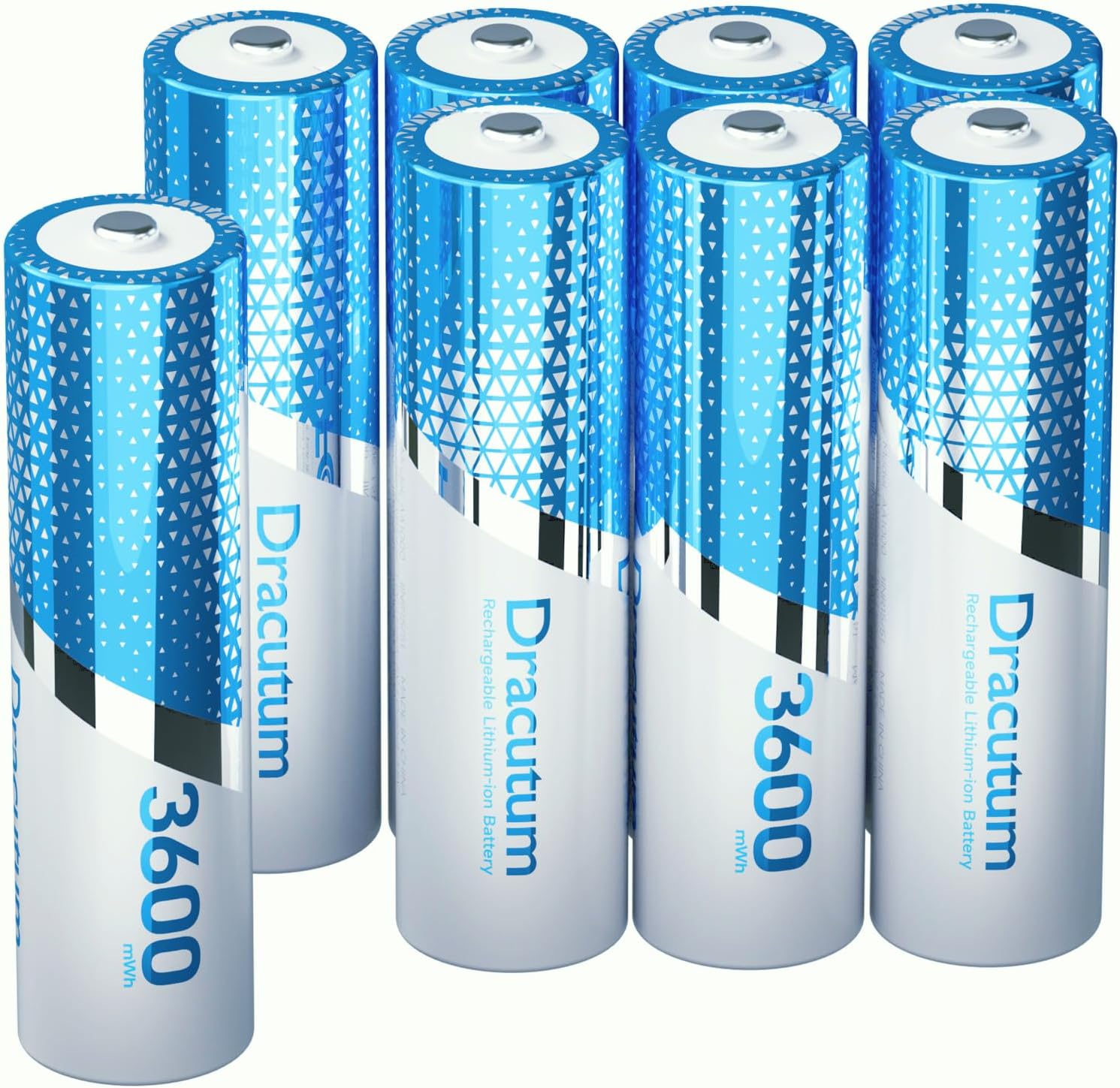
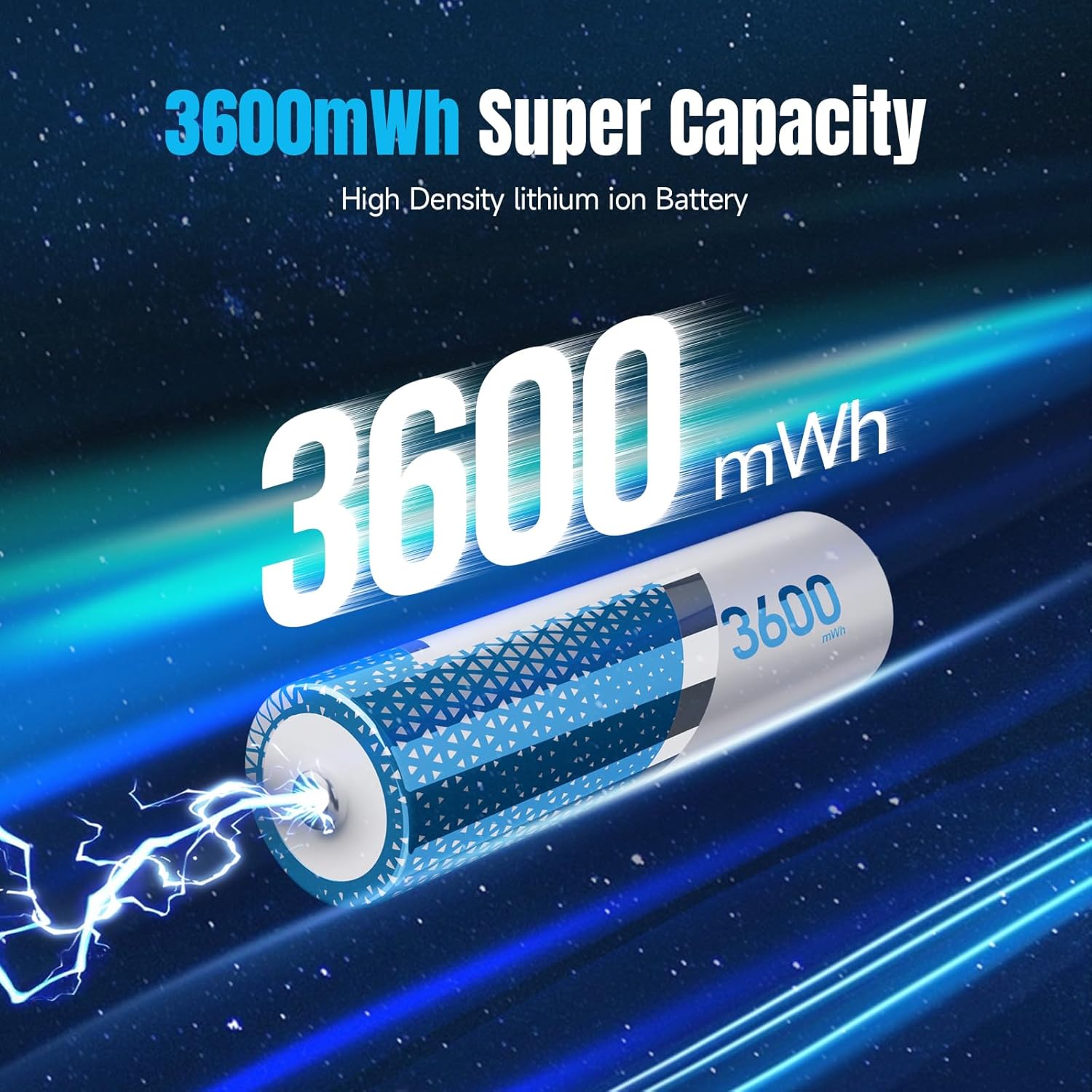
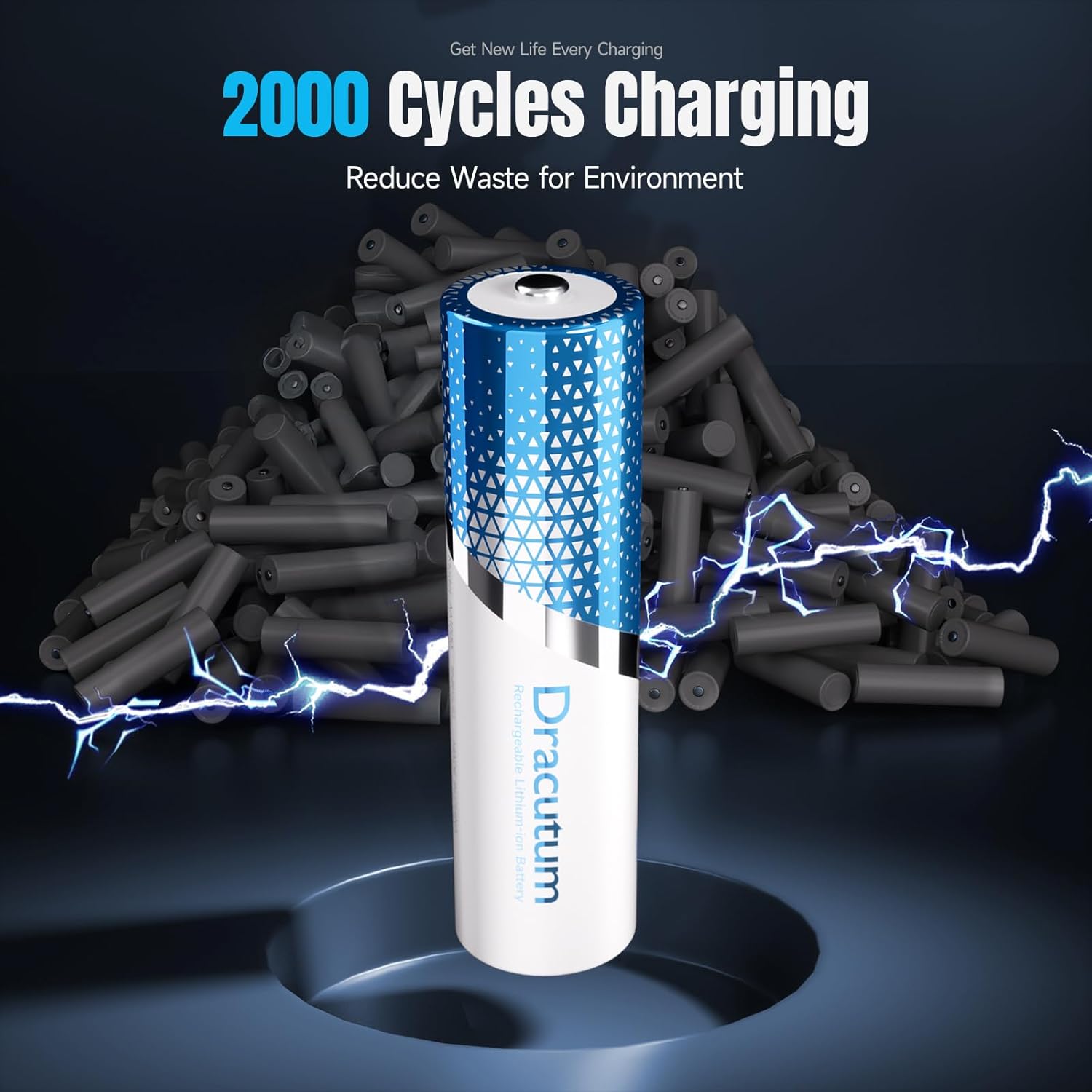
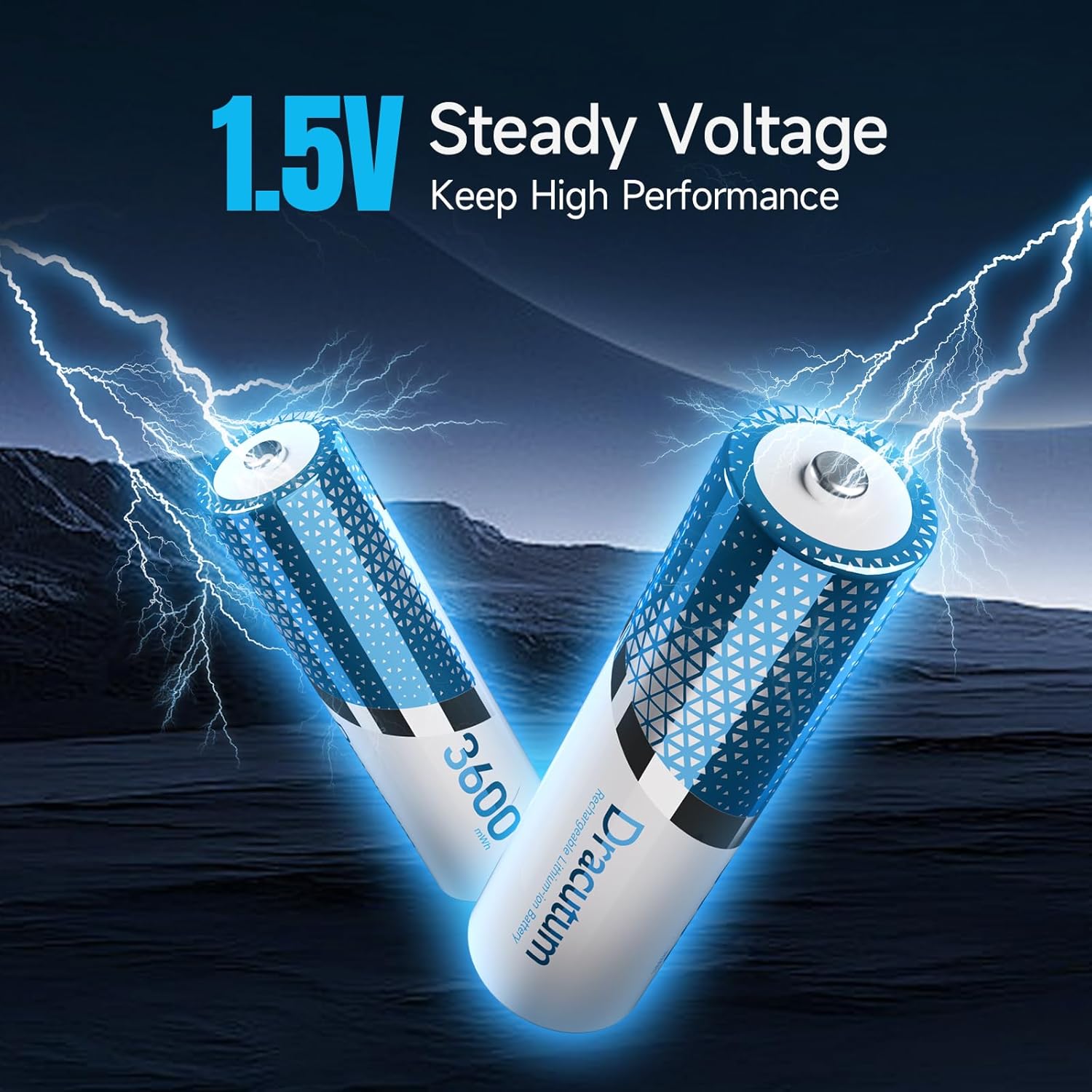
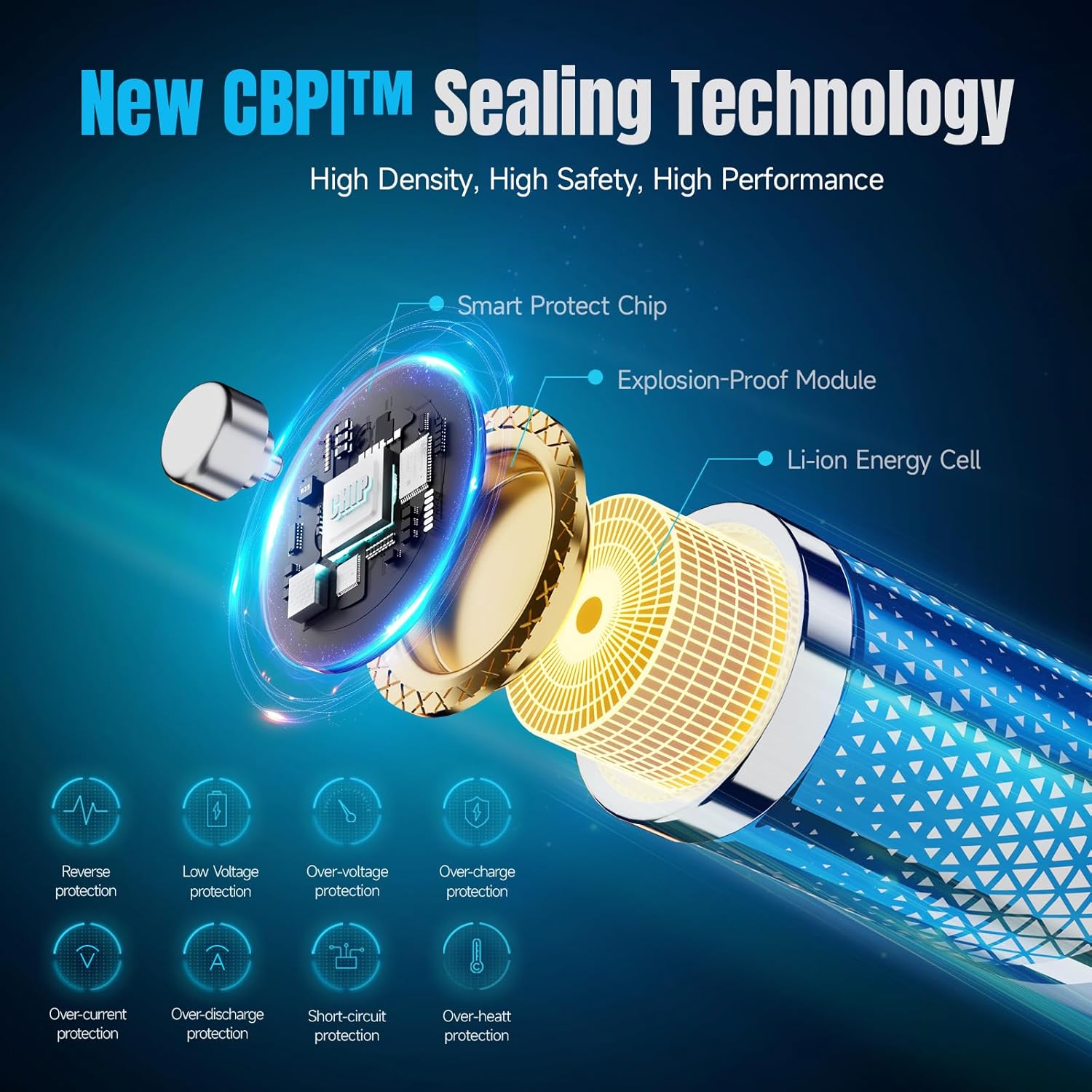
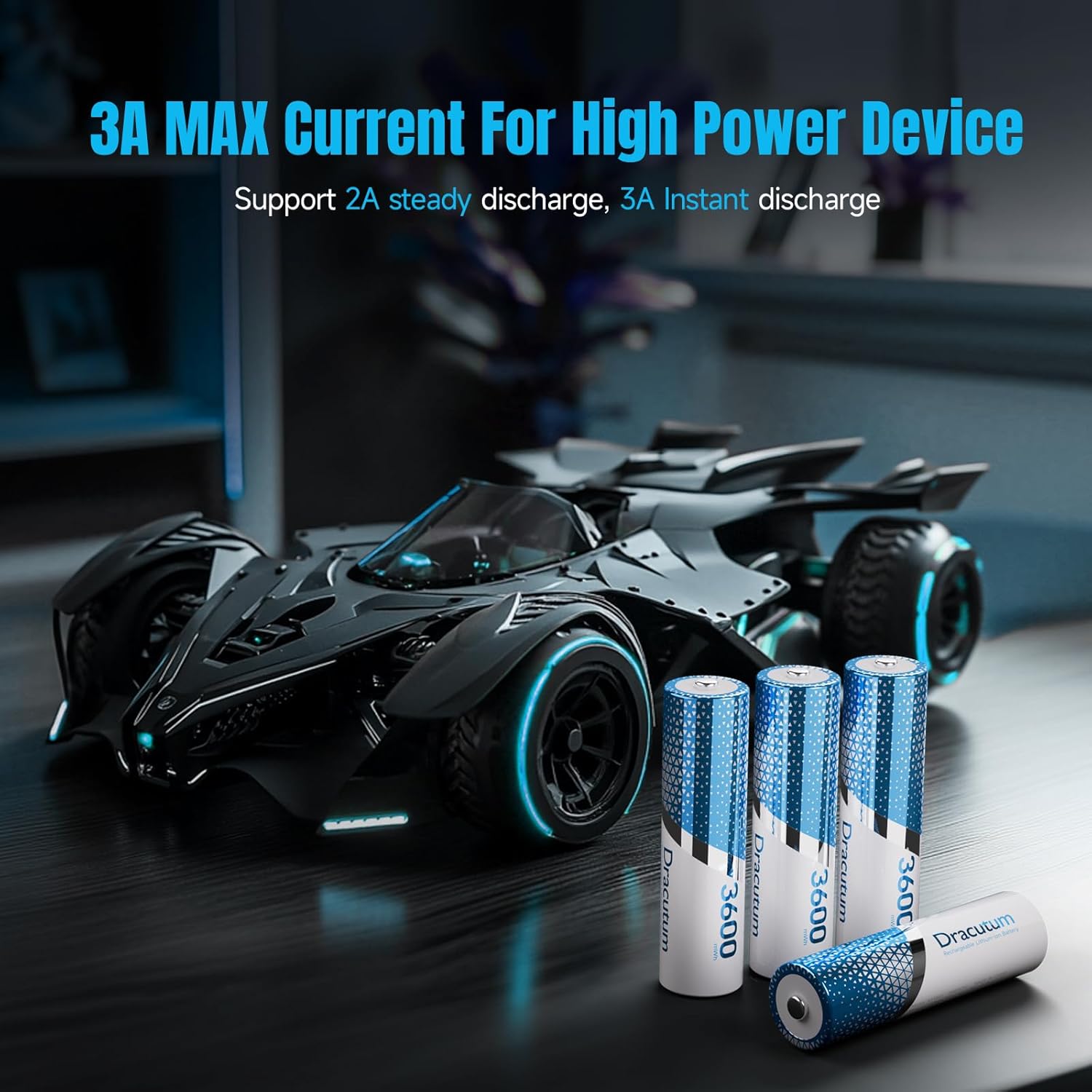
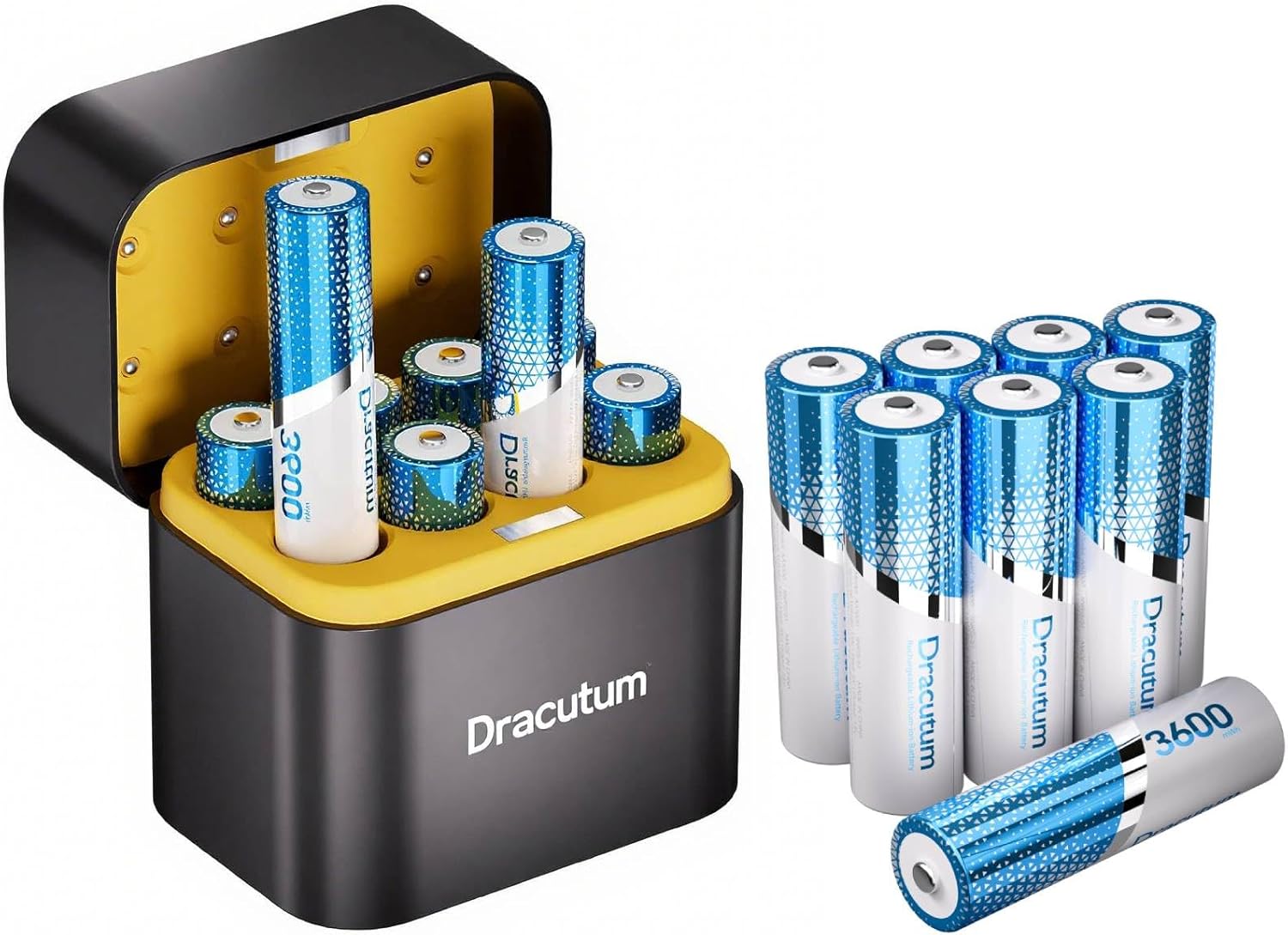
What it is and the need it meets\nThese are 1.5V lithium AA rechargeable batteries with a stated capacity of 3600mWh, sold in an 8-pack. Designed for devices that demand steady power and quick bursts, they’re positioned as a replacement option for high-drain gadgets such as security cameras, digital cameras, game controllers and more. On the face of it, the goal is straightforward: fewer battery replacements and reliable performance in everyday tech.\n\n## How they perform on paper\nA key selling point is a constant 1.5V output combined with a claimed 3A instant current. That suggests they’re suitable for devices that spike power needs at moments, like a Blink Outdoor Camera’s startup or event-triggered recording. The claim of 2000 charging cycles points to long-term use, potentially reducing waste and ongoing costs if you’re replacing alkalines repeatedly. They also advertise CPBI sealing technology to preserve energy density and a low self-discharge profile for storing spares. A stated operating range from -40°F to 140°F hints at resilience in varied climates, which is useful for both outdoor and indoor use.\n\n## Pros and what stands out\n- High apparent capacity for an AA Li‑ion type and the potential for longer runtimes between charges.\n- Consistent voltage can help devices perform more predictably than some alkalines or lower‑voltage rechargeables.\n- Light for an AA size yet with higher energy density than standard alkaline counterparts, which can matter for travel or extended use.\n- Good option for high-drain devices if you prioritise fewer replacements.\n\n## Limitations and caveats\n- Performance can’t be verified without independent tests, the listed 3600mWh and 2000 cycles are manufacturer claims.\n- Requires a charger designed for 1.5V lithium AA cells, a standard NiMH 1.2V charger isn’t compatible, which adds to upfront considerations if you’re refreshing a kit.\n- In practice, real‑world runtimes depend on device power draw, temperature, and usage patterns.\n\n## Who it’s for\nThis is likely to appeal to homeowners or small offices with devices that draw more power on startup or during activity bursts, such as security cameras, smart remotes, or high‑drain handheld devices. If you already run Li‑ion AA rechargeables and have a suitable 1.5V charger, these could slot into your existing setup.\n\n## Who might want to think twice\nIf your devices aren’t high‑drain or you don’t have a compatible charger, you may not see the claimed benefits. For occasional gadget users, the price will matter more than the theoretical longevity.\n\n## When does it make sense to buy\n- You regularly replace alkalines in high‑drain devices and want a long‑lasting recharge option.\n- You have a charger designed for 1.5V lithium AA cells and want to keep a spare pack ready for outdoor or indoor use.\n- You operate in varied climates and need reliable performance across temperature extremes.\n\n## What to check before buying\n- Confirm you have a charger compatible with 1.5V lithium AA cells (not a standard 1.2V NiMH charger).\n- Consider your device’s power profile, if it rarely draws high current, savings may be less noticeable.\n- Check storage plans, Li‑ion cells store well but still benefit from proper storage practices and rotation.\n\n## Practical use case\nImagine you’re mounting a Blink Outdoor Camera in a shaded area. With these cells, you’d expect consistent performance during recording bursts, especially in cooler or hotter days where some chemistries lose efficiency. The 8‑pack means you can keep spares handy without frequent orders, reducing downtime.\n\n## What this implies in context of alternatives\nIf you mainly use standard AA alkalines or non‑rechargeable lithiums, these rechargeables could offer longer life between changes and lower long‑term cost. For very budget‑tight setups or devices with modest power needs, simpler options might still do. For users who demand rapid swapping and testing, the requirement for a 1.5V charger is a practical consideration.\n\n## FAQ (short)\n- Do these work in cold temperatures? They claim operation from -40°F to 140°F, which broadens their outdoor applicability.\n- Do you need a special charger? Yes, a charger designed for 1.5V lithium AA cells is required.\n- How many cycles are claimed? Up to 2000 charging cycles are advertised.\n\n## Final decision\nIs it worth it? Worth considering if you need long‑lasting, high‑drain performance and you already own or plan to buy a 1.5V lithium AA charger, otherwise, assess whether the upfront charger cost and compatibility fit your setup.