

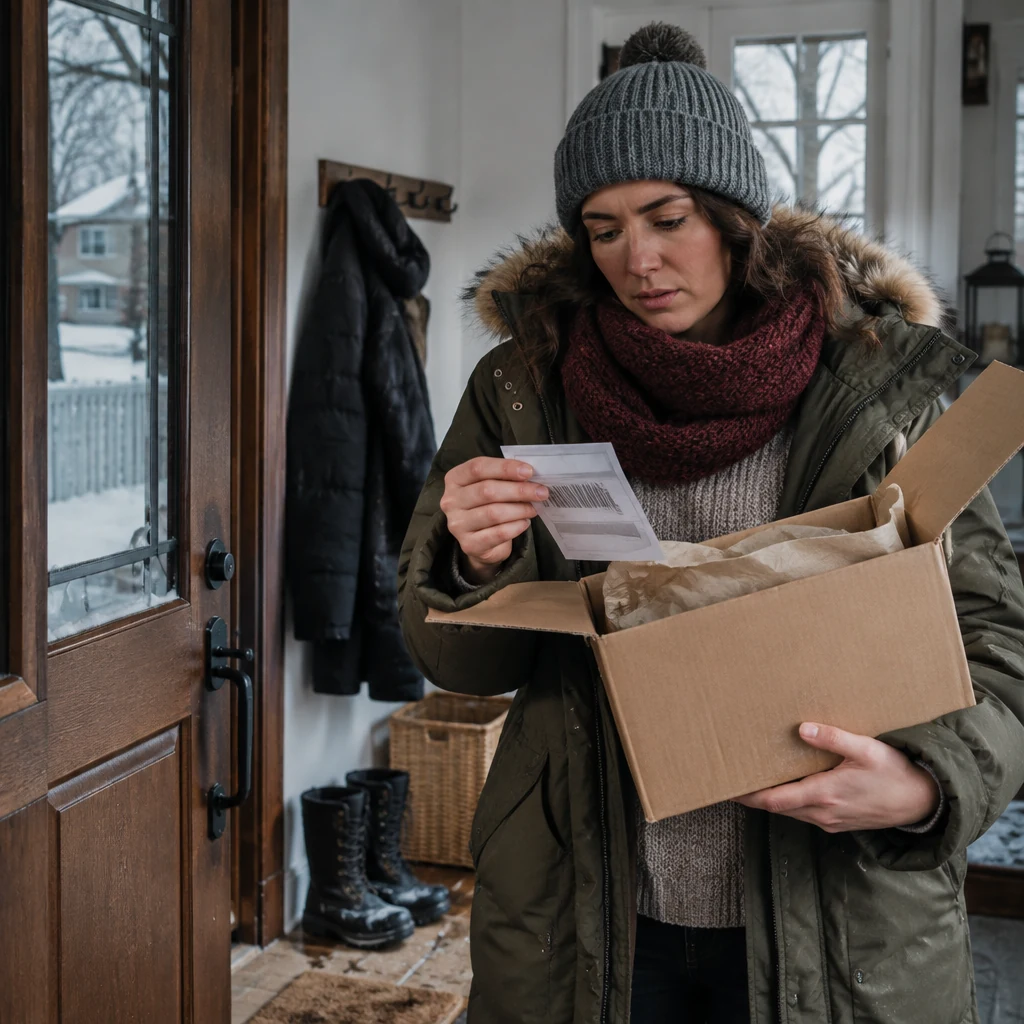
Black Friday 2026: Plan Delivery and Returns Before You Order
Get ready for Black Friday 2026 in Canada with practical tips for delivery, gifts, marketplace orders and returns.
Black Friday 2026 falls on November 27, with Cyber Monday following on November 30. As of November 7, there is still time to prepare for the part of online shopping that is easy to overlook: how an order gets to you, and what happens if it needs to go back.
A low advertised price is only useful if the item arrives when you need it and you are comfortable with the return conditions. Use these practical scenarios to get your delivery and returns plan ready before the shopping rush. Any prices and situations below are hypothetical, not current offers.
The gift that needs to arrive before you leave
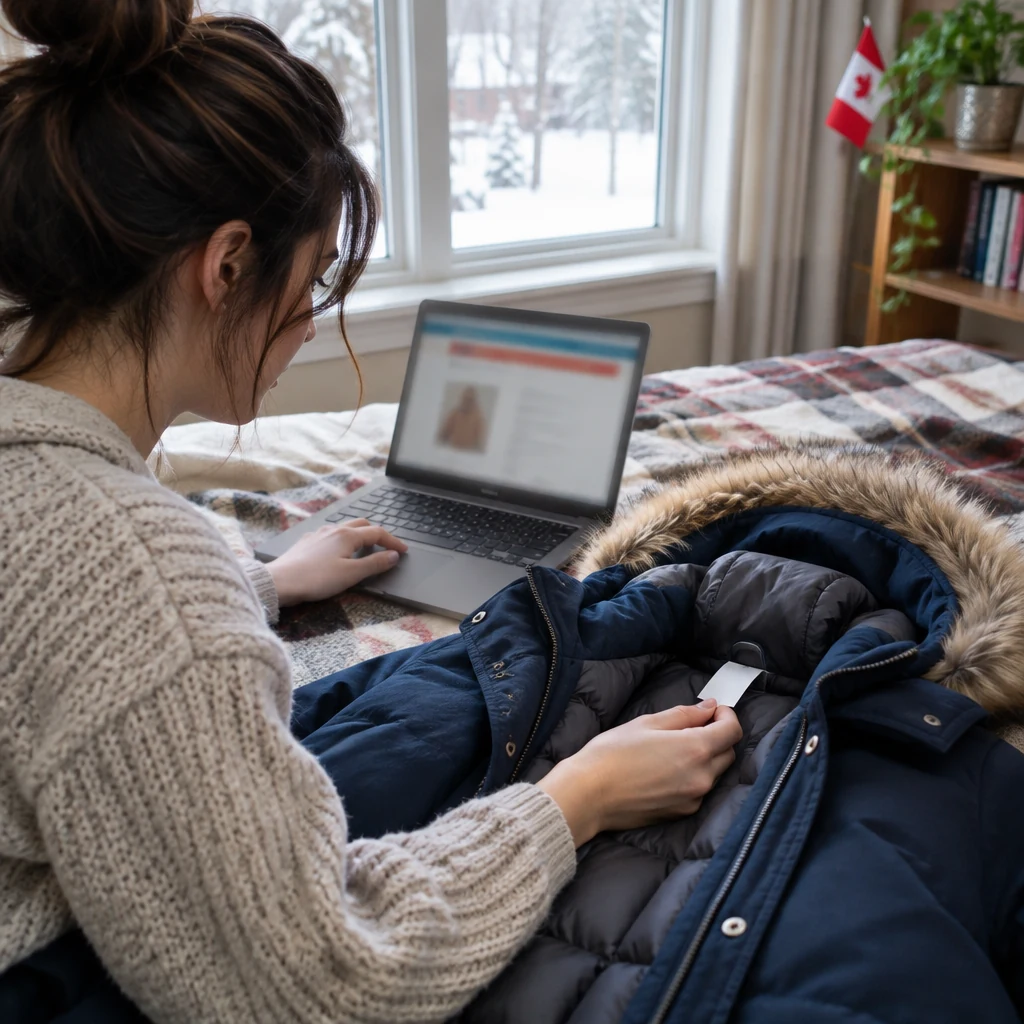
Imagine you are ordering a winter jacket as a gift, but you will be travelling to visit family in another province. Sending it to your home gives you a chance to check the size and colour before wrapping it. Sending it directly to your destination avoids carrying it across the country, but the parcel may arrive after you have left or need to be returned from a different province.
Before choosing, enter the actual destination postal code at checkout and look at the estimated delivery date for each shipping option. An estimate is not a guarantee. Check whether the item ships from the retailer or a marketplace seller, and whether a signature, pickup point or delivery attempt could complicate your plans.
If the gift is going straight to someone else, save the order confirmation and check whether a gift receipt is available. Ask yourself who would handle an exchange if the size is wrong: you, the recipient or the seller. A slightly less convenient delivery address can be worthwhile if it makes a return much easier.
The order with items coming from different sellers
A single shopping cart does not always mean a single parcel. A Canadian retailer's website may carry items sold by the retailer alongside products offered by third-party marketplace sellers. Those products can have different dispatch locations, delivery estimates and return instructions.
Suppose you are buying headphones and a small kitchen appliance from the same website. Before placing the order, open each product page and look for the seller's name. Then check the order summary for separate shipments. If one item is needed for a particular date, make sure its own delivery estimate works rather than relying on the estimate for the whole cart.
The trade-off is convenience versus control. One checkout is straightforward, but separate shipments may mean tracking multiple parcels and dealing with more than one return process. If that sounds like extra work you do not want, consider choosing items sold and shipped by the retailer—after checking the conditions for those items too.
For bulky purchases, check the delivery method before ordering. A large appliance or piece of furniture may have different delivery and return arrangements from a small parcel. Look for details about access to your building, the delivery location and any services you expect, such as bringing the item inside. Do not assume those services are included.
The parcel travelling farther across Canada
Delivery choices can change with the destination. A postal code in a major city and one in a remote community may show different shipping methods, charges or delivery estimates. Even within the same province, the options displayed at checkout may not be identical.
Try the destination postal code before you commit to a product. If the item is a gift, use the recipient's address rather than your own. Check for restrictions on the item or location, especially if the product is large, heavy or has a battery. If the site cannot provide a clear estimate, contact the seller before ordering rather than guessing.
The decision is not just whether to pay for a faster service. It is whether the quoted service meets your needs and whether the destination can receive the parcel. If delivery timing is important, consider a local pickup option where the retailer offers one and the pickup location is practical for you. Confirm the pickup conditions and collection deadline shown for that order.

The attractive listing that ships across the border
An online storefront can be accessible in Canada without the item shipping from Canada. Check the seller, dispatch location, currency and checkout details before ordering. A price displayed in C$ does not, by itself, tell you where the parcel will ship from or whether every import-related charge has been included.
Depending on the order and how the seller handles checkout, cross-border purchases can involve applicable taxes, duties or carrier brokerage fees. Look for an explanation of what is collected upfront and what, if anything, could be payable on delivery. If the terms are unclear, ask the seller before placing the order. Sales taxes can also vary by province or territory, so review the tax shown for your delivery address.
Returns deserve the same attention. Would the item need to go back across the border? Who pays return shipping, and what documentation does the seller require? A cross-border listing may still suit you, but only if you are comfortable with the delivery and return arrangements—not just the price on the product page.
The return you hope you will not need
Before buying, read the return policy for the specific item and seller. Canada does not have one standard retailer return window that applies to every online purchase. Retailer policies differ, and applicable consumer-protection rights may also apply separately from a store's voluntary policy.
Pay particular attention to the return deadline and when the seller says it begins. For a gift, check whether the recipient will still have time to return it after opening it. Also look for conditions involving opened packaging, final-sale items, return shipping costs and whether the refund goes to the original payment method or is offered as store credit.
For a hypothetical C$80 item, a refund policy requiring the buyer to pay return shipping could make an exchange less appealing than expected. The actual charge would depend on the parcel and the seller's terms. If you are unsure about fit or compatibility, that risk may matter more than a convenient checkout.
Keep the confirmation email, invoice and any return instructions until you know the purchase is right. If a product arrives damaged or is not as described, document the issue promptly and contact the seller. Keep packaging where practical until you understand the return requirements.
Get your checkout details ready
Before November 27, save the delivery addresses you are likely to use, check that your account details are current and make a note of the products whose return terms you want to review. Avoid saving more payment information than you are comfortable keeping online, and use a secure connection when you shop.
On Black Friday or Cyber Monday, recheck the seller, delivery estimate and return conditions in the live listing and at checkout. They may differ from what you saw while preparing. You can also browse the Canadian shopping homepage as part of your research.
The practical move: before you place an order, confirm three things for that specific item: who is selling it, where it will be delivered and how you would return it. If any answer is unclear, resolve it before paying.
You may also be interested
Black Friday 2026: How to Check Whether a Deal Is Real
Prepare for Black Friday 2026 in Canada with practical ways to verify reference prices, product details and retailer claims before you buy.
Black Friday 2026: Make Your Buy, Wait or Skip Plan
Prepare for Black Friday 2026 in Canada with a buy-or-wait plan, product checks and return-policy questions to answer before checkout.
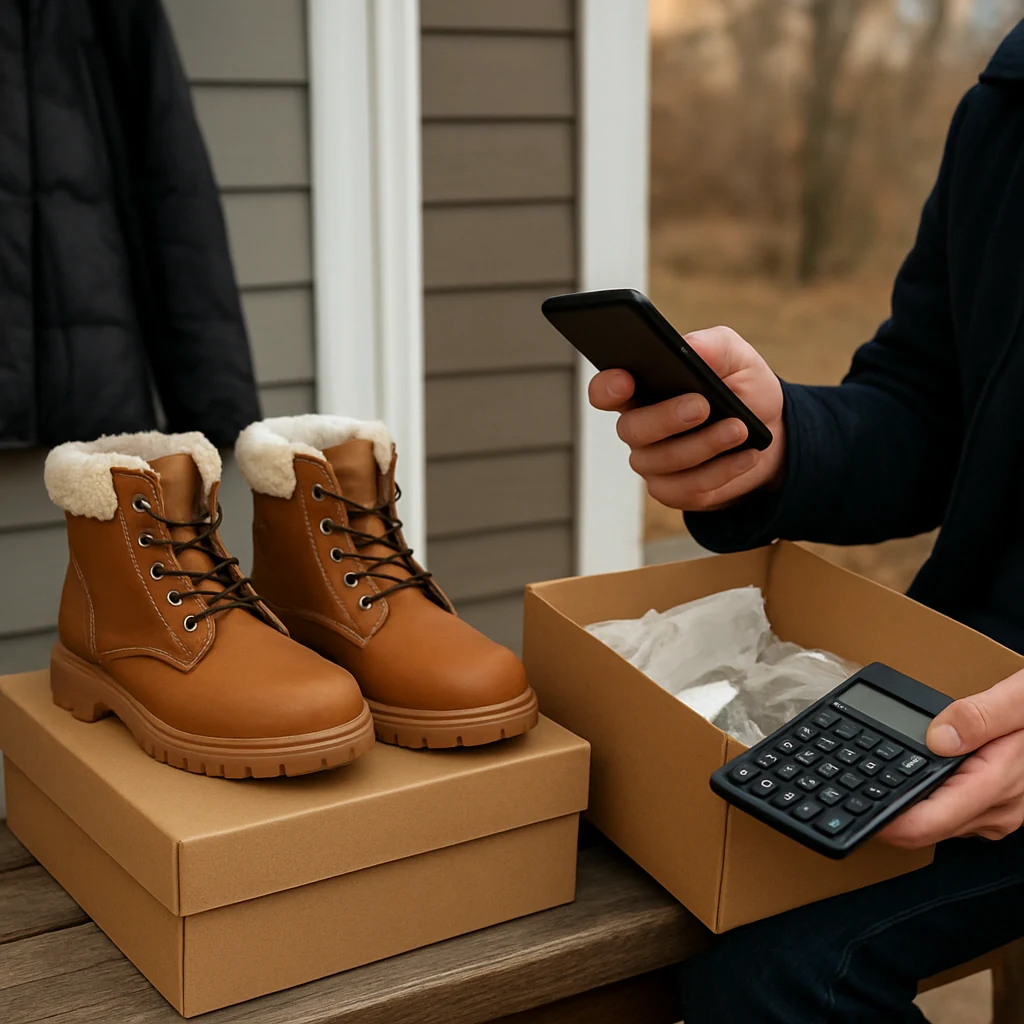
Black Friday 2026: Compare the Cost, Not Just the Price
Prepare for Black Friday 2026 in Canada with a practical way to compare prices, provincial taxes, shipping costs and return policies before buying.