

Black Friday 2026: How to Check Whether a Deal Is Real
Prepare for Black Friday 2026 in Canada with practical ways to verify reference prices, product details and retailer claims before you buy.
A big “was” price and a countdown clock can make an ordinary offer feel urgent. For Black Friday 2026, give yourself a better way to judge: collect a little evidence before the sale, then check that the product and the offer are what you think they are.
As of November 10, there is still time to prepare for Black Friday on November 27 and Cyber Monday on November 30. You don’t need to predict which retailers will run promotions or what they’ll cost. You just need a few reliable points of comparison for the things you’re considering.
What should I record before Black Friday?
Start with a product, not a discount. Choose an item you might realistically buy and note its full model number, size or capacity, colour, and the features that matter to you. For a laptop, that could include the processor, memory and storage. For a winter coat, it might be the exact style and insulation, not simply the brand.
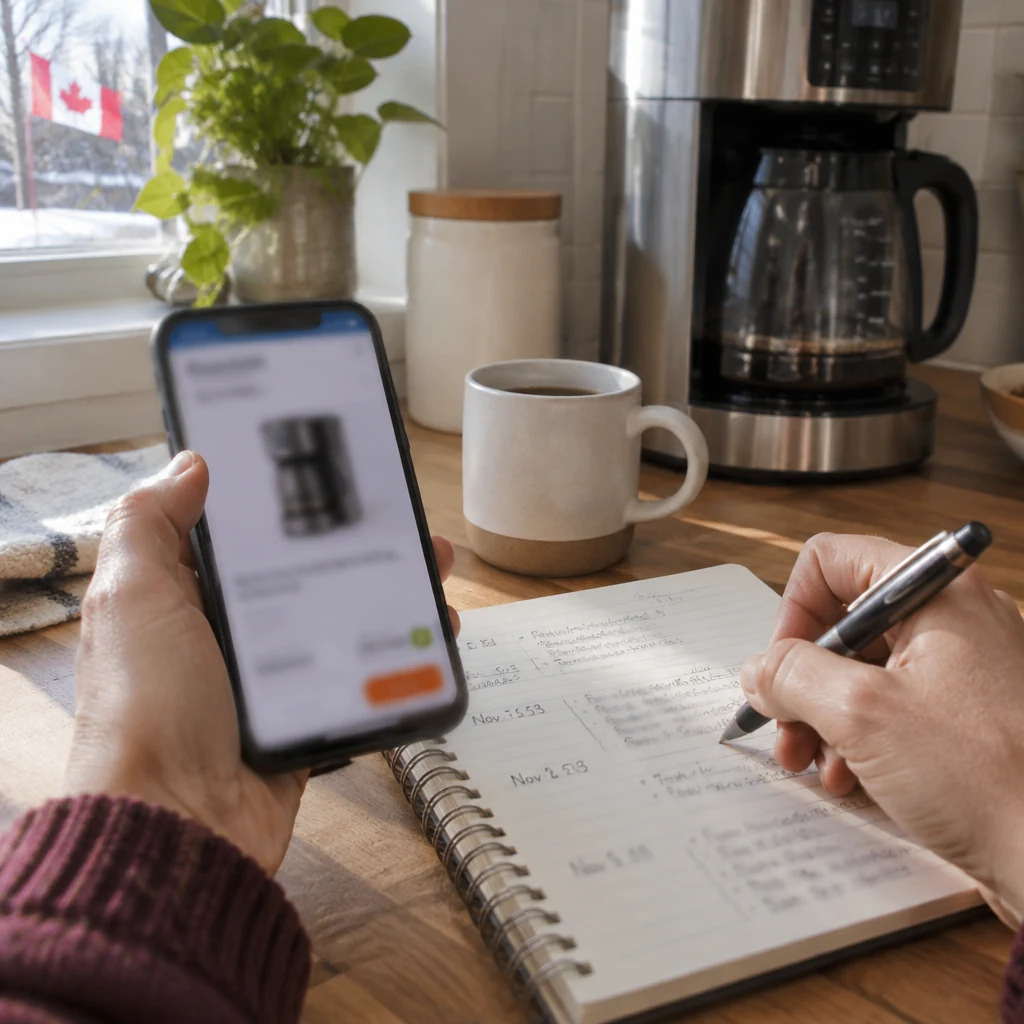
Then record the current advertised price and the date you saw it. A note on your phone, a spreadsheet or a screenshot will do. If the listing shows a regular or reference price, record that separately from the current selling price. The two figures have different jobs: one is a claim used for comparison, while the other is what the retailer is asking at that moment.
A single snapshot won’t tell you whether a price is unusually good. Check again on different days and, where possible, at more than one Canadian retailer. You’re building context, not proving that a particular promotion will appear.

How can I tell whether two listings are actually the same?
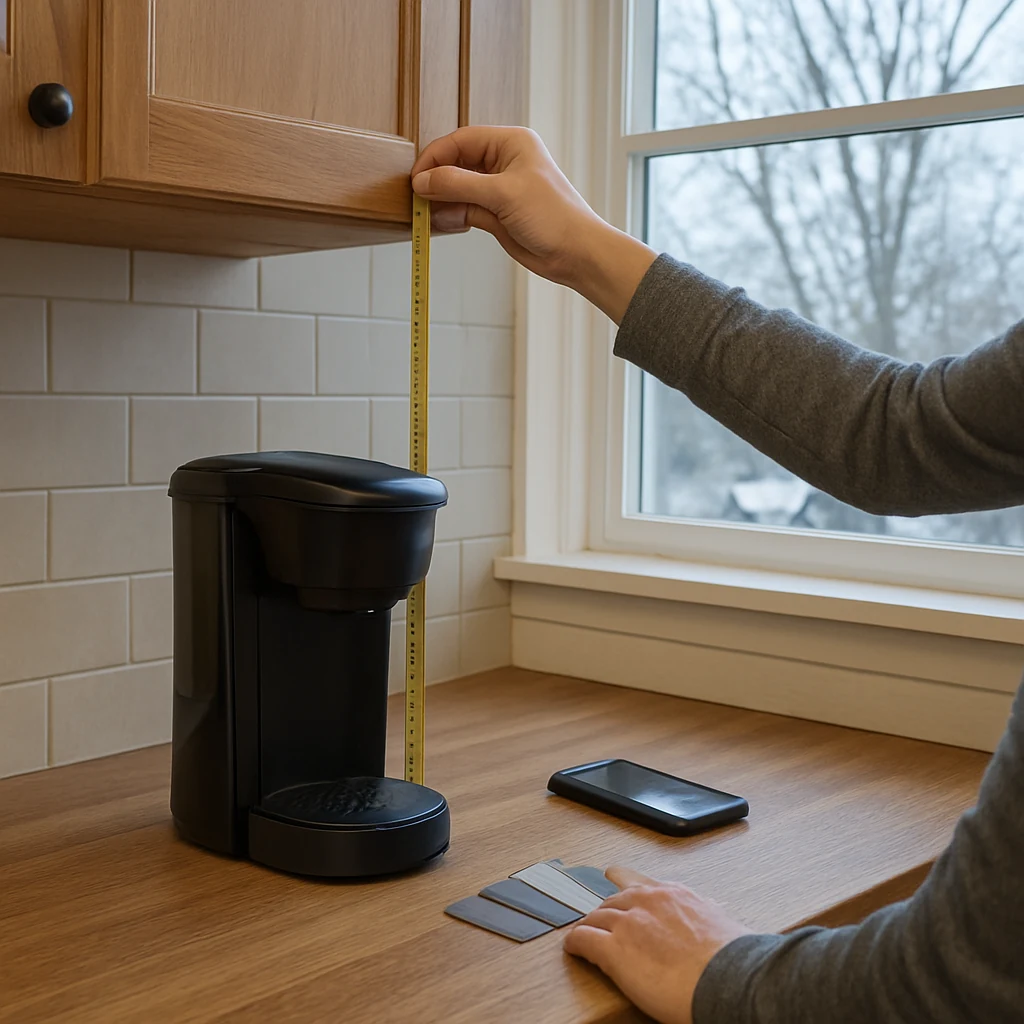
Look beyond the product photo and headline. Retailers may use different descriptions for similar items, and a familiar-looking product can come in several versions. Check the manufacturer’s model number, specifications and what’s included in the box. A bundle with accessories is not necessarily equivalent to the standalone product, even if the main item looks identical.
Here’s a hypothetical example: you find two coffee machines with the same product name, one in a bundle and one sold on its own. Before treating the listings as a match, check whether the machines have the same model number and whether the bundle’s extras are things you would use. A different colour or an updated model can also have a different listing, so confirm the details rather than assuming.
If a retailer offers price matching, read its own terms before relying on it. Eligible competitors, matching products, sale-period exclusions and the process for making a claim can vary. A similar product page is useful research, but it isn’t a guarantee that a retailer will match it.
Can I trust a crossed-out price?
Treat it as a starting point, not a verdict. A crossed-out figure may be presented as a regular price, a manufacturer’s suggested price or another reference price. Read the wording and any conditions attached to the claim. Then compare it with the prices you recorded earlier for the same item.
Price-history tools can add context, but check what they actually track. A tool might cover only certain retailers, miss short-lived changes or confuse different product variants. Check the date of its most recent observation and use it alongside retailer listings rather than treating a graph as a complete record of the market.
For example, if an item is hypothetically advertised at C$80 with C$120 crossed out, the display tells you the retailer is comparing those two figures. It does not, by itself, tell you how often the item sold for C$120 or whether C$80 is the lowest available price. Your dated notes can help you ask a better question: “How does today’s price compare with the prices I actually observed?”
What should I check when a deal appears in my feed?
Go directly to the retailer’s site or app using an address you already know, rather than rushing through an unfamiliar sponsored link. Confirm that the product page shows the same offer and check who is selling it. On a marketplace, the website hosting the listing and the third-party seller may be different businesses.
Read the offer conditions on the product page and in the cart. An advertised price may depend on a coupon code, a membership, an eligible payment method or a minimum purchase. A cashback offer is different from an immediate price reduction: check who provides it, whether the purchase qualifies and when any reward would be credited. Don’t count a reward as money already saved.
Be cautious with countdowns and low-stock messages. They can be useful prompts to check the terms, but they don’t replace your research. If you can’t verify the seller, product or conditions, stepping away is a reasonable choice.
Does a Canadian listing mean there are no surprises at checkout?
Not necessarily. Check the currency and the final order summary before paying. Sales tax depends on where the order is delivered and what applies to the purchase. GST, HST, PST or QST may be relevant depending on the circumstances. Shipping charges can also vary by destination, including when an order travels across provinces.
If an item ships from outside Canada, look for information about duties, taxes and brokerage or handling fees, and whether any are collected at checkout. Don’t assume every cross-border order will have the same charges. This isn’t a reason to rule out an offer, but it is a reason to understand the terms before comparing it with a Canadian seller’s listing.
What evidence should I keep after ordering?
Save the order confirmation and a copy or screenshot of the listing and promotion terms as they appeared when you purchased. Include the product details, advertised price and any coupon or reward conditions. These records can make it easier to ask the retailer about a discrepancy, though they don’t guarantee an adjustment or remedy.
Check the seller’s return policy before placing the order, too. Return windows and conditions can differ by retailer, seller and product, so don’t assume a single Canada-wide window applies. If the offer includes a price adjustment or price-match promise, save those terms separately and note any deadline or exclusion stated by the retailer.
Quick tips for a calmer deal check
- Search for the exact model number before comparing two listings.
- Date your price notes and distinguish the selling price from the crossed-out reference price.
- Check membership, coupon and cashback conditions before treating an advertised figure as your price.
- Verify the seller and review the order summary in Canadian dollars before paying.
On November 27 and again on Cyber Monday, your notes will give you a useful reference point without telling you what you must buy. If a deal doesn’t match the product or conditions you recorded, it’s fine to leave it. For more Canadian shopping guidance, visit our Canada deals and guides page.
You may also be interested

Black Friday 2026: Plan Delivery and Returns Before You Order
Get ready for Black Friday 2026 in Canada with practical tips for delivery, gifts, marketplace orders and returns.
Black Friday 2026: Make Your Buy, Wait or Skip Plan
Prepare for Black Friday 2026 in Canada with a buy-or-wait plan, product checks and return-policy questions to answer before checkout.

Black Friday 2026: Compare the Cost, Not Just the Price
Prepare for Black Friday 2026 in Canada with a practical way to compare prices, provincial taxes, shipping costs and return policies before buying.