

The Pursuit of Happiness: How Classical Writers on Virtue Inspired the Lives of the Founders and Defined America — Unabridged Audiobook
Product description
As an unabridged audiobook, this edition presents a history of classical ideas about virtue and the American Founders. It is Book 1 of 2 in The Founders Trilogy. The listening length is 10 hours and 51 minutes. Jeffrey Rosen is listed with the title, and Sean Patrick Hopkins is also named in the product details.
Pros
The subject gives this audiobook a distinct angle: it looks at how writing on virtue relates to the Founders and the shaping of America, rather than focusing only on a sequence of historical events. That may appeal to listeners interested in the ideas behind the period as well as its history. The unabridged format keeps the work intact, and the stated runtime helps you judge whether it suits your listening routine. For instance, someone could divide it into shorter sessions instead of setting aside time for one long listen.
Buyer feedback is positive about the book’s content, with some appreciating its links between study and important historical documents. The writing style is also praised, and some readers describe the book as engaging. Readability receives mixed responses, though, with some finding it difficult to get through. That matters if you prefer a lighter or more straightforward account of the period.
Highlights
The central focus is the relationship between classical writing on virtue and the lives of the Founders. It offers a different lens from a history that concentrates chiefly on dates, events or biographies. Buyers also value references to classic moral and political philosophers, including brief extracts, according to their feedback. This may suit listeners who enjoy following connections between political history and the ideas that shaped it.
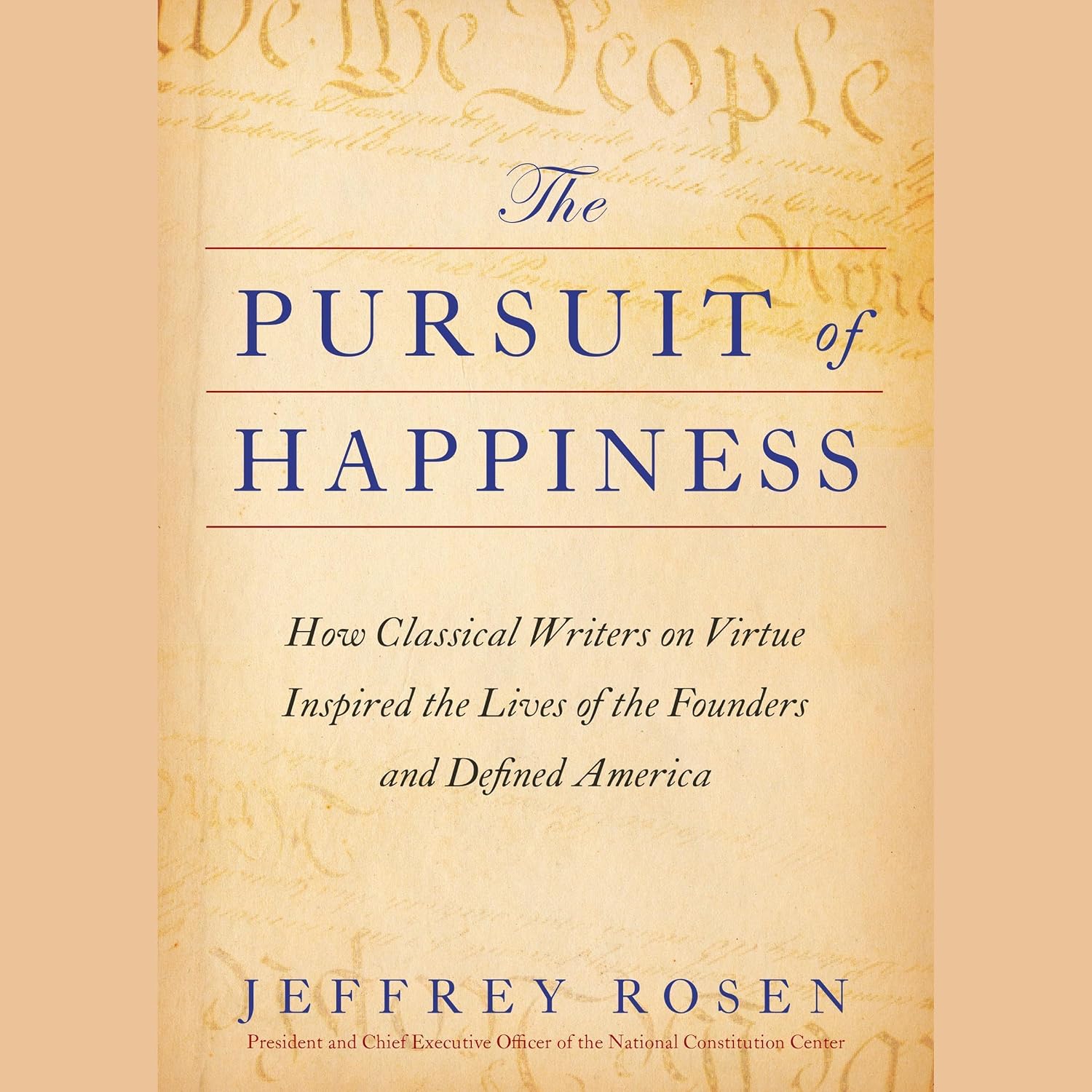
The audiobook was published by Simon & Schuster Audio on 13 February 2024. Its place as the first book in a two-part trilogy gives the series context, but the supplied details do not describe what the second book covers. If you are choosing between this and a source collection, the distinction is the emphasis: this title is framed around the influence of classical ideas, rather than simply presenting historical documents for independent study.
Tips for day-to-day use
At 10 hours and 51 minutes, this is a substantial listen, so it may be easier to fit into regular listening sessions than to complete in one sitting. The unabridged format is worth noting if you want the full work rather than a shortened version. As the subject connects philosophical writing with American history, it is likely to suit focused listening better than something chosen purely as light background audio.
It’s a good fit if you want an ideas-led account of the Founders and are comfortable with a book that some readers find challenging to read. It may not suit you if you are specifically after a simple, fast-paced introduction, the mixed feedback on readability is a relevant caution, not a guarantee that every listener will find it difficult.
Is it worth it?
This audiobook is worth considering for listeners who want to explore how classical ideas about virtue influenced the Founders, rather than choosing a history organised mainly around events or a collection of primary sources. Its unabridged presentation and clear runtime make the format and time commitment easy to assess. Buyer responses suggest the content and writing can be engaging, while the mixed comments on readability point to a more demanding listen for some.
The strongest reason to choose it is the specific connection between classical writers, virtue and the American founding. If that subject is what you are looking for, the focus gives the title a clear purpose. If you want an uncomplicated overview or a purely chronological account, the available details do not establish that this book will match that preference.