

Zhenx Spinning Chair for Autistic Kids (Ages 3-18) — 220 lb Capacity Sensory Swivel Seat (Red)
Product description
What matters most
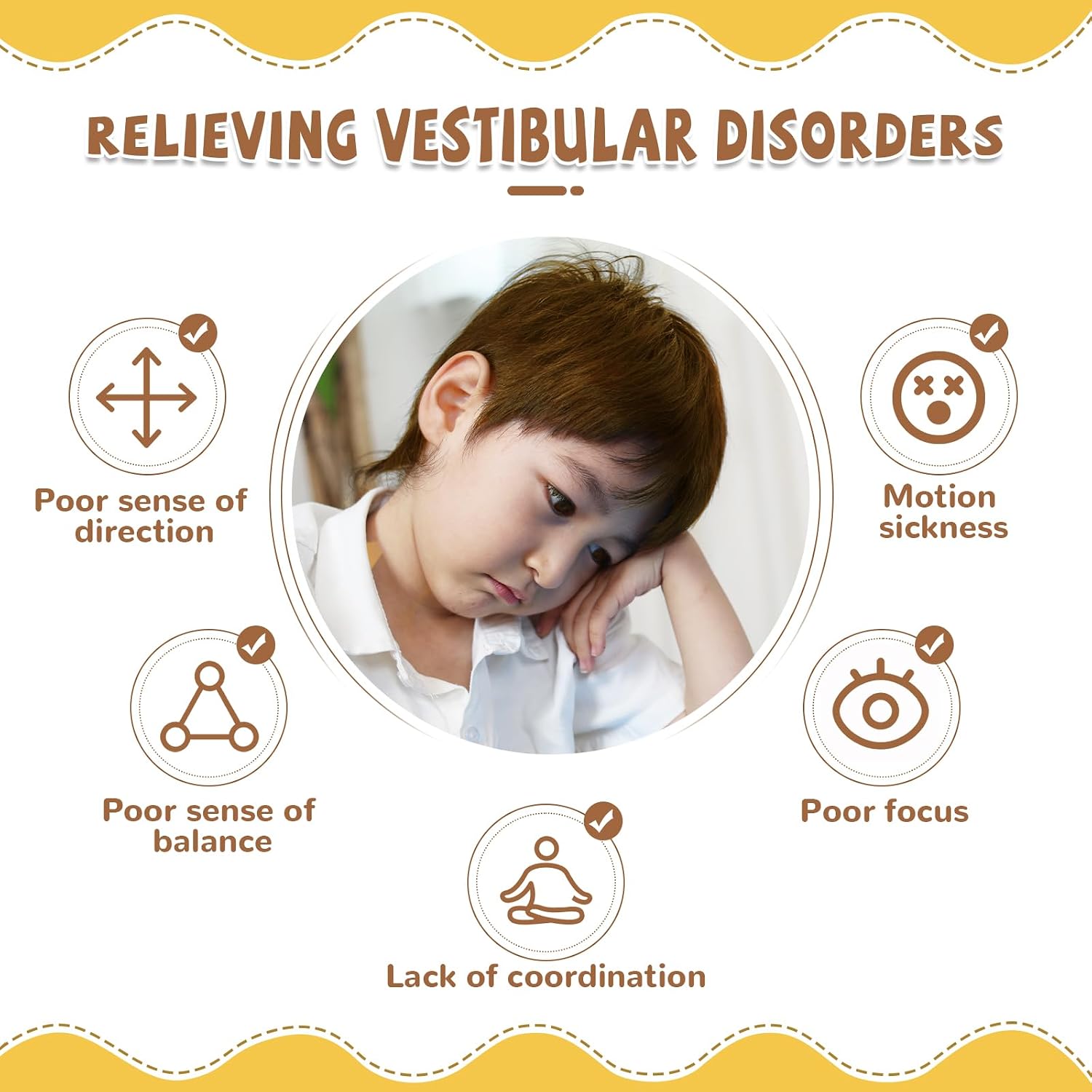
On paper, the Zhenx Spinning Chair is a sensory tool built to support focus, balance, and body awareness through gentle, 360° rotation. For families navigating sensory needs—ADHD, autism, or other sensory processing challenges—it offers a way to channel movement into calm, engaged play. It’s not a high-tech gadget, it’s a sturdy chair that turns passive seating into active, small-scale vestibular input. The question is whether this kind of movement-based input aligns with your child's day-to-day needs and tolerance for spinning.
Design and build: stability you can feel
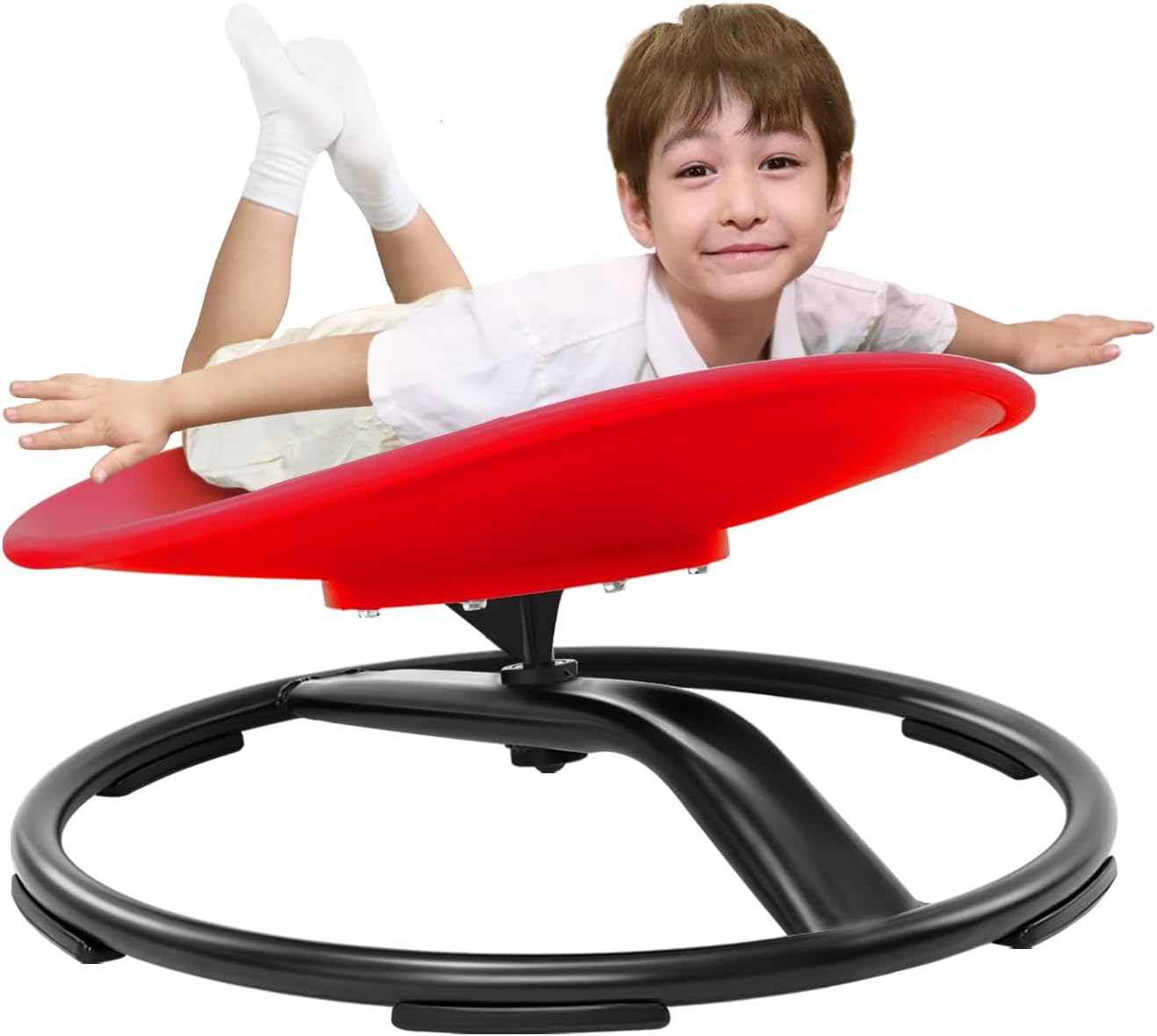
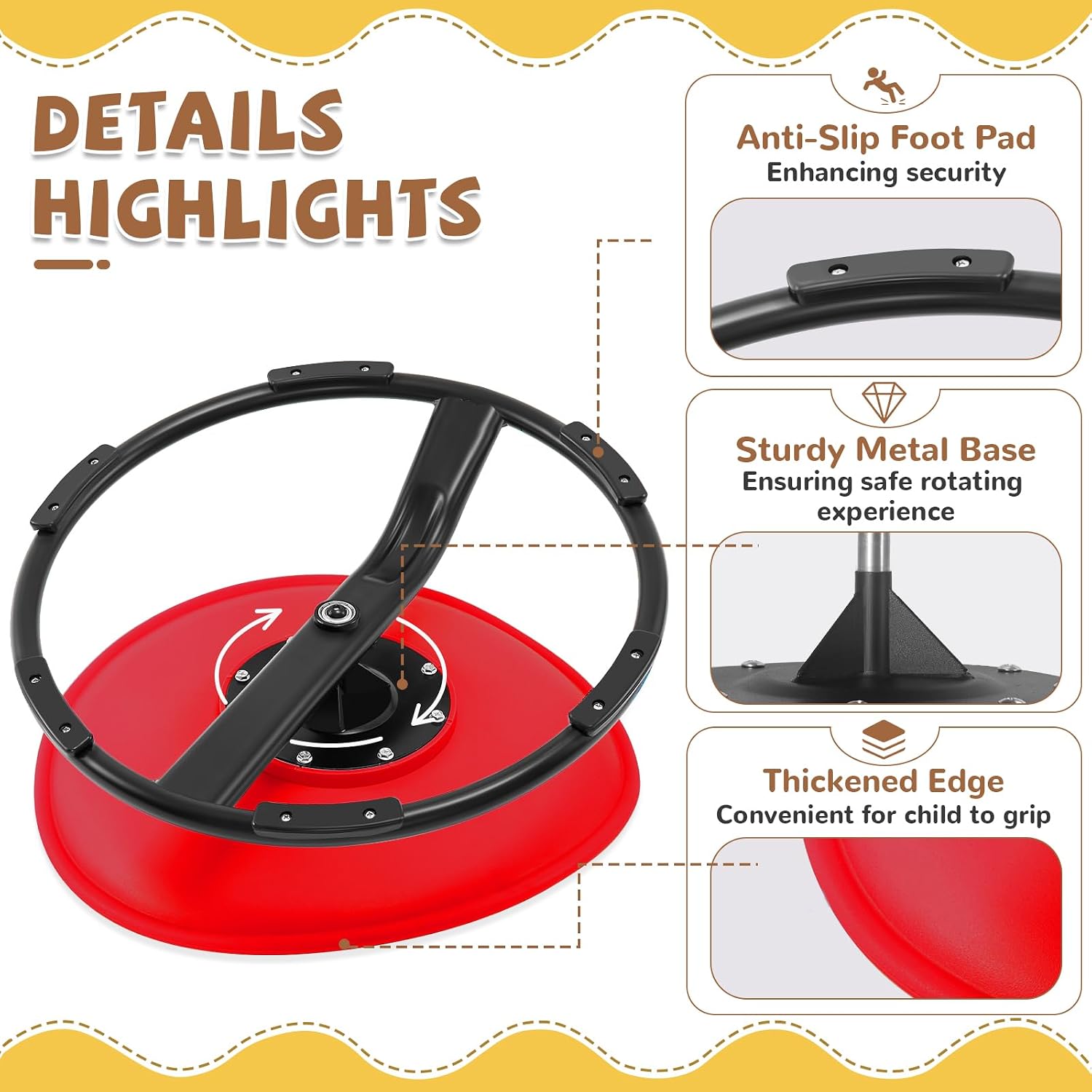
The chair rests on a heavy-duty metal base that supports up to 220 lbs, with non-slip rubber feet to keep rotation steady during vigorous movement. In practice, that means a wobble-free ride for kids who move a lot, want to spin, or need proprioceptive input while learning to sit still for a task. The frame leans on a heat-resistant polypropylene shell that’s designed to be easy to clean, an important consideration for busy homes and classrooms.
How it helps in everyday use
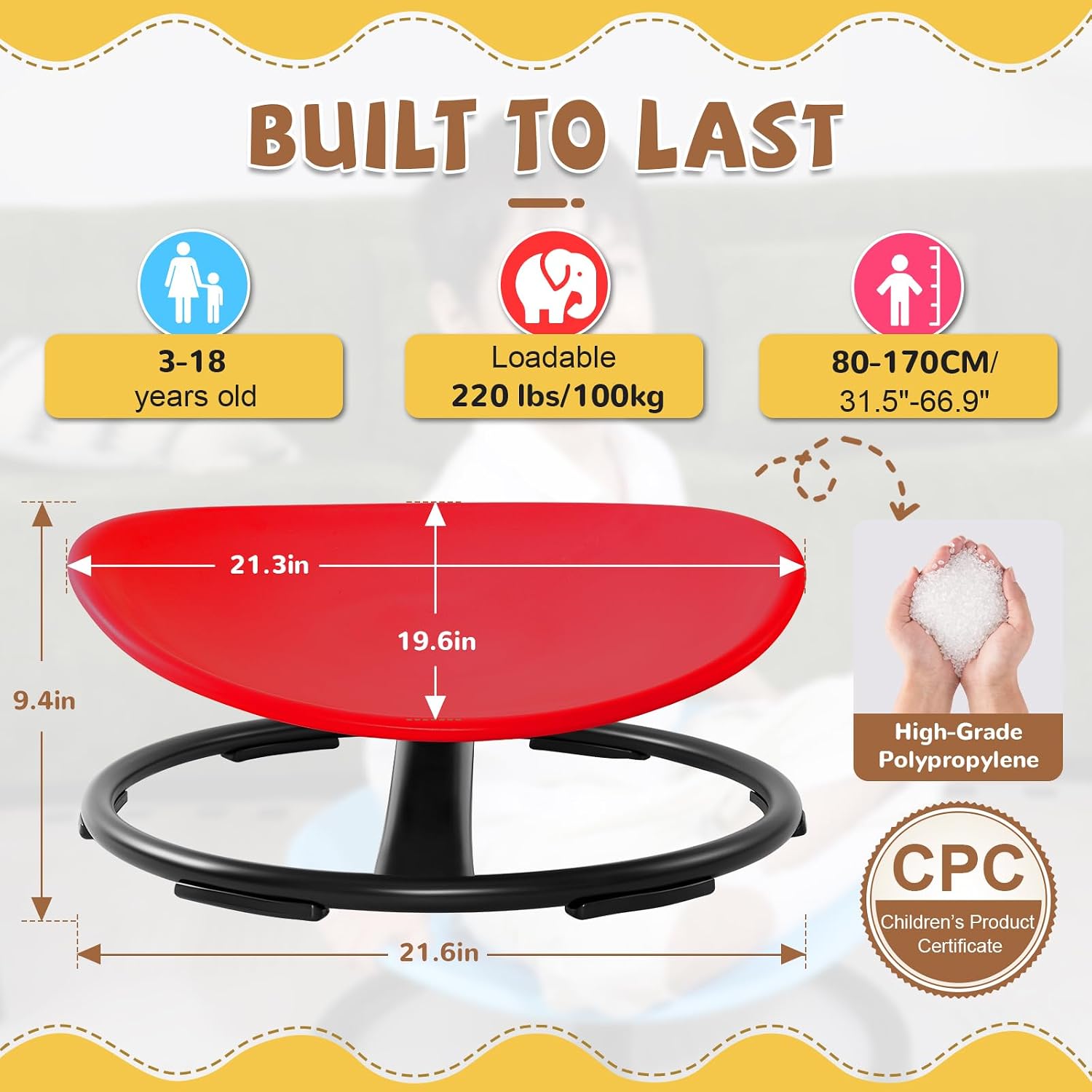
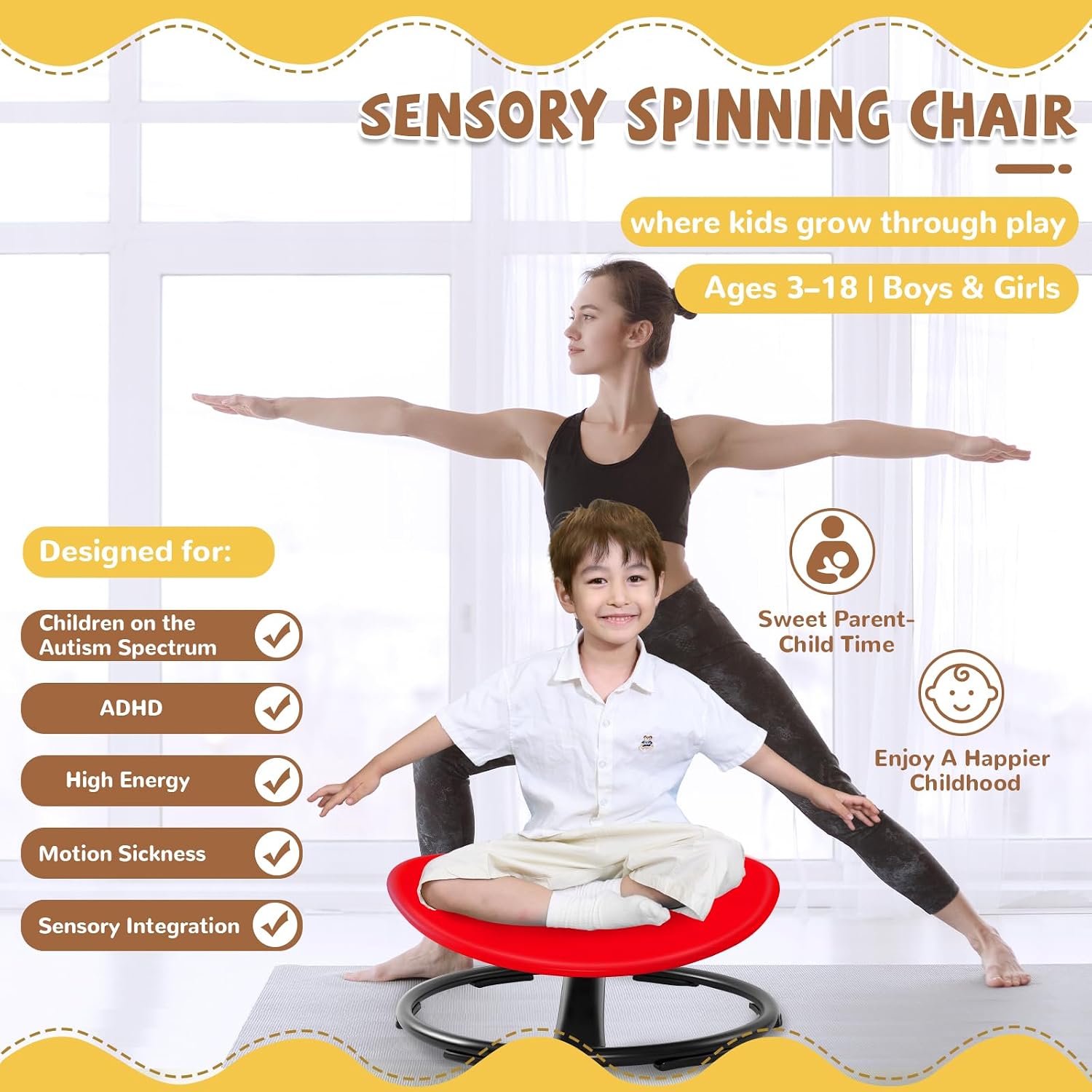
Regular, gentle spinning can support vestibular processing, potentially aiding balance and motor planning. Parents often cite benefits like improved concentration during calm-down time or after a movement-heavy activity. It’s not framed as therapy, but as a practical tool that blends play with sensory organization. If motion sensitivity is a concern, you’ll want to observe how your child responds to the centrifugal motion and adjust use accordingly.
Pros and what to watch for
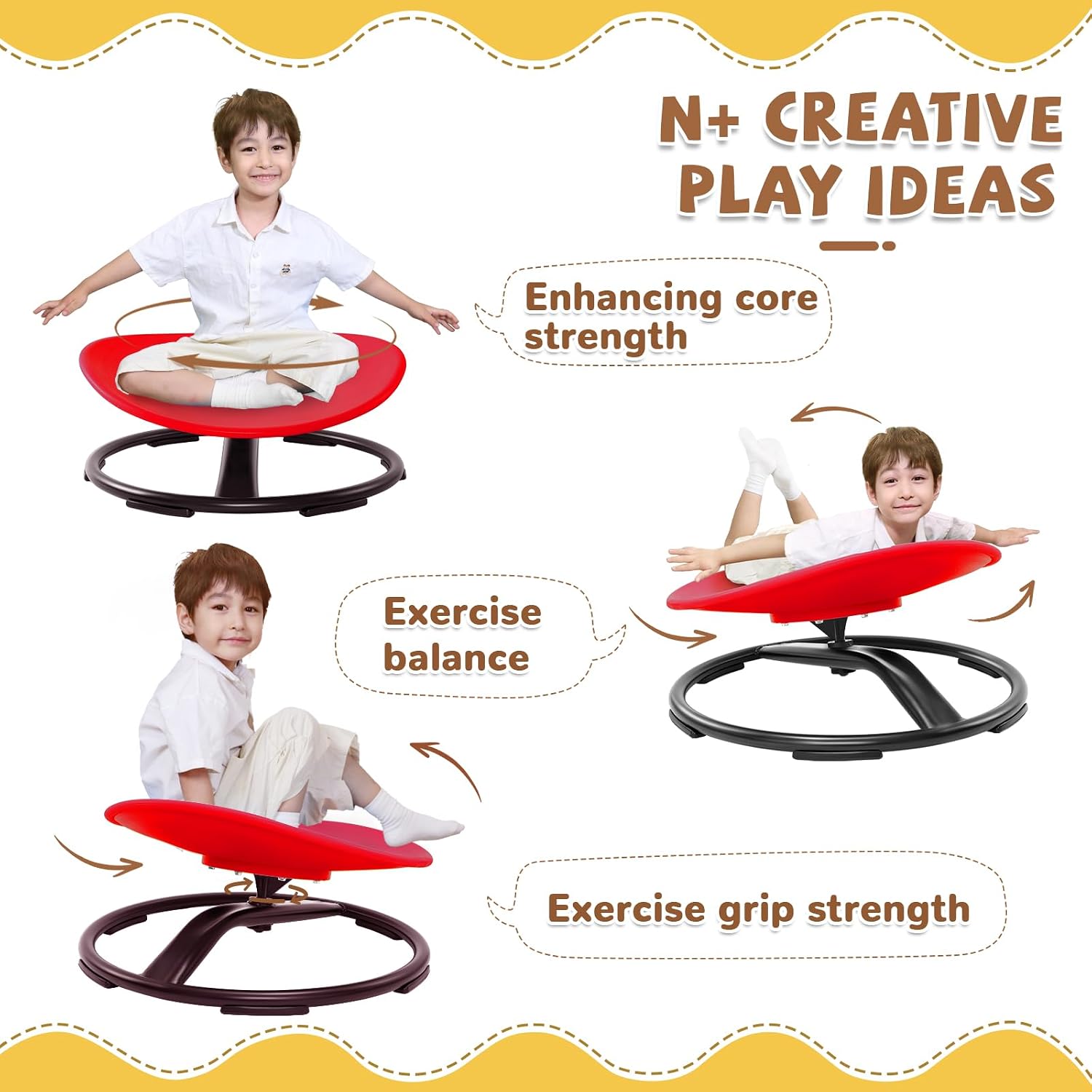
On the plus side, the chair is simple to set up, wipe-clean, and designed for active sensory seekers who need movement to stay engaged. The rotation is smooth and predictable, which can help some kids feel in control while they spin. A potential limitation is that results depend heavily on the individual child’s sensory profile—some kids may love the motion, while others may find it overstimulating or distracting during focused tasks.
Who it’s for and who should think twice
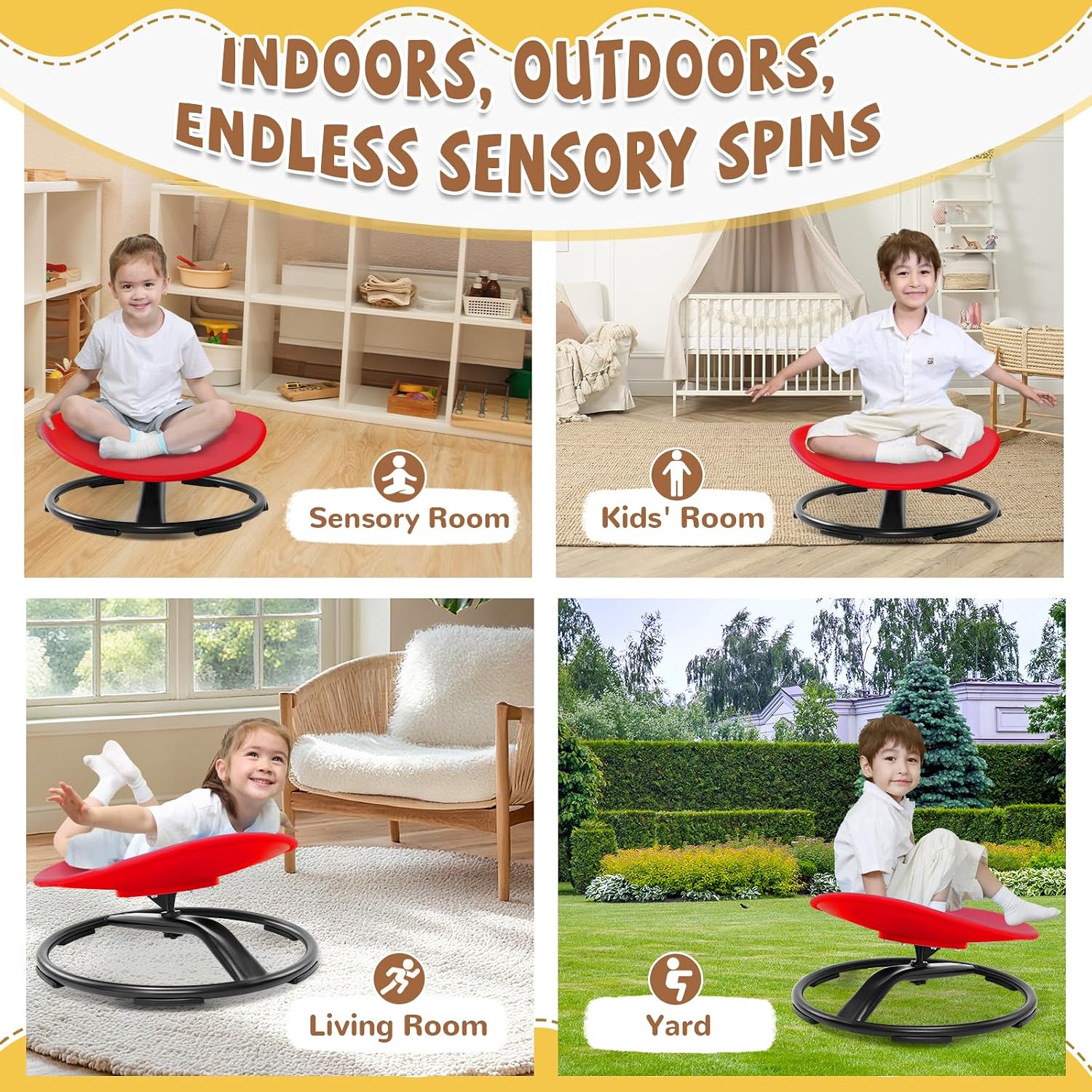
This chair makes sense for kids who benefit from embodied input and enjoy rhythmic movement as part of their routine, such as a calm-down corner, homeschool workspace, or a dedicated sensory area. If your child responds poorly to motion, or if you’re prioritizing a stationary seating option for seating tasks or deep work, you may want to consider alternatives or use the chair sparingly.
When to buy and when to pause
Consider purchasing if you’re looking for a low-cost, non-intrusive way to add proprioceptive input to daily activities, especially in a homeschool setting or a sensory corner. It’s reasonable to test it during short intervals and monitor how attention and regulation respond over a couple of weeks. If your child has severe sensory processing challenges or motion sickness, start with brief sessions and adjust ahead of longer use.
What to check before buying
- Check that the seat material feels comfortable for longer sessions and is easy to wipe down.
- Ensure your child’s space can accommodate a chair that spins and sits at a comfortable height for your table or desk.
- Observe how your child reacts to 360° rotation: does it calm, engage, or overwhelm? Use as a gentle, voluntary activity rather than a mandatory seating option.
- Consider implementing a clear usage plan (time limits, stop cues) to help with regulation goals without turning it into a battleground.
Practical use example
Imagine a quiet corner where a child starts with 3–5 minutes of gentle spinning while listening to a short story or counting exercises. The movement can help with body awareness as they shift into a writing activity, using the brief vestibular input as a bridge to focus. Over time, you may notice longer on-task periods as regulation improves.
Quick FAQ
- Is it suitable for all ages within 3–18? It’s designed for that range, but individual development and tolerance vary.
- Does it require assembly? The base design suggests a straightforward setup typical of similar chairs, consult the manual for specifics.
- Can it replace other seating options? Not necessarily, think of it as a supplementary tool rather than a universal solution.
Is it worth it?
A solid pick if your goal is to introduce controlled sensory input to support focus and balance without complex equipment. It’s a practical, no-frills option that prioritizes durability and ease of cleaning over flashy features. If you prioritize minimal motion during work or need a device with more targeted therapeutic credentials, you might want to explore other avenues. For many families, the chair represents a tangible, usable way to blend play with daily routines, especially in homes or classrooms that embrace sensory-friendly setups.